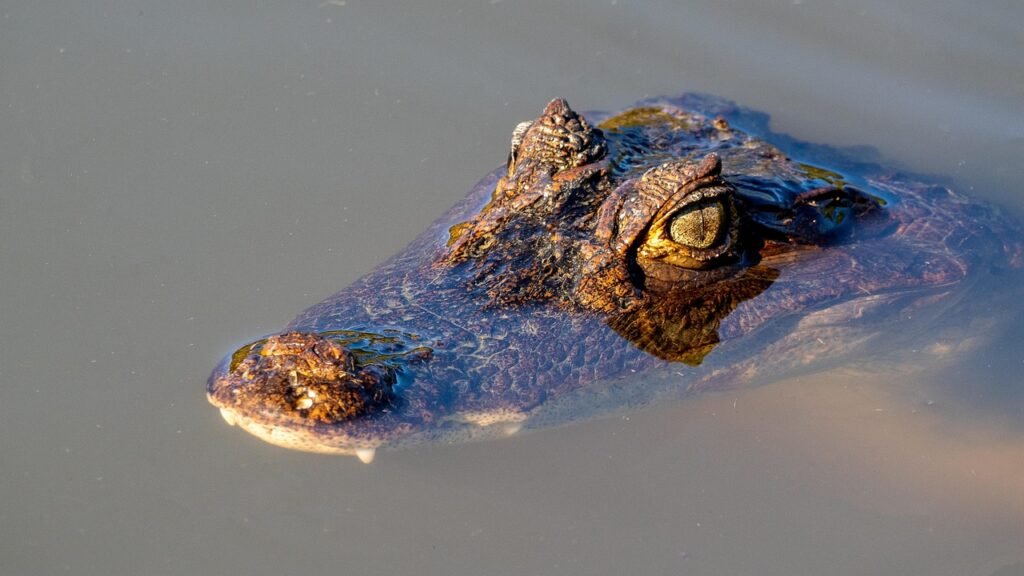

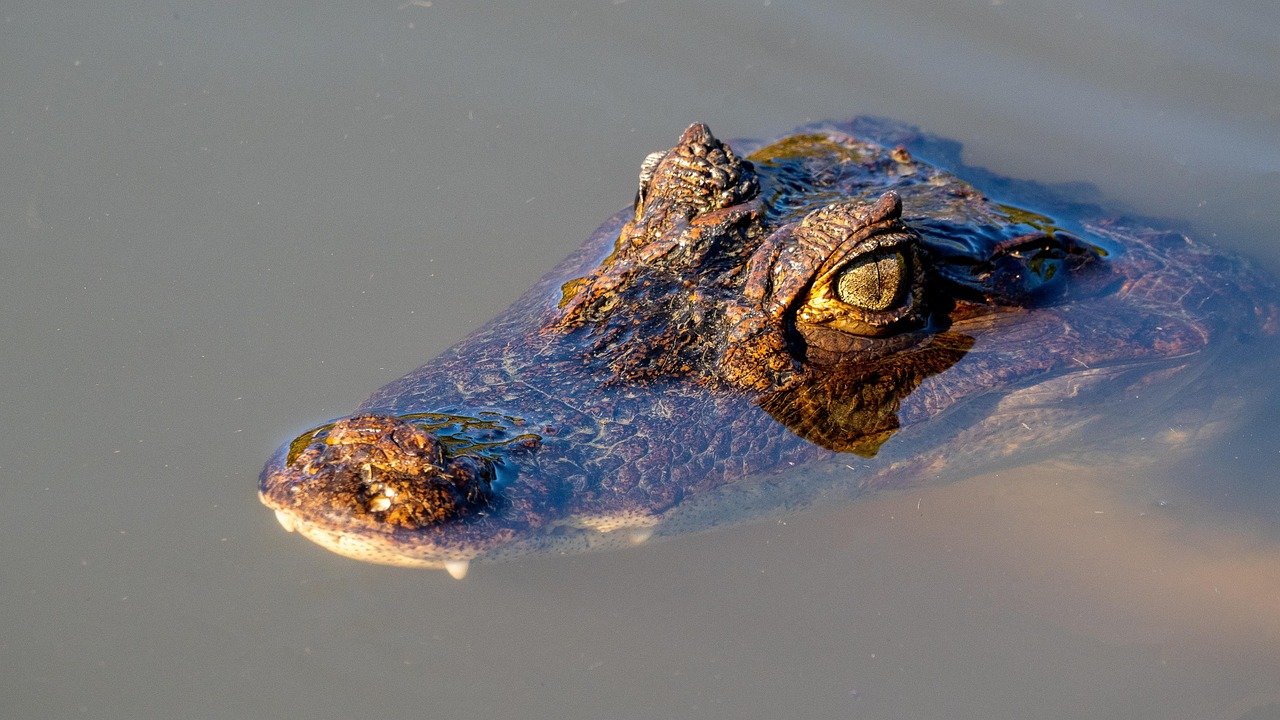
A Reptile Teetering on Extinction (Image Credits: Pixabay)
Savannakhet Province, Laos – Village teams in central Laos have achieved notable progress in restoring populations of the Siamese crocodile, one of the world’s most imperiled reptiles, through dedicated stewardship of key wetlands.[1][2]
A Reptile Teetering on Extinction
The Siamese crocodile once roamed wetlands across Southeast Asia, but relentless pressures reduced its numbers to fewer than 1,000 adults in the wild.[1] Habitat destruction from agricultural expansion, entanglement in fishing gear, and collection of eggs for various uses drove the species to the brink. Classified as critically endangered by the International Union for Conservation of Nature, it clung to survival in scattered strongholds.
The Xe Champhone wetlands emerged as a critical refuge. This expansive Ramsar site in Champhone District supports diverse aquatic life, including endangered turtles and waterbirds, alongside one of the largest remaining wild groups of Siamese crocodiles on mainland Southeast Asia. Local residents viewed the reptiles not as threats but as spiritual guardians of water bodies, fostering an inherent respect that set the stage for conservation.[2]
Empowering Local Guardians
Conservation scientist Steven Platt witnessed the potential for turnaround more than a decade ago. Since 2011, the Wildlife Conservation Society collaborated with Lao government agencies and villagers to build a community-driven program. Village Conservation Teams, recruited from nearby settlements, received training to patrol habitats and safeguard nests.[1]
“These locally recruited groups are trained and supported by WCS to monitor crocodile nests, protect eggs from flooding or poaching, and assist with incubation and release efforts,” said Santi Saypanya, country director for the WCS Laos Program. The initiative tapped into cultural beliefs that portray crocodiles as benevolent spirits, motivating sustained participation. Teams established core protection zones within the wetlands, balancing biodiversity needs with community livelihoods like fishing and rice farming.[3]
Mastering the Art of Head-Starting
Each breeding season, teams located 6 to 8 nests on floating mats of peat and vegetation. They carefully collected eggs, which incubated naturally for about two months before hatching. Hatchlings then entered a rigorous rearing phase lasting up to 32 months, growing beyond one meter to evade predators.
- Locate and protect nests from floods and poachers.
- Collect eggs for safe incubation in village facilities.
- Rear juveniles in protected pens with natural diets.
- Employ soft-release methods, gradually acclimating animals to wild conditions for better survival and return rates.
- Conduct ongoing monitoring to track released individuals.
By May 2025, villagers released 10 head-started crocodiles during the opening of the Xe Champhone Wetland and Crocodile Information Center, which educates visitors on biodiversity and local efforts. Overall, 183 crocodiles returned to the wild by that point, with hundreds more prepared since 2019.[2]
Evidence of a Turning Tide
Annual surveys revealed steady nest production and high egg viability, signaling reproductive success. Released crocodiles even began breeding, confirming program efficacy. The estimated population in Xe Champhone stabilized at 200 to 250 individuals, a beacon amid global declines.
“Recovery is possible – even for species on the edge of extinction – when conservation is built around local knowledge, cultural values, and sustained scientific monitoring,” Platt noted. These efforts extended benefits to the entire ecosystem, bolstering fish stocks and bird populations while enhancing wetland resilience.[1]
Funded by the European Union and France’s Agence Française de Développement, the work underscored collaborative models. As biodiversity losses mount worldwide, the Siamese crocodile’s resurgence offered proof that grassroots action, paired with science, yields results.
Key Takeaways
- Community teams head-started hundreds of juveniles for release since 2019.
- Cultural reverence for crocodiles fueled voluntary protection.
- Population estimates hold at 200-250 in Laos’ premier wetland stronghold.
Village-led revival demonstrates that species recovery hinges on empowering those who live alongside wildlife. What steps can communities near you take to protect local species? Share your thoughts in the comments.