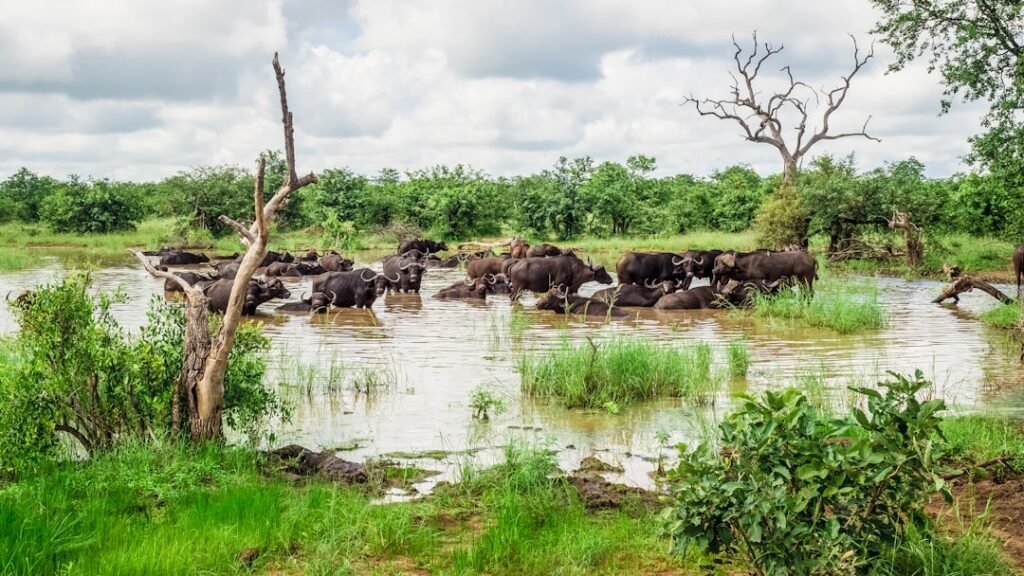

Severe Floods Overwhelm Iconic Reserve (Image Credits: Unsplash)
Kruger National Park, South Africa – South African National Parks continues restoration work after mid-January floods inflicted widespread damage on roads, bridges, and visitor facilities in the iconic wildlife reserve.[1][2]
Severe Floods Overwhelm Iconic Reserve
Torrential rains in Mpumalanga and Limpopo provinces unleashed floods that submerged bridges under rushing waters and flooded camps across Kruger National Park. Hippos navigated treetops amid the chaos as park staff airlifted guests and over 500 employees to safety. No lives were lost, but the deluge halted day visits and isolated sections of the park.[3][4]
Environment Minister Willie Aucamp described the impact as devastating during a January 22 briefing. Fifteen tourist camps remained closed initially, with some areas still underwater days later. The floods also affected neighboring Mozambique and highlighted the region’s vulnerability to extreme weather.[1]
Swift Action Ensures Safety and Access
Park authorities closed gates and restricted entry to protect visitors during the peak flooding. Crocodile Bridge Gate reopened on January 22 as conditions eased. Teams prioritized evacuations and assessments, with SANParks CEO Hapiloe Sello confirming no fatalities despite the scale of the emergency.[4]
Restoration efforts ramped up immediately. Officials constructed bypass routes to maintain connectivity. By early February, progress allowed limited traffic on damaged sections.[2]
Key Infrastructure Reopens Amid Challenges
SANParks issued a February 2 update detailing reopenings. The H7 Route from Orpen Gate to Satara now accommodates traffic, though only one lane operates near Nsemani Dam due to severe damage. Heavy vehicles over eight tonnes face restrictions, and a bypass via S12 and S40 routes supports access during repairs.[2]
Several facilities welcomed visitors again:
- Tsendze Rustic Camp near Mopani Rest Camp
- Masorini Ruins, 12 km from Phalaborwa Gate
- Mooiplaas near Mopani Rest Camp
- Babalala between Punda Maria and Shingwedzi Camps
Gravel roads marked with “No Entry” signs remain off-limits. Orpen Gate operates under a quota for open safari vehicles. Park officials urged adherence to signage for safety.[2]
Heavy Financial Toll Looms Large
Repair costs could exceed 500 million rand, or about $30 million, according to Minister Aucamp. Full recovery of bridges, roads, and other infrastructure may take up to five years. Tourism suffered a 41% drop in January visits compared to the prior year, straining SANParks’ budget, where Kruger accounts for 30% of the network’s 1.9 million annual visitors.[3][1]
“Restoration efforts are ongoing, and visitor safety remains our highest priority,” SANParks stated. The agency launched a recovery fund to attract private donations. Tom Vorster of the Maruleng Tourism Association noted teams worked frantically on bypasses and reopenings. Such events underscore South Africa’s protected areas’ heavy reliance on tourism revenue amid rising climate risks.[1]
Key Takeaways
- Floods damaged roads, bridges, and camps, costing up to $30 million with repairs potentially lasting five years.
- H7 Route and select camps have reopened, but gravel roads stay closed for safety.
- Tourism revenue critical for SANParks; recovery fund seeks donations to aid restoration.
As Kruger rebounds, its resilience offers hope for conservation. Full recovery demands sustained support to safeguard this vital ecosystem and economic driver. What are your thoughts on the park’s recovery? Share in the comments.