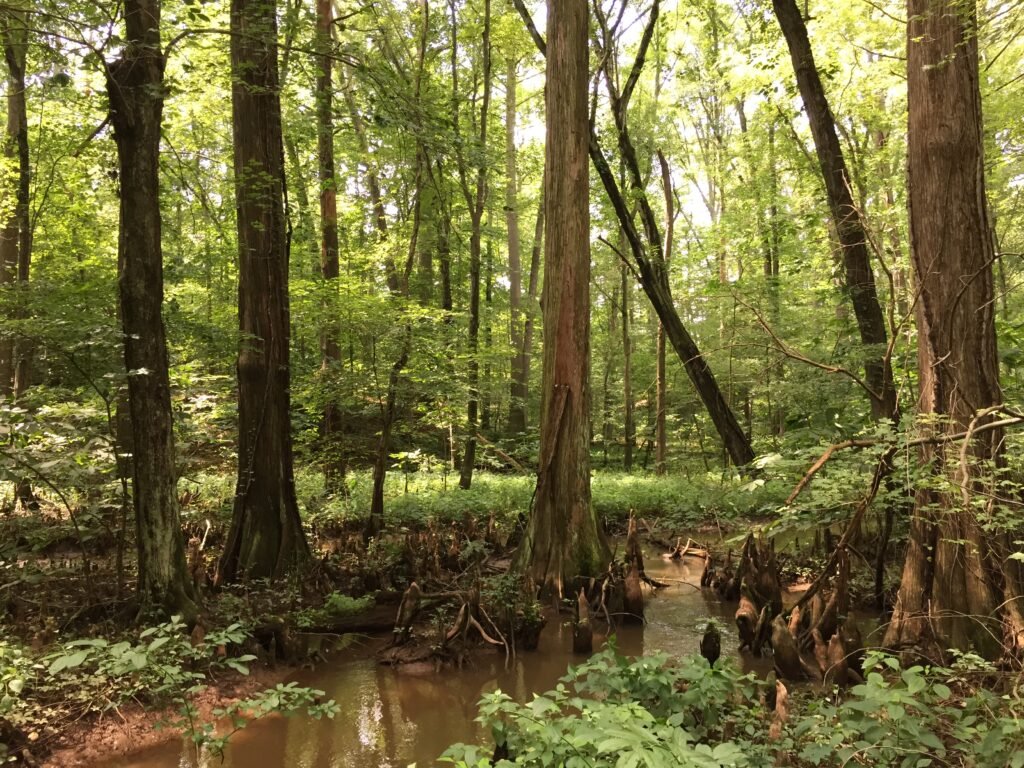
Koalas, with their fuzzy ears and cuddly appearance, have long been a symbol of Australia’s unique wildlife. However, these beloved creatures face an uncertain future, as climate change and habitat loss pose significant threats to their survival. In this article, we delve into the challenges facing koalas and explore the urgent actions needed to protect them.
Introduction to Koalas
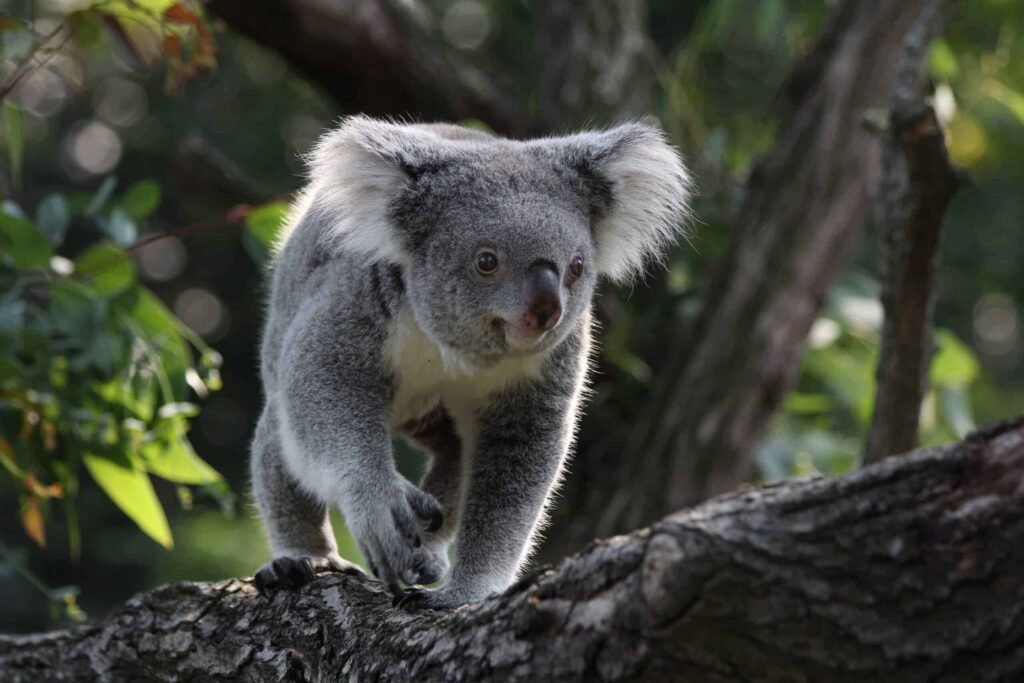
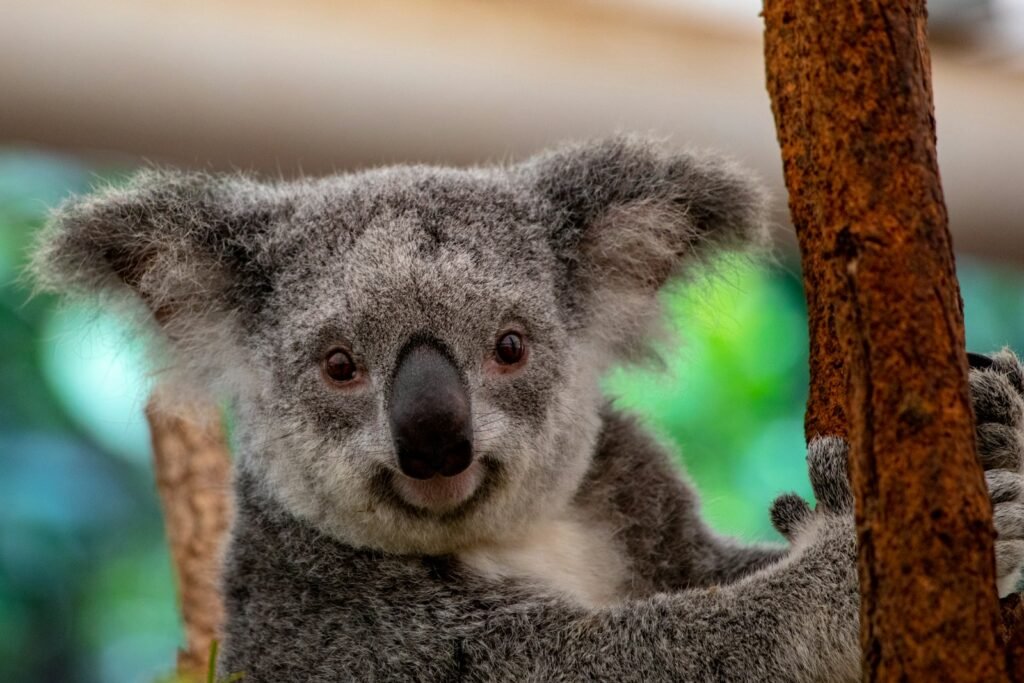
Koalas (Phascolarctos cinereus) are arboreal marsupials native to Australia. Known for their distinctive appearance and eucalyptus diet, koalas are integral to the country’s natural heritage. They play a crucial role in the ecosystem as a keystone species, influencing the composition and health of the eucalyptus forests they inhabit. Yet, despite their iconic status, koalas are increasingly vulnerable to a range of threats that endanger their existence.
The Role of Climate Change

Climate change poses a significant threat to koalas, affecting their habitat, food sources, and overall survival. Rising temperatures and changing rainfall patterns impact eucalyptus tree growth, leading to reduced nutrition and foliage for koalas. Additionally, extreme weather events such as droughts, heatwaves, and bushfires further stress koala populations, exacerbating their vulnerability.
Habitat Loss and Fragmentation
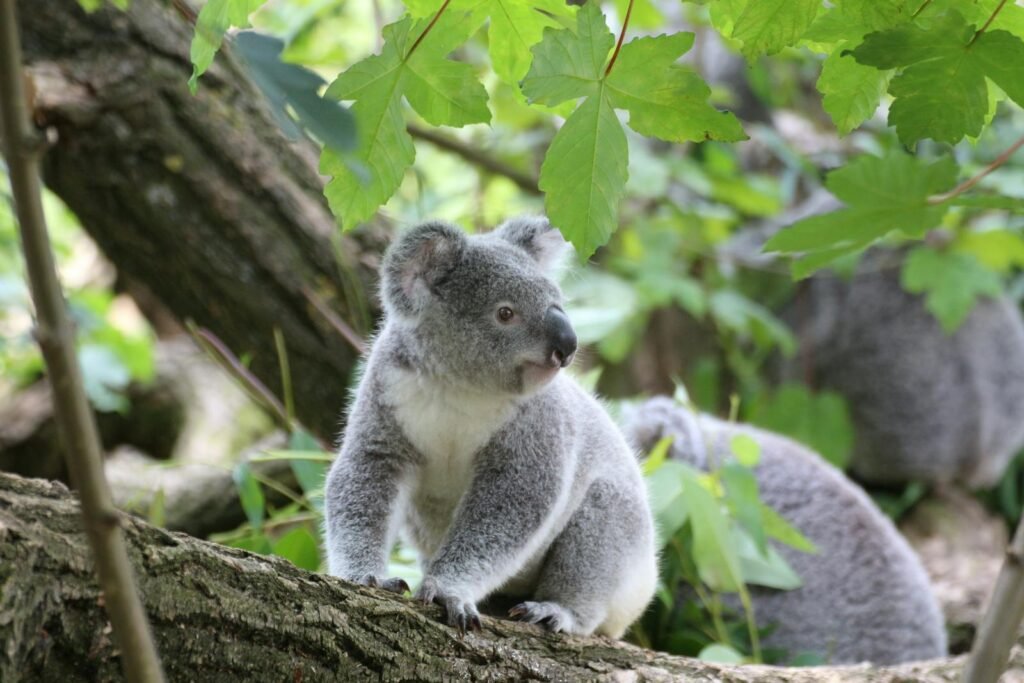
Habitat loss is one of the most pressing threats to koalas. Rapid urbanization, agriculture expansion, and infrastructure development have led to significant deforestation and fragmentation of koala habitats. This loss not only reduces the area where koalas can live and feed but also isolates populations, making it difficult for them to find mates and maintain genetic diversity.
The Impact of Bushfires

The devastating bushfires that sweep across Australia during its dry seasons have starkly highlighted the vulnerability of koalas. In recent years, massive fires have destroyed vast tracts of koala habitat, leading to significant mortality and displacement. The fires not only kill koalas outright but also destroy food and shelter, leaving survivors at risk of starvation and exposure.
Threats from Disease

Koalas are susceptible to a range of diseases, including chlamydia, which can cause blindness, infertility, and death. The stress from habitat loss and environmental changes weakens their immune systems, making them more vulnerable to infections. Disease outbreaks can decimate local populations, further threatening the species’ survival.
Conservation Efforts

Efforts to conserve koala populations are underway across Australia. Programs focus on habitat restoration, disease management, and reducing human-induced threats. Wildlife corridors are being established to connect fragmented habitats, enhancing genetic diversity and enabling koalas to migrate safely between areas. Conservation groups also work on legal protections to safeguard crucial habitats from development.
The Role of Communities
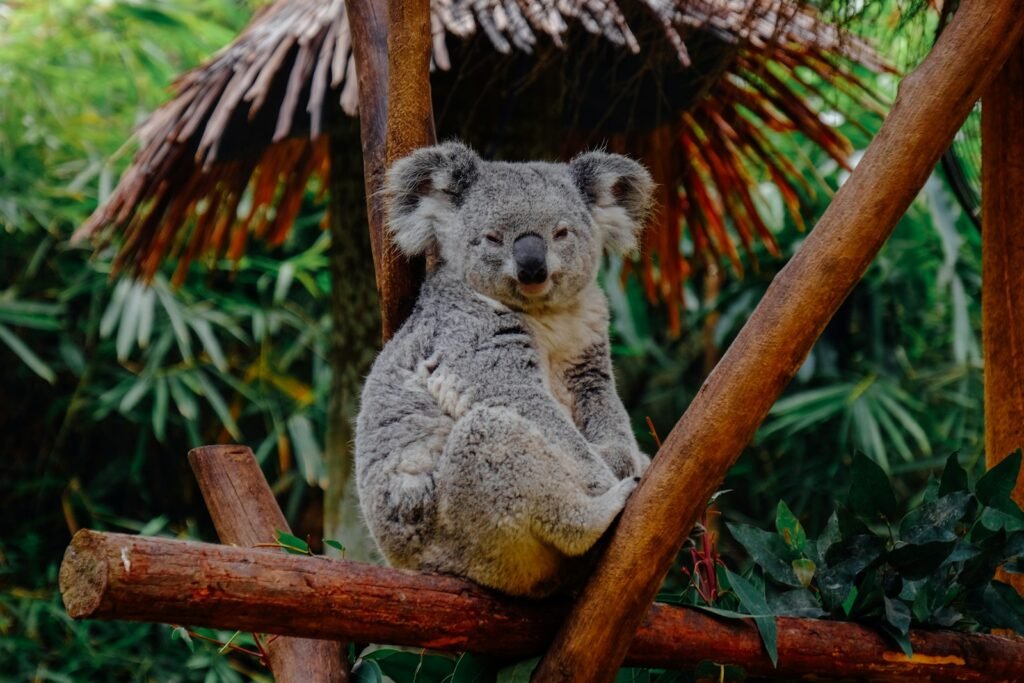
Community involvement is vital in koala conservation. Local residents play a significant role by participating in habitat restoration projects, reporting sightings, and advocating for stronger environmental policies. Education campaigns raise awareness about koalas’ plight, fostering a sense of stewardship among Australians and encouraging sustainable practices to limit harm to koala habitats.
The Need for Government Action
Government intervention is crucial to address the threats facing koalas. This includes strengthening legislation to protect habitats, funding research and conservation initiatives, and enacting policies to mitigate climate change. Collaborative efforts between federal, state, and local governments are necessary to implement effective conservation strategies and ensure the long-term survival of koalas.
Research and Innovation

Innovative research plays a significant role in understanding and mitigating the challenges facing koalas. Scientists are exploring genetic studies to bolster disease resistance, alongside developing techniques for habitat restoration and fire management. Advancements in technology, such as drones and thermal imaging, are improving the accuracy and efficiency of koala population monitoring.
Empowering Future Generations

Educating future generations about the importance of koala conservation is an investment in their survival. School programs and interactive wildlife experiences help cultivate a sense of environmental responsibility among young Australians, empowering them to become advocates for their country’s natural heritage. With continued education, we can inspire future leaders to prioritize and protect these iconic animals.
Conclusion
Koalas face a precarious future, yet hope remains through concerted conservation efforts, community involvement, and policy changes. By addressing the challenges of climate change and habitat loss, Australia can safeguard its most beloved animal for generations to come. The survival of koalas is not only a testament to the country’s ecological stewardship but also a symbol of hope for wildlife conservation worldwide.