
A Stellar Spectacle Comes Alive (Image Credits: Cdn.mos.cms.futurecdn.net)
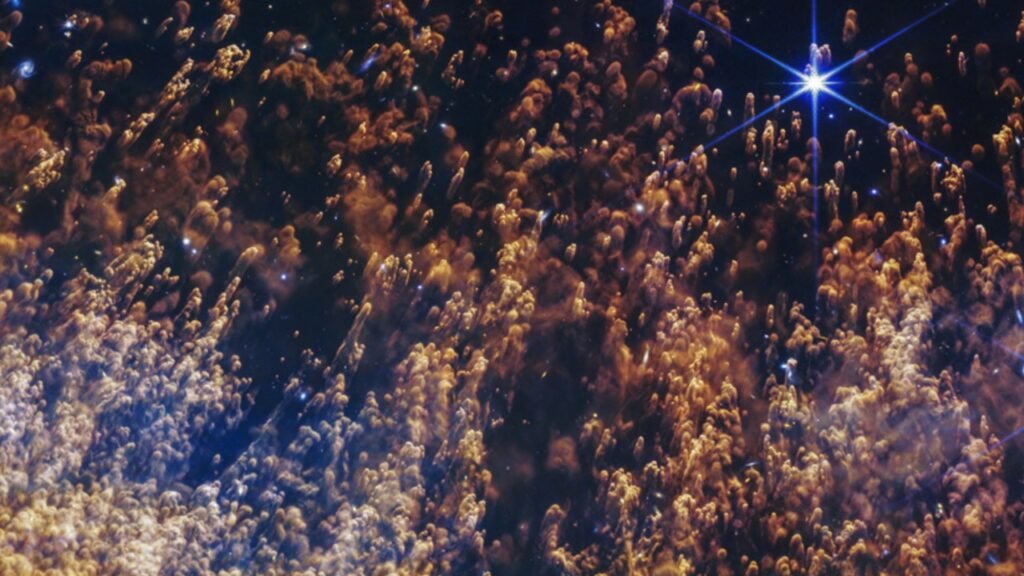
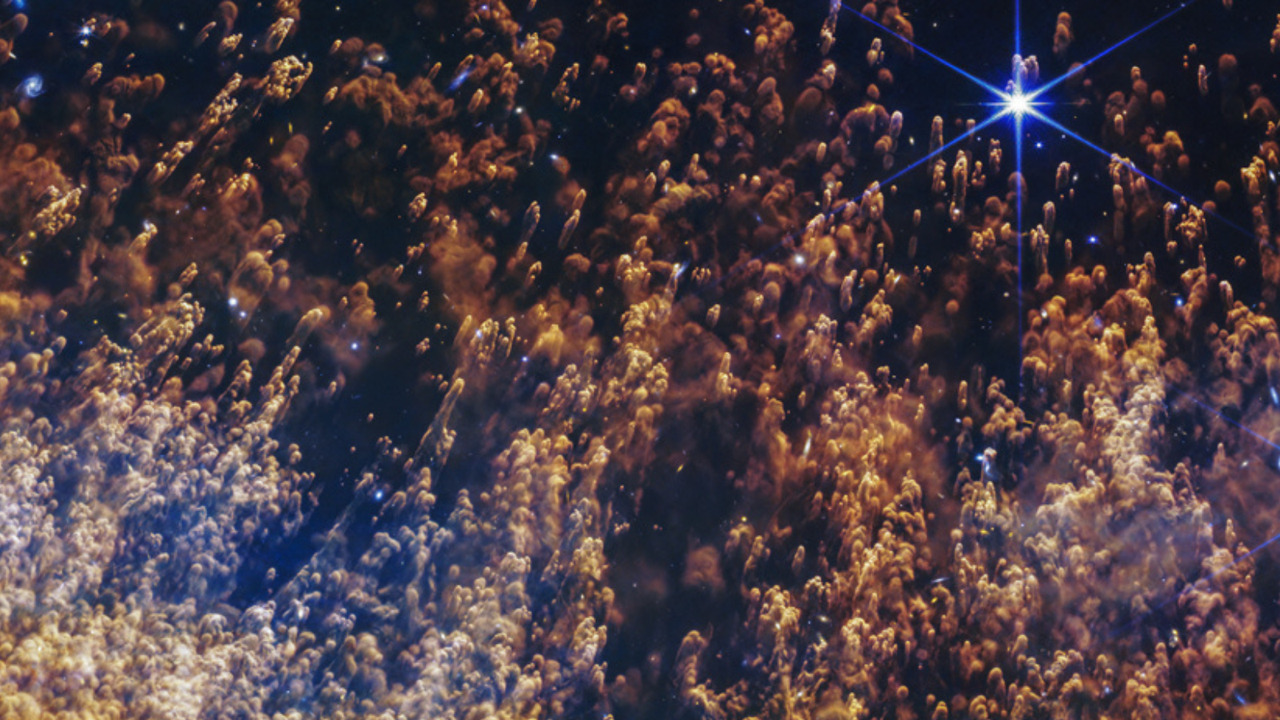
The James Webb Space Telescope recently unveiled a captivating image of the Helix Nebula, revealing intricate structures that evoke the mesmerizing flow of a cosmic lava lamp.
A Stellar Spectacle Comes Alive
Planetary nebulae like the Helix represent the dramatic final chapters of stars similar to our Sun. This nebula, cataloged as NGC 7293, spans about 6 light-years across and lies roughly 650 light-years away in the constellation Aquarius. Astronomers have long admired its central ring, which earned it the moniker ‘Eye of God’ for its striking resemblance to a pupil staring back from space.
The latest James Webb image transforms this view with unprecedented clarity. Fine details emerge in the glowing gas shells and dense clumps, creating a dynamic scene of expansion and interaction. Researchers noted how the infrared observations pierce through dust, exposing hidden layers previously invisible to other telescopes.
Why It Looks Like a Lava Lamp
The nebula’s appearance stems from turbulent gas dynamics following the central star’s red giant phase. Ultraviolet radiation from the hot remnant ionizes surrounding hydrogen and oxygen, producing vibrant emissions that shift and blend. In the JWST image, bright blobs and tendrils mimic the slow, buoyant rise of wax in a lava lamp, driven by temperature differences and convection.
These features, known as cometary knots, consist of dense gas heads trailing wispy tails sculpted by stellar winds. The infrared perspective highlights cooler dust and molecular hydrogen, adding depth to the fluid-like motion. Such visuals not only captivate but also illustrate the violent yet beautiful process of stellar recycling.
Breakthroughs from Infrared Eyes
James Webb’s Mid-Infrared Instrument (MIRI) played a key role in this observation. It detected warm dust grains and polycyclic aromatic hydrocarbons, molecules crucial for understanding interstellar chemistry. Earlier Hubble images provided visible-light details, but JWST extends the view into mid-infrared, revealing fainter outer shells.
Astronomers reported enhanced resolution of the nebula’s asymmetric structure, suggesting interactions with nearby stars influenced its shape. The data supports models of how planetary nebulae evolve over thousands of years, dispersing elements like carbon and nitrogen into space for future stars and planets.
Insights into Cosmic Life Cycles
This image underscores the universality of stellar death across the universe. The Helix serves as a nearby laboratory for processes that shaped our solar system’s origins. Observations like these refine simulations of mass loss and envelope ejection in aging stars.
Key structures visible include:
- The bright central ring of ionized gas.
- Thousands of cometary knots along the inner edge.
- Outer halos of cooler material extending far beyond.
- Glowing filaments tracing shock waves.
- Dense pillars resisting erosion by radiation.
Key Takeaways
- JWST’s infrared gaze uncovers hidden dust and molecules in the Helix Nebula.
- The lava lamp-like blobs are cometary knots formed by stellar outflows.
- These views advance knowledge of how dying stars enrich the cosmos.
The ‘Eye of God’ reminds us of the universe’s intricate artistry amid destruction. As JWST continues to probe such wonders, it promises deeper revelations about our cosmic neighborhood. What strikes you most about this celestial display? Share your thoughts in the comments.