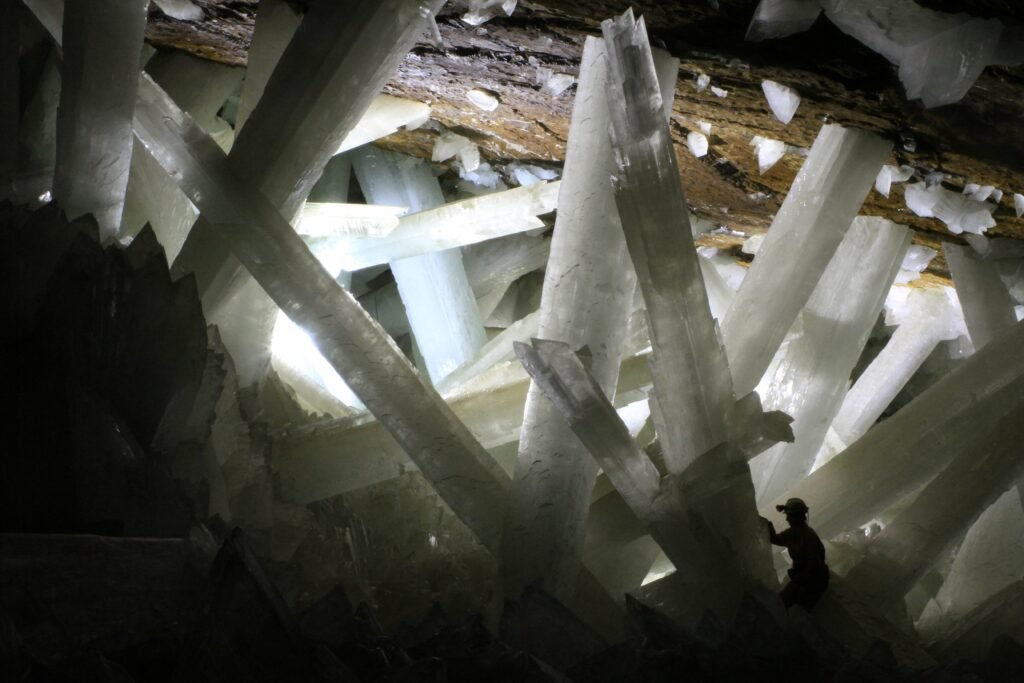

You’ve probably heard tales of ancient wonders and mythical underground kingdoms. There’s one subterranean realm that seems too extraordinary to be real, hidden deep beneath the Mexican desert. Imagine stepping into a cavern where crystalline giants tower around you, their translucent beams stretching longer than a school bus, each one forged over hundreds of thousands of years by nature’s patient hand. This isn’t fantasy – this is the Cave of the Crystals at Naica.
This underground cathedral lies waiting, sealed behind walls of rock and guarded by temperatures that could kill you in minutes. The journey to understanding this place takes you into realms where geology meets extremophile biology, where time moves at a glacial pace, and where the very conditions that created such beauty also make it one of Earth’s most hostile environments. Let’s dive into this crystalline world where nature has outdone herself.
A Discovery Born from Mining Deep
You might not know that brothers Juan and Pedro Sánchez made this stunning discovery in April 2000 while drilling in the mine. They were simply workers doing their job, excavating a new tunnel for the Industrias Peñoles mining company. The miners were drilling through the Naica fault, concerned it would flood the mine. What they found when they broke through the rock wall stopped them cold.
The Cave of the Crystals is connected to the Naica Mine at a depth of 300 metres (980 ft), in Naica, Chihuahua, Mexico. For years, water pumps had been steadily draining the mine, lowering the groundwater table. When enough water was removed, the brothers stepped into a chamber that defied belief. Massive, milky-white crystals towered around them, filling a horseshoe-shaped cave.
The scale of what lay before them was staggering, honestly. Think about encountering something no human had ever seen, crystals so enormous they looked like they’d been placed there by giants.
Crystals of Superheroic Proportions
The chamber contains giant selenite crystals, some of the largest natural crystals ever found, with the largest measuring 11.40 metres (37.4 ft). That’s taller than a three-story building. Some of these crystals can weigh up to 55 tons. Let’s be real – you could walk across some of these translucent beams if the cave conditions wouldn’t kill you first.
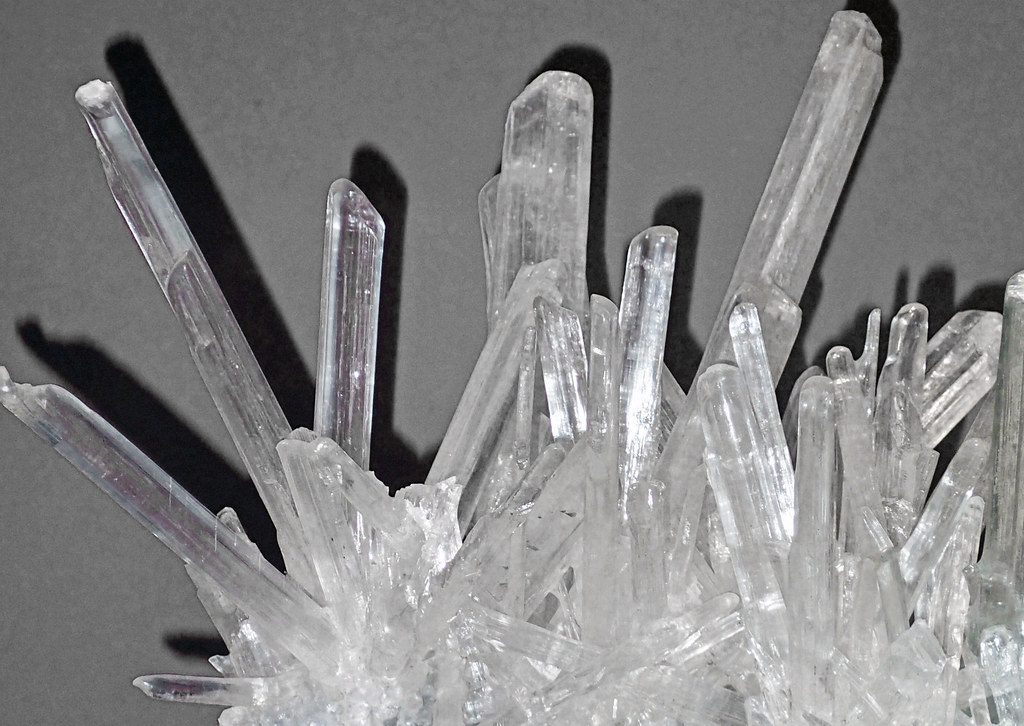
Geologist Juan Manuel García-Ruiz calls it “the Sistine Chapel of crystals,” containing translucent beams of gypsum as long as 36 feet (11 meters). These aren’t your average mineral specimens. They’re made of selenite, a crystalline variety of gypsum that forms in very specific conditions. The crystals are made of selenite gypsum, a sulfate mineral that forms from salts dissolved in groundwater, and it is so soft you can scratch it with a fingernail.
I think what makes this place truly special isn’t just the size of individual crystals but the fact that they grew to such proportions without breaking or being disturbed for potentially half a million years.
A Million Years in the Making
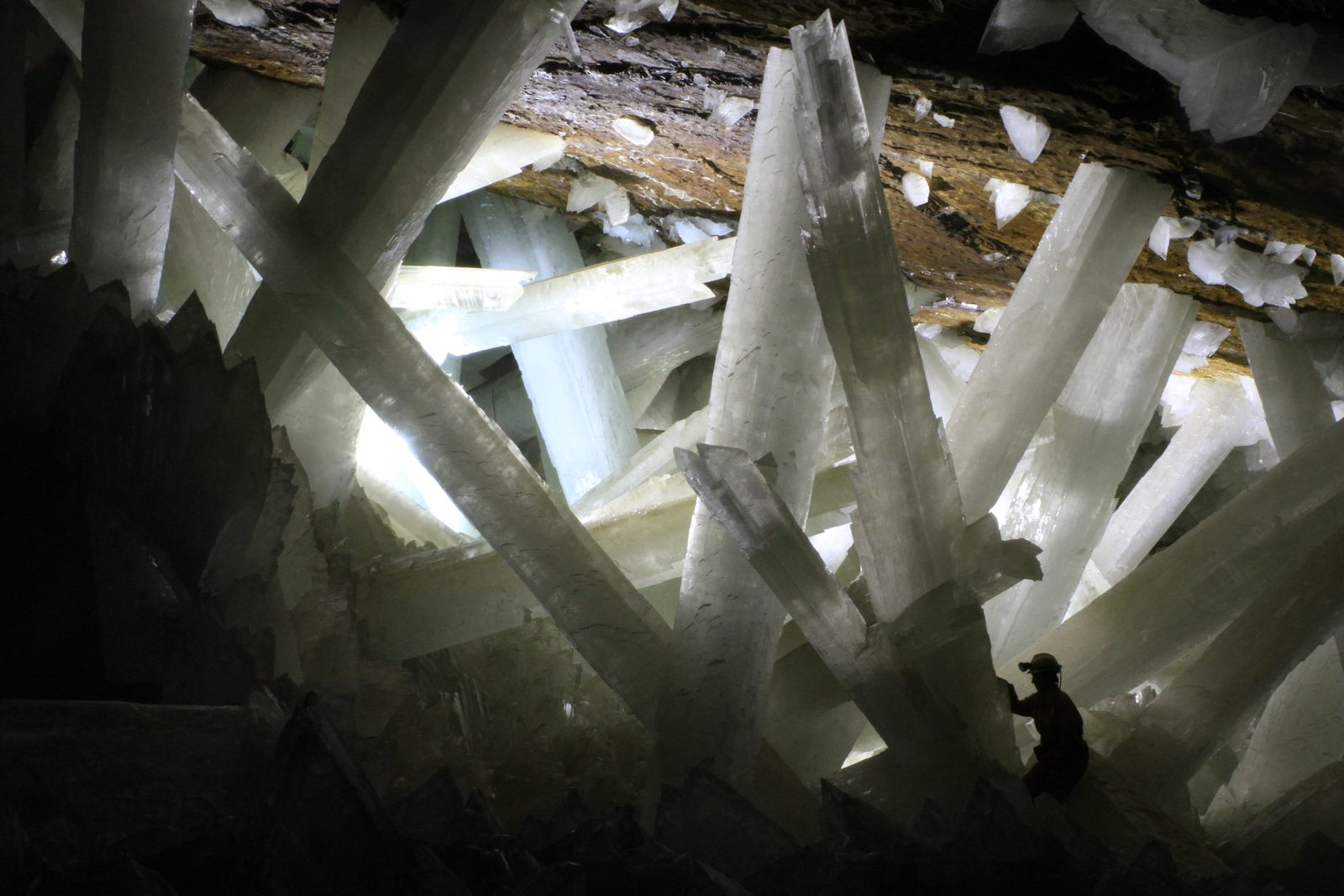
Scientists performed uranium-thorium dating to determine the maximum age of the giant crystals, about 500,000 years. Here’s the thing – these crystals didn’t appear overnight. Researchers obtained a growth rate of (1.4±0.2)×10−5 nm/s, which is the slowest directly measured normal growth rate for any crystal growth process, meaning the largest crystals would have taken approximately 1 million years to reach their current size.
That’s an almost incomprehensible timespan for anything to remain undisturbed. Under the conditions available in this cave, it would’ve taken anywhere from 500,000 to 900,000 years to grow a selenite crystal measuring 3.2 feet (1 meter) in diameter. The patience required by nature to craft such wonders is humbling.
The growth rate is so slow that if you could somehow watch these crystals form, you’d see essentially nothing happening across multiple human lifetimes. It’s nature working on a timescale we can barely fathom.
The Geological Forces Behind the Magic
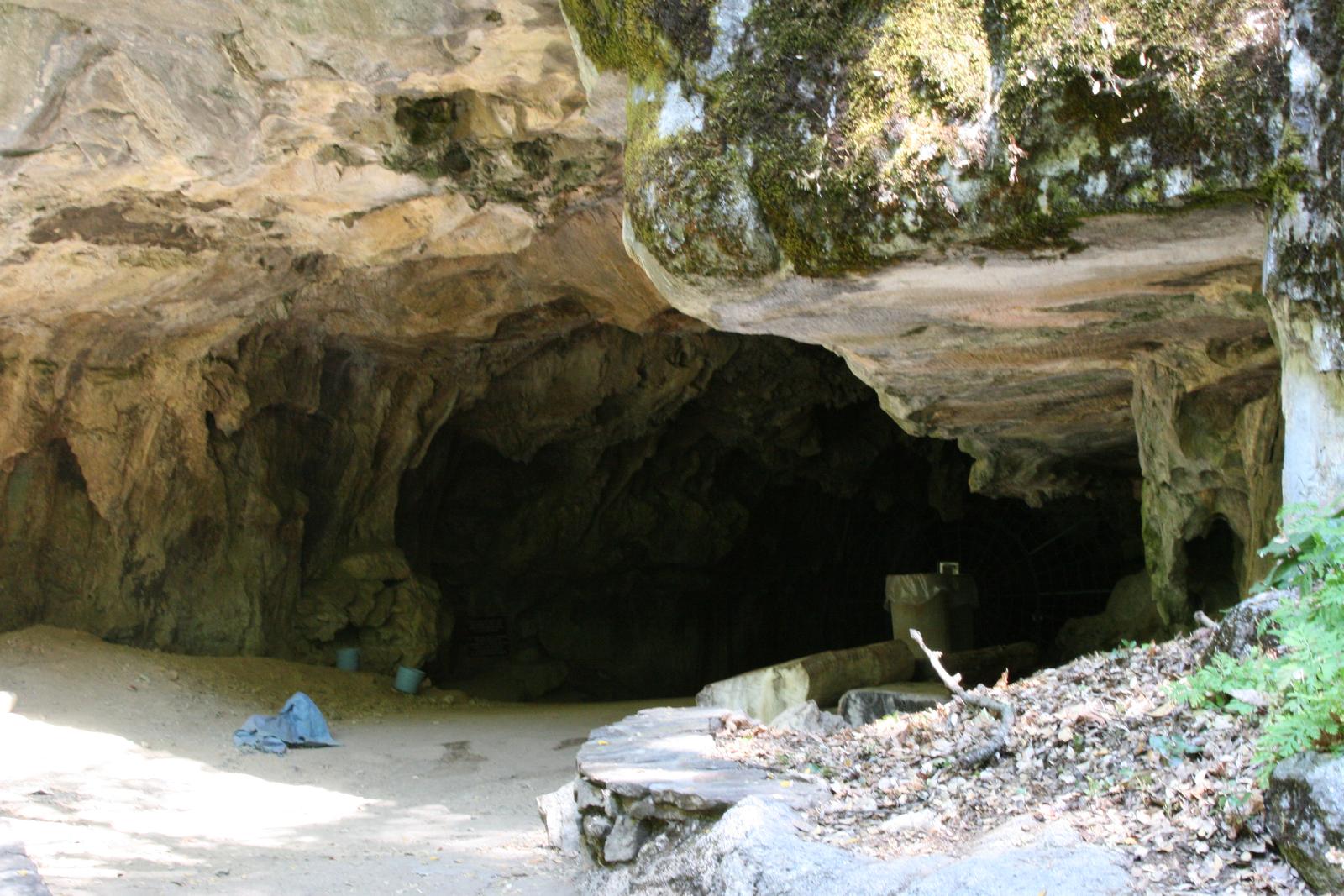
Roughly 26 million years ago, a mound of magma strained upward through the earth beneath southeastern Chihuahua, Mexico, creating what is now a mountain near the town of Naica and forcing hot, mineral-rich waters into caverns and gaps in the mountain’s limestone. This is where your journey into deep time truly begins. Naica lies on a fault above an underground magma chamber which is approximately 3–5 kilometres (2–3 mi) below the cave.
Volcanic activity filled the mountain with high-temperature anhydrite, and when magma underneath the mountain cooled and the temperature dropped below 58 degrees Celsius, the anhydrite began to dissolve, slowly enriching the waters with sulfate and calcium molecules, which for millions of years have been deposited in the caves in the form of huge selenite gypsum crystals.
The transformation process is elegantly simple yet requires perfect conditions. For millennia the crystals thrived in the cave’s extremely rare and stable natural environment, with temperatures hovering consistently around a steamy 136 degrees Fahrenheit (58 degrees Celsius), and the cave was filled with mineral-rich water that drove the crystals’ growth. You needed that exact temperature, that exact mineral composition, and absolute stability for hundreds of thousands of years.
A Deadly Beauty You Cannot Touch
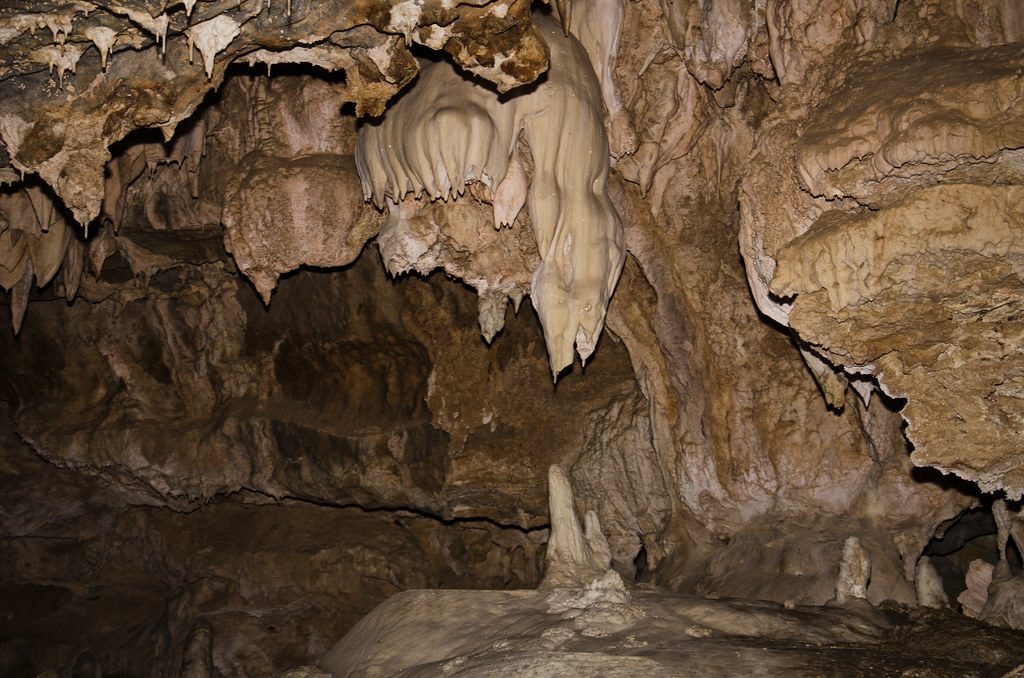
When not flooded, the cave is extremely hot, with air temperatures reaching up to 58 °C (136 °F) with 90 to 99 percent humidity. Let me tell you why this matters – your body can’t cool itself in these conditions. This prevents cooling via sweating. Without protective gear, humans can only survive for about 10 minutes in the cave due to the risk of heat stroke and dehydration.
A visitor who stays for too long or doesn’t have the proper gear risks having fluids condense inside their lungs, which can be fatal. Think about that for a moment – the air you’re breathing is hotter than the inside of your lungs. Moisture from the superheated air actually condenses in your respiratory system. It’s hard to say for sure, but this might be one of the most naturally hostile environments humans have ever tried to explore.
To survive and work in the extreme conditions, researchers partnered with Ferrino and La Venta to develop refrigerated suits and cold breathing systems, with special caving overalls fitted with a mattress of refrigerating tubes connected to a backpack containing a reservoir filled with cold water and ice, providing about half an hour of autonomy.
Life in the Most Unlikely Places
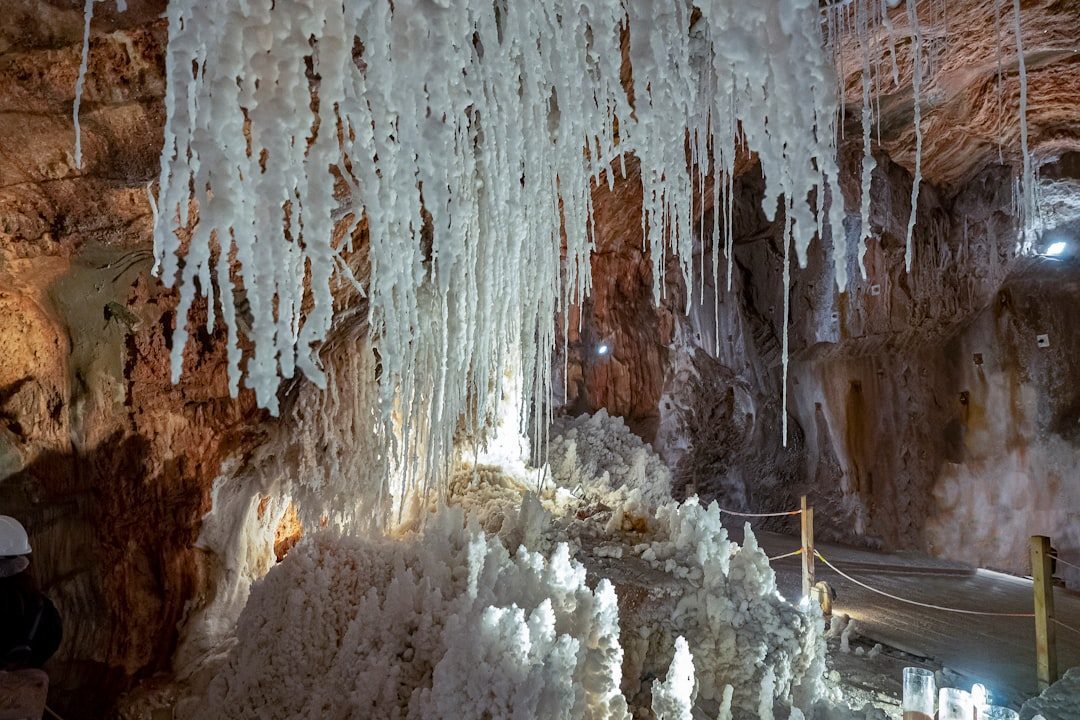
Here’s where things get really wild. Creatures that thrive on iron, sulfur, and other chemicals have been found trapped inside giant crystals deep in the cave, and the microbial life-forms are most likely new to science. Based on calculations for crystal growth rate, researchers think the organisms had been inside their glittering cocoons for somewhere between 10,000 and 50,000 years, and NASA Astrobiology Institute director Penelope Boston announced they can be released due to geological processes.
At the 2017 meeting of the American Association for the Advancement of Science, researchers announced the discovery of bacteria found in inclusions embedded in some of the crystals, and using sterile methods, they were able to extract and reanimate these organisms, which are not closely related to anything in the known genetic databases. These aren’t your typical microbes – they’re extremophiles adapted to conditions most life couldn’t survive.
The organisms are genetically distinct from anything known on Earth, although they are most similar to other microbes found in caves and volcanic terrain. The discovery suggests that life can endure in sealed environments for geologically significant periods, feeding on minerals rather than organic matter or sunlight.
The Cave’s Sister Chambers
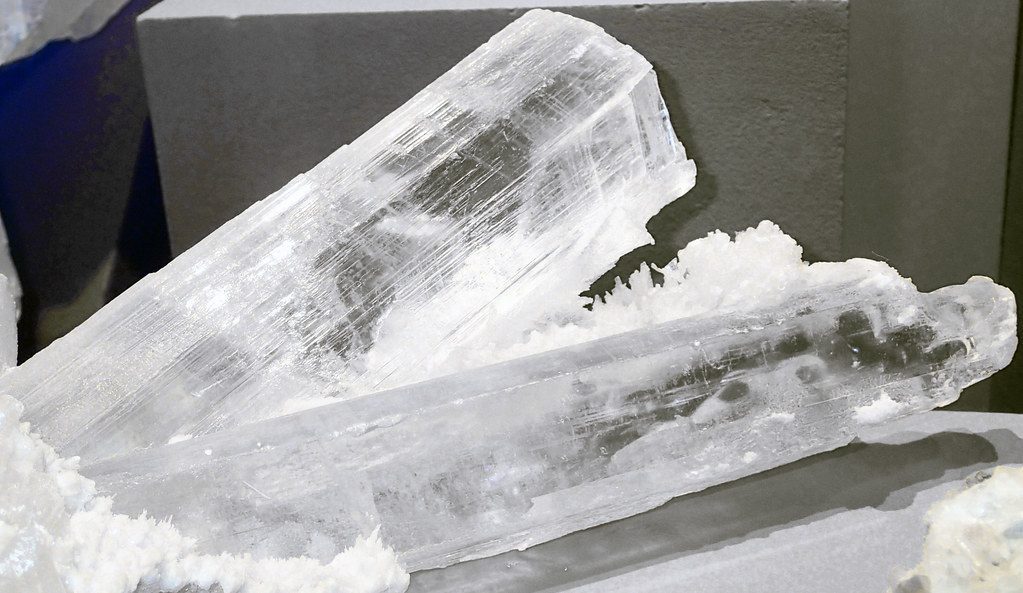
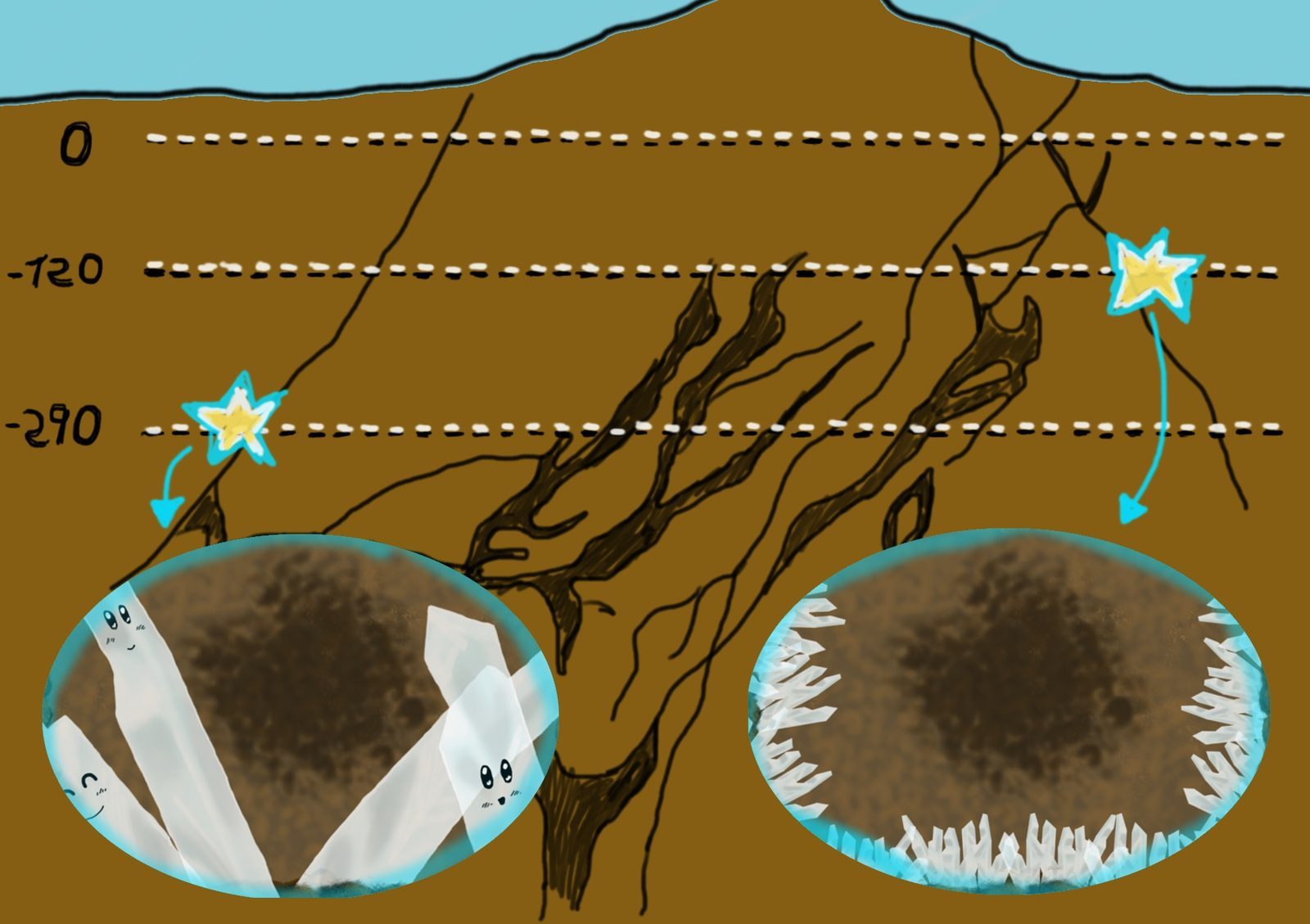
In 1910, miners discovered a cavern beneath the Naica Mine workings, the Cave of Swords, located at a depth of 120 metres (390 ft), above the Cave of the Crystals, and it contains spectacular, smaller (1-metre long) crystals. This earlier discovery caused quite a stir in its own right. The crystals there jut from the walls like glittering daggers, creating a completely different aesthetic from the giant chamber below.
Two other smaller caverns were also discovered in 2000, Queen’s Eye Cave and Candles Cave, and another chamber was found in a drilling project in 2009, named Ice Palace, which is 150 metres (490 ft) deep with much smaller crystal formations. Each chamber tells a slightly different geological story based on its depth, temperature history, and how quickly conditions changed.
The Cave of Swords crystals are smaller because the cooling happened more rapidly there. It’s a reminder that even small variations in conditions can produce dramatically different results over geological time.
The Cave’s Uncertain Future
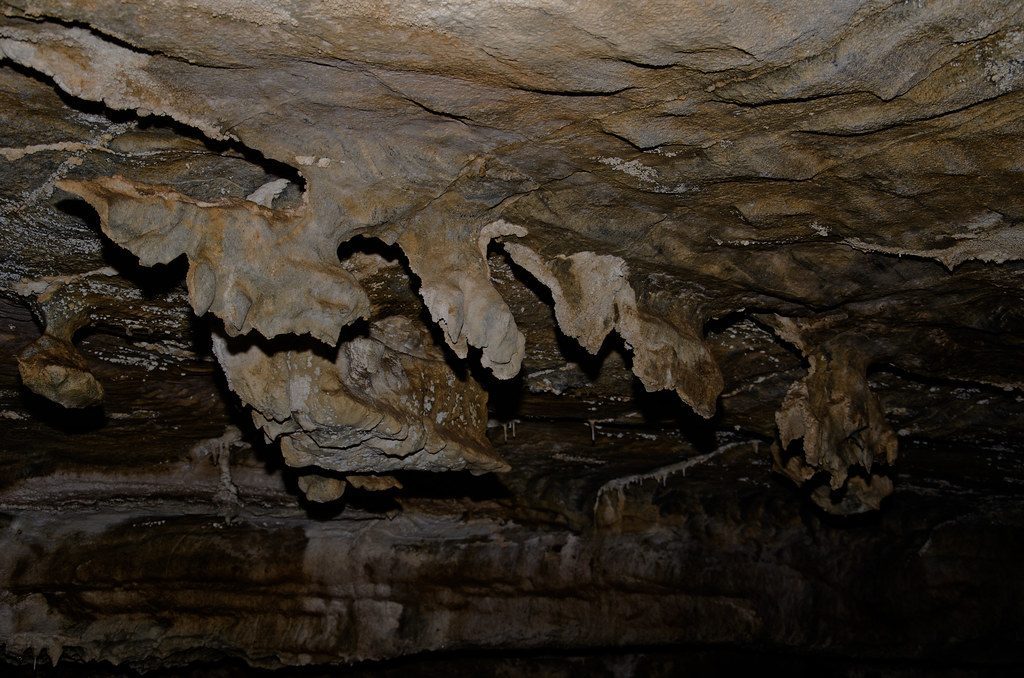
As the cave’s accessibility is dependent on the mine’s water pumps, once mining operations ceased, the caves were allowed to re-flood in October 2015. The cavern filled once more with the water rich in minerals required for the crystals to grow. This creates an interesting dilemma for scientists and preservationists alike.
If the pumping is stopped, the caves will again be submerged and the crystals will start growing again, leading to questions about whether we should continue to pump water to keep the cave available so future generations may admire the crystals, or stop pumping and return the scenario to the natural origin, allowing the crystals to regrow. It’s a fascinating ethical question – do we preserve access to this wonder, or do we let nature reclaim it and continue the slow work that created it?
Though researcher María Elena Montero-Cabrera has moved on to other research, if the cave reopens, she would seize the chance to return, saying she just wants to see them once more, and until then, the giant crystals remain isolated – a hidden, otherworldly beauty awaiting an unknown future. There’s something poignant about scientists longing to return to a place that might remain sealed forever.
Lessons from an Underground Cathedral
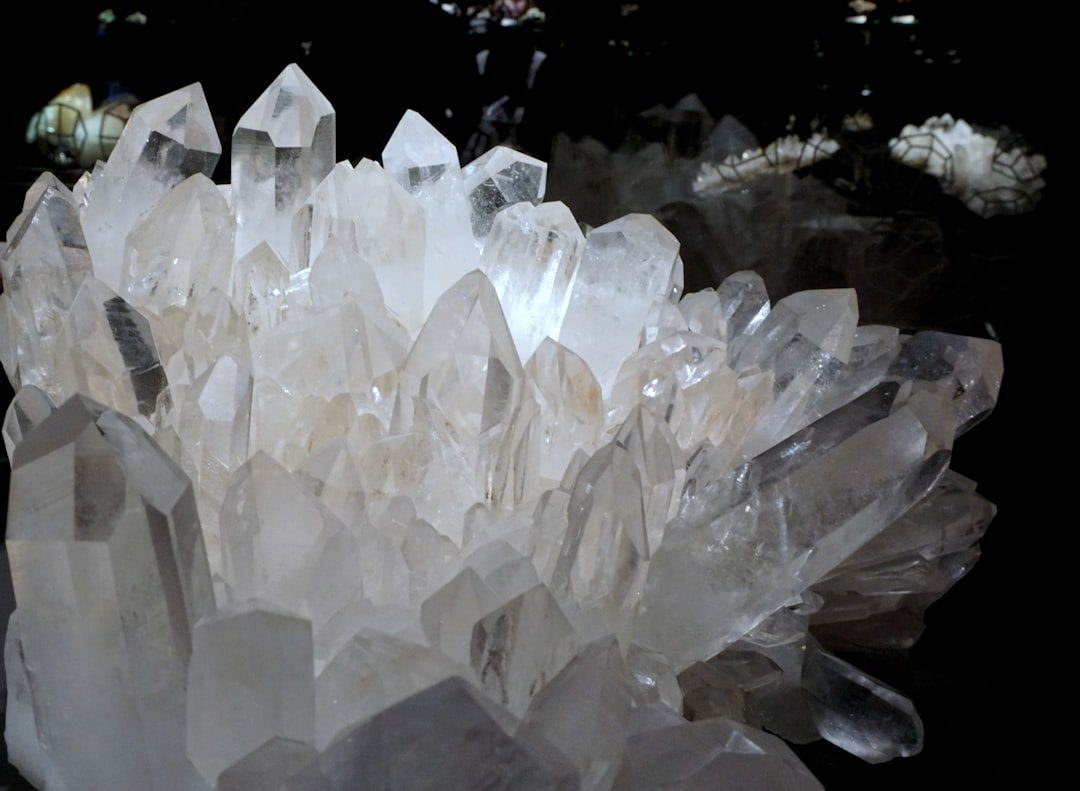
The Cave of the Crystals stands as a testament to what nature can accomplish given enough time and the right conditions. You’re looking at a place where patience, chemistry, and geology converged to create something that seems impossible. The crystals grew atom by atom, molecule by molecule, over timescales that dwarf human civilization.
This underground realm challenges our understanding of where life can exist and how long it can survive in dormancy. It reminds you that Earth still holds secrets, still has places that can astonish even our most experienced scientists. The cave’s crystals represent the slowest sculpture ever created, carved not by human hands but by thermodynamic processes operating at the boundary between stability and change.
Though you’ll likely never set foot in the Cave of the Crystals yourself, knowing it exists changes something about how you see the planet. Beneath ordinary-looking mountains, extraordinary wonders wait in darkness, growing imperceptibly, housing life forms older than recorded history. What else might be down there, waiting to be discovered?
Jan loves Wildlife and Animals and is one of the founders of Animals Around The Globe. He holds an MSc in Finance & Economics and is a passionate PADI Open Water Diver. His favorite animals are Mountain Gorillas, Tigers, and Great White Sharks. He lived in South Africa, Germany, the USA, Ireland, Italy, China, and Australia. Before AATG, Jan worked for Google, Axel Springer, BMW and others.