Imagine drifting through the ocean, surrounded by creatures so alien and ancient that they predate dinosaurs, trees, and even the first fish. These ethereal beings pulse through the water like living ghosts, trailing delicate tentacles that shimmer in the light. It’s shocking to realize that jellyfish, despite their name, aren’t fish at all. They are survivors from a forgotten world, carrying secrets that have baffled scientists for centuries. Their story is not just a tale of survival—it’s a mystery that’s lasted half a billion years, and one that continues to captivate and confound us to this day.
Why Aren’t Jellyfish Actually Fish?
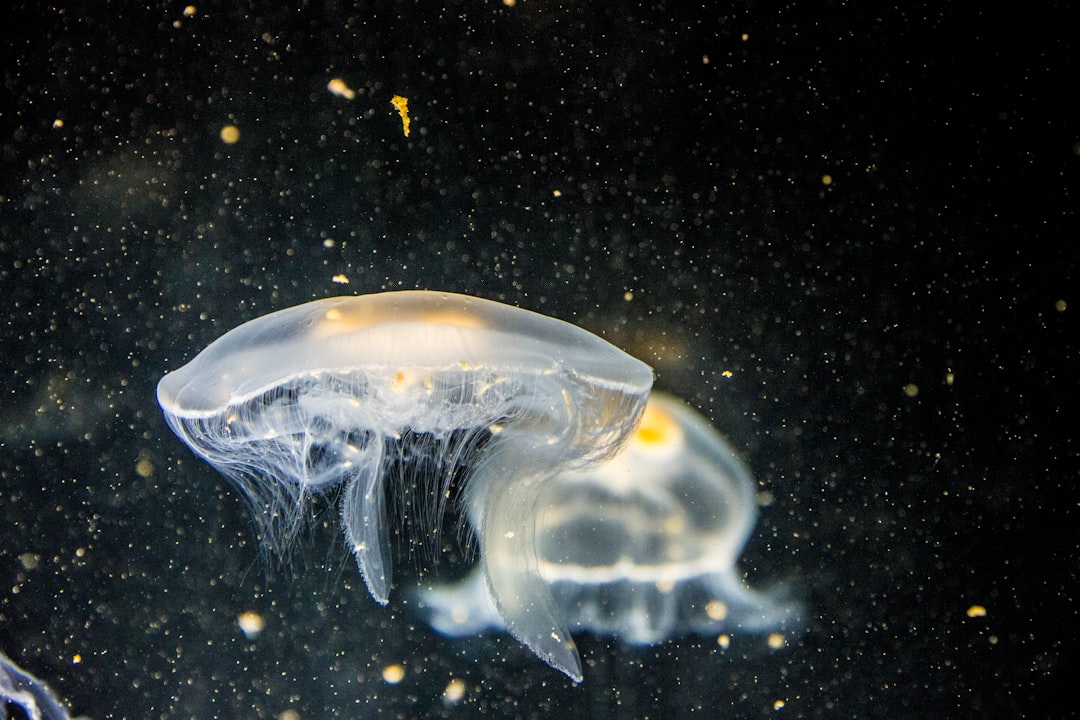
It sounds almost like a joke: jellyfish aren’t fish! Unlike true fish, which have bones, brains, and complex organs, jellyfish belong to a completely different group called Cnidaria. Fish are vertebrates, meaning they have backbones, while jellyfish are invertebrates—no bones, no brains, no problem. They don’t even have a heart or lungs. Instead, their bodies are mostly water, with a simple network of nerves and muscles. Think of them as living water balloons, pulsing gently through the sea, guided by instincts older than the first mammals. The term “fish” in their name is a misnomer, a quirky reminder of how little we once understood about these strange beings.
The Ancient Origins of Jellyfish

Jellyfish are astonishingly ancient. Fossils show they first appeared over 500 million years ago, long before dinosaurs ever roamed the Earth. They have witnessed the rise and fall of countless species, surviving mass extinctions that wiped out much of life. Their basic body plan—a bell-shaped “umbrella” and trailing tentacles—has hardly changed in all that time. Imagine a living fossil, a creature so perfectly suited to its environment that evolution barely needed to tweak its design. That’s the jellyfish: a masterpiece of ancient survival.
Anatomy of a Living Mystery
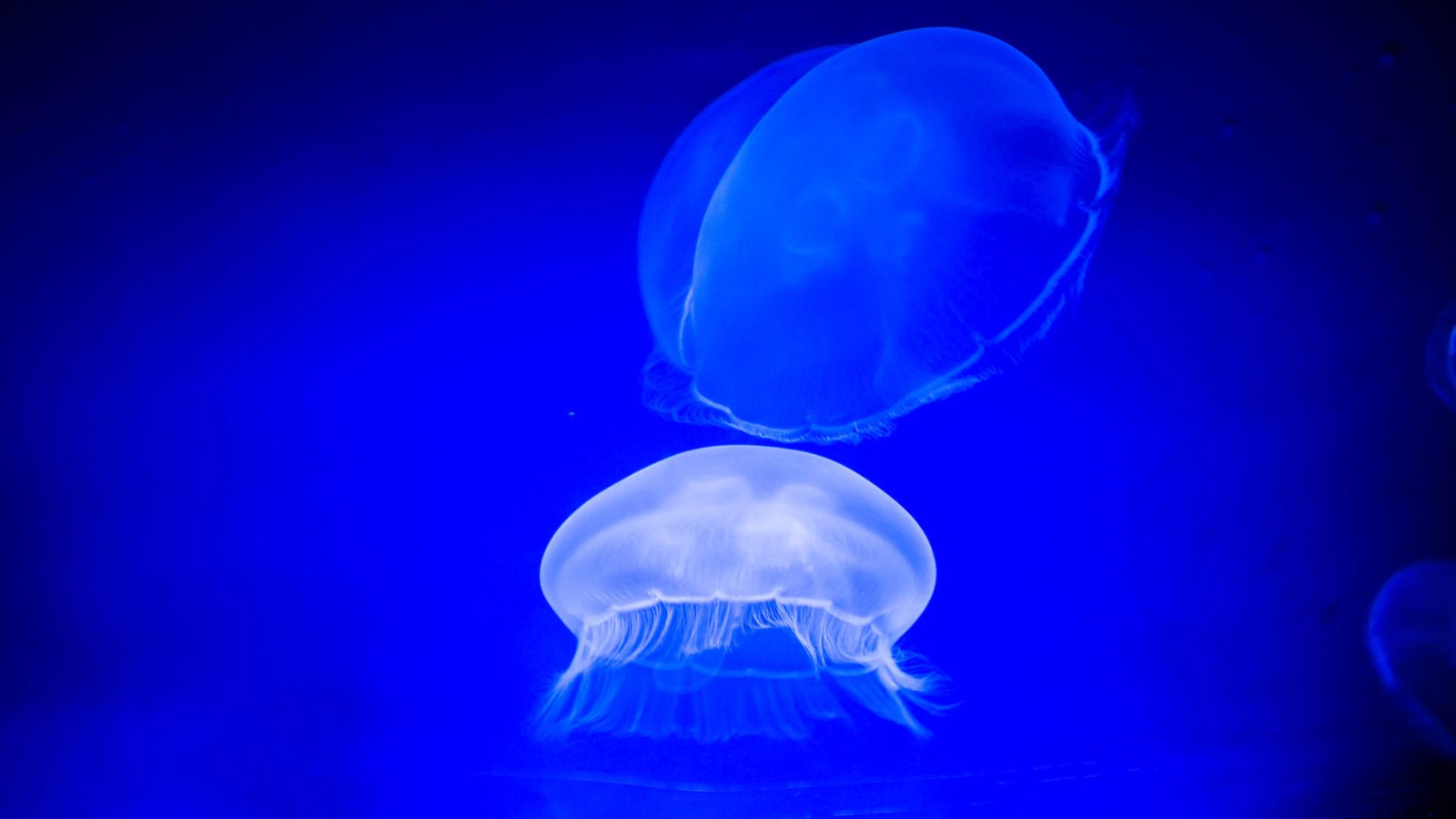
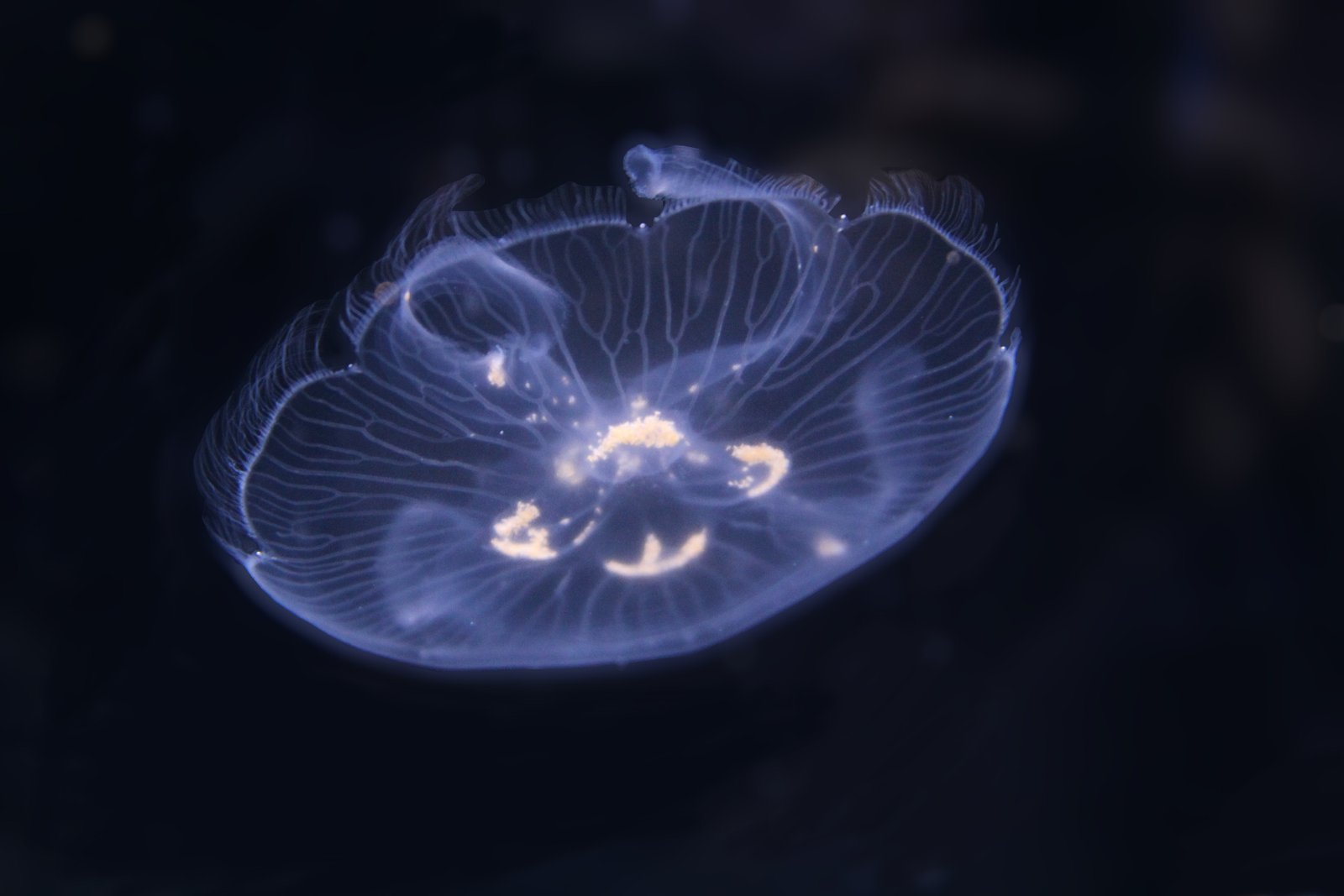
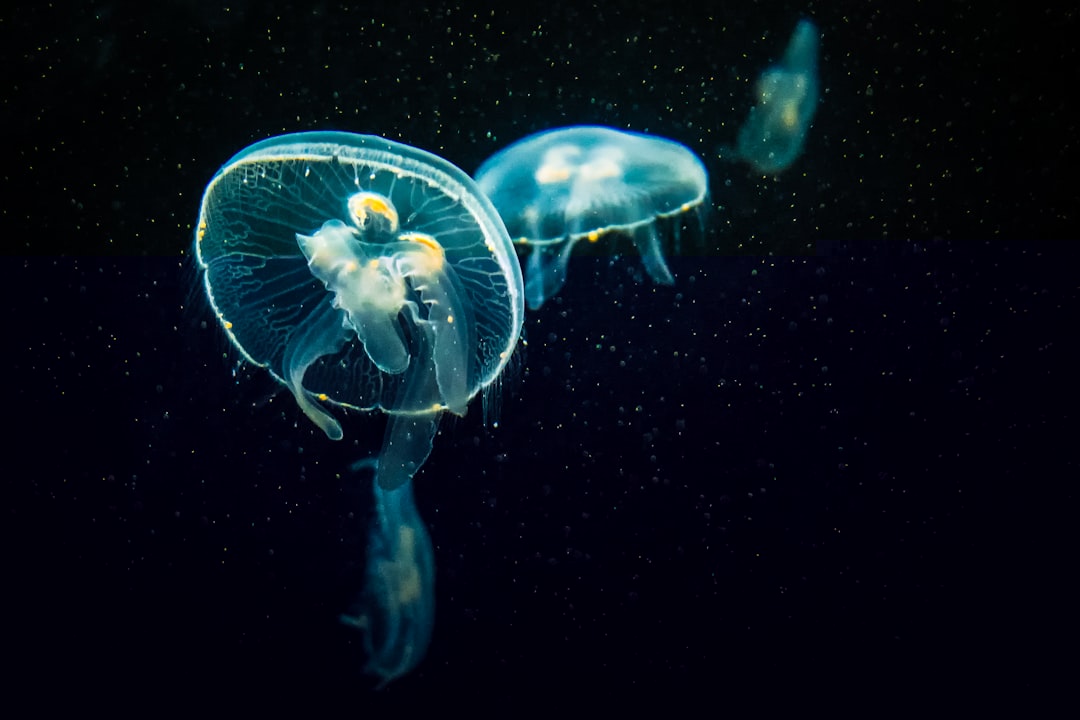
Jellyfish anatomy is as bizarre as it is beautiful. Their bodies are made up of more than 95% water, giving them that ghostly, translucent appearance. They have no brain, but instead a “nerve net” that helps them sense changes in their environment. There’s no heart to pump blood; instead, oxygen simply diffuses through their thin skin. Their tentacles, lined with stinging cells called nematocysts, allow them to catch prey with a touch. It’s as if jellyfish are living paradoxes—simple yet deadly, fragile yet incredibly resilient.
The Art of Jellyfish Movement

Watching a jellyfish move is like witnessing a living ballet. They contract and relax their bell, pushing themselves through the water in slow, rhythmic pulses. This movement is incredibly energy-efficient, allowing them to drift for long periods with minimal effort. They are often at the mercy of currents, but some species can control their direction surprisingly well. It’s a dance as old as time, perfected over millions of years. The elegance of their movement hides the simplicity of their structure—a reminder that nature often achieves beauty through simplicity.
Jellyfish Stings: Nature’s Cunning Defense
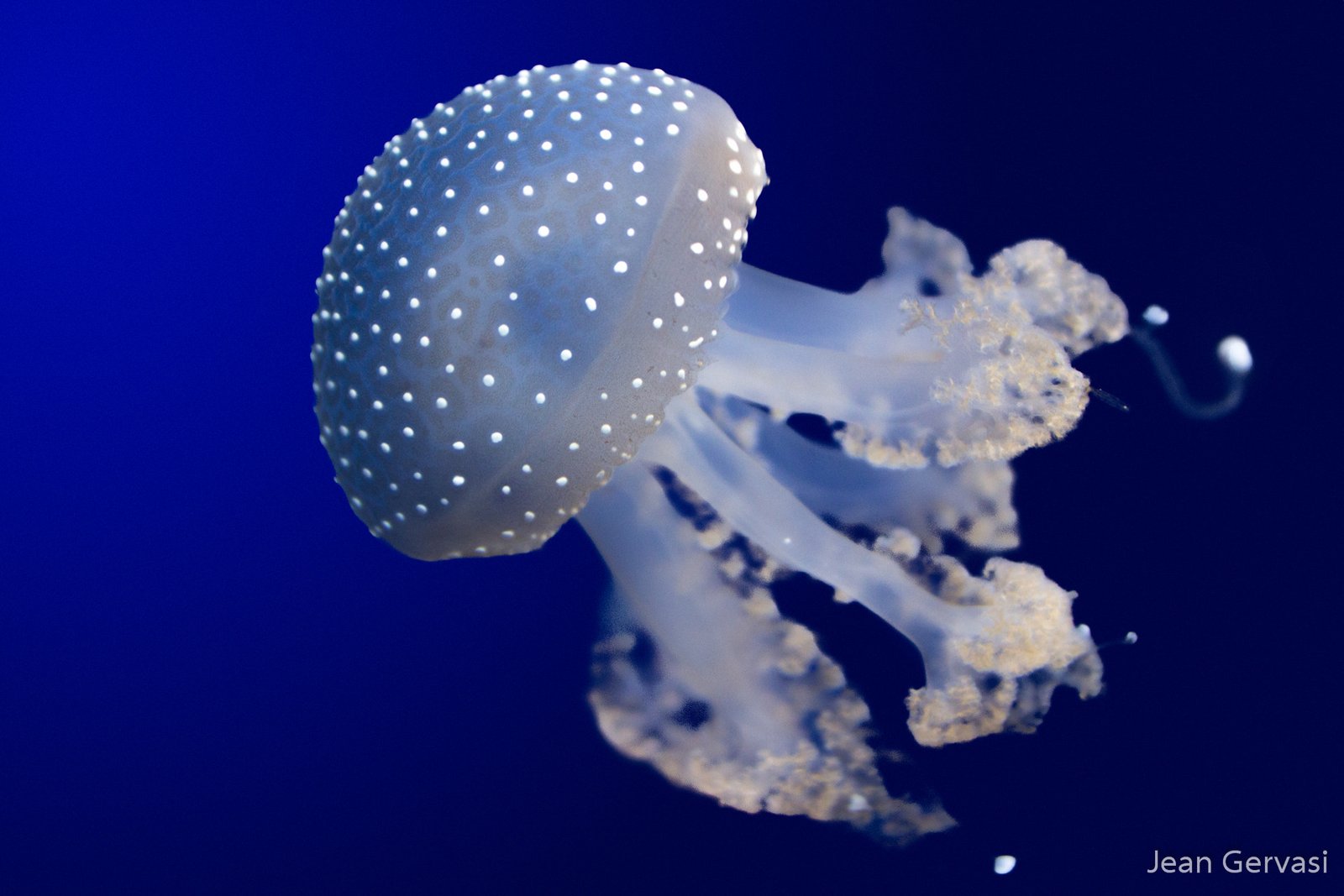
For all their delicate appearance, jellyfish are armed with one of the most effective defense systems in the animal kingdom. Their tentacles are loaded with tiny, harpoon-like cells that inject venom into anything that brushes against them. Some stings are merely irritating, like a nettle rash, while others can be excruciating or even deadly. The infamous box jellyfish, for example, delivers a sting so powerful it can kill a human in minutes. These stings are not malicious—they’re a matter of survival, helping jellyfish capture prey and fend off predators. It’s a humbling reminder that beauty in nature often comes with a hidden danger.
Jellyfish in Every Ocean
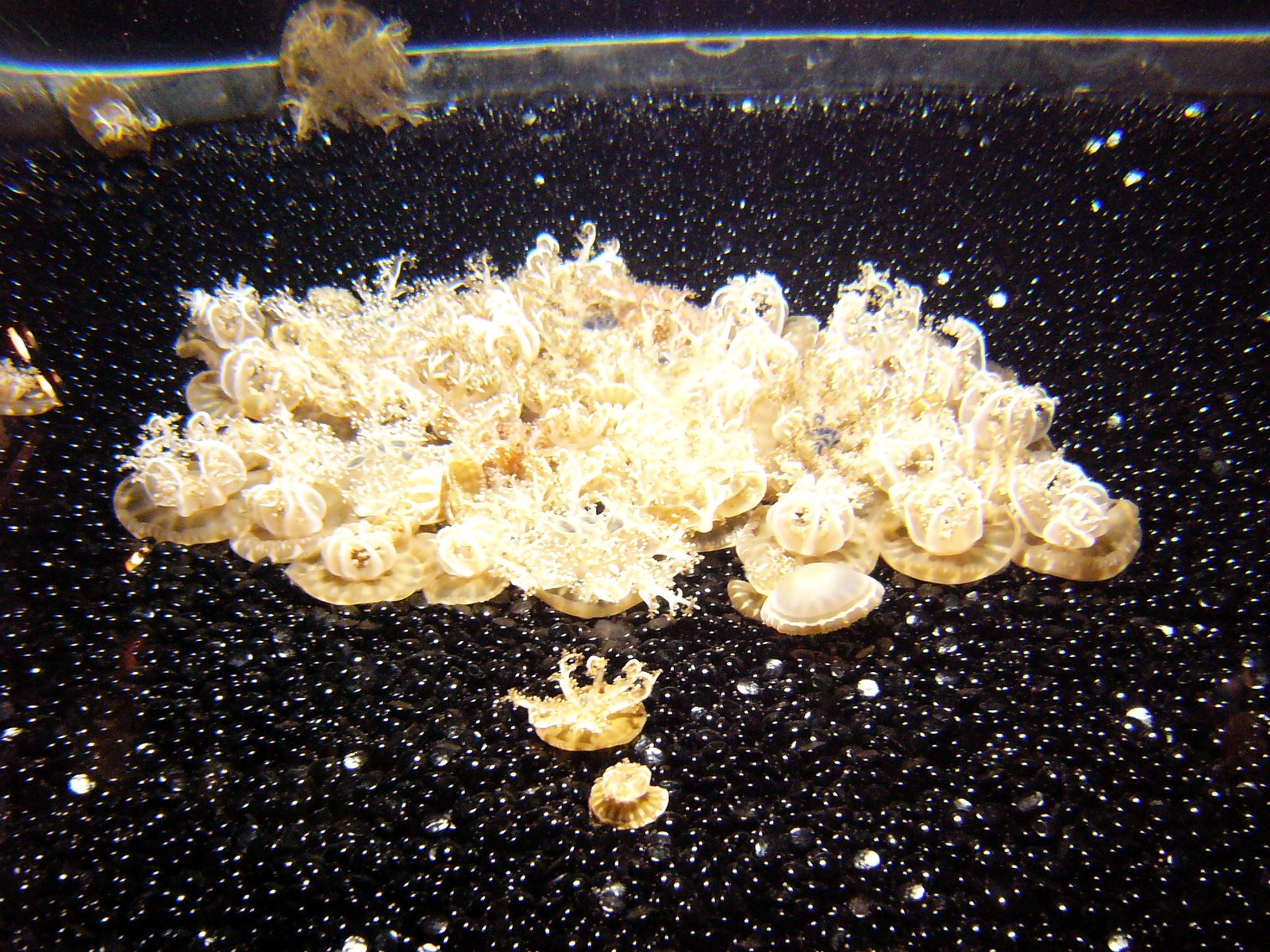
Jellyfish are true global citizens. They inhabit every ocean, from the warmest tropical waters to the icy depths of the polar seas. Some species even thrive in brackish or freshwater environments. Their adaptability is extraordinary—they can survive in low-oxygen waters where few other animals can. In some places, massive blooms of jellyfish have become a spectacle, blanketing beaches and clogging fishing nets. These swarms can be both awe-inspiring and alarming, a sign of nature’s power to surprise us at every turn.
Masters of Reproduction
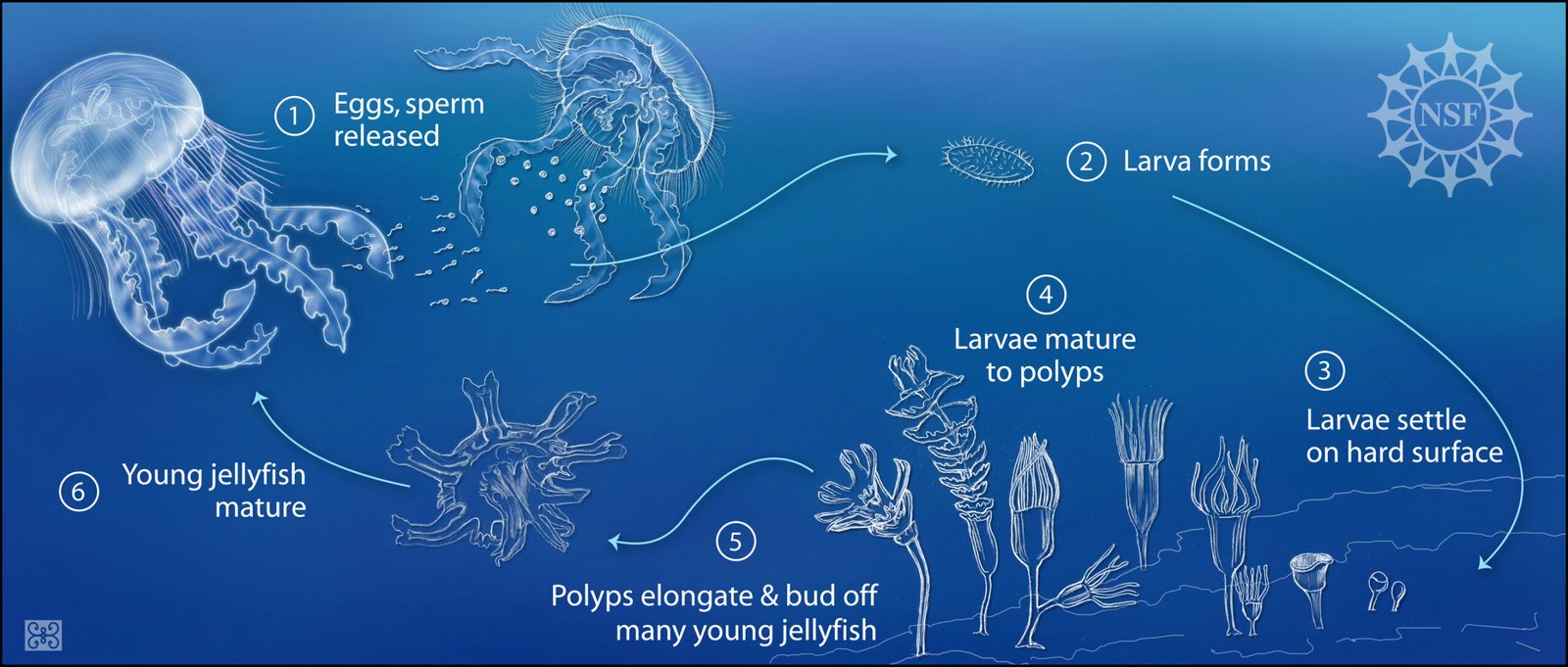
Jellyfish have a life cycle that defies easy explanation. Some start as tiny polyps attached to rocks, budding off baby jellyfish like flowers blooming underwater. Others release clouds of eggs and sperm directly into the sea. Many species can produce both sexually and asexually, switching strategies depending on conditions. This flexibility helps them bounce back from adversity and explains why their populations can explode seemingly overnight. Their reproductive prowess is another reason they’ve survived so long—a lesson in the power of adaptability.
Jellyfish and the Ocean Ecosystem
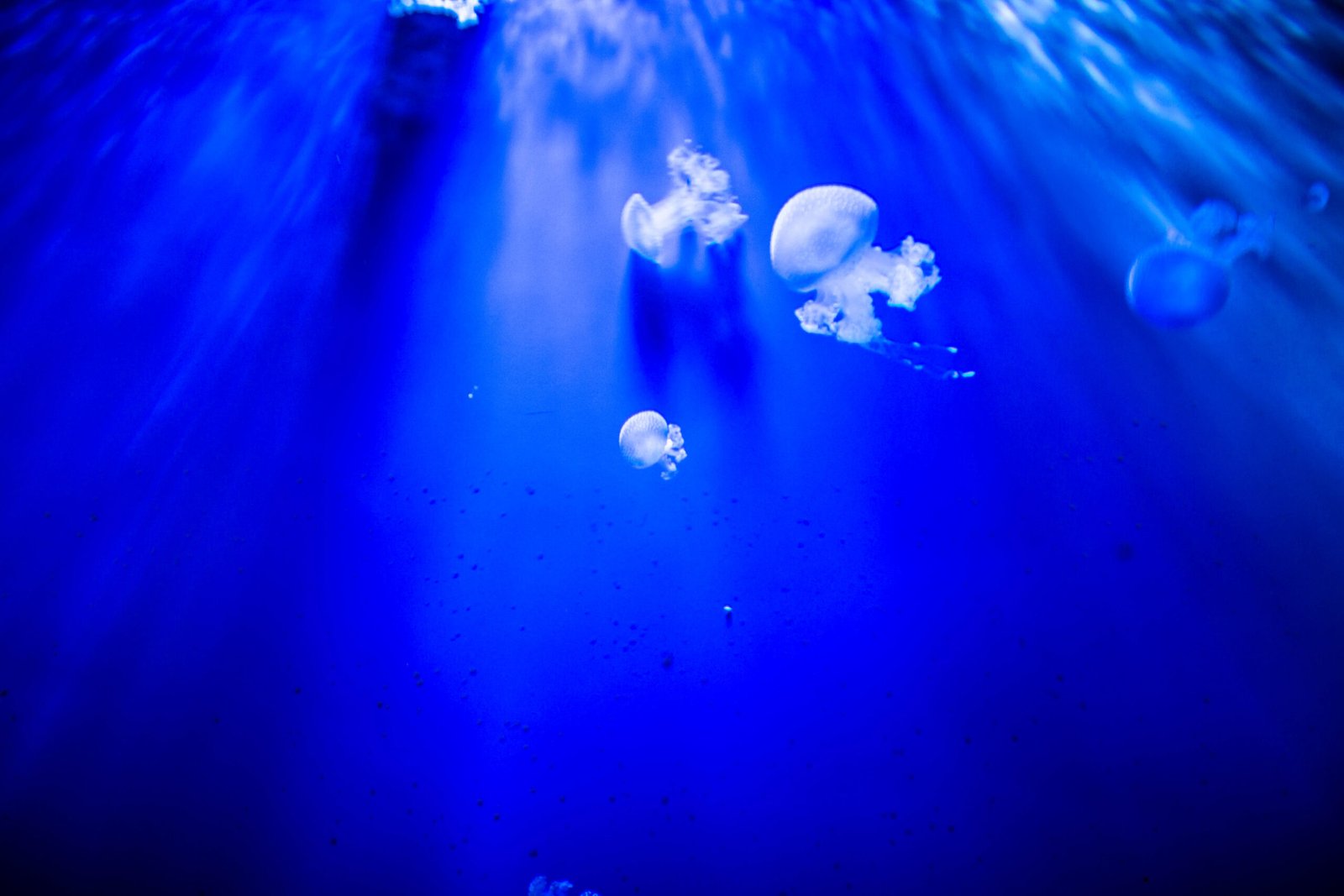
While they may seem like simple drifters, jellyfish play a crucial role in marine ecosystems. They are both predator and prey, feeding on tiny animals and being eaten by turtles, sunfish, and even some seabirds. When jellyfish die, their bodies sink to the ocean floor, providing food for a host of creatures in the deep sea. In recent years, scientists have realized that blooms of jellyfish can reshape entire ecosystems, sometimes outcompeting fish and changing the balance of ocean life. Their impact is profound, yet still not fully understood.
Jellyfish in Human Culture
Throughout history, jellyfish have fascinated and terrified people in equal measure. Ancient mariners told tales of deadly sea monsters, while artists have tried to capture their haunting beauty. In Asia, jellyfish are even considered a delicacy, served in salads or as a crunchy snack. Modern scientists use jellyfish proteins to make glowing mice and help study genes, proving that their influence stretches far beyond the ocean. The blend of fear, wonder, and curiosity they inspire is a testament to their enduring power over the human imagination.
The Future of Jellyfish in a Changing World
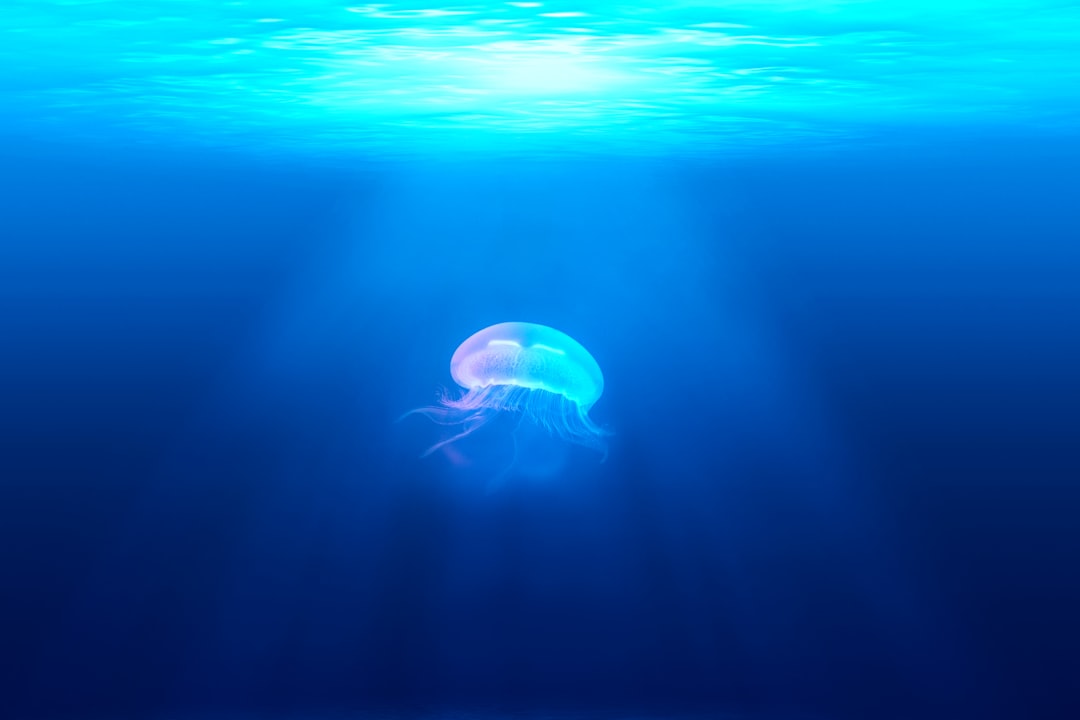
As the oceans change, jellyfish are thriving in places where other creatures struggle. Warmer waters, pollution, and overfishing of their predators have helped some jellyfish populations explode. In some regions, they are becoming a symbol of environmental change—both a warning and an opportunity for study. Scientists are racing to understand what these shifts mean for the future of the seas. Will jellyfish become rulers of the ocean, or is their current boom just another chapter in their long, mysterious history?
What Can We Learn from Jellyfish?
Jellyfish challenge our ideas about intelligence, adaptation, and survival. They show us that life can be both simple and astonishingly effective. By studying them, scientists hope to unlock secrets about aging, regeneration, and even the origins of life itself. For nature lovers and curious minds, jellyfish are a reminder that the world is full of unsolved mysteries waiting to be explored. Their story is not just about the past, but about the endless possibilities that come from looking at nature with fresh eyes.