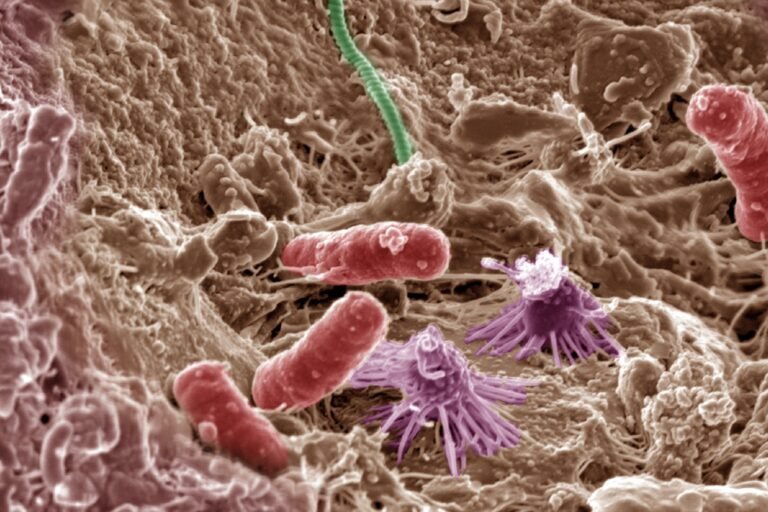

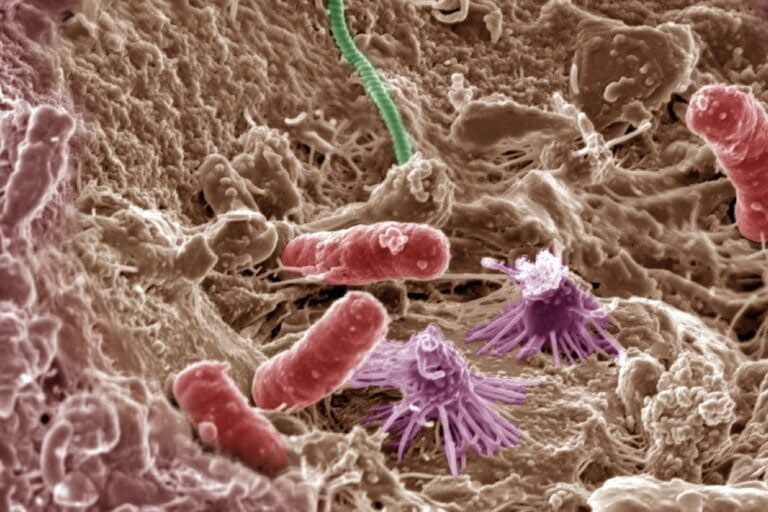
Microbes: The Unseen Foundation of Ecosystems (Image Credits: Imgs.mongabay.com)
Microbes underpin life on Earth in ways often hidden from plain sight, yet their vulnerability to human impacts has spurred the International Union for Conservation of Nature into action.
Microbes: The Unseen Foundation of Ecosystems
Trillions of microorganisms thrive in soils, human bodies, and on plant surfaces, forming complex communities essential to global health. These tiny organisms drive nutrient cycling, support plant growth, and maintain atmospheric balance. Without them, food chains would collapse, and entire ecosystems would falter. Experts have long recognized their foundational role, but public awareness lags far behind.
Recent assessments highlight how microbial diversity rivals that of visible species. They adapt rapidly to environments, yet this resilience has limits. Human expansion disrupts these delicate balances, often irreversibly. The IUCN now addresses this gap with targeted efforts.
Human Activities Imperil Microbial Diversity
Agricultural chemicals seep into soils, antibiotics alter bodily microbiomes, and urbanization fragments habitats for tree-dwelling microbes. Climate shifts exacerbate these pressures by altering temperatures and moisture levels critical for microbial survival. Reports indicate sharp declines in key populations, threatening broader biodiversity.
Industrial pollution introduces toxins that microbes struggle to process. Overuse of land for monocrops reduces genetic variety in soil communities. These trends, though gradual, compound over time. Conservationists warn that ignoring them risks cascading failures in natural systems.
IUCN Establishes Specialist Group for Microbes
The International Union for Conservation of Nature announced a new specialist group focused on microbe conservation. This initiative aims to catalog at-risk species, assess threats, and develop protection strategies. Members include microbiologists, ecologists, and policy experts committed to integrating microbes into mainstream biodiversity efforts.
The group will prioritize research on endangered microbial groups and advocate for policy changes. Early activities include mapping global hotspots of microbial diversity. Collaboration with governments and industries forms a core pillar. This move marks a pivotal shift in how conservation addresses the microscopic scale.
Key Roles Microbes Play in Daily Life
Here are some critical functions of microbial communities:
- Decomposing organic matter to recycle nutrients in soils.
- Fixing nitrogen to fertilize crops naturally.
- Protecting human health by balancing gut flora.
- Sequestering carbon to mitigate climate change.
- Breaking down pollutants in water systems.
- Supporting coral reefs and ocean productivity.
These contributions sustain agriculture, medicine, and environmental stability. Disruptions ripple outward, affecting food security and disease resistance.
Path Forward for Microbial Protection
Sustainable farming practices, reduced chemical use, and habitat restoration offer practical steps. International agreements could extend protections similar to those for endangered animals. The IUCN’s group provides a blueprint for action.
Key Takeaways
- Microbes form the base of Earth’s life support systems.
- Human actions pose the greatest risks to their survival.
- IUCN’s new group pioneers targeted conservation measures.
As threats mount, preserving these invisible allies becomes urgent for planetary resilience. What steps should societies take next to safeguard microbial life? Share your thoughts in the comments.