Sirens wailed, clouds boiled, and then came the stories: tiny fish spattered across sidewalks and pickup beds as if the sky had turned into a shaken aquarium. It sounds like folklore, yet the evidence is stubborn – photos, videos, and specimens scooped up in buckets minutes after violent storms. The mystery is not whether it happened, but how ordinary physics makes the improbable possible. Behind the spectacle lie waterspouts, fierce updrafts, and a chain of small but crucial steps that move living cargo from water to pavement. That journey, mapped by meteorologists and biologists, turns wonder into a working hypothesis and replaces myth with measurable air.
The Hidden Clues

What if the slick silver on your driveway wasn’t hail but herring – or more likely, minnows? The first clue is uniformity: most reported fish falls involve one or two small species of similar size, the kind that school tightly near the surface. Another tell is timing; reports cluster right after fast-moving squall lines or thunderstorms with nearby ponds, lakes, or bays.
Look closer and patterns emerge in the debris field, often aligned with the storm’s track rather than randomly sprinkled. Survivorship also whispers a story – some fish still wriggle on landing, hinting they were lofted recently and kept moist inside cloud or spray. I once watched a waterspout peel a white scarf of spray off the Gulf; seeing the raw suction, the idea of small fish entrained in that column suddenly felt less like myth and more like mechanics.
What Really Fell From the Sky

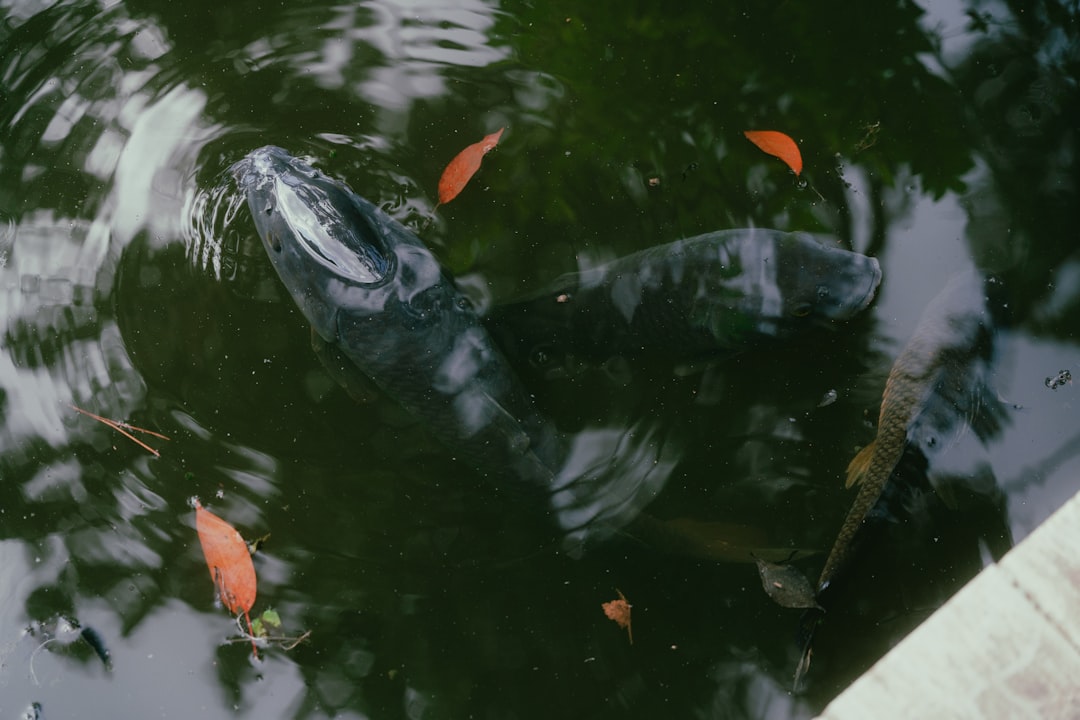
The cast is surprisingly ordinary: small freshwater fish such as shiners, juvenile perch, or young carp in temperate regions; sardine-like forage species in coastal areas; and, far more rarely, tadpoles or frogs. These are animals that gather in dense schools near the surface, where a waterspout or severe updraft can grab water and its contents like a giant vacuum.
The haul tends to be light – handfuls to dozens per yard – not the cinematic deluge people imagine. Sizes skew small because heavier, larger fish resist lift and fall out sooner, forming tight drop zones while the tiniest passengers travel downwind. Mixed debris, from pond weeds to bits of shells, sometimes tags along, offering a natural breadcrumb trail back to a source waterbody.
From Ancient Tales to Modern Science
Stories of animal rain have circulated for centuries, from seasonal fish falls in parts of Central America to episodes recorded in newspapers across North America and Australia. For a long time, the events lived at the fringe of credibility, shuffled into columns alongside curiosities and tall tales. The shift came with systematic weather logs, radar archives, and the pocket cameras everyone now carries.
When residents share time-stamped videos of fish on streets minutes after a storm core passes, investigators can align those posts with radar signatures and wind fields. Local species lists, compiled by fisheries biologists, help test whether the animals fit what a nearby lake could supply. Each well-documented case chips away at myth’s fog and strengthens a mechanistic narrative grounded in storm physics.
Inside the Storm: The Physics That Lift Fish
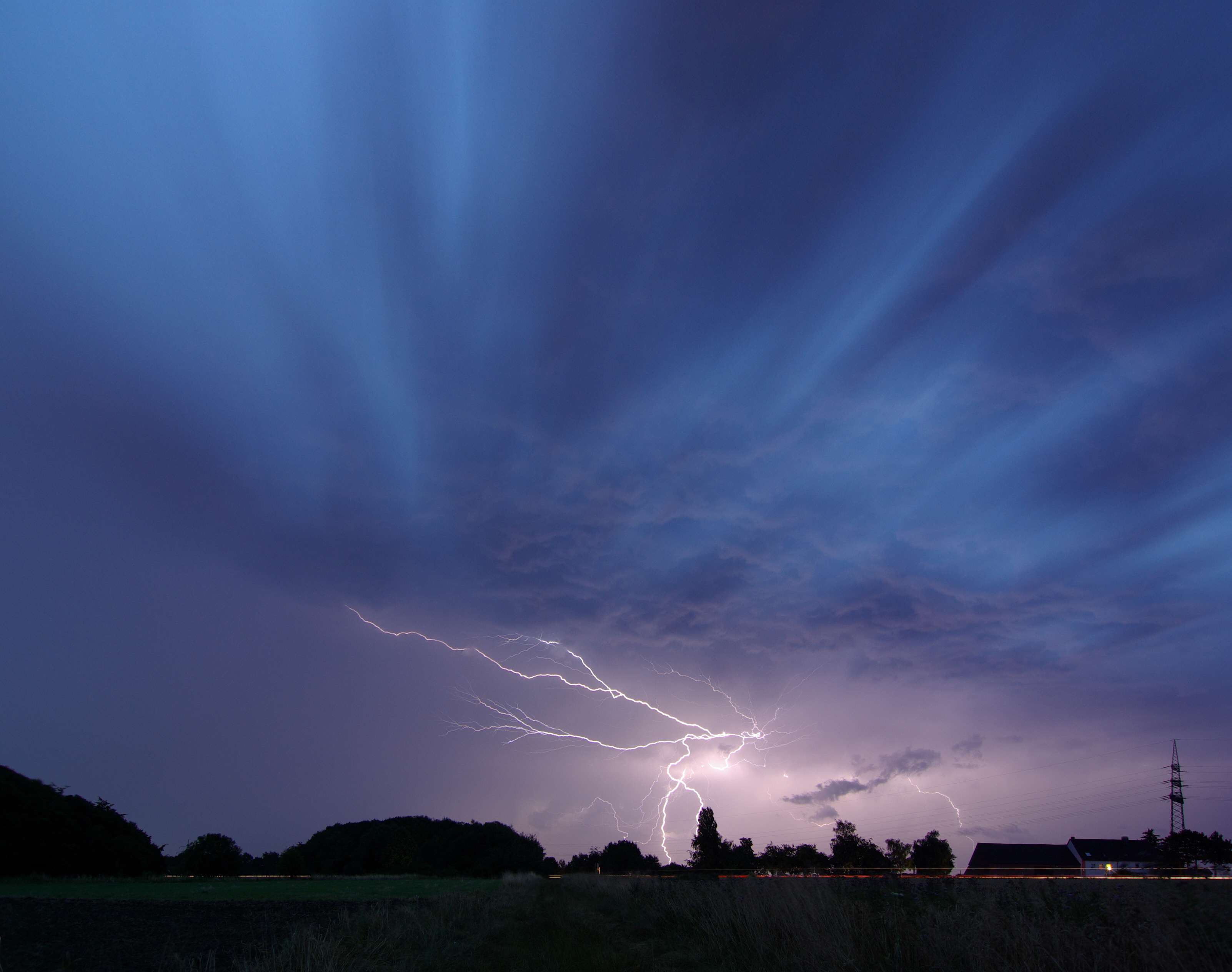
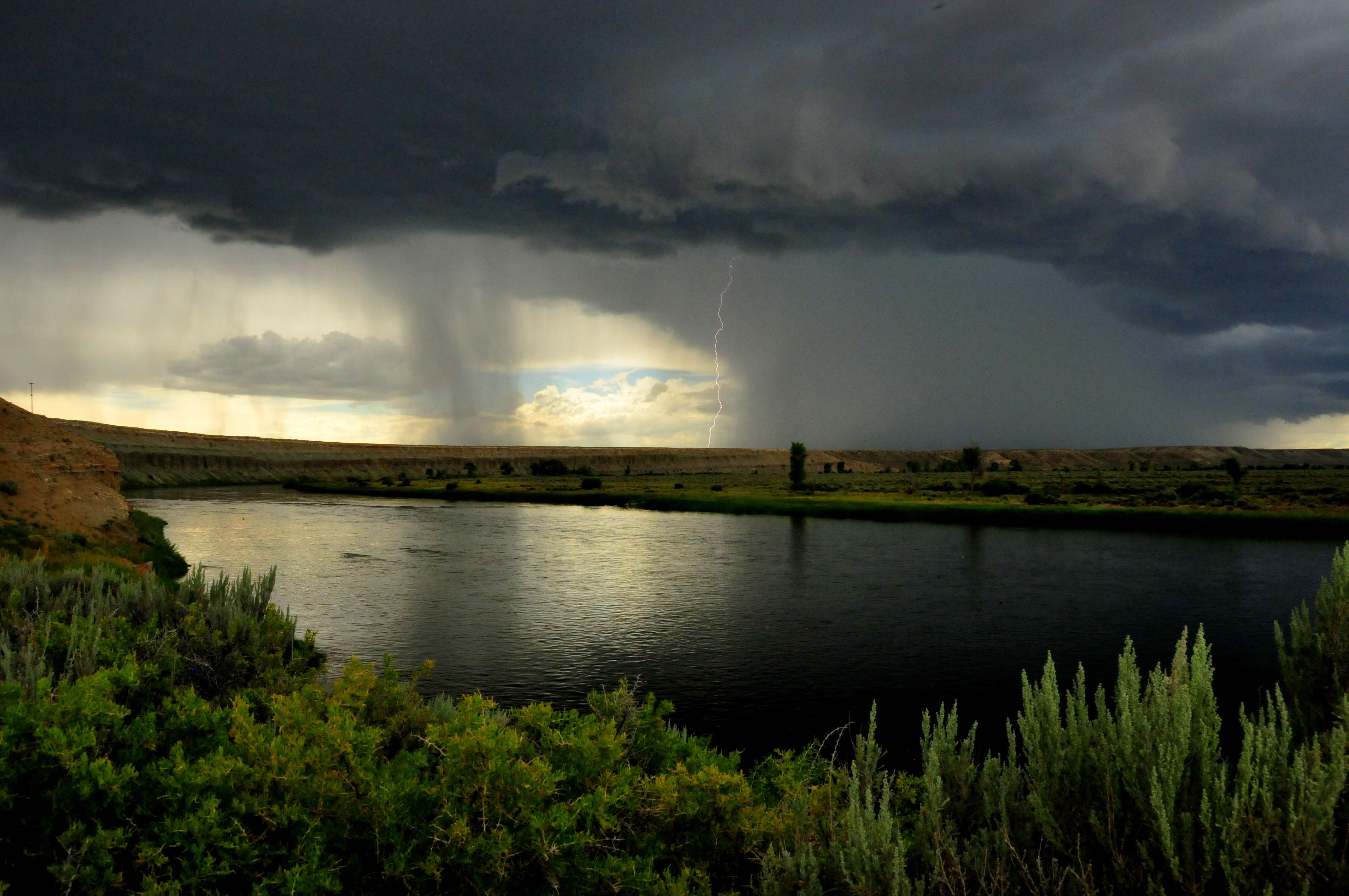
Two engines dominate the explanation: waterspouts and thunderstorm updrafts. Waterspouts form beneath towering cumulus over warm water when twisting air tightens into a rotating column; the resulting spray vortex can loft droplets – and occasionally small organisms – above the surface. In severe thunderstorms, strong updrafts behave like conveyor belts, yanking air and anything suspended in it upward at highway speeds.
Once aloft, fish ride turbulence where droplets collide, freeze, and melt, and where the storm’s winds sort objects by size and density. Dual-polarization radar can even hint at non-meteorological targets, flagging unusual scatter that, when paired with ground reports, supports the story. Finally, gravity wins; as the storm weakens or shifts, passengers fall out along an elongated footprint, often miles downwind from the pickup point.
Why It Matters
The science of fish falls does more than solve a quirky mystery; it sharpens our understanding of how storms transport material, a process with consequences for safety and ecology. Knowing that thunderstorms can move biological matter helps explain the spread of aquatic invertebrates or plant fragments, and it alerts managers to rare but real biosecurity pathways. It also improves risk communication; if people understand the mechanics, they’re less likely to attribute danger – or salvation – to superstition.
Consider the practical angles: unusual objects falling from storms can damage vehicles, spook pilots, and create road hazards. Citizen reports, vetted with photos and species IDs, expand datasets that operational meteorologists use to refine storm analysis. Key points include:
– Dual-polarization radar helps distinguish typical raindrops and hail from unusual biological or debris echoes when cross-referenced with ground truth. – The vast majority of storms never loft fish, but the handful that do tend to feature strong updrafts and nearby shallow water. – Rapid documentation – clear photos, a location pin, and time – dramatically increases the value of a report to scientists.
Global Perspectives
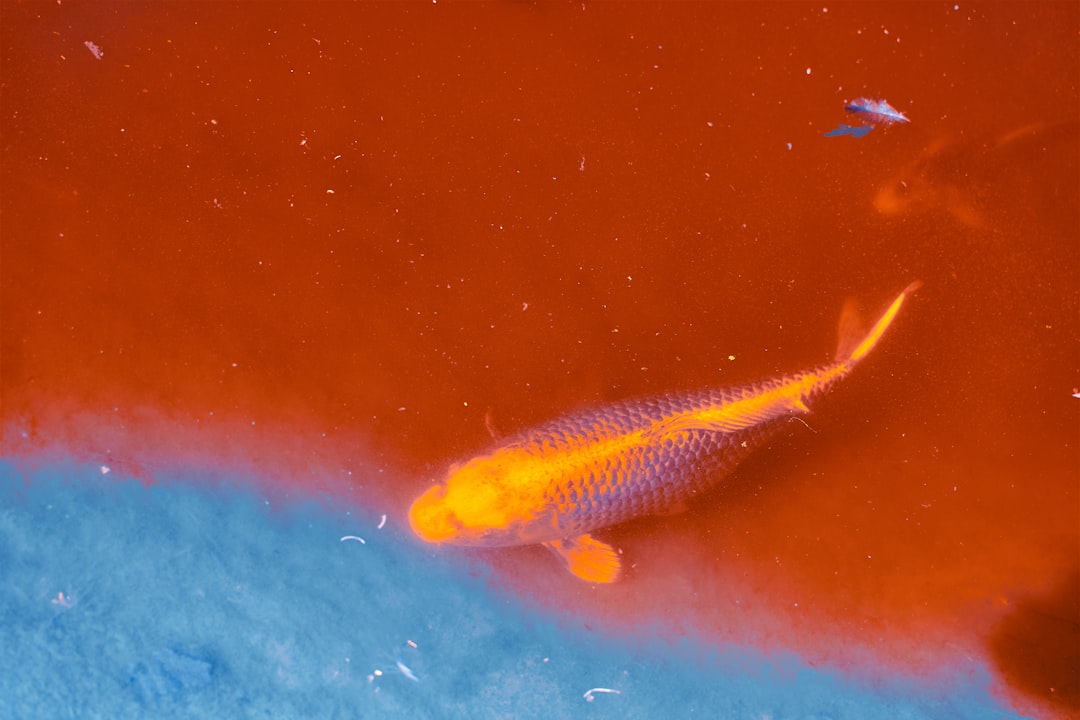
Confirmed events appear where the ingredients overlap: shallow, fish-rich waters near storm-prone coasts or storm tracks that cross lakes and reservoirs. Accounts from Central America’s rainy season, Australia’s interior when tropical moisture surges, and scattered U.S. communities after winter squalls or summer supercells show a shared script with regional accents. Local fish diversity, water temperature, and storm style shape which species appear and how far they travel.
Inland, the recipe may involve a tornado or powerful microburst passing over a farm pond or river bend. Along warm coasts, waterspouts are the usual culprits, sometimes forming in clusters that hopscotch across bays like spinning tops. As climate patterns shift and severe-weather windows expand in some regions, researchers are watching whether the rare boundary conditions for biological lofting shift too.
The Hidden Costs and Ecological Side Notes

Most fish that reach the ground do not survive long, but their brief journey reveals how storms can seed new places with living material. In theory, a storm dropping live fish or eggs into an isolated ditch or ephemeral pool could introduce genes or species where they didn’t exist before. That is unlikely most of the time, yet it underscores how weather acts as an occasional courier for biology.
There’s also the flip side: fish falls spark intense public attention that can be harnessed for watershed education. When people suddenly care about what swims in the local reservoir, they become more open to conversations about runoff, invasive species, and habitat restoration. A headline about fish from the sky can pivot into long-term stewardship on the ground.
The Future Landscape
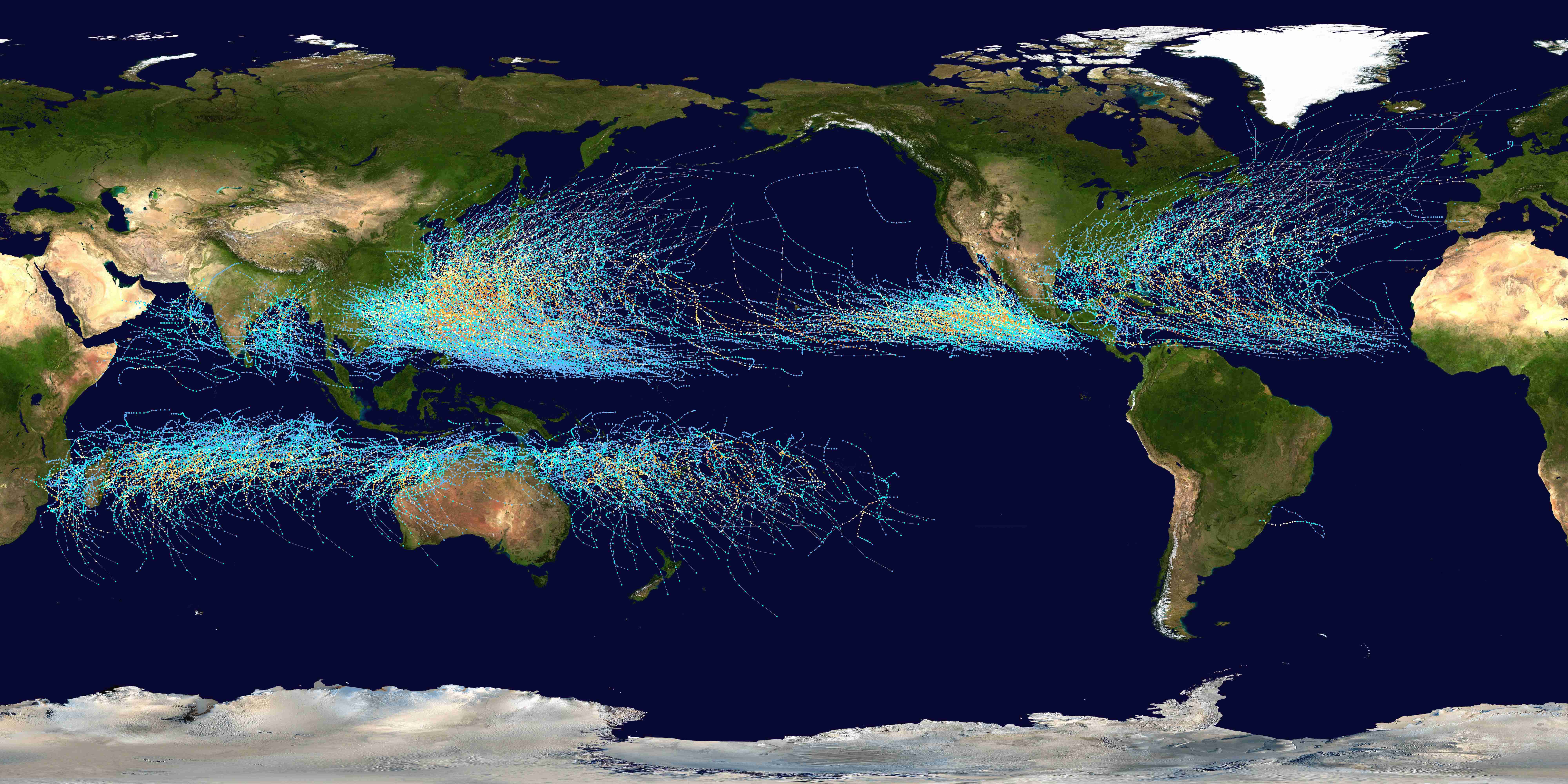
New tools are turning oddities into datasets. Dual-polarization radar archives, paired with machine learning, can sift for storms that show both intense updraft signatures and non-meteorological scatter, flagging candidate events in near-real time. Low-cost environmental DNA sampling – swabbing gutters and roadside puddles after storms – could verify species without guesswork.
Storm-chasing drones and portable lidars make it safer to measure wind fields near waterspouts, quantifying the lift available to small organisms. Collaboration platforms now let meteorologists, ichthyologists, and local observers tag reports, map footprints, and test hypotheses within hours. The challenge isn’t technology but discipline: standards for evidence, respectful skepticism, and the patience to replicate methods across seasons and regions.
How You Can Help
If you ever witness a suspected fish fall, prioritize safety, then document carefully. Take clear photos with a recognizable landmark, record the time, and note the nearest waterbody; if you can identify the species, add it, but speculation is optional. Avoid moving specimens far from where they landed, and never release live fish into a new water; contact local wildlife or fisheries staff instead.
Share observations with your local meteorological office, a university extension, or a community science platform focused on weather or biodiversity. Support watershed groups and storm-spotter training, which turn curiosity into useful data and preparedness. Small, careful actions from many people convert wonder into evidence and help scientists trace a phenomenon that still surprises even the experts.
Sources: American Meteorological Society Glossary of Meteorology (waterspout, non-meteorological scatter); NOAA National Weather Service resources on waterspouts, tornado debris signatures, and severe thunderstorm dynamics.
Suhail Ahmed is a passionate digital professional and nature enthusiast with over 8 years of experience in content strategy, SEO, web development, and digital operations. Alongside his freelance journey, Suhail actively contributes to nature and wildlife platforms like Discover Wildlife, where he channels his curiosity for the planet into engaging, educational storytelling.
With a strong background in managing digital ecosystems — from ecommerce stores and WordPress websites to social media and automation — Suhail merges technical precision with creative insight. His content reflects a rare balance: SEO-friendly yet deeply human, data-informed yet emotionally resonant.
Driven by a love for discovery and storytelling, Suhail believes in using digital platforms to amplify causes that matter — especially those protecting Earth’s biodiversity and inspiring sustainable living. Whether he’s managing online projects or crafting wildlife content, his goal remains the same: to inform, inspire, and leave a positive digital footprint.