
It’s a question that sounds like a prank from a late-night dorm debate, yet it’s quietly sitting at the frontier of cosmology: could space itself loop back on itself like a cosmic donut? The mystery is rooted in a real scientific puzzle – how to describe the universe’s global shape when we can only observe a tiny patch of it. For decades, astronomers have hunted for telltale fingerprints in ancient light that might reveal a finite, wraparound cosmos. The search has turned up tantalizing anomalies and firm constraints, but no smoking gun. And that’s exactly why the donut idea keeps returning, like an echo bouncing around the world’s largest room.
The Hidden Clues
What would tip us off if the universe were a three-dimensional torus – a donut you can fly through forever without hitting an edge? Think of a hall of mirrors, where patterns repeat because walls reflect the same scene from different angles. In a donut-shaped cosmos, light can take multiple routes to reach us, producing repeating patterns in the oldest radiation we can see: the cosmic microwave background. Those patterns could show up as matched circles on the sky or strangely muted fluctuations on the largest scales. The fact that some large-angle features look subdued has kept the conversation alive, even as precision data stress-test the idea.
I remember sketching a torus on a coffee-stained napkin with a physicist who compared it to living in a video game level that wraps left-to-right and top-to-bottom. The analogy lands because it makes something mind-bending feel graspable: space could be finite yet unbounded, like a Pac-Man map with no walls. If that’s our reality, we might already be seeing ghost images of distant galaxies – just too distorted and faint to recognize. This is the kind of possibility that makes cosmology thrilling and humbling at the same time.
From Ancient Tools to Modern Science
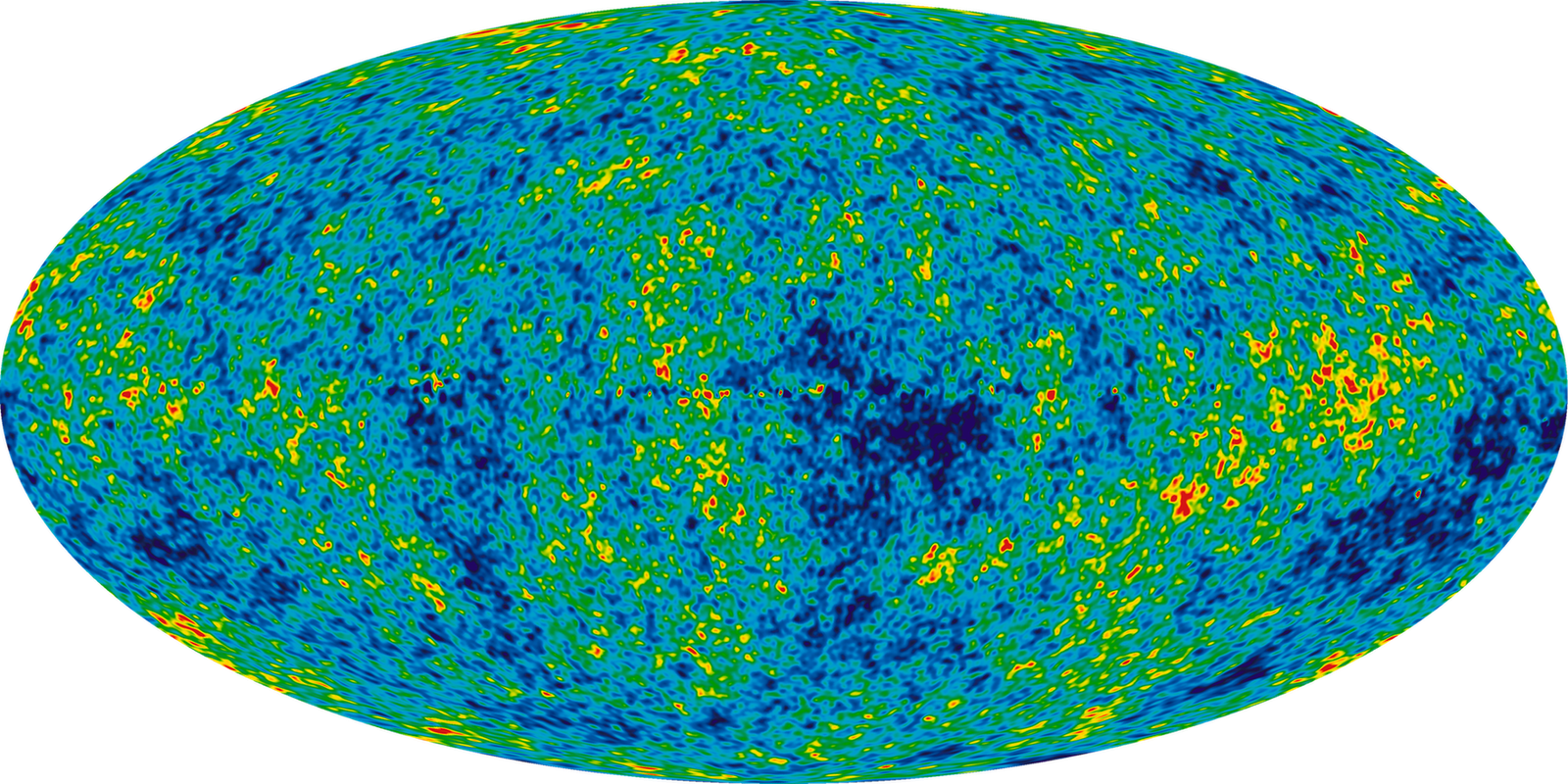
Surveying the shape of the universe once meant charting stars with sextants and intuition; now it means mapping millions of galaxies and decoding temperature ripples in a baby picture of the cosmos. The cosmic microwave background acts like a fossilized weather report from roughly 380,000 years after the Big Bang. Its tiny hot-and-cold speckles carry clues about geometry, much like the curvature of Earth reveals itself in the way shadows fall during an eclipse. Add in vast galaxy surveys that measure how matter clumps over time, and we get a cross-check on the story told by ancient light.
Space-based missions and ground telescopes have tightened the screws on cosmology by pushing noise down and sky coverage up. Each new data release functions like another puzzle piece snapped into place, shrinking the room for exotic possibilities. Yet topology – the universe’s global connectedness – remains a subtle quarry. You can measure curvature locally and still be fooled about how the whole thing is stitched together, just as sailors once were certain of their latitude but unsure of the world’s edges.
The Cosmic Geometry at Stake
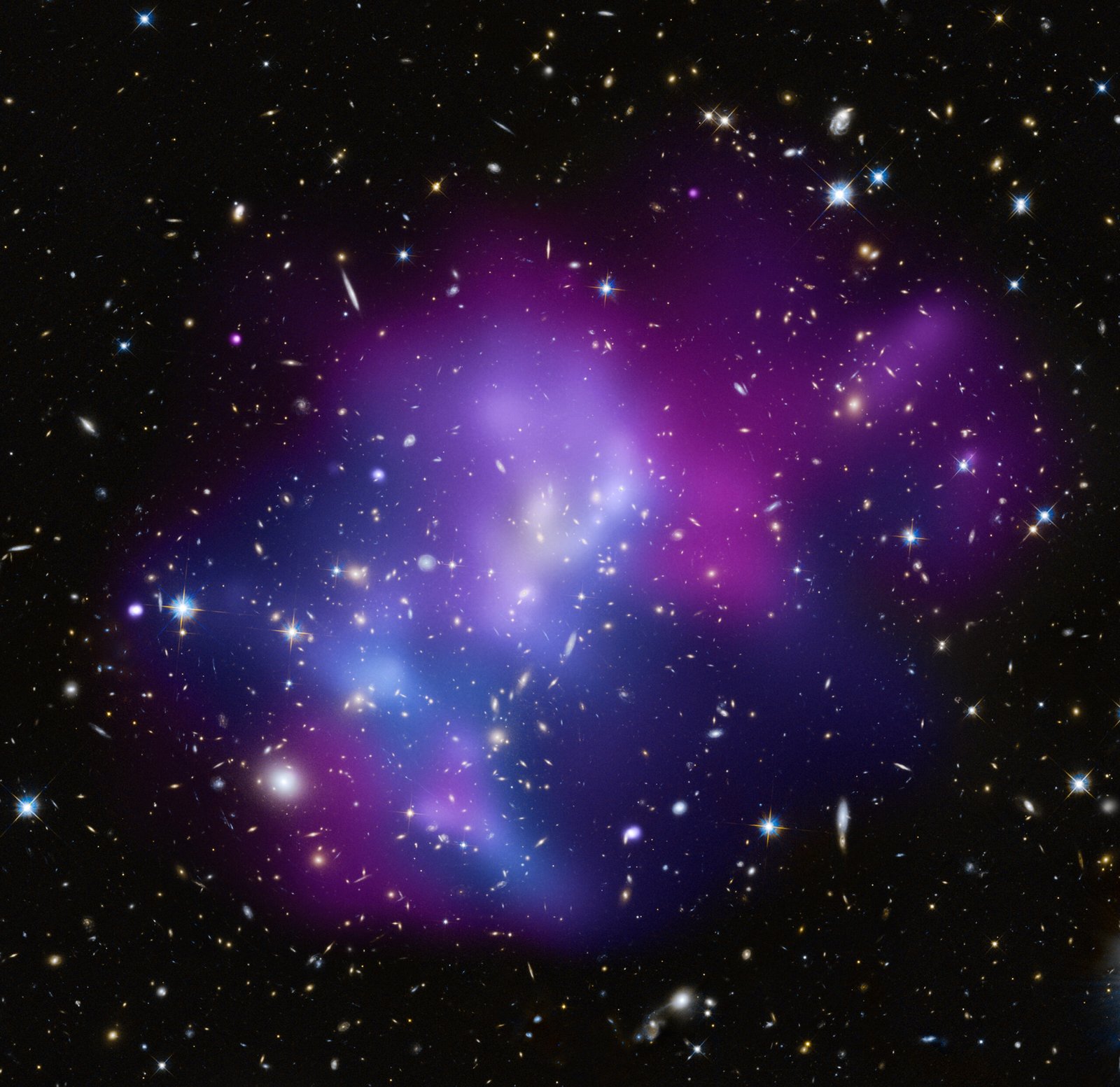
Geometry and topology are cousins but not twins. Geometry asks whether space is flat, positively curved, or negatively curved; topology asks how space is connected overall. A donut-shaped universe is globally flat yet multiply connected, meaning move far enough and you return to your starting point without ever hitting a boundary. That’s different from a closed, positively curved universe, which curves back on itself like the surface of a sphere but in three dimensions.
Observations strongly favor near-flat geometry, which keeps the donut hypothesis alive in principle. But favoring flatness doesn’t prove the wraparound; it only keeps the door open. To nail the case, cosmologists need unambiguous signatures that geometry alone can’t mimic. That’s where the specialized tests come in.
How We Hunt for a Donut: Circles, Echoes, and Doubles
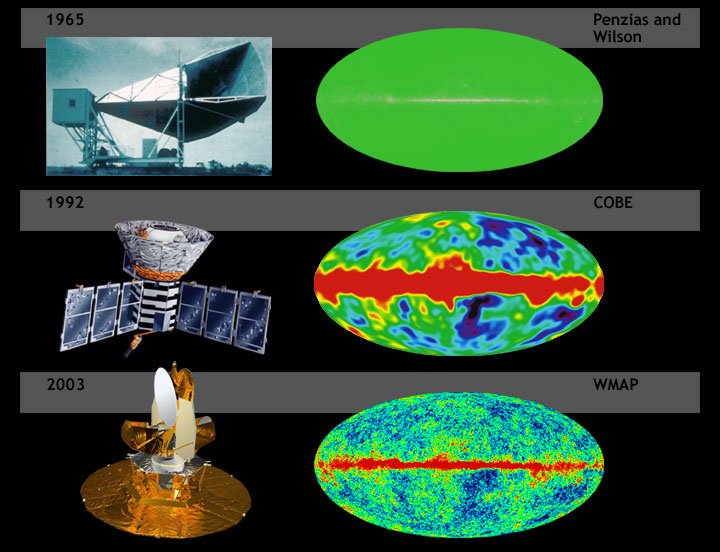
Three strategies dominate the search. First is the circles-in-the-sky test: if light has looped around, identical patterns should appear as pairs of circles in the microwave background’s mosaic of speckles. Second is cosmic crystallography, a statistical hunt for repeated separations among galaxies that could betray a repeating tile of space. Third is the quest for “doppelgänger” objects – multiple images of the same galaxy or quasar seen at different points in cosmic time because light took different routes.
Each method has headaches. Foregrounds and instrumental noise can mimic or mask the circles. Galaxy catalogs need sheer scale and exquisite distance measurements to tease out subtle repeats. And gravitational lensing – mass bending light – creates its own lookalikes. The upshot: if a donut exists, its fundamental size likely exceeds the observable universe or hides just beyond the reach of current techniques.
The Evidence So Far
So, where do we stand after years of sky-scanning? Precision maps of the microwave background have not found definitive matched circles, placing strict lower limits on how small a wraparound cosmos could be. Large-scale surveys of galaxies have mapped structure across billions of light-years without a convincing, repeating lattice. Meanwhile, measurements of cosmic distances and ripples in matter – baryon acoustic oscillations – support a universe that behaves as though space is very nearly flat on the largest scales we can probe.
Here’s the distilled snapshot many teams converge on today:
– Finite-but-unbounded topologies like a 3-torus are not ruled out, but any fundamental loop scale must be at least comparable to, and likely larger than, our observable horizon.
– The vast majority of precision measurements favor near-flat geometry without strong topological signatures.
– Apparent anomalies at the largest angular scales remain intriguing but are not, on their own, decisive.
In plain terms, the donut is allowed, just not easily provable with the evidence in hand. That’s unsatisfying, but it’s also how science protects us from wishful thinking.
Why It Matters
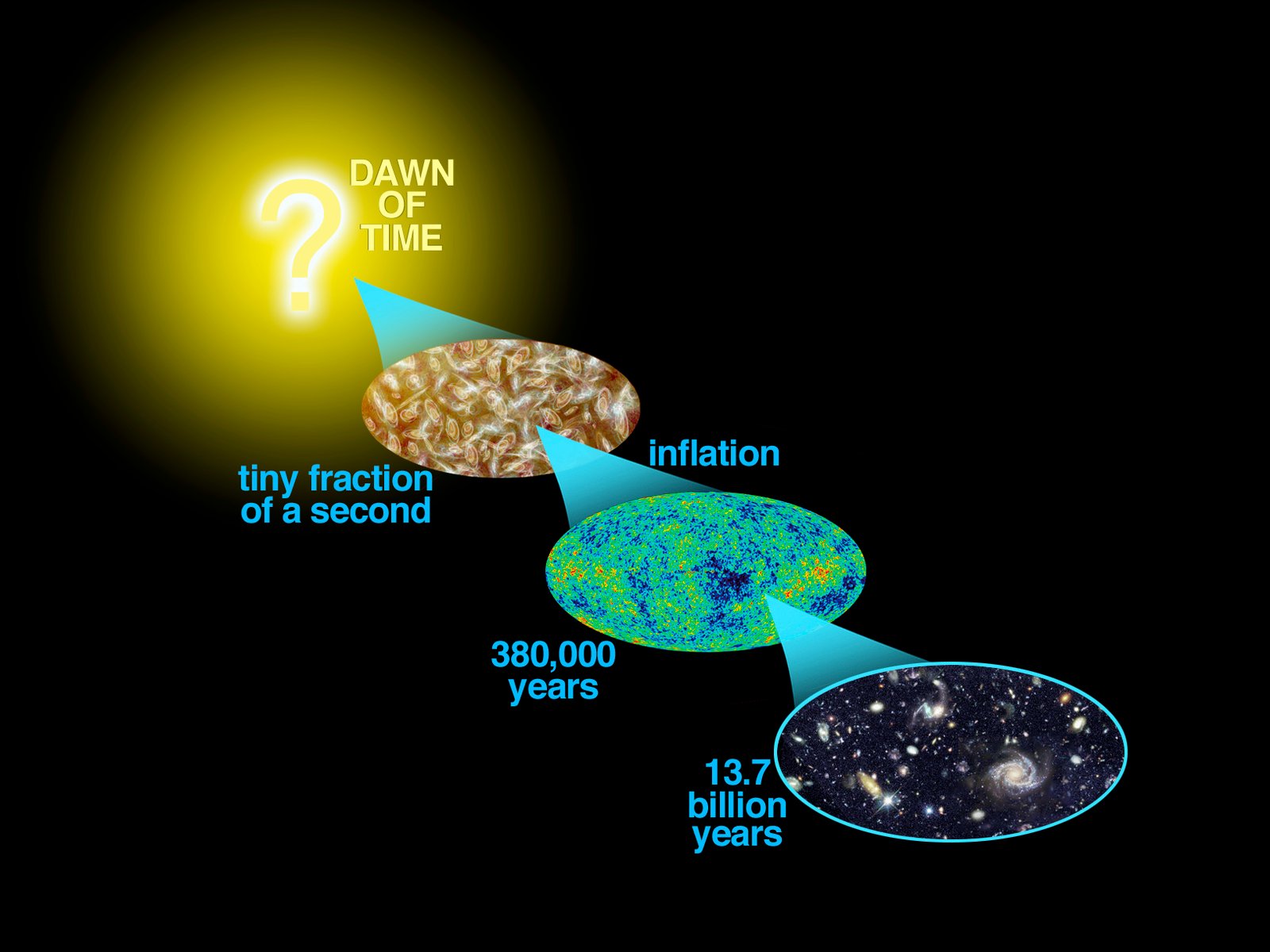
Topology isn’t an academic parlor game; it rewrites how we think about beginnings, boundaries, and the fate of everything. In a finite, wraparound cosmos, there are no edges to fall off, and every direction eventually leads you home, changing what we mean by distance and isolation. Compared with the standard, simply connected view, a donut universe would alter the way quantum fluctuations seeded structure and might even curb certain large-scale modes, subtly reshaping the cosmic power spectrum. That means your favorite models of inflation – the physics thought to turbocharge the early universe – get new constraints.
Practically, the question slots into a larger quest: making cosmology a closed book with self-consistent answers across multiple probes. When geometry, topology, and the growth of structure all line up, theory hardens into a durable scaffold. If they don’t, that gap is where breakthroughs happen. This is why researchers keep pressing: they’re not chasing a cute shape, they’re testing the skeleton of reality.
The Future Landscape
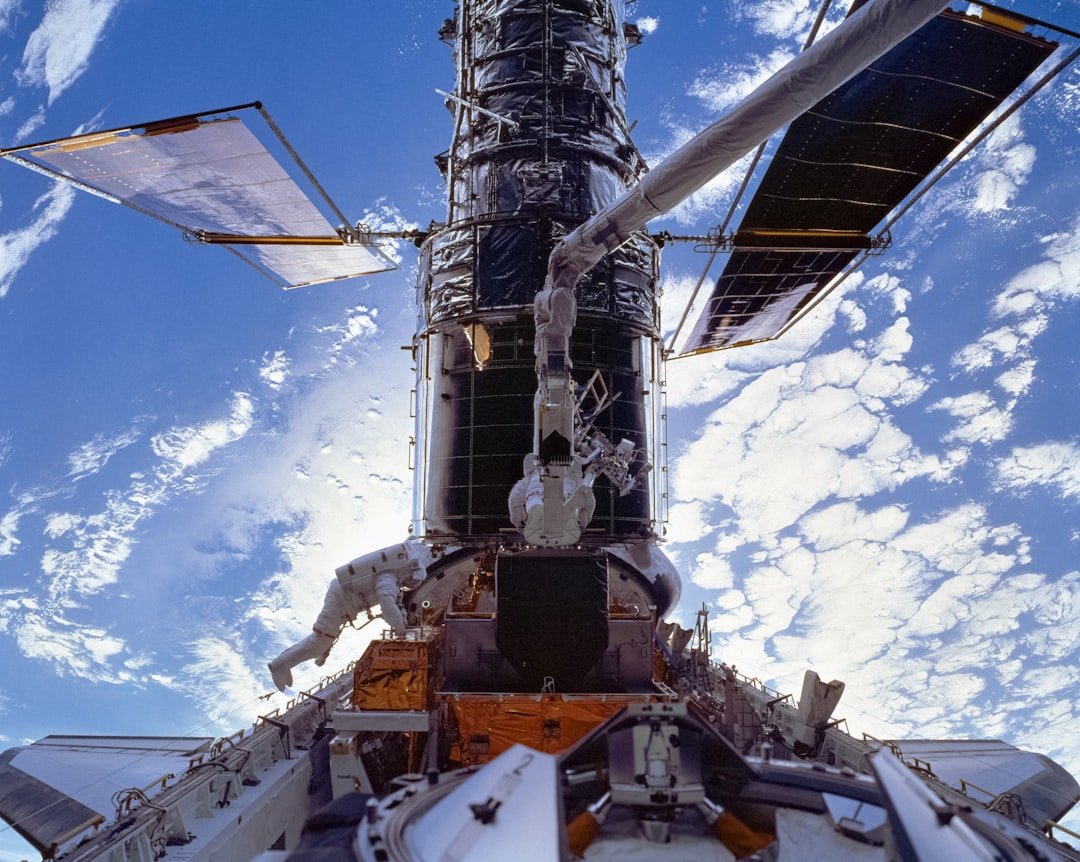
The next wave of observatories is built for patience and precision, two ingredients this problem demands. Wider, deeper galaxy maps will stretch our reach and sharpen the statistics behind cosmic crystallography. Improved polarization maps of the microwave background will reduce foreground confusion and give the circles-in-the-sky test a cleaner shot. If any repeating signature lurks, longer baselines and better noise control raise the odds of catching it.
At the same time, supercomputers are rehearsing countless universes on digital stages, letting researchers compare simulated skies with the one we inhabit. Better modeling means fewer false alarms and tighter limits when nothing turns up. And if a hint does appear – some suspicious alignment or repetition – fresh follow-up in other wavelengths can pounce quickly. The strategy is simple: widen the net, thicken the data, and let inconsistency corner the truth.
Global Perspectives
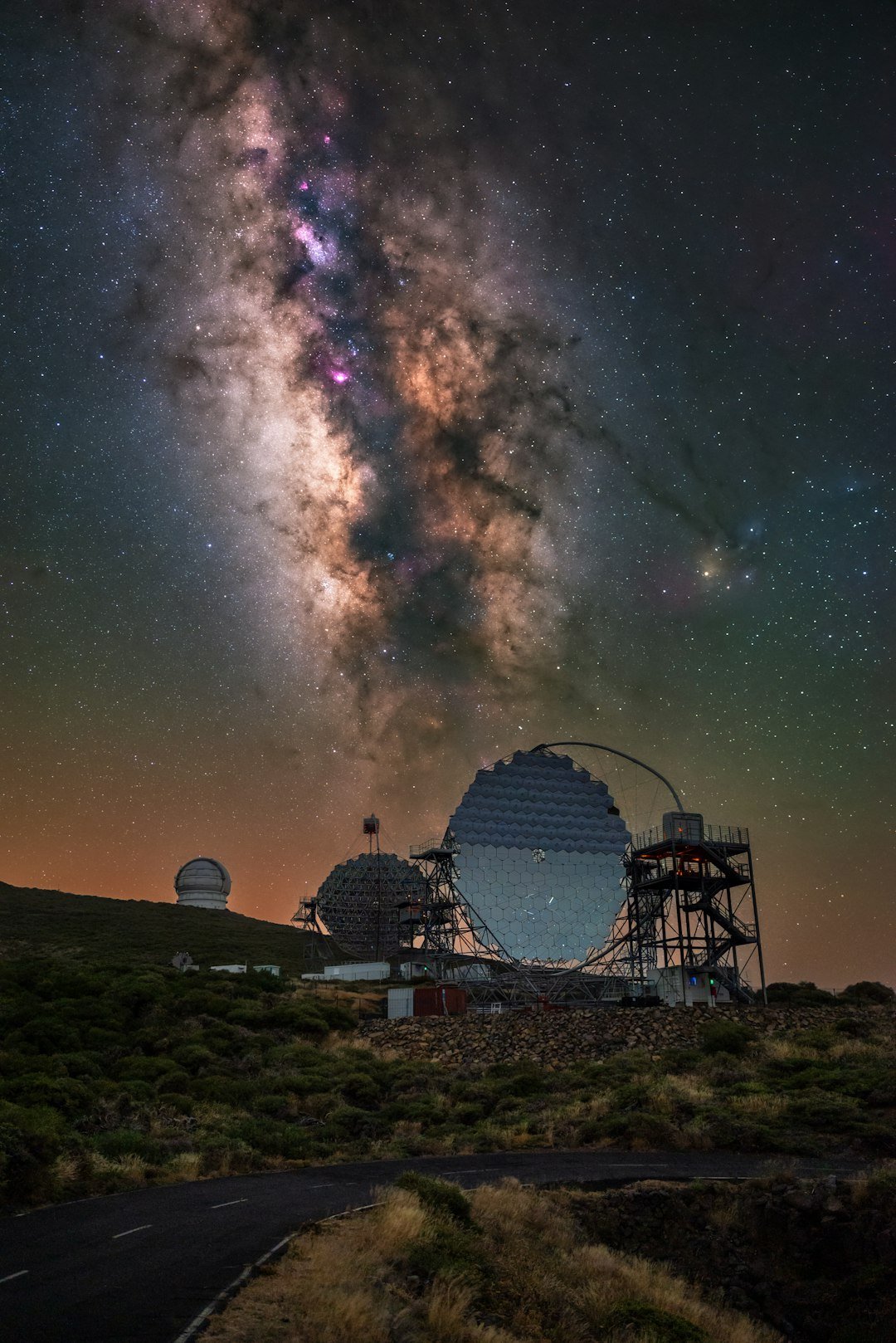
Cosmology today is a mosaic of teams split across continents, sharing code, data, and the occasional sleepless night. A donut-shaped universe would be a triumph carved by global cooperation, not a single lab’s lightning strike. Instruments in deserts, on mountaintops, and in orbit sample different skies and fight different systematics, giving the final verdict resilience. That diversity matters because topology signals, if they exist, are delicate; you want independent lines of evidence cross-examining the same claim.
I’ve watched early-career researchers share null results with the same pride as detections, because a strong limit is a gift to everyone else’s theory. That culture – open data, transparent pipelines, friendly skepticism – may be the unsung hero of this whole search. In a field where wishful thinking can be as seductive as a perfect spiral galaxy, discipline is the compass that keeps us from getting lost.
What a Donut Universe Would Change
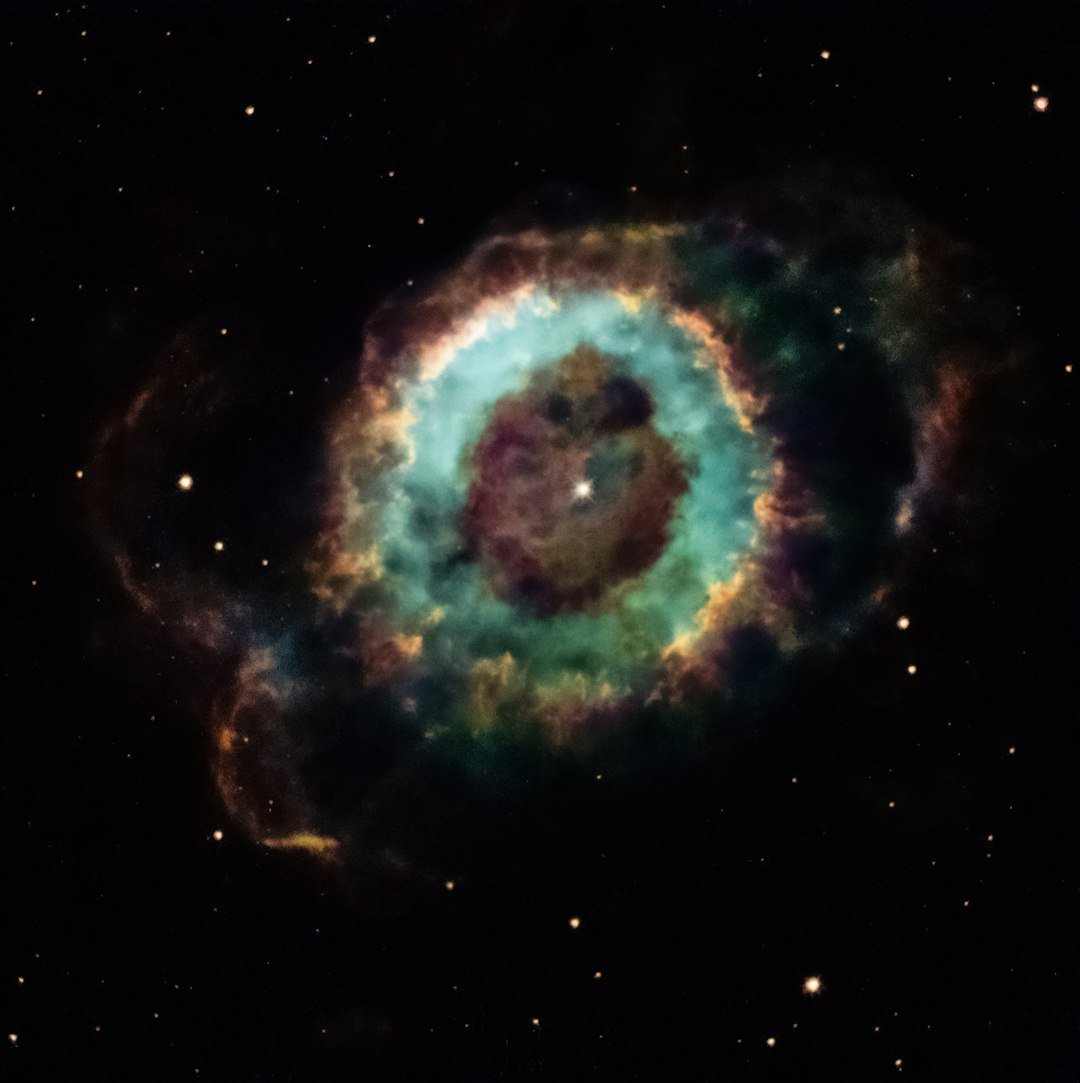
Suppose the verdict lands in favor of a torus-like cosmos. We’d immediately reinterpret the largest-scale anomalies as features, not bugs, and recalibrate our models of the early universe. Finite volume would suppress certain modes, shifting expectations for the biggest patterns in the sky. Over cosmic time, looping light paths could create subtle correlations in galaxy positions that we’d finally know to expect.
On the human side, the story we tell about existence would twist in a surprisingly comforting way: no edges, no outside, just a seamless topology where every path closes. That narrative never proves a theory, but it shapes how we think about our place in the cosmos. Call it a philosophical dividend of careful measurement.
Conclusion
You don’t need a telescope to join this quest. Support projects that release their data openly; citizen scientists and students often spot patterns professionals miss. Encourage science literacy in schools and communities, because the next breakthrough might come from someone who once built a paper torus in math class. If you’re able, back public observatories and museum programs that turn abstract ideas into touchable exhibits.
Most of all, keep asking unruly questions and follow the evidence, even when it points to a bigger mystery. After all, what’s more human than wondering whether every straight line eventually comes back around – did you expect that?
Suhail Ahmed is a passionate digital professional and nature enthusiast with over 8 years of experience in content strategy, SEO, web development, and digital operations. Alongside his freelance journey, Suhail actively contributes to nature and wildlife platforms like Discover Wildlife, where he channels his curiosity for the planet into engaging, educational storytelling.
With a strong background in managing digital ecosystems — from ecommerce stores and WordPress websites to social media and automation — Suhail merges technical precision with creative insight. His content reflects a rare balance: SEO-friendly yet deeply human, data-informed yet emotionally resonant.
Driven by a love for discovery and storytelling, Suhail believes in using digital platforms to amplify causes that matter — especially those protecting Earth’s biodiversity and inspiring sustainable living. Whether he’s managing online projects or crafting wildlife content, his goal remains the same: to inform, inspire, and leave a positive digital footprint.