Imagine waking up one day, only to find out that the world you’ve known is an intricate simulation. This premise, famously explored in the movie “The Matrix,” is not just a sci-fi fantasy but a concept that has intrigued scientists and technologists alike. As we delve deeper into the realm of video games and virtual reality, the lines between reality and simulation begin to blur. Could it be that our universe is a sophisticated computer simulation? Let’s unravel this captivating topic by exploring how video games might offer glimpses into our potential simulated future.
The Evolution of Video Games: From Pixels to Immersive Worlds
Video games have come a long way since the days of simple 8-bit graphics. What started as rudimentary pixelated characters on a screen has transformed into incredibly detailed virtual worlds. Today, games boast lifelike graphics, complex storylines, and immersive experiences that mimic reality. Developers continuously push the boundaries of what’s possible, making players question the nature of the digital worlds they engage with. As technology advances, the potential for creating simulations that are indistinguishable from reality becomes more feasible. This evolution hints at a future where the line between the virtual and the real becomes increasingly blurred.
The Science Behind Simulated Reality
The concept of a simulated reality isn’t just a figment of imagination. It finds roots in philosophical and scientific discussions. The Simulation Hypothesis, proposed by philosopher Nick Bostrom, suggests that advanced civilizations could create simulations so realistic that the inhabitants wouldn’t know they were part of one. This hypothesis is grounded in the idea that, given enough computing power, it would be possible to simulate entire universes. With the rapid pace of technological advancements, such a prospect doesn’t seem entirely out of reach. The science behind this idea challenges our understanding of reality and encourages us to question the very nature of existence.
Virtual Reality: A Glimpse into Alternate Realities
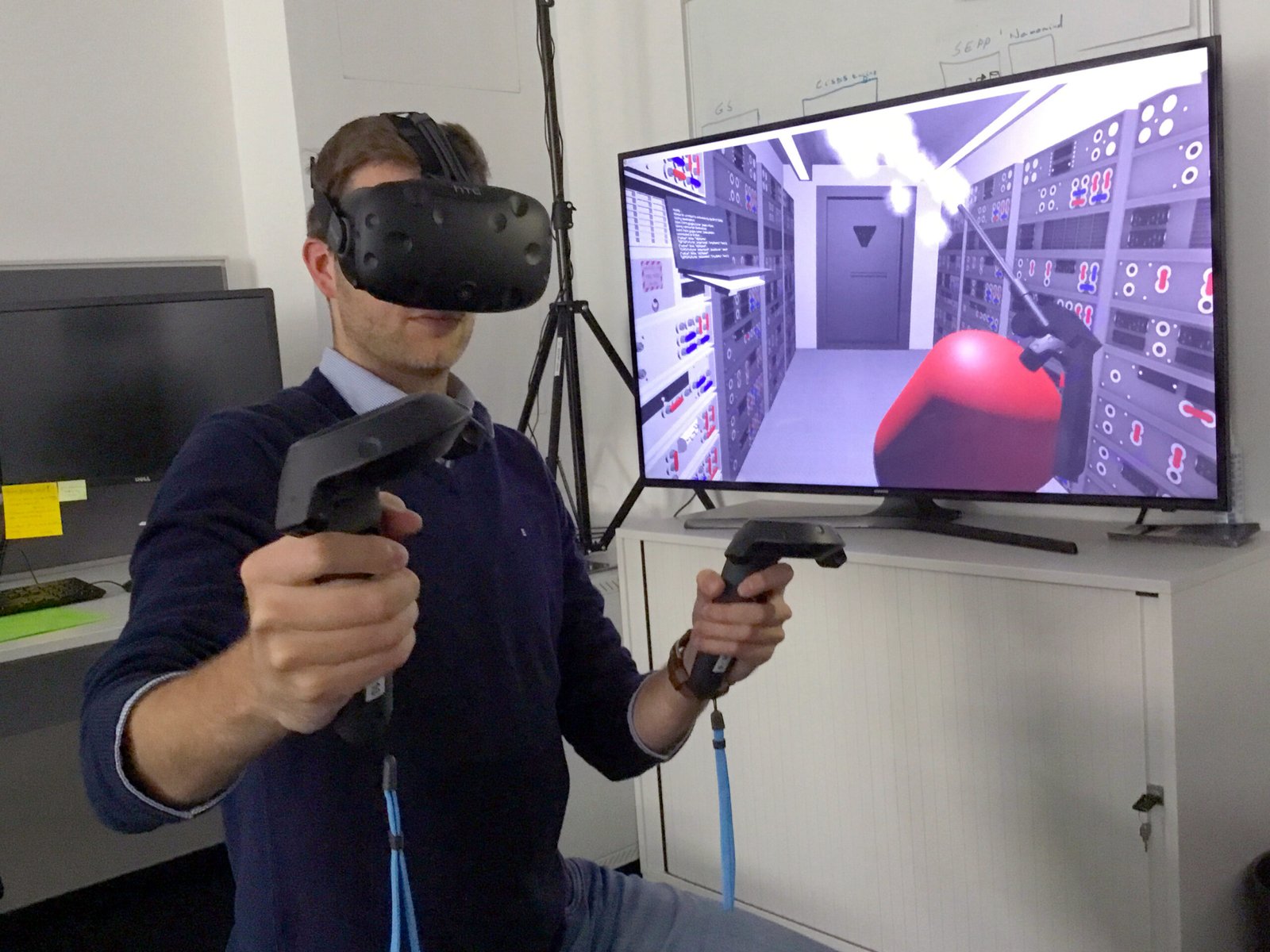
Virtual reality (VR) technology offers a tantalizing preview of what simulated realities might entail. By wearing a VR headset, users can step into entirely different worlds, experiencing environments that feel tangible and real. This immersion can be so profound that it alters perceptions and emotions, making users feel as though they are truly present in another space. VR serves as a bridge between our physical world and potential simulated realities, demonstrating that our senses can be easily deceived. As VR technology continues to improve, the distinction between real and virtual experiences will likely become even more ambiguous.
The Role of Artificial Intelligence in Simulated Worlds

Artificial intelligence (AI) plays a crucial role in shaping the future of simulated realities. In video games, AI is used to create intelligent, responsive characters that adapt to player actions. This dynamic interaction makes virtual environments feel alive and unpredictable. As AI technology becomes more sophisticated, it could be used to simulate entire ecosystems, complete with autonomous entities capable of complex behaviors. The integration of AI into simulated worlds enhances their realism, potentially leading to simulations that are indistinguishable from our own reality. This convergence of AI and simulation technology points to a future where artificial worlds are as rich and diverse as our own.
Quantum Computing: The Key to Realistic Simulations?
Quantum computing holds the promise of revolutionizing the way we process information. Unlike classical computers, which use bits to represent data, quantum computers use qubits, allowing them to perform complex calculations at unprecedented speeds. This capability could be the key to creating highly detailed and realistic simulations. With quantum computing, it might be possible to simulate entire universes, complete with intricate physical laws and dynamic interactions. The potential of quantum computing challenges our current understanding of computation and opens the door to creating simulations that rival the complexity of the real world.
Ethical Implications of Simulated Realities
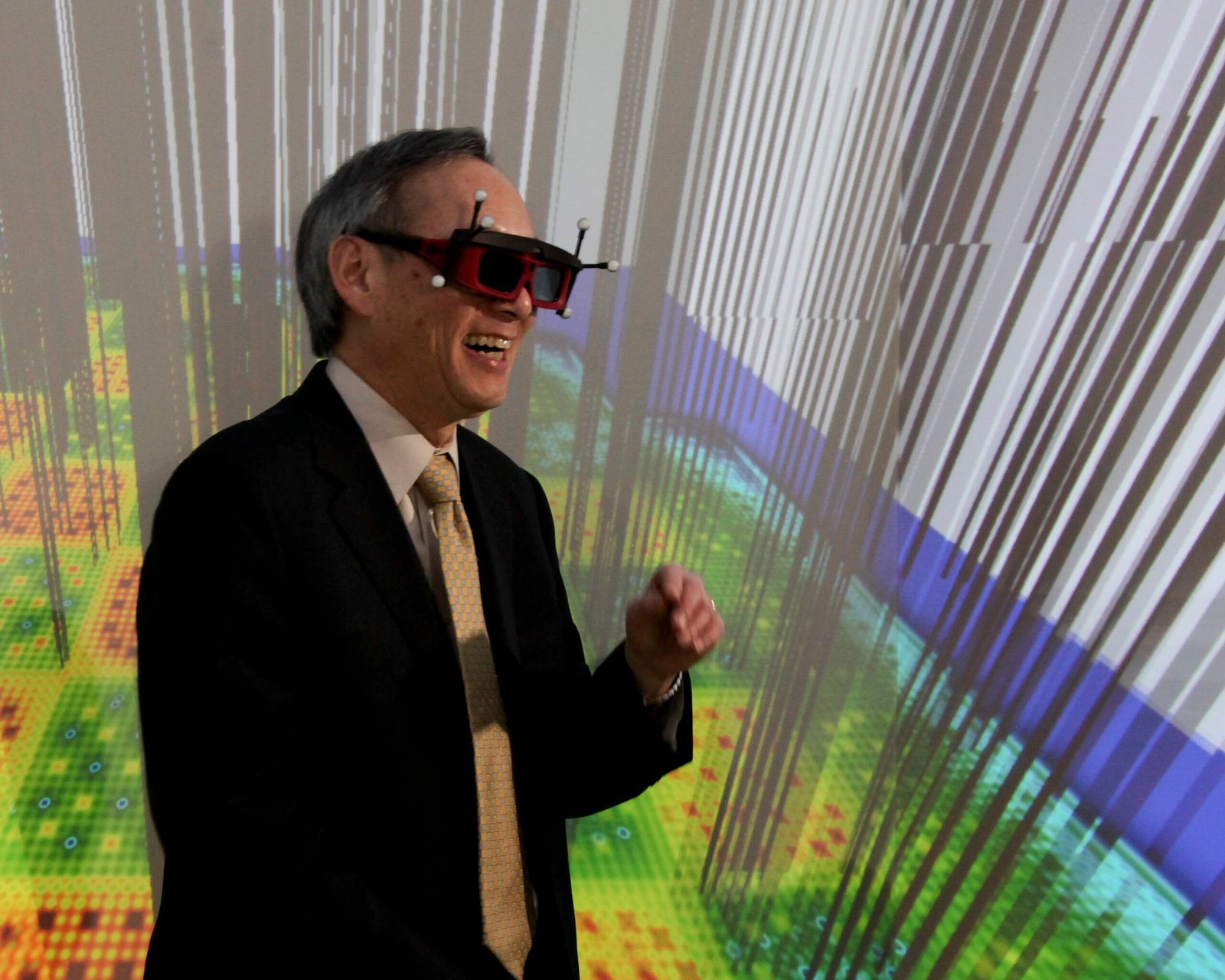
Creating simulated realities raises significant ethical questions. If we can simulate conscious beings, do they have rights? What responsibilities do creators have towards their creations? These ethical dilemmas are not just theoretical; they demand careful consideration as technology progresses. The possibility of simulated realities forces us to confront issues of identity, consciousness, and morality. As we move closer to a future where simulations are indistinguishable from reality, addressing these ethical concerns becomes imperative. The implications of simulated realities extend beyond technology, touching the very core of what it means to be human.
Philosophical Reflections on Reality and Illusion
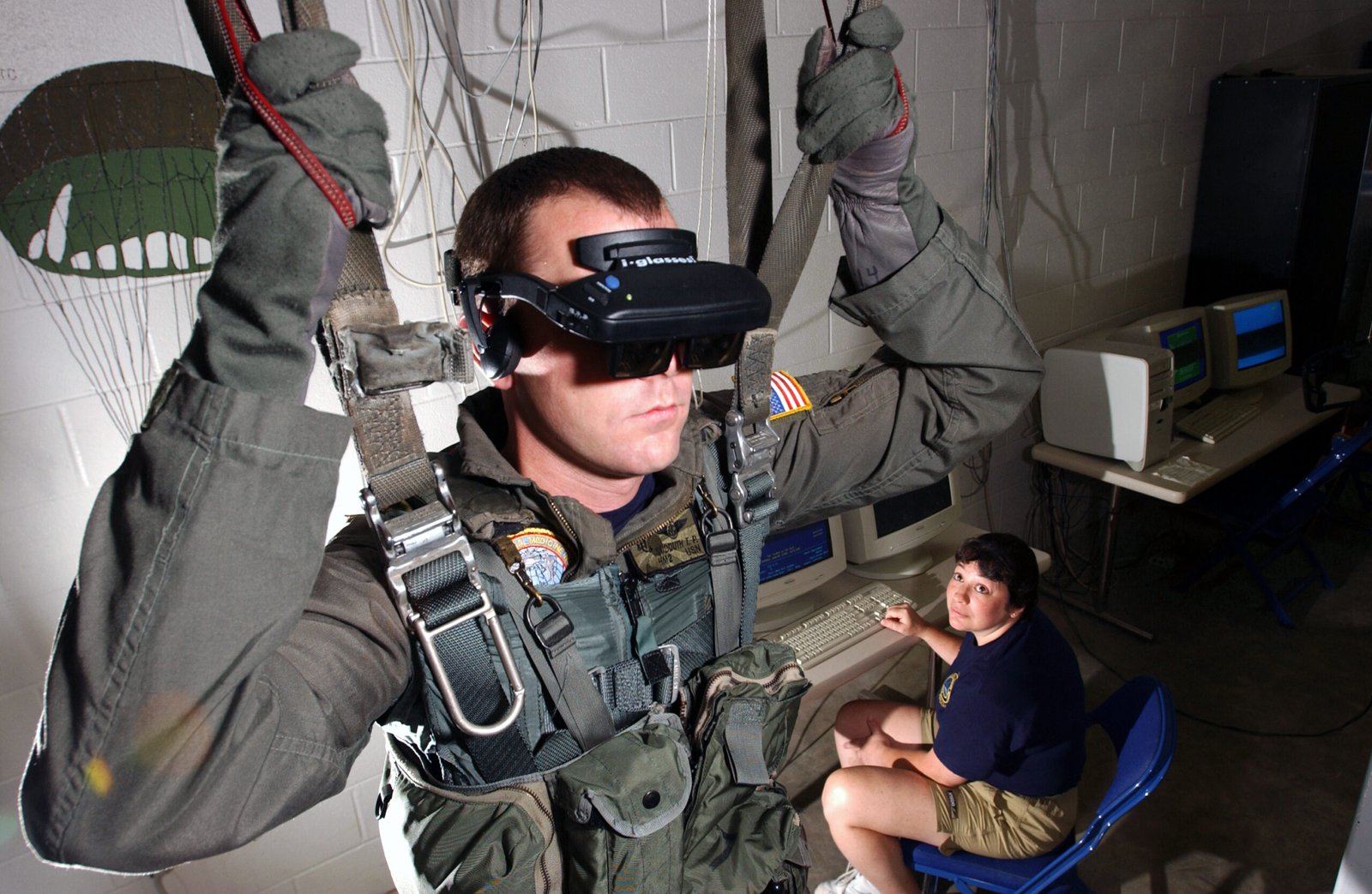
The idea of living in a simulated reality challenges our philosophical understanding of existence. If our universe is a simulation, what does that mean for concepts like free will and identity? Philosophers have long pondered the nature of reality, with thinkers like René Descartes questioning the reliability of our perceptions. The possibility of a simulated universe reignites these age-old debates, urging us to reflect on the nature of consciousness and the essence of being. Simulated realities compel us to confront the boundaries of knowledge and the mysteries of the universe, inviting us to explore the profound questions that define our existence.
Technological Limitations and the Road Ahead
Despite the tantalizing prospects of simulated realities, there are significant technological hurdles to overcome. Current computing power is insufficient to create simulations of the complexity and scale required to mimic an entire universe. However, technological progress is exponential, and what seems impossible today may become feasible in the future. Researchers and engineers are continually pushing the boundaries of what’s possible, inching closer to creating simulations that could rival reality. The road ahead is filled with challenges, but the potential rewards make the pursuit of simulated realities an exciting and worthwhile endeavor.
How Video Games Inspire the Future of Simulated Reality
Video games are more than just entertainment; they serve as a testing ground for concepts that could shape the future of simulated reality. Game developers experiment with complex simulations, AI-driven characters, and immersive environments, providing valuable insights into the possibilities of virtual worlds. These innovations inspire scientists and technologists to explore the potential of creating realistic simulations, bridging the gap between fiction and reality. As video games continue to evolve, they offer a glimpse into the future of simulated realities, sparking curiosity and imagination about the world we might one day inhabit.
The Possibility of a Simulated Universe
The notion that our universe could be a sophisticated simulation is both intriguing and unsettling. While there’s no definitive evidence to support this idea, the possibility challenges our understanding of reality and our place in the cosmos. The concept of a simulated universe invites us to explore the boundaries of science and philosophy, urging us to question the nature of existence. Whether or not we live in a simulation, the exploration of this idea expands our horizons and deepens our appreciation for the mysteries of the universe. As we continue to push the limits of technology and imagination, the possibility of a simulated reality remains a captivating and thought-provoking topic.