Imagine standing on a quiet hilltop at midnight, gazing up at a sky painted with stars older than time itself. For centuries, we’ve wondered: are we truly alone, and if not, what will we bring with us when we finally step beyond our tiny blue planet? As space agencies plot bold journeys to Mars and beyond, a deeper question emerges—one that tugs at the heart and stirs the imagination. Is humanity wise enough to carry not just our technology, but our hard-won lessons, dreams, and values into the vast unknown? The future of life beyond Earth isn’t just about rockets and science—it’s about whether our species is ready, in spirit and mind, to become more than Earthlings.
The Temptation and Terror of the Cosmic Frontier
The allure of the stars is as old as humanity itself. For ancient peoples, the night sky was both a map and a mystery. Today, the cosmos beckons with the promise of adventure, but also with the anxiety of the unknown. The idea of venturing beyond Earth brings with it a mix of excitement and dread. Will we find new homes among the planets, or will we repeat our ancient mistakes on a grander scale? This tension between hope and fear is at the heart of our readiness to expand into the universe. It’s not just about technology—it’s about whether we can handle the responsibility that comes with such boundless opportunity.
The Lessons of Earth: What Wisdom Have We Truly Gained?

Across thousands of years, human civilization has learned some painful lessons—about war, peace, cooperation, and the delicate balance of nature. We’ve created poetry and philosophy, built cities and libraries, and learned to heal both bodies and minds. Yet, for every step forward, there have been stumbles. Are we prepared to carry only the best of ourselves into space, or will old rivalries and shortsightedness tag along for the ride? The wisdom we need isn’t just scientific know-how—it’s the humility to recognize our own flaws, and the courage to do better.
Technology: Our Greatest Tool or Our Fatal Flaw?

From fire to smartphones, technology has shaped our destiny. As we build ever more powerful rockets, artificial intelligences, and habitats, we have to ask: are we using these tools wisely? The same innovations that could let us survive on Mars could also amplify our worst impulses. If we don’t learn restraint and responsibility, our inventions might become our undoing. The challenge of the space age isn’t just building the ships—it’s making sure we’re the kind of people who deserve to sail them.
Stewardship of New Worlds

Imagine landing on a pristine moon or a silent, untouched planet. What happens next? Humanity has a long history of reshaping landscapes, often with unintended consequences. If we colonize Mars or mine asteroids, will we repeat our mistakes—polluting, exploiting, or destroying what we find? Or can we learn to be careful stewards, respecting worlds that are not our own? The responsibility to care for new environments is a test of our maturity as a species.
Ethics in the Void: Who Decides What’s Right?
Space is a blank canvas, but that doesn’t mean anything goes. Already, international treaties and space laws try to set boundaries—no weapons of mass destruction on the Moon, for instance. But as private companies and new countries race to stake their claims, the rules may get blurry. Who decides what’s fair? Who protects the vulnerable, the unrepresented, or even hypothetical alien life? Ethics in space isn’t just for philosophers—it’s a practical challenge that every astronaut, scientist, and leader must face.
The Shadow of Colonialism: Avoiding Old Patterns

History echoes with stories of conquest and colonization, often leaving scars that last for generations. As we look to settle other planets, there’s a real danger we’ll fall into the same patterns—treating new worlds as resources to be claimed, not communities to be respected. Learning from our past means asking tough questions: Can we build new societies without repeating the mistakes of old empires? Can exploration happen without exploitation? The answers will shape our legacy on Earth and beyond.
The Power—and Peril—of Unity
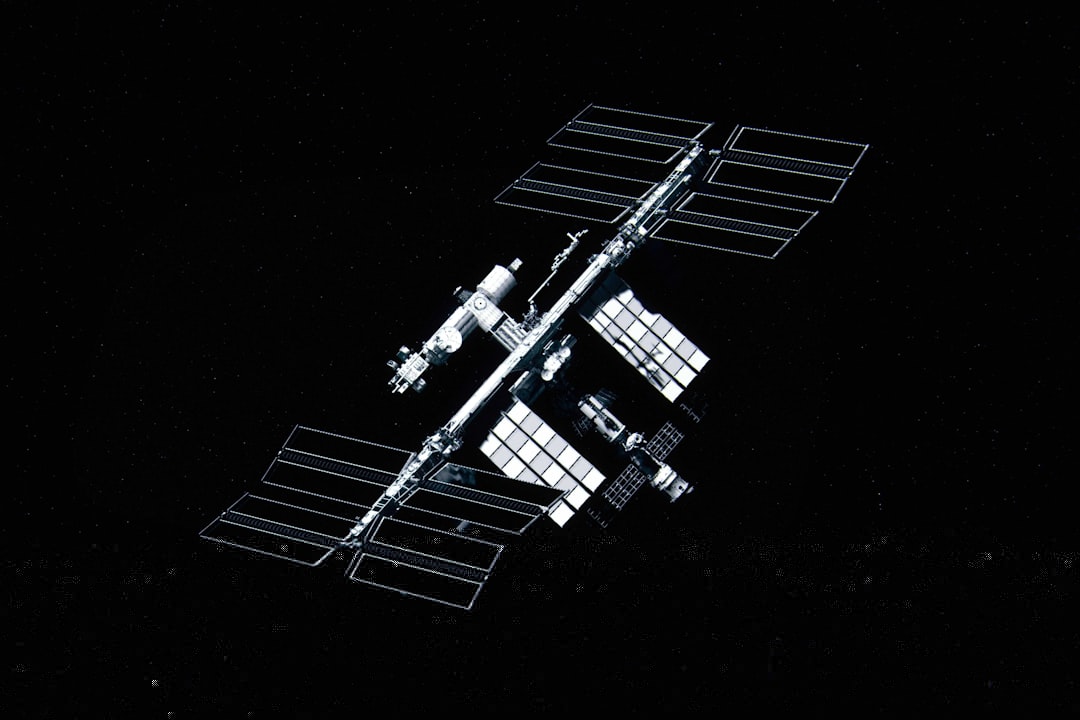
Space travel is expensive, risky, and often demands cooperation on a scale rarely seen in human history. The International Space Station is a shining example of what’s possible when nations collaborate. But unity is fragile. Political tensions, competition, and mistrust still threaten to derail big dreams. If we want to thrive beyond Earth, we’ll have to find ways to work together—not just tolerate each other, but truly join forces. It’s a daunting challenge, but also a powerful opportunity for growth.
The Role of Science and Curiosity
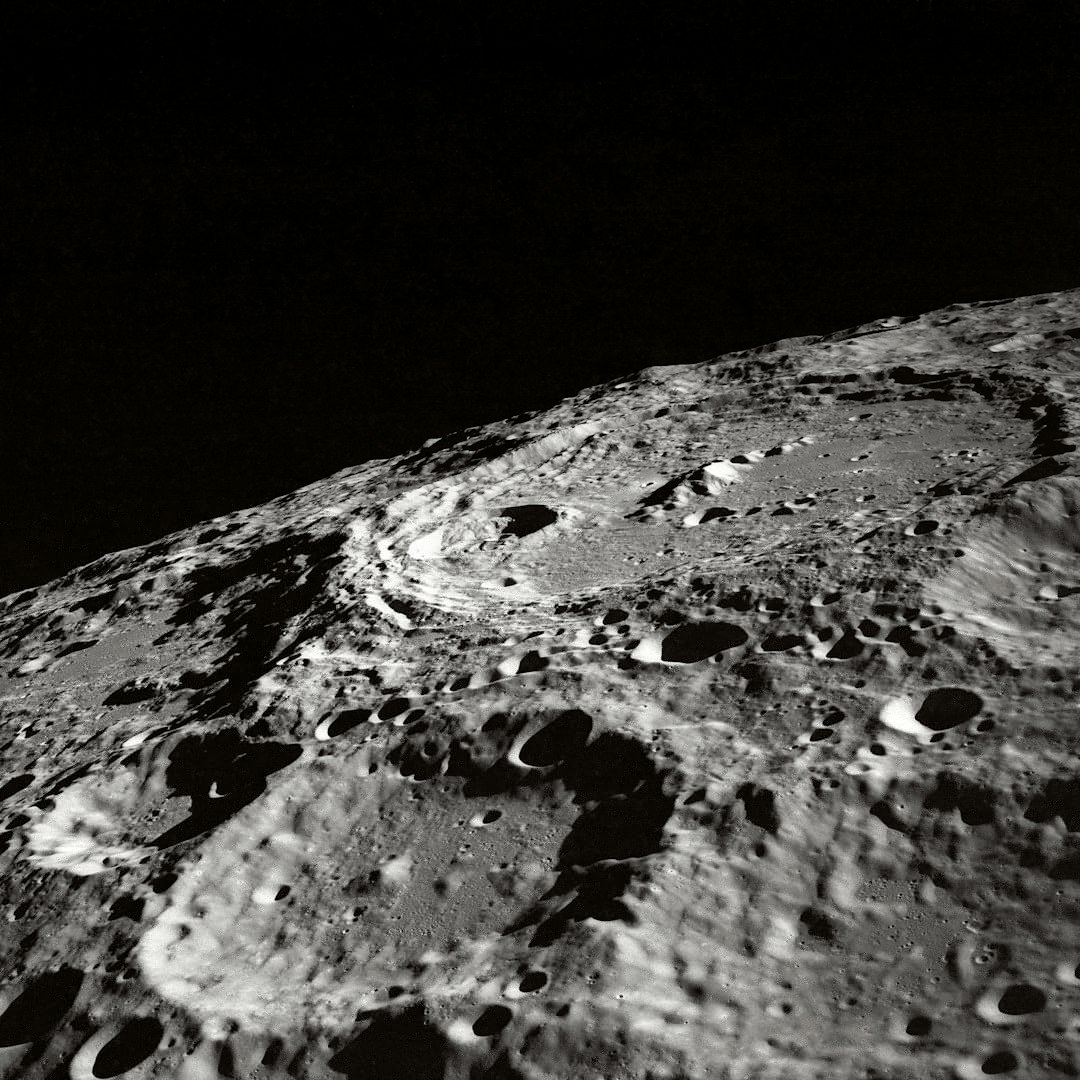
At its heart, space exploration is driven by curiosity—the same restless urge that sent our ancestors across oceans and deserts. Science gives us the tools to ask new questions and find new answers. But curiosity must be tempered by caution. The search for life, the study of alien ecosystems, and the use of unfamiliar resources all come with risks. Will we let our thirst for knowledge blind us to potential dangers, or will we proceed with care and respect for the unknown?
Space as a Mirror: What Will We See?
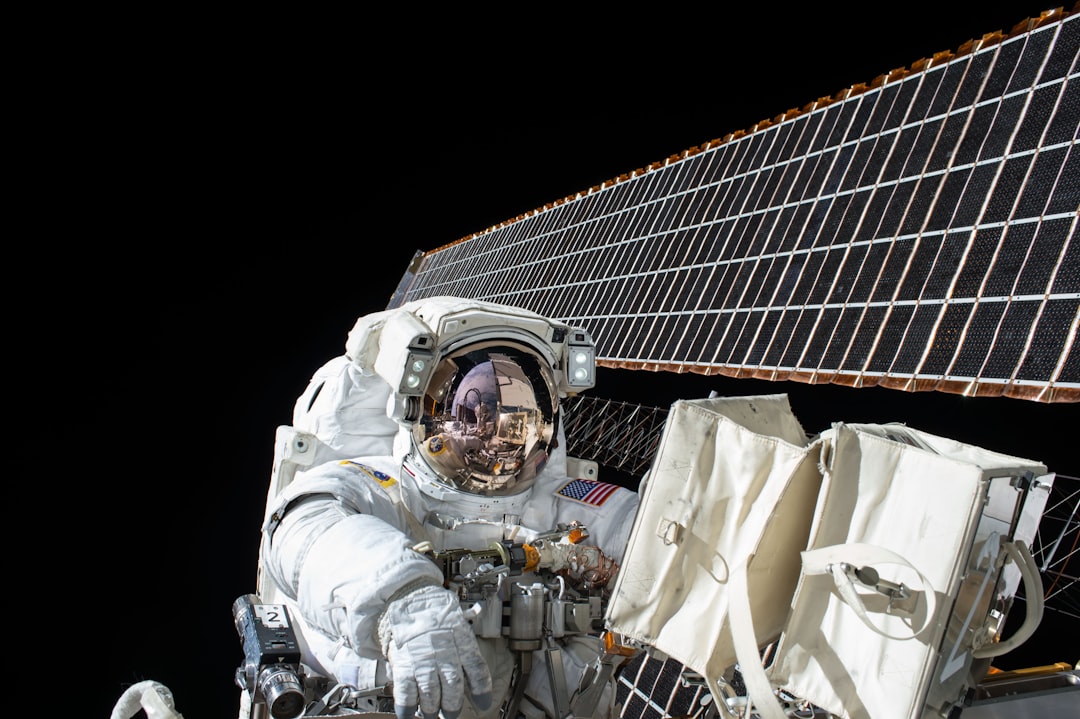
Leaving Earth isn’t just a physical journey; it’s a journey into our own souls. The vastness of space forces us to confront who we are and what matters most. Will we see ourselves as conquerors, caretakers, or cosmic wanderers? The way we treat new worlds will reflect back on us, revealing our deepest values and hopes. In the words of Carl Sagan, “We are a way for the universe to know itself.” What will the universe learn from us?
Preserving Culture and Diversity Among the Stars
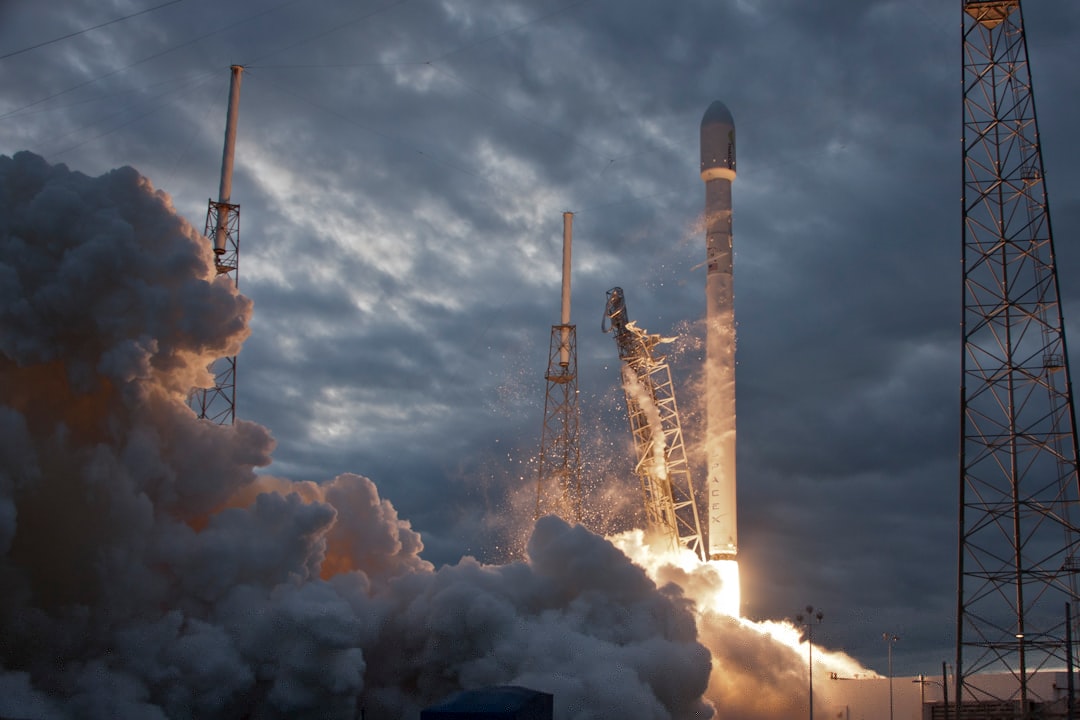
Culture is the tapestry of our collective memory—our songs, stories, rituals, and beliefs. As we launch into space, we have a unique chance to share the richness of Earth’s cultures with the cosmos. But there’s a risk that homogenization or cultural loss could occur as small crews and isolated colonies develop their own ways of life. How do we keep our global heritage alive, and ensure that diversity flourishes even millions of miles from home?
Mental Health and the Human Spirit in Space
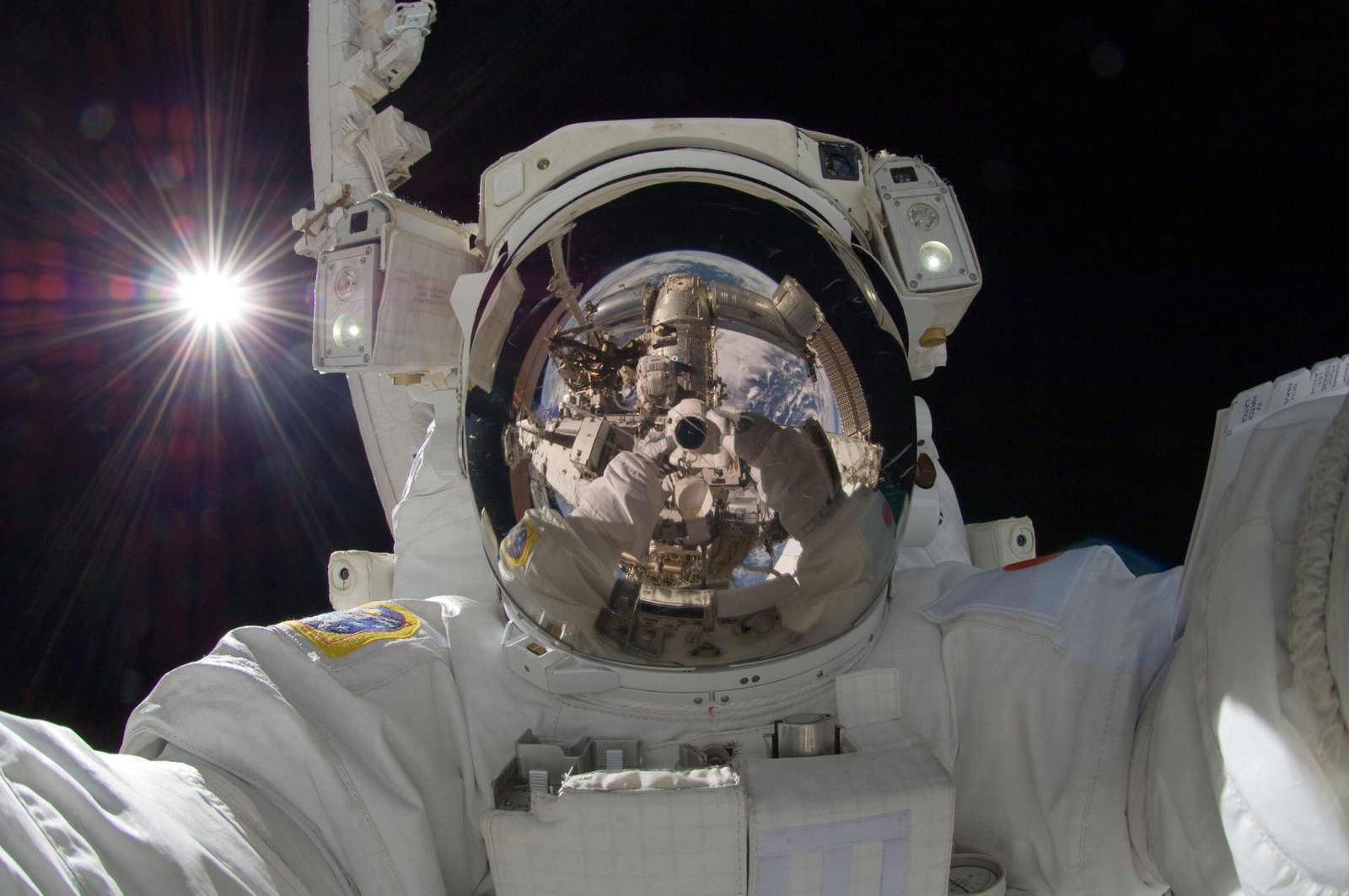
The psychological challenges of space are immense. Isolation, confinement, and the sheer distance from Earth can strain even the strongest spirits. Astronauts have spoken about the “overview effect”—a sense of awe and unity when seeing Earth from afar. But long missions also bring loneliness, homesickness, and stress. Preparing for life beyond Earth means caring for the mind and soul, not just the body. Will we be ready to support each other emotionally, as well as technically?
Education for a New Era
Training the next generation of spacefarers isn’t just about physics and engineering. It’s about teaching critical thinking, ethical reasoning, and a sense of wonder. The explorers of tomorrow will need to be scientists, diplomats, artists, and philosophers rolled into one. Are our schools ready for this challenge? Are we inspiring kids to dream big and think deeply about their place in the universe?
The Challenge of Resource Management
Life in space will demand careful management of every resource—air, water, food, and energy. Waste will need to be recycled, and supplies carefully rationed. Mistakes could be fatal. The lessons we learn in space could help us live more sustainably on Earth, too. It’s a powerful reminder that there are no “away” places to throw our problems—every action has a consequence.
The Search for Life—and Our Place in the Cosmos
One of the most profound questions we face is whether we’re alone. The discovery of even simple life elsewhere would rock our understanding of biology and our own significance. If we find life, how will we respond? Will we respect it, study it, or try to control it? Our answer will reveal much about our readiness to be part of a larger cosmic community.
Faith, Meaning, and the Cosmic Perspective
Space travel stretches the boundaries of belief and meaning. For some, it’s a spiritual journey—an encounter with the infinite. For others, it raises tough questions about purpose and destiny. How will religions and philosophies adapt as we settle new worlds? Will old divides fade, or will new ones appear? The search for meaning is as important as the search for water or oxygen.
Adapting to Alien Environments

Every world beyond Earth comes with its own challenges—radiation, gravity, temperature, and unknown dangers. Surviving, let alone thriving, will demand adaptation on every level. Will we change our bodies, our societies, or even our minds to fit new worlds? Adaptation is part of wisdom—but it’s also a test of our flexibility and resilience.
The Economics of Space: Who Pays, Who Profits?
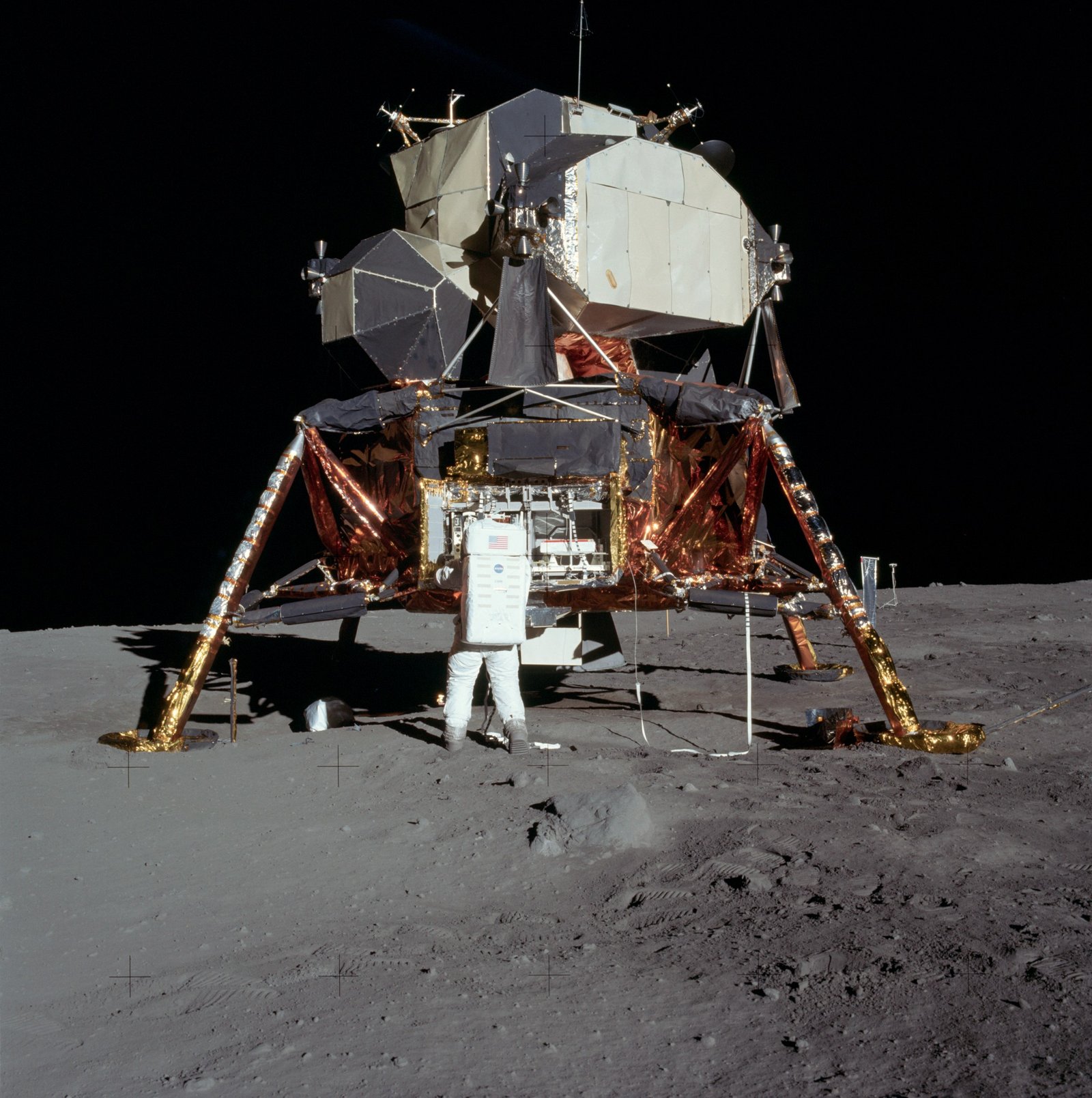
Space is expensive. Launching rockets, building habitats, and supporting crews all require huge investments. As private companies race to mine asteroids and sell space tourism, tough questions arise. Who owns the resources of the Moon or Mars? Who benefits? Ensuring fairness, avoiding exploitation, and sharing wealth will be ongoing challenges for any spacefaring civilization.
Communication Across the Stars
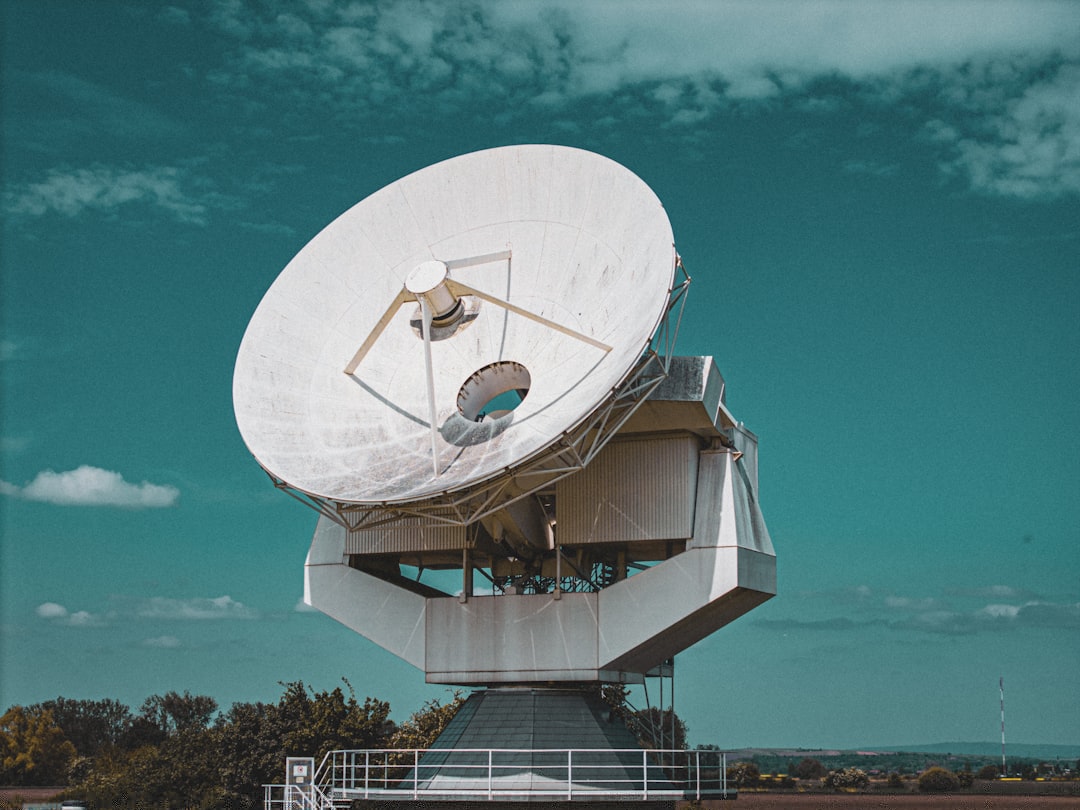
Distance in space isn’t just physical—it’s also a barrier to communication. Messages between Mars and Earth can take up to 20 minutes each way. Misunderstandings and isolation are real risks. New technologies, creative problem-solving, and a willingness to listen will be crucial. The way we talk to each other—on Earth and between worlds—will shape the future of our interplanetary society.
The Role of Art and Imagination

Art has always helped humanity dream bigger, understand deeper, and connect across boundaries. As we reach for the stars, painters, writers, musicians, and filmmakers will bring the experience of space to life. Their visions will inspire, warn, and comfort us, helping us imagine futures both beautiful and strange. Imagination, after all, is the foundation of every great journey.
Will We Be Good Ancestors?

Perhaps the deepest question of all is what kind of ancestors we want to be. The decisions we make today—about technology, ethics, exploration, and care—will ripple through generations. Will our descendants look back with pride, or with regret? The wisdom we carry into space isn’t just for us; it’s a gift, or a burden, for the future. The stars are watching. Are we ready?