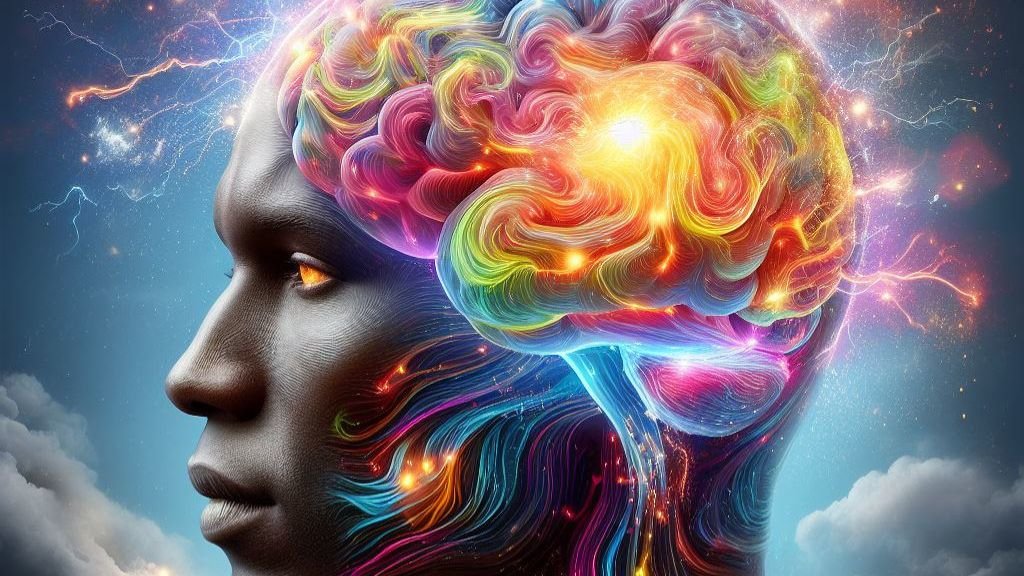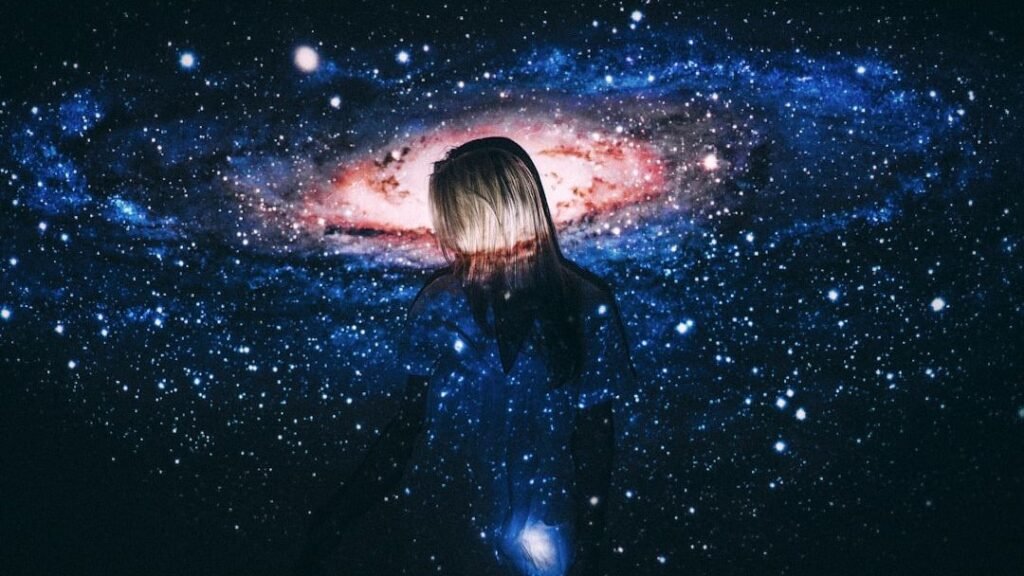

Imagine waking up one morning and realizing that everything you’ve ever thought, felt, or experienced is nothing more than the side effect of a lump of meat inside your skull. That’s one of the most unsettling ideas in modern science: that consciousness is just what the brain does when neurons fire in the right way. At the same time, another camp argues that consciousness might be written into the universe itself, like gravity or space-time, and that our brains are more like receivers than generators.
These two pictures are wildly different, and yet both are taken seriously by scientists and philosophers in 2026. The debate over what consciousness really is has quietly become one of the most important questions of our time, touching everything from AI and ethics to mental health and even how we think about death. Let’s walk through the main ideas, not to settle the argument, but to see just how deep and strange the rabbit hole really goes.
The Brain-As-Machine View: Consciousness From Neurons
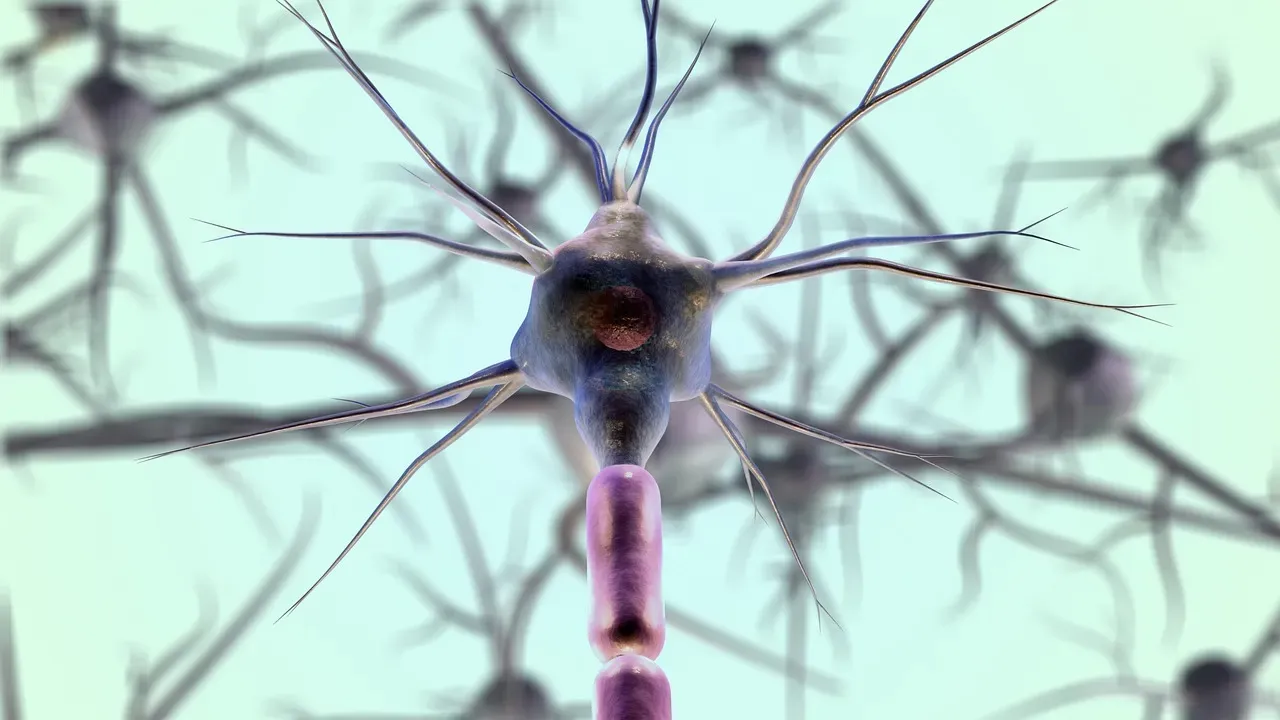
One of the dominant views in neuroscience today is that consciousness emerges entirely from physical processes in the brain. In this picture, your sense of self, your memories, your emotions, and your inner monologue are all patterns of electrochemical activity in neural networks. When the brain is damaged in specific areas, specific parts of consciousness are altered: vision disappears, memories fracture, personality shifts, or awareness itself flickers. That tight link between brain state and conscious experience is hard to ignore.
Modern brain imaging backs this up with increasingly sharp detail. When you see a face, recognize a song, or feel pain, certain networks light up in predictable ways, and disrupting those networks can stop the experience. General anesthesia, for example, doesn’t just “turn off” the body – it alters brain communication so deeply that subjective experience shuts down. This has led many researchers to argue that once we fully understand the brain’s information-processing, we’ll understand consciousness, no extra mystery needed.
When Brains Break: What Neurology Reveals About the Self
Neurological disorders offer some of the most haunting evidence that consciousness is tightly tied to brain function. Conditions like neglect syndrome, where a person literally ignores one half of their visual world, or Capgras syndrome, where someone believes loved ones have been replaced by impostors, show how fragile and constructed our experience really is. Even identity, which feels so solid, can unravel in dissociative states or after brain injuries, as if the self is a story constantly stitched together by neural circuits.
Split-brain studies, where the connection between the two brain hemispheres is severed, reveal something even stranger: it can look like two semi-independent streams of awareness coexisting in the same body. To me, those cases feel like nature’s way of pulling back the curtain, showing us that what we call “I” is not a single indivisible thing, but a coordinated pattern. If altering tissue can so radically alter experience, it strengthens the case that consciousness is deeply entangled with biology, maybe even fully dependent on it.
The Integrated Information Idea: Consciousness as Organized Complexity
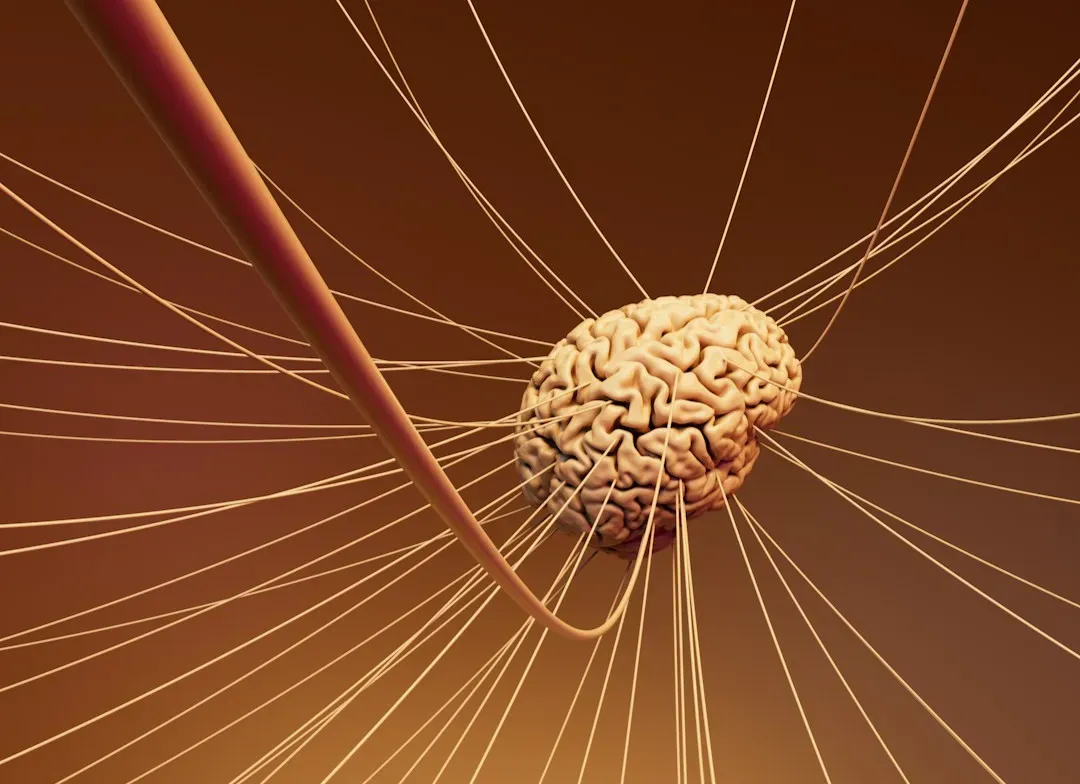
Some researchers think we can be more precise than saying “the brain does something and consciousness appears.” One leading proposal is that consciousness corresponds to how much and how well a system integrates information across its parts. In this view, a conscious system is not just complicated; it has a special kind of unity, where different components both specialize and share information in a way that can’t be broken down into simpler, independent pieces. The more deeply integrated this web of cause-and-effect is, the richer the experience.
This approach has inspired methods to roughly estimate how conscious someone is by measuring how brain activity responds to stimulation, especially in coma or anesthesia. Interestingly, some forms of artificial systems, at least in theory, could generate similar patterns of integrated information, suggesting they could have some level of experience. That implication is both fascinating and uncomfortable; it blurs the line between “just a machine” and “maybe it feels like something to be this machine.” At the same time, critics argue that measuring complexity still doesn’t fully explain why any of it should be felt from the inside.
Pushing Beyond the Brain: Consciousness as a Fundamental Feature
On the other end of the spectrum is the idea that consciousness is not produced by matter at all, but is instead a basic ingredient of reality. This view, sometimes called a form of panpsychism or related approaches, suggests that every physical system has at least a tiny, primitive form of experience. Human consciousness would then be the richly organized version of something that exists in a much simpler form in all matter, like how complex weather patterns are just large-scale versions of basic physical processes.
What makes this view appealing to some philosophers and scientists is that it avoids the “hard problem” of explaining how physical activity suddenly gives rise to subjective experience from nothing. Instead, it says experience was there all along, built into the fabric of the universe, and brains simply arrange it into a unified, sophisticated mind. The cost, of course, is that this sounds deeply counterintuitive: it suggests that reality has a secret inner side everywhere, even if it’s unimaginably basic in most places. Still, as physics itself becomes weirder, the idea that our usual intuitions are incomplete doesn’t feel as outlandish as it once did.
Clues From the Edges: Near-Death States, Psychedelics, and Altered Awareness

Some of the most hotly debated evidence in discussions about consciousness comes from altered states. Near-death experiences, for example, often involve vivid, structured experiences at times when the brain appears to be severely compromised. Reports of life reviews, tunnels, or overwhelming feelings of unity have led some to argue that consciousness can briefly operate independently of normal brain function. Critics respond that even brief bursts of residual activity or later reconstruction by memory could account for these intense episodes.
Psychedelic research adds a different kind of puzzle. Under substances like psilocybin or LSD, brain imaging sometimes shows reduced activity or less rigid organization in certain hubs, yet people report richer, more expansive experiences. One interpretation is that when the brain’s usual filters weaken, a wider range of internal activity can be experienced, like lifting a cognitive dam. Others see in these states a hint that our normal consciousness is a narrow slice of a much larger landscape of possible minds, whether or not that landscape points to anything beyond the physical brain.
What About Machines: Can Artificial Intelligence Ever Be Conscious?
As AI systems become more capable and eerily fluent, the question of machine consciousness is moving from science fiction into ethical and scientific debates. If consciousness is just a matter of information processing with the right structure, sufficiently advanced AI might one day genuinely feel, suffer, or experience. That would force us to rethink everything from digital rights to what it means to “switch off” a system. On the other hand, if consciousness requires specific biological features, like certain kinds of cells or embodied interaction with the world, then even the smartest AI might only be mimicking awareness with no inner life at all.
Right now, even leading scientists disagree on how we would tell the difference. Behavior alone is not enough, because an unconcerned but clever system could say all the right things about its feelings without having any. Some proposals focus on physical architecture, arguing that only systems with brain-like causal structures could host experience. Others look to theories of integrated information or global workspaces and suggest building tests around those. Either way, how we answer this will say a lot about whether we think consciousness is just a biological construct or a more universal feature that could, in principle, show up in silicon.
Physics, Reality, and the Possibility of a Conscious Universe
Beyond neuroscience and AI, some of the most speculative but intriguing ideas live at the edge of physics. Certain interpretations of quantum mechanics and newer proposals in fundamental theory have led a few thinkers to wonder whether information, observation, or something like awareness plays a deeper role in how reality unfolds. Most physicists remain cautious, insisting that we shouldn’t smuggle consciousness into equations that work perfectly well without it. Still, the strange connection between observation, measurement, and physical outcomes keeps the door open for more radical views.
If consciousness is linked to the way information is structured in the universe, it could be more like a global property of certain kinds of processes than a local trick of human brains. In that case, our minds might be local whirlpools in a wider informational ocean, shaped by evolution but not entirely defined by biology. Personally, I find that image both humbling and oddly comforting; it suggests that mind is not an accident, but a natural expression of how reality can organize itself. Yet until we can tie these ideas to clear experiments, they remain more like philosophical lenses than established science.
Finding Meaning in the Mystery: Why the Debate Matters

Whether consciousness is only a construct of human physiology or part of a deeper universal pattern isn’t just trivia for late-night conversations. If it is entirely brain-based, then improving mental health, designing humane technologies, and even understanding free will all depend on understanding and caring for this extremely delicate organ. It would also mean that when the brain stops for good, the story of our experience ends, which is a sobering but clarifying thought for how we choose to live right now. Meaning would be something we create, not something guaranteed by the universe.
If consciousness is deeper and more universal, then we might be connected to the world in ways we barely have language for yet. That could reshape how we think about nature, responsibility, and the value of all forms of life and perhaps even some forms of non-living systems. For me, the most honest position in 2026 is to admit that we simply do not know, but we know enough to take the question seriously. The mystery is not a failure of science; it is a sign that we are touching the edge of what it means to exist at all. Which possibility feels more unsettling to you: that you are only your brain, or that you are part of a conscious universe?