Imagine standing by the water’s edge on a tranquil Irish night, surrounded by the soft murmur of the sea. As you gaze into the dark waters, something extraordinary happens—a radiant glow illuminates the surf, sparking an almost otherworldly spectacle. This ethereal phenomenon is known as bioluminescence, and the bays of Ireland are some of the best places in the world to witness it. But what exactly causes these glow-in-the-dark waters? Let’s dive into the captivating science behind Ireland’s bioluminescent bays.
The Magic Begins: Understanding Bioluminescence

Bioluminescence is the production and emission of light by living organisms. It’s a natural form of chemical light production that occurs in various species across the globe, most notably in deep-sea creatures, fireflies, and certain fungi. In the case of bioluminescent bays, the glowing effect is primarily due to tiny marine organisms called dinoflagellates. These microscopic creatures emit light through a chemical reaction that occurs when they are agitated, such as by waves lapping against the shore or paddles cutting through the water.
Microscopic Stars of the Sea: Dinoflagellates
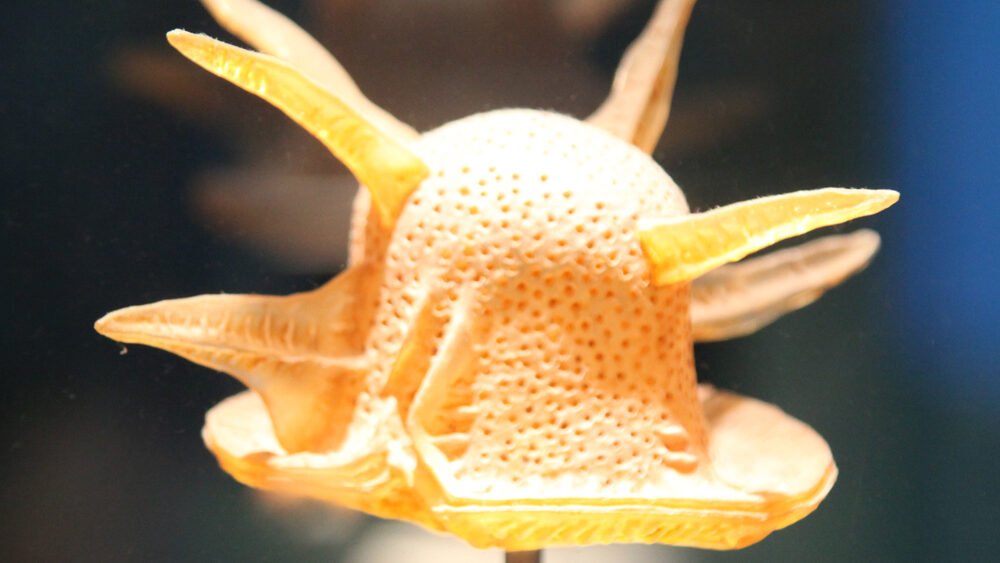
At the heart of the glow-in-the-dark water phenomenon are dinoflagellates, a type of plankton. These unicellular organisms contain special enzymes and compounds, like luciferase and luciferin, which react with oxygen to produce light. Typically invisible to the naked eye, they congregate in vast numbers, creating the stunning visual effect we see at night. When disturbed, they bioluminesce, or produce light, as a defense mechanism to startle predators or attract larger animals that prey on their hunters.
Why Ireland? The Perfect Conditions
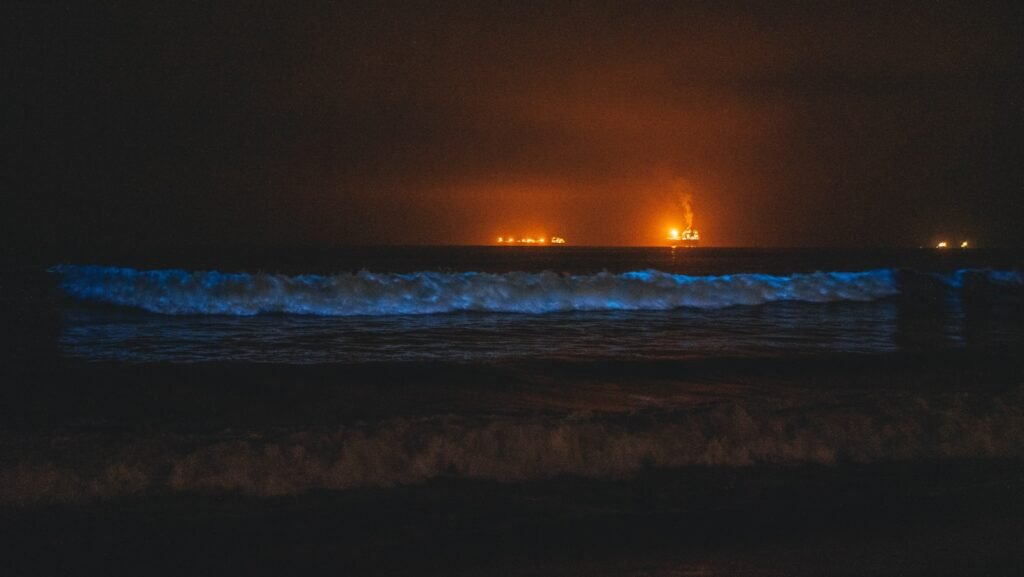
While bioluminescent bays can be found worldwide, Ireland offers unique environmental conditions that make its bays particularly vibrant. The temperate coastal waters, rich in organic material, provide a favorable habitat for dinoflagellates. Furthermore, the limited light pollution in many rural parts of Ireland ensures that the bioluminescent displays are clearly visible under the cover of darkness, creating ideal conditions for nature’s light show.
A Nighttime Spectacle: Where to Witness the Glow
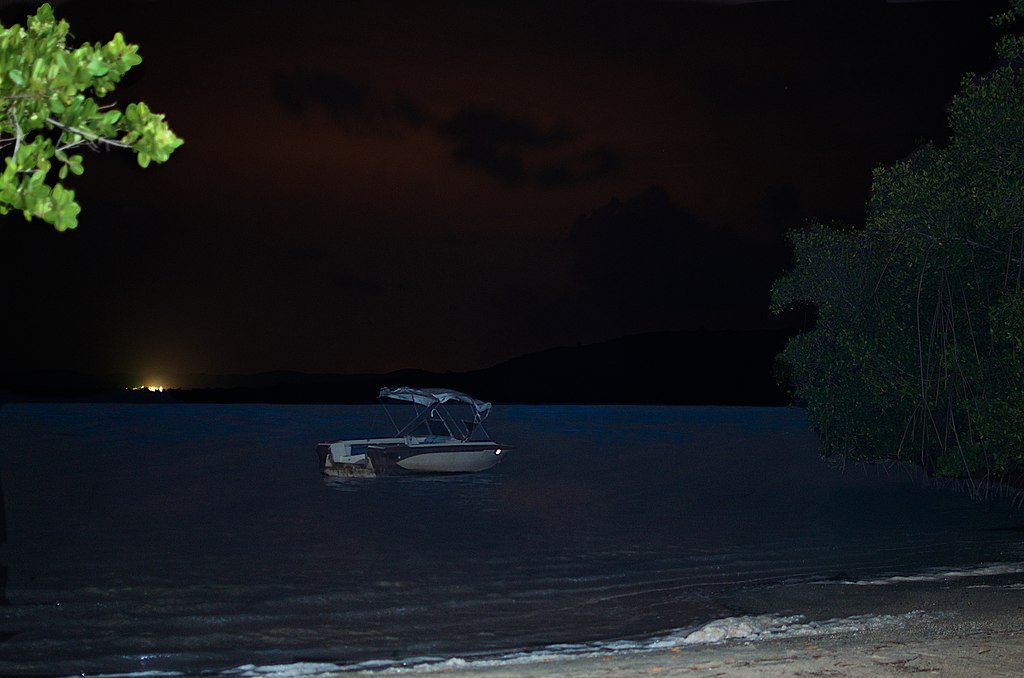
Ireland is home to several regions where you can experience this natural wonder. Lough Hyne near Skibbereen, County Cork, and Lough Swilly in County Donegal are among the more celebrated spots. Not only do these locations offer the potential for bright displays, but they often boast scenic backdrops that amplify the experience. Visitors often enjoy guided nighttime kayaking tours, which provide opportunities to get up close and personal with the glowing waters.
The Science Behind the Glow

But why do these tiny creatures glow? The phenomenon of bioluminescence is an evolutionary adaptation. For many marine organisms, producing light can serve various functional purposes such as predator avoidance, mate attraction, and communication. In the case of dinoflagellates, the sudden flash of light may serve to disorient or scare off potential predators, thus increasing their chances of survival.
A Fragile Beauty: Environmental Concerns

Though bioluminescence is a natural and longstanding feature of marine ecosystems, it remains vulnerable to changes in environmental conditions. Factors such as water pollution, climate change, and human interference can threaten these delicate ecosystems. Increased awareness and conservation efforts are crucial to preserving the enchantment of Ireland’s bioluminescent bays for future generations to enjoy.
Experiencing the Bioluminescent Bays Responsibly

While visiting these luminous waters, it’s important to engage with the environment responsibly. This involves practices such as avoiding the use of chemical sunscreens that can harm marine life, respecting marine boundaries, and adhering to local guidelines and regulations. Educating oneself about the local environment is pivotal to minimizing one’s ecological footprint.
The Perfect Timing: When to Visit

The ideal time to experience Ireland’s bioluminescent bays is during the warmer months, typically from late spring through the end of summer, when dinoflagellate concentrations are at their peak. Clear, dark nights offer the best conditions for witnessing this natural marvel. Checking lunar schedules and opting for nights without moonlight can also enhance visibility, as moonlight can diminish the effect of the bioluminescence.
Preserving the Glow for Future Generations

Ensuring that Ireland’s bioluminescent bays continue to thrive requires a collective effort to address environmental issues and promote sustainable tourism. Educating both locals and tourists about the ecological significance of these waters, along with implementing protected areas, can help maintain this natural wonder. Supporting research and conservation initiatives further contribute to the protection of these lumi-centric ecosystems.
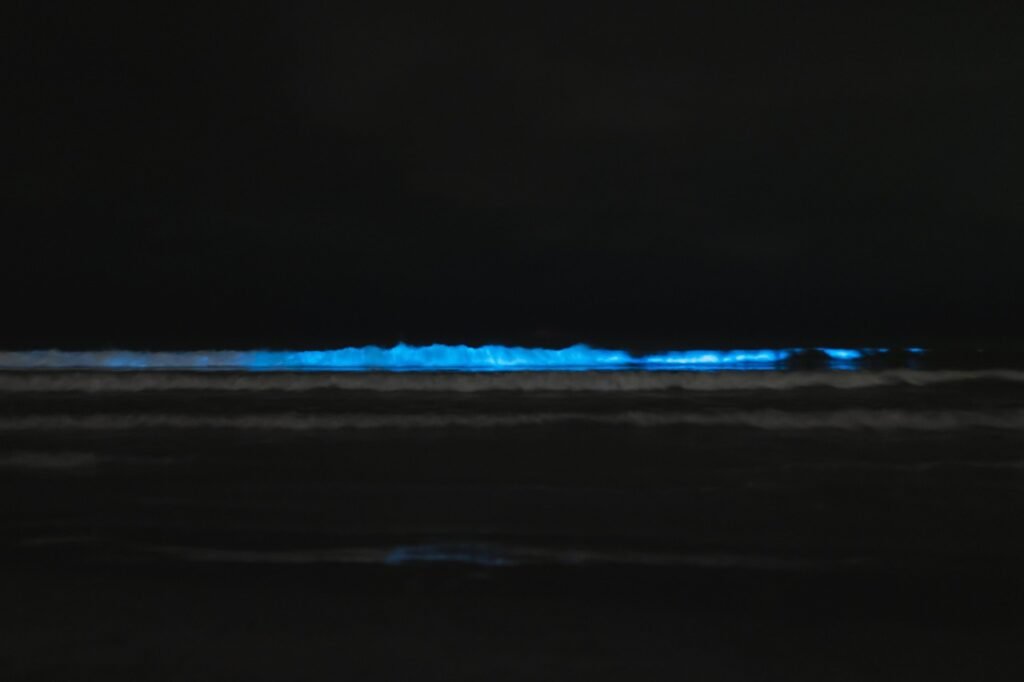
In conclusion, Ireland’s bioluminescent bays are a captivating testament to the wonders of nature, offering a glimpse into the mystical side of marine science. With their sparkling, glow-in-the-dark waters, these bays are not only a visual spectacle but also a reminder of the delicate balance of our ecosystems. By appreciating and preserving these natural wonders, we ensure that their magic remains a part of the Irish coastal heritage for many years to come.