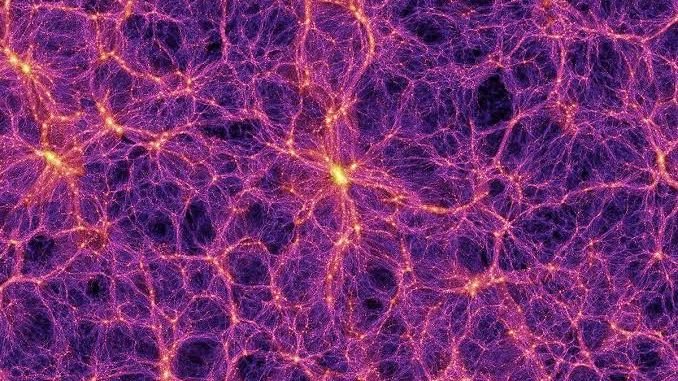
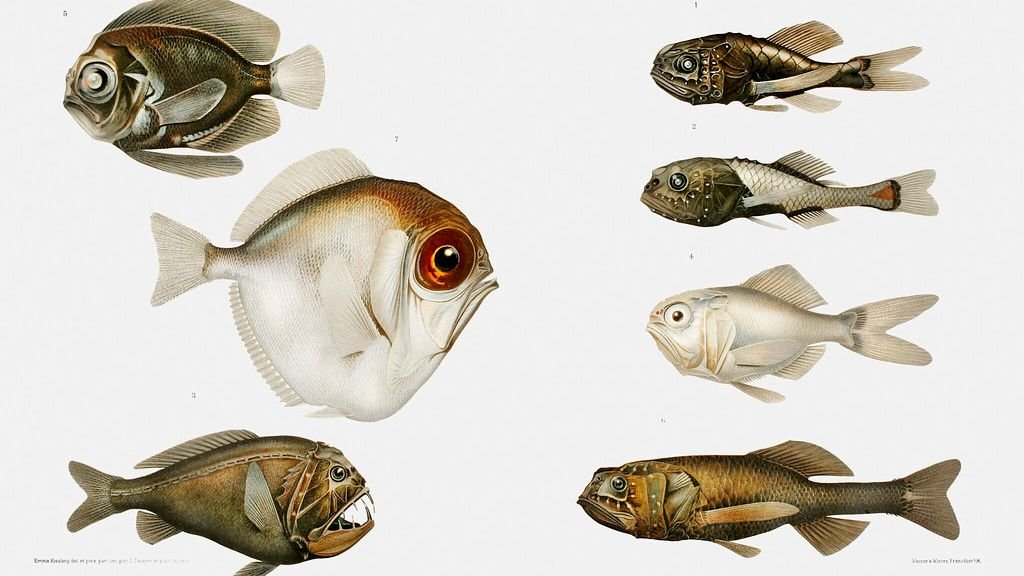
You are breathing galaxies. Not stars and nebulae, but drifting constellations of bacteria, pollen grains, viral fragments, and dust motes, all swirling in and out of your lungs with every breath. For most of human history this invisible universe was blamed for curses, bad air, or pure chance, because we simply could not see it. Today, new microscopes, DNA tools, and imaging techniques are turning that blindness into vision and rewriting how we understand health, climate, and even our sense of self. The microscopic world is no longer a side note to “real” science; it is quickly becoming the main story. And the plot twist is simple but profound: once you learn to see the tiny, the whole planet looks different.
The Hidden Clues
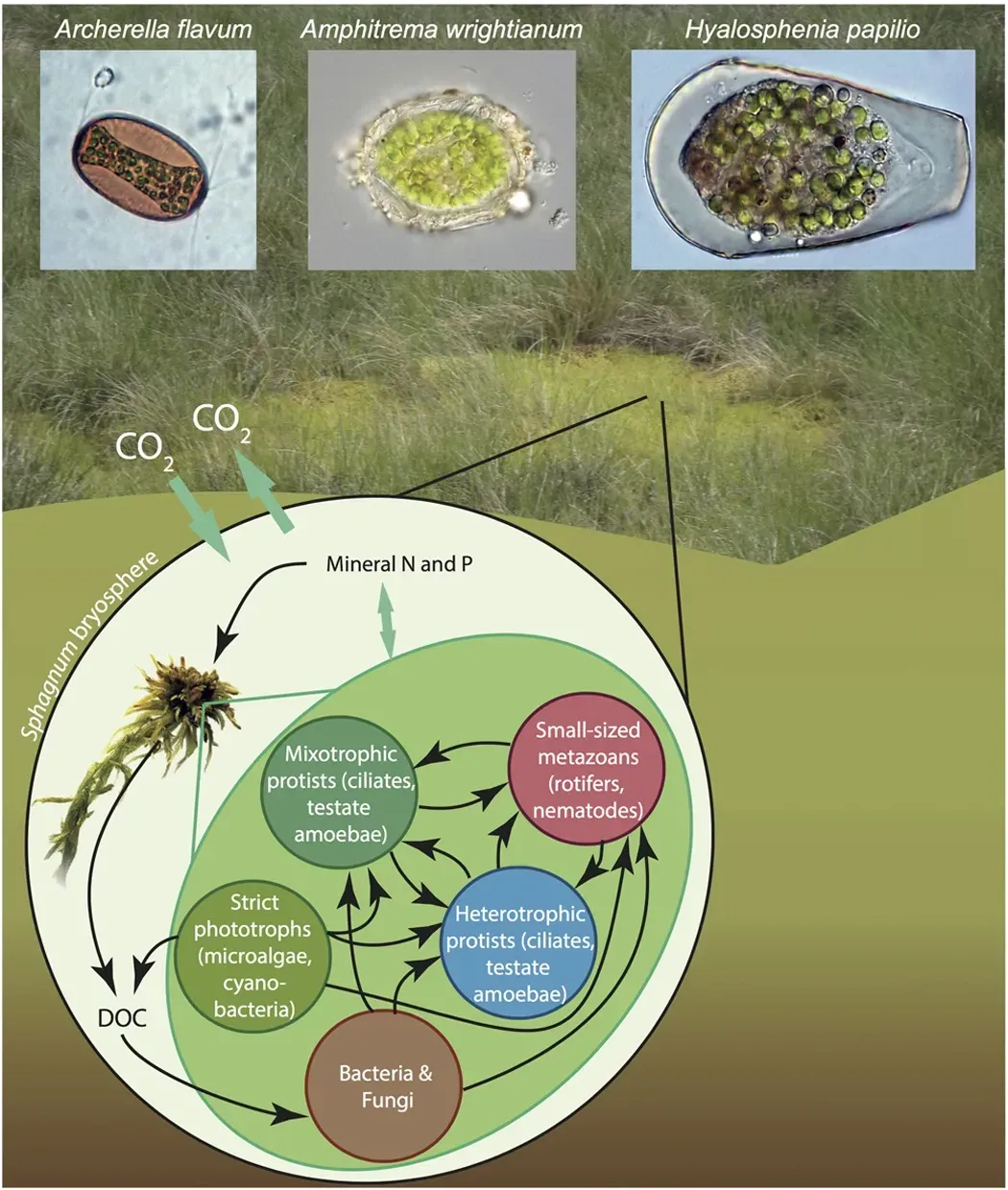
Walk through a forest and it feels solid, familiar, well-mapped: trees, soil, insects, birds. Yet just a teaspoon of that soil can hold more living cells than there are people on Earth, a dense city of bacteria, fungi, and single-celled organisms constantly working behind the scenes. These microscopic communities recycle dead leaves into nutrients, create the earthy smell after rain, and even help trees share resources through underground fungal networks. To the naked eye, decomposition just “happens”; under the microscope, it is a highly choreographed relay race powered by enzymes and chemical handshakes. The hidden clues of who is there and what they are doing are written in shapes, motions, and molecular fingerprints that only appear when we zoom in.
Researchers now treat these tiny clues like forensic evidence at a crime scene. By sequencing environmental DNA from a pinch of dust, a drop of water, or even an air filter, they can reconstruct which microbes have passed through and what processes they are driving. In cities, this kind of microscopic sleuthing has revealed unique “microbial signatures” for subway systems, hospitals, and parks, like invisible name tags for each place. On a more personal level, swabs from your phone, doorknob, or pillow can often trace back to the mix of microbes that live on your skin and in your gut. We are leaving microbial fingerprints everywhere we go, whether we realize it or not.
From Ancient Tools to Modern Science
The idea that invisible agents shape our lives is older than microscopes. Ancient healers suspected that unseen “seeds” of disease lurked in bad water or foul air, but they had no way to prove it. Everything changed in the seventeenth century, when early lenses revealed wriggling “animalcules” in pond water and dental plaque, shocking observers who suddenly realized that the familiar world was overlaid with a second, hidden layer. Those first microscopes were crude, more like magic props than precision instruments, but they tore a hole in the curtain of ignorance.
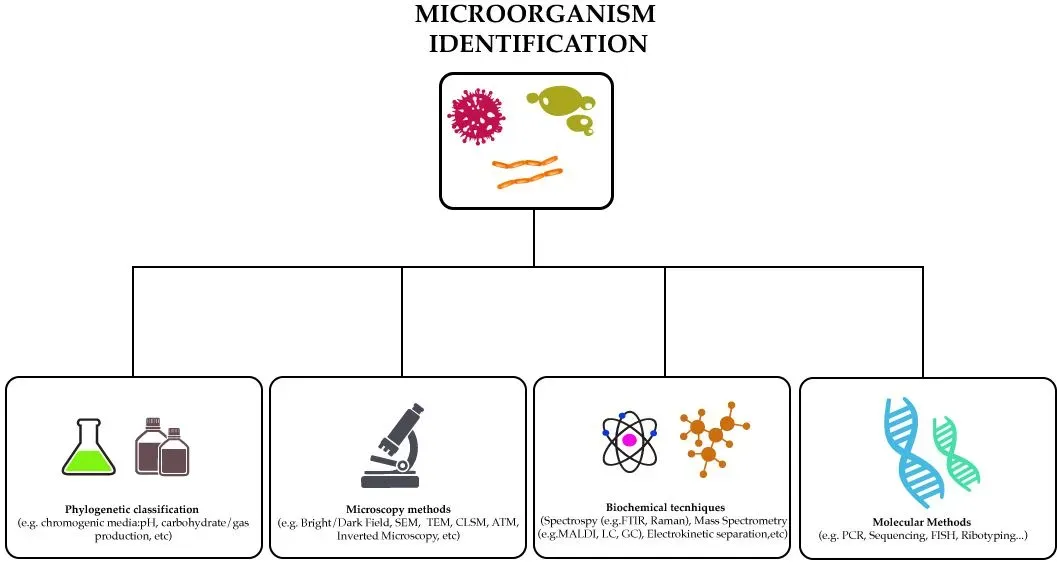
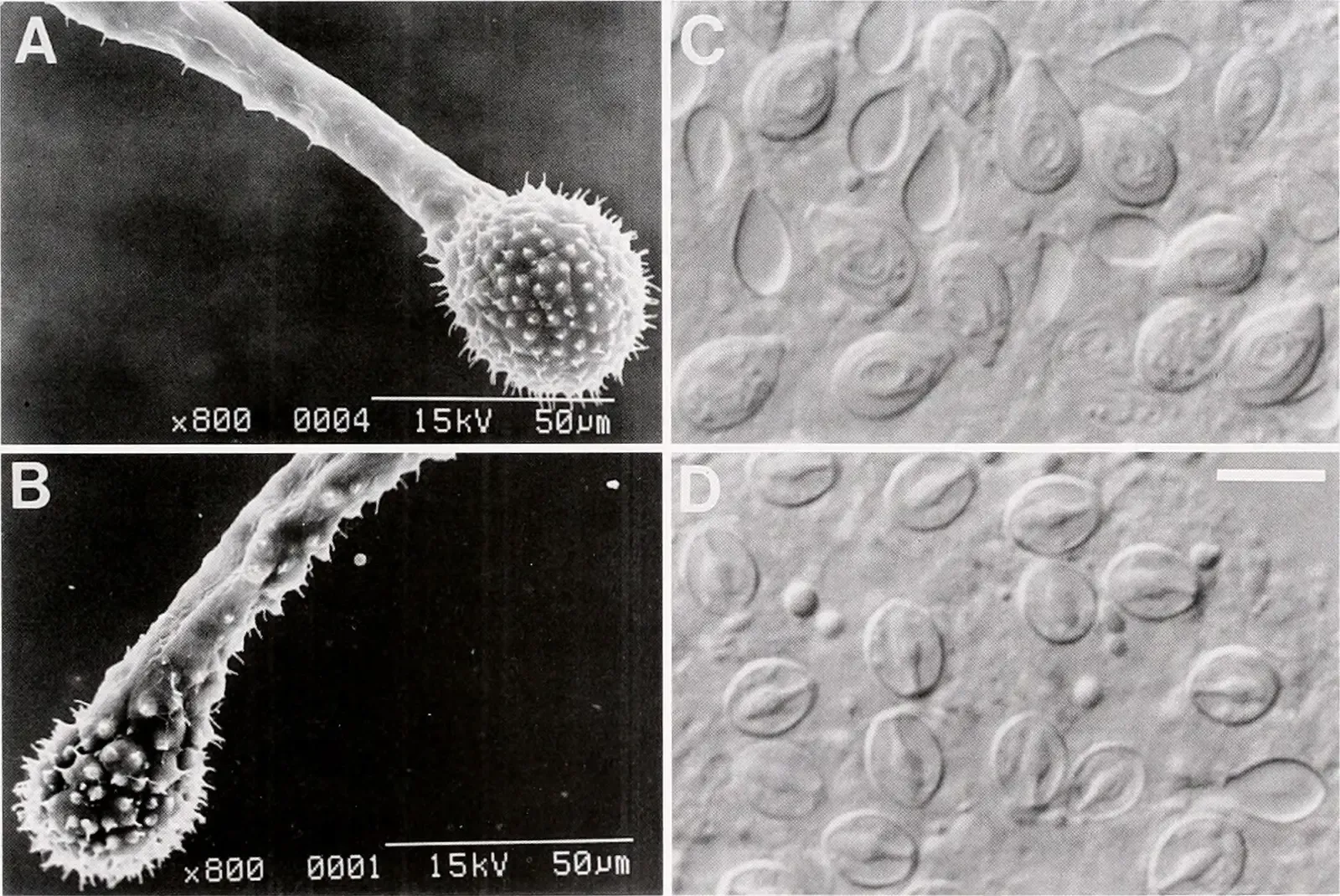
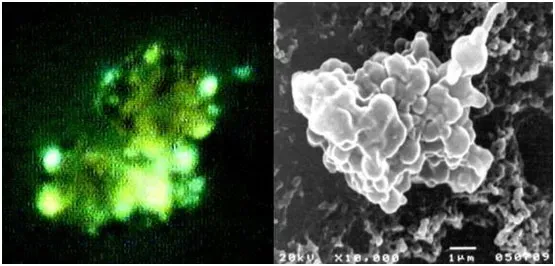
Today’s tools make those early lenses look like toy binoculars compared to a space telescope. Modern electron microscopes can resolve structures smaller than a virus, showing protein spikes, membrane folds, and crystalline patterns in almost sculptural detail. Fluorescent imaging lights up specific molecules or cell types in neon colors, turning a tangle of tissue into a living map where you can follow calcium waves in brain cells or track how an immune cell chases down a bacterium. Meanwhile, DNA sequencing has become a kind of microscope for information, exposing which microscopic species are present and how they respond to changing conditions. Together, these methods have shifted microbiology from a hunt for single, notorious germs to a study of entire, interdependent ecosystems.
Microbial Cities Inside Us
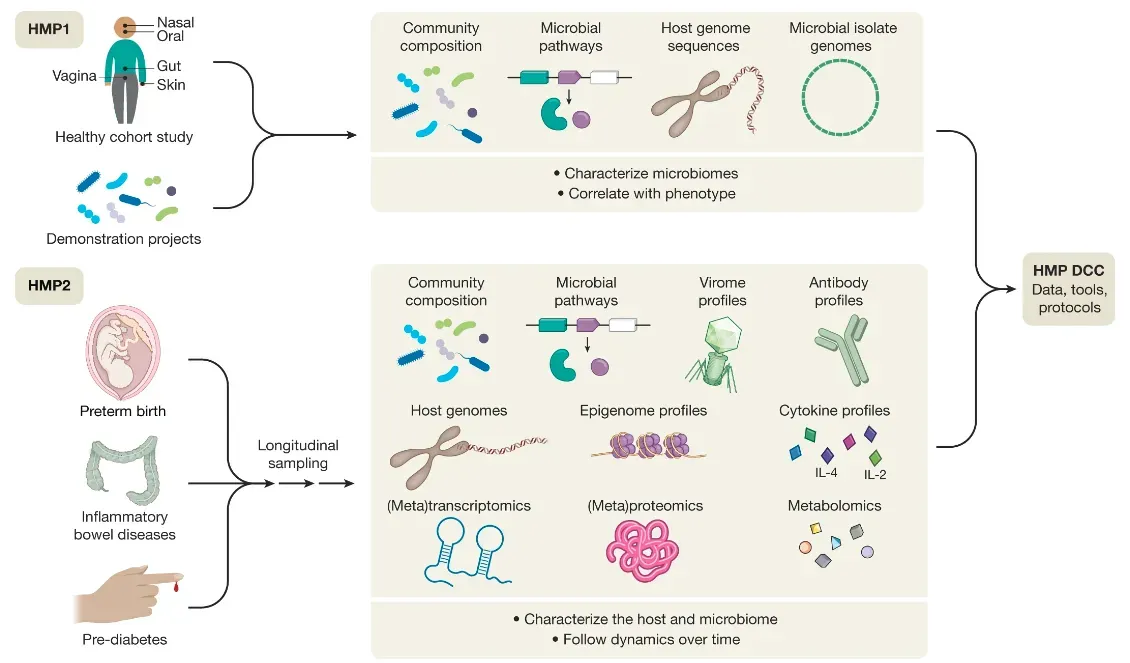
It is hard to feel alone when you realize you are hosting a metropolis. Your body contains trillions of microbial cells, packed into your gut, spread across your skin, and tucked into your mouth and nose, forming what scientists call the human microbiome. In sheer numbers, microbial cells in and on you rival or outnumber your own human cells, and their genes overwhelm your own genetic instructions by a massive margin. Far from being passive passengers, these microbes help digest food, train the immune system, and produce signaling molecules that influence inflammation and mood. The line between where “you” end and “they” begin gets blurry very quickly.
Recent studies have linked shifts in gut microbes with conditions ranging from inflammatory bowel disease and allergies to obesity and even aspects of mental health. While the details are still being untangled, the pattern is emerging: our internal microscopic universe behaves like a fragile community, easily disrupted by antibiotics, ultra-processed diets, and chronic stress. Restoring balance is less about killing off “bad bugs” and more about gardening, nudging the ecosystem by feeding beneficial microbes with fiber-rich foods, fermented products, and diverse plant-based diets. It is an unsettling but empowering idea that your daily menu doubles as a city-planning project for organisms you will never see.
Invisible Forces Shaping Earth
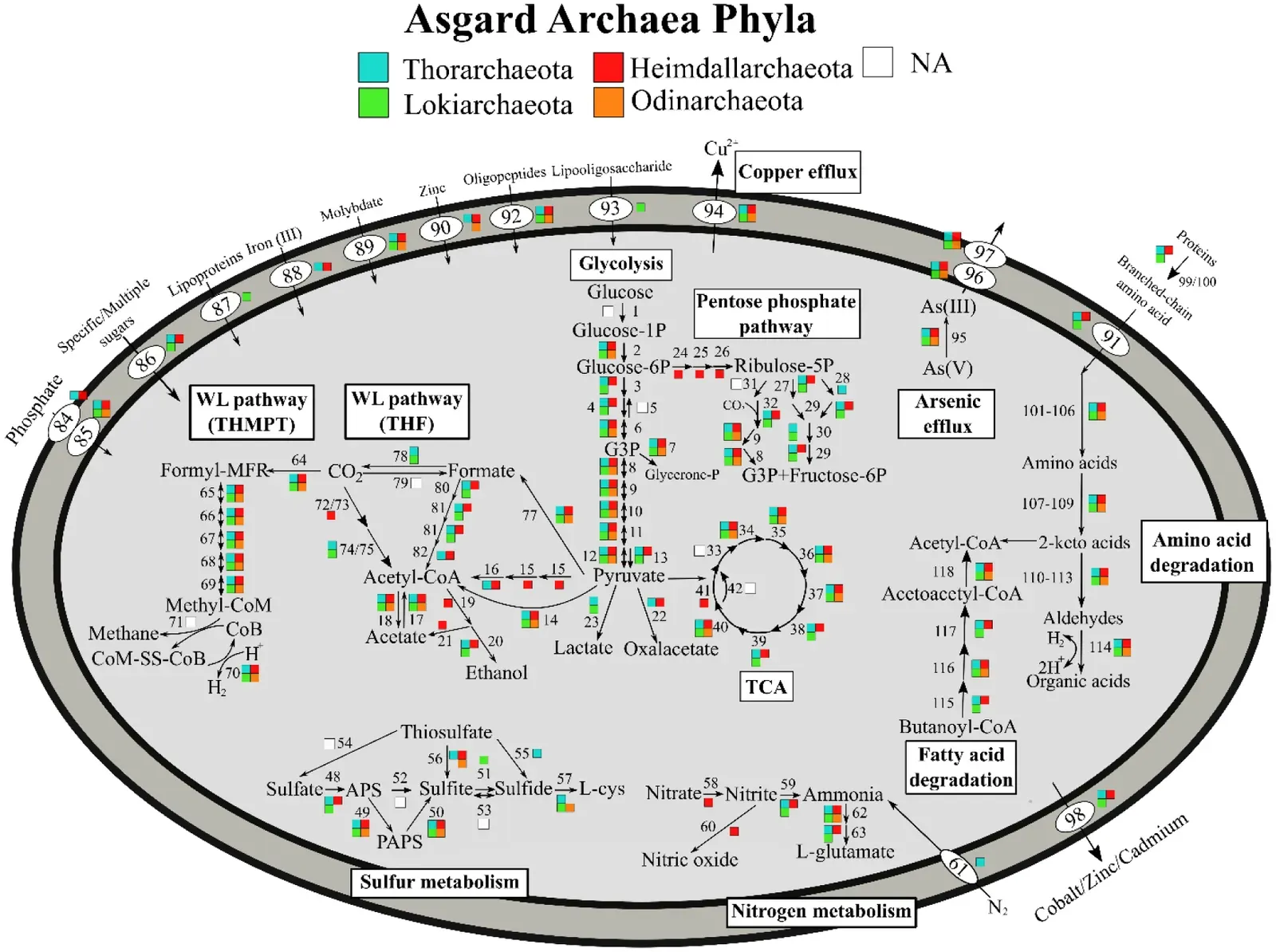
The unseen world does not stop at our skin; it runs through the oceans, the air, and the soil, driving planetary-scale processes. Ocean plankton, most of them microscopic, are responsible for a huge fraction of the oxygen in the air, turning sunlight and dissolved carbon into the gas you are inhaling right now. Tiny cyanobacteria help regulate the global carbon cycle, locking away carbon dioxide in forms that can sink to the deep sea for centuries. When climate scientists talk about feedbacks and tipping points, they are often talking about what happens when these microscopic engines speed up, stall, or flip into a new state.
On land, microbes help determine how much carbon soil can store and how quickly nutrients move through forests and grasslands. Warmer temperatures and shifting rainfall can reshuffle which microbial species thrive, potentially turning soils from net carbon sinks into sources. Even clouds carry microscopic stowaways: bacteria, fungal spores, and other particles that can seed raindrops or ice crystals. Seen this way, weather is not just physics, but also biology, with invisible organisms acting as matchmakers between water vapor and falling rain.
The Hidden Clues in Disease and Health
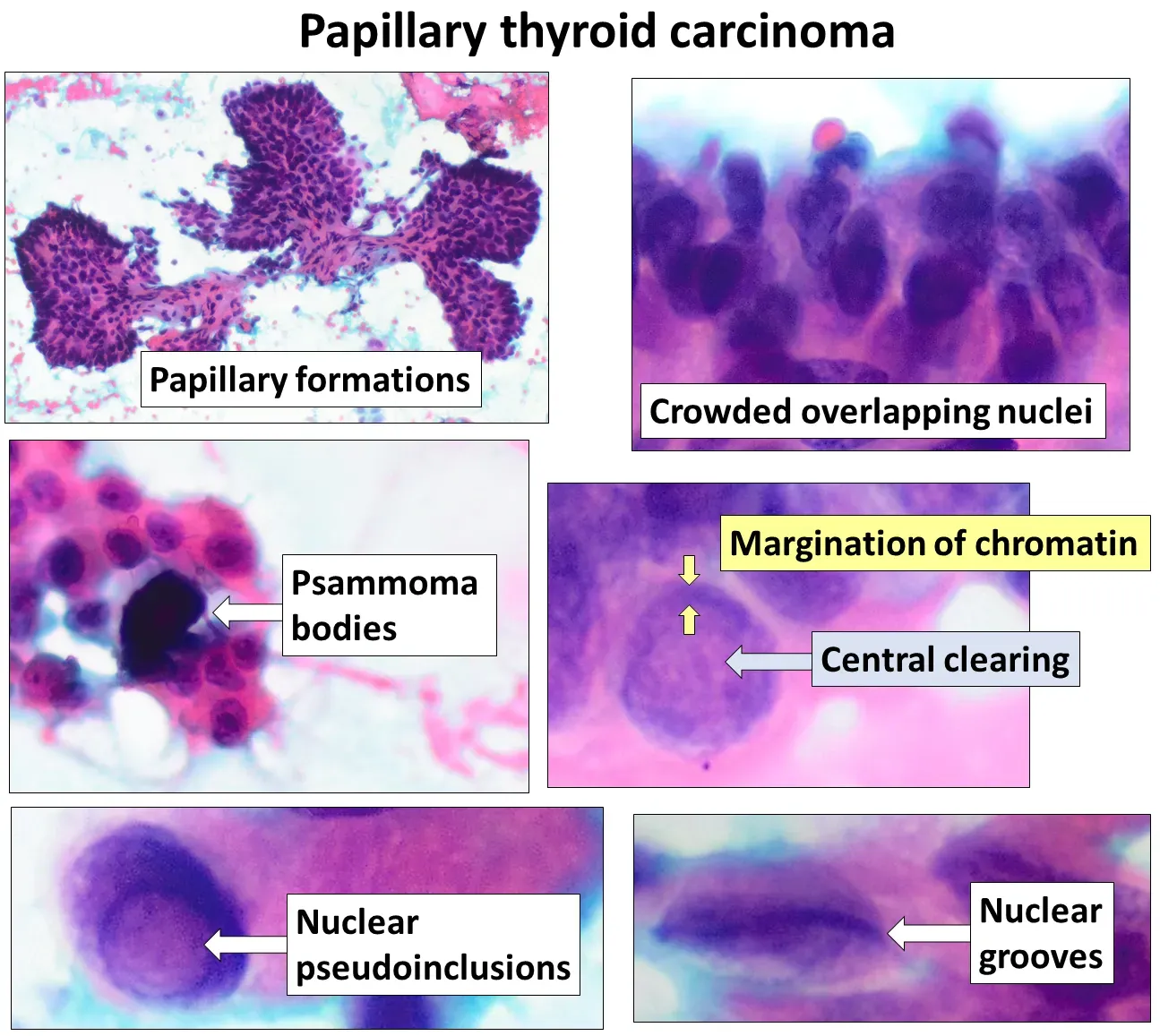
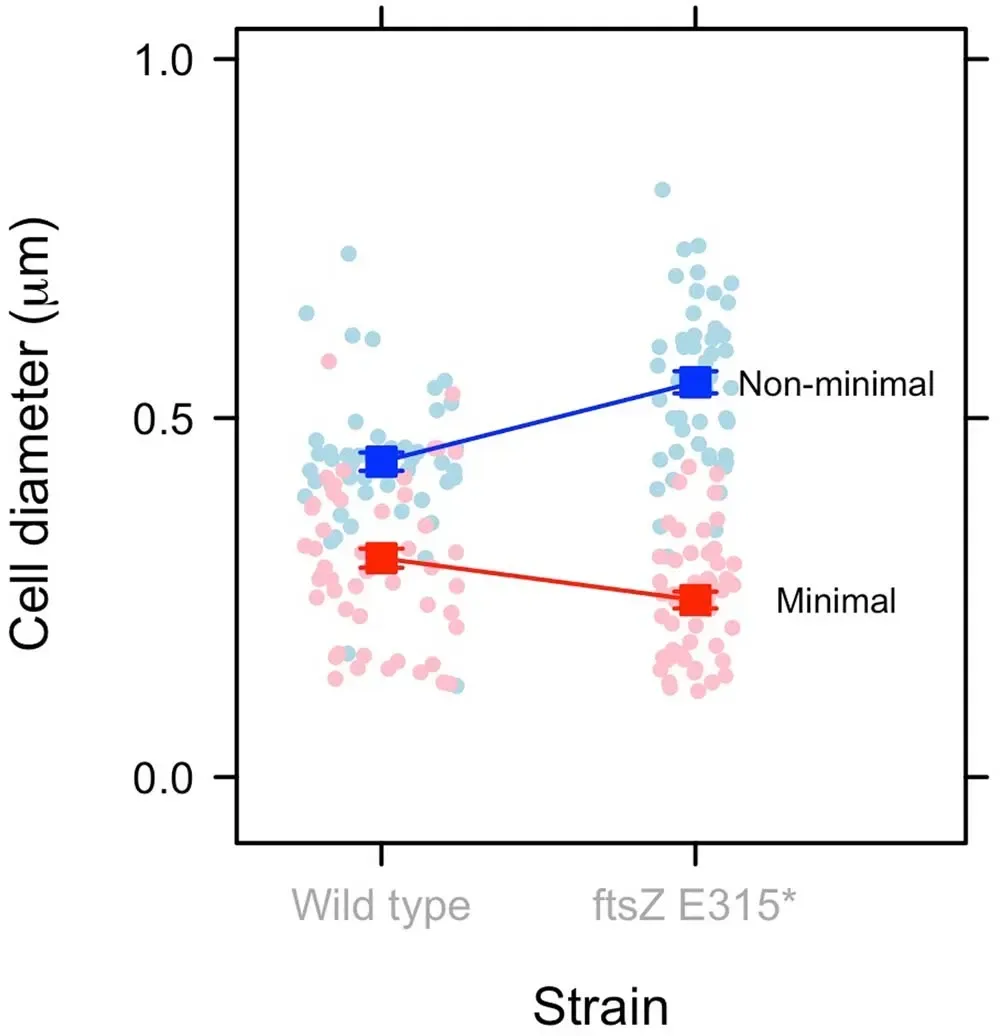
Public health has long relied on visible signs: rashes, fevers, coughs, imaging scans that reveal tumors or fluid buildup. But some of the most important early warnings unfold at scales far too small for traditional tools to catch. Microscopic examinations of blood smears can reveal malaria parasites before full-blown symptoms erupt, and fine-grained imaging can detect abnormal cell shapes that hint at early cancers. During viral outbreaks, high-resolution lab tests detect viral RNA and proteins long before a person feels sick, allowing isolation and treatment to start earlier.
Researchers are now using microscopes and molecular probes not just to identify pathogens, but to understand how they invade, hide, and spread between cells. They can watch a virus fuse with a host cell membrane frame by frame, or observe how antibiotic-resistant bacteria build protective biofilms that standard drugs struggle to penetrate. This kind of detail helps explain why some infections become chronic, and why certain therapies fail in real patients despite promising results in petri dishes. Alongside these microscopic narratives, population data and surveillance networks track trends at the scale of neighborhoods, cities, and nations, closing the loop between what happens in a single cell and what shows up in hospital wards.
Why It Matters: Rethinking What We Mean by “Discovery”
We tend to associate discovery with big, dramatic images: rockets lifting off, dinosaur skeletons, distant galaxies captured by space telescopes. The microscopic universe challenges that bias by asking us to be impressed by what we cannot see at all. When a scientist uncovers a new bacterial species in Antarctic ice or a never-before-seen virus in bat guano, there is no fossil to pose with, just sequences on a screen and patterns under a microscope. Yet these quiet findings can reshape vaccine strategy, agriculture, or climate models as profoundly as any shiny spacecraft launch. The story of discovery shifts from conquering distant frontiers to finally noticing the ones under our fingernails.
Compared to traditional methods that emphasized single causes and simple chains of events, a microscopic view reveals networks, feedbacks, and co-dependencies. Disease is not just a pathogen arriving, but a contest between that invader, resident microbes, host cells, and environmental conditions. Soil fertility comes not just from adding fertilizer, but from tending microbial consortia that mobilize nutrients in the right place at the right time. Recognizing this complexity matters because it changes how we design interventions: instead of looking for a single silver bullet, we start planning for nudges, collaborations, and resilience. In that sense, microscopes do not just magnify tiny things; they magnify humility.
Global Perspectives on the Microscopic Frontier
The invisible world used to belong mainly to well-funded labs in wealthy countries, but that monopoly is eroding. Low-cost, open-source microscopes and portable DNA sequencers are now being used by researchers and community scientists from rural clinics to remote field sites. In some regions, health workers use simple smartphone-based microscopes to diagnose parasitic infections or check drinking water for contamination on the spot, bypassing distant, overloaded laboratories. Environmental teams in coastal nations are monitoring harmful algal blooms and coral microbiomes to protect fisheries and tourism, turning microscopic data into policy decisions.
At the same time, global collaborations are mapping the planet’s microbial diversity, from high mountain glaciers to deep cave systems and city sewage. These projects highlight both staggering diversity and stark inequalities in who gets to collect, store, and profit from microscopic resources. Genetic sequences of obscure microbes can lead to new drugs, enzymes, or industrial processes, raising questions about ownership and benefit sharing. As more countries recognize that their soils, oceans, and even urban air host valuable invisible assets, scientific diplomacy increasingly has to account for this microscopic wealth. The tiny is suddenly political.
The Future Landscape: New Eyes on the Unseen
The next wave of discovery in the microscopic universe will not rely only on better glass and more powerful magnets; it will lean heavily on algorithms. Artificial intelligence systems trained on millions of images are already helping researchers spot subtle patterns in cells and tissues that human eyes miss, such as early signs of cancer or rare disease variants. Automated microscopes can scan thousands of samples overnight, flagging regions of interest for human experts to review. On the molecular side, ultra-fast sequencing and improved sample preparation are shrinking the gap between collecting a specimen and knowing its microscopic makeup from days to hours or minutes.
These advances open doors but also raise hard questions. As we learn to tweak microbial communities in the gut, soil, and sea, we gain the power to engineer ecosystems with long-term and possibly irreversible effects. Gene-editing tools that target viruses or bacteria could help control disease, but they might also move in unexpected ways through natural populations. Data from environmental and personal microbiomes can be immensely valuable, yet they are also deeply intimate, revealing habits, locations, and health risks. The future landscape of invisible worlds will require not only technical brilliance, but also public trust, thoughtful regulation, and a willingness to admit what we do not yet understand.
How You Can Explore the Invisible World
Engaging with the microscopic universe does not require a PhD or a multi-million-dollar lab. It can start with something as simple as looking at a drop of pond water through a basic classroom microscope or a clip-on lens for your phone, watching tiny swimmers dart and spin like alien animals. Community labs and maker spaces in many cities offer access to microscopes and beginner workshops, turning curiosity into hands-on exploration. Even at home, small choices ripple through invisible ecosystems: cooking more plant-based meals, avoiding unnecessary antibiotics, or composting food scraps supports microbiomes inside you and in your local soil.
- Choose fiber-rich, varied foods to feed your gut microbes, not just your taste buds.
- Support local water, soil, and air quality initiatives that implicitly protect microbial diversity.
- Back science education programs that bring microscopes and simple lab kits into classrooms and community centers.
On a more reflective level, you can practice simply remembering that every surface, breath, and sip of water connects you with unseen life. That awareness tends to soften the illusion that humans sit apart from nature, reminding us we are stitched into it at the smallest scales. The next time you see a beam of light catching dust in the air, imagine it as a tiny meteor shower of microbes and particles, each with its own story. The world has always been this crowded; we are only just learning to see it.
Suhail Ahmed is a passionate digital professional and nature enthusiast with over 8 years of experience in content strategy, SEO, web development, and digital operations. Alongside his freelance journey, Suhail actively contributes to nature and wildlife platforms like Discover Wildlife, where he channels his curiosity for the planet into engaging, educational storytelling.
With a strong background in managing digital ecosystems — from ecommerce stores and WordPress websites to social media and automation — Suhail merges technical precision with creative insight. His content reflects a rare balance: SEO-friendly yet deeply human, data-informed yet emotionally resonant.
Driven by a love for discovery and storytelling, Suhail believes in using digital platforms to amplify causes that matter — especially those protecting Earth’s biodiversity and inspiring sustainable living. Whether he’s managing online projects or crafting wildlife content, his goal remains the same: to inform, inspire, and leave a positive digital footprint.