
Step inside the world’s great natural history museums, and you’ll discover a universe more wondrous and bizarre than any science fiction. Cabinets of curiosity hold relics of the ancient world, animals with features so outlandish they seem conjured from nightmares, and fossilized evidence of life’s most astonishing experiments. Some specimens defy explanation, others challenge our understanding of evolution, and a few seem to mock the very laws of nature. On International Museum Day, let’s journey through the weirdest, wildest, and most jaw-dropping specimens ever displayed—each a testament to the extraordinary creativity of life on Earth.
The Platypus: Nature’s Most Puzzling Mash-Up
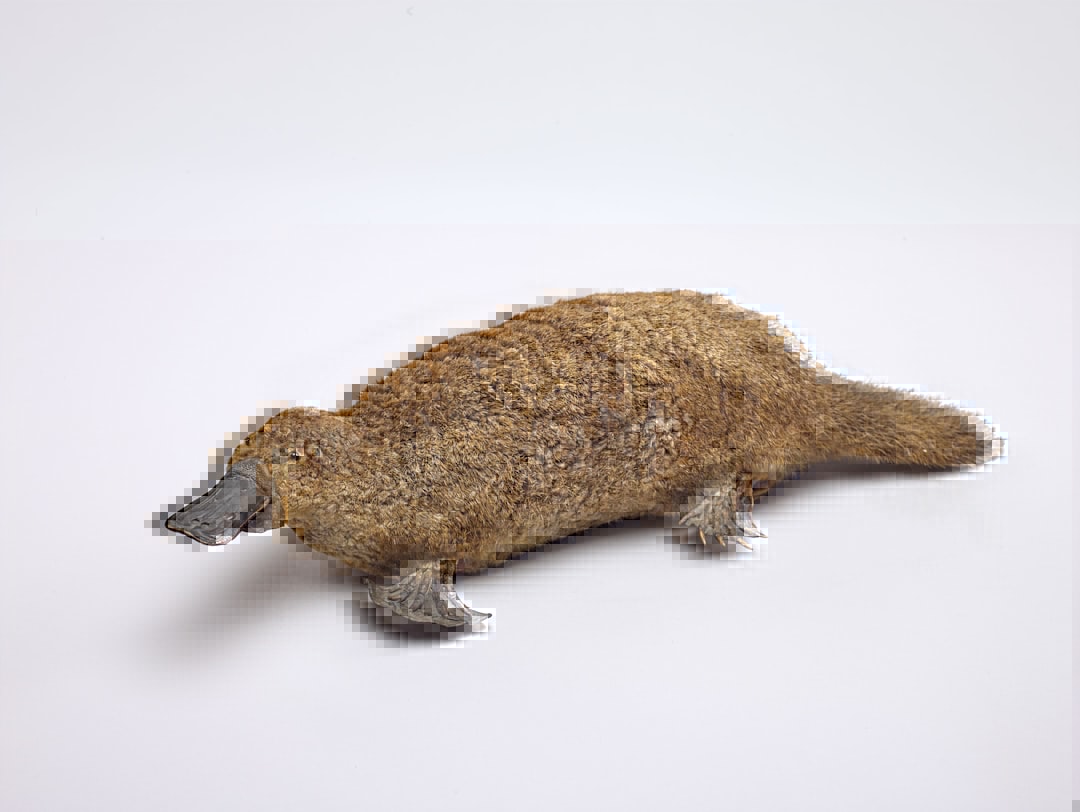
When European naturalists first encountered the platypus, they thought it was a hoax—an animal stitched together from a duck, a beaver, and an otter. This egg-laying mammal, with its duck bill and webbed feet, has confounded scientists for centuries. Its venomous spur and electroreceptive bill add to its strangeness, making it a favorite in museum halls. The platypus challenges our ideas about what a mammal should be and reminds us that evolution can take some truly unexpected turns. Even today, visitors are amazed to see a preserved platypus floating serenely in a jar, as if daring us to question what’s possible in nature.
The Coelacanth: The “Living Fossil” That Came Back
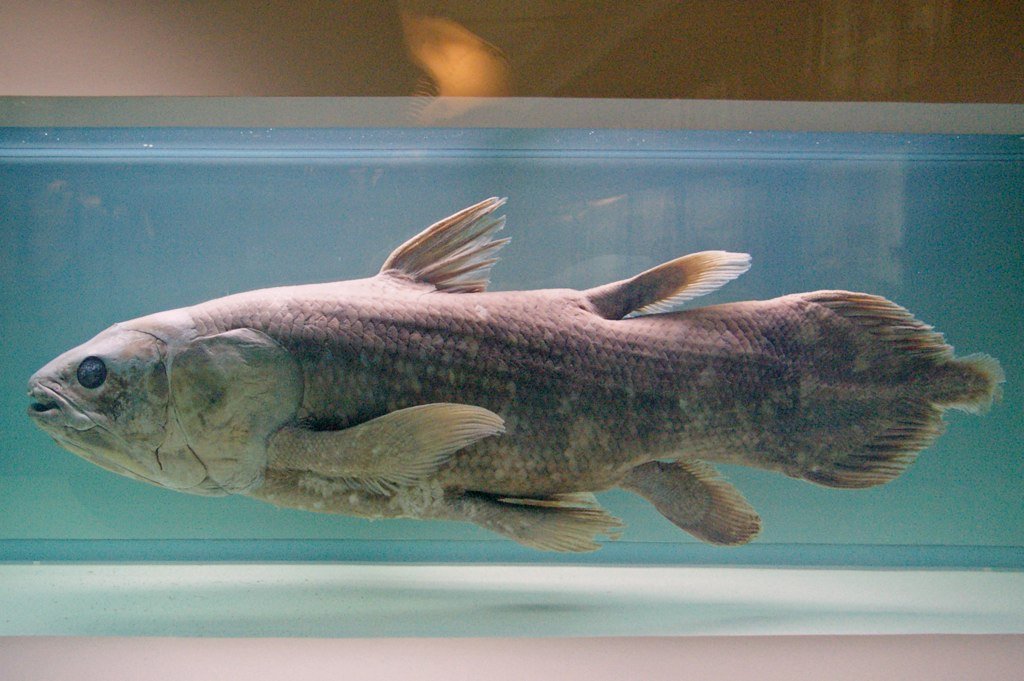
The coelacanth is a fish that was believed to have gone extinct with the dinosaurs—until it was found alive and well off the coast of South Africa in 1938. Its lobe-finned structure is unlike anything in the modern ocean, with fleshy fins that seem to hint at the first steps creatures took onto land. Museums proudly display coelacanth specimens, their shimmering blue scales frozen in time, as a reminder that the past can resurface in the most spectacular ways. The coelacanth is a living link to the ancient world, a fish that refuses to vanish into history.
The Quagga: The Zebra That Wasn’t Quite
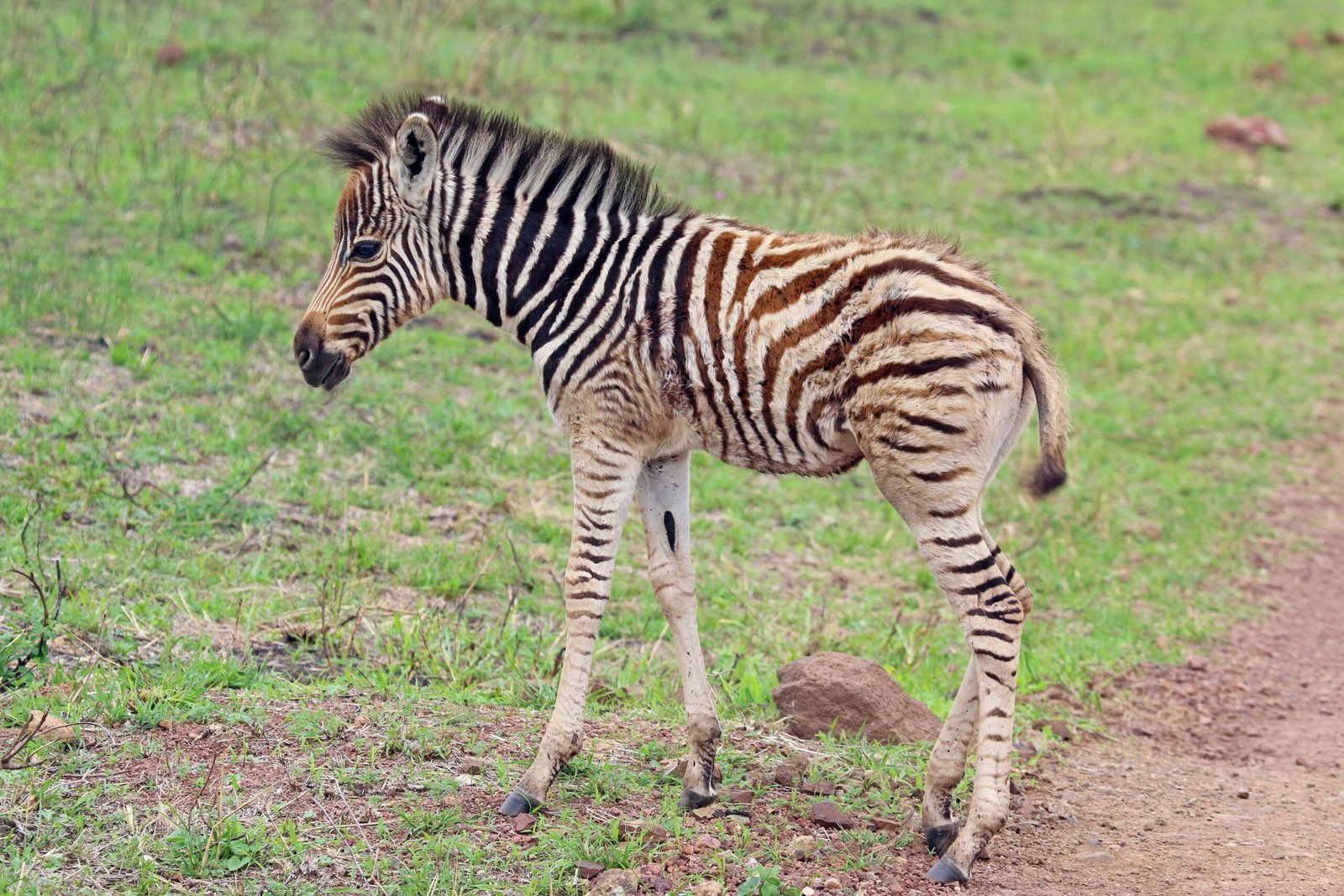
Imagine a zebra with stripes only on the front half of its body, fading into a plain brown on the back—a creature so odd it took decades for scientists to realize it wasn’t just a strange horse. The quagga once roamed South Africa but vanished in the 19th century. Museum specimens—stuffed hides and skeletons—are all that remain, and they draw crowds captivated by its peculiar appearance. The quagga’s story is a sobering lesson in extinction and a spark for conservation efforts, reminding us that the world’s weirdest animals can disappear in a flash.
The Narwhal: Unicorn of the Sea
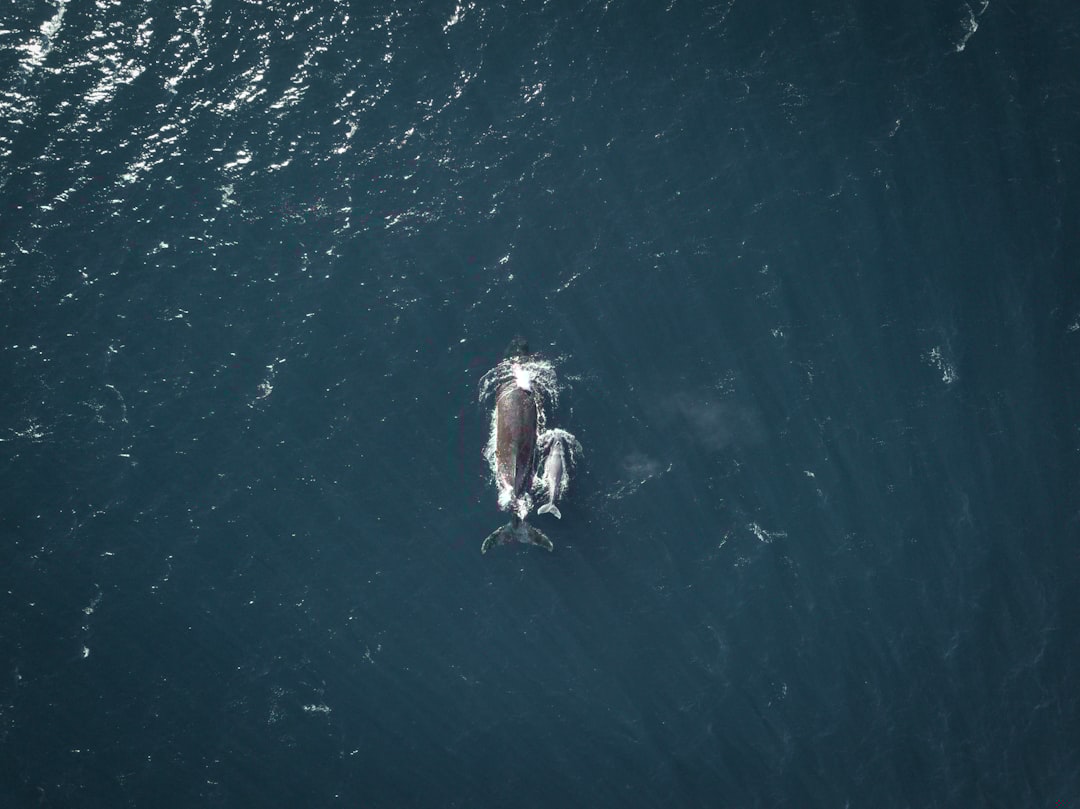
With its long, spiral tusk, the narwhal has inspired legends of unicorns for generations. Museums often display these enormous tusks alongside models or skeletons of the narwhal itself, inviting awe and disbelief. The tusk is actually an elongated tooth, packed with nerves and used in mysterious underwater rituals. There’s something magical about seeing a narwhal tusk up close—it’s a natural oddity that blurs the line between myth and reality, and sparks wonder in children and adults alike.
The Axolotl: The Eternal Youth of the Animal Kingdom
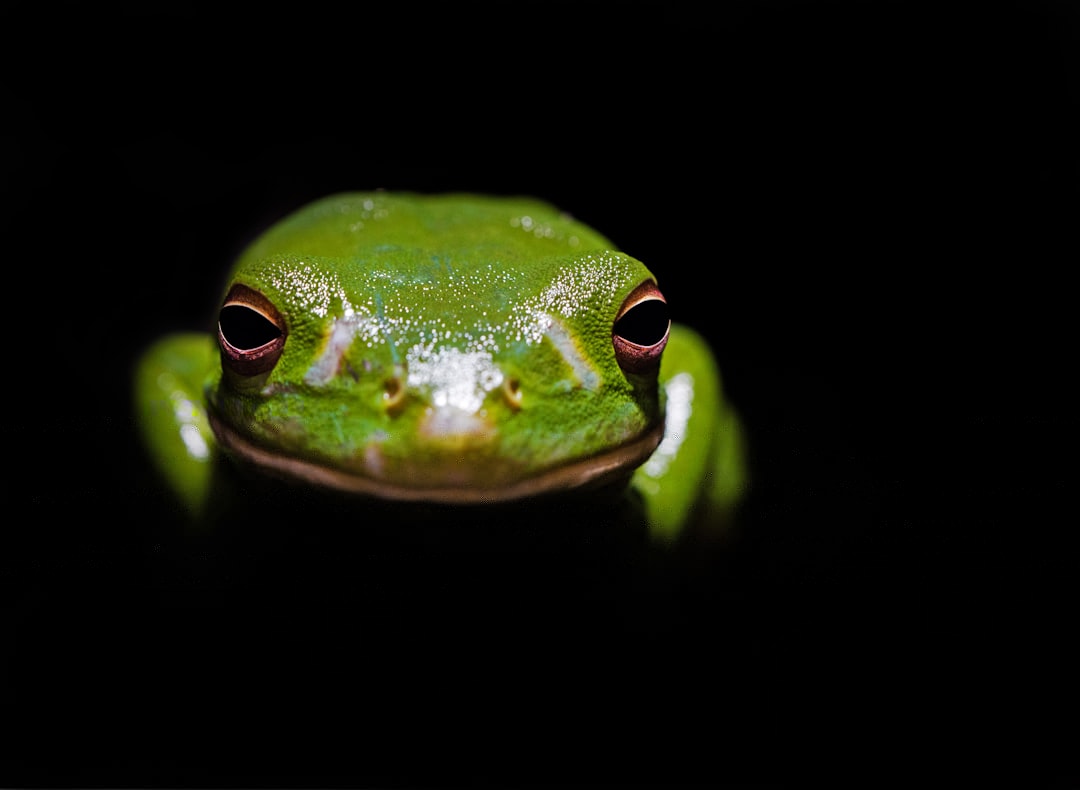
The axolotl, a salamander native to Mexico, is famous for its ability to stay in its juvenile form throughout its life—a phenomenon called neoteny. With its feathery external gills and perpetually smiling face, the axolotl looks like a creature from another planet. Museums keep axolotls in tanks, their translucent skin revealing organs and their regenerative powers dazzling onlookers. Scientists study axolotls for clues to healing and regeneration, but for most visitors, it’s simply the cutest and weirdest amphibian they’ve ever seen.
The Giant Squid: Monster of the Deep
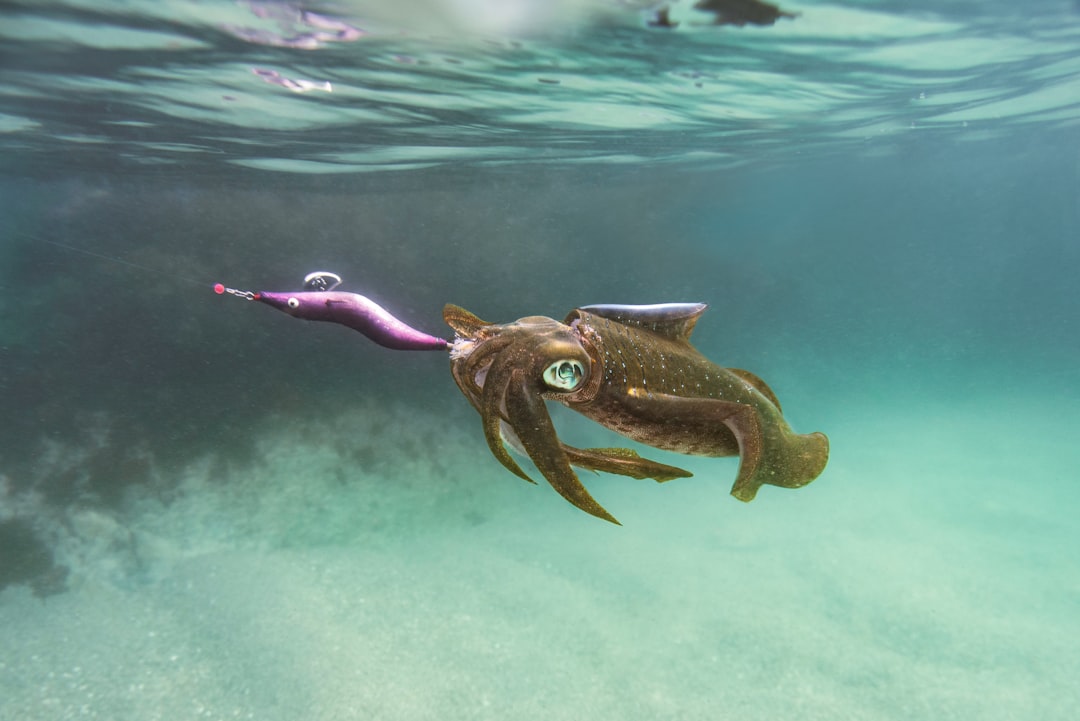
Few creatures inspire as much fear and fascination as the giant squid. For centuries, sailors spoke of this elusive monster, but it wasn’t until relatively recently that museums obtained whole specimens. Preserved in massive tanks filled with formaldehyde, these colossal invertebrates—sometimes over 40 feet long—look like something from a nightmare. Their dinner-plate eyes and curling tentacles hint at the mysteries still lurking in the ocean’s depths. Standing before a giant squid, visitors can’t help but imagine what else might be hiding in the unexplored corners of our planet.
The Tasmanian Tiger: The Ghost in the Gallery
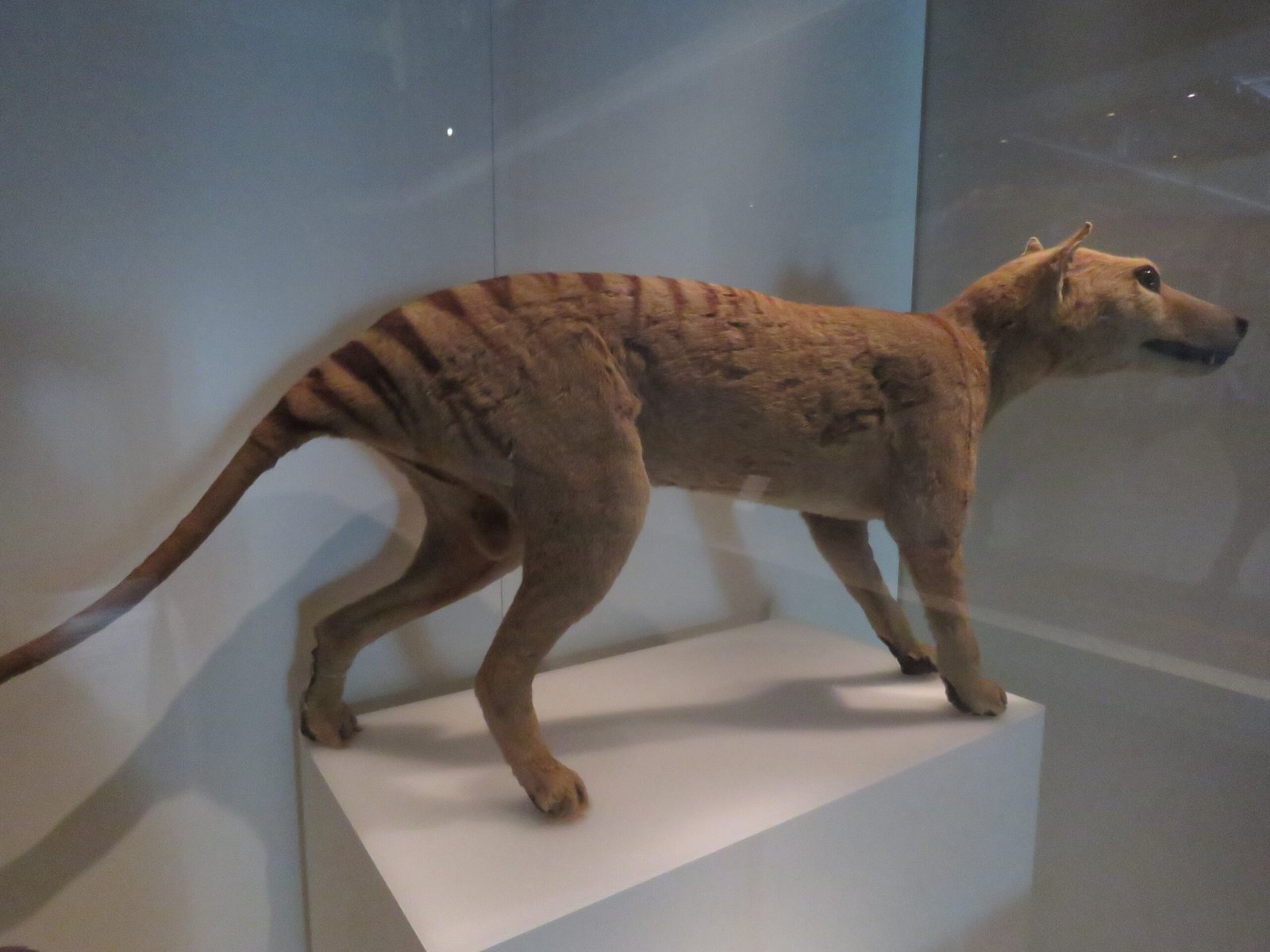
Also known as the thylacine, this wolf-like marsupial from Australia once prowled the forests of Tasmania. Its striped back gave it a tiger’s name, but its pouch placed it closer to kangaroos. The last known thylacine died in captivity in 1936, but museums preserve skins, skeletons, and haunting photographs. Seeing a thylacine specimen is a sobering experience—proof of the fragility of unique species and the lasting impact of human activity on the natural world.
The Okapi: The Forest Giraffe Nobody Believed Existed
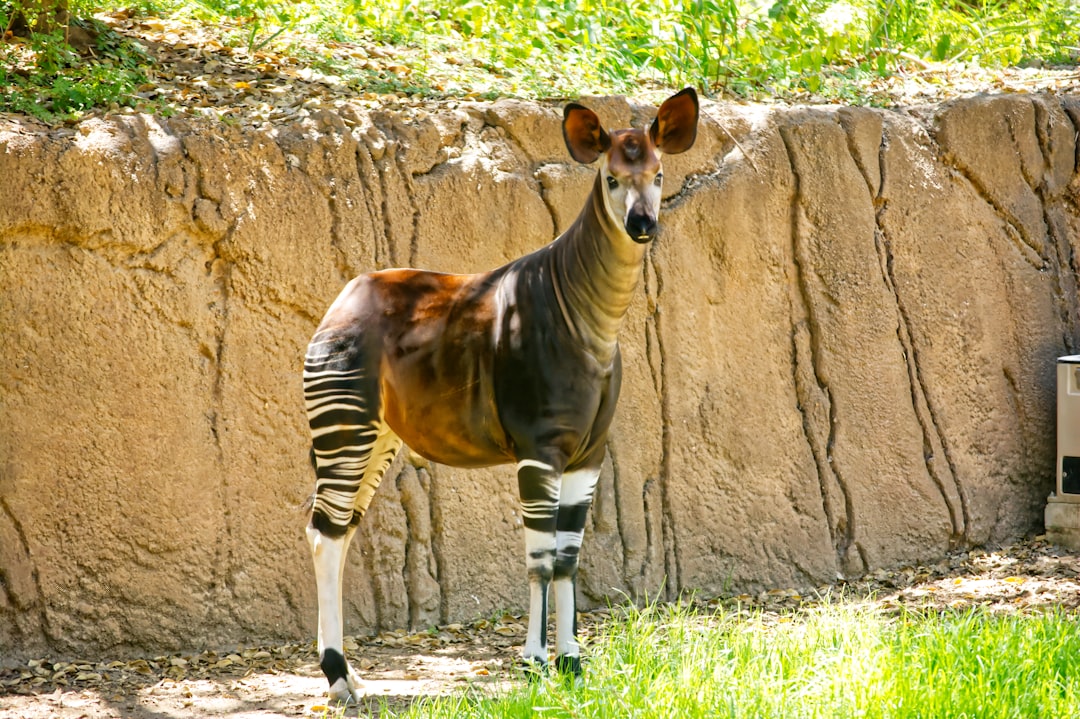
For years, tales of an animal with zebra stripes and a giraffe-like neck emerging from the dense forests of Central Africa were dismissed as fantasy. Then the okapi was finally discovered in the early 20th century. Museums proudly display okapi skins and skeletons, marveling at the animal’s cryptic coloration and unique evolutionary place. The okapi remains a living mystery, its presence in museums a testament to the wild creativity of evolution and the importance of preserving the unknown.
The Blobfish: The Face Only a Deep Sea Could Love
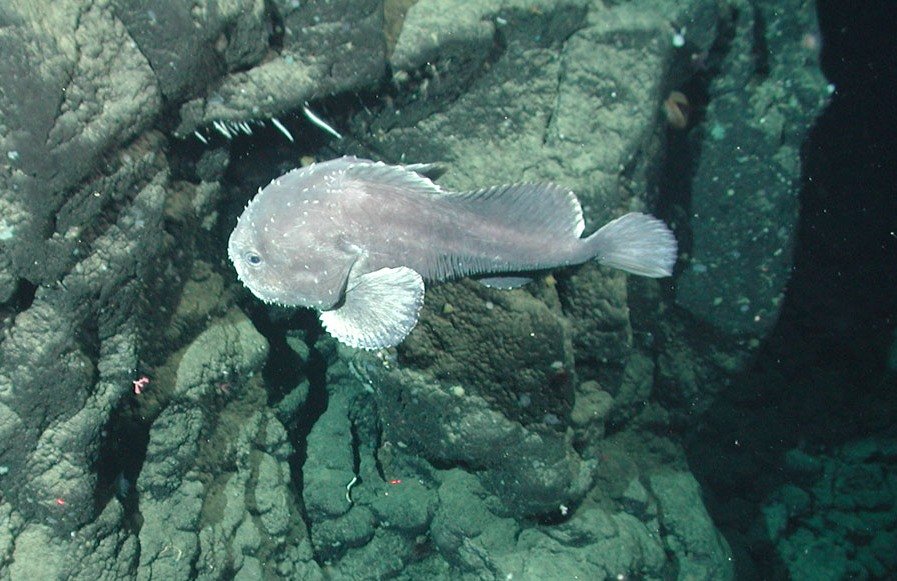
Named the world’s ugliest animal, the blobfish is a gelatinous, pinkish mass that looks utterly bizarre when brought to the surface from its deep-sea home. In life, its appearance is adapted to survive immense pressure; outside its environment, it collapses into a sad, drooping blob. Museums display preserved blobfish as a symbol of the ocean’s weirdest residents. The blobfish teaches us that beauty is relative and that nature’s adaptations can seem hilarious or shocking depending on our perspective.
The Mummified Mammoth: Ice Age Giant Preserved in Time
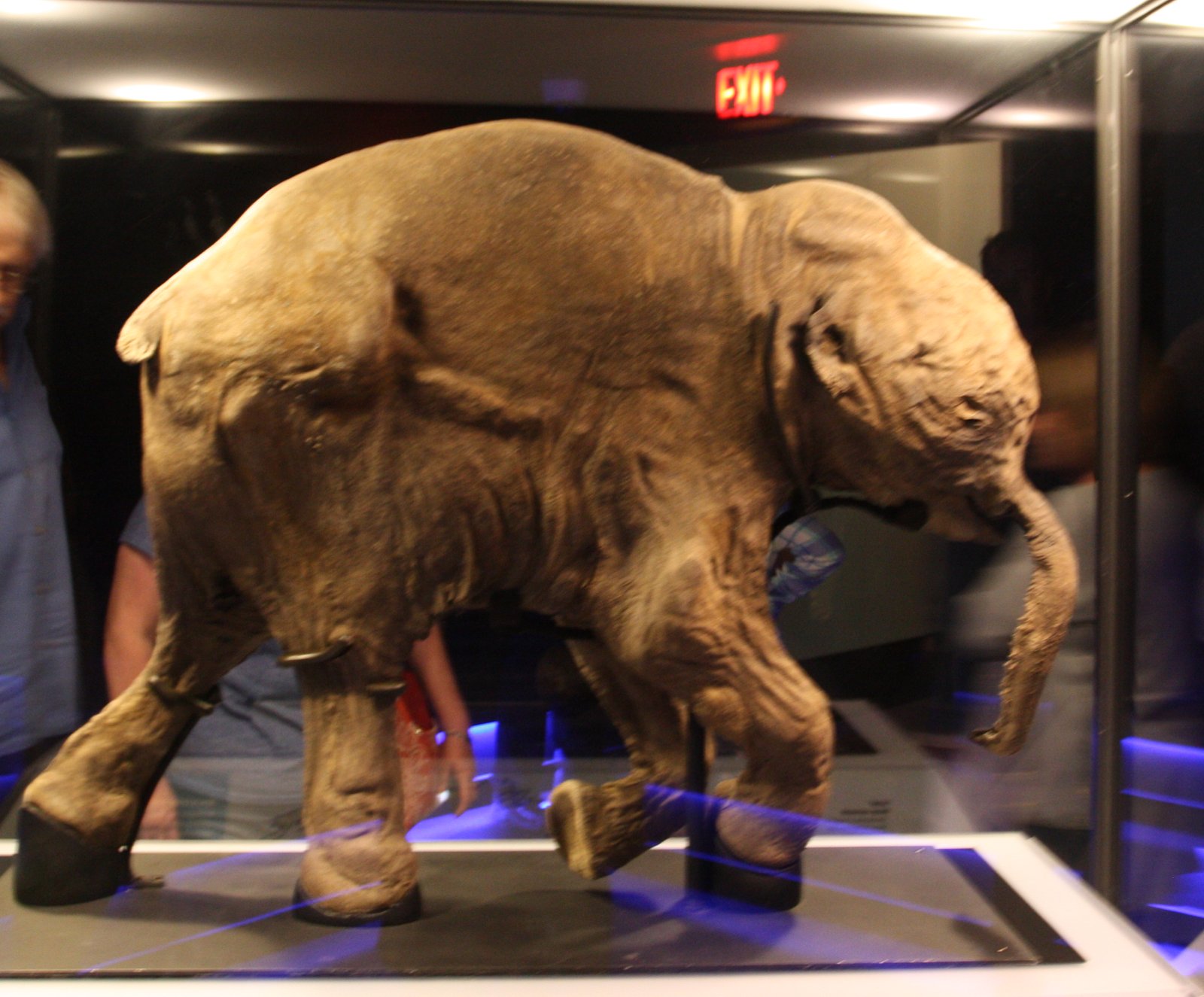
Woolly mammoths, with their shaggy hair and massive tusks, once roamed the frozen plains of the north. Some were so perfectly preserved in permafrost that museums can now display their actual flesh, hair, and even stomach contents. Seeing a mummified mammoth is like peering into a time capsule—one that survived the Ice Age and the ages since. These specimens connect us directly to the ancient world and offer hope that genetic technologies might one day bring extinct giants back to life.
The Shrunken Human Head: Science or Superstition?
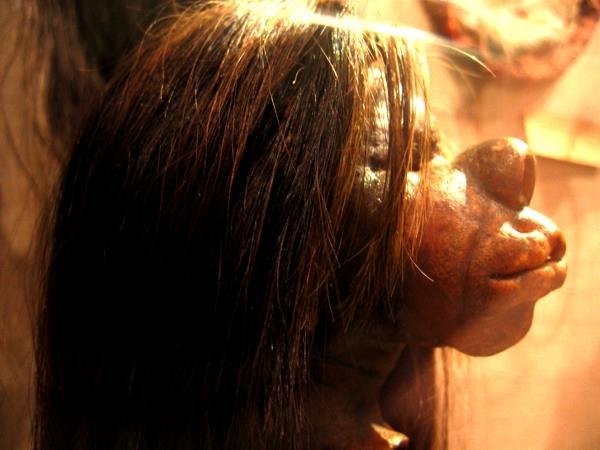
Perhaps no specimen is more chilling than the shrunken human heads, or tsantsas, displayed in some natural history museums. Crafted by the Shuar people of the Amazon, these heads are a fusion of anthropology, biology, and cultural tradition. For visitors, tsantsas are both fascinating and disturbing, raising questions about the intersection of science, belief, and respect for human remains. They remind us that museums are not just about biology—they’re about the stories we tell and the mysteries we seek to understand.
The Two-Headed Calf: Nature’s Rare Mistakes
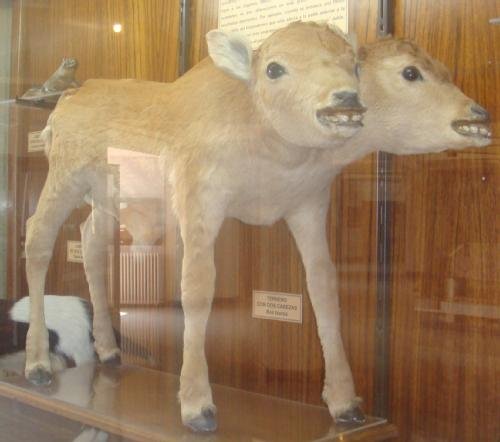
Among the most popular oddities in many natural history museums is the two-headed calf, preserved in glass jars or mounted as taxidermy. These rare birth defects are a sobering window into the unpredictability of genetics. For many visitors, the two-headed calf is both tragic and mesmerizing, prompting questions about how life develops and what happens when nature’s blueprint goes awry. These specimens are a powerful reminder that life is as fragile as it is resilient.
The Megalodon Tooth: A Relic of the Monster Shark
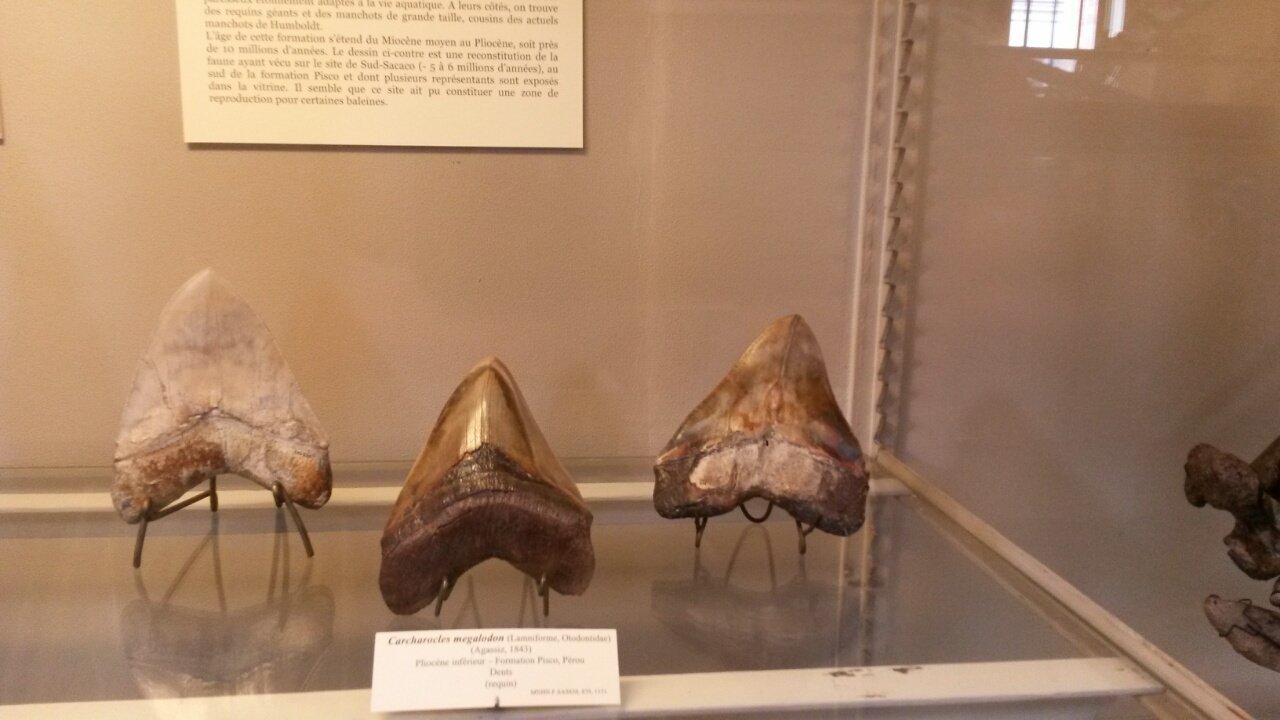
Bigger than a human hand, the massive, triangular tooth of the megalodon shark is a showstopper in any museum. These sharks, which could grow as long as a bus, ruled the oceans millions of years ago. Holding a megalodon tooth, visitors are often struck by the raw power of prehistoric life. It’s a simple, tangible connection to a world where monsters really did exist, and it inspires awe and a touch of terror in all who see it.
The Saola: The Asian Unicorn
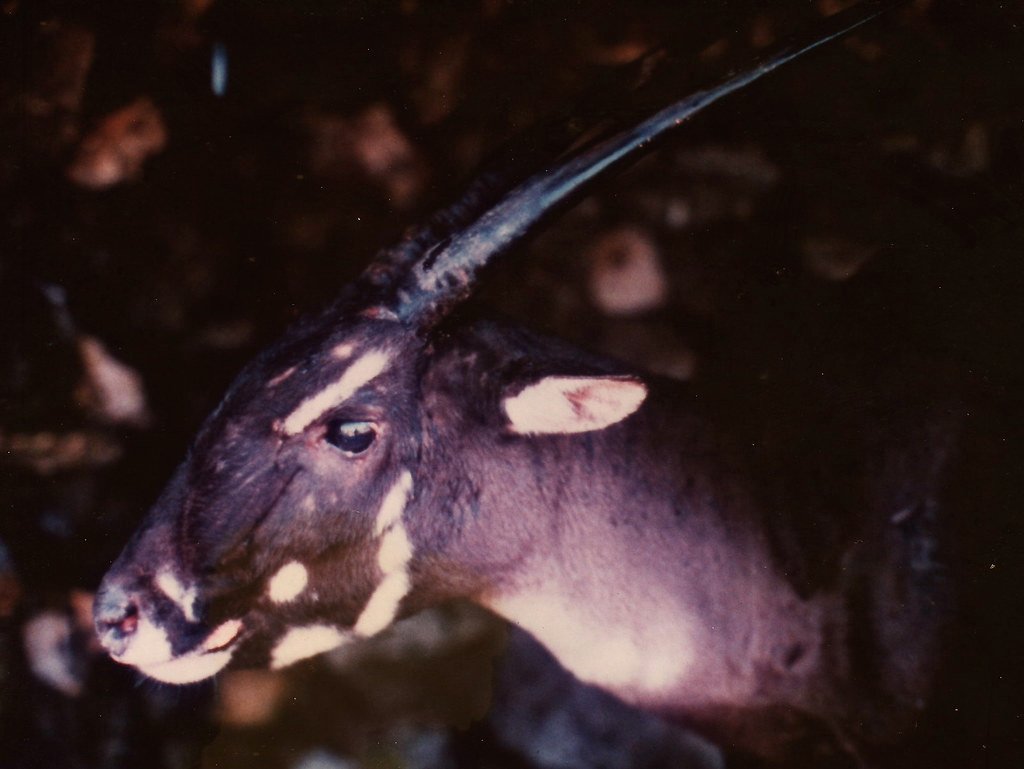
Discovered only in the 1990s, the saola is so elusive that it’s sometimes called the “Asian unicorn.” With its long, straight horns and white facial markings, the saola looks like a mythical beast brought to life. Museums feature rare skulls and photographs, highlighting just how little we know about this endangered animal. The saola’s story is a call to preserve the unknown and to keep searching for the secrets the natural world still holds.
The Giant Ground Sloth: A Towering Relic
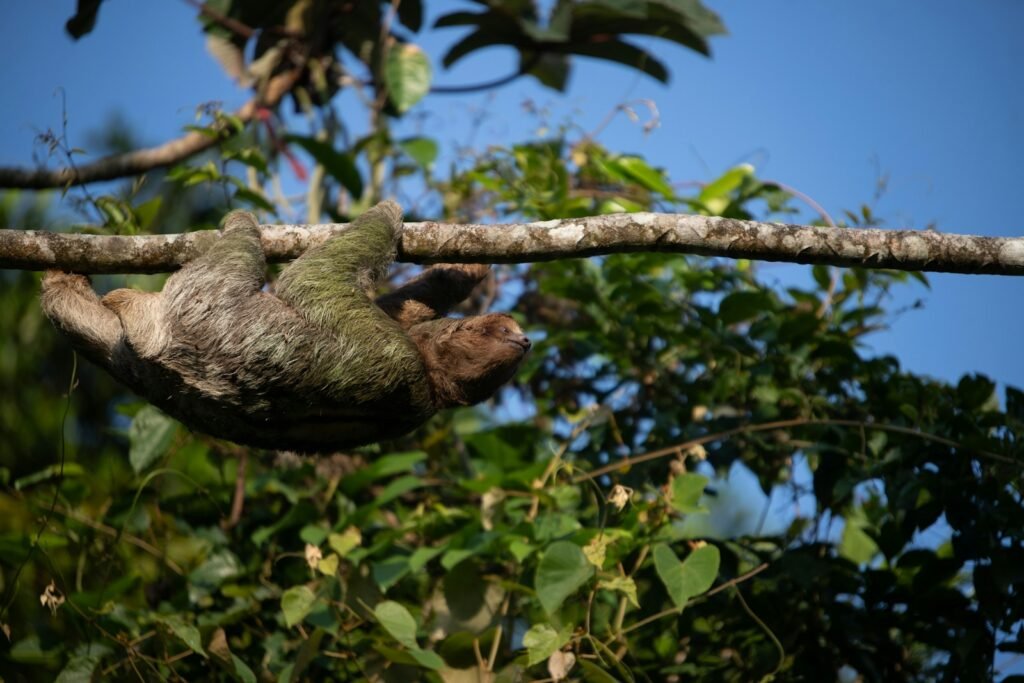
Towering over visitors, the reconstructed skeleton of the giant ground sloth is one of the most awe-inspiring sights in any museum. These lumbering herbivores, now extinct, once roamed the Americas and could reach over 20 feet tall when standing on their hind legs. The sheer size and strange posture of the giant sloth make it a favorite for children and adults alike, sparking imaginations about a time when the world was full of truly gigantic creatures.
The Preserved Komodo Dragon: A Living Dinosaur
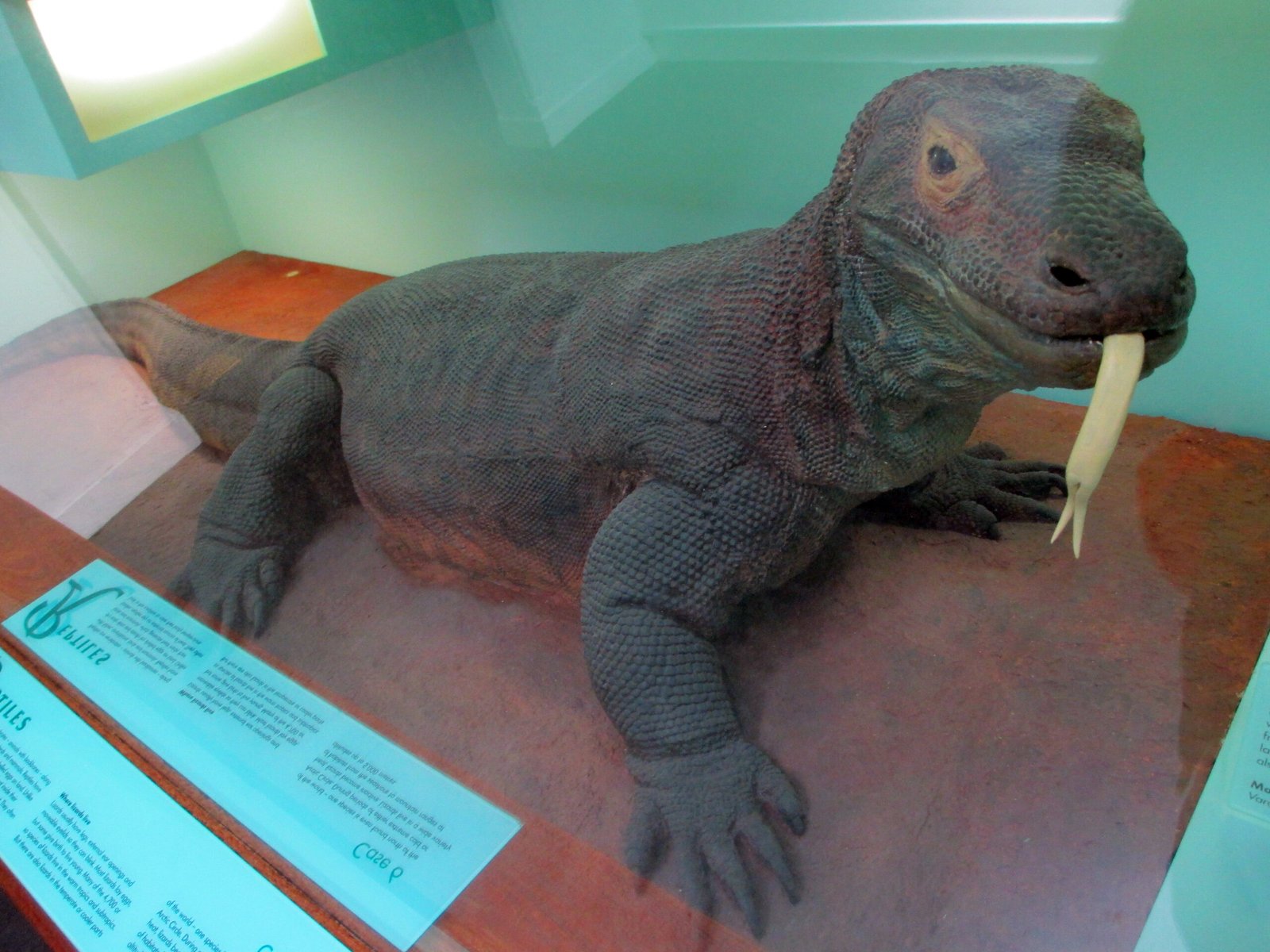
With its forked tongue and ancient lineage, the Komodo dragon is often called a living dinosaur. Museums display preserved Komodo dragons to showcase the world’s largest lizard, which can grow up to 10 feet long. Its venomous bite and predatory behavior add to its fearsome reputation. For many, seeing a Komodo dragon up close is a thrilling encounter with the wild side of evolution—a reminder that dinosaurs’ legacy still walks among us.
The Sunfish: The Ocean’s Strangest Shape
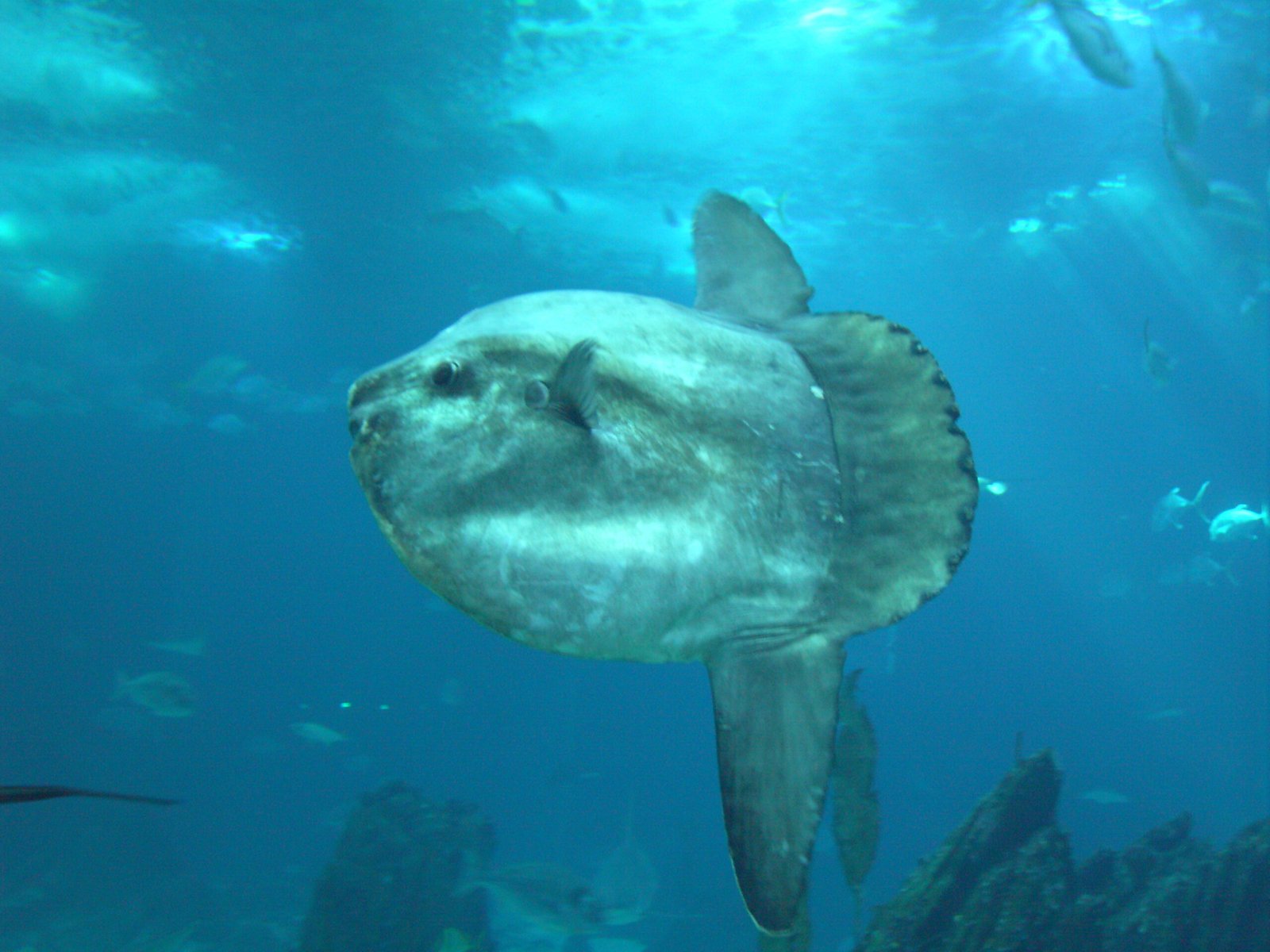
The sunfish, or Mola mola, looks like a fish that was cut in half and glued back together. Its flattened, disk-like body and tiny mouth make it one of the oddest creatures in the sea. Museums often display these enormous fish, sometimes weighing over a ton, to demonstrate the diversity of life in the ocean. The sunfish’s bizarre appearance is a lesson in adaptation—proof that evolution doesn’t always favor beauty, but rather what works for survival.
The Giant Isopod: The Deep Sea’s Armored Tank
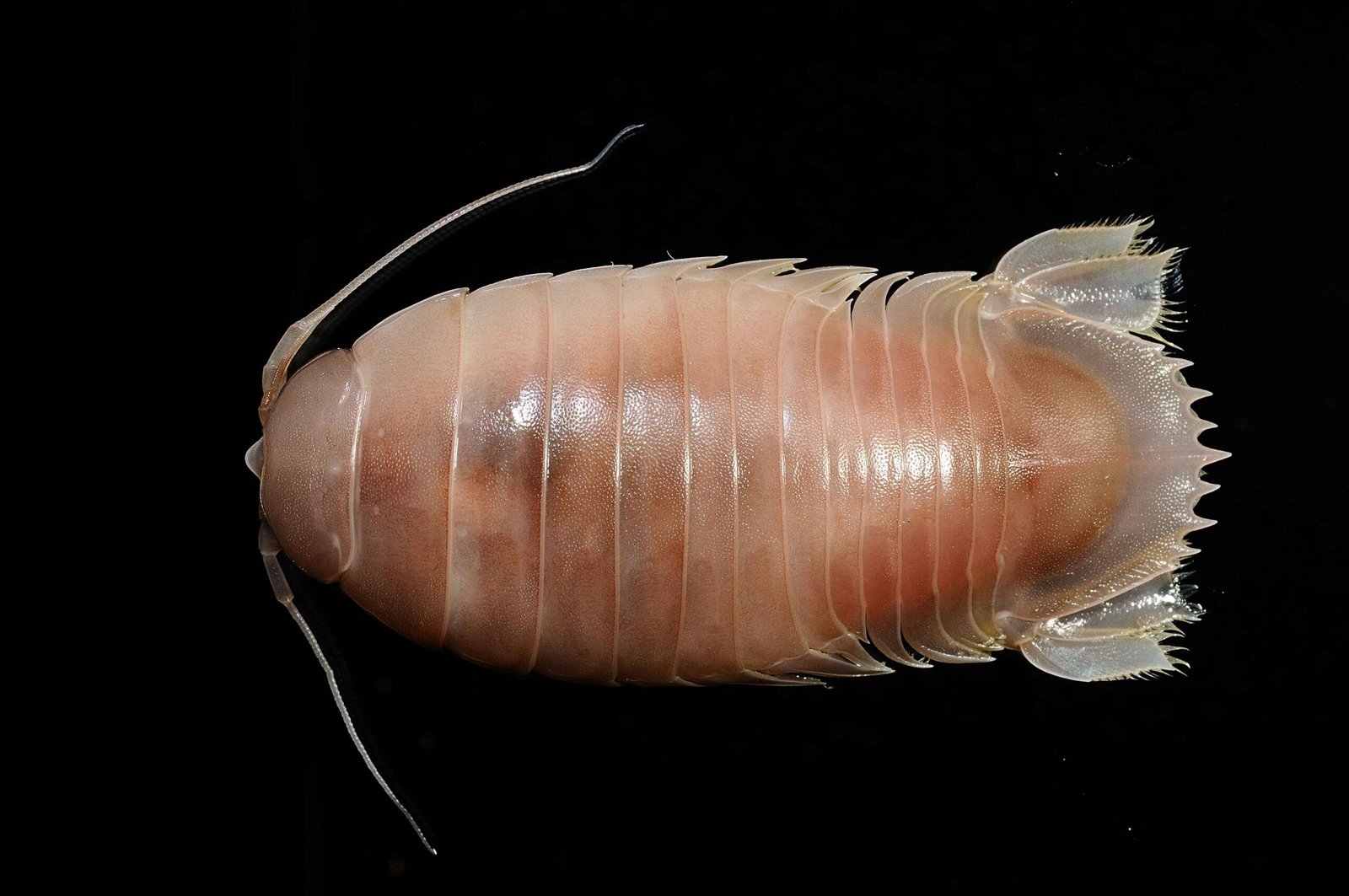
Looking like a pill bug on steroids, the giant isopod lurks in the deep ocean, scavenging for food. With its armored exoskeleton and spindly legs, it’s an impressive sight in any museum display. Visitors are often shocked by its size—some grow larger than a housecat—and its alien appearance. The giant isopod is a reminder of the strange worlds hidden beneath the waves, where evolution has crafted creatures as tough as they are weird.
The Kakapo: The World’s Only Flightless Parrot
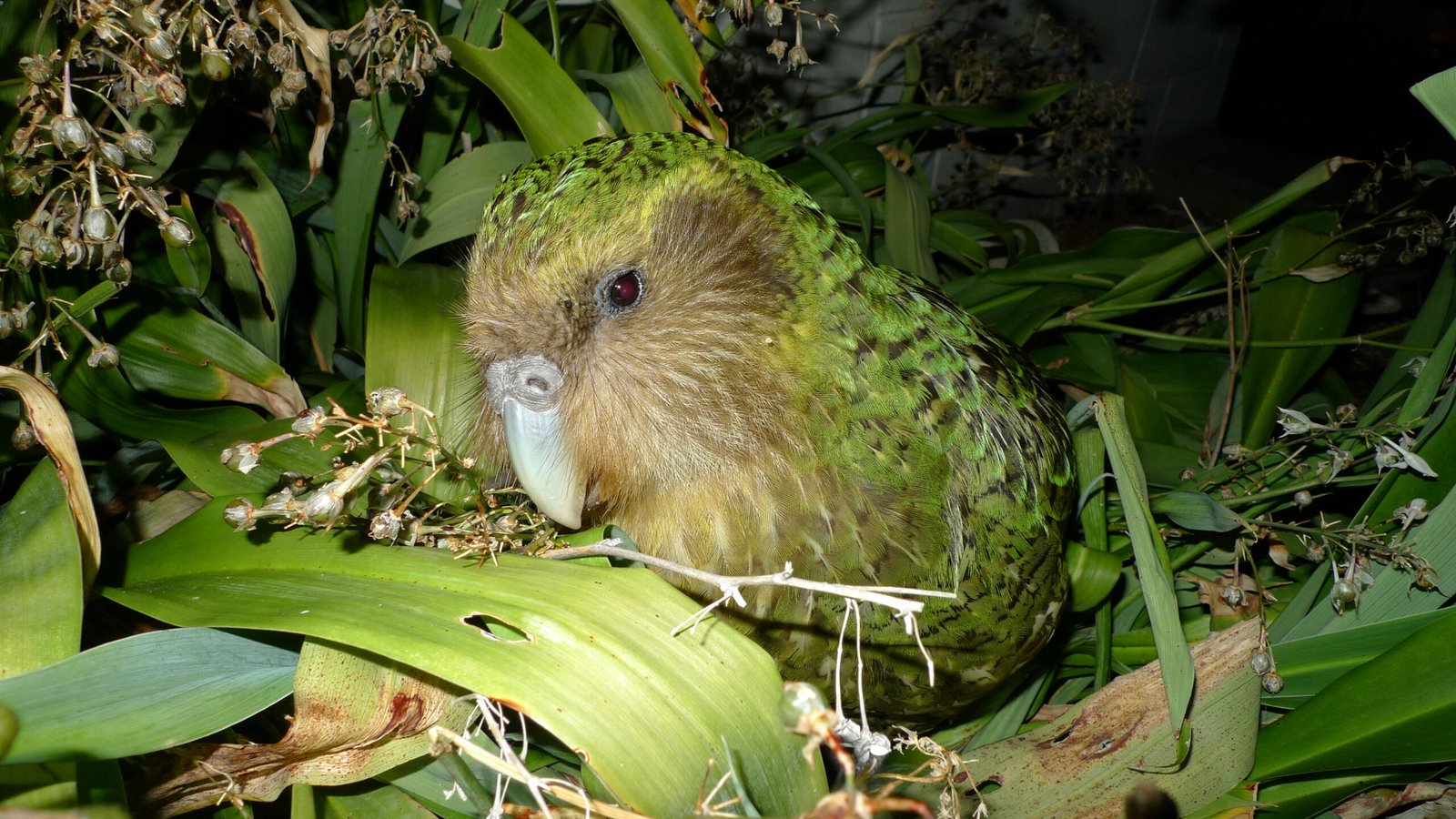
The kakapo is a parrot that can’t fly and only comes out at night. With its mossy green feathers and owl-like face, it looks more like a storybook character than a real bird. Museums celebrate the kakapo as a symbol of New Zealand’s unique wildlife, and as a cautionary tale of vulnerability to extinction. The kakapo’s plight has inspired global efforts to save it, proving that even the strangest animals can capture our hearts.
The Hairless Mole Rat: The Ultimate Survivor
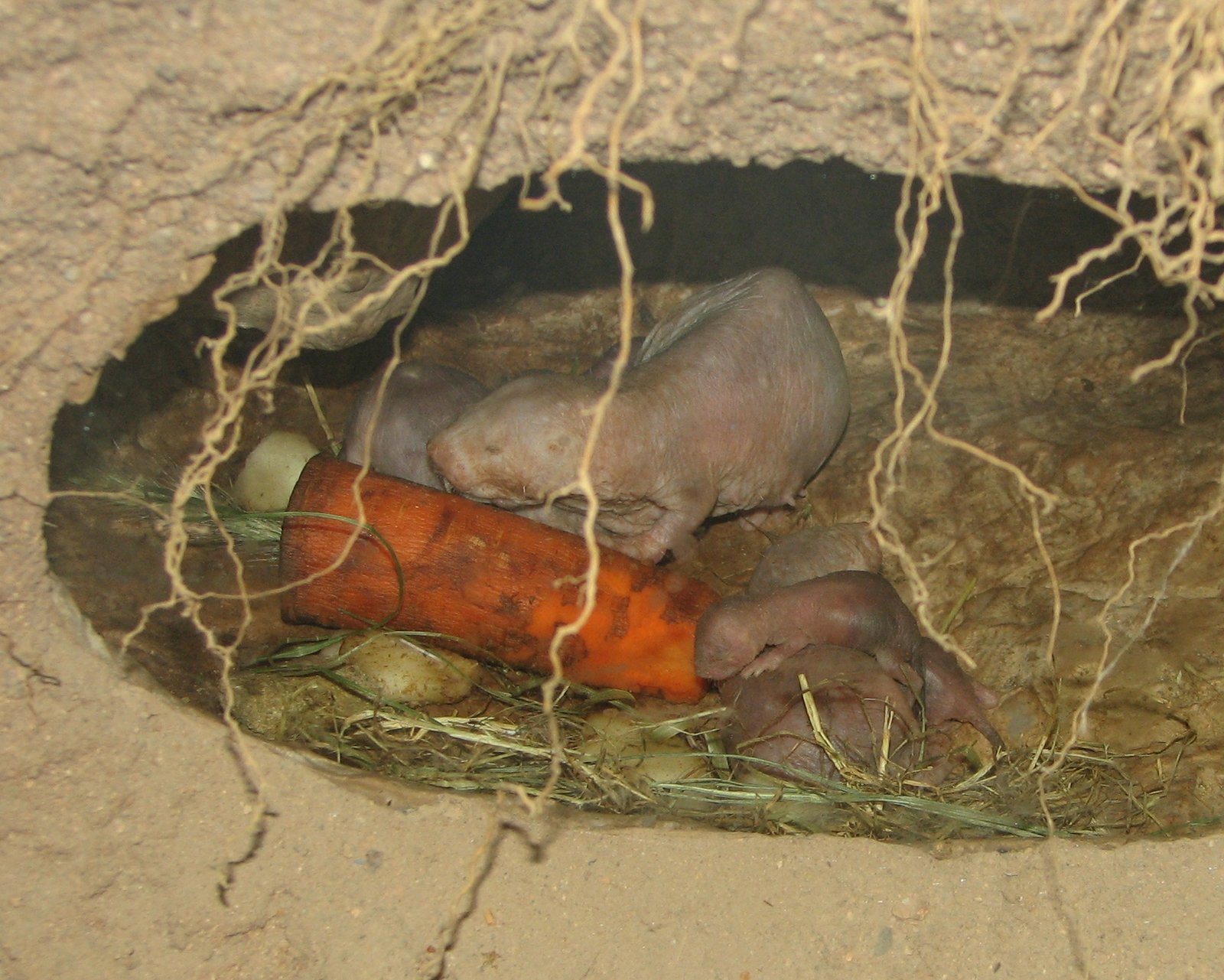
Hairless, nearly blind, and with teeth that jut forward like tiny chisels, the naked mole rat is one of the strangest mammals in the world. Museums display these odd rodents to highlight their incredible biology—they live in cooperative colonies, feel little pain, and can survive in low-oxygen environments. The naked mole rat is a living lesson in adaptation, showing that nature’s oddballs often have the most fascinating survival strategies.
The Encased Dodo: The Bird That Mocked Extinction
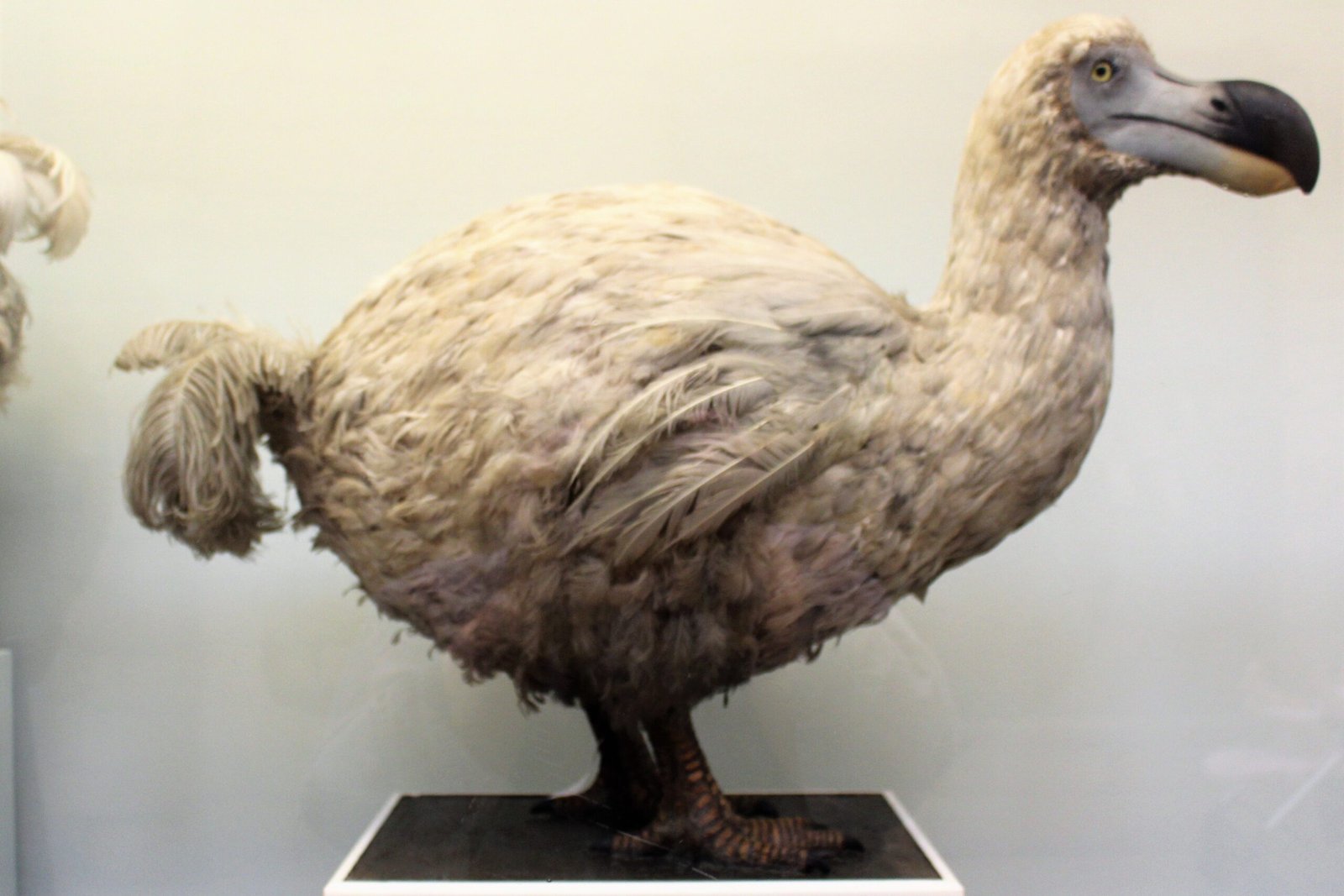
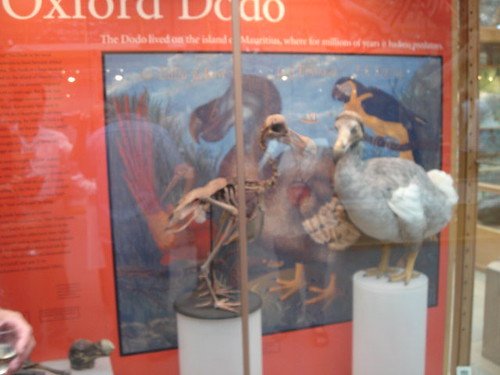
Perhaps the most famous extinct animal is the dodo, a flightless bird from Mauritius that disappeared in the 17th century. Museums display dodo bones, reconstructions, and even ancient eggs, drawing visitors eager to glimpse a creature whose name is now synonymous with extinction. The dodo’s story is both amusing and tragic—a bird so unafraid of humans it sealed its own fate, and a symbol of the impact humans can have on the world’s most unusual creatures.