Have you ever watched the roaring spectacle of the Indy 500 and wondered how nature’s own racers compare? Imagine a cheetah sprinting across the savannah, a dragonfly darting over a pond, or even a humble sailfish slicing through the sea. In the wild, survival often depends on being faster than your competitor or your predator. But unlike race cars, animals can’t swap out their engines or get a pit crew. Instead, evolution has crafted astonishing adaptations—sleek bodies, lightning-fast muscles, and ingenious hunting strategies—that make some creatures the ultimate speed demons. Let’s race through the wild and discover how nature engineers astonishing bursts of speed, drawing inspiration from the same forces of physics and biology that fuel the world’s greatest auto races.
Cheetahs: The Ultimate Land Sprinters
When you think of speed in the animal kingdom, the cheetah almost always comes to mind. This big cat can accelerate from zero to sixty miles per hour in just three seconds, rivaling some of the fastest sports cars. Its flexible spine acts like a coiled spring, storing and releasing energy with every stride. Long, slim limbs give the cheetah a huge stride length, while its non-retractable claws provide grip on the ground, much like a race car’s tires. But what’s truly wild is the cheetah’s ability to make quick, tight turns while running at top speed, using its long tail as a counterbalance. For all its speed, a cheetah’s sprint only lasts about 20 seconds before it overheats—a reminder that every engine, even nature’s, has its limits.
Peregrine Falcons: Masters of Aerial Dive
If the cheetah rules the land, the peregrine falcon dominates the skies. In a hunting dive called a stoop, this bird can reach speeds over 200 miles per hour, making it the fastest animal on Earth. Its body is shaped for aerodynamic efficiency: a pointed beak, tapered wings, and a sleek, muscular frame reduce drag as it plummets toward its prey. Specialized nostrils help the falcon breathe at such high speeds, preventing its lungs from over-pressurizing. The precision and control the falcon demonstrates in flight are reminiscent of a race car hugging the perfect line on a track, fueled not by gasoline, but by pure evolutionary genius.
Sailfish: The Ocean’s Fastest Swimmers
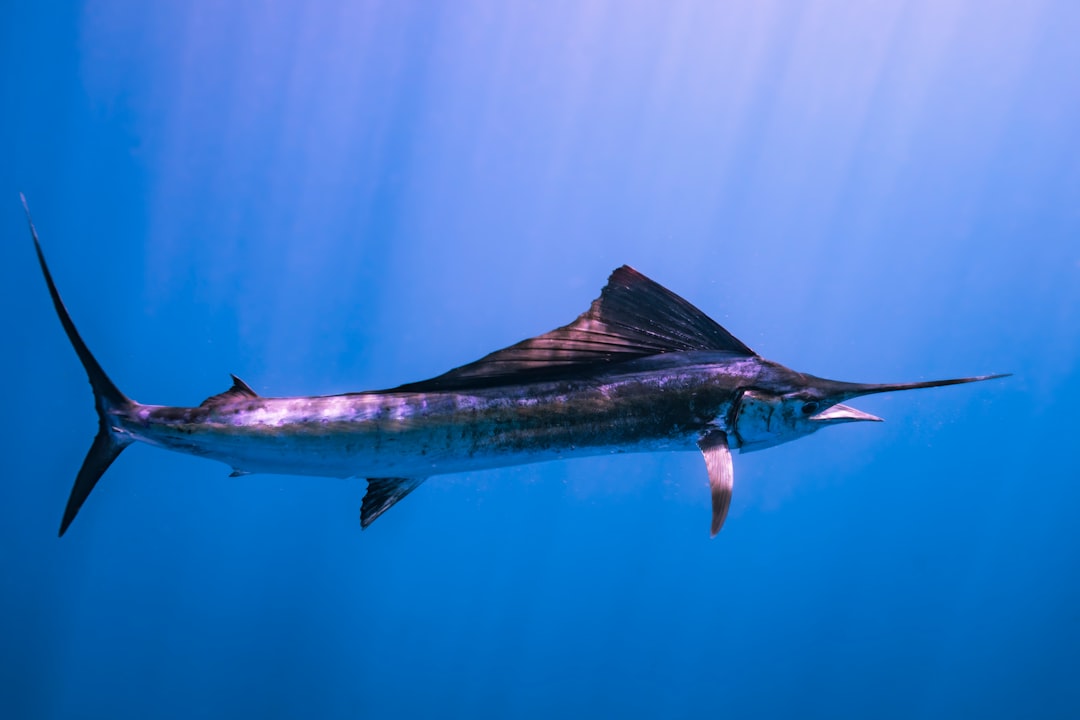
Underwater, speed is a different beast. The sailfish is considered the fastest swimmer in the ocean, clocking in at around 68 miles per hour in short bursts. Its streamlined body, long, pointed bill, and retractable dorsal fin slice through water with minimal resistance. The skin of a sailfish is covered in tiny, tooth-like scales called denticles, reducing drag much like the grooves on a racing tire. This combination of adaptations allows the sailfish to chase down agile schools of fish, making it a true Formula One racer of the sea.
Dragonflies: Agile Aerial Acrobats
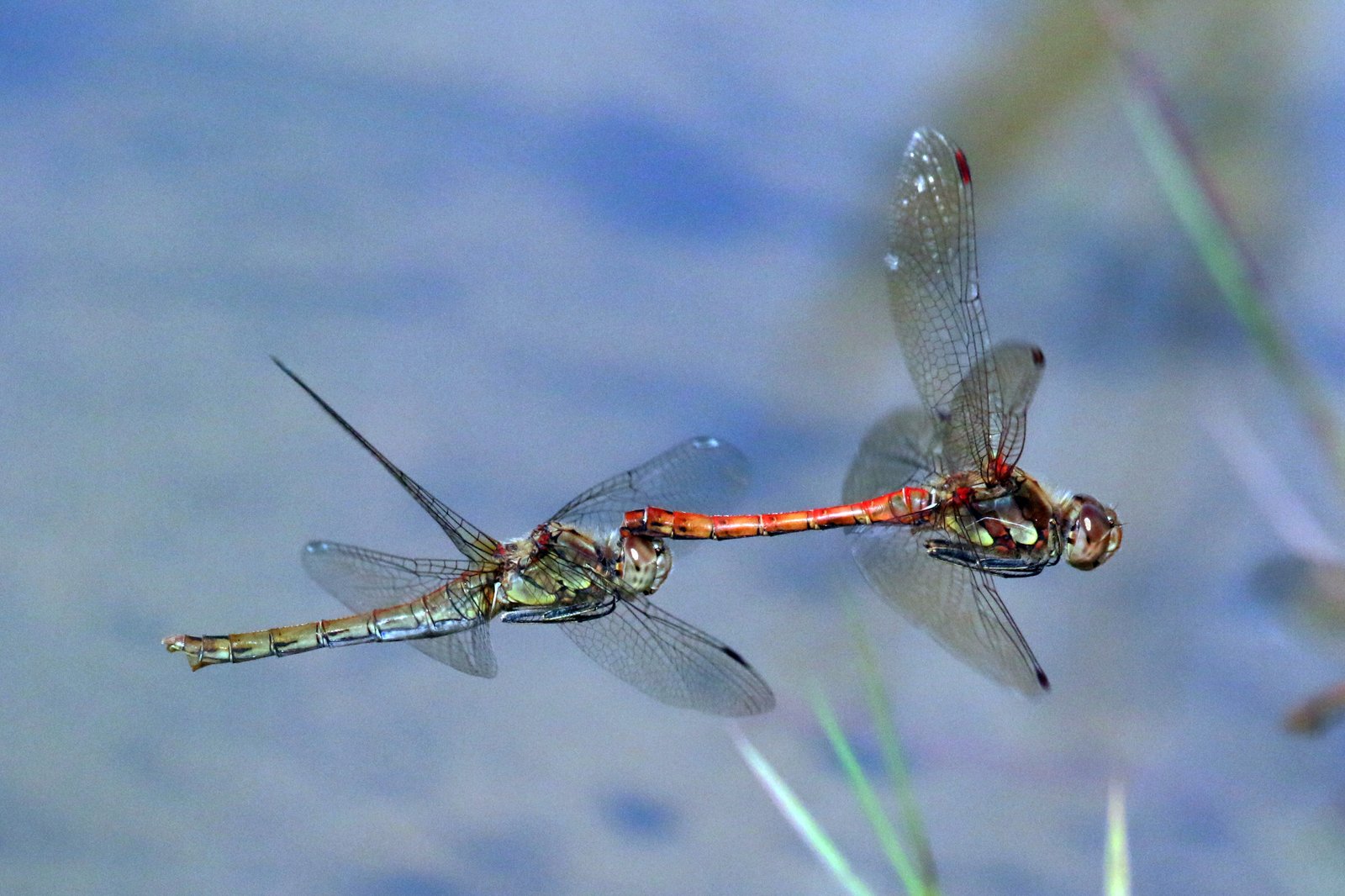
Dragonflies are the Indy cars of the insect world. With two pairs of wings that move independently, dragonflies can hover, fly backward, and even change direction in a split second. Their incredibly fast wingbeats—sometimes up to 30 times per second—let them reach speeds of 35 miles per hour. Dragonflies’ compound eyes give them nearly 360-degree vision, allowing them to spot prey and predators from all angles. These adaptations make dragonflies not only fast but also astonishingly maneuverable, out-flying most other insects with ease.
Pronghorn Antelope: Endurance Racers of the Plains
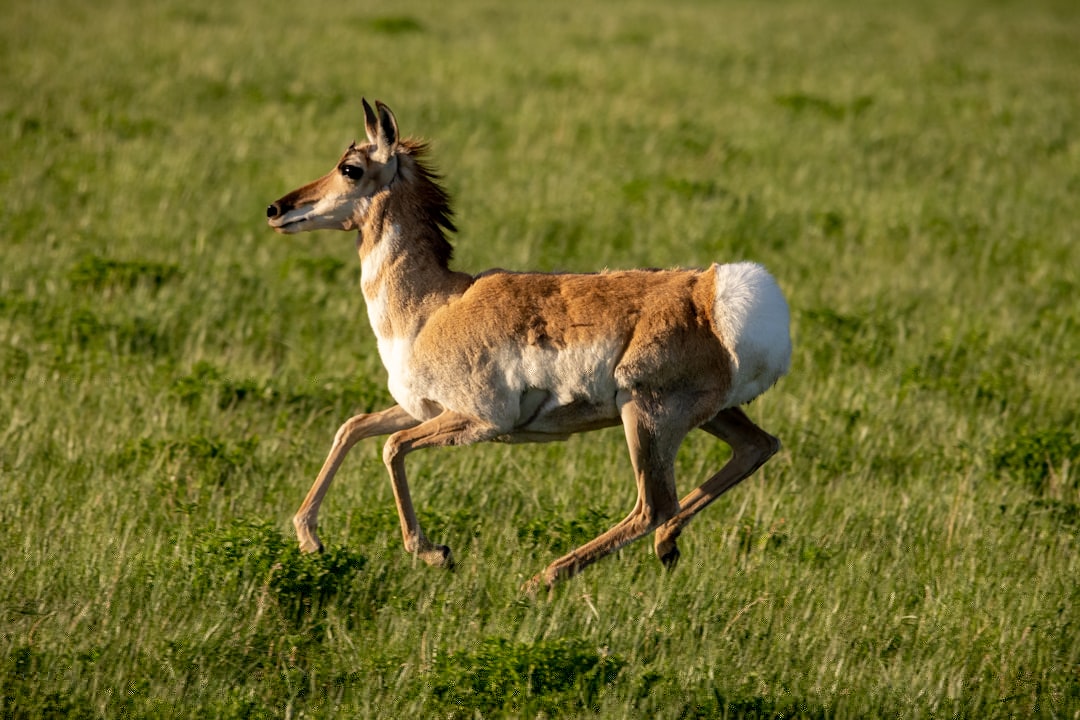
The pronghorn antelope might not hit the top speed of a cheetah, but it excels in endurance. Pronghorns can sustain speeds of 55 miles per hour for miles at a time, which is more than double what most predators can manage. Their large lungs and heart, powerful leg muscles, and lightweight frames all contribute to this remarkable stamina. Imagine a marathon runner with the turbo boost of a sports car—pronghorns are built for the long haul, outrunning danger on the open plains.
Greyhounds: Speed and Grace on Four Legs
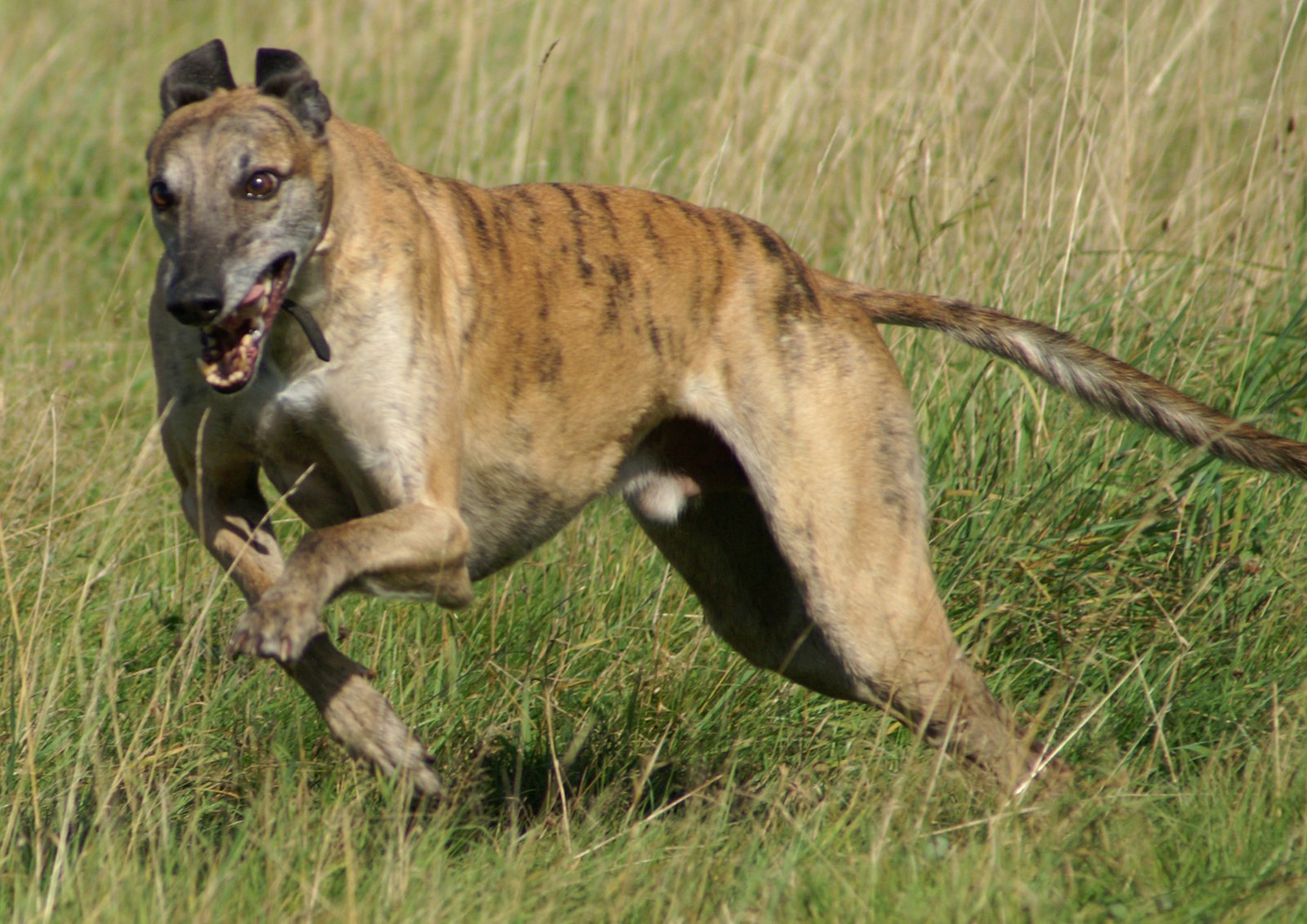
Greyhounds are the canine world’s answer to race cars, bred for chasing and sprinting. Their slender bodies, deep chests, and long legs give them a running gait called a double-suspension gallop, where all four feet leave the ground twice per stride. This unique stride, paired with fast-twitch muscle fibers, allows greyhounds to reach speeds of up to 45 miles per hour. Watching a greyhound race is like seeing living poetry in motion, an elegant display of nature’s engineering.
Hummingbirds: Tiny But Mighty Flyers
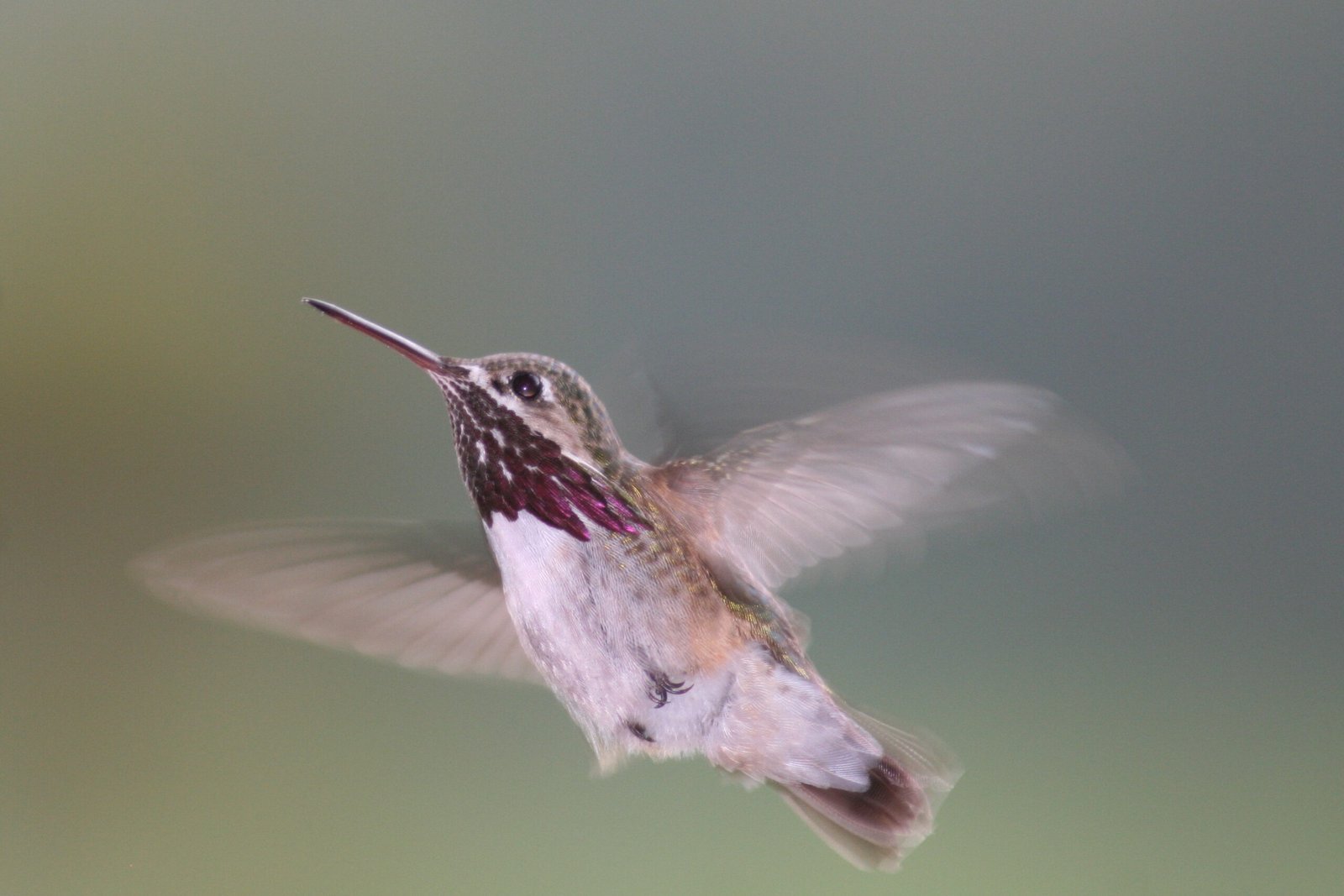
Don’t let their size fool you—hummingbirds are some of the most remarkable fliers in the animal world. They can beat their wings up to 80 times per second, hovering in place or zipping backward and sideways as they feed on nectar. Their heart rates can soar to over 1,200 beats per minute during flight, fueling their rapid movements. Hummingbirds’ agility and speed allow them to evade predators and dart between flowers with the precision of a remote-controlled drone.
Springtails: Nature’s Micro-Jumpers

You might never notice a springtail, but these tiny soil dwellers are among the fastest jumpers relative to body size. Using a forked appendage called a furcula, springtails snap themselves into the air at accelerations exceeding 200 times gravity. This rapid escape mechanism is vital for avoiding predators. If you scaled their jumps to human size, it would be like leaping over skyscrapers in a single bound—a superhero feat in the miniature world.
Black Marlin: The Silver Bullets of the Sea
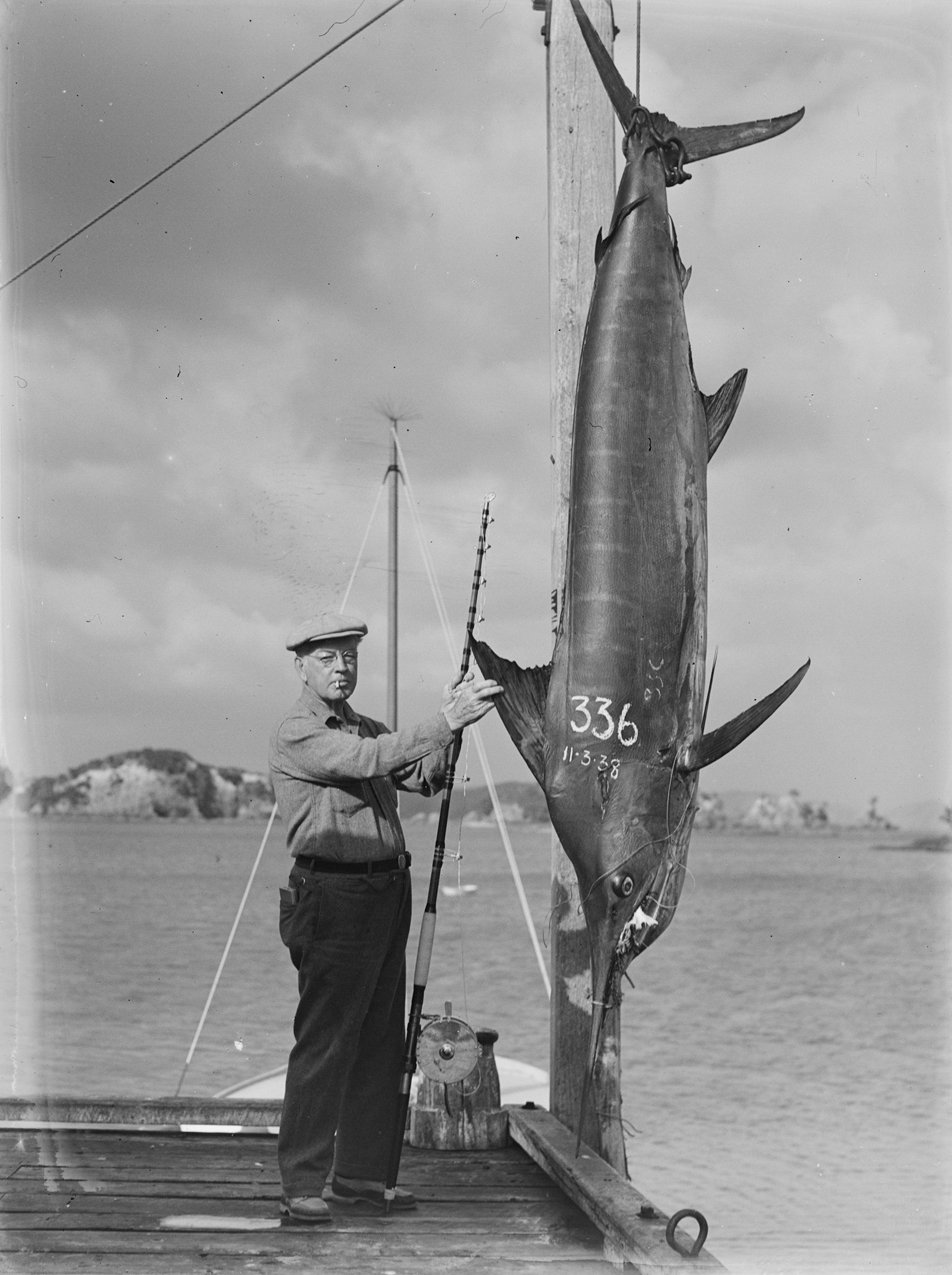
The black marlin rivals the sailfish for underwater speed records, reaching bursts of up to 82 miles per hour. Its torpedo-shaped body and rigid pectoral fins create minimal drag as it powers through the ocean. Black marlins are apex predators, using their speed to ambush schools of tuna or squid. Their streamlined bodies and powerful tails are nature’s answer to high-performance race engines, built for quick and decisive action.
African Wild Dogs: Teamwork for the Win
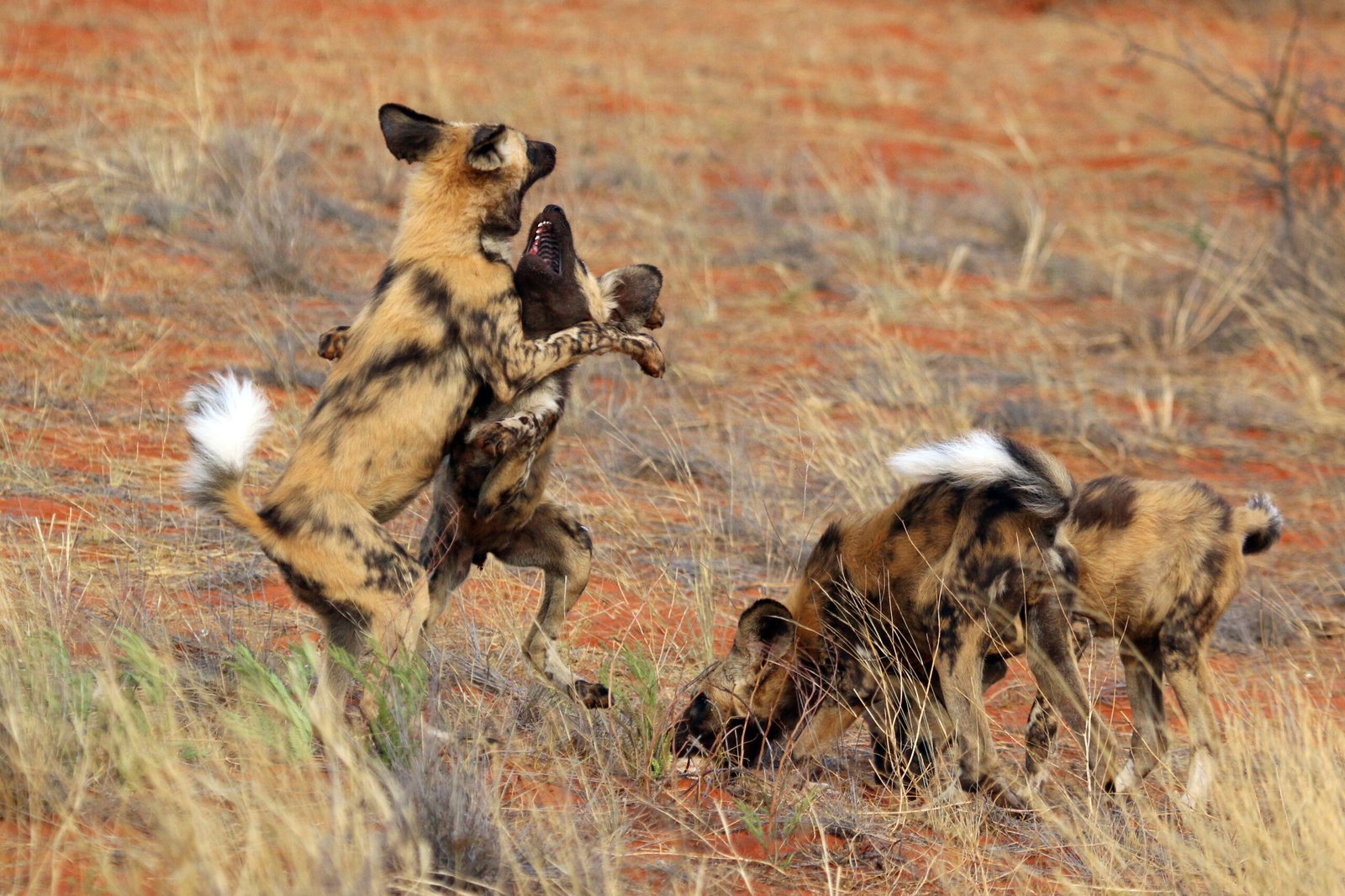
Speed isn’t just about individual ability—it’s also about teamwork. African wild dogs, also known as painted wolves, are some of the most successful hunters in the world thanks to their stamina and cooperation. While not the fastest sprinters, these dogs can maintain speeds of around 37 miles per hour for several miles, chasing prey until it exhausts. Their coordinated pack strategies are like a well-oiled pit crew, synchronizing to outsmart and outlast much faster animals.
Orcas: Fast and Fierce Marine Predators
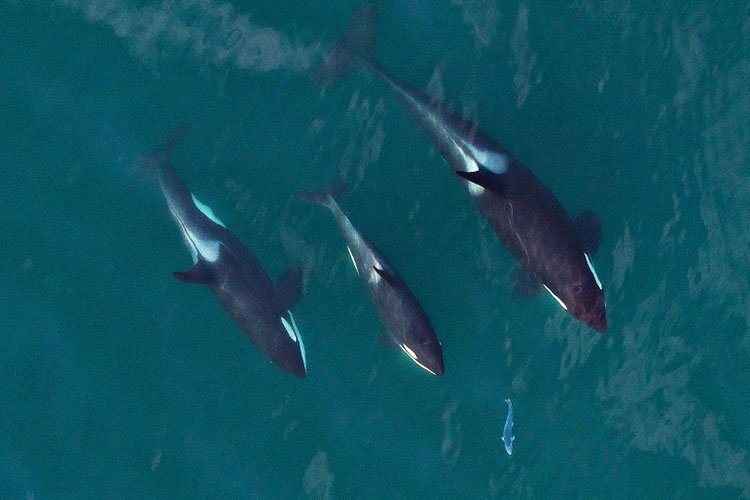
Killer whales, or orcas, are among the fastest marine mammals, reaching speeds of up to 35 miles per hour. Their muscular bodies and large, paddle-like flippers give them explosive acceleration when pursuing seals, dolphins, or even whales. Orcas hunt in pods, using complex strategies to corner and capture their prey. Their blend of speed, power, and intelligence makes them the undisputed champions of the sea.
Ostriches: The Swift Giants of the Savannah
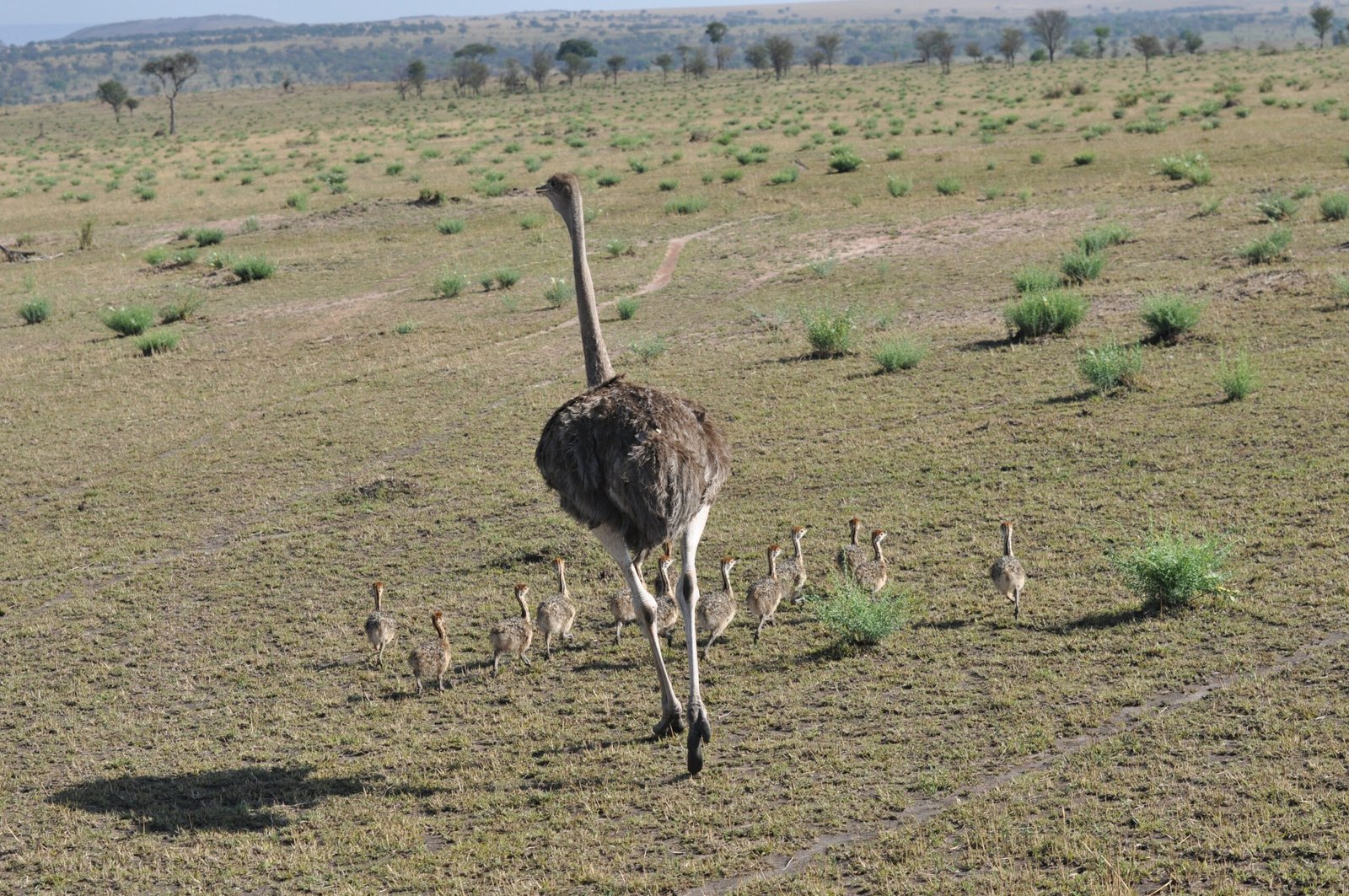
Ostriches are the world’s fastest-running birds, able to sprint at 45 miles per hour and maintain 30 miles per hour over longer distances. With their long, powerful legs and two-toed feet, ostriches cover huge ground with each stride. Their large eyes spot danger from afar, giving them a head start against predators. In a race with many mammals, an ostrich would be the surprise winner—a giant bird built for speed.
Gazelles: Zigzagging for Survival

Thomson’s gazelles are masters of the quick getaway. Though they can sprint up to 50 miles per hour, it’s their ability to zigzag rapidly that helps them evade predators. Their lightweight frames and elastic tendons act like shock absorbers, letting them change direction in a heartbeat. This erratic running style is a high-stakes dance, where every twist and turn can mean the difference between life and death.
Bluefin Tuna: Relentless Ocean Sprinters
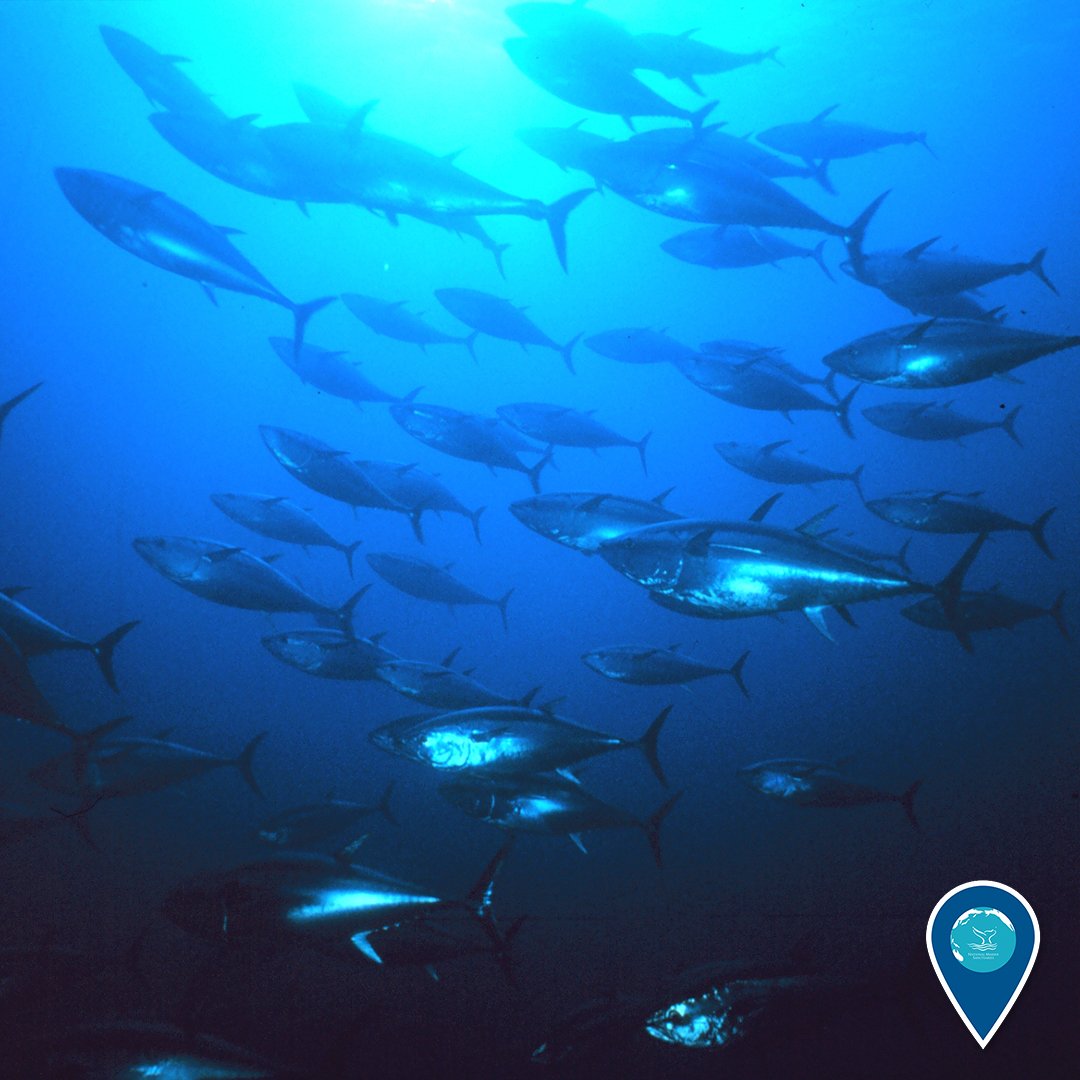
Bluefin tuna are built for speed and endurance in the open ocean. With streamlined, muscular bodies and a crescent-shaped tail, they can reach speeds of 43 miles per hour. Unlike most fish, bluefin tuna are warm-blooded, which allows their muscles to work efficiently even in cold waters. They’re the long-distance runners of the sea, traveling across entire oceans in search of food.
Kangaroos: Bouncing to Top Speeds
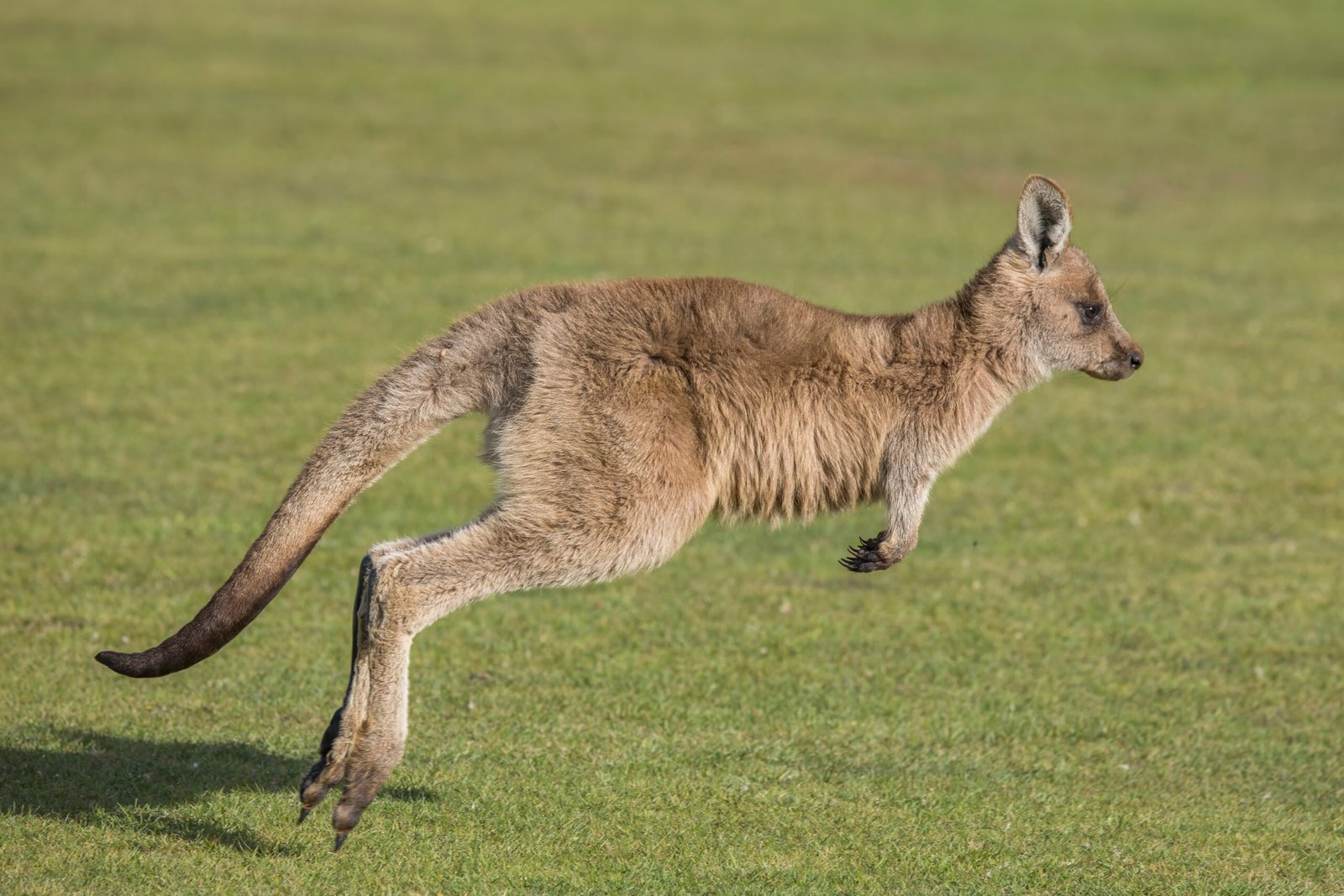
Kangaroos have a unique way of moving—using powerful hind legs and elastic tendons to hop at speeds up to 44 miles per hour. Each leap can cover over 25 feet in a single bound. This energy-efficient hopping allows kangaroos to travel long distances across Australia’s harsh outback, conserving energy while staying ahead of predators. Their movement is a marvel of biomechanical engineering, bouncing along like living pogo sticks.
Houseflies: The Quickest Reflexes in the Air
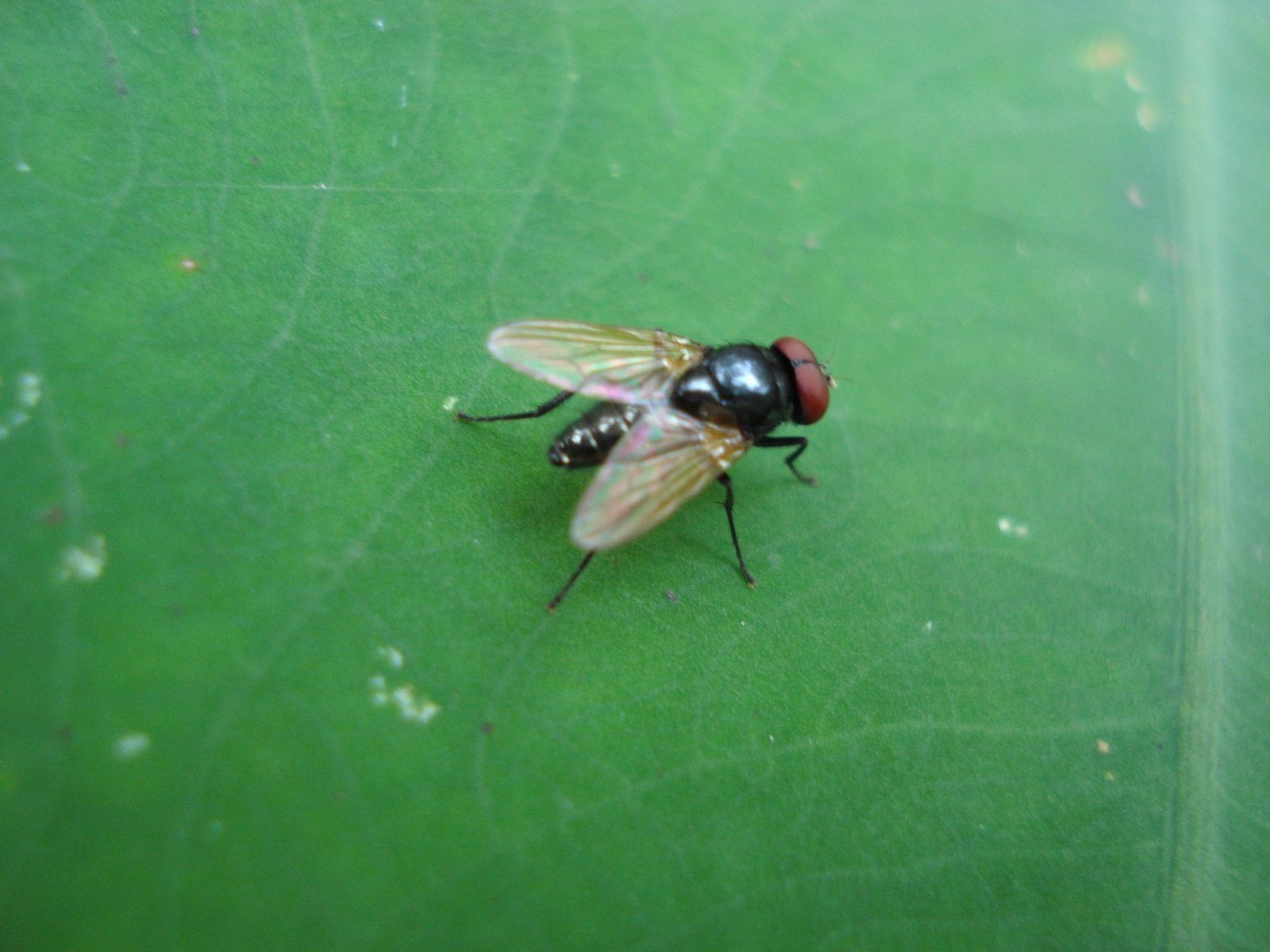
Houseflies may seem like pests, but their reflexes are nearly superhuman. They beat their wings 200 times per second and can change direction almost instantaneously. Their compound eyes detect movement faster than human eyes, allowing them to dodge swats with uncanny precision. While they might not win any beauty contests, flies are masters of quick escapes—nature’s tiny fighter jets.
Antelopes: Sprinting Away from Danger
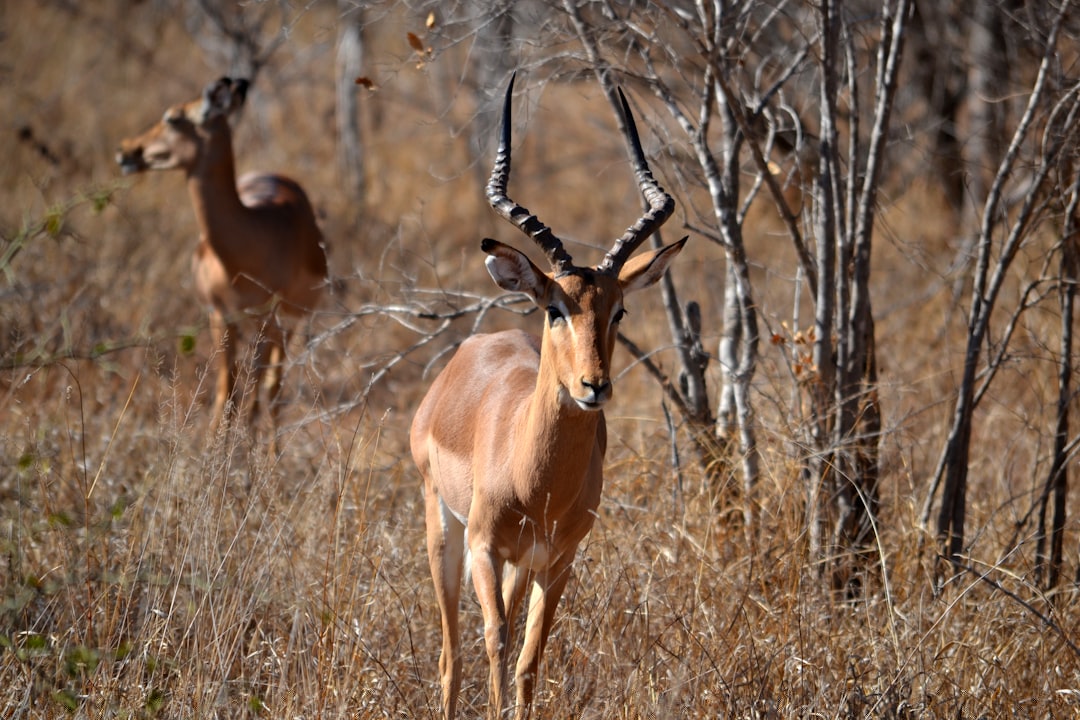
Many species of antelope, like the impala, are equipped for high-speed chases. Impalas can leap up to 10 feet high and 30 feet forward in a single bound, reaching speeds of 50 miles per hour. Their flexible joints and strong muscles provide both speed and agility. It’s a high-stakes game of tag, with predators like lions and leopards always just a step behind.
Froghoppers: Catapult Champions of the Insect World
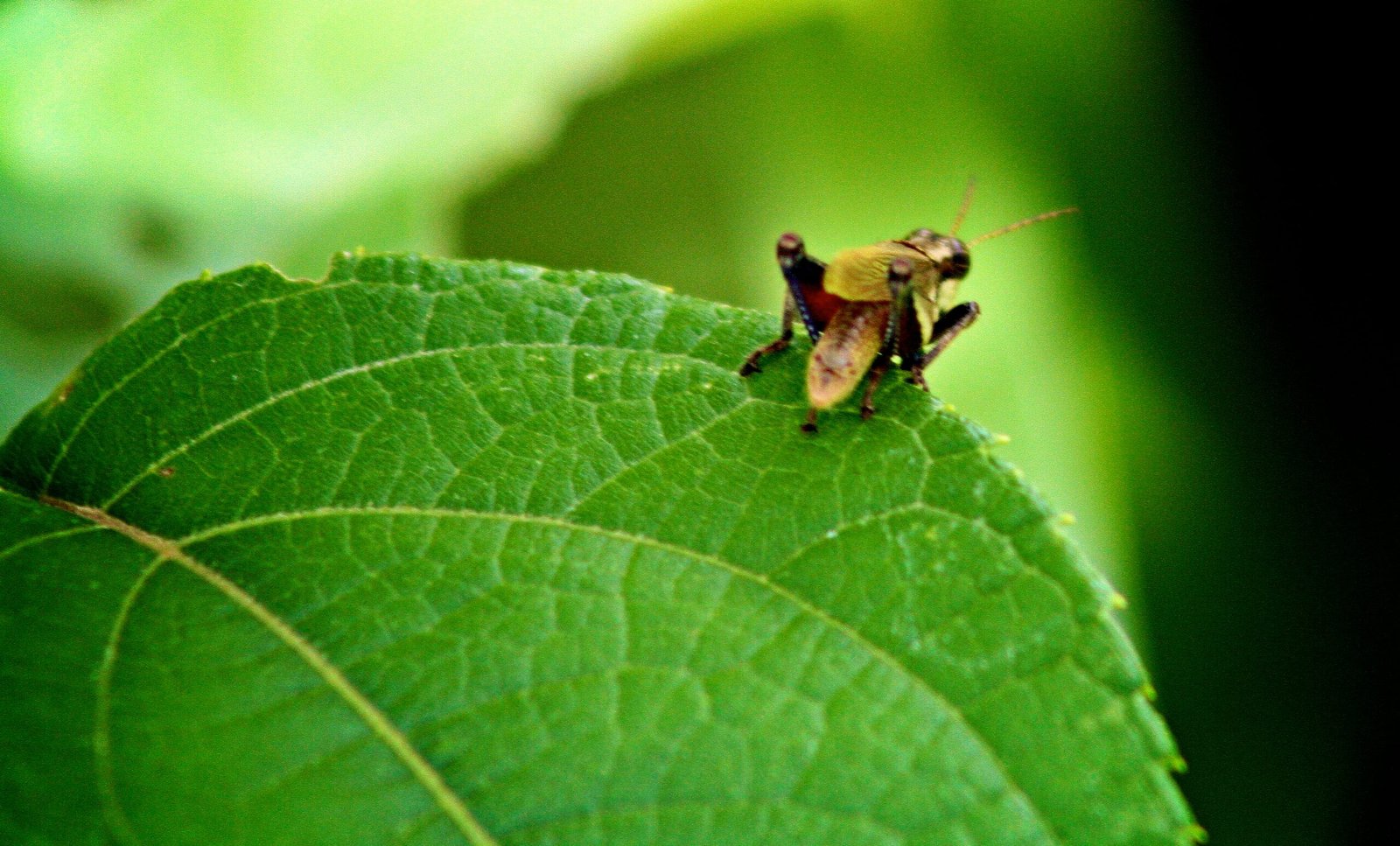
Froghoppers, also known as spittlebugs, are some of the best jumpers in the animal kingdom. They can leap over 100 times their own body length in a fraction of a second. Their powerful legs store energy like compressed springs, releasing it all at once to launch them into the air. This rapid movement is a vital escape strategy from hungry predators—a tiny version of a slingshot car at the starting line.
Salmon: Battling Currents with Pure Force
Chasing speed isn’t always about running or flying—it can mean fighting against raging currents. Salmon are famous for their upstream journeys, leaping over waterfalls to reach their breeding grounds. Their muscular bodies and powerful tails generate bursts of speed to propel them through water and over obstacles. It’s an endurance race with life-or-death stakes, pitting wild determination against the raw force of nature.
Roadrunners: Fast Feet on Desert Ground
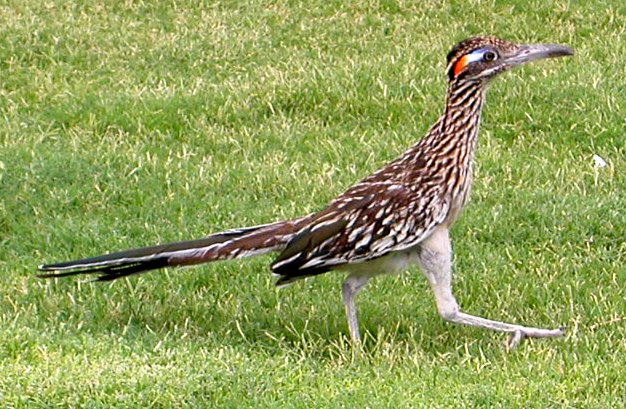
Roadrunners, famous from cartoons but very real, can sprint up to 20 miles per hour across the desert. Their long legs and aerodynamic bodies help them chase down insects, lizards, and even small snakes. Roadrunners’ bursts of speed let them escape predators and catch prey in the harshest environments. They’re nature’s desert drag racers—small but fierce, always ready for a quick getaway.
Nature’s Grand Prix: Evolution’s Endless Race

Every animal in the wild is part of an endless race—not just for speed, but for survival. From the cheetah’s explosive sprint to the dragonfly’s aerial ballet, nature engineers speed with breathtaking creativity and precision. Evolution tinkers, tests, and tunes every muscle, feather, and fin, giving rise to the world’s most astonishing racers. The next time you watch a car race, remember: nature’s pit crews have been at work for millions of years, crafting athletes whose speed and agility would leave even the fastest machines in the dust. What wild racer has surprised you the most?