


Highways stretch like veins across the United States, bustling with life but often posing a threat to the very wildlife they bisect. As cars speed along these asphalt rivers, many animals find themselves caught in a deadly dance, trying to cross paths that were once theirs. Yet, amidst this chaos, a beacon of hope emerges in the form of innovative wildlife crossings. These structures are not just bridges; they are lifelines that reconnect fragmented habitats, allowing creatures of all sizes to traverse safely.
The Problem of Fragmented Habitats
Highways and roads have long been a symbol of progress, connecting cities and towns and facilitating human mobility. However, for wildlife, these roads often represent insurmountable barriers. As habitats become fragmented, animal populations are isolated, leading to inbreeding and a decrease in genetic diversity. Imagine a neighborhood suddenly divided by a wall; residents on either side can no longer interact, leading to a slow, inevitable decline. This analogy mirrors the plight of many animal species, where highways act as the dividing wall, severing ecosystems and communities.
Understanding Wildlife Crossings
Wildlife crossings are specially designed structures that allow animals to safely navigate across roads and highways. These can include overpasses, underpasses, and tunnels, each tailored to suit the habitat and species it serves. Picture a bridge, not for cars, but for deer, bears, and even tiny amphibians. These crossings are meticulously planned, taking into account the behavior and needs of local wildlife. By providing a safe passage, they help reduce the number of vehicle-animal collisions and maintain ecological connectivity.
The Rise of Innovative Designs
Innovation in wildlife crossing design is rapidly evolving, incorporating technology and ecological insights. Some crossings are equipped with motion sensors and cameras to monitor animal movement and effectiveness. Others use natural elements like vegetation to blend seamlessly with the environment. One remarkable example is the wildlife bridge over Utah’s Interstate 80, which is designed with native plants and materials to make it more inviting for animals. These advancements not only enhance safety but also enrich the habitats they aim to protect.
Real-World Examples of Success
Across the United States, several wildlife crossings stand as testaments to their success. In Florida, the Paynes Prairie Overpass allows alligators and other native species to cross safely. Meanwhile, California’s Liberty Canyon Wildlife Crossing is set to become the largest of its kind, providing a critical link for mountain lions in the Santa Monica Mountains. These projects have led to a significant reduction in roadkill and have rejuvenated local ecosystems, proving that these crossings are more than just a novelty; they are a necessity.
Scientific Insights and Research
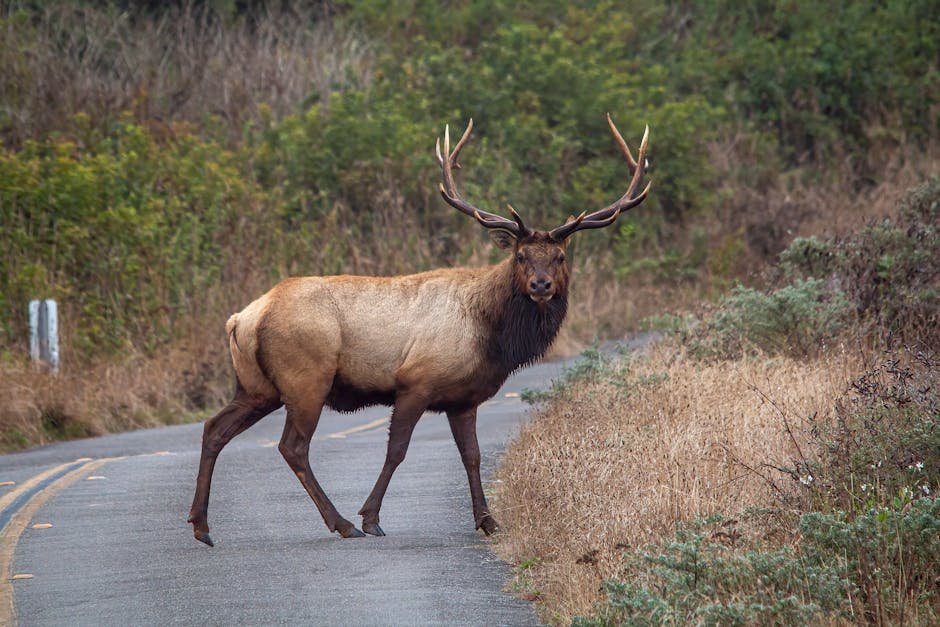
Scientific research plays a crucial role in the design and implementation of wildlife crossings. Studies have shown that these structures can reduce wildlife-vehicle collisions by over 90%. Researchers use tracking collars and camera traps to gather data on animal movements and behaviors, ensuring that crossings are placed in optimal locations. This data-driven approach not only maximizes the effectiveness of the crossings but also provides valuable insights into the ecology of the regions they serve.
Community and Economic Benefits
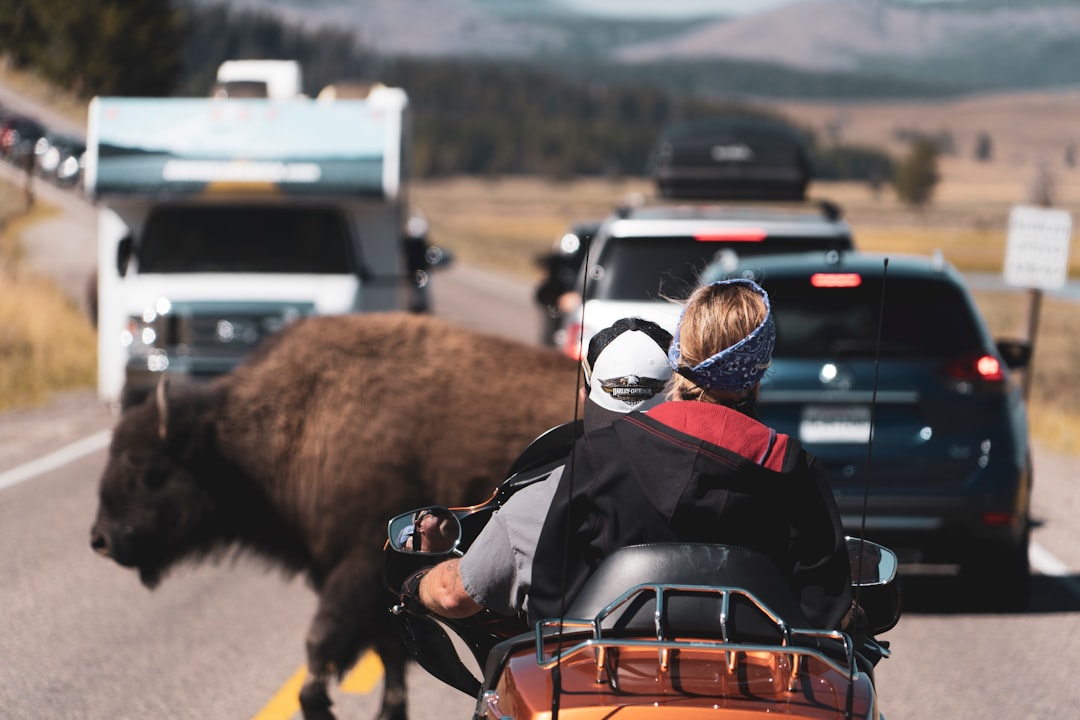
Beyond environmental benefits, wildlife crossings offer significant advantages to local communities and economies. By reducing collisions, these structures decrease insurance claims and road maintenance costs. They also promote ecotourism by preserving natural habitats and attracting wildlife enthusiasts. Imagine a scenic highway where travelers can safely observe diverse species from a distance, enriching their journey and fostering a deeper appreciation for nature.
Challenges and Considerations
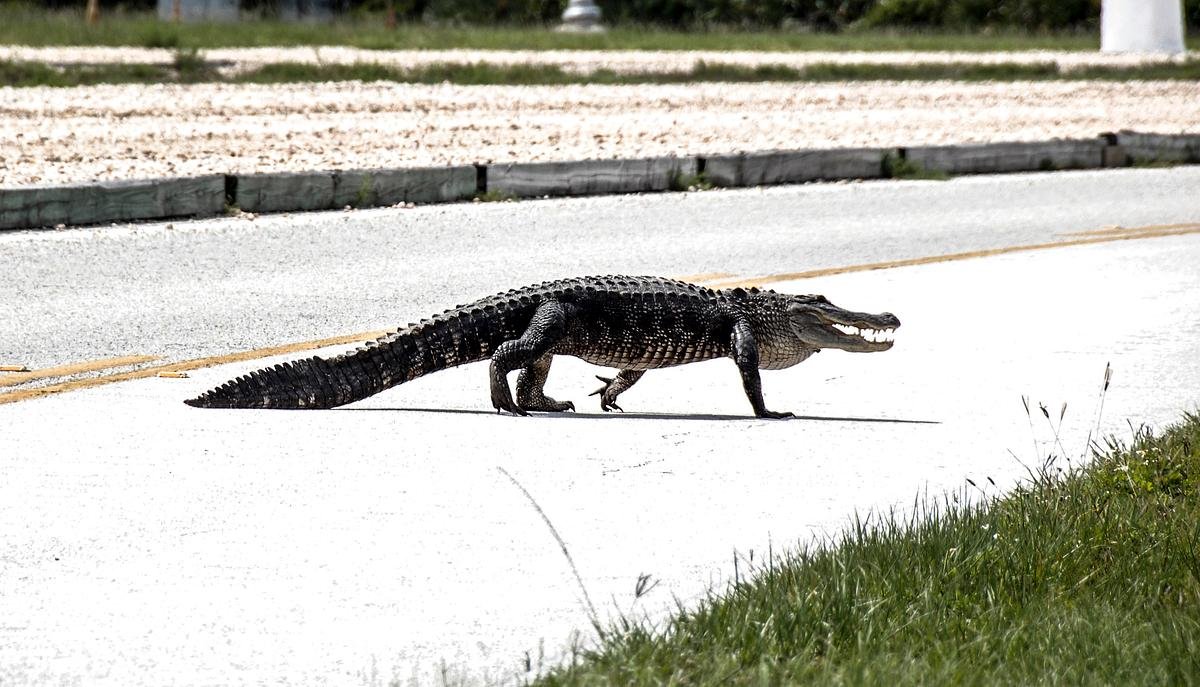
Despite their benefits, wildlife crossings face several challenges, including funding and public support. Building these structures requires significant investment and collaboration between government agencies, conservationists, and local communities. There is also a need for continuous monitoring and maintenance to ensure their long-term effectiveness. Addressing these challenges requires a collective effort and a commitment to prioritizing ecological health alongside human development.
Innovative Materials and Technologies
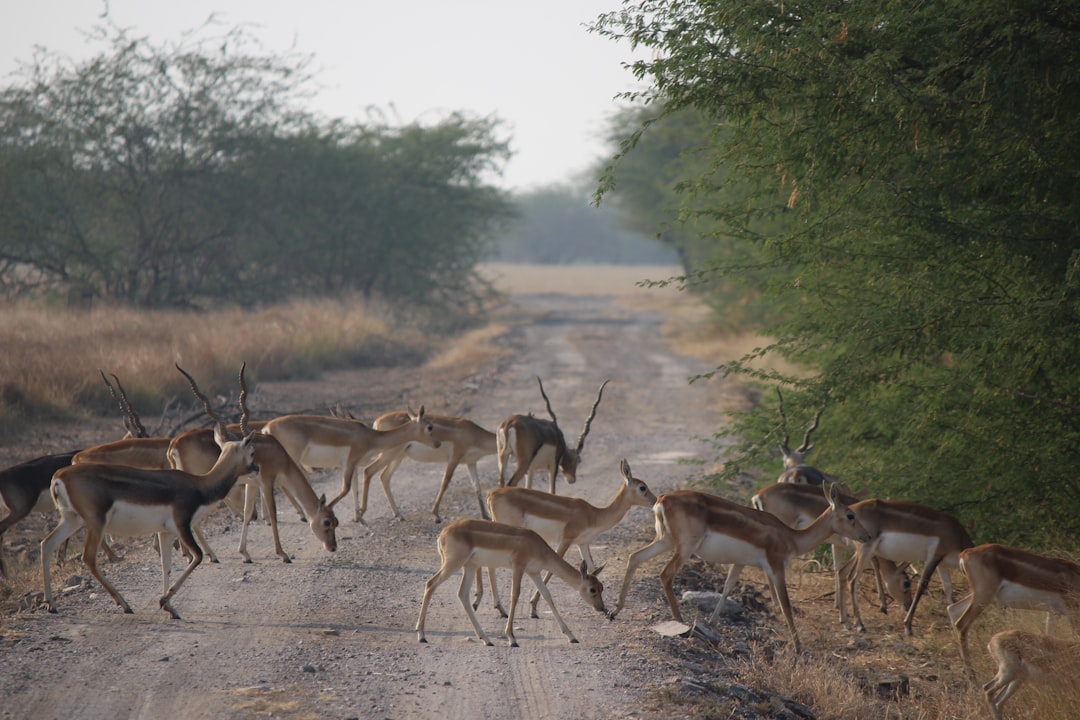
The use of innovative materials and technologies is transforming the construction and functionality of wildlife crossings. Eco-friendly materials like recycled plastics and sustainable concrete are gaining popularity. Additionally, smart technology, such as sensors and automated gates, enhances the adaptability of these structures, ensuring they cater to the dynamic needs of wildlife. These advancements not only improve efficiency but also align with broader sustainability goals.
The Role of Public Awareness and Education
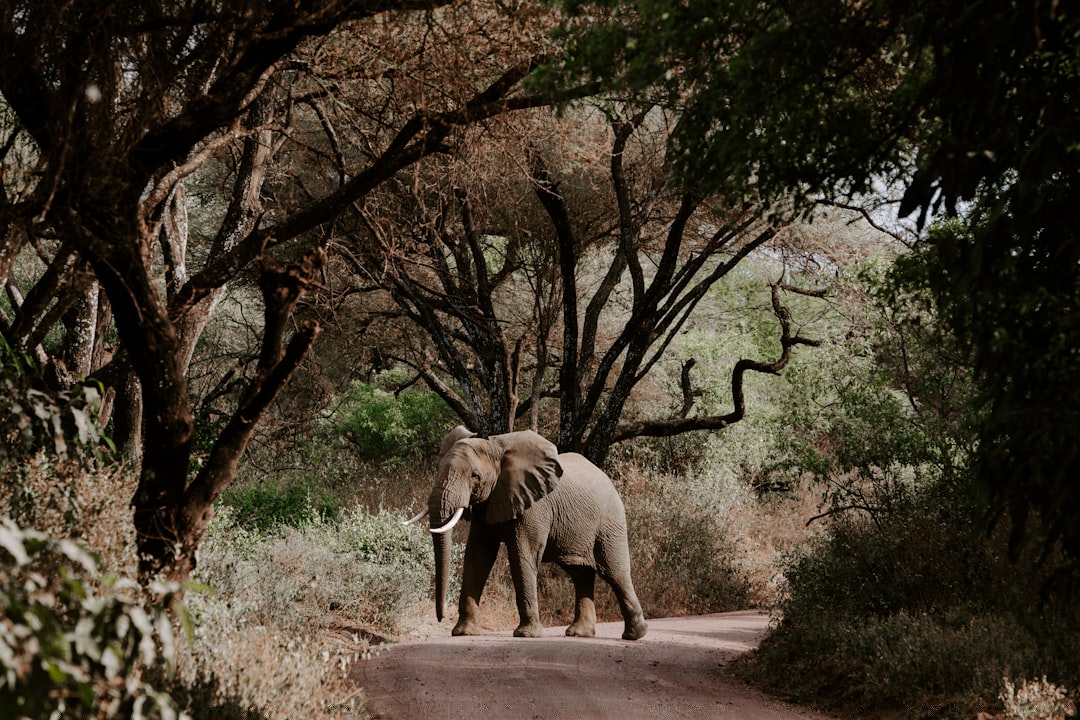
Public awareness and education are vital in garnering support for wildlife crossings. Campaigns that highlight the benefits of these structures, such as reduced accidents and preserved biodiversity, help shift public perception. Schools and community groups can play a role in educating younger generations about the importance of coexistence with nature. By fostering a culture of conservation, society can embrace these crossings as essential components of a sustainable future.
A Vision for the Future
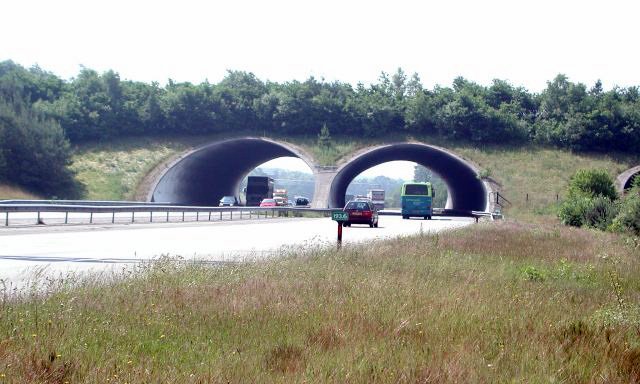
The future of wildlife crossings is bright, with numerous projects underway across the country. As technology advances and ecological understanding deepens, these structures will become even more effective and widespread. The vision is for a network of crossings that seamlessly integrates with the natural landscape, allowing wildlife to thrive alongside human development. This harmonious coexistence is achievable, but it requires continued innovation, investment, and a shared commitment to protecting our planet’s biodiversity.


