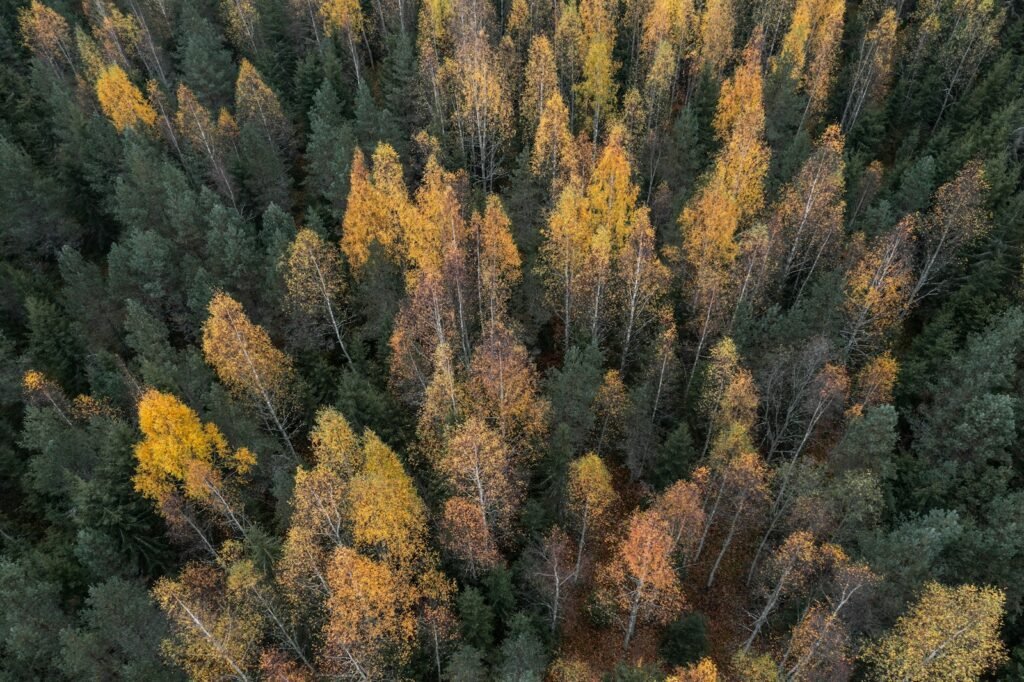

Imagine a vast, lush landscape stretching as far as the eye can see, teeming with life and echoing with the whispers of ancient trees. This is Canada’s Boreal Forest, a precious natural treasure that plays a crucial role in the earth’s ecological balance. Yet, as climate change and industrial activities loom as threats, a beacon of hope emerges in the form of Indigenous-led conservation efforts. These efforts are not just about preserving trees; they signify a profound connection to the land and an understanding of its rhythms that have been passed down through generations.
The Importance of Canada’s Boreal Forest

Canada’s Boreal Forest is a sprawling expanse of greenery, covering nearly 60% of the country’s land area. It acts as a vital carbon sink, absorbing large amounts of carbon dioxide and helping to mitigate climate change. Besides its environmental significance, the forest is home to a rich tapestry of biodiversity, including iconic species like moose, caribou, and countless bird species. The Boreal Forest is not only a haven for wildlife but also a source of fresh water, as it houses numerous rivers and lakes. Its ecological importance is matched by its cultural and historical significance, particularly for Indigenous communities who have relied on its resources for sustenance and spiritual guidance for millennia.
Indigenous Knowledge: A Guiding Light
Indigenous communities possess a deep, intrinsic understanding of the Boreal Forest, cultivated through centuries of living in harmony with nature. This traditional knowledge is a vital asset in conservation efforts, offering insights into sustainable practices that modern science is only beginning to understand. Indigenous peoples have developed strategies that promote biodiversity and forest health, such as controlled burning and selective harvesting. These methods help maintain ecological balance and prevent large-scale forest fires. The wisdom embedded in Indigenous practices is a testament to the symbiotic relationship between humans and nature, reminding us of the importance of respecting and learning from these age-old traditions.
A Collaborative Approach

Indigenous-led conservation initiatives are not isolated efforts; they are a collaborative endeavor involving multiple stakeholders. Governments, non-profit organizations, and local communities work hand in hand with Indigenous groups to protect the Boreal Forest. This collaboration is crucial in creating effective conservation strategies that address both ecological and cultural needs. By incorporating Indigenous perspectives into policy-making, these initiatives ensure that conservation efforts are holistic and inclusive. The success of such partnerships can serve as a model for other regions worldwide, demonstrating the power of unity and mutual respect in tackling environmental challenges.
Challenges and Threats
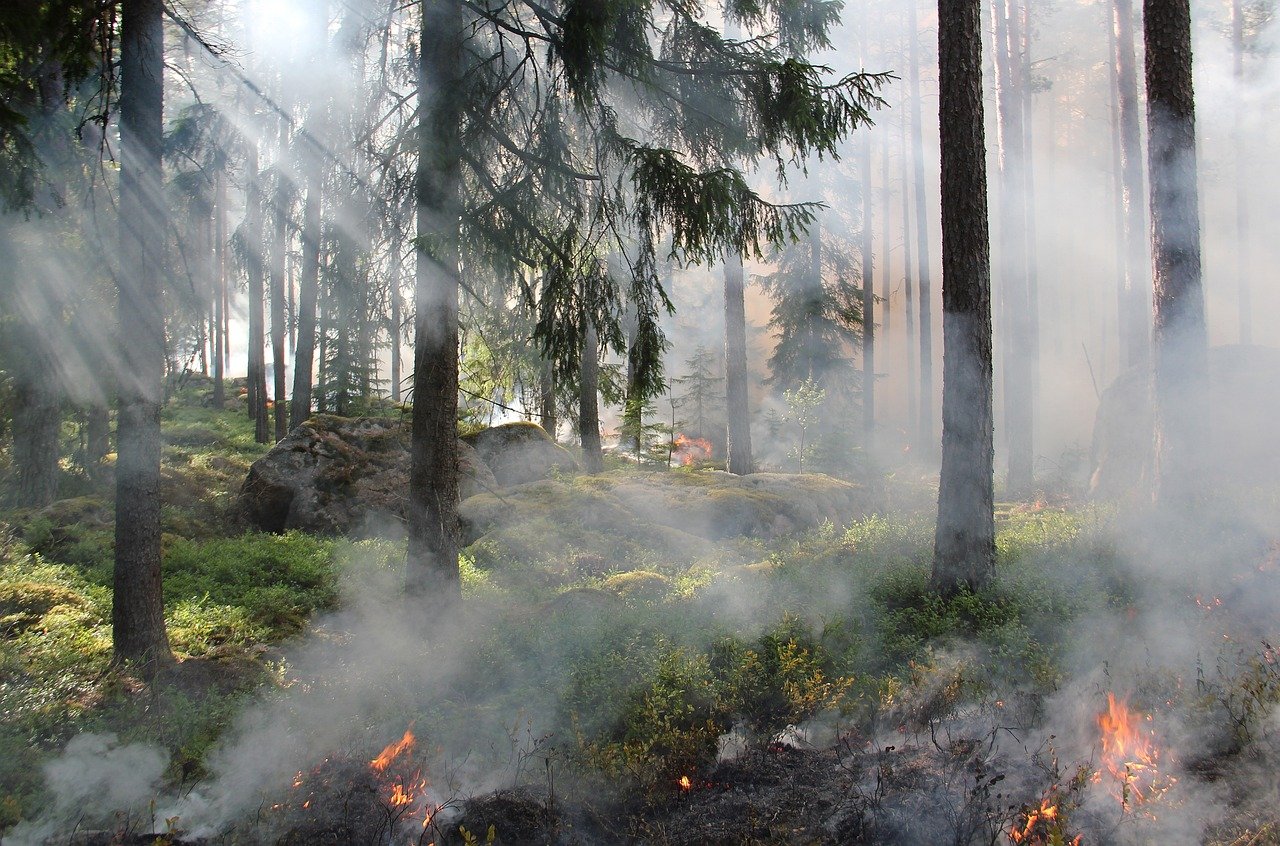
Despite the positive strides made in Indigenous-led conservation, numerous challenges threaten the Boreal Forest. Industrial activities like logging, mining, and oil extraction pose significant risks, leading to habitat destruction and pollution. Climate change exacerbates these threats, altering weather patterns and increasing the frequency of forest fires. These challenges underscore the need for robust conservation strategies that prioritize the forest’s long-term health. Addressing these threats requires a concerted effort from all sectors of society, emphasizing the importance of sustainable development and responsible resource management.
Success Stories: Protecting the Land
Across Canada, several Indigenous-led initiatives have achieved remarkable success in conserving the Boreal Forest. For example, the Great Bear Rainforest Agreement, a groundbreaking collaboration between Indigenous groups, the government, and environmental organizations, has resulted in the protection of over 6.4 million hectares of forest. This agreement highlights the effectiveness of Indigenous stewardship in safeguarding natural resources. Another inspiring example is the establishment of Indigenous Protected and Conserved Areas (IPCAs), which empower Indigenous communities to manage and protect their traditional lands. These success stories demonstrate the potential of Indigenous-led conservation to create lasting positive change.
The Role of Science and Technology

In the realm of conservation, science and technology play a pivotal role in supporting Indigenous-led efforts. Remote sensing technologies, such as satellite imagery and drones, enable the monitoring of vast forested areas, providing valuable data on forest health and changes over time. This information aids in making informed decisions and identifying areas that require immediate attention. Additionally, scientific research helps validate traditional knowledge, fostering a deeper understanding of the forest ecosystem. By integrating scientific insights with Indigenous wisdom, conservation strategies can be more effective and adaptive to changing environmental conditions.
Empowering Indigenous Communities

At the heart of Indigenous-led conservation is the empowerment of Indigenous communities. Recognizing and respecting their rights to land and resources is essential for effective conservation. Empowerment comes in many forms, including legal recognition of land rights, capacity-building initiatives, and financial support for community-led projects. When Indigenous peoples are given the tools and authority to manage their lands, they become stewards of their environment, ensuring its protection for future generations. This empowerment is a crucial step towards reconciliation and healing, acknowledging the value of Indigenous contributions to environmental stewardship.
Education and Awareness
Raising awareness about the importance of Indigenous-led conservation is key to garnering support and understanding from the broader public. Education initiatives, such as workshops, storytelling, and cultural exchanges, help bridge the gap between Indigenous and non-Indigenous communities. By sharing their knowledge and experiences, Indigenous peoples can foster a greater appreciation for the Boreal Forest and the need to protect it. These educational efforts also inspire a new generation of conservationists who are committed to preserving the planet’s natural heritage.
The Global Significance

The impact of Indigenous-led conservation efforts in Canada’s Boreal Forest extends beyond national borders. As climate change and environmental degradation threaten ecosystems worldwide, the lessons learned from these initiatives offer valuable insights for global conservation efforts. The Boreal Forest serves as a critical resource for the planet, influencing weather patterns, supporting biodiversity, and regulating the climate. By prioritizing Indigenous-led conservation, we contribute to a healthier and more sustainable future for all. The global community stands to benefit from embracing Indigenous knowledge and practices, recognizing their potential to address pressing environmental challenges.
A Call to Action

As the stewards of Canada’s Boreal Forest, Indigenous communities are leading the charge in preserving this invaluable ecosystem. Their efforts remind us of the interconnectedness of all life and the responsibility we share in protecting our planet. Supporting Indigenous-led conservation is not just an environmental imperative; it is a moral obligation to honor and respect the wisdom of those who have cared for the land for generations. By standing together, we can ensure a future where the Boreal Forest thrives, providing a sanctuary for wildlife and a source of inspiration for humanity.