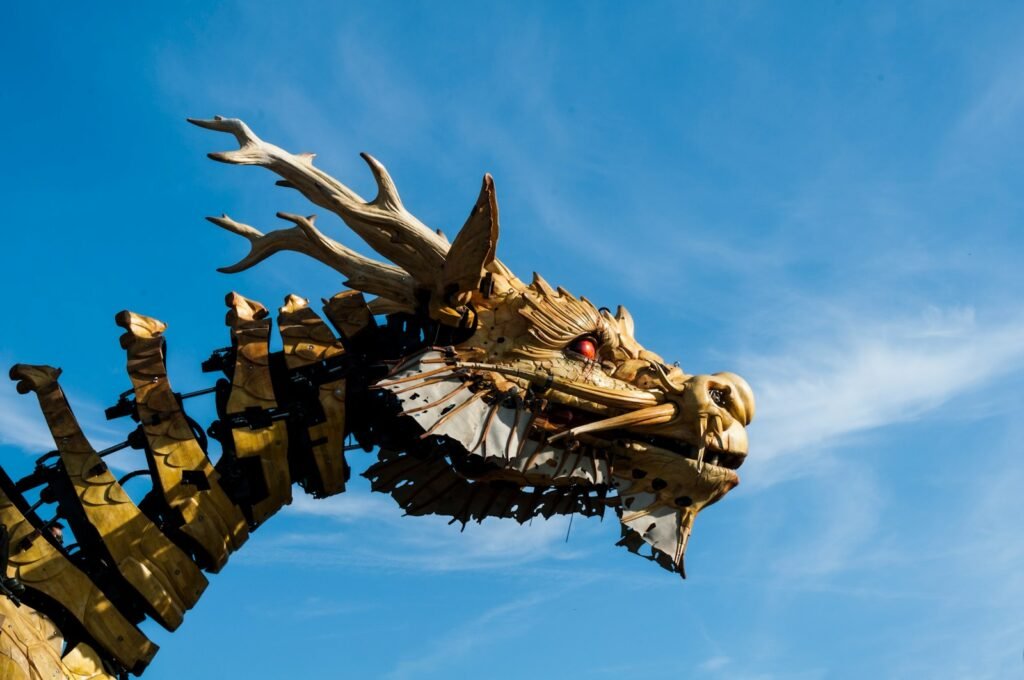

In the vast realms of Dungeons & Dragons, heroes and monsters share the stage—each with unique powers, instincts, and destinies. But what if the rules of fantasy applied to the natural world? What if the wolf was a rogue, the elephant a paladin, and the octopus a sorcerer? Scientists are beginning to recognize that animals exhibit behaviors strikingly similar to the archetypes of the world’s most beloved role-playing game. From strategic planning and empathy to shape-shifting and deception, the wild might just be the ultimate D&D campaign in progress—and every creature, knowingly or not, is playing its class.
The Hidden Clues
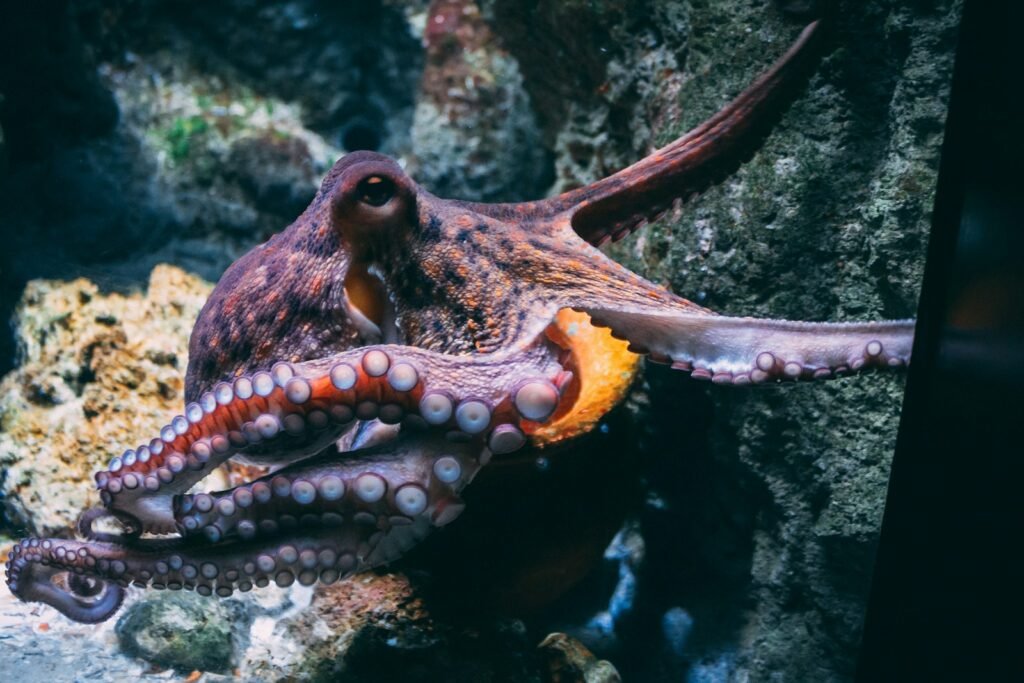
In nature, animals often reveal surprising parallels to fantasy archetypes—not by wielding swords or spells, but through evolution’s own playbook. Take the octopus, for instance, whose camouflage abilities and puzzle-solving intellect make it the quintessential illusionist. These cephalopods have been known to unscrew jar lids, mimic other species, and even use discarded coconut shells as armor—a level of improvisation reminiscent of a wizard mid-battle.
Meanwhile, the elephant’s intricate social structure and deep empathy evoke a noble paladin—protecting its herd, mourning its dead, and demonstrating behaviors that challenge our understanding of animal consciousness. Wolves, with their coordinated hunting tactics and hierarchical packs, embody the rogue: cunning, loyal, and ruthlessly efficient. Each species seems to reflect a D&D class—not through fantasy, but through biology.
From Instinct to Intelligence: The Natural Evolution of Strategy
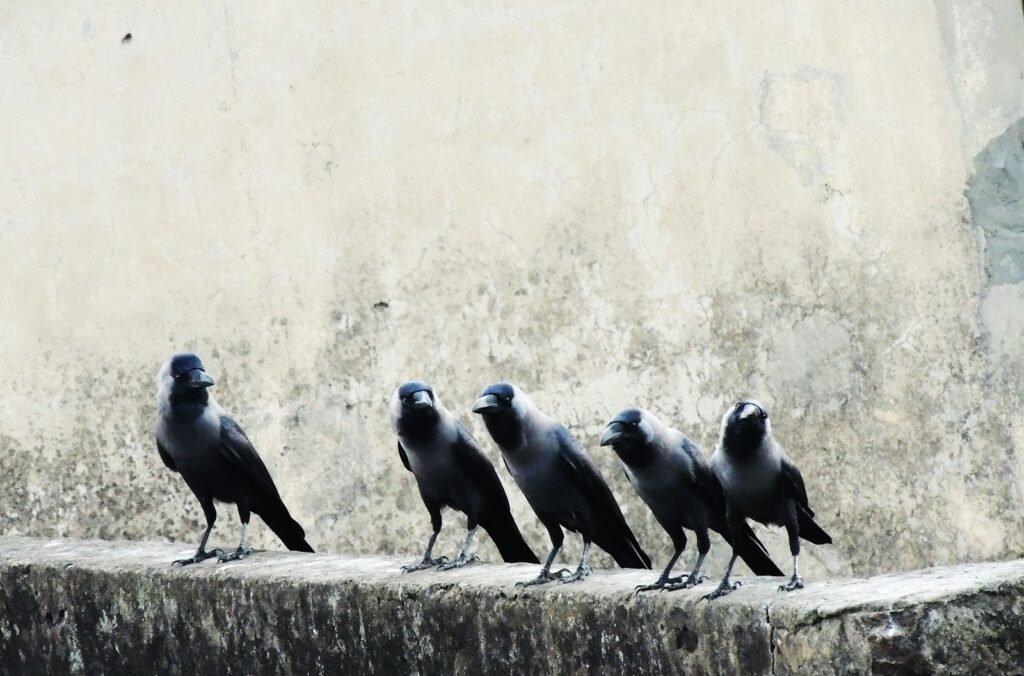
Animals don’t roll dice, but their evolutionary success often hinges on strategy and adaptability. Behavioral ecologists have long observed that problem-solving—once thought exclusive to humans—is widespread across species. Crows, for example, not only use tools but also design them. In controlled studies, New Caledonian crows bent twigs into hooks to retrieve food from tight spaces—an act requiring foresight and reasoning.
Similarly, dolphins coordinate in complex hunting formations, communicating with whistles and body movements that resemble military maneuvers. Such intelligence suggests that many animals possess a level of tactical awareness that rivals our own. Like D&D adventurers planning an ambush or quest, they analyze risk, allocate energy, and execute precise actions for survival. Evolution, it seems, is the original Dungeon Master—rewarding cleverness, cooperation, and courage with survival.
The Warriors, Rogues, and Mages of the Animal Kingdom
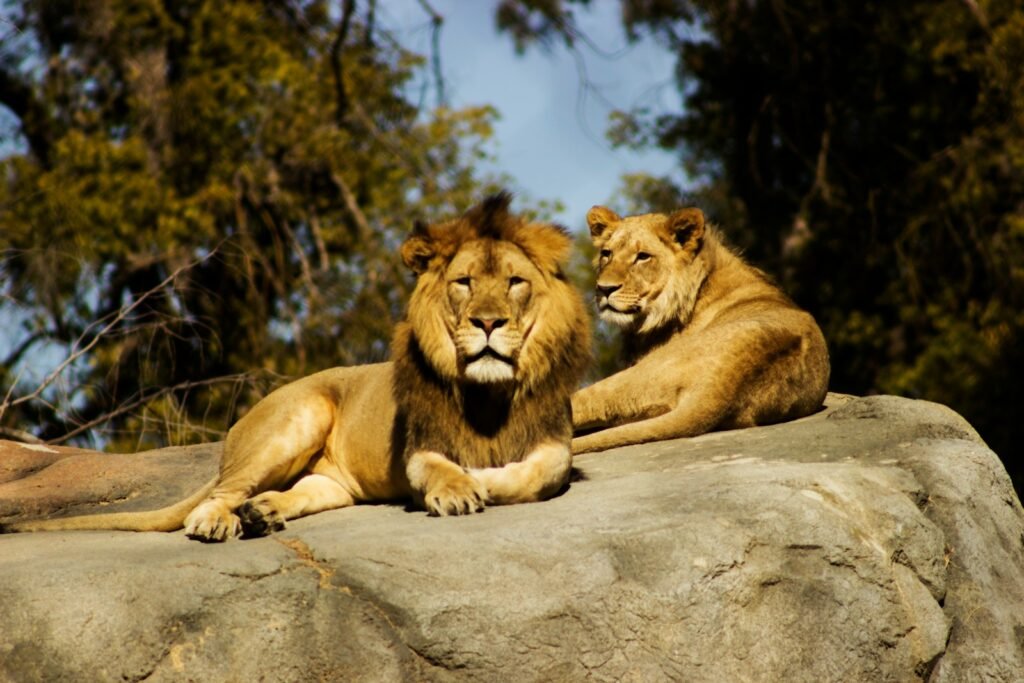
Scientists often classify animals by taxonomy or habitat—but thinking in terms of fantasy archetypes offers a new perspective on ecological roles.
- Warriors: Lions, tigers, and crocodiles—dominant predators that rely on strength and endurance to maintain their rule.
- Rogues: Foxes, raccoons, and crows—tricksters who thrive on stealth, adaptability, and resourcefulness.
- Mages: Octopuses, cuttlefish, and electric eels—masters of illusion, transformation, and energy manipulation.
- Clerics and Paladins: Elephants, dolphins, and bonobos—empathic protectors that nurture and defend their kin.
- Rangers and Druids: Wolves, bears, and big cats—attuned to nature’s rhythm, balancing aggression with deep territorial awareness.
This lens bridges fantasy and science, encouraging us to see animals not as instinct-driven automatons, but as complex, intelligent beings with their own moral and tactical codes.
Why It Matters
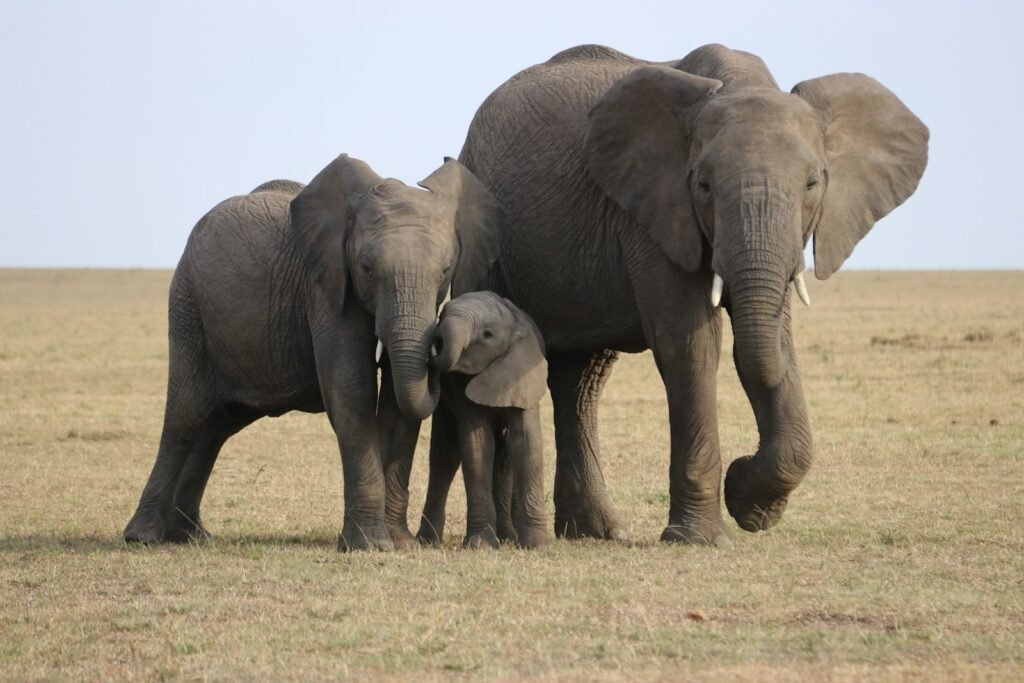
Understanding animals through this metaphor isn’t just imaginative—it reframes how humans interpret intelligence, empathy, and survival. For decades, scientific thought was dominated by the notion of “human exceptionalism”—that consciousness and reasoning were ours alone. Yet recent research reveals strikingly human-like cognition in creatures from bees to elephants.
For example:
- Elephants can recognize themselves in mirrors—a test most species fail.
- Crows remember human faces and can pass that recognition to offspring.
- Octopuses display problem-solving and emotional responses, including curiosity and playfulness.
By viewing animals through D&D-like “classes,” scientists and educators are finding creative ways to communicate these discoveries to the public. It transforms biology into a story of heroes, villains, and moral choices—reminding us that intelligence takes many forms and that evolution, too, has its storytellers.
Global Perspectives: Cultures That Saw It First
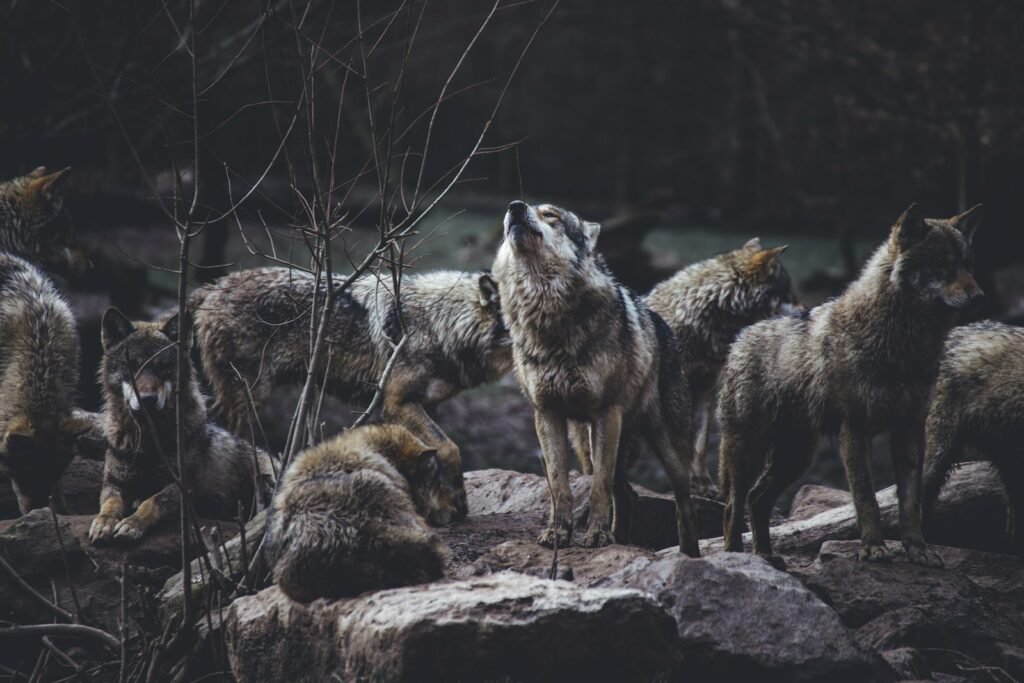
Long before modern science, many indigenous cultures recognized animal intelligence and individuality. Native American folklore honored wolves as wise strategists and ravens as clever messengers. In Hindu mythology, elephants symbolize wisdom and strength—the perfect archetype of a paladin. African and Polynesian legends often celebrate tricksters like the spider Anansi or the octopus Kanaloa—figures whose cunning rivals any D&D rogue or mage.
This cultural continuity underscores a truth that modern biology is only now rediscovering: that animals are not just background characters in Earth’s story. They are protagonists—each embodying a balance of strength, wit, and adaptability. The mythic lens, far from fantasy, aligns with centuries of ecological understanding encoded in storytelling.
The Future Landscape: Science Meets Storytelling
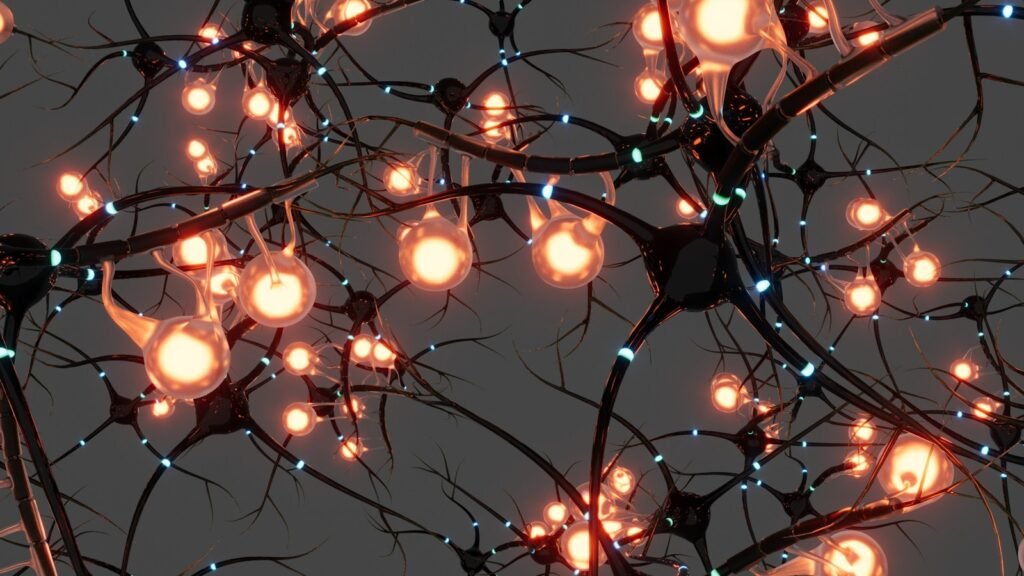
As neuroscience and AI research expand, scientists are increasingly interested in mapping animal cognition in ways that mirror role-based systems. Machine learning models are now used to decode patterns in whale songs, primate communication, and even ant colony logistics. In 2024, a team at the Max Planck Institute developed an AI that predicts octopus movements with 82% accuracy—an early step toward decoding what could be described as the “spells” of marine illusionists.
Future breakthroughs may allow us to understand how animals share knowledge, make decisions, or even experience emotion. Such insights could redefine conservation: no longer a mission to “protect wildlife,” but to respect fellow adventurers in evolution’s grand campaign. The more we decode, the more we realize that every creature—be it mouse or eagle—has its own class, its own purpose, and its own role in nature’s eternal quest for balance.
How You Can Join the Campaign
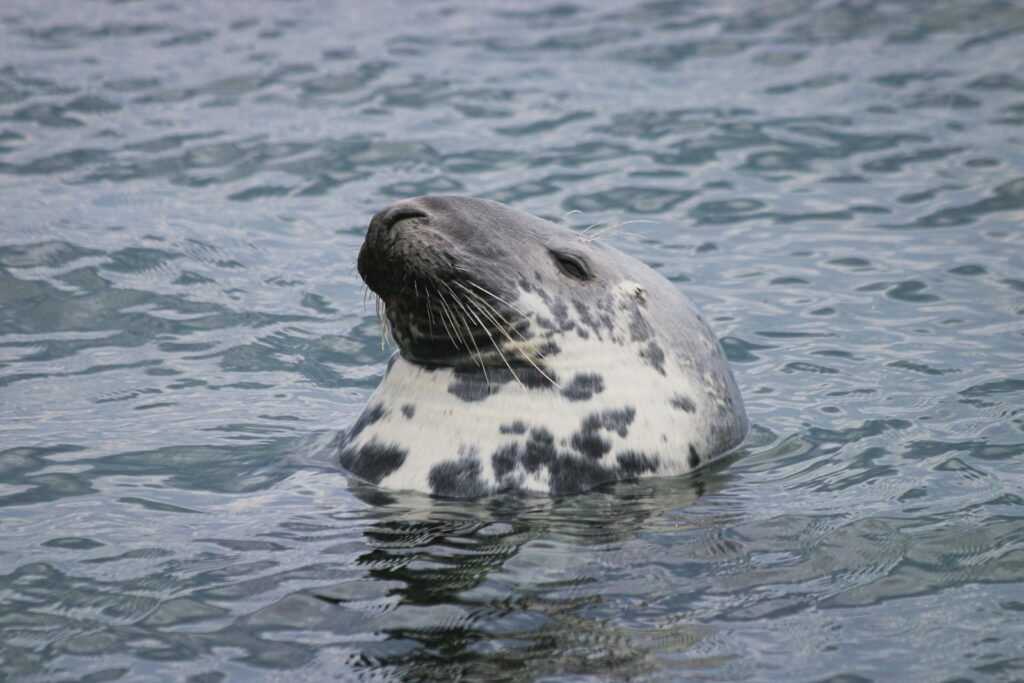
Every adventure needs allies—and humanity’s role in this story is clear. Readers can:
- Support wildlife conservation organizations working to protect endangered “classes” like elephants, wolves, and marine species.
- Reduce plastic and chemical pollution that disrupts ecosystems and threatens animal survival.
- Advocate for ethical science education, where animals are seen as sentient beings, not lab tools.
- Share the wonder—use creative storytelling to inspire others about the hidden intelligence of the natural world.
The next time you watch a fox dart through the shadows or an owl silently scan the night, imagine the dice rolling. Somewhere in the vast wilderness, the next great adventurer is already making their move.
Suhail Ahmed is a passionate digital professional and nature enthusiast with over 8 years of experience in content strategy, SEO, web development, and digital operations. Alongside his freelance journey, Suhail actively contributes to nature and wildlife platforms like Discover Wildlife, where he channels his curiosity for the planet into engaging, educational storytelling.
With a strong background in managing digital ecosystems — from ecommerce stores and WordPress websites to social media and automation — Suhail merges technical precision with creative insight. His content reflects a rare balance: SEO-friendly yet deeply human, data-informed yet emotionally resonant.
Driven by a love for discovery and storytelling, Suhail believes in using digital platforms to amplify causes that matter — especially those protecting Earth’s biodiversity and inspiring sustainable living. Whether he’s managing online projects or crafting wildlife content, his goal remains the same: to inform, inspire, and leave a positive digital footprint.