
You’ve probably heard the phrase before: we’re made of stardust. It sounds poetic, maybe even a little mystical. Yet, it’s one hundred percent scientific fact. Every atom in your body originated from the hearts of ancient stars that exploded billions of years ago. That carbon in your muscles, the calcium in your bones, the iron in your blood? All forged in stellar furnaces.
Here’s the thing though: if we’re literally composed of cosmic material, shouldn’t the cosmos still have some influence over us? It’s not as far-fetched as it sounds. The universe doesn’t just exist around us; it pulses through us in ways we’re only beginning to understand. Let’s be real, the idea that cosmic conditions could still be shaping us feels both fascinating and slightly unsettling.
The Stardust Connection Is Real
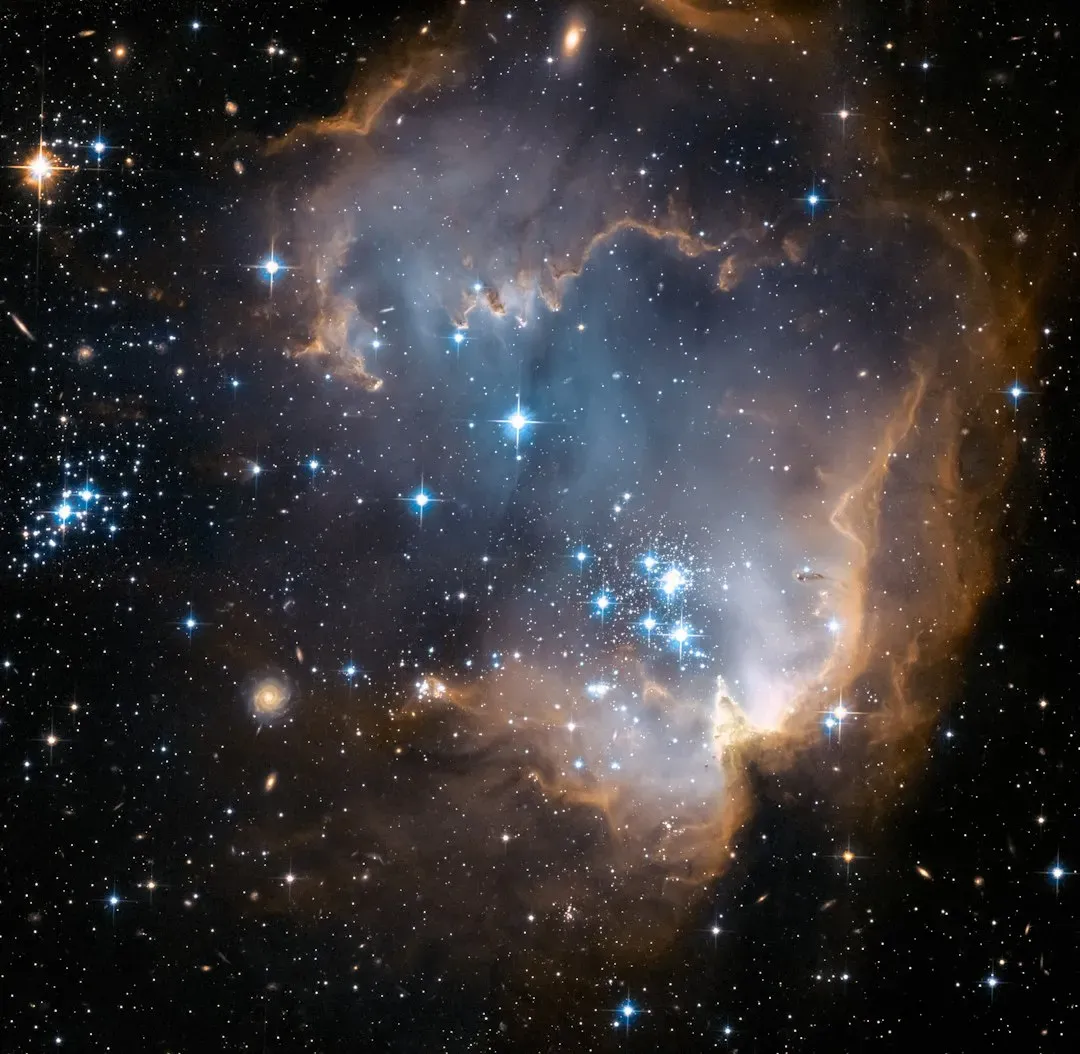
Most of the elements that make up the human body were formed in stars. Think about that for a second. Your DNA, your skin, every breath you take contains atoms that were once inside a dying star.
Stars that go supernova are responsible for creating many of the elements of the periodic table, including those that make up our bodies. When massive stars explode, they scatter these elements across space. Eventually, gravity pulls this material together to form new planets like Earth, and ultimately, living beings like us. Humans and their galaxy have about 97 percent of the same kind of atoms.
So we’re not just inhabitants of the universe. We’re recycled pieces of it. Still, that’s ancient history, right? What about now?
Cosmic Rays Bombard You Every Day
The average annual dose due to cosmic radiation in the United States is 0.34 mSv per year. That might sound negligible, yet these high-energy particles are constantly streaming through your body. Space radiation is made up of three kinds of radiation: particles trapped in the Earth’s magnetic field; particles shot into space during solar flares; and galactic cosmic rays, which are high-energy protons and heavy ions from outside our solar system.
Even though this low radiation dose is unlikely to affect human health for most people at ground level, it’s a different story for astronauts and pilots. The central nervous system is extremely sensitive to cosmic rays, and there are still disputes about how dangerous cosmic rays are to brain health. Interestingly, cosmic rays are relatively safe for the central nervous system functions, and under some irradiation scenarios, cosmic rays enhance cognitive abilities of rodents and nonhuman primates.
The point is, cosmic radiation doesn’t just exist in outer space. It’s here, interacting with your cells constantly, even if the effects are subtle.
Solar Activity Influences Human Biology

Let’s talk about the Sun. There is a large but controversial body of scientific literature on connections between geomagnetic storms and human health, and theories for the cause include the involvement of cryptochrome, melatonin, the pineal gland, and the circadian rhythm. Some research suggests that when the Sun throws a tantrum, we feel it down here.
Magnetic disturbances and storms can lead to an increase in the average daily heart rate, and a decrease in the amplitude of heart rate variability in the low-frequency interval. That means your cardiovascular system might be responding to solar storms in measurable ways. Increased rates of violence, crime, social unrest, revolutions and frequency of terrorist attacks have been linked to the solar cycle, though increased solar activity is also associated with periods of greatest human flourishing with clear spurts of innovation and creativity in architecture, arts, sciences, and positive social change.
Honestly, it sounds wild that solar flares billions of miles away could affect human behavior. Yet the data keeps piling up.
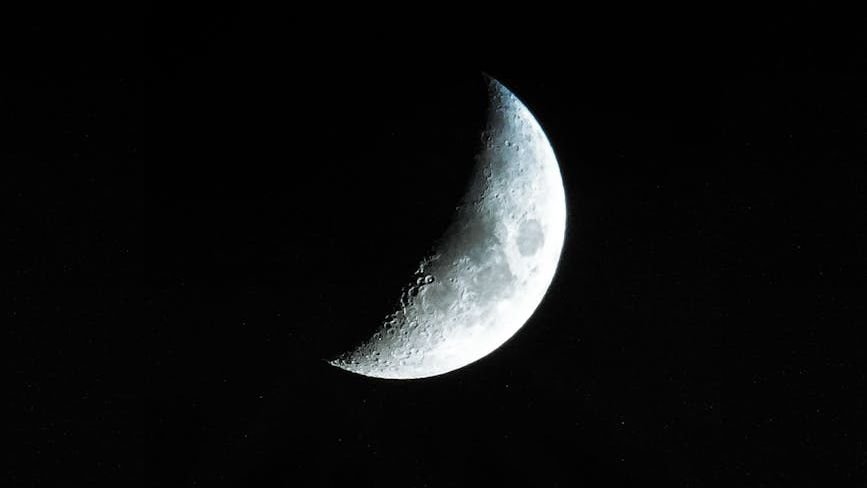
The Moon Subtly Shapes Our Sleep Patterns
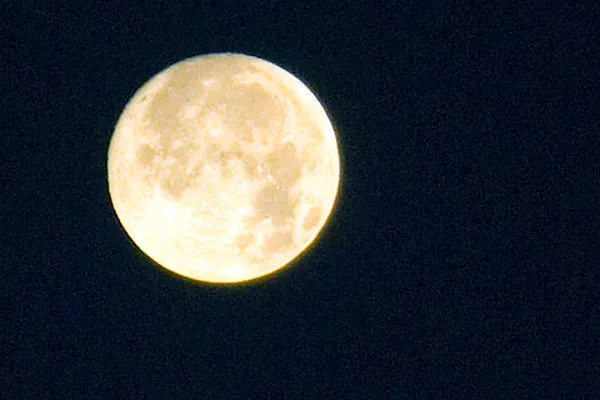
Wrist actimetry shows a clear synchronization of nocturnal sleep timing with the lunar cycle in participants living in environments that range from a rural setting with and without access to electricity to a highly urbanized postindustrial setting in the United States. This isn’t folklore; it’s documented science.
Sleep starts later and is shorter on the nights before the full moon when moonlight is available during the hours following dusk. The effect isn’t huge, but it’s measurable. Accumulated evidence strongly suggests how dim nocturnal light at moonlight intensities might affect circadian entrainment and melatonin secretion in rodents.
Even in cities flooded with artificial light, something about the lunar cycle still reaches through and touches our biology. Maybe it’s the moonlight itself, or maybe other physical phenomena associated with the moon. Either way, we’re not as divorced from celestial rhythms as we’d like to think.
Cosmic Radiation Drives Genetic Mutations
Here’s where things get really interesting. Irradiation from cosmic-ray cascades is thought to drive gene mutation in DNA, an exploratory process that is critical for evolution. Random mutations aren’t entirely random; they might be cosmic events.
Cosmic rays lead to mutations in DNA, which may enable evolution but also can be life threatening. Throughout Earth’s history, cosmic and solar ionizing radiation contributed a fraction of environmental mutagenesis throughout the course of chemical and biological evolution. Scientists have even proposed that the biological handedness we witness now on Earth is due to evolution amidst magnetically polarized radiation, where a tiny difference in the mutation rate may have promoted the evolution of DNA-based life.
If cosmic rays helped shape our DNA over billions of years, they’re still doing it now. Every mutation, good or bad, might owe something to particles that originated light-years away.
Geomagnetic Field Changes Affect Mental Health

The Earth’s magnetic field acts as a shield against most space radiation. When it fluctuates during geomagnetic storms, things get strange. Geomagnetic storms have been linked to mood changes and increased reports of irritability, sadness, and even anxiety.
Weak and moderate geomagnetic storms do not cause significant changes in the brain’s bioelectrical activity and exert only stimulating influence while severe disturbances of geomagnetic conditions cause negative influence, seriously disintegrate brain’s functionality, and activate braking processes. Studies have documented everything from changes in heart rate variability to increased hospital admissions during periods of intense geomagnetic activity.
It’s unsettling to think that invisible magnetic fluctuations could be messing with your mood or brain function. Yet researchers keep finding correlations between space weather and human health that are hard to ignore.
Aging Accelerates Under Space Radiation
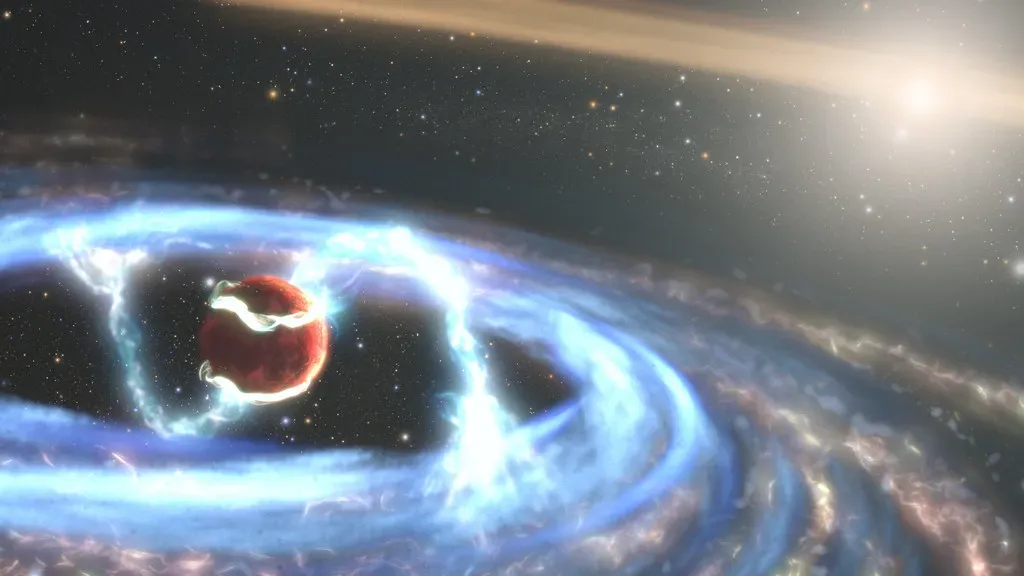
HZE ions trigger in cells different responses initialized by DNA damage and mitochondria dysregulation, which cause a prolonged state of sterile inflammation in the tissues, and these cellular phenomena may explain why spending time in space was found to cause the onset of a series of diseases normally related to aging.
Astronauts exposed to cosmic rays experience aging-like effects faster than people on Earth. Spending time in space causes the onset of diseases normally related to aging, and these changes that mimic aging but take place more quickly make space flights an opportunity to study the mechanisms underlying aging.
This tells us something profound: the cosmic environment we’re shielded from down here plays a role in how biological systems age. Remove that shield, and the clock speeds up.
We’re Still Connected to the Cosmos
So, do cosmic conditions influence us? The evidence suggests yes, in ways both subtle and significant. From the atoms that compose your cells to the radiation that alters your DNA, from the Sun’s magnetic storms that might affect your mood to the Moon’s light that shifts your sleep, you’re not separate from the universe.
We evolved under specific cosmic conditions: a protective magnetosphere, an atmosphere that filters deadly radiation, a stable sun, and rhythmic lunar cycles. Strip any of those away, and we’d struggle to survive. Cyclic solar disturbances can affect human health, possibly by disrupting the circadian rhythm and downstream physiological functions, and severe disruption of the circadian rhythm increases inflammation which can induce fatigue, fever and flu-like symptoms in a fraction of the population.
The universe isn’t just something you observe through a telescope. It’s the environment you’re swimming in, the source material you’re built from, and potentially, the invisible force still shaping who you are. What do you think about it? Does knowing you’re made of cosmic matter change how you see yourself?