Amidst the breathtaking landscapes of Iceland, a silent transformation is occurring. The country’s majestic glaciers, which have stood for thousands of years, are melting at an unprecedented rate. These ancient ice formations are not just natural wonders but critical components of our planet’s climate system. As their futures hang in the balance, scientists are in a race against time to preserve these ice giants and the invaluable information they hold about Earth’s past. This article explores the efforts of researchers working diligently to save Iceland’s glaciers before their stories are lost forever.
Geological Magnificence

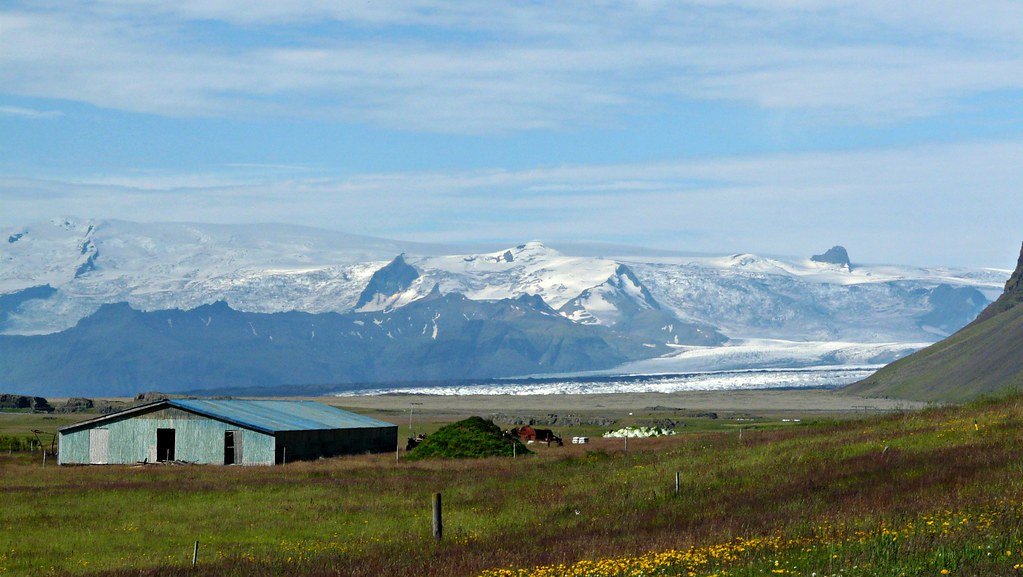
Iceland’s glaciers are a vital part of the island’s geology and ecosystem. Covering about 11% of the country, these glaciers, like Vatnajökull, Europe’s largest, shape the landscape and influence weather patterns. Glaciers also contribute to hydroelectric power, a primary energy source for Iceland, making their preservation crucial for both environmental and economic reasons.
The Role of Glaciers in Climate
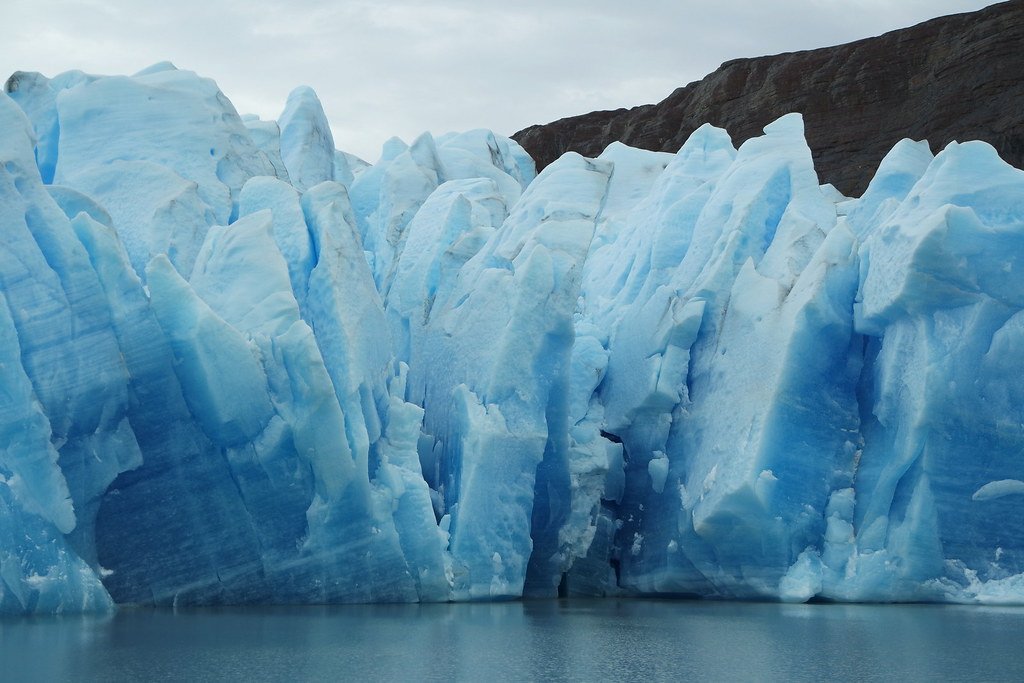
Glaciers act as Earth’s cooling systems. They reflect sunlight, helping regulate temperatures. However, as they melt, they contribute to sea-level rise and exacerbate climate change effects. Understanding this dynamic is critical for scientists to model future climate scenarios and devise mitigation strategies.
Impact of Global Warming

The accelerated melting of Iceland’s glaciers is primarily attributed to global warming. Rising temperatures increase glacier melt rates, leading to a loss of mass that can have significant impacts locally and globally.
Feedback Loops Enhancing Melting
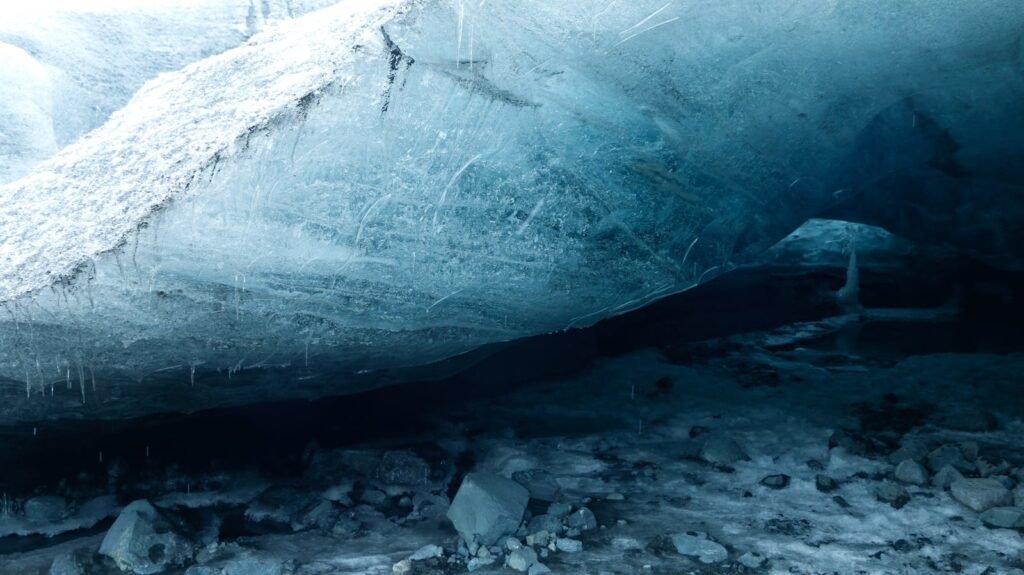
As glaciers melt, they contribute to feedback loops that enhance further melting. For instance, reduced ice cover decreases the Earth’s reflectivity, causing more solar radiation to be absorbed, thus accelerating the melting process.
Sampling Ancient Ice

One of the key efforts in preserving glaciers involves obtaining and storing ice cores. These samples contain trapped air bubbles from thousands of years ago, offering a snapshot of the Earth’s atmosphere throughout history.
Innovative Preservation Techniques
Researchers are developing innovative methods to preserve glaciers, such as deploying reflective blankets during summer months to reduce melt rates and using artificial snowmaking to cover and insulate vulnerable ice areas.
International Collaboration
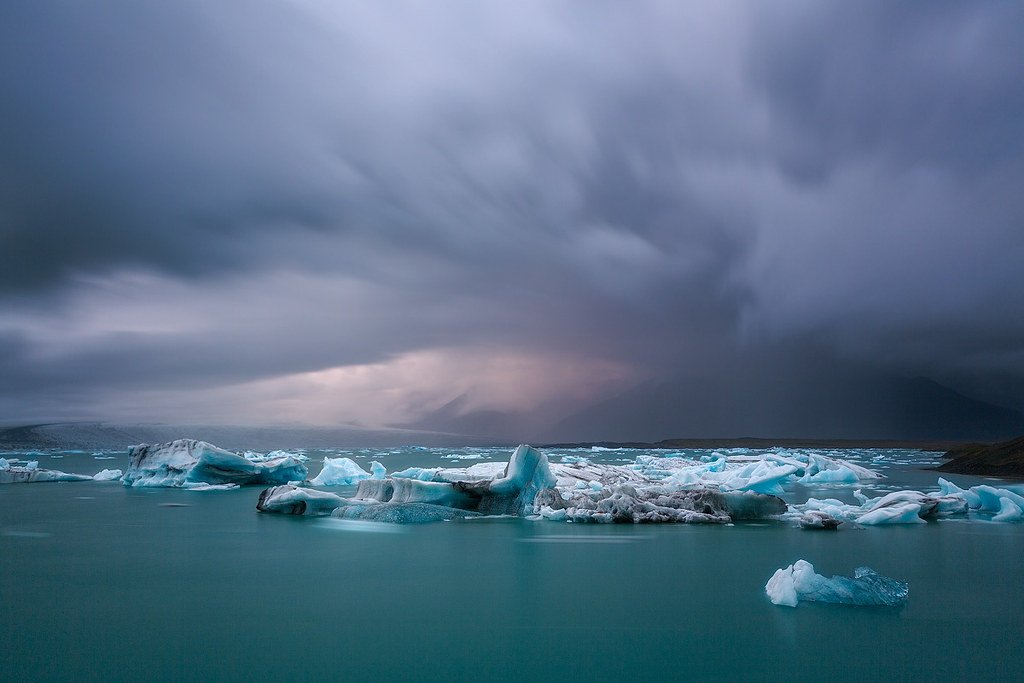
Preserving Iceland’s glaciers requires collaboration between international scientific communities. Researchers from around the globe are sharing data and resources, fostering innovation and increasing the effectiveness of conservation efforts.
Educating Communities and Visitors
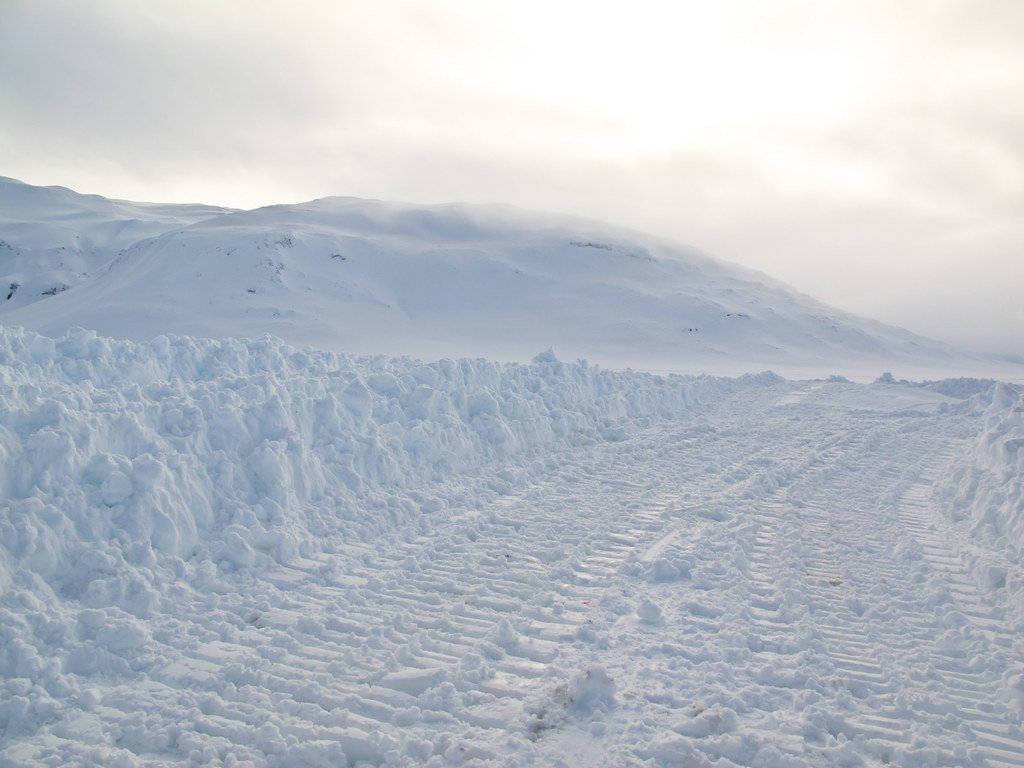
Raising awareness about the significance of glaciers is paramount. Educational programs and guided tours help communicate the importance of these natural formations and the need for their preservation to locals and tourists alike.
Celebrating Glacial History
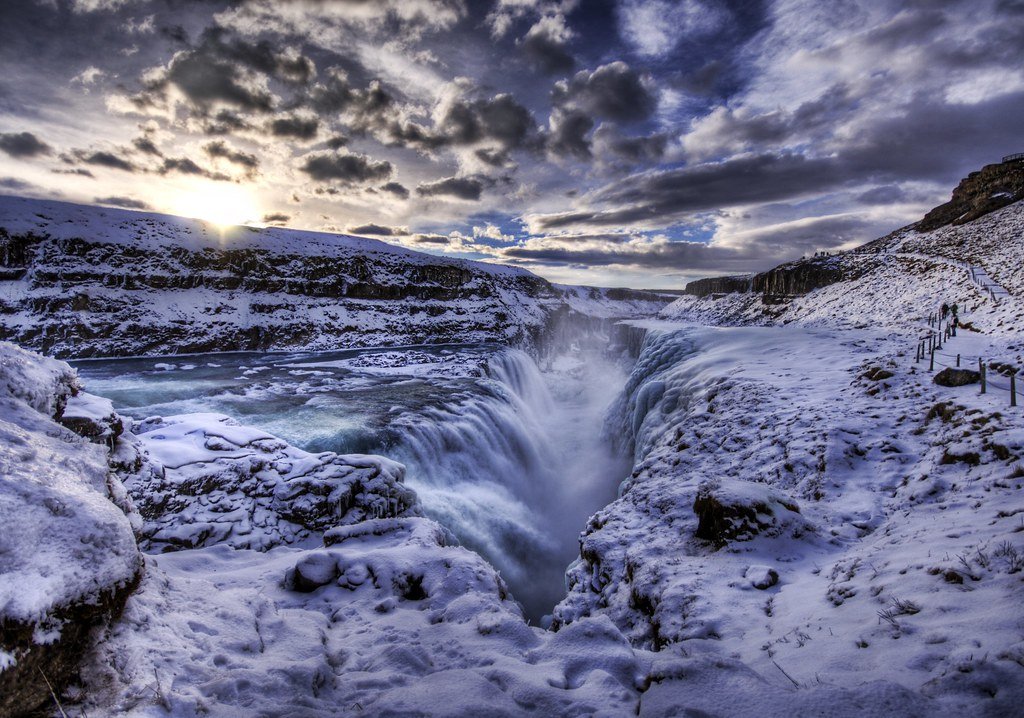
Cultural initiatives, like art installations and commemorations, serve to celebrate the glacier’s history and underscore the need to act quickly in preserving these wonders for future generations.
Conclusion
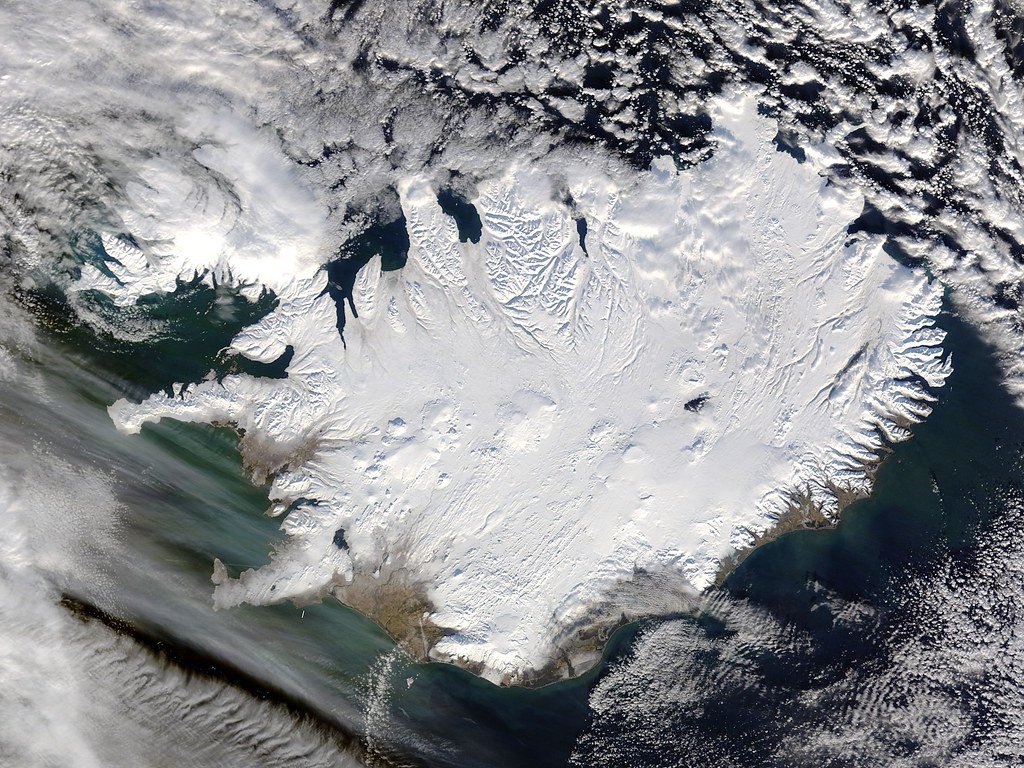
The race to save Iceland’s glaciers is not just about preserving ice but about safeguarding a critical element of our planet’s ecosystem. As scientists work tirelessly to understand and mitigate the effects of climate change on these majestic formations, every effort counts. It is crucial for societies across the globe to recognize the importance of this mission and support the scientific endeavors that aim to ensure the glacial giants of Iceland remain a part of our world.