From ancient mythmakers to modern technologists, the idea of artificial intelligence — machines or beings with human-like thought — has captivated and unnerved people for millennia. A new historical survey shows that **stories about human-created automatons, thinking machines and artificial humans stretch back to ancient Greece, resurfacing through folklore, religion and early science fiction long before the computer age. These early imaginings reveal not just a fascination with what intelligence could be, but enduring hopes and fears about mastering creation itself.
As today’s headline-grabbing chatbots and generative AI systems transform industries and spark ethical debates, understanding these long-standing narratives helps put current anxieties into perspective. By tracing the evolution of AI concepts from mythic automatons to a pope’s proposed chatbot, researchers show how deep the human impulse to envision artificial minds really goes — and how cultural values have shaped those visions over time.
Ancient Myths and Mechanical Beings
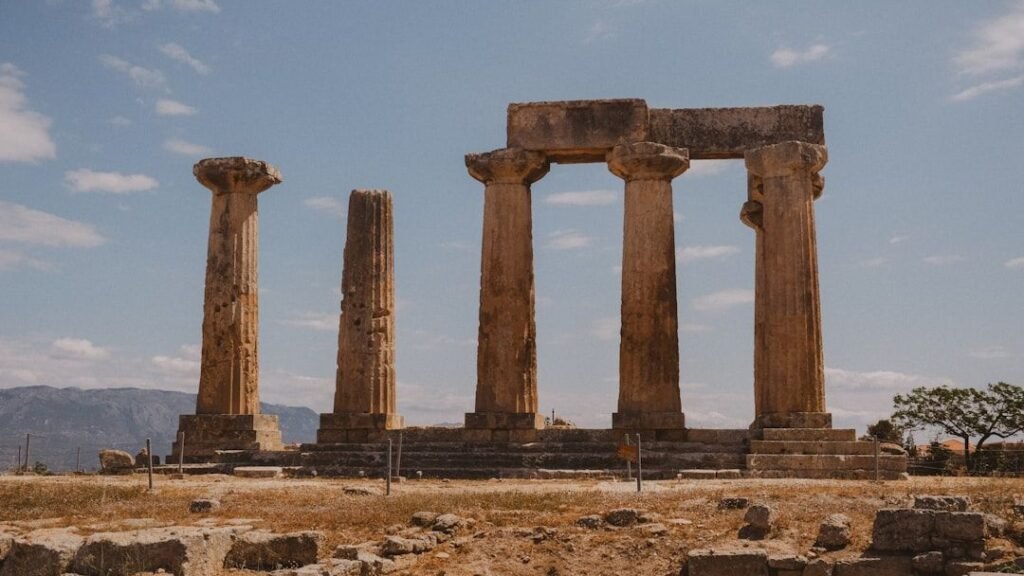
Long before electronic computers, ancient cultures imagined artificial entities with intelligence or life-like abilities. Greek myths described Talos, a giant bronze automaton who patrolled Crete’s shores to protect King Minos, and Hephaestus, the god of smiths, was said to fashion golden robotic helpers. These stories reflect early attempts to explore what it would mean to breathe life into crafted forms.
Similarly, other ancient narratives — from Middle Eastern folklore to East Asian legends — featured mechanical servants, golems or construct-like beings, demonstrating that the idea of man-made minds or servants operated by unseen forces was widespread long before modern science. These tales underscored both admiration for ingenuity and anxiety about control, themes that persist in AI debates today.
Religious and Medieval Echoes
As Christianity spread across Europe, religious thinkers and storytellers integrated artificial intelligence concepts into spiritual frameworks. Angels and divine messengers — often depicted as beings carrying out complex tasks at God’s command — resembled autonomous agents acting with purpose, blurring lines between divine intelligence and mechanized action.
During the medieval period, scholars like Albertus Magnus and Roger Bacon speculated about automatons and mechanical men, suggesting in some texts that artificial life might be possible through hidden mechanisms or divine spark, even as church doctrine insisted on human beings’ unique position in creation. These discussions highlighted the tension between technological possibility and theological boundaries.
Renaissance Curiosities and Proto-Machines
The Renaissance ushered in a renewed interest in mechanics, invention and human mastery over nature. Figures like Leonardo da Vinci sketched robotic knights and intricate machines that anticipated concepts of automation. These proto-machines were less about artificial intellect and more about mechanical mimicry of human movement, but they fed an emerging cultural fascination with automation.
Inventors and philosophers began to ask whether intelligence itself could one day be replicated — not just motion — pushing early modern Europe toward the scientific revolution and laying conceptual groundwork for later computational thinking. These seeds would flower centuries later with electronic processors.
Enlightenment to Early Sci-Fi Visions
By the 18th and 19th centuries, writers and thinkers started to imagine artificial minds more explicitly. Mary Shelley’s Frankenstein (1818) explored man’s attempt to animate the inanimate, not through computers but through galvanism and primitive science, heralding a new genre of science fiction that probed creation, responsibility and humanity.
Later authors such as Karel Čapek, who coined the term “robot” in his 1920 play R.U.R., and later sci-fi luminaries like Isaac Asimov, imagined machines with autonomy, roles in society, and moral complexity, foreshadowing key questions now central to AI ethics and governance.
Modern Echoes in AI Debate
Today’s AI landscape — from powerful large language models to experimental autonomous robotics — resonates with these historical themes. Early myths warned of creations beyond human control, while Renaissance and Enlightenment visions blended curiosity with caution. Modern debates similarly examine the promises and perils of artificial minds, including ethical concerns about autonomy, labor, misinformation and human identity in an age of machine intelligence.
Even the Vatican has weighed in: in 2024, Pope Francis proposed a Roman Catholic Church–aligned chatbot named “Pope AI,” designed to answer moral questions grounded in Catholic doctrine. The proposal sparked discussion about the role of cultural and spiritual guidance in AI design, linking ancient concerns about wisdom with present-day technology.
Bridging Past and Present
Tracing these ideas across centuries reveals that AI is not an isolated modern invention but a cultural continuum. From mythic automatons that reflected human aspiration and fear, to speculative Renaissance machines, to prophetic artificial humans in early fiction, the concept of artificial intelligence has continually evolved with human thought.
This historical perspective expands our understanding of AI not just as a technological challenge but as a deeply human one, rooted in long-standing narratives about creation, control and what it means to think. These stories remind us that the questions we ask today are not merely technical — they are fundamentally philosophical and cultural.
Ancient Myths Illuminate Modern Fears and Hopes
The long history of artificial intelligence myths shows that our fascination with creating minds has ancient roots. Whether portrayed as divine helpers, mechanical marvels or existential threats, these ideas reflect enduring human concerns about power, creativity and responsibility. Recognizing this lineage enriches today’s debates about AI regulation, ethics and societal impact.
As we stand on the brink of transformative technologies, we should embrace this historical insight not as a constraint but as a guidepost, reminding us that AI’s future will be shaped not just by algorithms and hardware but by the stories we tell about ourselves and our creations. Appreciating how myths and reality intersect can help ensure that AI develops in ways that enhance human dignity rather than undermine it.