
You carry a standing army inside you, yet most of the time you never feel the battles it fights. Every breath, every handshake, every subway ride brings in microbes that could, in theory, make you seriously sick, and still you usually wake up fine the next morning. For decades, scientists treated the immune system as a sort of black box: germs go in, antibodies come out. Now, a wave of new research is revealing a far more intricate drama, where cells negotiate, betray, remember, and sometimes turn on the very body they’re meant to protect. This is not just a curiosity of biology; in an age of pandemics, autoimmunity, and personalized medicine, understanding your own hidden defenses has become a story with very real stakes.
The First Line of Defense: Your Body’s Invisible Moat
It starts long before a virus reaches your bloodstream. Your skin, often dismissed as just a protective covering, is actually a living fortress made of densely packed cells, antimicrobial molecules, and beneficial microbes that crowd out invaders. In many ways it works like a medieval city wall, where gatekeepers carefully inspect what gets in and what stays out. The oils and acids on your skin surface create a harsh environment for many bacteria and fungi, limiting their ability to grow. Even the flakes of skin you shed are part of the defense, physically removing would‑be invaders.
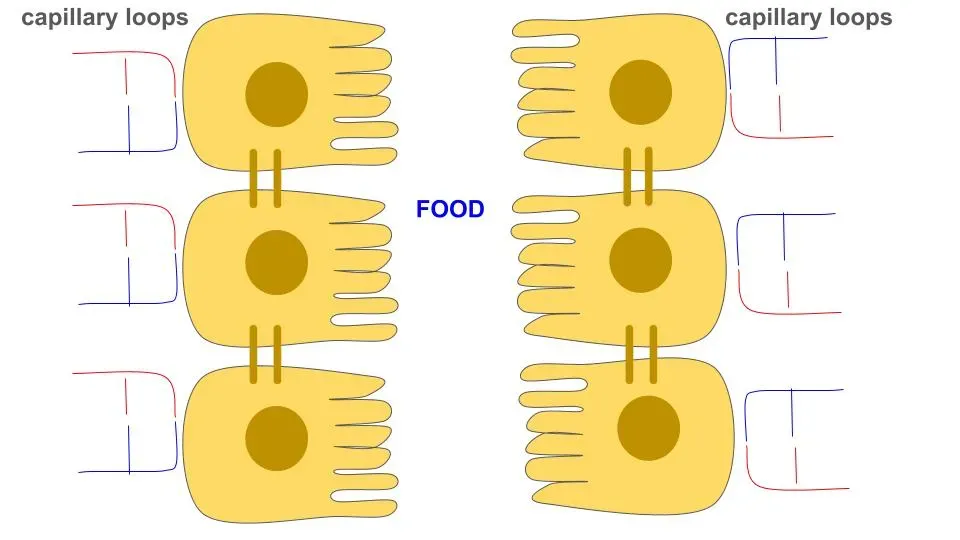
Inside, your mucosal surfaces – your nose, lungs, gut, and reproductive tract – add another layer of surveillance. A single sneeze or cough clears out countless particles before they ever reach living tissue. Sticky mucus traps viruses and bacteria, while tiny hairlike cilia in your airways sweep debris upward like conveyor belts heading for the exit. In your gut, stomach acid, digestive enzymes, and a vast community of microbes make it hard for pathogens to grab a foothold. These barriers do not just block; they constantly communicate with your deeper immune system, sending chemical alerts when something suspicious shows up.
The Hidden Clues: How Your Immune System Knows Friend from Foe
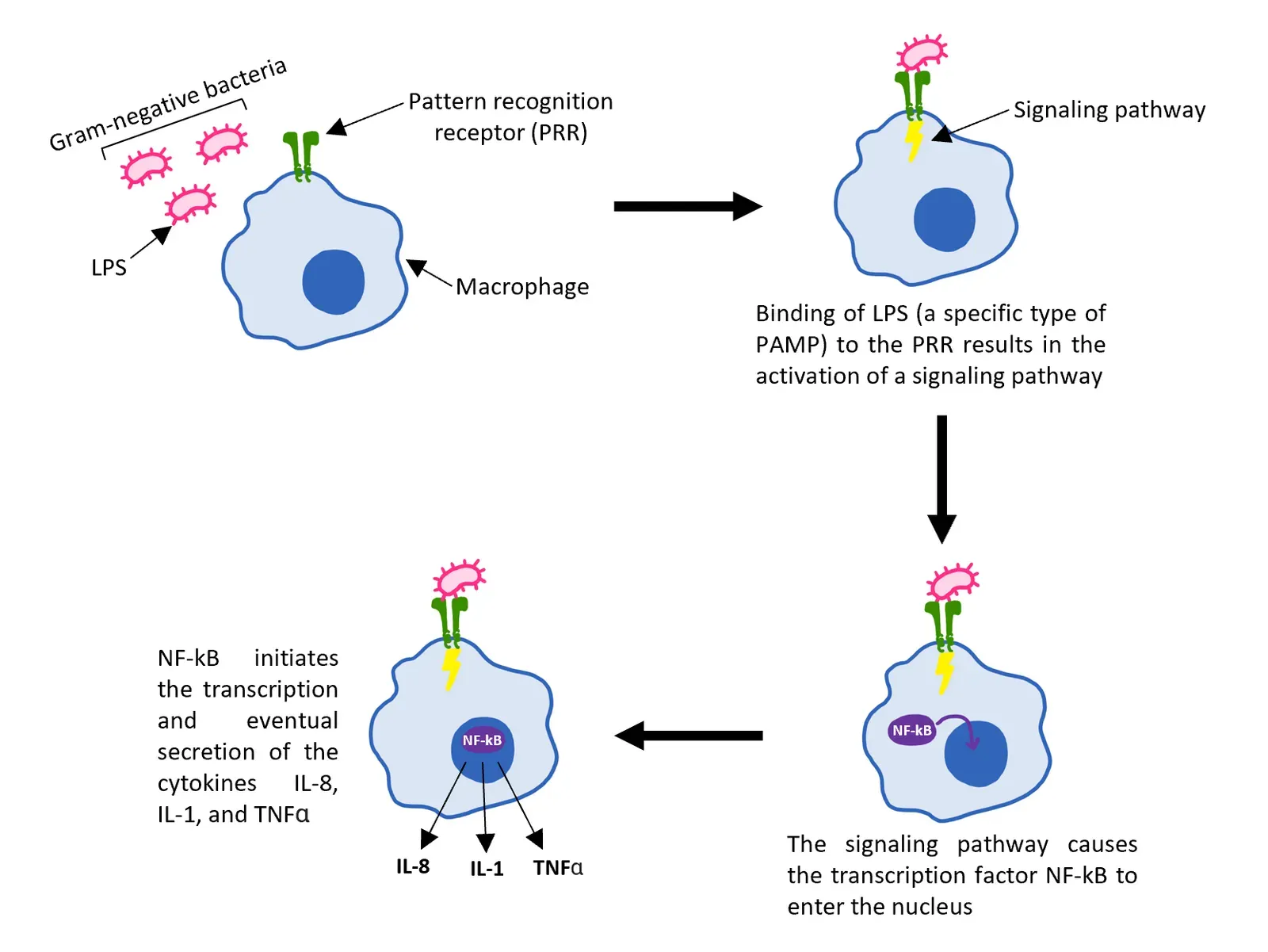
One of the great puzzles of immunology is how your body knows what to attack without destroying itself. Immune cells carry molecular “sensors” that recognize patterns commonly found on bacteria, viruses, and parasites but not on healthy human cells. These sensors sit like smoke detectors on the surface and inside cells, ready to trigger alarm signals when they detect a microbial signature. Once activated, they launch cascades of chemical messages that recruit other immune cells to the site of trouble. This early recognition phase is known as innate immunity, and it acts within minutes to hours.
The trick is subtlety: your immune system must tolerate trillions of harmless bacteria in your gut and on your skin while staying ready to fight real threats. To do this, many immune cells patrol in a semi‑calm state, sampling fragments of proteins and sugars from their surroundings. Cells in the gut, for example, are particularly tuned to ignore everyday food molecules and common microbes unless they see signs of damage or invasion. When something crosses a threshold – from normal background noise to evidence of attack – the response escalates rapidly. Fail that recognition test, and you end up with either chronic inflammation or dangerous gaps in defense.
Inside the Battle: Cells, Signals, and Microscopic Warfare
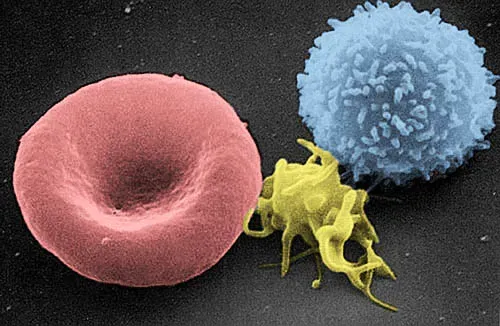
Once the alarm is sounded, the immune system shifts into battle mode with remarkable speed. White blood cells called neutrophils are usually the first to arrive, squeezing through blood vessel walls to reach infected tissue within minutes. They engulf bacteria, release toxic chemicals, and even cast out sticky nets of DNA to trap microbes, a tactic as dramatic as any battlefield maneuver. Macrophages move in to devour debris and dead cells, clearing the battlefield and shaping how the rest of the response unfolds. All of this happens while you go about your day, often aware only of a slight fever or mild fatigue.
In parallel, more specialized cells begin to coordinate a targeted strike. T cells scan fragments of viral or bacterial proteins displayed on the surface of infected cells like wanted posters. When they find a match, they can kill the compromised cell directly or call for reinforcements. B cells, another key player, transform into plasma cells that churn out antibodies tailored to latch onto a particular pathogen. Those antibodies act like homing beacons and handcuffs at once, marking invaders for destruction and blocking them from infecting new cells. The more scientists look, the more this process resembles a constantly adapting war room rather than a simple on‑off switch.
From Ancient Tools to Modern Science: Vaccines, Memory, and Reinvention

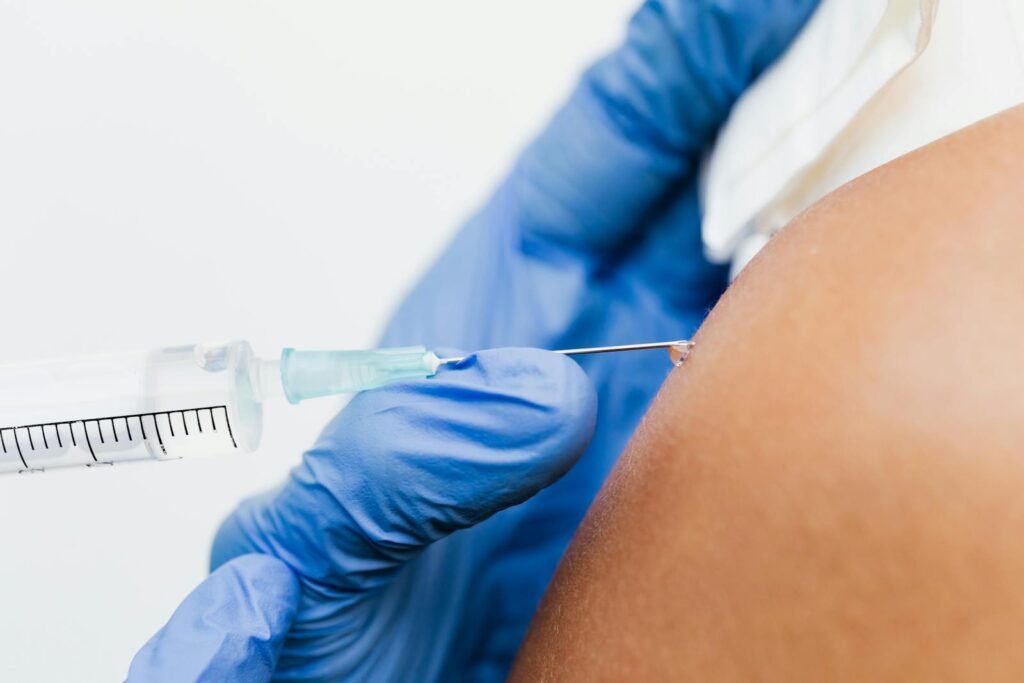
The idea of training the immune system is older than modern medicine itself. Historical records describe people in parts of Asia and Africa exposing themselves to small amounts of smallpox material centuries before vaccines were formally developed. The principle turned out to be elegantly simple: by introducing the immune system to a weakened or altered version of a pathogen, you teach it to recognize the real thing later. This creates memory cells – long‑lived T and B cells that persist in your body, sometimes for decades. When they encounter the same threat again, they react much faster and more powerfully than during the first infection.
Today, that ancient insight underpins some of the most advanced technologies in medicine. Messenger RNA (mRNA) vaccines, which came to global prominence during the COVID‑19 pandemic, deliver genetic instructions that tell your own cells to briefly produce a harmless piece of a virus. Your immune system sees that piece, mounts a response, and builds memory without ever facing the full‑strength pathogen. Researchers are now adapting this approach to target influenza, respiratory syncytial virus, and even certain cancers. In effect, scientists are learning to write “training manuals” for your immune army in real time, rewriting your defenses as new threats emerge.
When Defenses Misfire: Autoimmunity, Allergies, and Chronic Inflammation
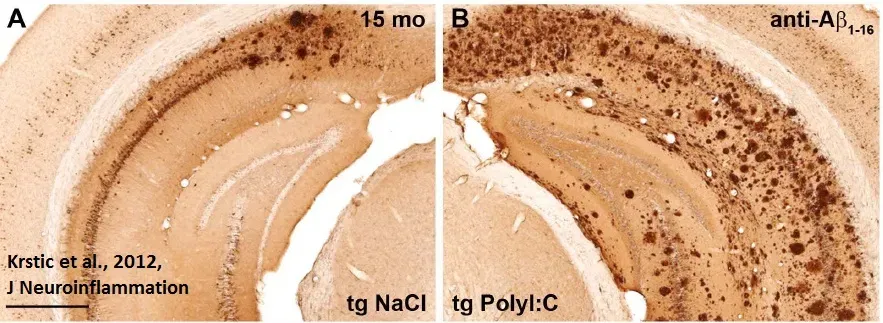
For all its sophistication, the immune system is not infallible, and when it goes wrong, the results can be devastating. In autoimmune diseases, immune cells mistakenly attack the body’s own tissues, as if friendly citizens were suddenly added to the enemy list. Conditions such as type 1 diabetes, multiple sclerosis, and rheumatoid arthritis reflect specific tissues being misidentified as threats. No single cause explains all of these disorders, but a mix of genetic predisposition, environmental exposures, infections, and even gut microbes seem to play roles. The same powerful tools that usually protect you can, under the wrong circumstances, slowly dismantle your own body.
Allergies are another form of friendly fire, this time directed at harmless substances like pollen, peanuts, or pet dander. In allergic individuals, the immune system mounts an over‑the‑top response, releasing histamine and other chemicals that cause itching, swelling, and sometimes life‑threatening anaphylaxis. Chronic low‑grade inflammation, where the immune system never quite turns off, is increasingly linked to heart disease, obesity, depression, and neurodegenerative conditions. Researchers now talk about “inflammaging” – the steady rise in baseline inflammation as we grow older – as one of the signature features of modern longevity. Understanding why defenses misfire is becoming just as important as understanding how they work when everything goes right.
Why It Matters: The Immune System at the Center of Modern Health
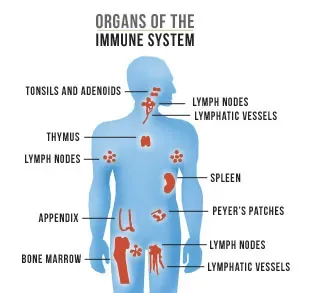
In the past, the immune system was mostly discussed in terms of infections, but that view now feels almost quaint. Scientists have tied immune activity to nearly every aspect of health, from how we respond to vaccines to how likely we are to develop certain cancers. Roughly about one third of common cancers are now being studied in the context of immunotherapy – treatments that harness or adjust the immune response rather than simply bombarding tumors with chemotherapy. The success of immune checkpoint inhibitors, which release brakes on T cells so they can attack cancer more vigorously, has transformed what survival looks like for some patients. These developments reposition the immune system as a central hub rather than a narrow defense department.
At the same time, our everyday choices can subtly tune this system up or down. Chronic stress, poor sleep, ultra‑processed diets, and sedentary lifestyles all nudge the immune system toward a more inflamed, less resilient state. On the flip side, regular physical activity, balanced nutrition rich in fiber and diverse plant foods, and consistent sleep patterns seem to support a more adaptable, less trigger‑happy response. This is not a simplistic story of “boosting immunity,” a phrase scientists generally dislike, but of supporting a system that thrives on balance. The better we understand these levers, the more we can shift from reacting to disease to actively shaping our own health trajectories.
The Global Perspective: Immune Systems in an Unequal World
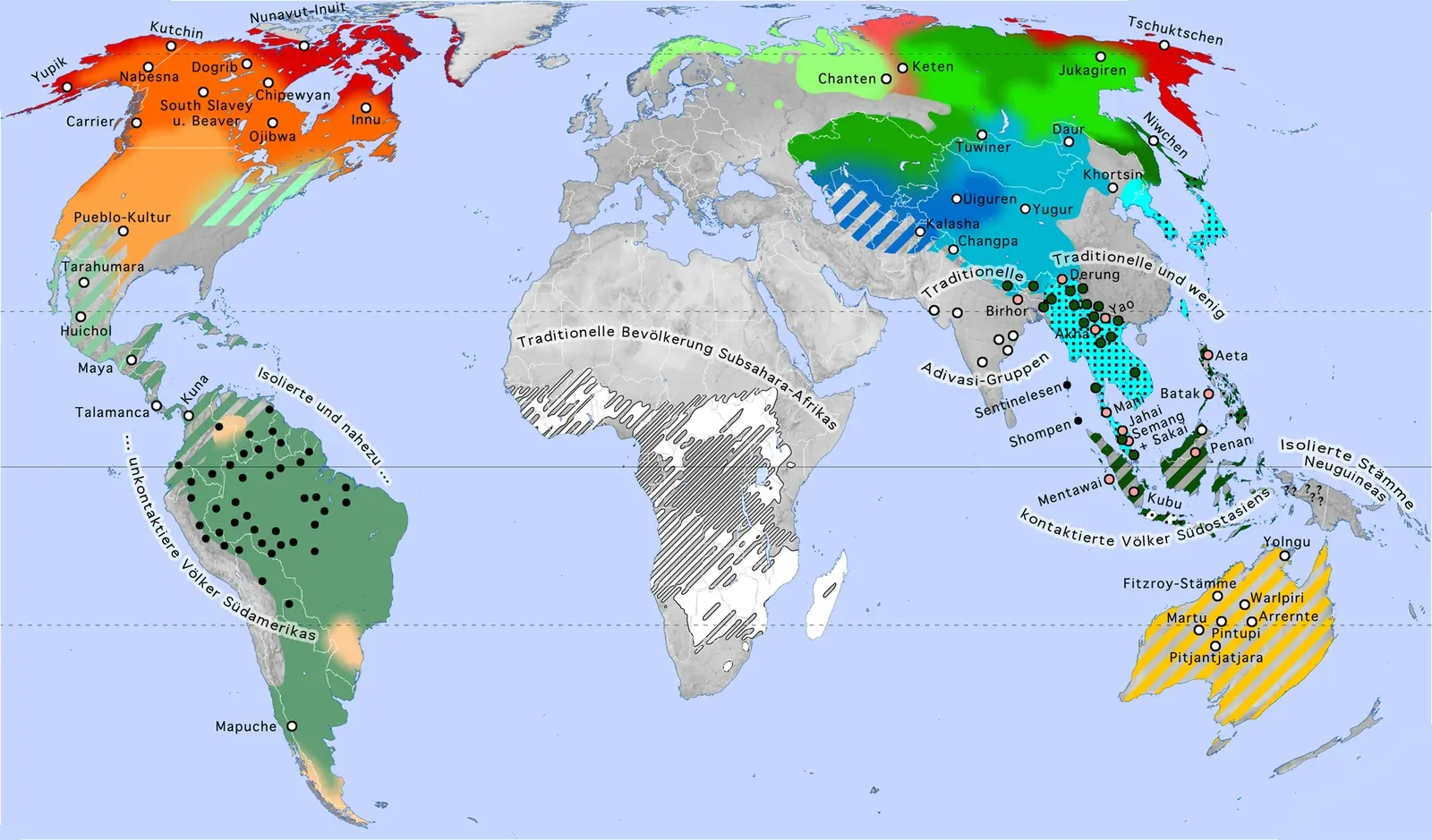
Your immune system is personal, but it is also shaped by forces far beyond individual control. Where you are born, the microbes you encounter in early childhood, the quality of your housing, and access to clean water all leave lasting marks on how your defenses develop. In regions where basic sanitation and vaccination coverage remain patchy, children still face a much higher risk of dying from preventable infections. Meanwhile, in wealthier countries, people are more likely to live long enough to confront autoimmune conditions, allergies, and cancers influenced by immune function. The burden of immune‑related disease is unevenly distributed, and that inequality is written into bodies around the world.
Urbanization, climate change, and global travel add new layers of complexity. Mosquito‑borne diseases are expanding into new regions as temperatures and rainfall patterns shift. Air pollution, especially fine particulate matter, is linked to increased respiratory infections and heightened inflammatory responses. As new pathogens emerge and old ones move into fresh territories, public health decisions about vaccination campaigns, surveillance, and equitable access to treatment become critical. In this sense, your immune system is not just your own private shield; it is part of a global defense network that rises or falls with collective choices.
The Future Landscape: Reprogramming Immunity and Designing Personalized Defenses
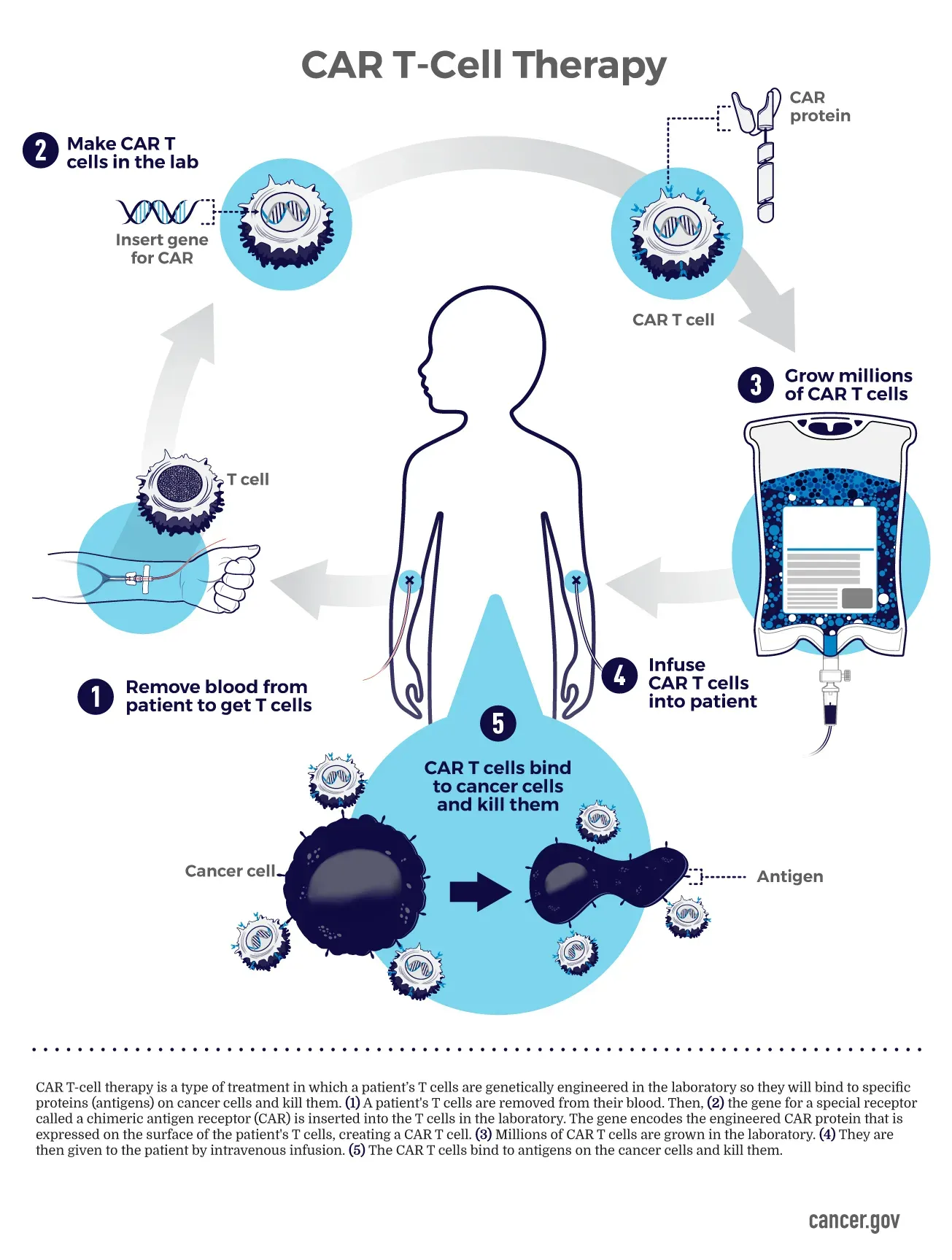
Looking ahead, the immune system may be the most programmable part of the human body. Scientists are developing therapies that edit immune cells outside the body, reengineer them to better recognize cancer cells, and then infuse them back like upgraded soldiers. Some of these treatments, such as CAR‑T cell therapy, have already produced dramatic remissions in certain blood cancers, effectively turning a patient’s own immune system into a living drug. At the same time, researchers are exploring “tolerogenic” therapies for autoimmune diseases, which aim to retrain the immune system to see self‑tissues as safe rather than dangerous. The line between treating disease and redesigning immunity is becoming increasingly thin.
On a broader scale, advances in genomics, microbiome research, and computational biology are converging to offer more personalized views of immune function. In the near future, your immune profile – how your genes, gut microbes, and past infections interact – could help guide tailored vaccine schedules, cancer therapies, or prevention strategies. There are serious challenges: high costs, unequal access, and the risk of over‑promising based on early data. But the direction of travel is clear. Instead of accepting our immune systems as fixed, we are beginning to think about them as dynamic ecosystems we can map, nudge, and, to some extent, redesign.
What You Can Do: Simple Ways to Support Your Hidden Defenses

While cutting‑edge therapies grab the headlines, the most reliable ways to support your immune system remain surprisingly down to earth. Staying up to date on recommended vaccines, including seasonal shots and boosters where appropriate, is one of the most effective tools for preventing serious disease. Basic hygiene habits – washing hands, ventilating indoor spaces, and staying home when you are truly sick – protect not just you but entire communities. A lifestyle that includes regular movement, varied whole foods, and consistent sleep gives your immune cells the conditions they need to function well. These steps are not glamorous, but they form the quiet backbone of immune health.
There are also ways to engage beyond your own body. Supporting public health initiatives, from local vaccination drives to global efforts that expand access to essential medicines, helps strengthen immune defenses on a population scale. Paying attention to air quality, advocating for cleaner energy, and backing policies that reduce pollution can ease the chronic inflammatory burden many people carry. Even staying curious – reading about new discoveries, discussing them with friends, and asking your doctor better questions – keeps the immune system from feeling like an abstract mystery. In the end, you and your immune system are partners. How will you choose to treat that partner in the days ahead?
Suhail Ahmed is a passionate digital professional and nature enthusiast with over 8 years of experience in content strategy, SEO, web development, and digital operations. Alongside his freelance journey, Suhail actively contributes to nature and wildlife platforms like Discover Wildlife, where he channels his curiosity for the planet into engaging, educational storytelling.
With a strong background in managing digital ecosystems — from ecommerce stores and WordPress websites to social media and automation — Suhail merges technical precision with creative insight. His content reflects a rare balance: SEO-friendly yet deeply human, data-informed yet emotionally resonant.
Driven by a love for discovery and storytelling, Suhail believes in using digital platforms to amplify causes that matter — especially those protecting Earth’s biodiversity and inspiring sustainable living. Whether he’s managing online projects or crafting wildlife content, his goal remains the same: to inform, inspire, and leave a positive digital footprint.