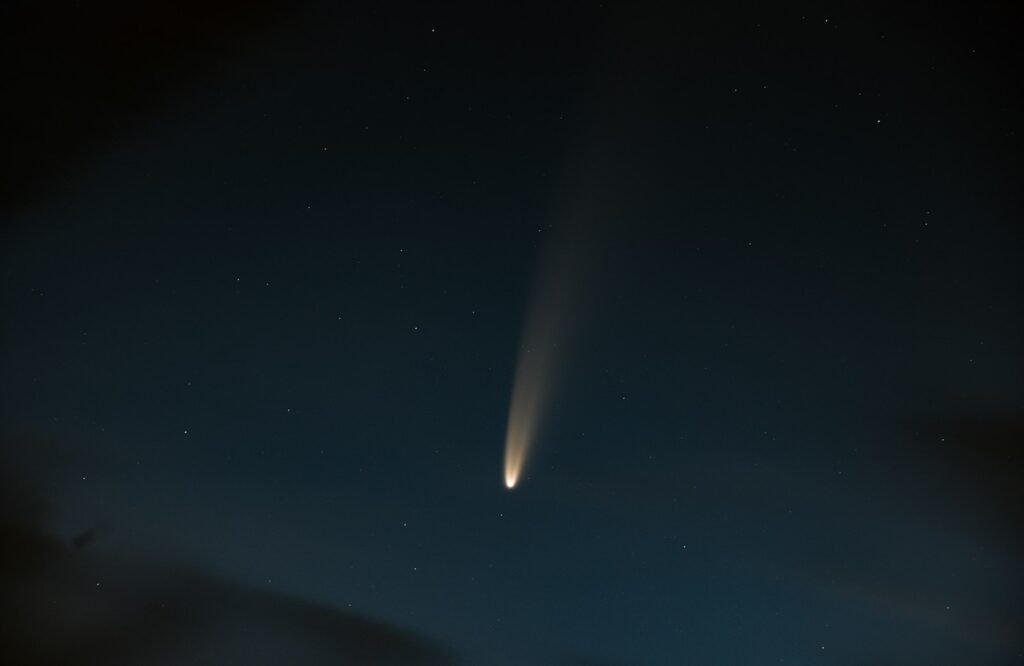

Picture Earth three billion years ago: no forests, no animals, no blue sky as we know it – just a restless ocean world under a dimmer Sun. Into that fragile, microbial planet, a rock from space the size of a small city may have slammed down with unimaginable force, boiling oceans, shaking continents, and rewriting the rules for life. What sounds like the opening scene of a disaster movie is now at the center of a serious scientific debate about how early evolution kicked into a higher gear. This article explores the evidence for a colossal ancient impact, how it might have reshaped the atmosphere and oceans, and why some researchers think it helped set the stage for more complex life. The story that emerges is not just about destruction, but about how extreme catastrophe can open new evolutionary doors.
Reading Scars in Ancient Rock: How We Found the Impact
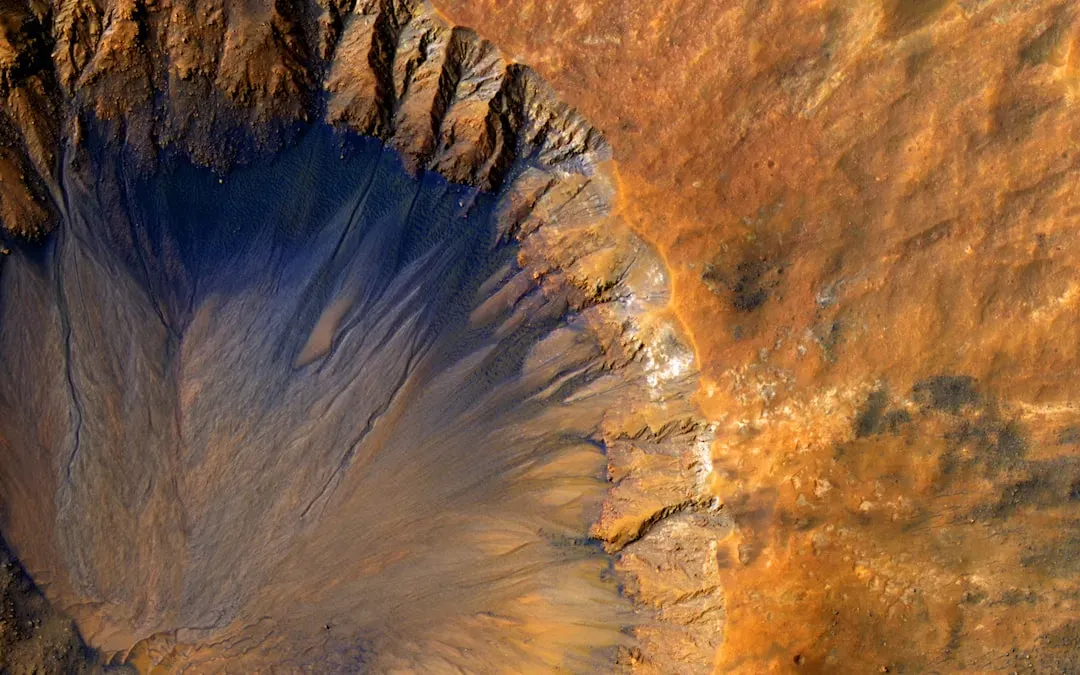
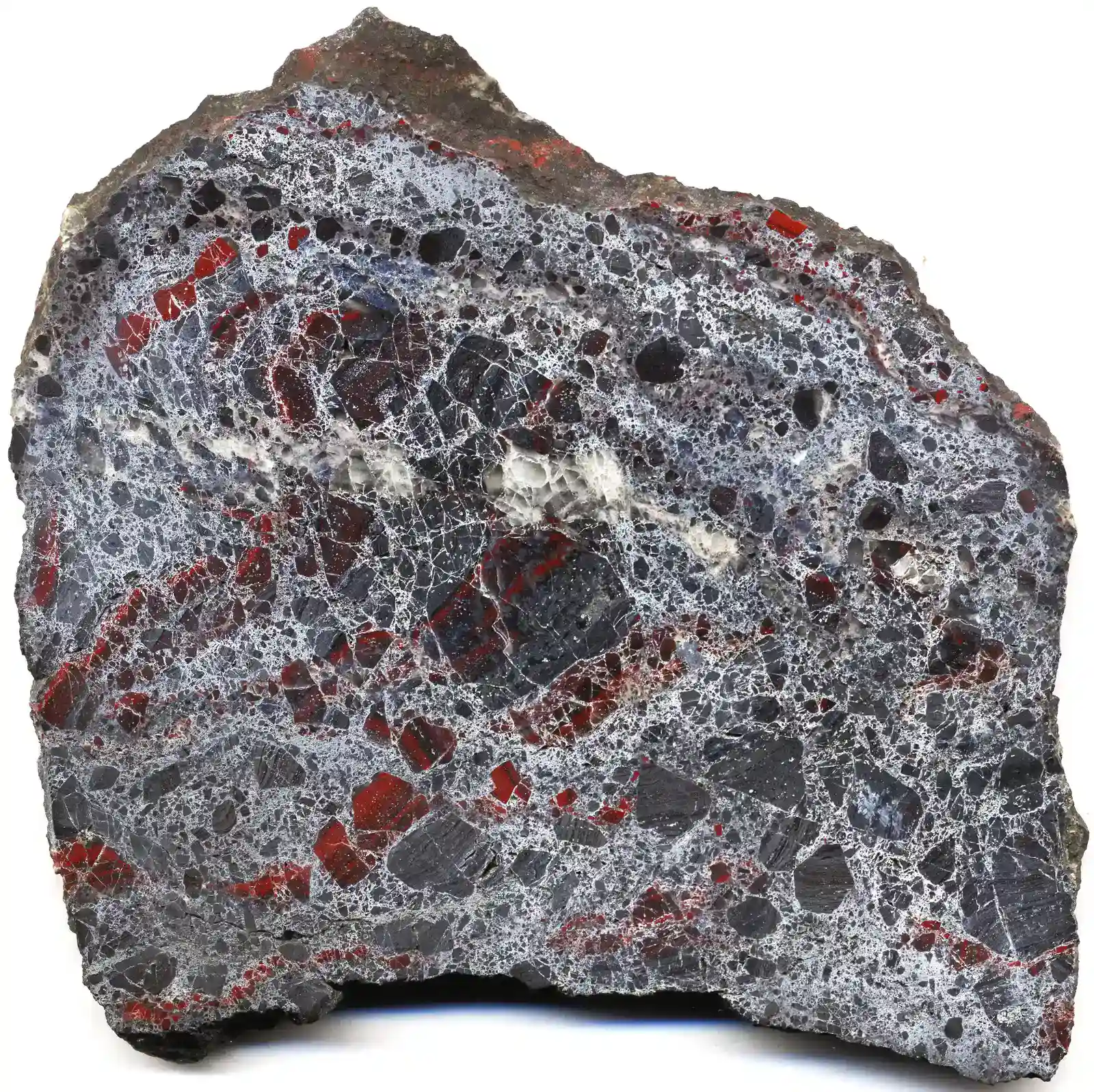
The idea of a three-billion-year-old impact is not based on guesswork; it comes from tiny mineral clues locked inside some of the oldest rocks on Earth. In places like South Africa and Western Australia, geologists have found thin layers rich in unusual minerals such as iridium and tiny, once-molten droplets of rock known as spherules. These spherule beds are widely interpreted as fallout from giant impacts, formed when incoming asteroids or comets vaporized rock that later condensed and rained back down to the surface. The grains are microscopic, but their distribution in carefully dated rock sequences points to specific impact events deep in Earth’s past.
Some of these layers fall near the three-billion-year mark, in an era called the Mesoarchean, when life was still dominated by simple microbes. By comparing the chemistry of the spherules with computer models and with younger, better understood impact signatures, scientists can estimate how large the impactor must have been. In several cases, the implied crater size reaches hundreds of miles across, far larger than the dinosaur-killing Chicxulub crater. This detective work is painstaking and often controversial, but it is slowly turning Earth’s heavily eroded crust into a readable archive of cosmic violence.
A Planet Under Siege: What a Giant Impact Would Have Done
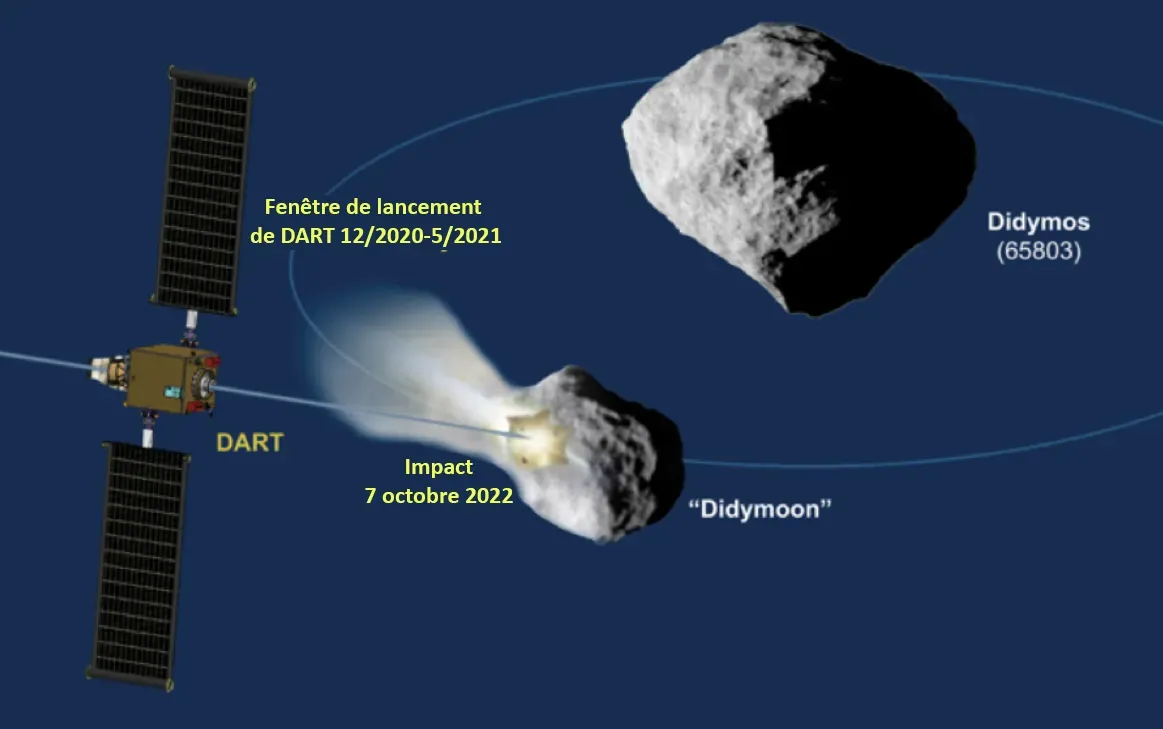
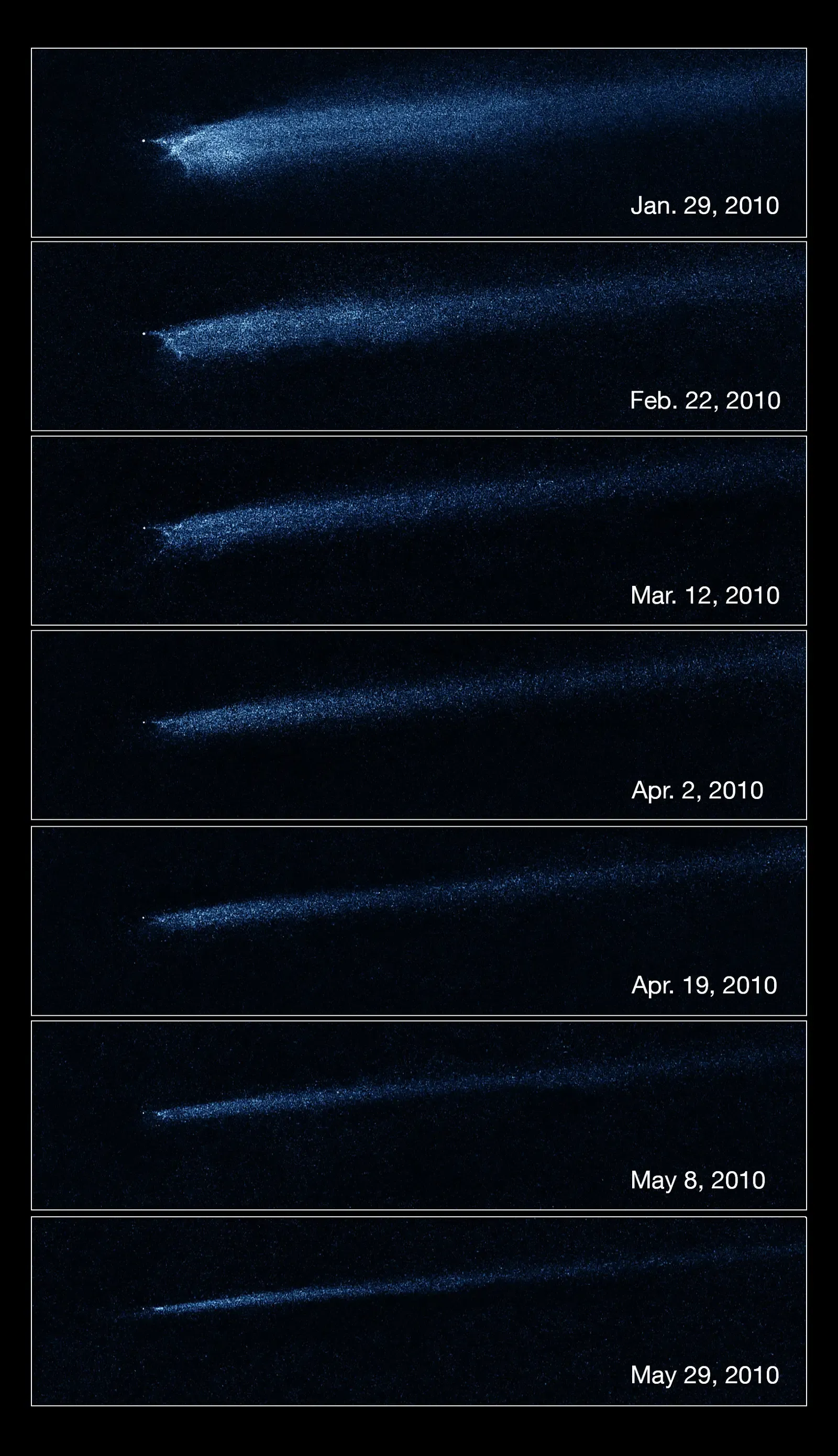
To understand why such an impact might matter for evolution, you first have to imagine the sheer physical chaos it would unleash. A space rock tens of miles wide slamming into early Earth would release more energy than all active volcanoes on the planet over many thousands of years combined. The immediate result would have been a superheated plume of rock and gas punching through the atmosphere, followed by global shock waves and mega-tsunamis rolling across the oceans. Over large areas, any existing microbial communities near the surface would have been wiped out, their habitats sterilized or buried under debris.
But beyond the horror-movie visuals, the long-term environmental changes are where evolution really comes into the story. Dust and aerosols lofted high into the atmosphere could have dimmed sunlight, while water vapor and greenhouse gases released by shocked rocks might have later triggered powerful warming. In some models, large impacts temporarily destabilize the crust and even enhance volcanism, pumping yet more gases into the air. The overall picture is one of a planet first plunged into short-term catastrophe, then nudged into a new climatic and geochemical state – conditions that can both kill and create opportunities for life.
From Firestorm to Fertilizer: How Impacts Can Feed Microbial Life
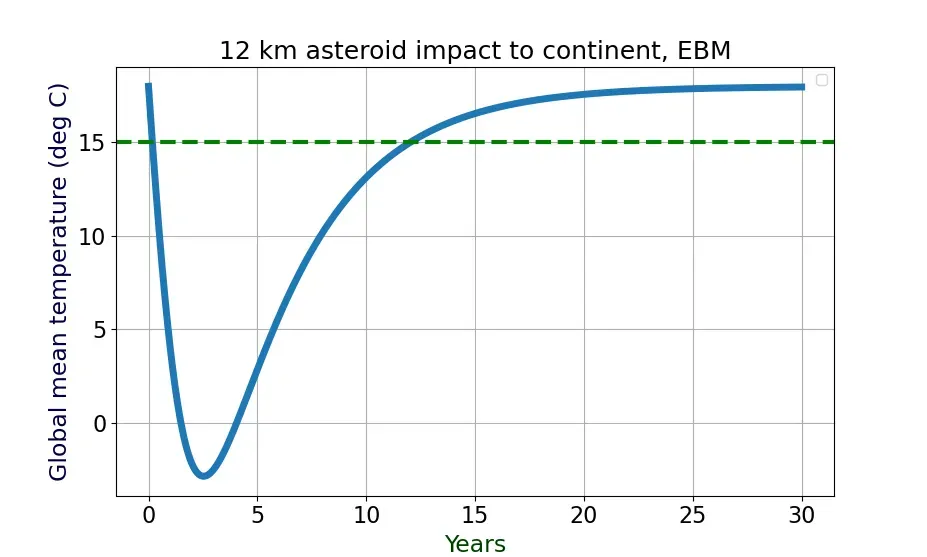
It sounds counterintuitive, but a massive impact that devastates ecosystems can also act like a planetary-scale nutrient dump. When an asteroid strikes, it shatters and melts crustal rocks, releasing elements such as phosphorus, iron, and trace metals that are essential for microbial metabolism. These nutrients can wash into shallow seas, turning them into chemical buffets where surviving microbes suddenly have far more to work with. In modern oceans, small changes in nutrient supply can transform entire ecosystems; on a mostly microbial early Earth, a sudden surge could have been even more disruptive and creative.
There is also the mechanical mixing to consider. Impact-generated tsunamis and crustal disturbances churn sediments and bring buried materials to the surface, exposing fresh mineral surfaces to weathering. As these new minerals break down, they can release more dissolved compounds into the water, further enriching coastal environments. Instead of a static, slowly changing world, you get bursts of ecological opportunity where new metabolic strategies – using different energy sources or chemical pathways – suddenly become advantageous. This is the evolutionary equivalent of shuffling the deck and dealing an entirely new hand to early life.
Stirring the Atmosphere: Oxygen, Methane, and Climate Shifts
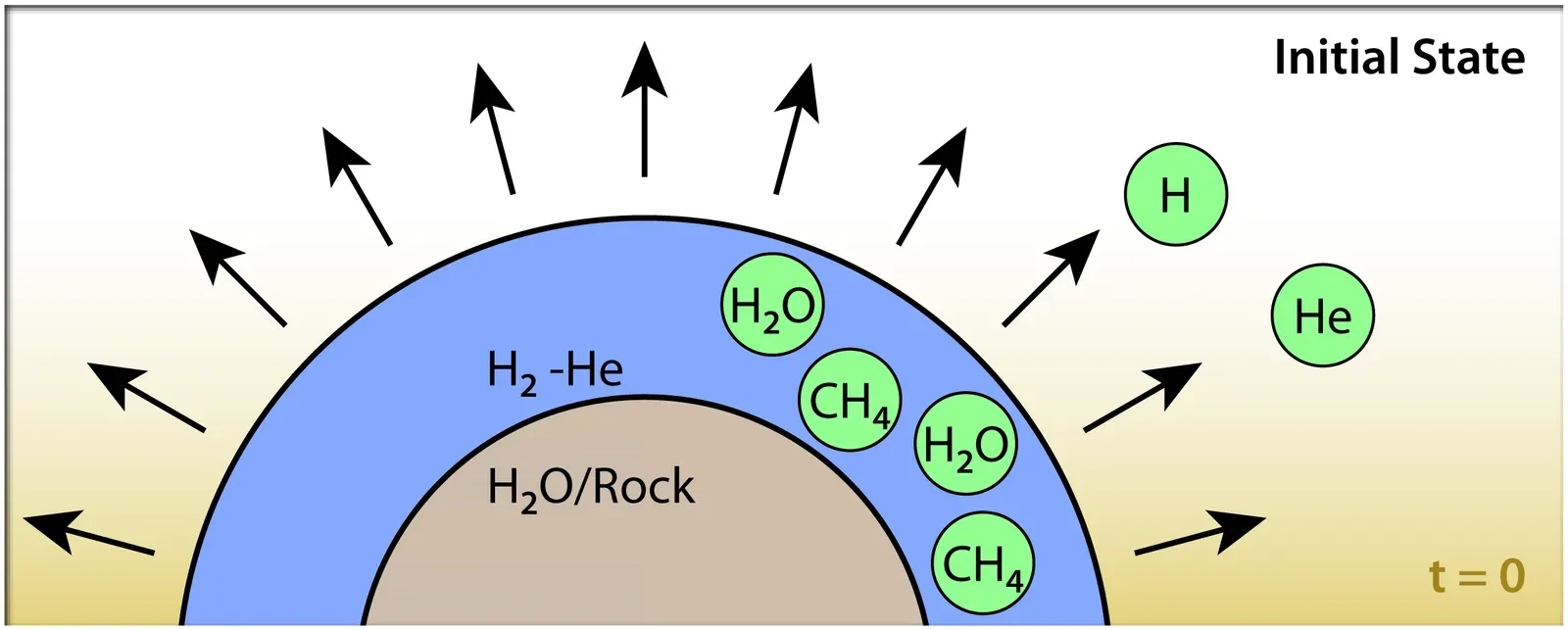
Three billion years ago, Earth’s atmosphere was almost nothing like today’s oxygen-rich air; it was dominated by gases like nitrogen, carbon dioxide, and methane, with only tiny traces of oxygen at best. A huge impact plunging into that environment could have altered the balance, even if only temporarily, in ways that mattered for evolving microbes. High temperatures and shock chemistry in the atmosphere can create reactive nitrogen compounds and other molecules that rain down into the oceans, influencing nutrient cycles. At the same time, gases such as carbon dioxide and water vapor released by the impact and any triggered volcanism could have tweaked global temperatures for long stretches of time.
Some researchers have suggested that repeated large impacts in this era may have played a role in pacing early atmospheric evolution, especially by influencing methane-producing microbes that thrived in low-oxygen conditions. If an impact cooled the surface temporarily, it might have stressed methane-based ecosystems, while later warming could have favored other metabolic types. Over geological timescales, these swings could have helped diversify microbial communities and set up the slow, uneven rise of oxygen that would accelerate later. The key point is that a giant impact does not just hit the ground; it jolts the entire coupled system of air, water, and rock that living cells depend on.
Evolution at the Edge: Bottlenecks and Bursts After Catastrophe
In evolutionary terms, a massive impact acts like a brutal filter followed by a creative explosion. Many lineages of microbes, especially those living near the surface or in exposed environments, would likely have been driven to extinction. That sort of mass die-off is tragic if we could see it up close, but it also clears ecological space for the survivors. Organisms that happen to tolerate heat, radiation, or chemical extremes might suddenly find themselves with less competition and more resources, allowing them to spread and diversify. Over time, new species and metabolic pathways can emerge in the wake of such upheaval.
Scientists describe this pattern as a combination of evolutionary bottlenecks and adaptive radiations, and we see versions of it again and again in the fossil record of later eras. After the dinosaur-killing impact sixty-six million years ago, for example, mammals and birds radiated into niches that had been dominated by giant reptiles. We do not have fossils of three-billion-year-old animals, but genetic studies of modern microbes suggest that some major microbial groups diverged in deep time during intervals of environmental stress. While it is difficult to link specific genetic events to specific impacts, the overall logic is clear: when the rules of survival change overnight, evolution gets pushed into overdrive.
How This Changes the Story of Life’s Early Evolution
For a long time, the standard picture of early evolution was relatively quiet: life appeared, spread slowly across the oceans, and gradually experimented with new metabolisms as Earth cooled. The recognition of massive ancient impacts adds a much more dramatic rhythm to that story, one in which violent interruptions shape the path of biology. Instead of a calm, steady climb, the history of life looks more like a staircase with abrupt jumps whenever the planet was hit hard enough. This shift in thinking forces scientists to integrate planetary science, geochemistry, and evolutionary biology in ways that were not always common a few decades ago.
It also raises deeper questions about how typical our story might be in the universe. If giant impacts help kick-start or redirect evolution, then planets with more active impact histories could have very different biological outcomes. On the flip side, too many big hits in rapid succession might keep resetting the clock, never allowing complex ecosystems to stabilize. Our own Earth seems to have threaded a narrow path, enduring enough cosmic shocks to stir innovation without being permanently knocked back to square one. That balance makes the three-billion-year-old impact hypothesis feel less like a curiosity and more like a central piece of the puzzle.
Uncertainties, Debates, and the Hunt for New Evidence
Despite the appeal of this narrative, scientists are careful about how far they push the evidence, because rocks this old are heavily altered and incomplete. Many impact signatures are ambiguous once they have been cooked, folded, and eroded by billions of years of tectonic activity. Distinguishing between a layer produced by a gigantic impact and one formed by exotic volcanic eruptions is not always straightforward, even with modern instruments. As a result, there is ongoing debate about exactly how many large impacts hit Earth in the Mesoarchean, and how big each of them really was.
New tools are helping narrow those uncertainties. High-resolution isotope measurements, improved dating techniques, and better computer models of impact dynamics allow researchers to test how well different scenarios match the rock record. There is also an active search for additional spherule beds in underexplored regions, since finding the same layer on multiple continents greatly strengthens the case for a global event. Each new discovery either tightens or loosens the proposed links between impacts and evolutionary milestones. The picture is far from finished, but the trend over the last couple of decades has been toward recognizing that early Earth was anything but serene.
Why This Ancient Impact Matters for Us Today
It can be tempting to treat a three-billion-year-old impact as remote and abstract, but it quietly shapes how we think about our own place in time. If catastrophic events helped steer evolution toward the complex biosphere we now depend on, then the boundary between disaster and opportunity becomes blurrier than our everyday instincts suggest. That realization has practical implications for how we assess modern planetary risks, from asteroid hazards to rapid climate shifts driven by human activity. The past reminds us that dramatic environmental change always comes with winners and losers, but it does not guarantee that our own species ends up on the winning side.
There is also a more hopeful angle. The fact that life persisted and eventually flourished after such colossal shocks speaks to an underlying resilience built into biology and into Earth’s systems. Studying those ancient recoveries can inspire better strategies for nurturing resilience now, whether in ecosystems stressed by warming oceans or in human societies facing cascading natural disasters. In a sense, every tree, insect, and person alive today carries a faint echo of that long-ago impact in their evolutionary history. Next time you look up at a meteor streaking across the night sky, it is worth asking: how many worlds, including ours, have been both wounded and made more alive by rocks from the dark?
Suhail Ahmed is a passionate digital professional and nature enthusiast with over 8 years of experience in content strategy, SEO, web development, and digital operations. Alongside his freelance journey, Suhail actively contributes to nature and wildlife platforms like Discover Wildlife, where he channels his curiosity for the planet into engaging, educational storytelling.
With a strong background in managing digital ecosystems — from ecommerce stores and WordPress websites to social media and automation — Suhail merges technical precision with creative insight. His content reflects a rare balance: SEO-friendly yet deeply human, data-informed yet emotionally resonant.
Driven by a love for discovery and storytelling, Suhail believes in using digital platforms to amplify causes that matter — especially those protecting Earth’s biodiversity and inspiring sustainable living. Whether he’s managing online projects or crafting wildlife content, his goal remains the same: to inform, inspire, and leave a positive digital footprint.