
A Spectacular Clash in the Making (Image Credits: Substackcdn.com)
The Hubble Space Telescope has captured rare images of a violent planetary smash-up, offering a glimpse into the chaotic processes that shape new worlds.
A Spectacular Clash in the Making
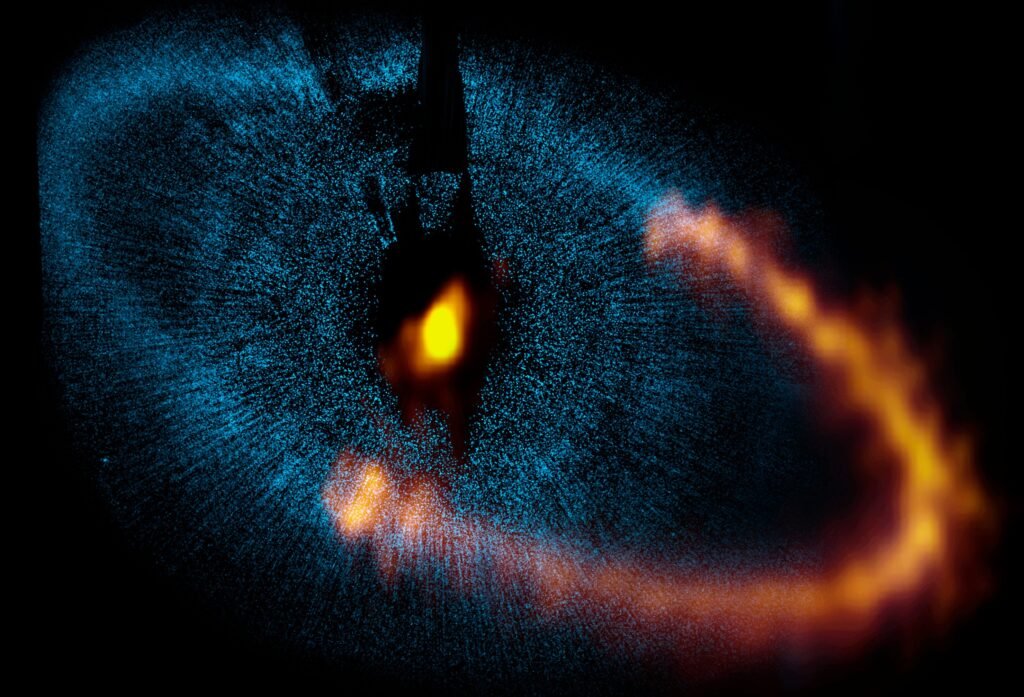
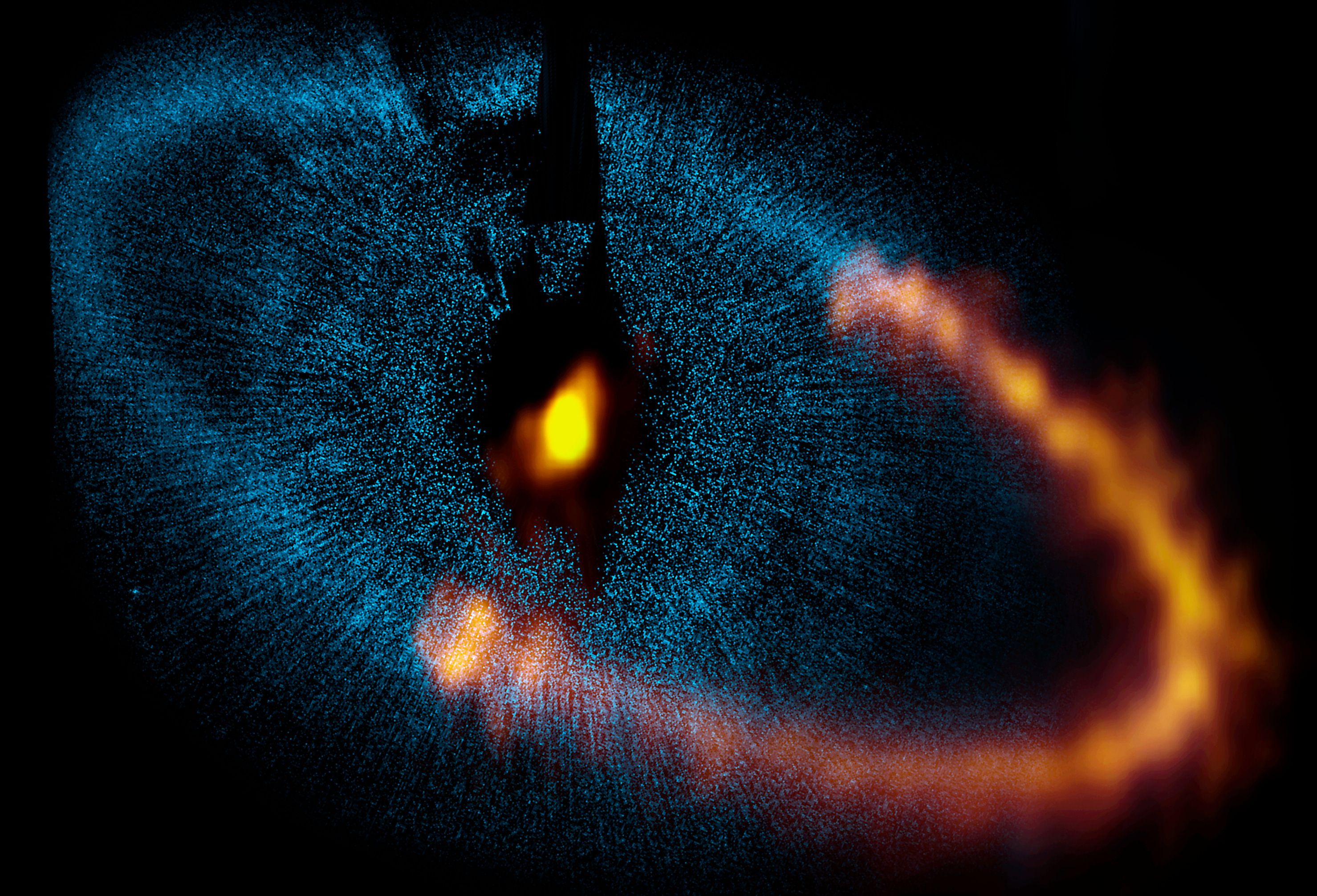
Astronomers marveled at the Hubble images showing the aftermath of two young planets colliding in a distant star system. The event left behind a glowing trail of debris, resembling a cosmic wreck. This observation marked one of the clearest views yet of such a destructive encounter. Scientists noted the lopsided dust cloud stretching far from the parent star, a telltale sign of the impact.
The collision likely involved rocky bodies similar to early Earth, slamming together at high speeds. Heated material expanded rapidly, creating the expansive debris field now visible. Such sights challenge previous models of planetary formation and highlight the turbulent youth of solar systems.
Unpacking the Debris Disk
The debris appeared as a bright, asymmetric ring around the star, far brighter on one side than the other. This imbalance suggested a recent, off-center collision rather than gradual dust accumulation. Hubble’s sharp resolution allowed researchers to distinguish fine details invisible to ground-based telescopes.
Key features included:
- A long trail of dust extending asymmetrically from the star.
- Glowing hotspots indicating freshly vaporized rock.
- A compact inner disk possibly harboring the remnants of the original planets.
- Evidence of ongoing expansion from the heat of impact.
- Colors shifting from white-hot to cooler reds over time.
Insights into Planet Birth
This Hubble sighting provided direct evidence for theories long held by planet formation experts. Collisions like this one sculpt planetary systems, merging smaller bodies into larger ones or ejecting material entirely. The debris could eventually coalesce into moons or feed the growth of surviving planets nearby.
Previous simulations predicted such events, but real-world confirmation came from Hubble’s vigilant stare. The observation underscored how violence drives creation in the universe’s nurseries. Researchers anticipate follow-up studies with next-generation telescopes to track the debris’s evolution.
Hubble’s Enduring Legacy
Launched decades ago, Hubble continues to deliver groundbreaking astronomy. Its ability to peer into star-forming regions remains unmatched for certain wavelengths. This latest find built on years of data from similar nebulae, enriching our catalog of dynamic celestial events.
The telescope’s images not only captivated the public but also fueled scientific debates on solar system origins. Ongoing analysis promises more revelations about how our own planets formed amid such chaos.
Key Takeaways
- Hubble imaged a planetary collision creating an asymmetric debris disk.
- The event illustrates violent processes in young star systems.
- Future observations may reveal new moons or planets from the wreckage.
These Hubble observations remind us that creation often emerges from destruction in the cosmos. What aspects of this cosmic drama intrigue you most? Share your thoughts in the comments.