Picture an unexpected night in the backcountry, a map gone soggy, and a cold front racing in. What takes over first – panic, or a plan? For a growing number of field psychologists and survival educators, personality frameworks can be a useful starting point for training, even if they’re not scientific diagnostics. Astrology sits firmly in the cultural realm, yet its archetypes map intriguingly onto well-studied survival behaviors like risk management, social cooperation, and spatial problem-solving. So let’s treat the zodiac as a storytelling lens layered over evidence from behavioral ecology and human factors research, and ask a playful, practical question: how might each sign lean into its strengths when the wild is calling?
The Hidden Clues: From Ancient Tools to Modern Science

Here’s the hook: the wild doesn’t care about your sign, but your habits do. Field studies show that people under stress default to familiar patterns – some charge ahead, some analyze, some seek allies, some listen to the environment in near-silent focus. Those patterns, while shaped by culture and experience, resemble the archetypes we tell about ourselves, including the twelve zodiac signs. Use that lens wisely and it becomes a memory trick for rehearsing smart moves under pressure. Abuse it, and it’s superstition that gets in the way of skill.
Modern survival boils down to a few disciplines: navigation, thermoregulation, hydration, decision-making, and group dynamics. Behavioral ecology gives us the playbook – optimal foraging, risk-reward trade-offs, and the quiet power of cooperation. Human physiology adds the limits: heat loss in wind, dehydration accelerating with exertion, and the way stress hormones can narrow attention at the worst moment. A simple rule emerges: pair your go-to tendencies with counterweights. That’s the thread we’ll follow sign by sign, element by element.
Fire Signs: Heat, Hunger, and High Ground (Aries, Leo, Sagittarius)
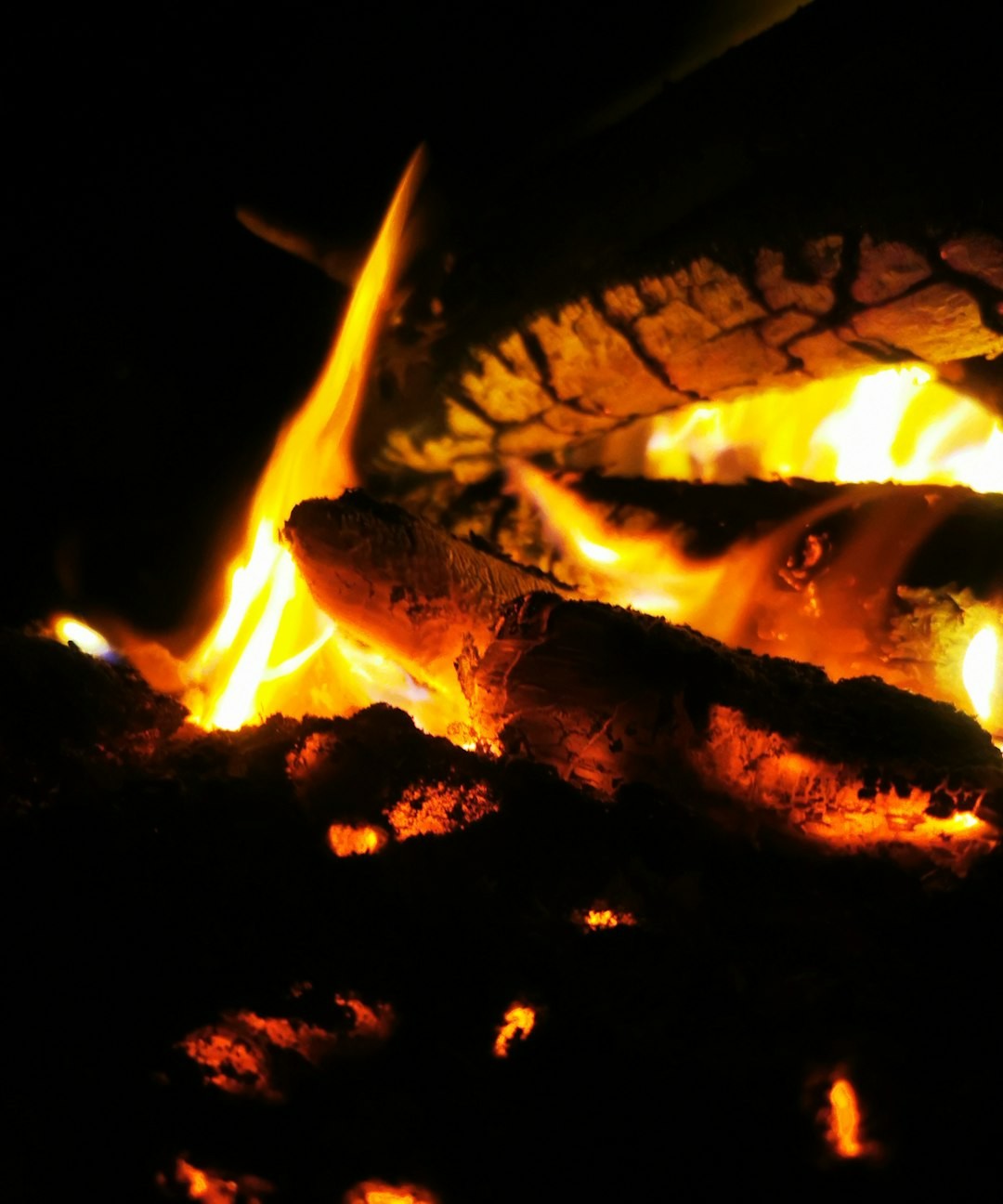
Aries thrives on decisive action, which can be a lifesaver when storms shift fast. The move is to channel that drive into short reconnaissance bursts – climb to safe high ground for line-of-sight, mark a bearing, then slow down for route selection. In search-and-rescue case studies, the rash sprint often causes the gap, so Aries should pre-commit to micro-pauses: breathe, check compass, scan the sky. Leo carries natural leadership energy, valuable for keeping morale up when cold and fatigue fray patience. Use that to structure camp tasks, keep the fire fed, and narrate the plan so the group stays synced.
Sagittarius tends to roam, which is great for finding resources but risky for getting scattered. The fix is deliberate range limits – pick a radius, set a return time, and leave markers at decision points. Fire signs can capitalize on thermoregulation savvy: build windbreaks first, then fire, then food. And when energy spikes, convert it into signal-building – smoke by day, glow at night – so that boldness serves visibility, not just motion.
Earth Signs: Steady Tactics and Shelter (Taurus, Virgo, Capricorn)
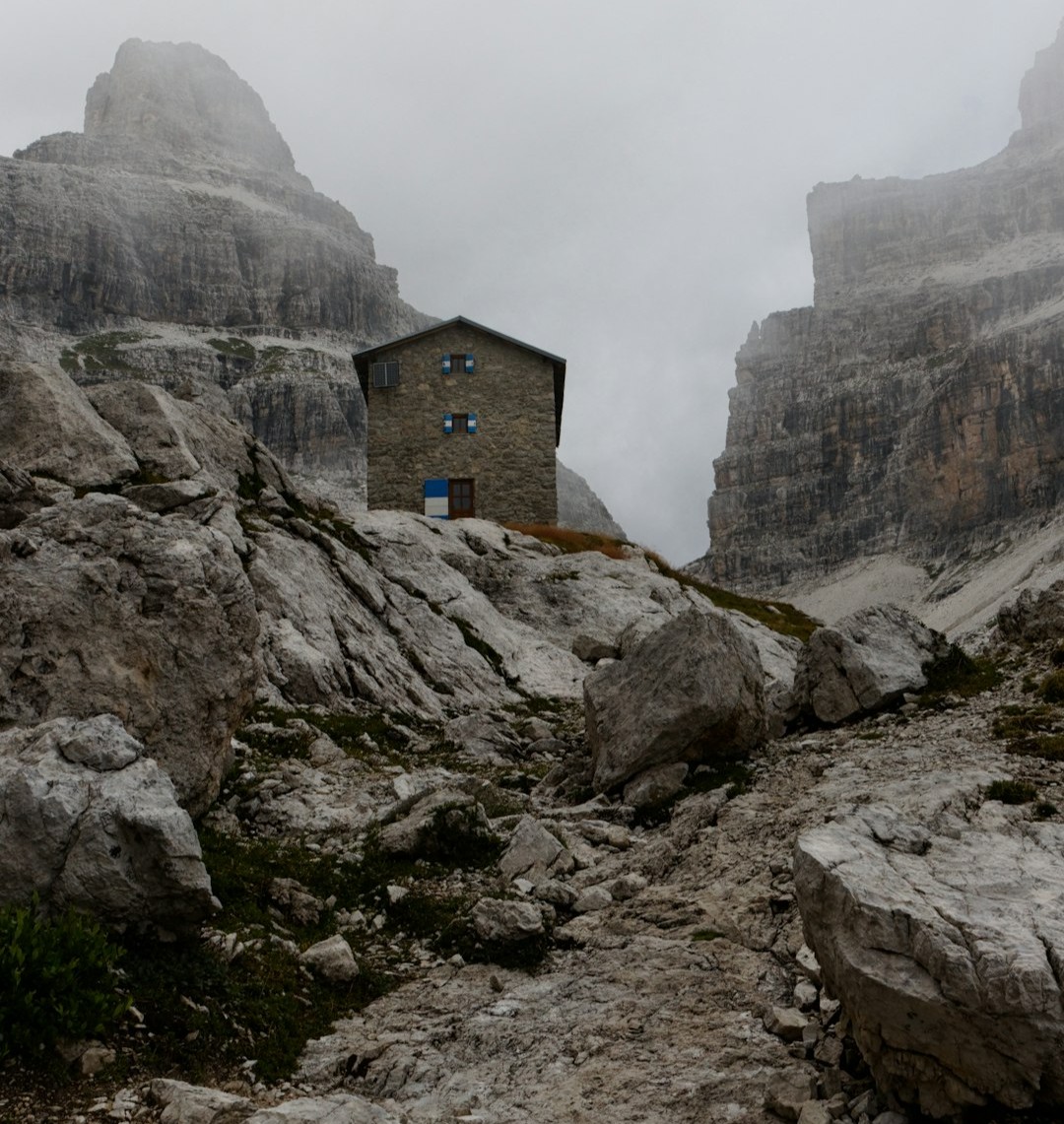
Taurus brings staying power, ideal for shelter building and firecraft that pay dividends over hours. The risk is stubbornness, so pair confidence with periodic reality checks: is the shelter tight against wind, is the site above flood lines, is the wood truly dry inside? Virgo’s precision shines in gear triage – sorting wet from dry, rationing fuel, and organizing a water plan that balances effort with output. A field tip: keep a running tally of calories versus distance; Earth signs excel at these quiet ledgers that prevent tomorrow’s crash.
Capricorn’s strategic patience is perfect for route planning and contingency maps. Use terrain association – ridges, drainages, and aspect – to select paths that trade speed for safety. Earth signs can lean into sit-spot observation before moving; ten minutes still can save an hour of backtracking. When cold gnaws at decision-making, Earth energy should demand insulation upgrades first, navigation second, storytelling third. The mountain answers to layers, not bravado.
Air Signs: Signals, Scouting, and Social Maps (Gemini, Libra, Aquarius)
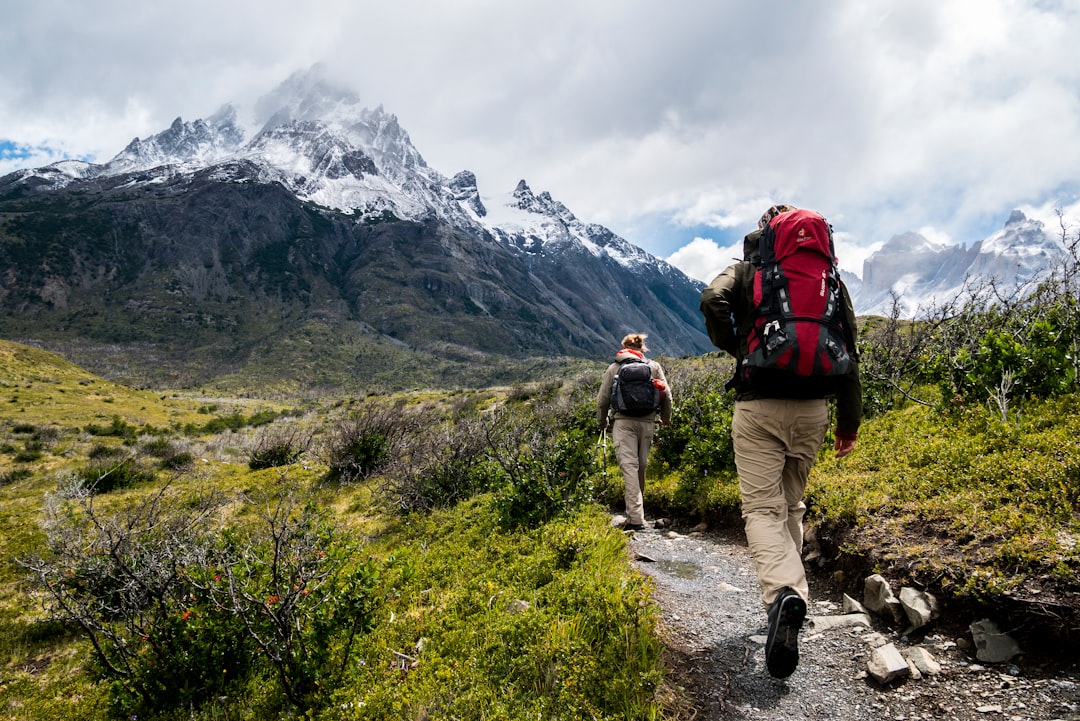
Gemini’s agility fits a scout role – short radial trips to locate water, trail cairns, or game trails that often lead to human paths. The danger is diffusion, so pre-plan information packets: what to look for, how long to be gone, and what signal means “found it.” Libra brings balance and conflict mediation, a quiet superpower when stress cracks group cohesion. Guide the conversation toward shared goals, rotate leadership for key tasks, and check assumptions against a map rather than opinions.
Aquarius thinks systems. In the field, that translates to communication protocols and redundancy: whistle codes, reflective markers, and distributed gear so no single pack failure ends the mission. Air signs should own the signaling suite – mirror flashes, high-contrast flagging, and open clearings oriented toward likely flight paths. When in doubt, narrate the plan out loud; the brain follows language, and clarity cuts through cortisol. The sky might be indifferent, but well-placed signals make it pay attention.
Water Signs: Edges, Estuaries, and Emotional Grit (Cancer, Scorpio, Pisces)
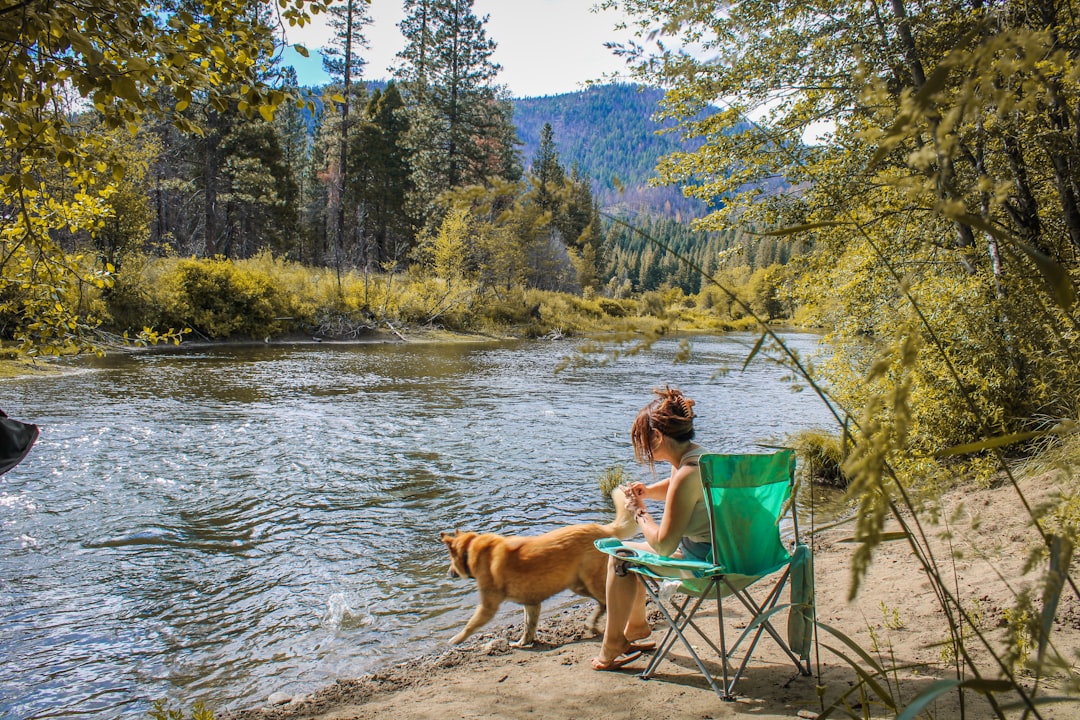
Cancer is the guardian, a natural caregiver who keeps the fire going and spirits intact. Assign hydration checks, foot care, and warmth audits, because prevention beats heroics every time. Scorpio brings focus and resourcefulness, especially in low-light or high-stress windows where careful listening wins – follow the sound of moving water, smell the shift in soil, and notice animal tracks converging at dawn. Pisces leans into intuition, which can be harnessed as pattern recognition: clouds thickening, bird alarm calls, and the feel of cooler air pooling in gullies.
Water signs are drawn to thresholds – riverbanks, lake edges, fog lines – where resources often concentrate. The key is caution: edges can hide hypothermia risks and unstable footing. Use layered clothing strategies and deliberate crossings with test sticks and safety lines. Emotional intelligence pays off here; keep the group synchronized with small, steady wins. When doubt creeps in, water energy should pivot to recovery: warm drink, shared calories, and a plan re-set under a tarp.
Why It Matters

We tell stories to remember what works, and survival is mostly about remembering under stress. Personality archetypes – astrological or otherwise – can act like mnemonic devices for fieldcraft. The science sits in the behaviors: pacing decisions, managing risk, and maintaining social bonds that amplify problem-solving. Traditional survival manuals teach the skills; this framework helps people actually use them when fear narrows options. It’s not proof of planets; it’s a practice in preparedness.
Compared with one-size-fits-all checklists, this approach nudges tailored training. The impulsive practice micro-pauses, the meticulous practice speed drills, the social learn solo competence, and the dreamers anchor plans in map and compass. That pairing of tendencies with countermeasures mirrors aviation and mountaineering safety cultures. And the downstream impact is simple: better decisions, steadier groups, and fewer small mistakes compounding into big ones.
– Hydration choices affect endurance within hours, especially in heat and wind. – Group navigation typically outperforms solo travel when roles are clear and signals are standardized. – Warmth management (windproofing and insulation) often saves more energy than extra food intake during cold exposure.
The Future Landscape
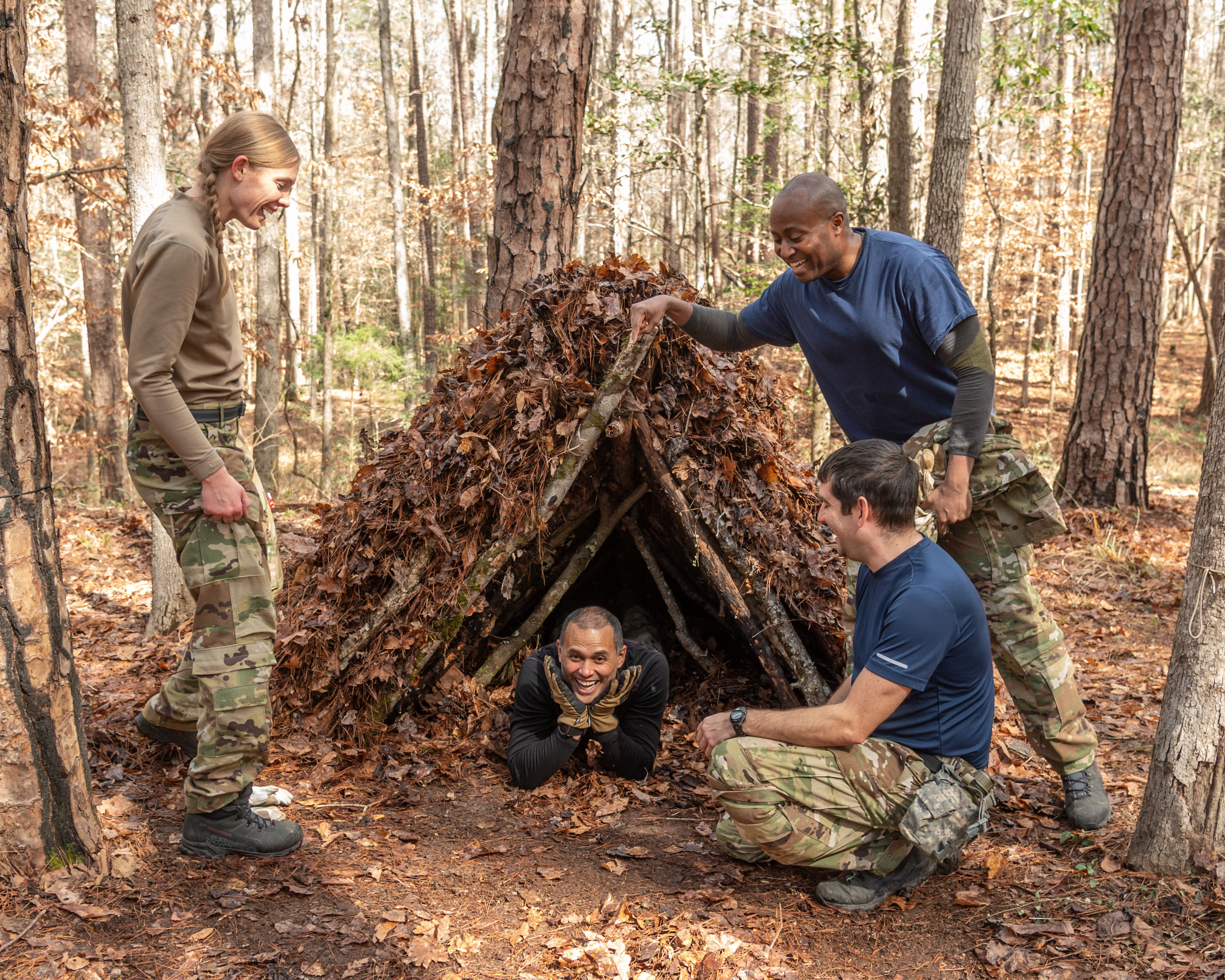
Training is changing fast. Expect simulation-heavy courses that blend wilderness medicine, decision science, and scenario-based stress training, with wearables tracking core temperature and heart rate variability as early warnings. Machine learning can flag risky patterns in route choices or pacing, turning gut feelings into dashboards. For field teams, lightweight satellite messengers and mesh-network radios shrink the gap between isolation and help.
Challenges remain: technology fails, batteries die, and overreliance dulls basic skills. Climate volatility raises the stakes – flash floods where there were trickles, heat waves where there was breeze. The next frontier is adaptive curricula that teach people to toggle between archetypal strengths and situational demands. In that future, an Aries learns stillness, a Virgo learns to cut steps when time is short, and everyone learns to read the ground like a living map.
Elemental Playbook: Quick Field Applications
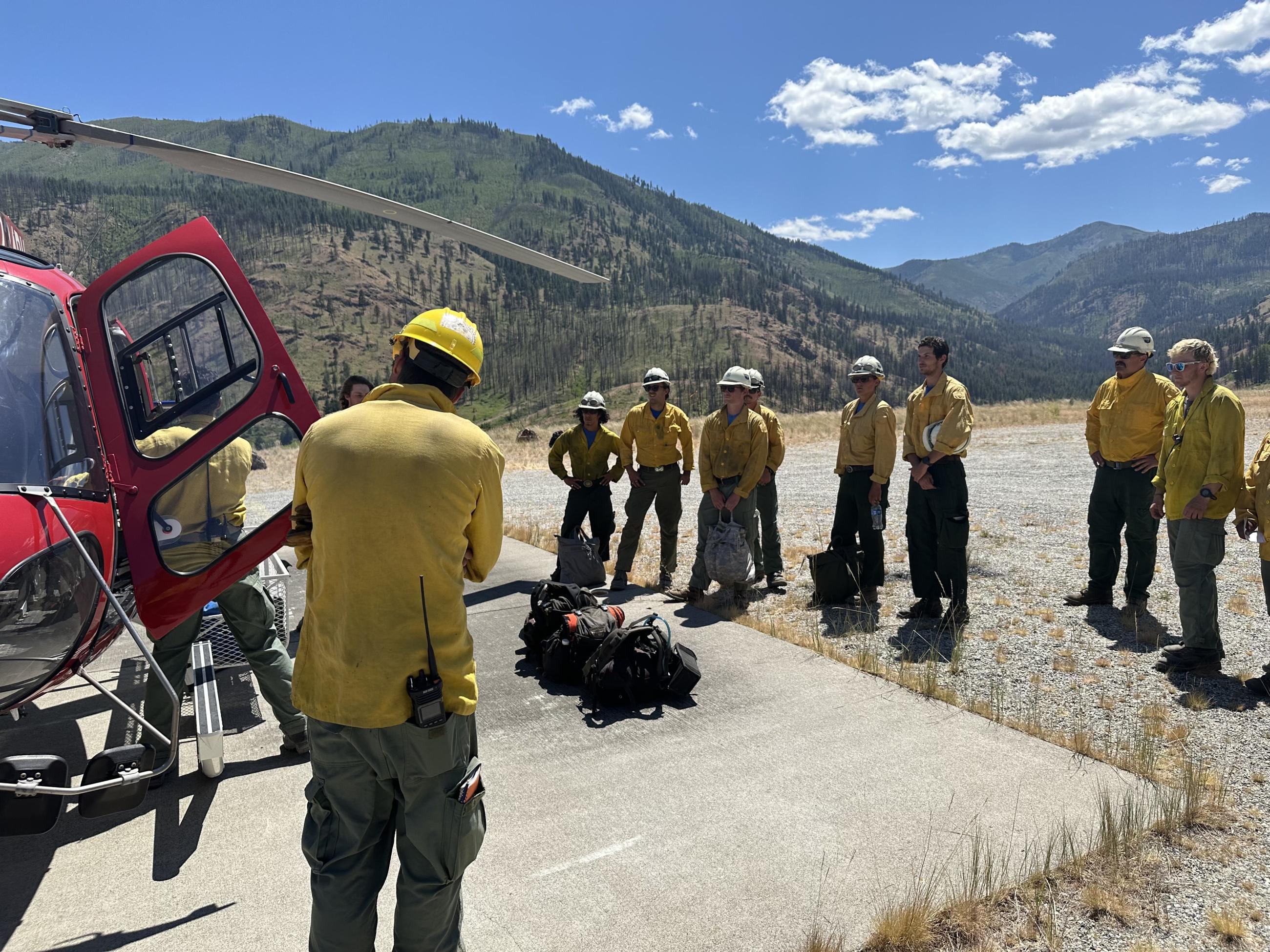
Fire (Aries, Leo, Sagittarius): use boldness for signaling and scouting with return times; convert energy into shelter upgrades before dark. Earth (Taurus, Virgo, Capricorn): own logistics, ration fuel, and audit warmth; trade speed for certainty on unstable terrain. Air (Gemini, Libra, Aquarius): standardize signals, narrate plans, and split tasks to reduce decision bottlenecks. Water (Cancer, Scorpio, Pisces): manage recovery cycles, watch edge habitats for resources, and maintain steady morale through small wins.
Across all signs, practice the core set: map-and-compass checks every interval, hydration on a schedule not by thirst alone, and windproofing as a first-response layer. Build a shared mental model: where we are, where we’re going, what we’ll do if we’re wrong. I once learned the hard way on a desert field course that a five-minute windbreak saved more heat than an hour of shivering chatter; since then, I hear that lesson in every gust. The wild keeps the receipts, and it favors those who prepare.
Global Perspectives
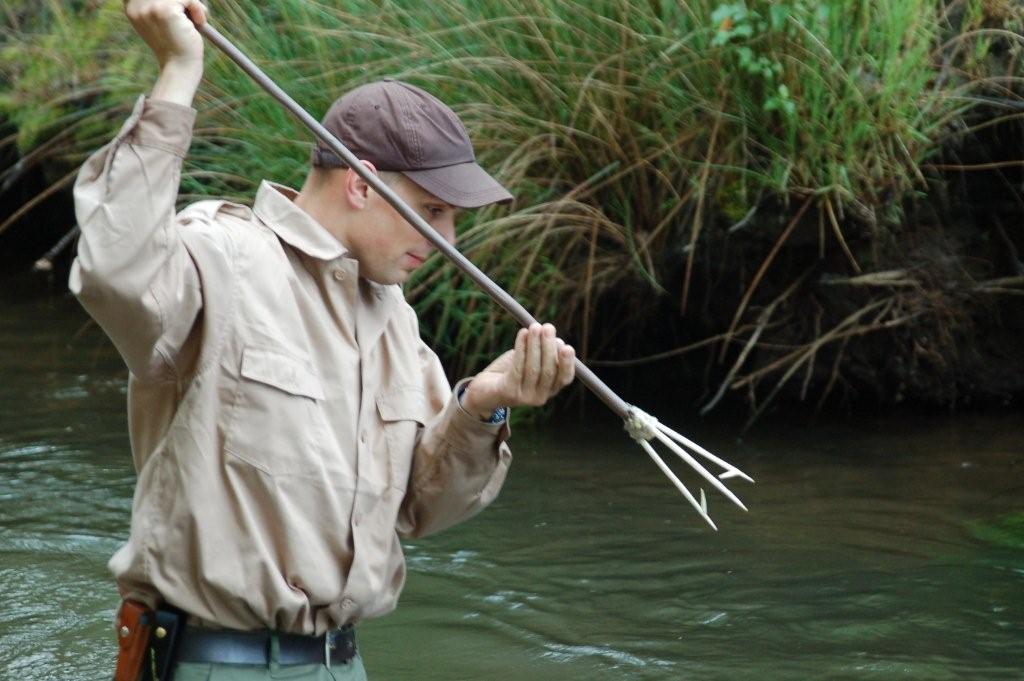
Different landscapes demand different emphases. In alpine zones, insulation, wind awareness, and avalanche literacy dominate; in deserts, shade strategy and water navigation are king. Tropical forests reward patience, trail sign reading, and foot care that prevents infections; coastal zones ask for tide timing and rip awareness. Communities around the world already encode these lessons in local knowledge – from seasonal travel routes to shelter forms that fit wind and rain. The elemental lens simply offers a portable way to remember what those communities already know well.
As outdoor participation broadens, so does the need for culturally aware training. Some groups come with strong communal instincts; others arrive steeped in solo achievement. Blending both increases resilience, whether on a weekend hike or a transcontinental expedition. And when disasters strike near home, these same skills – signal, shelter, water, plan – translate directly to urban resilience. Navigation is navigation, whether you’re tracing a ridge or a stairwell in the dark.
Conclusion
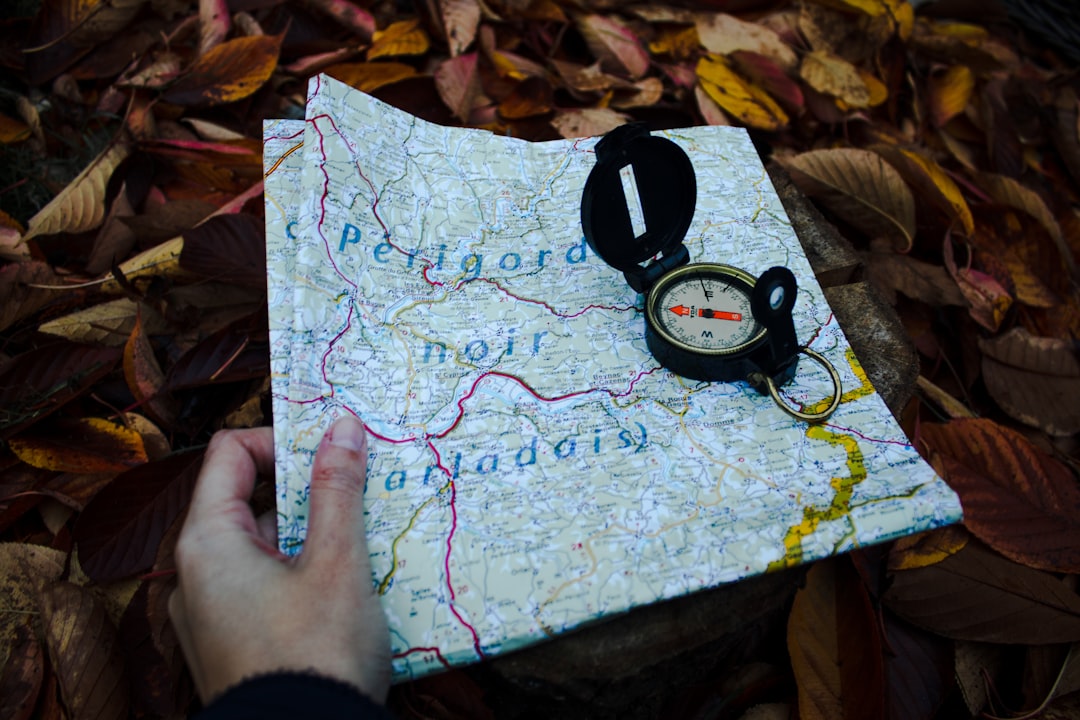
Turn the archetype you like into a practice you trust. Pick one strength you recognize and drill its counterweight this month: if you’re bold, rehearse slow checks; if you’re meticulous, rehearse rapid triage. Assemble a simple kit – map, compass, water treatment, insulation – and practice with it in safe, familiar terrain. Learn the basics of signaling and make them muscle memory: whistle codes, mirror flashes, and a plan on a page. Join a first-aid or navigation class, then teach a friend; nothing sticks like passing it on.
The wild rewards honest preparation more than any story we tell about ourselves. Use the story to remember, and the science to survive. When the wind changes and the map smears, the strongest sign is the one that practiced yesterday – will that be yours?
Suhail Ahmed is a passionate digital professional and nature enthusiast with over 8 years of experience in content strategy, SEO, web development, and digital operations. Alongside his freelance journey, Suhail actively contributes to nature and wildlife platforms like Discover Wildlife, where he channels his curiosity for the planet into engaging, educational storytelling.
With a strong background in managing digital ecosystems — from ecommerce stores and WordPress websites to social media and automation — Suhail merges technical precision with creative insight. His content reflects a rare balance: SEO-friendly yet deeply human, data-informed yet emotionally resonant.
Driven by a love for discovery and storytelling, Suhail believes in using digital platforms to amplify causes that matter — especially those protecting Earth’s biodiversity and inspiring sustainable living. Whether he’s managing online projects or crafting wildlife content, his goal remains the same: to inform, inspire, and leave a positive digital footprint.