

Walk into any dog park and you’ll see it: the jogger matching strides with a lean border collie, the quiet reader with a snoring bulldog at their feet, the social butterfly surrounded by wiggling doodles. We tend to chalk this up to personality alone, but a growing cultural fascination suggests something more symbolic may be at play. Astrology, long dismissed as pseudoscience, is quietly reshaping how many people think about their relationships with animals, especially dogs. While astronomy and ethology do not support horoscopes as hard science, researchers do study how belief systems shape behavior – and that is where things get interesting. When you look closely, the way people express their zodiac traits often lines up uncannily with how they train, comfort, and connect with their dogs.
The Hidden Clues: Fire Signs and Their High-Energy Hounds
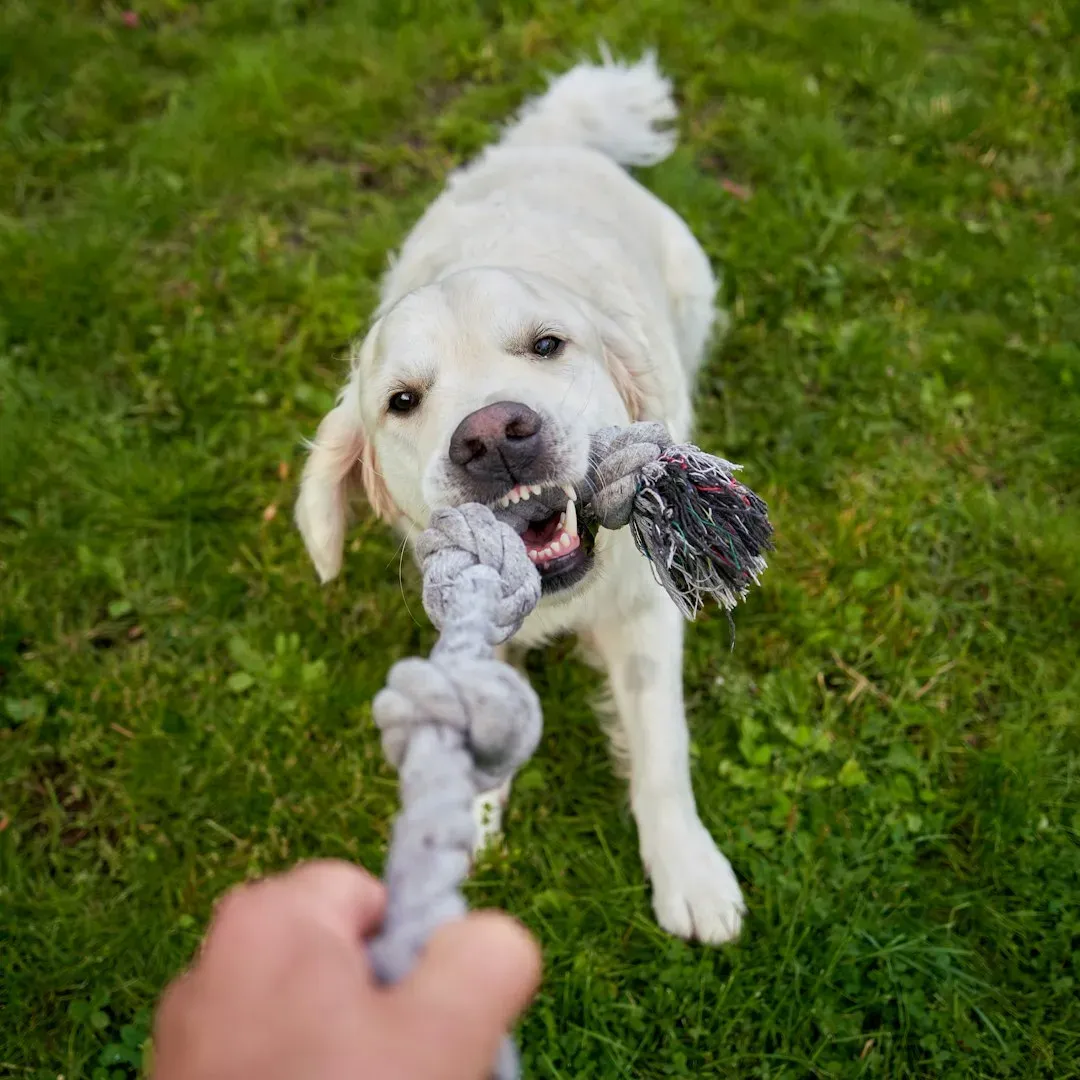
Spend time with an Aries, Leo, or Sagittarius dog guardian and you’ll notice a shared spark: the relationship is built on motion, adventure, and a bit of chaos. Fire-sign humans are stereotyped as bold and impulsive, and while the stars are not pulling any leashes, people who see themselves this way often choose active dogs and lean hard into play. I once tagged along on a hike with a self-identified Aries who talked about her cattle dog as if he were her co-pilot, not her pet, and their dynamic looked less like ownership and more like a two-member expedition team. These guardians tend to bond through adrenaline, from trail runs to agility courses, reading joy in every spin and bark. Their dogs, in turn, often become tuned to quick changes in pace and tone, thriving on that rolling wave of enthusiasm.
There is a psychological layer to this fiery bond. Studies on human–animal interaction show that people who describe themselves as sensation-seeking tend to prefer more energetic breeds and more frequent outdoor activities with their dogs. That aligns closely with the fire-sign stereotype, whether or not you believe the sky has anything to do with it. When a person embraces that “all in” identity, it shapes their expectations: they are more likely to reward boldness, overlook minor misbehavior as “spirit,” and treat rough-and-tumble games as a love language. Over time, this can sculpt dogs that are more confident, more demanding, and deeply attached to the human who seems to live at the same speed. In that sense, the constellation that really matters is the one traced between boot prints, paw prints, and a shared taste for the next big leap.
From Ancient Tools to Modern Science: Earth Signs and Slow, Steady Attachment
Taurus, Virgo, and Capricorn types are often framed as grounded and practical, and their dog relationships tend to revolve around routine, touch, and quiet presence. Historically, humans relied on dogs for work – herding, guarding, hauling – and that partnership demanded patience, consistency, and clear expectations, traits closely linked with this earthy archetype. Modern research into dog cognition shows that predictable routines and stable caregiving reduce stress hormones in dogs, making them more secure and less reactive at home. People who see themselves as steady and reliable are more likely to stick to feeding schedules, training plans, and consistent rules, building trust in small, almost invisible ways. The result is a bond that may look uneventful from the outside but feels like bedrock to the dog living it.
In my own life, I fall closer to this camp, even if my belief in horoscopes is more cultural than literal. Years ago, when I adopted a nervous mixed-breed from a shelter, our bond did not come from dramatic breakthroughs but from hundreds of unremarkable mornings doing the same walk at the same time. Ethologists often talk about “secure base” effects in dogs, similar to those seen in human infants with caregivers, and that security is often built on predictability. Earth-sign folks, by leaning into schedules and tactile comfort – regular grooming, relaxing couch time, unhurried sniff walks – naturally create that safe harbor. Whether they attribute it to their zodiac or simply “who they are,” their dogs often respond with deep loyalty and calm, shadowing them like a gravity field throughout the house.
Water Signs and Emotional Echoes: When Dogs Become Four-Legged Empaths
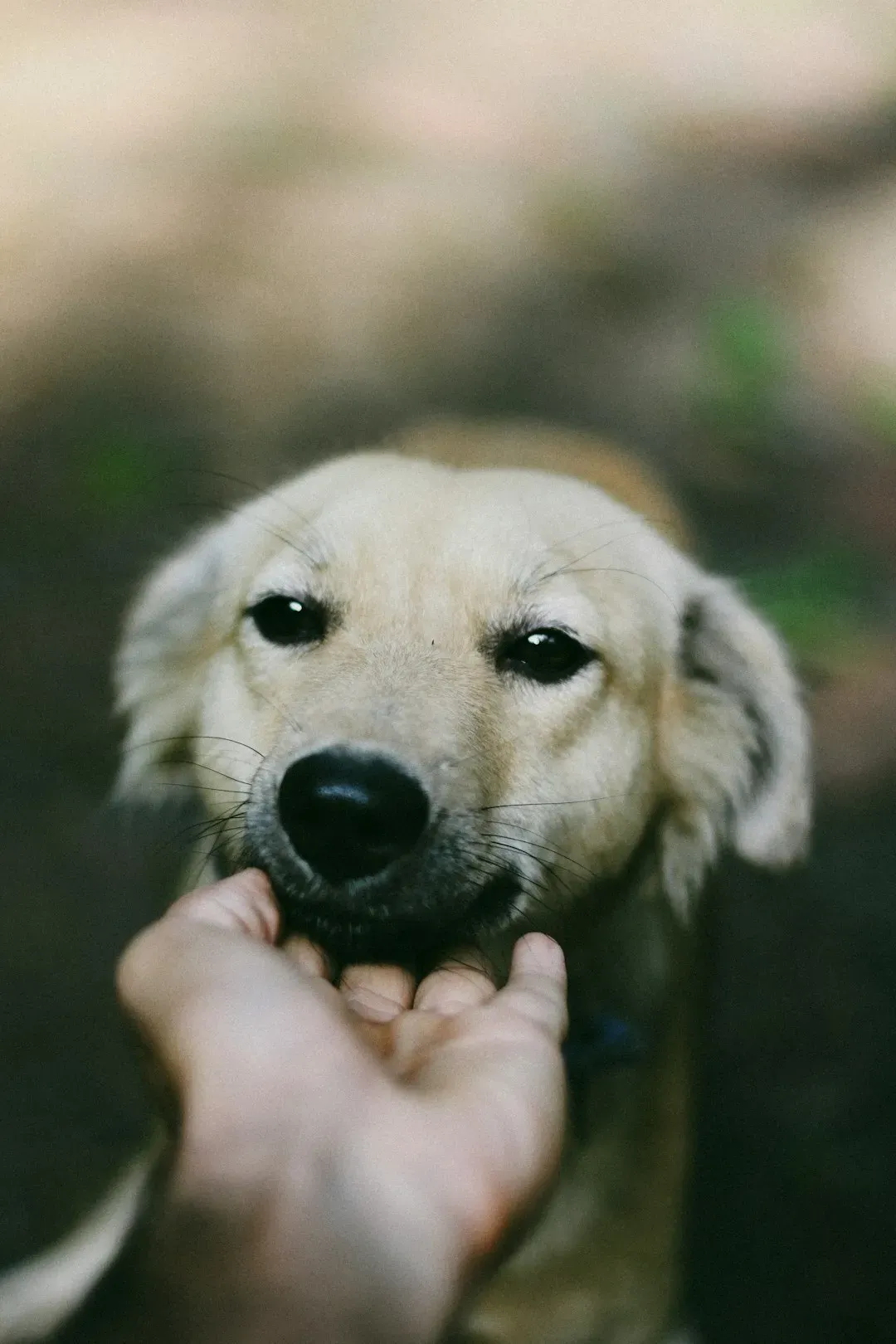
Cancer, Scorpio, and Pisces guardians are often described as deeply emotional and intuitive, and their dogs tend to become mirrors of that inner weather. Dogs are remarkably skilled at reading human cues: research shows they respond to subtle changes in posture, facial expression, and voice, and some even detect shifts in heart rate or cortisol before their humans are consciously aware of stress. People who believe they are emotionally attuned may lean into this sensitivity, treating their dogs as confidants and companions in navigating life’s storms. The result can be a relationship where the dog seems to “just know” when to curl closer, when to lick away tears, or when to bound around sillily to snap their person out of a funk. It can feel almost mystical, though underneath is a very real fabric of learning and shared history.
There is a double edge to this emotional echo. When a water-sign person is anxious or moody, their dog may absorb and reflect that tension, becoming clingier or more on alert. Behaviorists often note that dogs in high-stress households show more signs of hypervigilance and separation distress, and emotionally expressive guardians can inadvertently amplify those waves. Yet when that same expressiveness is channeled into empathy and patience, it can create extraordinary bonds, especially with shy or traumatized dogs. These guardians are more likely to talk to their animals, narrate feelings, and respond to small shifts in body language, which reinforces two-way communication. In that sense, calling it a “psychic” connection is poetic shorthand for a very real and finely tuned emotional feedback loop.
Air Signs and the Art of Conversation: Training, Play, and Mental Games
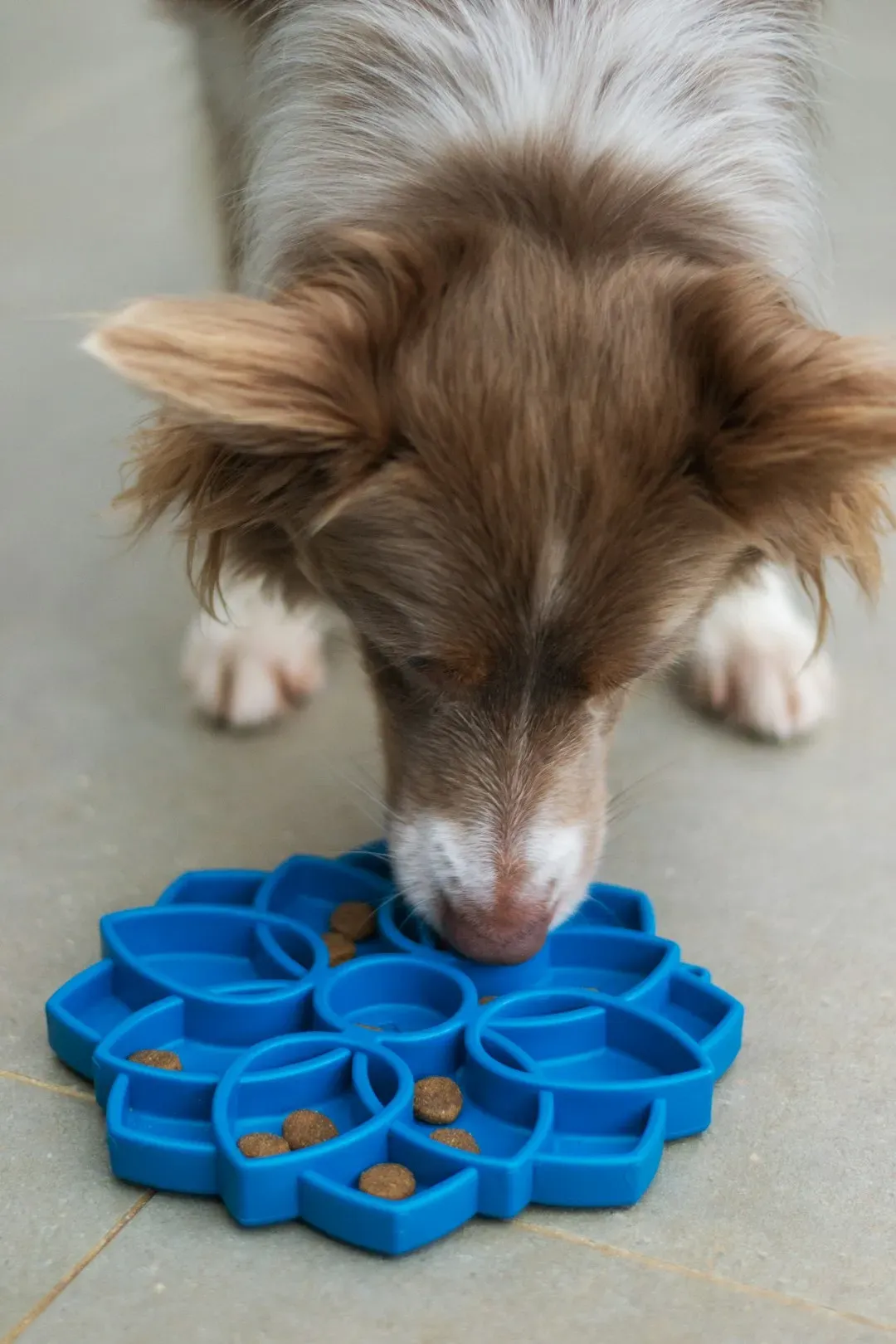
Gemini, Libra, and Aquarius are the so-called air signs, associated with curiosity, communication, and big ideas, and you can often spot their dogs by the constant stream of interaction around them. Instead of just tossing a ball, these guardians are explaining, commenting, or turning training into a kind of ongoing dialogue. Cognitive studies suggest that dogs can learn the names of dozens, sometimes hundreds, of objects and cues when exposed frequently and playfully, which fits neatly with this talkative style. Air-sign personalities, who pride themselves on mental agility, may favor puzzle toys, trick training, and varied walking routes over strict physical exertion. Their dogs often become experts at reading language and routine changes, as if living with a perpetual, wagging think tank.
This interplay has its quirks. A highly verbal, idea-driven human can accidentally send mixed signals by changing cues or overexplaining, leading to confused dogs that watch the hands more than the words. Trainers often emphasize the importance of consistency and clear markers, something air-sign types need to consciously adopt rather than assume will happen naturally. At the same time, their willingness to experiment, read new studies, and try different enrichment strategies can be a huge asset. You’ll find them swapping training hacks online, advocating for better urban dog policies, or testing out the newest smart collar or activity tracker. In a way, they treat dog companionship like an open-ended research project, with love and data layered together.
Why It Matters: Belief, Behavior, and the Science Beneath the Stars
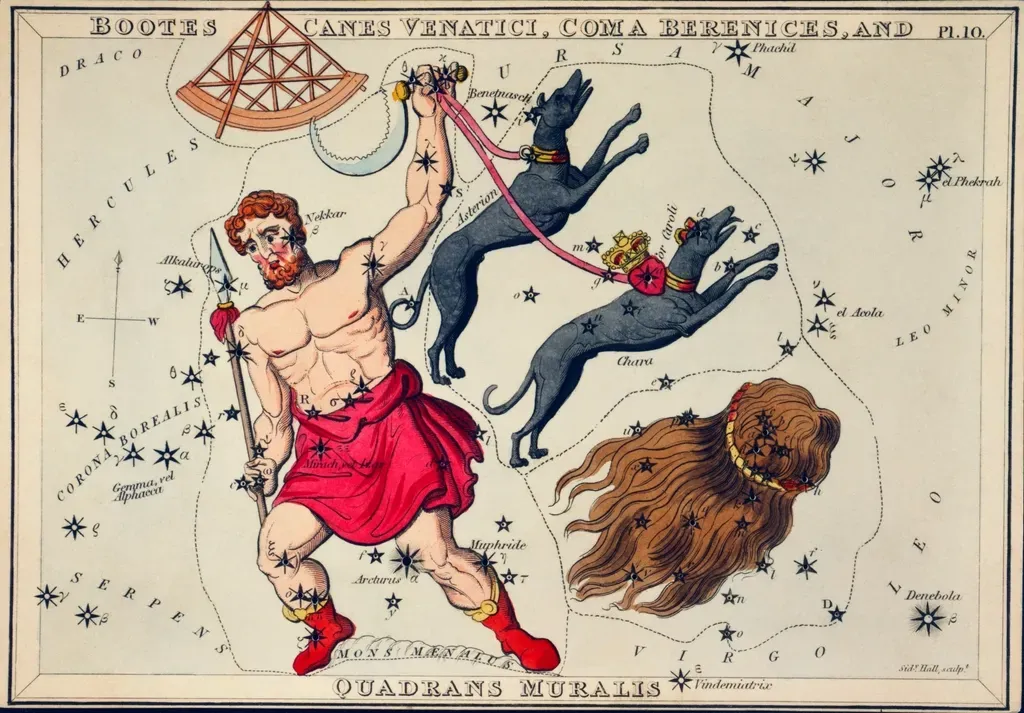
On its face, linking zodiac signs with dog bonding sounds like harmless fun, and from a strict scientific standpoint, there is no evidence that the position of the planets shapes your relationship with your pet. What does matter, however, is how belief drives behavior – an area psychologists and behavioral scientists study in depth. If someone genuinely sees themselves as fiery, sensitive, grounded, or analytical, that identity can influence the dog they choose, the activities they prioritize, and the way they interpret their pet’s actions. Over time, those choices sculpt a bond that seems to confirm the horoscope, even though the real engine is human expectation and reinforcement. This is a classic case of a self-fulfilling pattern wrapped in celestial language.
Understanding this doesn’t ruin the magic; it makes it more interesting. When people sit down with an astrology chart to think about how they love, they are essentially running a guided self-reflection exercise. That introspection can lead to better dog care: recognizing a tendency toward impatience, for example, or an inclination to smother a nervous animal with too much attention. Compared with older, more rigid views of animals as property or tools, this is a surprisingly empathetic turn. Many modern guardians are using every framework they can – science, spirituality, mythology – to ask what their dogs need emotionally as well as physically. If horoscopes spark that question and open the door to evidence-based training and welfare, then the line between star lore and science becomes a lot less antagonistic and a lot more collaborative.
Global Perspectives: Cultural Zodiacs and the Many Ways We Read Our Dogs
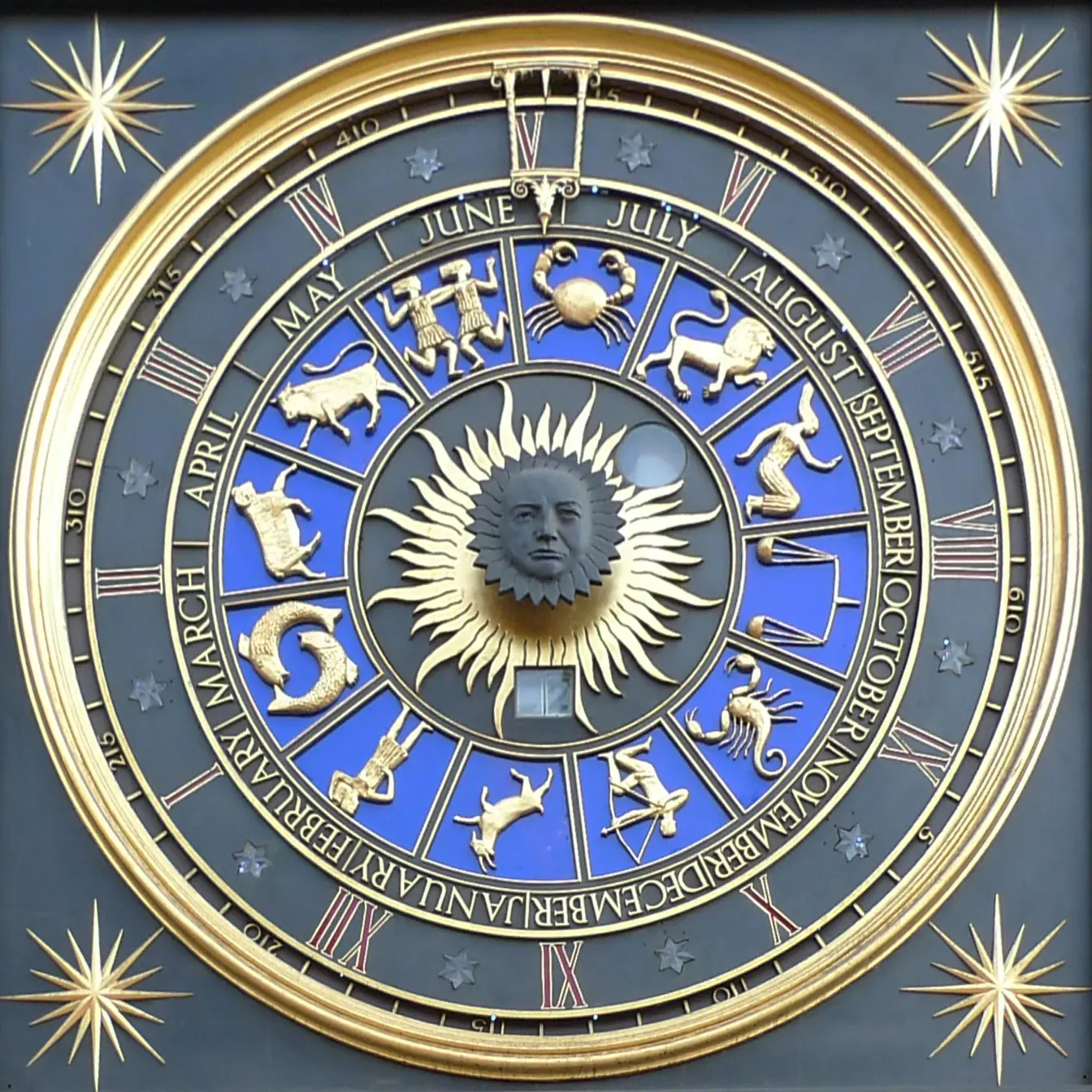
Astrology is not a single, monolithic system, and around the world, people blend different cosmic stories into their relationships with animals. In East Asia, for instance, the lunar zodiac assigns each year to an animal, including the dog, and many families still talk about their personality through that lens. In India, traditions around auspicious days, planetary periods, and specific deities can shape when animals are adopted or blessed. In the West, solar horoscopes dominate, but younger dog guardians often mix Western star signs with numerology, personality tests, and even behavioral genetics reports from commercial DNA kits. Each of these systems offers a different metaphor for thinking about why a particular dog feels like fate instead of chance.
What is striking is that research on human–animal bonds consistently finds that people all over the world describe their pets in similar emotional terms: family, partner, protector, child. The cultural wrapping varies, but the core experience of shared routine and mutual comfort is almost universal. In some regions, rescue groups are even starting to lean into this blend, describing adoptable dogs in both behavioral and astrological terms to catch attention and help people imagine a match. While scientists remain cautious about mixing myth and measurement, they cannot ignore the impact of narrative on adoption rates and long-term care. The stories we tell ourselves, whether star-shaped or data-driven, can change real outcomes for dogs waiting behind shelter doors.
The Future Landscape: Apps, Algorithms, and Astro-Informed Adoption
As technology seeps into every corner of pet care, it is not hard to imagine a near future where your dog-matching app asks not just for your lifestyle and housing but also your zodiac sign. In some ways, it is already happening in softer form: adoption platforms use algorithms to suggest dogs based on stated preferences, and social media feeds are full of astro-themed pet accounts pairing signs with breeds. Wearable trackers collect enormous amounts of data about dogs’ activity levels, sleep patterns, and stress, while human wellness apps log moods, steps, and social interaction. Combining these data streams could reveal patterns in how different personality types, regardless of horoscope, bond with and regulate their pets’ behavior. Layering an astrological narrative on top would be a marketing choice, but the underlying analytics could be very real.
This fusion brings both promise and risk. On the hopeful side, better behavioral matching could reduce failed adoptions and improve welfare, especially for high-energy or anxious dogs that need specific environments. On the worrying side, overemphasis on any personality label – whether based on stars or surveys – could limit who feels “allowed” to adopt certain breeds or individuals. Ethicists are already debating how much predictive profiling is appropriate in human–animal relationships, especially when commercial platforms stand to benefit from sticky engagement. For now, the most responsible path seems to be using astrology as one more playful lens among many, while keeping hard decisions anchored in evidence-based behavioral science. It is a delicate balance between harnessing our love of story and guarding against the quiet power of labels.
Call to Action: Turning Star Stories Into Better Lives for Dogs
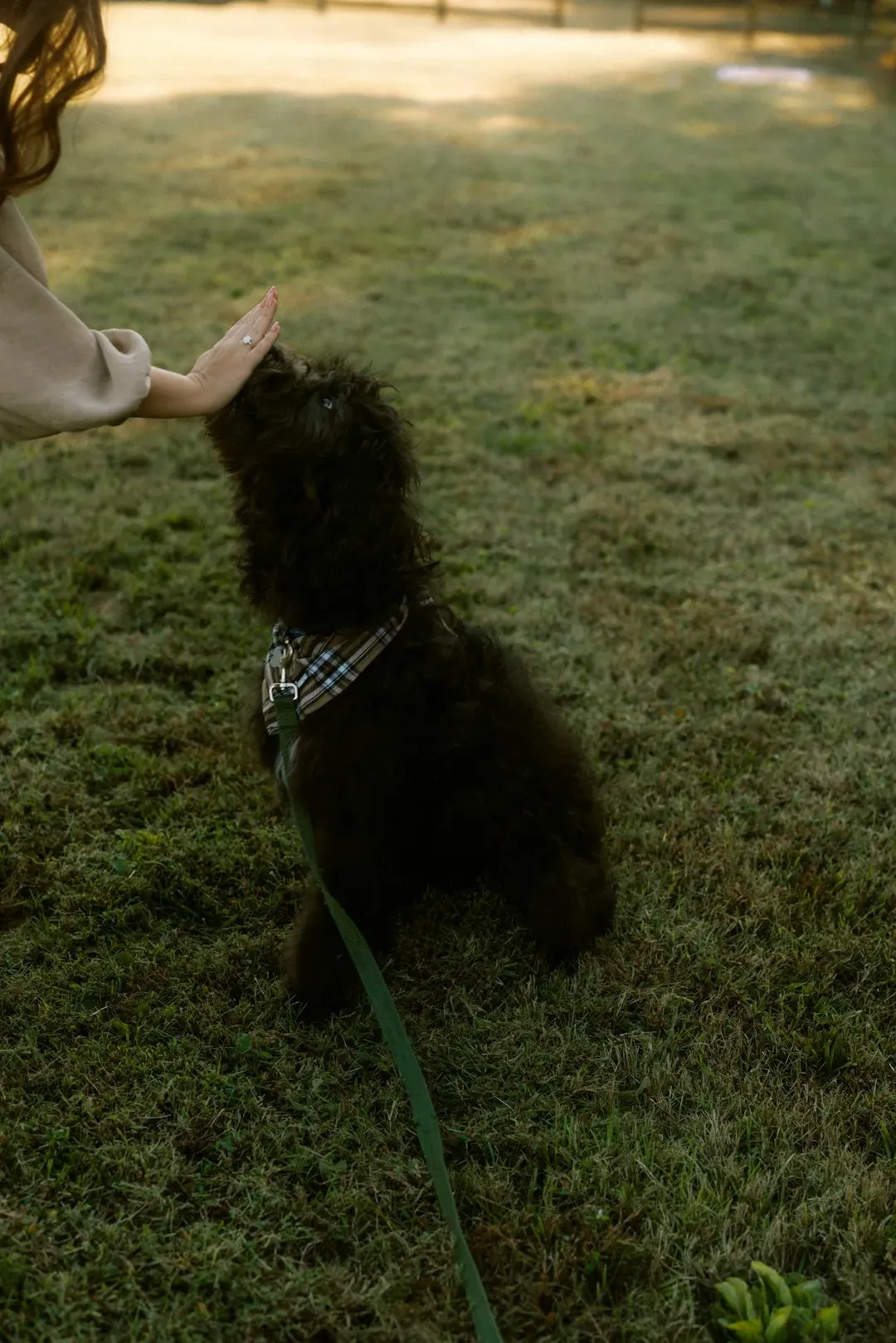
If you already read your horoscope and your dog’s “sun sign” for fun, the next step is simple: use that curiosity as a gateway, not a destination. Let the traits you identify with – whether fiery, earthy, airy, or watery – prompt honest questions about how you show up for your dog each day. Do you give enough structure to balance your spontaneity, enough rest to offset your love of excitement, enough space to match your need for closeness? When in doubt, cross-check starry advice with what trainers, veterinarians, and behaviorists recommend for your dog’s age, breed mix, and health. Think of astrology as a colorful map overlay, but let science and your dog’s actual behavior draw the roads.
You can also turn this interest outward. Support shelters and rescue organizations that invest in behavioral assessment and enrichment, not just basic housing, because those efforts help every type of guardian find a sustainable match. Share evidence-based training resources alongside the playful zodiac memes in your feeds, so friends see that magic and measurement can coexist. Above all, pay close attention to the creature in front of you: the lean into your hand, the tilt of the head, the way they linger by the door at certain times of day. In the end, the strongest influence on your bond is not the constellation you were born under but the daily constellation of choices you make with your dog. That might be the most remarkable alignment of all.
Sources: American Veterinary Medical Association; recent peer-reviewed studies on human–animal interaction and companion dog behavior.
Suhail Ahmed is a passionate digital professional and nature enthusiast with over 8 years of experience in content strategy, SEO, web development, and digital operations. Alongside his freelance journey, Suhail actively contributes to nature and wildlife platforms like Discover Wildlife, where he channels his curiosity for the planet into engaging, educational storytelling.
With a strong background in managing digital ecosystems — from ecommerce stores and WordPress websites to social media and automation — Suhail merges technical precision with creative insight. His content reflects a rare balance: SEO-friendly yet deeply human, data-informed yet emotionally resonant.
Driven by a love for discovery and storytelling, Suhail believes in using digital platforms to amplify causes that matter — especially those protecting Earth’s biodiversity and inspiring sustainable living. Whether he’s managing online projects or crafting wildlife content, his goal remains the same: to inform, inspire, and leave a positive digital footprint.