Every time you take a bite of your favorite meal, an intricate symphony of sensations unfolds on your tongue. Your taste buds work like microscopic chemical detectors, transforming the molecules in your food into electrical signals that your brain interprets as distinct . The process seems simple on the surface, yet beneath lies a complex network of specialized cells, nerves, and neural pathways that create your entire gustatory experience.
What makes this process even more fascinating is that taste is just one component of what you experience as flavor. The creamy texture of ice cream, the burning heat of chili peppers, and the cooling sensation of mint all contribute to your perception through different sensory systems. Your tongue doesn’t work alone – it partners with your nose, temperature receptors, and pain sensors to create the full spectrum of what you call taste. Let’s explore how this remarkable system transforms simple chemicals into the rich world of you experience every day.
The Architecture of Taste Buds
Your taste buds are clusters of taste receptor cells, also known as gustatory cells, and they’re located inside the tiny bumps covering your tongue called papillae. The average adult has anywhere from 2,000 to 10,000 taste buds, with most people having around 10,000 taste buds located throughout the tongue and mouth. These taste buds come in different sizes, typically having a diameter of about one-thirtieth of a millimeter and a length of one-sixteenth of a millimeter.
Each taste bud has a special structure that looks like an orange with its sections arranged around a center, with a small opening at the top filled with fluid. Each taste bud contains 50 to 100 taste-receptor cells, with some sources putting this figure closer to 80-100. Each taste bud has finger-like projections called microvilli that poke through an opening at the top of the taste bud called the taste pore.
Different Types of Papillae
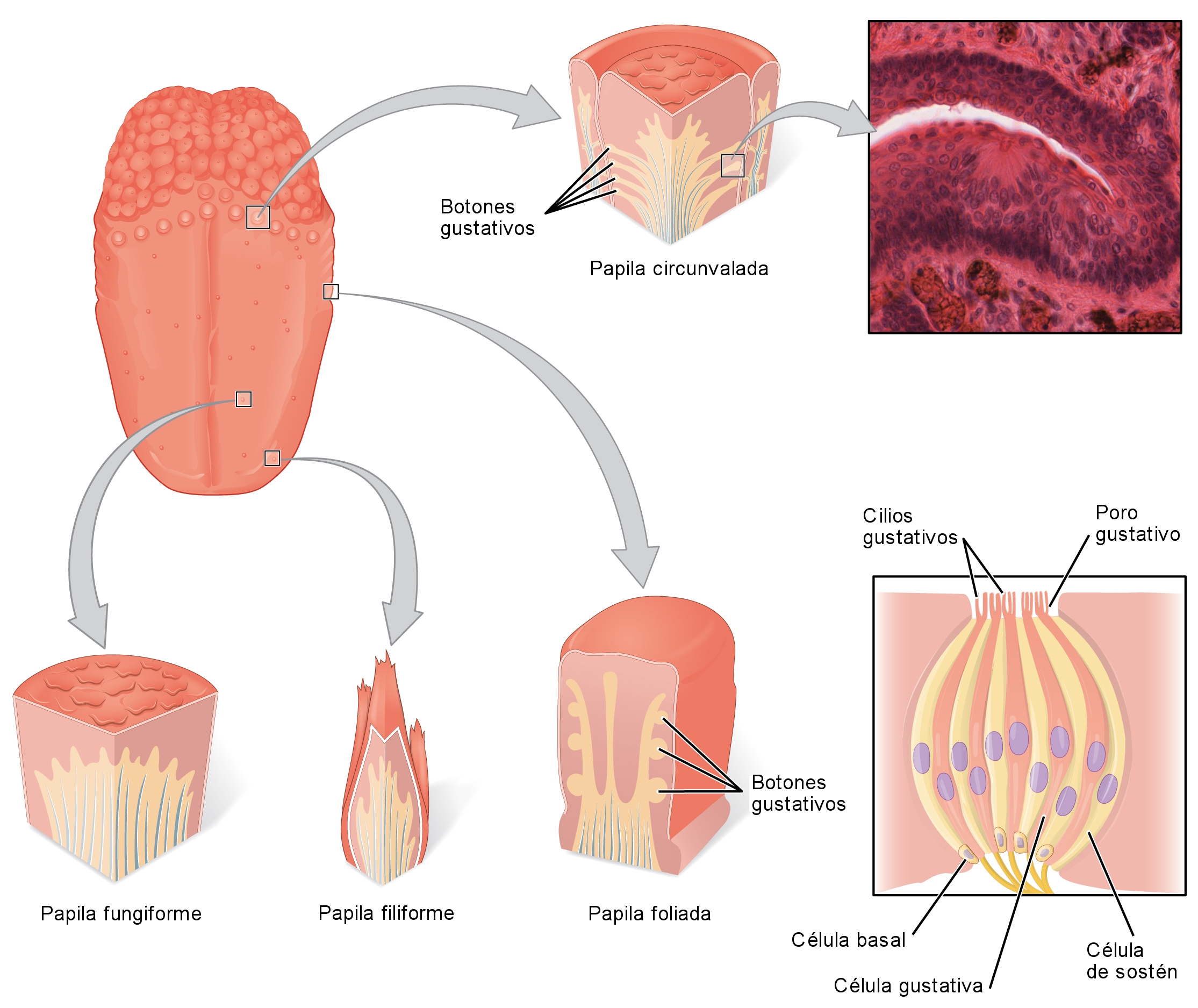
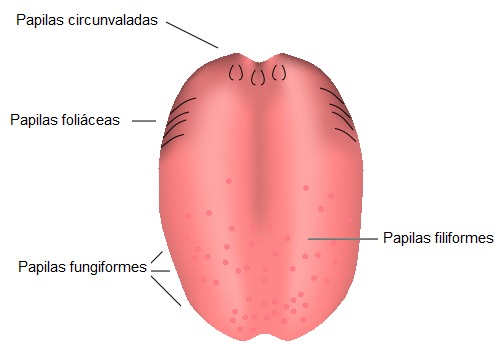
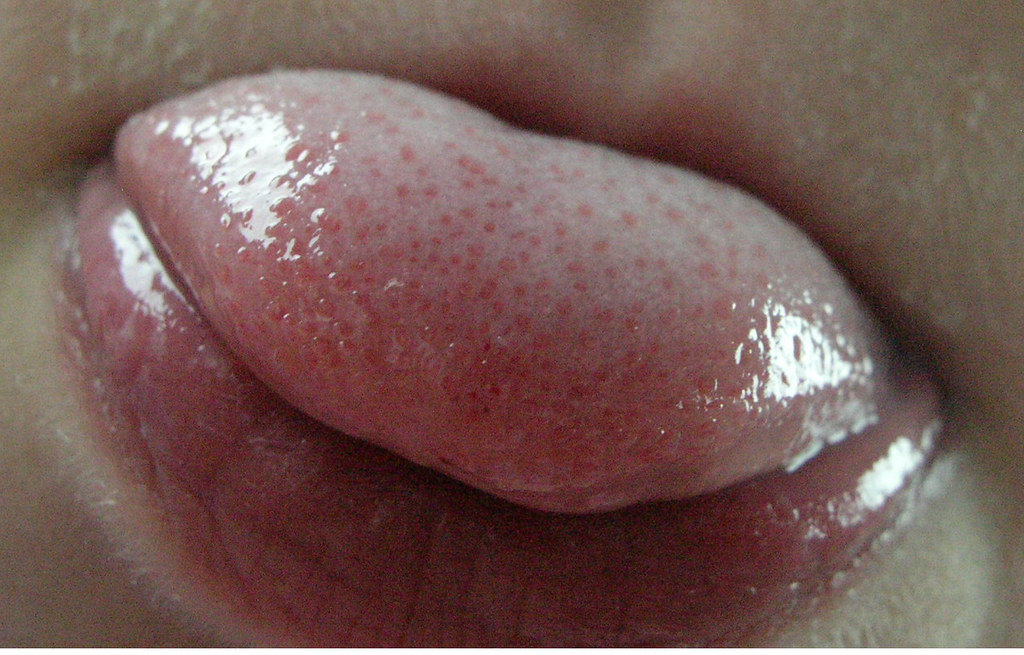
Fungiform papillae are the most common, with between 200 and 400 bumps spread all over the surface of the tongue, mostly found at the tip and edges of the tongue, making these areas especially sensitive to taste. These papillae not only detect taste but also contain sensory cells for touch and temperature, with each papilla having 3 to 5 taste buds.
Circumvallate papillae are very large and found at the base of the tongue where the throat begins, with only 7 to 12 of these papillae per person, but each containing several thousand taste buds arranged in a V-shape at the back of the tongue. Filiform papillae are the most abundant lingual papillae – slim, cone-shaped projections distributed evenly on the tongue’s surface and responsible for its rough texture, mainly involved in mechanical activities and containing nerve endings that transmit texture, temperature, and pain.
The Five Basic Tastes
Your taste buds allow you to perceive five basic tastes: sweet, salty, sour, bitter and umami (the savory taste often known by its Japanese name, which translates to ‘deliciousness’). Sweet taste permits recognition of sugars and carbohydrates, salty taste regulates sodium intake and contributes to water balance, sour taste results from acidic foods and functions as a protective mechanism against ingestion of spoiled food, bitter taste signals potentially harmful substances, and umami taste is linked to protein content and conveys savory flavor.
In the late nineteenth century, Japanese chemist Kikunae Ikeda identified a fifth taste associated with savory foods such as soy sauce, broth, ripe tomatoes, and aged cheese, calling it umami from the amino acid glutamate, and umami has been scientifically recognized as the fifth taste. Contrary to popular belief, all parts of the tongue are equally capable of detecting all tastes, though certain parts may be more sensitive to certain tastes.
How Chemical Detection Works
Chemical substances responsible for taste enter a funnel-like space filled with fluid at the top of each taste bud, ensuring that the substances are detected and analyzed by as many sensory cells as possible before they are swallowed. Via small openings in the tongue epithelium called taste pores, parts of food dissolved in saliva come into contact with taste receptors located on top of the taste receptor cells that constitute the taste buds.
When you consume something, molecules from the food bind to these receptors, triggering signals to the brain, which interprets the taste. Salt, sweet, sour and umami tastes cause depolarization of the taste cells through different mechanisms, while bitter causes an internal release of calcium without requiring external calcium.
The Myth of the Tongue Map
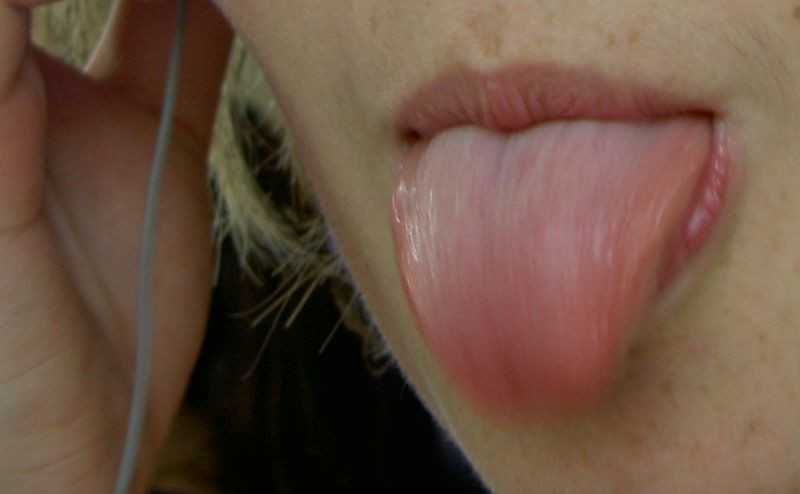
The tongue map or taste map is a common misconception that different sections of the tongue are exclusively responsible for different basic tastes, illustrated with a schematic map of the tongue with certain parts labeled for each taste – but this concept is incorrect. The theory behind this map originated from a 1942 book by Harvard psychologist Edwin Boring, which included a translation of a German paper from 1901 that was meant to show taste thresholds of different parts of the tongue, but the normalized versions were interpreted incorrectly.
Taste buds are scattered across the entire tongue, and each taste bud can detect all five basic tastes, though the regions of the tongue may have slightly different sensitivities to different tastes without exclusive zones for specific flavors. While it’s true that the tip of the tongue has many sweet taste receptors and is more responsive to sweet flavors than the sides or back, it doesn’t mean the tip can only taste sweet – it still has taste receptors for salt, bitterness, sourness, and umami too.
Beyond the Tongue: Other Taste Locations
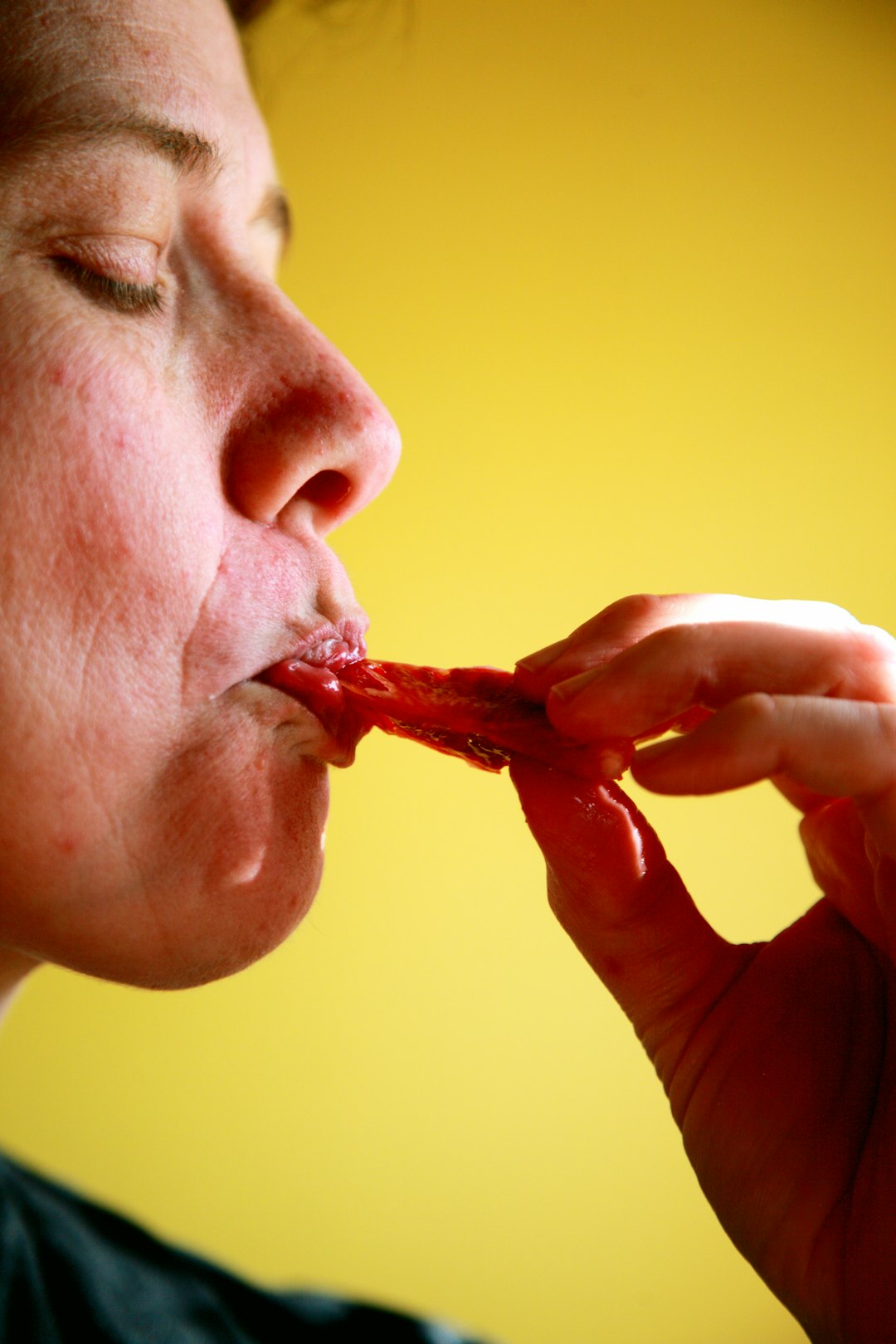
There are also cells that detect taste elsewhere inside the oral cavity: in the back of the throat, epiglottis, the nasal cavity, and even in the upper part of the food pipe. While taste buds primarily cover your tongue, to a lesser extent you also have taste buds on the roof of your mouth and in your throat.
Babies and toddlers also have sensory cells on their hard palate (on the roof of their mouth), in the middle of their tongue as well as in the mucous membranes of their lips and cheeks. Taste is mediated by multicellular taste buds concentrated on the tongue and less numerous in the soft palate, epiglottis, and upper esophagus, with each taste bud consisting of neuroepithelial receptor cells that undergo rapid turnover, averaging 8 to 12 days lifespan.
The Partnership Between Taste and Smell

What you refer to as “taste” is basically a bundle of different sensations that is not only the taste perceived by the tongue – the smell, texture and temperature of food play a role too, with the “coloring” of a taste happening through the nose, and the flavor of food only being determined when taste is combined with smell. Although most mammals depend on orthonasal smell, humans mostly use retronasal smell, and when you say something tastes good, in reality you mean that it smells good because most “flavor” is actually retronasal smell.
Messages about taste and smell converge, allowing you to detect the flavors of food, and ultimately these separate senses work together despite having their own receptor organs. Studies have found that exposing people to matching combinations of familiar tastes and smells enhances their taste perceptions – sugar tastes very sweet combined with the smell of strawberries and less sweet when paired with the smell of peanut butter or no odor.
Temperature, Texture, and the Trigeminal System

The lingual branch of the trigeminal nerve (cranial nerve V) transmits stimuli such as food temperature, spiciness, and texture. The trigeminal nerve provides information concerning the general texture of food as well as the taste-related sensations of peppery or hot from spices, with substances such as ethanol and capsaicin causing a burning sensation by inducing a trigeminal nerve reaction together with normal taste reception.
The complex flavors and mouthfeel that you experience while eating food result from the integration of taste, odor, texture, pungency, and temperature, with the latter three arising primarily from the somatosensory (trigeminal) system. This particular sensation, called chemesthesis, is not a taste in the technical sense because the sensation does not arise from taste buds – foods like chili peppers activate nerve fibers directly, with the sensation interpreted as “hot” resulting from stimulation of pain/temperature fibers on the tongue.
The Neural Highway to Your Brain
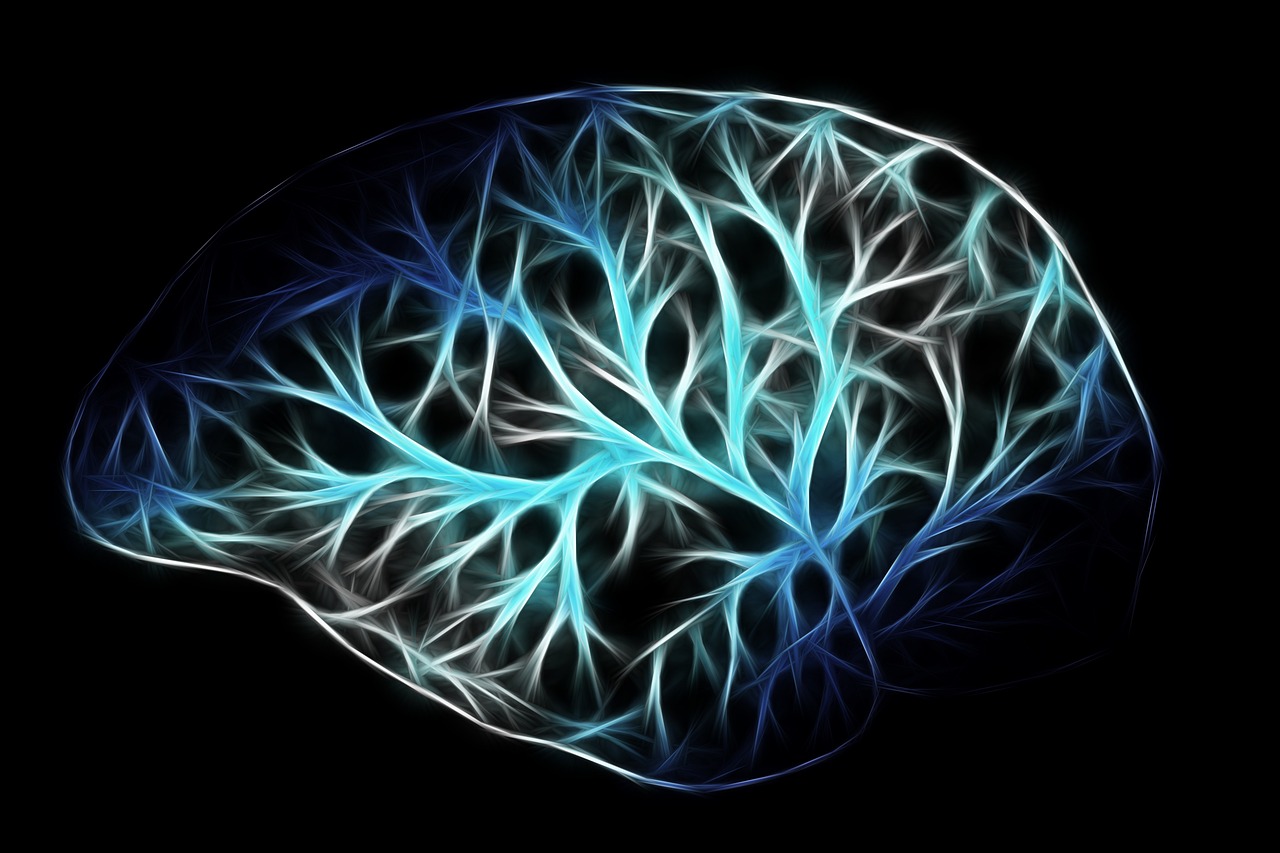
The final step in perceiving taste involves sending signals to the nervous system through several cranial nerves, with all information carried along the cranial nerves to part of the lower section of the brainstem (the medulla oblongata). Three cranial nerves transport taste sensations: the chorda tympani branch of the facial nerve (cranial nerve VII) innervates the anterior third of the tongue and palate; the glossopharyngeal nerve (cranial nerve IX) innervates the back of the tongue; and the vagus nerve (cranial nerve X) innervates the oropharynx and pharyngeal part of the epiglottis.
When taste receptor cells are stimulated, they send signals through three cranial nerves to taste regions in the brainstem – the facial, glossopharyngeal, and vagus nerves – with impulses routed through the thalamus, which relays sensory information to other brain regions, then traveling to the gustatory cortex in the frontal lobe and the insula where specific taste perceptions are identified. A convergence of taste and smell information in flavor perception occurs in the anterior insula, operculum, ventrolateral prefrontal cortex, and the orbitofrontal cortex, with recent dynamic causal modeling demonstrating effective connectivity, integration, and synergy of taste and smell in the human brain.
Conclusion
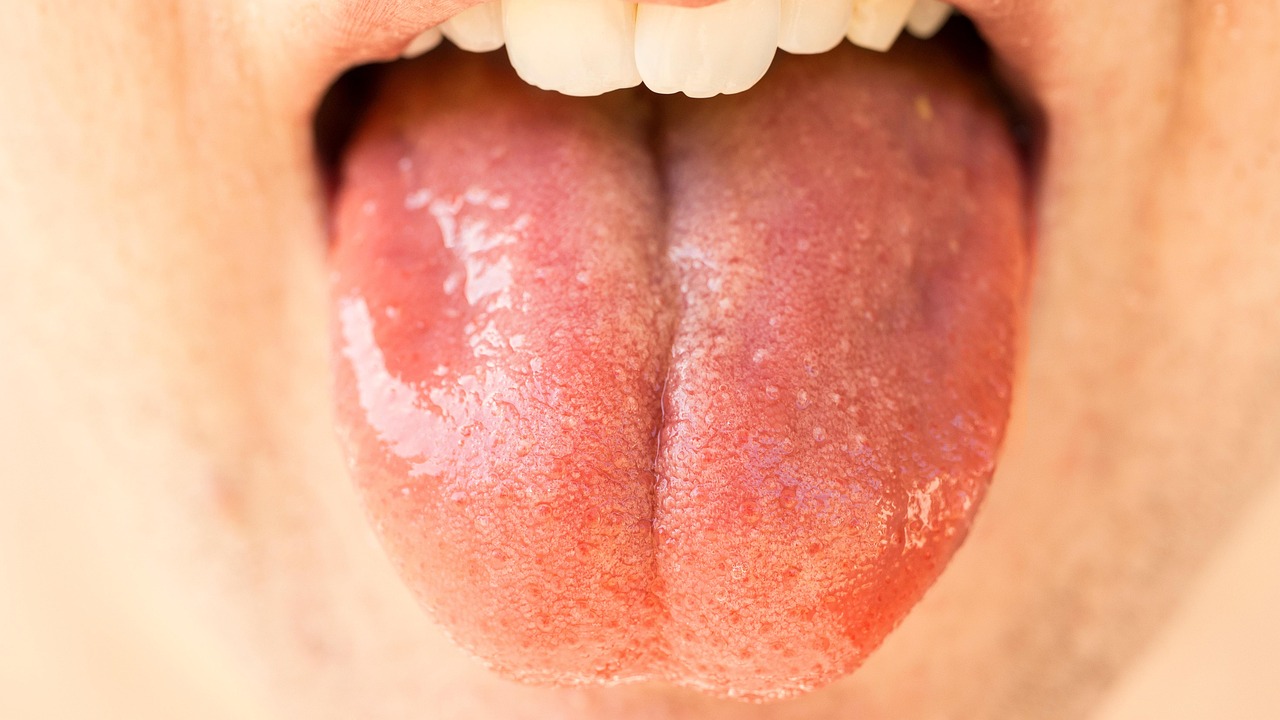
Your tongue’s ability to experience flavors represents one of nature’s most sophisticated chemical detection systems. From the microscopic architecture of taste buds to the complex neural networks that process flavor information, every component works together to create your rich sensory experience of food. The interplay between taste, smell, temperature, and texture transforms simple chemical molecules into the complex world of flavors that define your relationship with food.
Understanding reveals that what you call “taste” is actually a remarkable collaboration between multiple sensory systems. This knowledge not only satisfies scientific curiosity but also helps explain why food can taste different when you have a cold or why certain combinations of flavors work so well together. What’s your favorite flavor combination, and how do you think it engages all these different sensory systems? Tell us in the comments.
Jan loves Wildlife and Animals and is one of the founders of Animals Around The Globe. He holds an MSc in Finance & Economics and is a passionate PADI Open Water Diver. His favorite animals are Mountain Gorillas, Tigers, and Great White Sharks. He lived in South Africa, Germany, the USA, Ireland, Italy, China, and Australia. Before AATG, Jan worked for Google, Axel Springer, BMW and others.