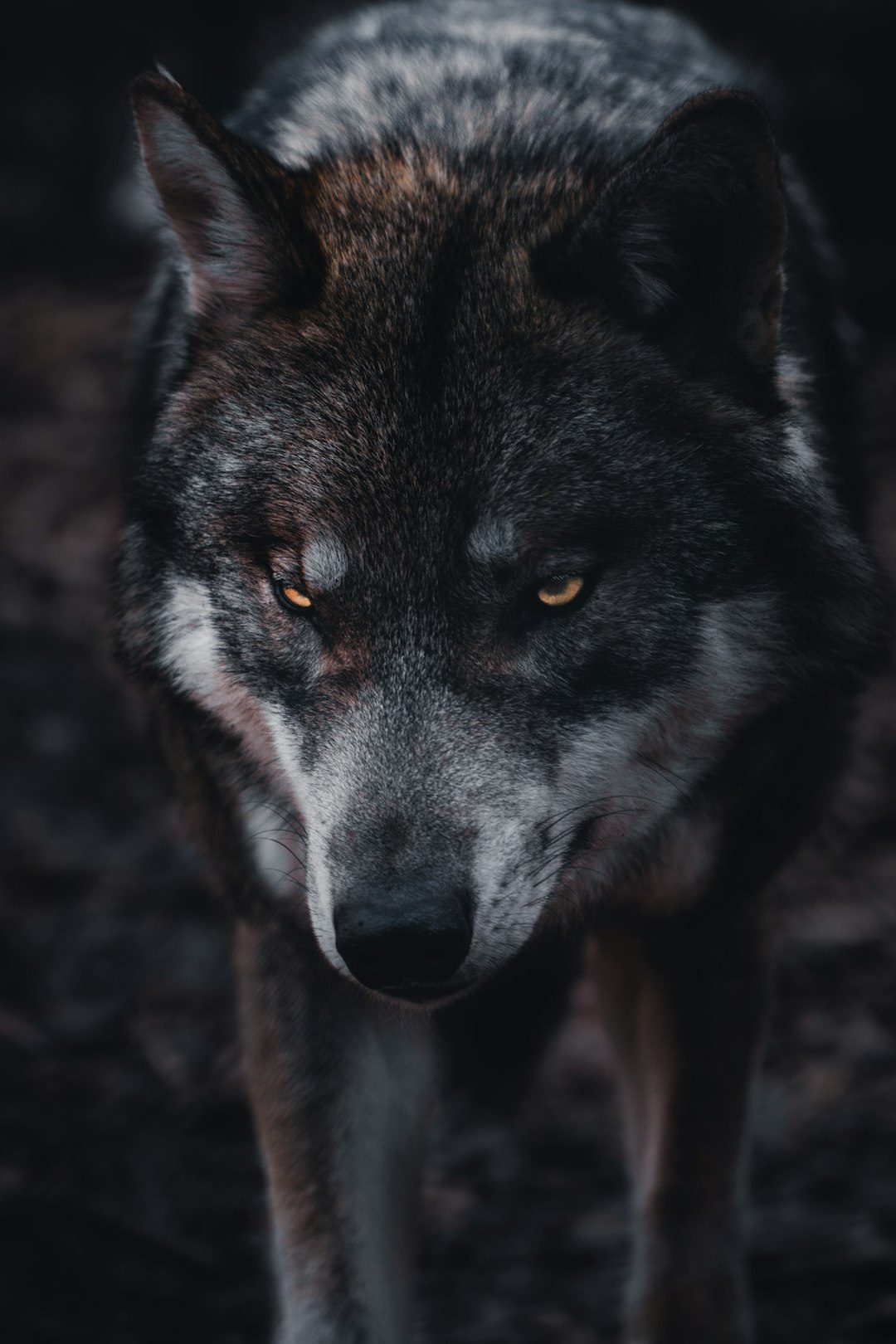
Wolves have long been cast as villains or lone shadows on the ridge, but the real story is a masterclass in teamwork that ecologists can’t stop studying. In the span of a few decades, better tools and bolder fieldwork have turned pack life into a living lab for understanding how cooperation survives stress, scarcity, and change. The mystery is simple to state and hard to solve: how do groups keep working together when each member could walk away? Researchers are finding answers in paw prints, howls, and GPS trails that look like braided rivers across winter maps. What’s emerging is a picture of cooperation that’s flexible, surprisingly compassionate, and built to last.
The Hidden Clues
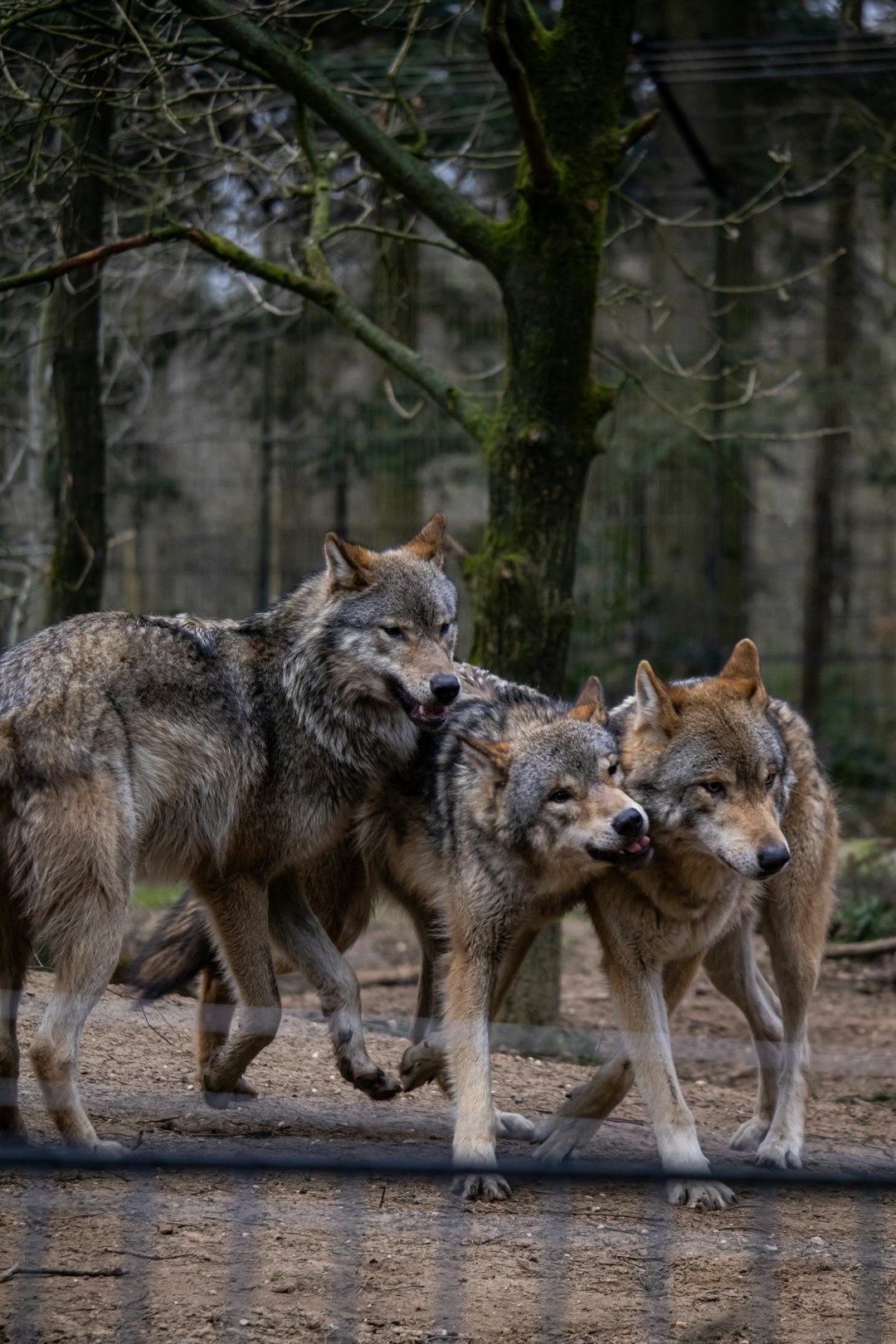
Look closely and a wolf pack moves like a murmuration on four legs, each animal reading signals you’ll miss if you blink. Ear angles, tail carriage, and the space each wolf leaves for another create a choreography that keeps hunts coordinated and arguments brief. The point isn’t dominance for its own sake; it’s friction management so the group can pivot fast when an elk breaks left or a storm rolls in. Ecologists map these micro-signals to test how small, reliable cues reduce costly conflicts over food and mates. The lesson is that good cooperation often hides in silence, not in grand displays.
I once watched a collar map flicker in a Montana field station, dots fanning out, tightening, then pausing at the same creek bend night after night. That predictable pause hinted at a rendezvous spot where pups waited for food and training, a quiet engine powering the pack’s future. Researchers now treat these returning patterns as clues to shared decision-making, not just habit loops. When stress spikes, the signals get cleaner, not louder, and that’s a hallmark of resilient teams. It’s a reminder that great coordination is less about command and more about trust built on tiny promises kept.
From Ancient Tools to Modern Science
Early wolf science relied on snow tracking, scat, and patience measured in bitter hours, and those roots still matter. Today, collars blend high-frequency GPS with accelerometers and proximity sensors, turning each animal into a moving dataset of speed, head angle, and social distance. Drones map trails nobody can reach, while bioacoustic arrays catch howls and classify them by individual timbre and context. Genetic sampling from hair and scat reveals family ties, immigrant newcomers, and even diet shifts across seasons. Layered together, these tools show not just where wolves go, but why they move as one.
On the analytical side, researchers build social networks where each node is a wolf and each edge represents time spent together or food shared. Algorithms then test whether leadership rotates with terrain, experience, or kinship and how information flows when the group splits and reunites. The shift is profound: from describing behavior to predicting it under real-world constraints like deep snow or hunting pressure. That predictive power lets scientists simulate what happens when a key helper disappears or when prey herds move higher with shrinking snowpacks. In a changing climate, foresight beats hindsight every time.
Lessons From the Hunt
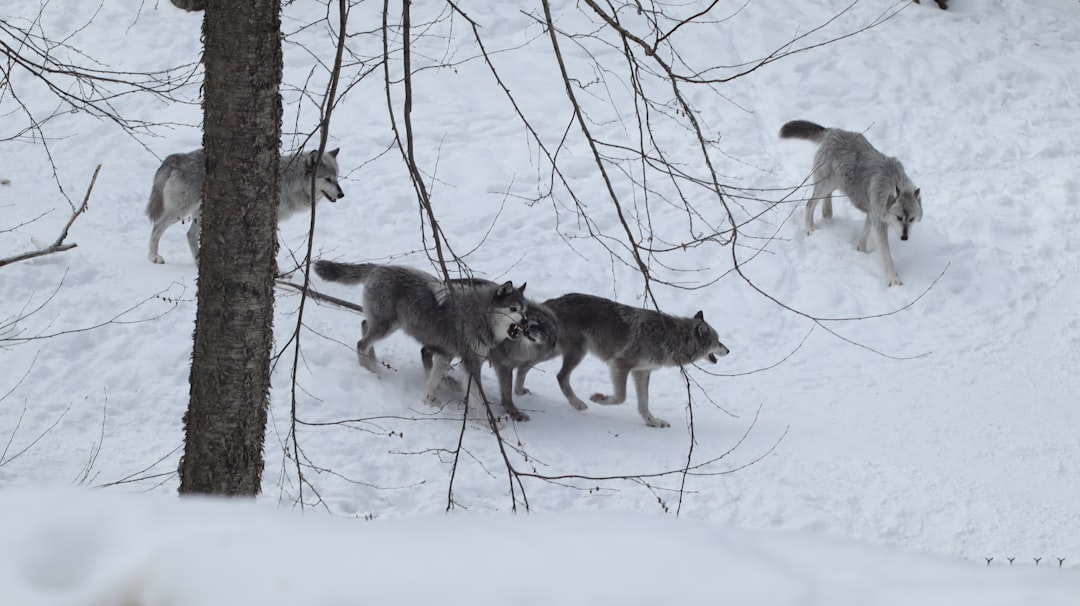
Hunting is the crucible where cooperative theory meets cold reality, and most attempts fail, which is exactly why teamwork matters. Packs often fan into flanking lines that pressure prey to make mistakes, and different wolves take different roles depending on wind, terrain, and age. Younger animals learn by shadowing experienced hunters, picking up when to sprint and when to bluff. After a kill, pups and lower-ranking helpers often eat early, a practical insurance policy that keeps the whole workforce healthy. That post-hunt sharing isn’t charity; it’s strategic reinvestment in future hunts.
Ecologists measure the timing of these roles with collar accelerations that spike during chases and flatten during feints. They’re seeing role flexibility rather than rigid assignments, and that flexibility predicts success better than any single leader does. In simple terms, packs that adapt roles mid-chase land more meals over the season, keeping pups growing and adults injury-free. Cooperation here looks like a relay, not a hierarchy, with the baton passed seamlessly at speed. It’s the difference between a good team and a great one.
Family Rules and Quiet Revolutions
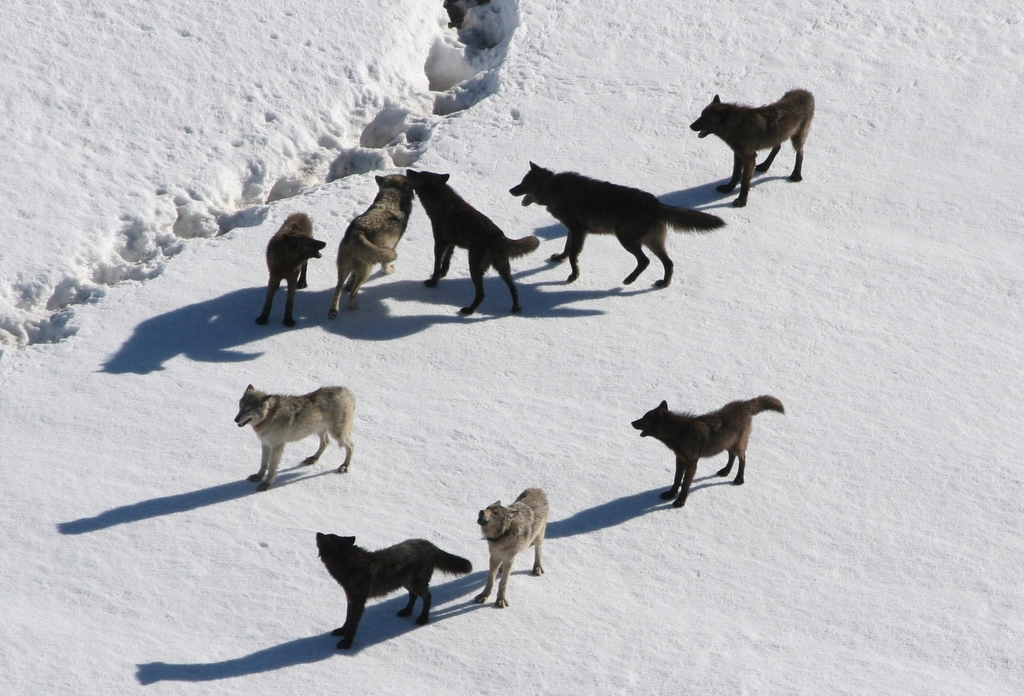
Most packs orbit a breeding pair, but the real glue is a web of aunts, uncles, yearlings, and wanderers who return when the going gets tough. Helpers babysit, ferry food by carrying or regurgitating, and stand guard at den mouths peppered with curious noses. Dispersers – those bold teenagers of the wolf world – leave to find mates and territories, but many drift on the margins and occasionally rejoin relatives when prey crashes. Adoption of outsiders can happen when numbers are low or when skilled hunters add value fast, a pragmatic move that blurs the family line. The surprise is how frequently tolerance buys stability at lower cost than fighting.
Researchers track these choices across years to test which social recipes survive droughts, disease, and human disturbance. Packs that keep a deep bench of helpers tend to bounce back from losses faster, especially in harsh winters. Conversely, groups that shed too many subordinates become brittle, stretched thin by pup care and border defense. The upshot is a family system that makes room for exceptions when the environment demands it. In conservation terms, flexibility is the currency of survival.
Networks in the Snow
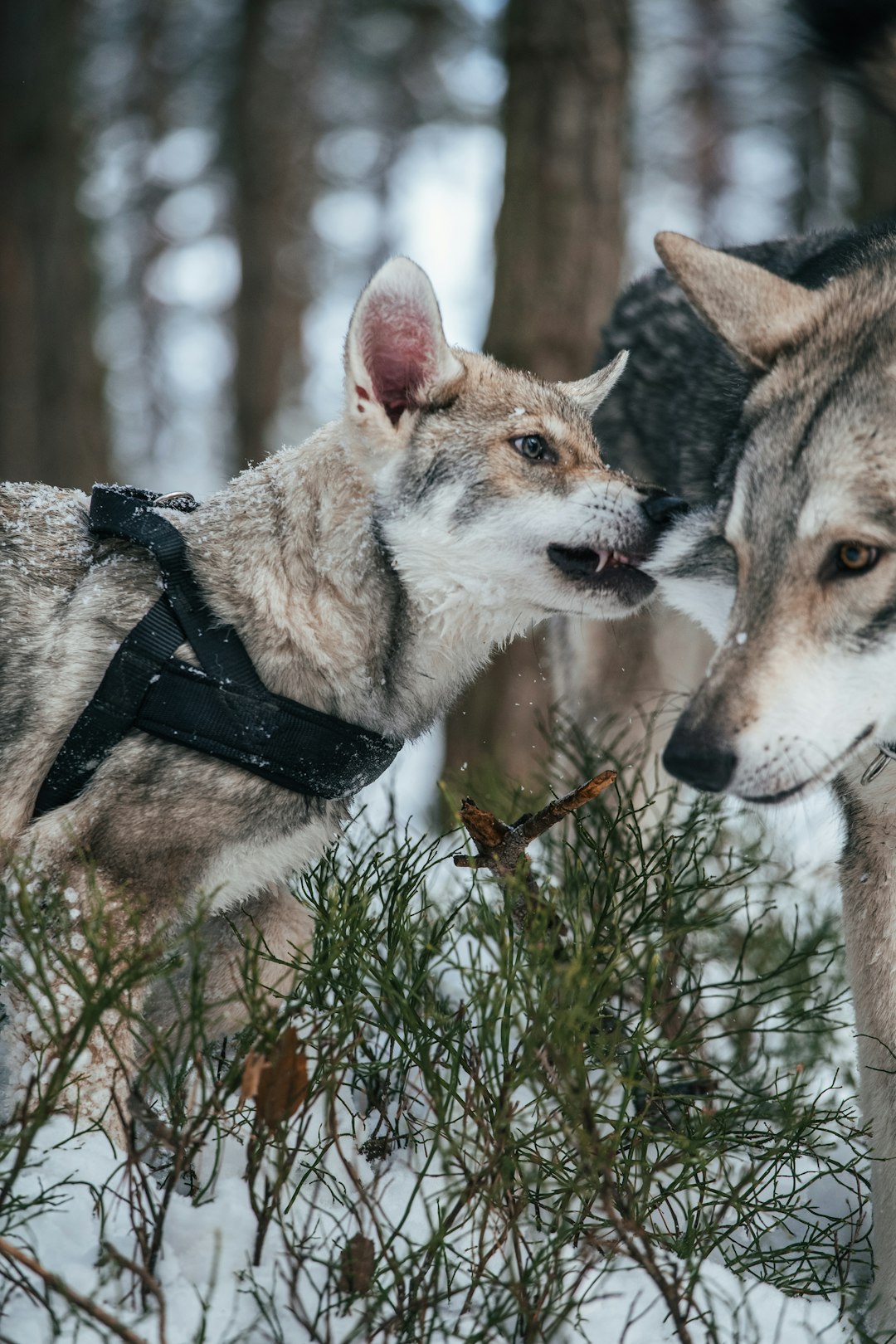
Not all wolves are equally connected, and that uneven social web changes everything from information flow to parasite risk. Central individuals seem to knit fission-fusion subgroups together, guiding reunions after scouting or long hunts. When those hub wolves vanish, the network can fragment, and ecologists watch cohesion wobble before a new pattern emerges. Disease modelers also use these networks to estimate how pathogens hitchhike along grooming or food-sharing links. The insight is blunt: cooperation creates lifesaving benefits but also shared vulnerabilities that science must map accurately.
Landscape features – valleys that funnel elk, ridges that hold scent – shape the network by dictating where meetings are cheap and safe. In heavy snow years, trails compress into corridors that amplify contact, while in mild seasons the web stretches thin. Managers can indirectly support healthy cooperation by keeping those natural meeting places intact and free from constant disturbance. Corridor protection isn’t just about movement; it’s about preserving the social geometry of the pack. When the geometry holds, cooperation can scale with fewer fractures.
Why It Matters
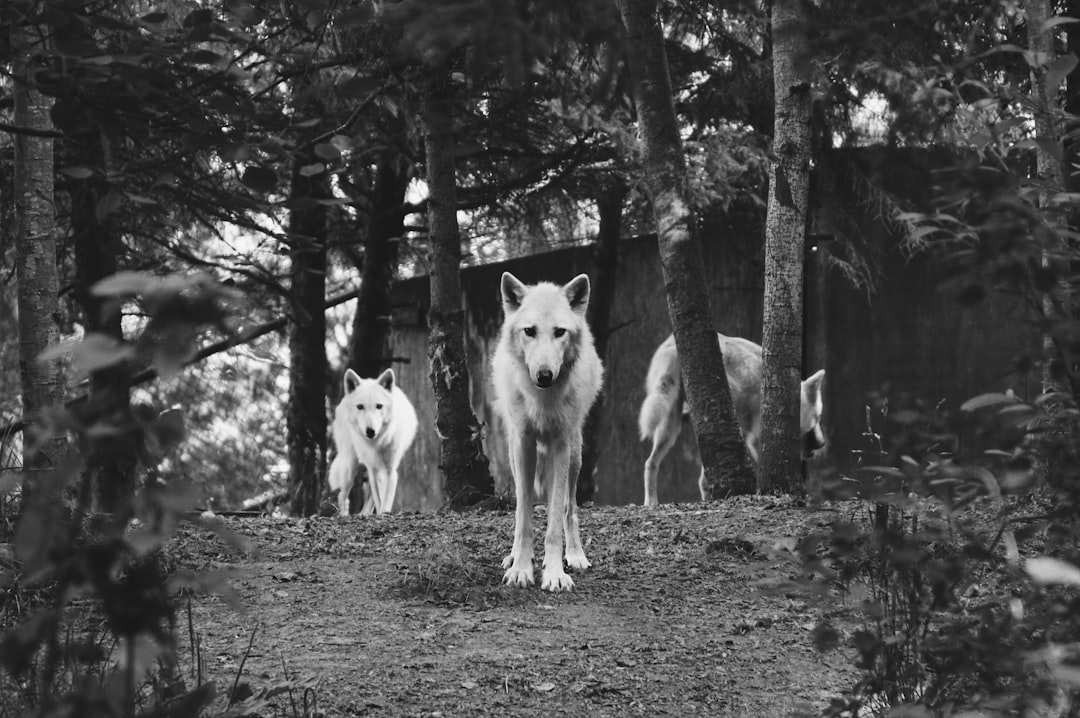
Wolves are not just wildlife; they’re test cases for one of biology’s biggest questions: how cooperation beats short-term self-interest. For decades, the stereotype of rigid hierarchies dominated, but modern data point to rotating leadership, negotiated tolerance, and payoff sharing that balances risk and reward. Compared with older, dominance-only explanations, the cooperative lens predicts real outcomes better – pup survival, hunt success over seasons, and quicker recovery after losses. The result is a scientific toolkit ecologists now apply to fish schools, bird flocks, and even human crisis teams working under pressure. When evidence replaces myth, conservation and management decisions become sharper and fairer.
The societal echoes are hard to ignore, from fire crews to hospital units where split-second trust saves lives. Study designs borrowed from wolf networks are informing how to build teams that flex roles rather than ossify them, reducing burnout and single-point failures. In policy circles, the same logic argues for protecting social structure, not just headcounts, because numbers without relationships can be a hollow victory. Cooperation, it turns out, is a resource you can erode or nurture like any habitat feature. That makes wolves both mirrors of our own systems and guides for fixing them.
Global Perspectives
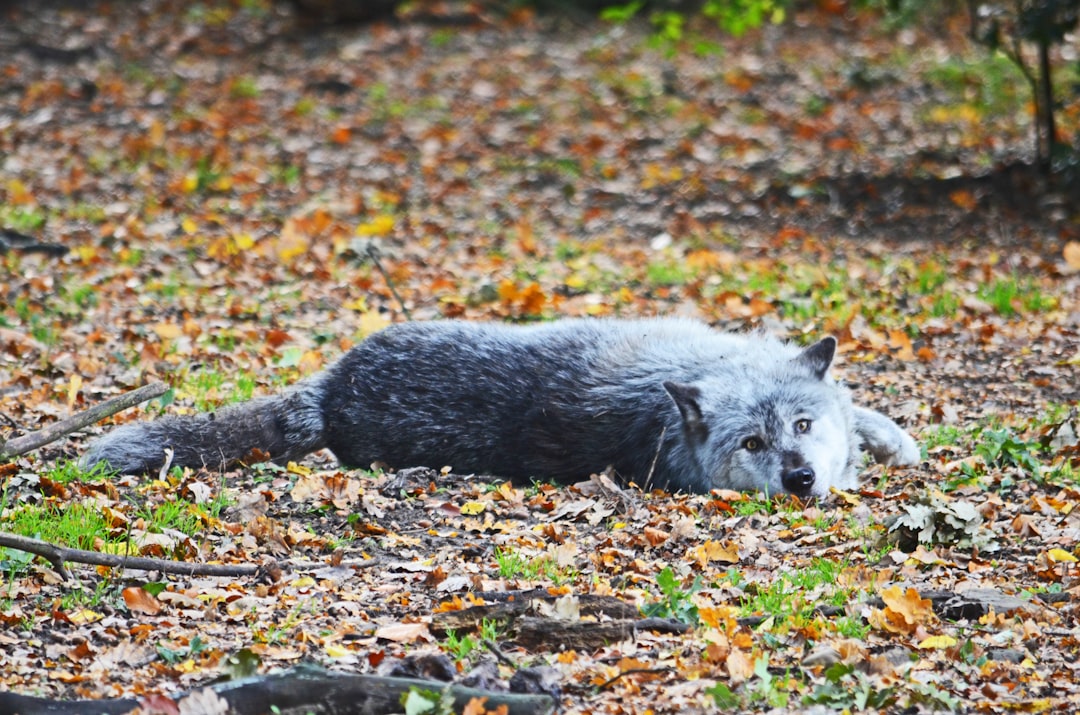
Across North America, Europe, and parts of Asia, wolves face wildly different rules of engagement shaped by prey, terrain, and people. Scandinavian packs navigating forests and managed timber lands look different from alpine groups coursing the Italian Apennines or the Rockies. Where prey is smaller and scattered, packs shrink and split more often, leaning on stealth and patience rather than prolonged chases. In regions with livestock, coexistence programs that pair compensation with rapid response teams and guardian dogs reduce retaliatory conflict and stabilize pack behavior. The common thread is that stable social units make better neighbors than desperate, fragmented ones.
Researchers also compare genetic lineages and cultural traditions – yes, animals can have traditions – to see how techniques spread. A clever ambush at a river crossing can persist across seasons if it’s taught to pups and reinforced by success. Long-distance dispersers inject new skills and genetic diversity, bolstering resilience where climate or human pressure is climbing. It’s a living experiment in innovation diffusion played out in snow and shadow. Ecologists call it culture; field crews call it Wednesday.
The Future Landscape
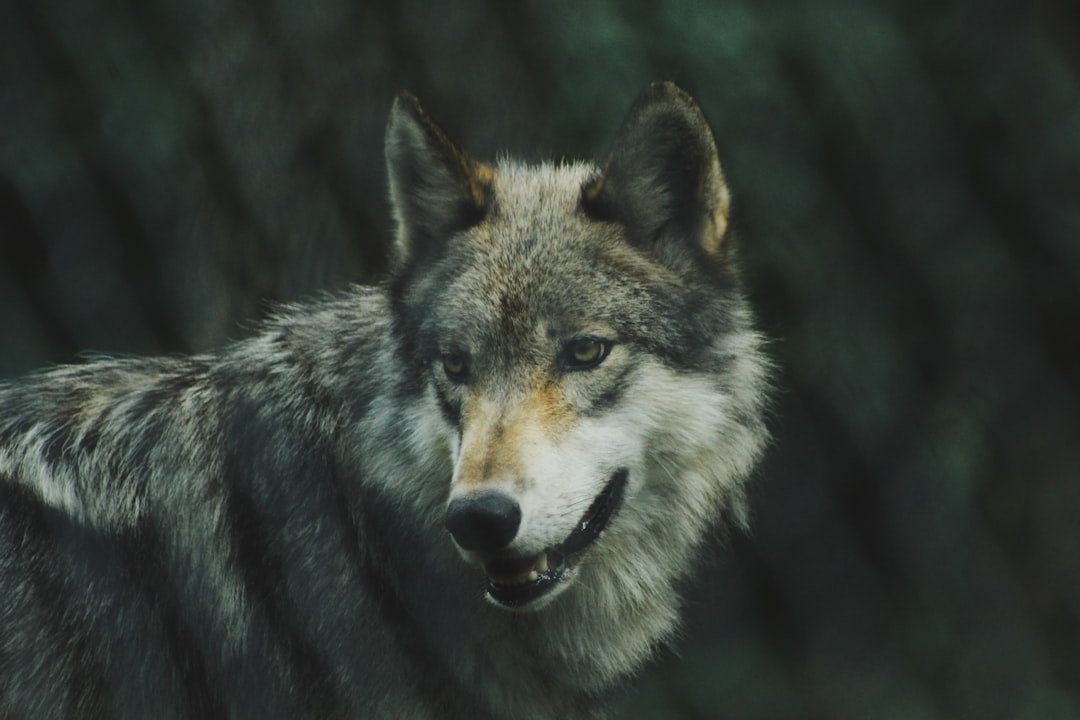
Next-generation collars promise longer battery life, onboard processing, and near real-time data that flag unusual events without drowning researchers in noise. Machine learning models will fuse movement, acoustics, and satellite weather to forecast when packs split, reunite, or switch hunting strategies. Noninvasive genetics and hormone assays from snow tracks will map stress and kinship without a single capture, tightening ethics while expanding sample sizes. The catch is that more data can magnify bias if collars sit mostly on adults or on packs easy to access. Without careful sampling, we risk learning more and knowing less.
Policy and climate add the other big unknowns, from shifting prey ranges to wildfire mosaics that redraw territory lines overnight. Connectivity will likely decide which packs can adapt by moving and which are stranded on ecological islands. Collaboration across agencies and borders will matter as much as any new sensor does, because wolves don’t read maps and neither do elk. The safest bet is that cooperation – within packs and between people – remains the winning strategy. In that sense, wolves are not just subjects of study; they’re partners in a shared experiment we can choose to get right.
Conclusion
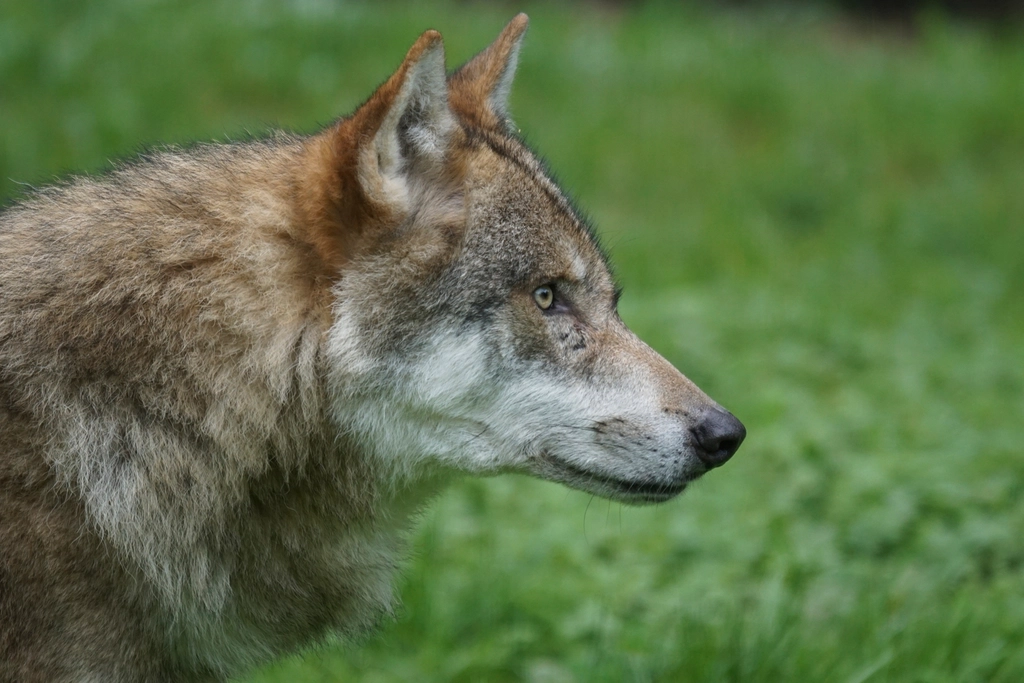
Start local by supporting coexistence programs that fund rapid, nonlethal conflict prevention and fair compensation when losses occur. If you live near wolf country, respect seasonal closures around dens and rendezvous sites so pack routines don’t fracture under stress. Donate or volunteer with research groups that share open data and follow strong animal-welfare protocols, because transparency builds trust. Encourage wildlife agencies to protect habitat corridors that keep packs connected and reduce risky border skirmishes with neighbors. Finally, share science-based stories with friends and schools, because cooperation thrives when good information travels faster than fear.
Suhail Ahmed is a passionate digital professional and nature enthusiast with over 8 years of experience in content strategy, SEO, web development, and digital operations. Alongside his freelance journey, Suhail actively contributes to nature and wildlife platforms like Discover Wildlife, where he channels his curiosity for the planet into engaging, educational storytelling.
With a strong background in managing digital ecosystems — from ecommerce stores and WordPress websites to social media and automation — Suhail merges technical precision with creative insight. His content reflects a rare balance: SEO-friendly yet deeply human, data-informed yet emotionally resonant.
Driven by a love for discovery and storytelling, Suhail believes in using digital platforms to amplify causes that matter — especially those protecting Earth’s biodiversity and inspiring sustainable living. Whether he’s managing online projects or crafting wildlife content, his goal remains the same: to inform, inspire, and leave a positive digital footprint.