
Here’s something unsettling to sit with over your morning coffee: the planet you’re standing on right now has a deadline. Not a vague, distant, dismissible deadline, but a series of scientifically modeled, increasingly well-understood endpoints that researchers have spent decades mapping out. It isn’t a prophecy. It isn’t a conspiracy theory. It’s physics, geology, and stellar evolution doing what they’ve always done.
The first living things on Earth appeared as far back as 4 billion years ago, and at the time, our planet was still being pummeled by huge space rocks. Life persisted anyway. That’s both humbling and deeply strange to think about. Something so fragile, so microscopic, surviving conditions that would obliterate us instantly. Disparate doomsdays, from supernovae blasts and asteroid strikes to huge volcanic eruptions and sudden climate shifts, have killed countless lifeforms, and at times those mass extinctions eliminated most species on Earth. Yet life always rebounded. So the question isn’t really about resilience. It’s about limits. Let’s dive in.
The Slow Suffocation: Earth Losing Its Oxygen
Honestly, the most surprising end for life on Earth might not be a dramatic bang but a quiet, slow vanishing. You might picture an explosion, a planetary collision, a catastrophe witnessed in real time. The actual forecast, though, is far more subtle and, in many ways, more eerie.
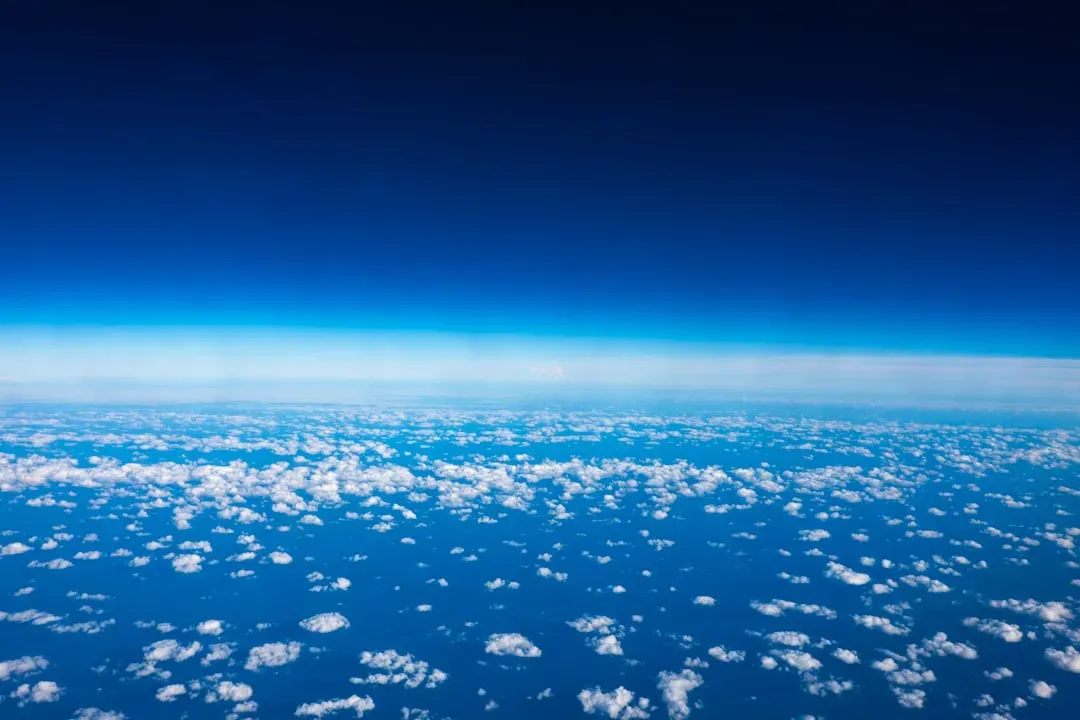
Using a stochastic approach, researchers find that the mean future lifespan of Earth’s oxygen-rich atmosphere is approximately 1.08 billion years, after which it will sharply deoxygenate to levels similar to those of the ancient Archaean era. Think about that. The air you breathe, that invisible lifeline, has an expiration date written into the math of solar physics.
The long-term interplay between solar radiation, atmospheric chemistry, and geological processes will gradually erode Earth’s ability to sustain high oxygen levels. As the Sun continues to brighten with age, increased energy from solar radiation will accelerate the breakdown of carbon dioxide, reducing its availability for photosynthetic life forms. Without photosynthesis, there is no plant life. Without plant life, there is no oxygen replenishment.
The future deoxygenation event will coincide with a dramatic rise in methane, until methane levels are about ten thousand times more than exist in the atmosphere today. These shifts will occur too fast for adaptation in the biosphere. That speed is what makes this scenario particularly chilling. It’s not a gradual drift your descendants could slowly adapt to. It’s a sharp cliff.
After deoxygenation, Earth’s atmosphere will resemble its ancient past, characterized by elevated methane levels, diminished carbon dioxide, and no protective ozone layer. This transformation will make the planet inhospitable to most modern life forms, leaving only microbial ecosystems adapted to low-oxygen conditions behind. You’d be left with a world of ancient microbes, not unlike what existed billions of years before us.
The Brightening Sun: A Slow Roast Long Before the Red Giant
Here’s the thing most people don’t realize: Earth doesn’t have to wait for the Sun to become a red giant to become uninhabitable. The Sun is already getting brighter, right now, today, and that process is already sealed into the script of our solar system’s future.
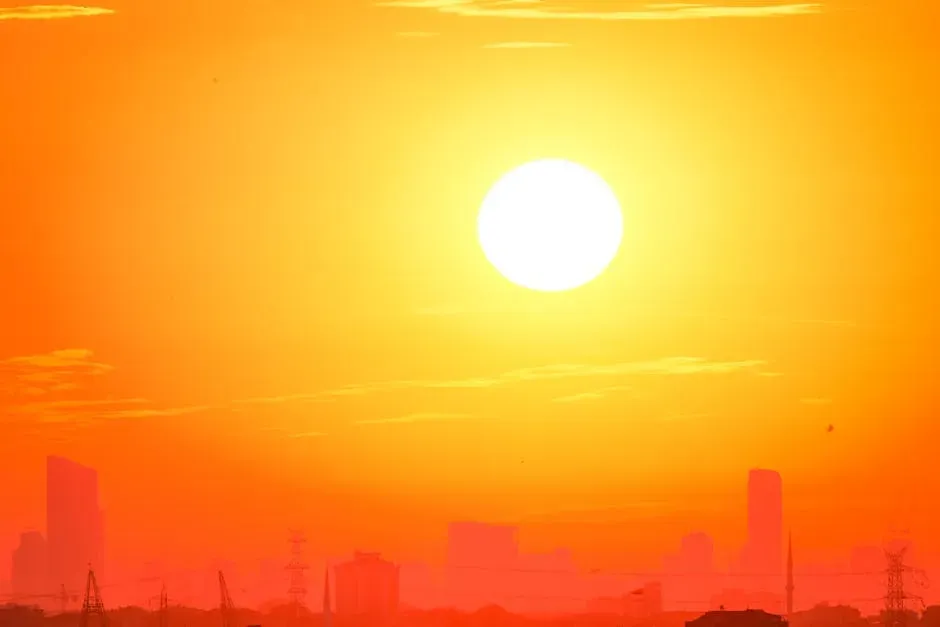
Approximately 1.1 billion years from now, the Sun will be roughly ten percent brighter than it is today. That increase in luminosity will also mean an increase in heat energy, which Earth’s atmosphere will absorb, triggering a runaway greenhouse effect similar to what turned Venus into the terrible hothouse it is today. Venus. That’s your cautionary tale right there. A planet once potentially similar to Earth, now a crushing hellhole.
In 3.5 billion years, the Sun will be about forty percent brighter than it is right now, which will cause the oceans to boil, the ice caps to permanently melt, and all water vapor in the atmosphere to be lost to space. Under these conditions, life as we know it will be unable to survive anywhere on the surface. The oceans are, in a real sense, borrowed time. Every drop of them.
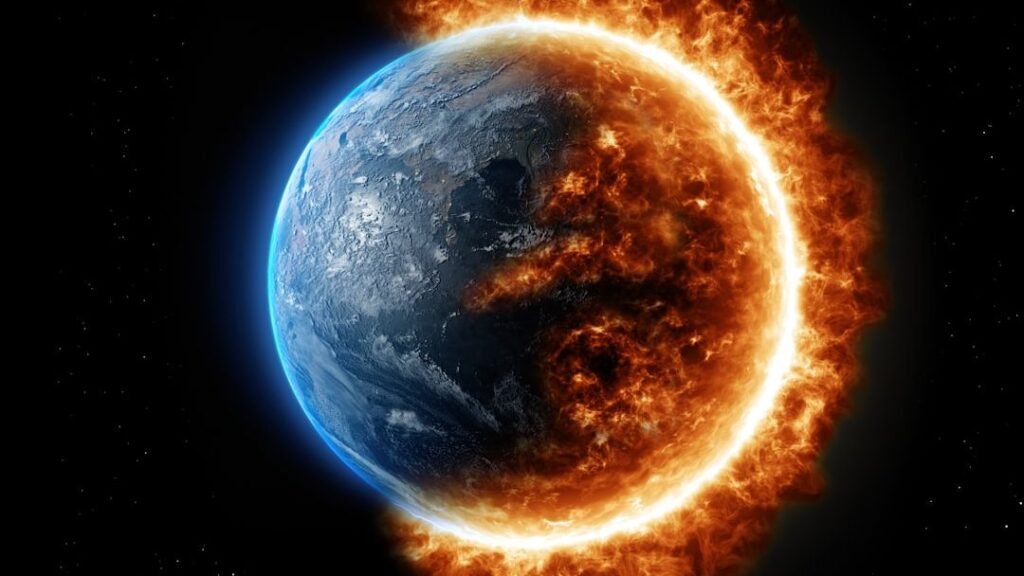
Four billion years from now, the increase in Earth’s surface temperature will cause a runaway greenhouse effect, creating conditions more extreme than present-day Venus and heating Earth’s surface enough to melt it. By that point, all life on Earth will be extinct. Every form of it. No refuges. No deep-sea holdouts. No microscopic survivors clinging to rock crevices.
The Final Act: The Sun Becomes a Red Giant
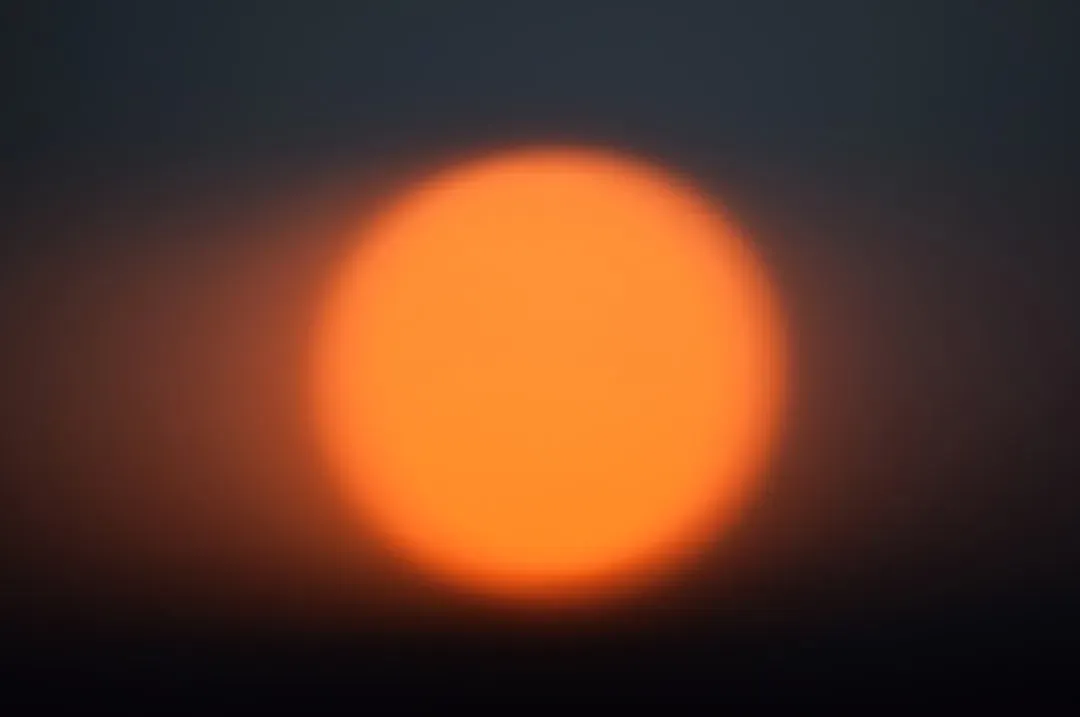
If somehow life found a way to survive everything above, this would be the unambiguous end. The Sun, that gentle yellow star we paint in children’s drawings, will one day transform into something barely recognizable, a bloated red monster hundreds of times its current size.
Roughly 5 billion years from now, the Sun will exhaust the hydrogen fuel in its core and start burning helium, forcing its transition into a red giant star. During this shift, its atmosphere will expand out to somewhere around one astronomical unit, the current average Earth-Sun distance. That’s right. The Sun’s outer edge will reach where we are standing now. It will be engulfing us.
According to researchers, when the Sun becomes a red giant star in 7.59 billion years, it will start to lose mass quickly. By the time it reaches its largest radius, roughly 256 times its current size, it will be down to only about two thirds of its current mass. That’s a staggering transformation to try and picture. It would fill the entire inner solar system.
About 7.6 billion years from now, the Sun will reach its maximum size as a red giant, with its surface extending beyond Earth’s current orbit by twenty percent and shining roughly three thousand times brighter. Three thousand times. The sheer scale of that brightness is beyond anything human language was built to describe. According to researchers, the Earth will not survive the Sun’s expansion.
An Asteroid Strike: The Wild Card in the Deck
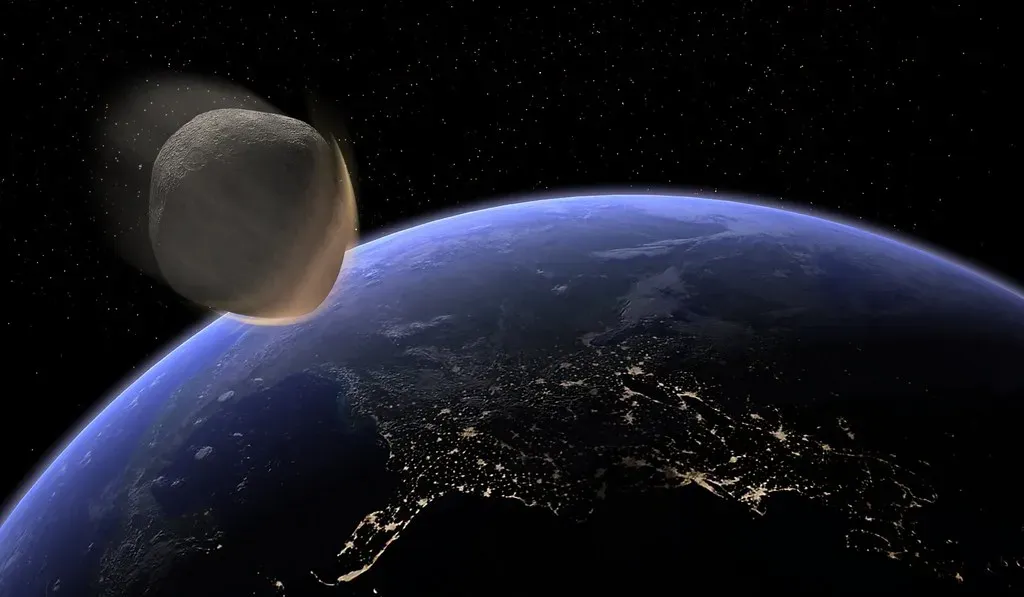
Let’s be real, this is the scenario that Hollywood loves. Massive space rock, incoming, global catastrophe. It sounds dramatic. It sounds almost theatrical. The terrifying part is that it has already happened, and it can happen again.
Sixty-six million years ago, an asteroid approximately nine kilometers in diameter hit the hydrocarbon and sulfur-rich sedimentary rocks in what is now Mexico. Recent studies have shown that this impact heated the hydrocarbon and sulfur in those rocks, forming stratospheric soot and sulfate aerosols, causing extreme global cooling and drought. These events triggered a mass extinction, including the dinosaurs. That one rock changed the trajectory of all life on this planet. Think about that every time you see a dinosaur exhibit.
After a major impact, clouds of gases and dust would block sunlight and prevent plants from carrying out photosynthesis. As these plants died out, so too would animals, except for a slim chance of survival for very small and ground-dwelling creatures. It’s a cascade, not an explosion. One blow, and then the ecosystem unravels like a sweater snagged on a nail.
A doomsday-level asteroid scenario involves an object large enough to devastate our planet, trigger mass extinctions, and potentially end civilization. Thankfully, impacts like this only happen roughly once every few hundred thousand years, and scientists have found more than ninety percent of the objects large enough to pose a threat, with none currently on a collision course. That’s genuinely reassuring. For now.
Supervolcanoes: The Threat Hiding Beneath Your Feet
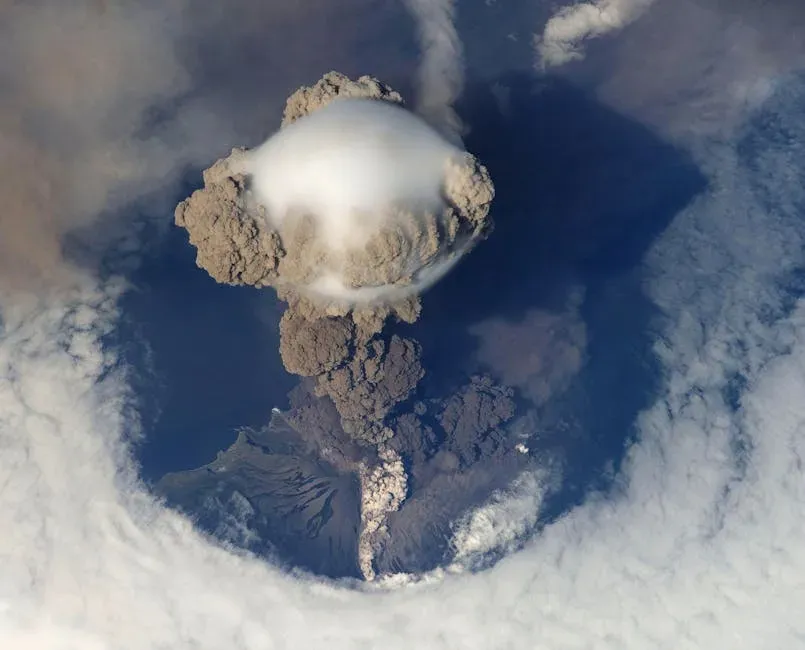
Most people think of a volcano as a cone-shaped mountain spitting lava. Supervolcanoes are something else entirely. They don’t look like volcanoes. You can live your whole life on top of one without knowing it. Yellowstone National Park, for instance, sits over one of the most powerful volcanic systems on the planet.
According to research published in Nature Geoscience, all life on Earth could be wiped out in a massive “triple whammy” extinction event in approximately 250 million years, driven in part by the gathering of continents. That triple combination of stressors, including supervolcanic eruptions, extreme heat, and atmospheric poisoning, paints a picture of compounding catastrophes rather than a single clean blow.
The link between rapid climate changes and mass extinctions has been strengthened by scientific research demonstrating that extraordinarily huge volcanic eruptions have been synchronous with major extinction events, and that most of the severe extinctions in the Phanerozoic have coincided with rapid climate changes brought about by greenhouse gas and sulfur emissions from large igneous provinces. It’s a pattern, a recurring pattern throughout Earth’s history, not a fluke.
These long-term influences include the chemistry at Earth’s surface, the cooling rate of the planet’s interior, gravitational interactions with other objects in the solar system, and a steady increase in the Sun’s luminosity. Each factor alone is manageable over billions of years. Combined, they form an increasingly hostile environment for anything complex enough to breathe.
Climate Change and Human-Driven Extinction: The Near-Term Threat
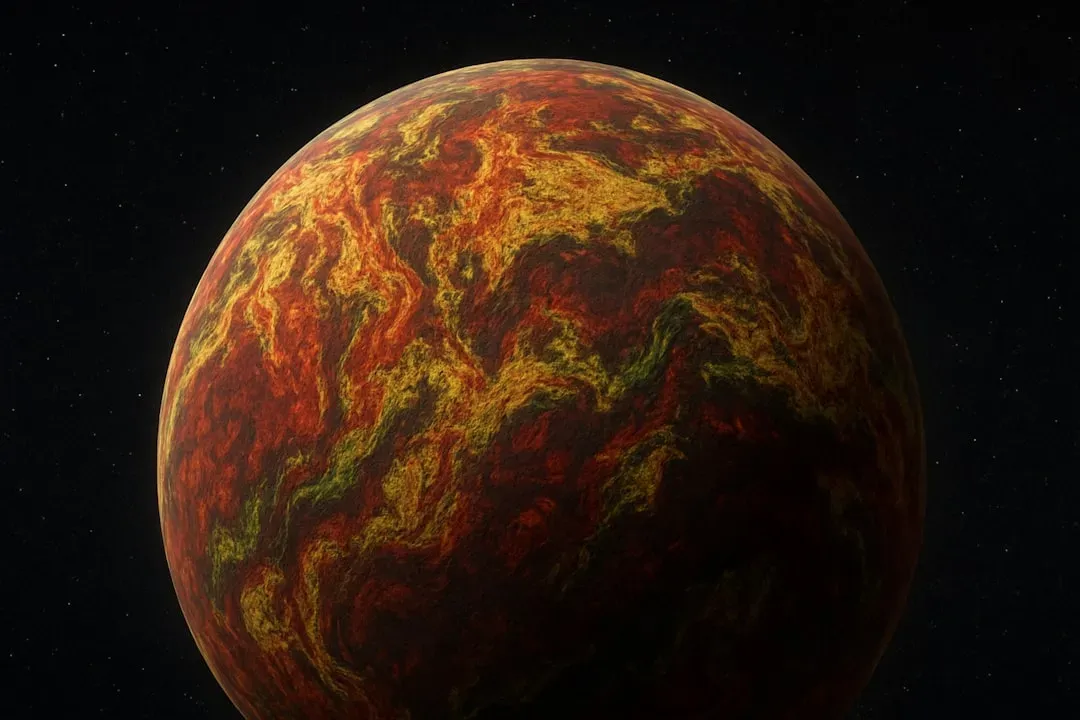
This one hits differently because you’re living through the beginning of it, right now. The geological timescales of the threats above give you the comfortable illusion that none of this matters for you personally. Climate change doesn’t grant that comfort.
According to scientists, the odds of climate change driving humans to extinction is very low, though the impacts that climate change can have on the planet are still sizeable. Climate change may not end your world if you live in a city high above sea level, but for those living in island nations or coastal plains threatened by rising sea levels, impacts may be far more catastrophic, devastating livelihoods, households, and more. It is, then, profoundly unequal in who it strikes first.
Increasing solar activity, such as solar storms and coronal mass ejections, affects Earth’s magnetic field and reduces atmospheric oxygen. Climate change results in record-breaking global temperatures and melted ice caps, making sea levels rise. While climate change has been ongoing for centuries, it is now becoming more human-driven and accelerating the processes in question, as we continue to burn fossil fuels and carry out deforestation. We didn’t cause the Sun to get brighter. But we are, without question, turning up the heat ourselves.
The current Holocene extinction is being caused by technology, and the effects may last for up to five million years. In turn, technology may result in the extinction of humanity, leaving the planet to gradually return to a slower evolutionary pace resulting solely from long-term natural processes. There’s a strange irony in that. The most intelligent species to ever evolve on this planet may be the one that speeds up its own demise.
Could Humanity Escape Its Fate? The Case for Leaving Earth
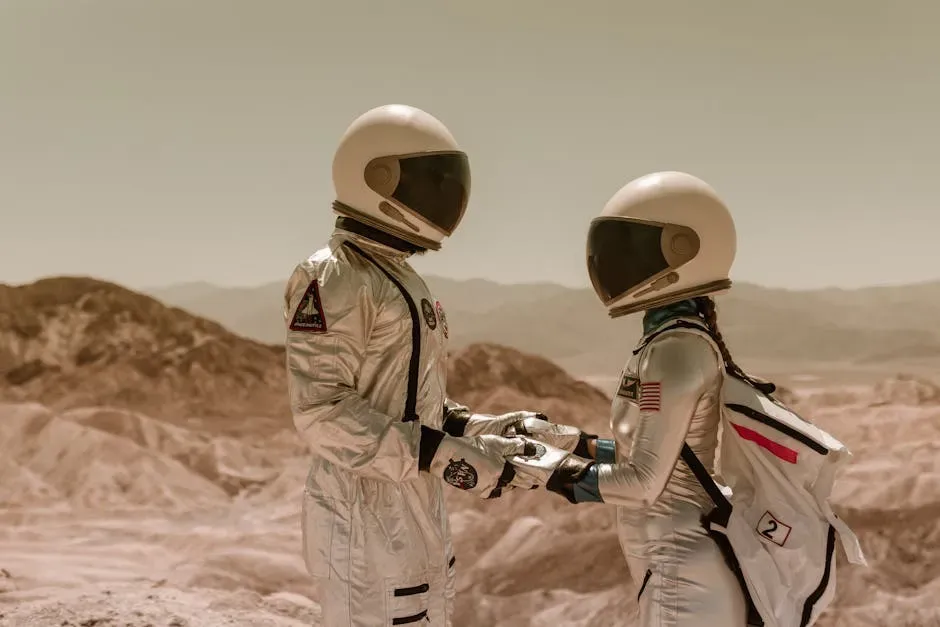
I think this is where the story gets genuinely fascinating, and maybe even hopeful, depending on how you look at it. Every doomsday scenario described above assumes humanity stays put. What if we don’t? What if Earth is simply the cradle, and not the home?
A billion years is a long time, and if humanity is still around, we’ll need to seek refuge elsewhere. Colonizing other planets, developing artificial biospheres, or even finding ways to prolong Earth’s habitability are all likely goals that the scientific community will lean into. These aren’t science fiction daydreams. They are, increasingly, serious scientific and engineering questions.
About 5 billion years from now, the Sun will start expanding into a red giant, and by 7.5 billion years from now, its outer layers may reach Earth’s orbit, causing the planet to burn up or be flung into space. This is a slow, natural process, part of how almost all solar systems eventually end. Every solar system has a timer. Ours is ticking. Slowly, but ticking.
For humans to survive beyond that, long before oxygen disappears, we’d need to become a multi-planet or even interstellar civilization, a vast project for countless generations. It’s a staggering ambition. It’s also, arguably, the only ambition that truly matters on civilizational timescales. Any surviving earthlings will have long since fled the brightening Sun, or, as some scientists have recently suggested, moved the planet itself to a more sanguine orbit. Moving the planet. Now that’s a project proposal.
Conclusion: The Universe Doesn’t Promise Us Forever
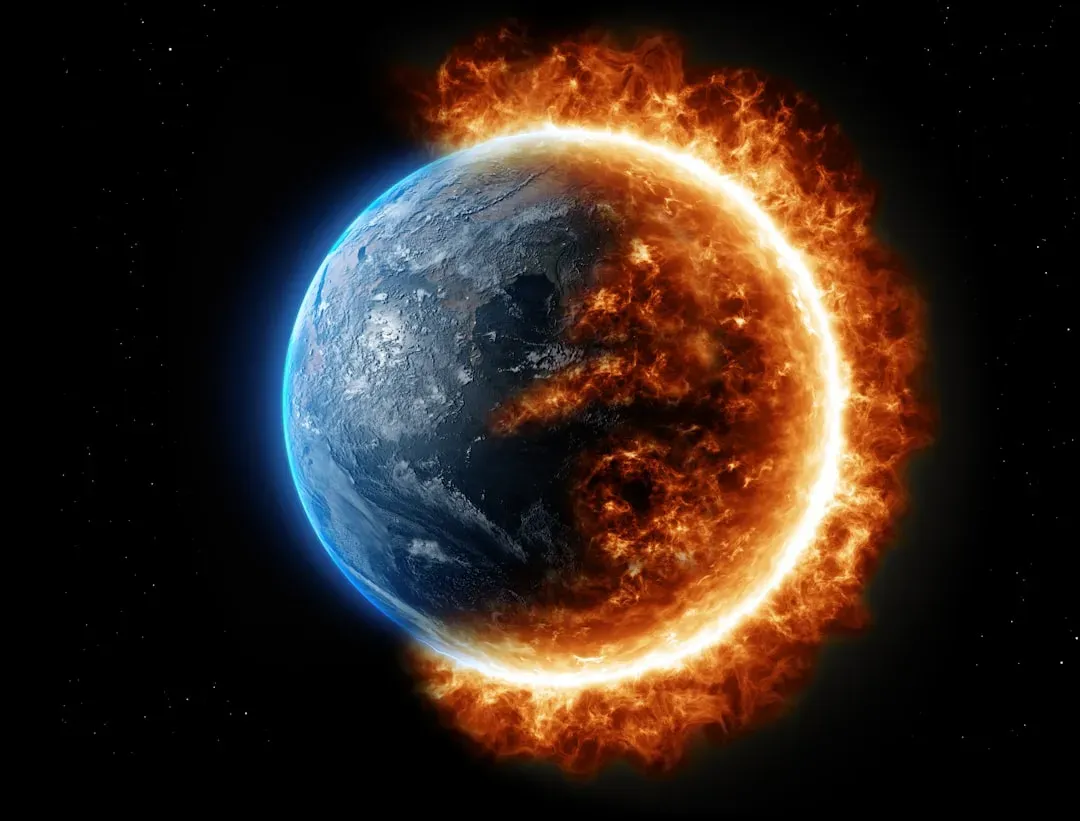
What you’ve just explored is not a reason to despair. Honestly, I think it’s the opposite. Understanding that Earth’s life has a timeline, whether it ends in a billion years through oxygen loss, in billions of years through solar expansion, or through something sudden and unpredictable, actually clarifies what matters right now.
While humanity might be surprisingly fragile, it’s not easy to sterilize an entire planet. Nonetheless, the possible doomsday events that could permanently extinguish all life on Earth are real, and the last one is likely unavoidable. The universe does not negotiate. Stars age, atmospheres shift, planets move. That’s the deal.
What science gives you, though, is something remarkable: foresight. You’re the first species in this planet’s 4.5-billion-year history that can look at the clock and read it. The dinosaurs had no idea. The trilobites had no idea. You do. The end of oxygen spells doom for most life on Earth as we know it. However, this is merely a continuation of the planet’s ever-changing nature and long history of extinction events. Change, at every scale, is the only constant.
So here’s the question worth sitting with: knowing all of this, what would you choose to do differently? Let us know your thoughts in the comments.