

In a world grappling with overfishing and the depletion of marine resources, the age-old fishing techniques practiced by the Fijian communities offer a refreshing perspective on sustainability. These methods, rooted in respect for nature and community collaboration, provide a blueprint for the preservation of marine ecosystems. This article explores how traditional Fijian fishing practices hold the potential to shape sustainable fisheries worldwide, emphasizing a harmonious balance between human needs and environmental preservation.
The Cultural Significance of Fishing in Fiji

Fishing in Fiji is more than a means of sustenance; it is an integral part of the cultural and social fabric. Traditionally, Fijian communities have viewed fishing as a sacred practice, intertwined with customs and spiritual beliefs. This reverence for the sea underpins their sustainable fishing practices, fostering a deep-seated respect for marine life and a commitment to preserving it for future generations.
The Role of Marine Protected Areas (MPAs)

Fijians have long practiced the concept of Marine Protected Areas (MPAs), locally known as “tabu” zones. These are areas where fishing is temporarily banned or restricted, allowing fish populations to regenerate. By promoting the natural replenishment of marine resources, these zones help maintain ecological balance and encourage biodiversity. Globally, this concept could inform the establishment of MPAs as a critical strategy for sustainable fishery management.
Community-Based Resource Management

In Fijian society, community is at the heart of decision-making processes concerning marine resources. Fishing rights and responsibilities are traditionally determined by communal consensus, ensuring that all stakeholders have a say in sustainable practices. This collective approach contrasts sharply with industrial fisheries, where decisions are often made without local input. Adopting community-based resource management can empower local communities worldwide, aligning fishing activities with environmental conservation goals.
Traditional Knowledge and Seasonal Fishing

Fijians have a profound understanding of their marine environment, and their fishing practices are deeply informed by generations of observational knowledge. Seasonal fishing is a common practice, whereby fish are harvested during specific times of the year to avoid disrupting breeding cycles. This traditional ecological knowledge can complement modern scientific research, providing a more comprehensive approach to fisheries management that respects natural life cycles.
Use of Sustainable Fishing Gear

Traditional Fijian fishers use sustainable fishing gear, such as woven nets and hooks made from natural materials, which minimize harm to the marine environment. These tools are often designed to catch specific species and sizes, reducing bycatch and ensuring the survival of juvenile fish. The widespread adoption of such eco-friendly fishing gear can significantly reduce the ecological impact of commercial fisheries worldwide.
Promoting Biodiversity Through Fishing Practices
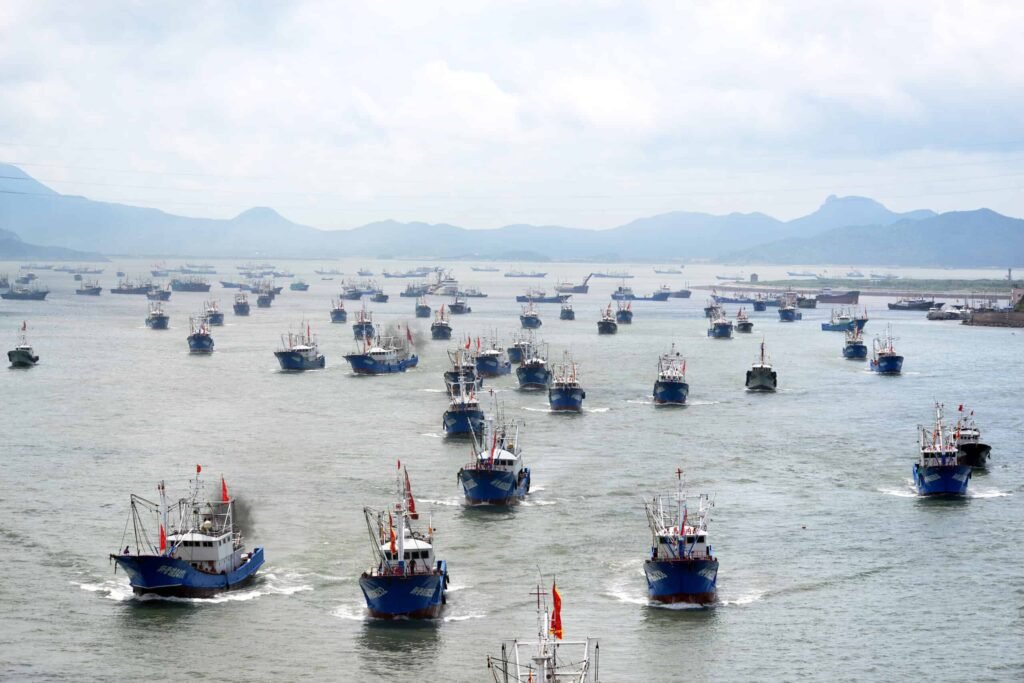
Fijian practices also include species diversification in fishing, which prevents the overharvesting of any single species and encourages a balanced ecosystem. By targeting a variety of fish species, Fijians maintain the health of different marine populations, promoting greater biodiversity. This approach contrasts sharply with the monoculture practices of industrial fisheries, which often lead to the depletion of target species and environmental degradation.
Resilience in Changing Environments

Traditional Fijian fishing methods have evolved to cope with environmental changes, such as shifts in ocean temperatures and currents. This adaptability is key to maintaining sustainable fisheries, as it enables communities to adjust practices in response to ecological shifts. As climate change continues to affect marine environments globally, resilience and adaptability will be crucial components of sustainable fisheries management.
Integrating Technology with Tradition

While grounded in tradition, Fijian communities are not averse to incorporating technology to enhance their sustainable practices. By using modern tools alongside traditional knowledge, they can improve monitoring, data collection, and resource management. This integration can guide global fisheries in leveraging technology to promote sustainability while honoring cultural practices.
The Global Impact of Fijian Practices
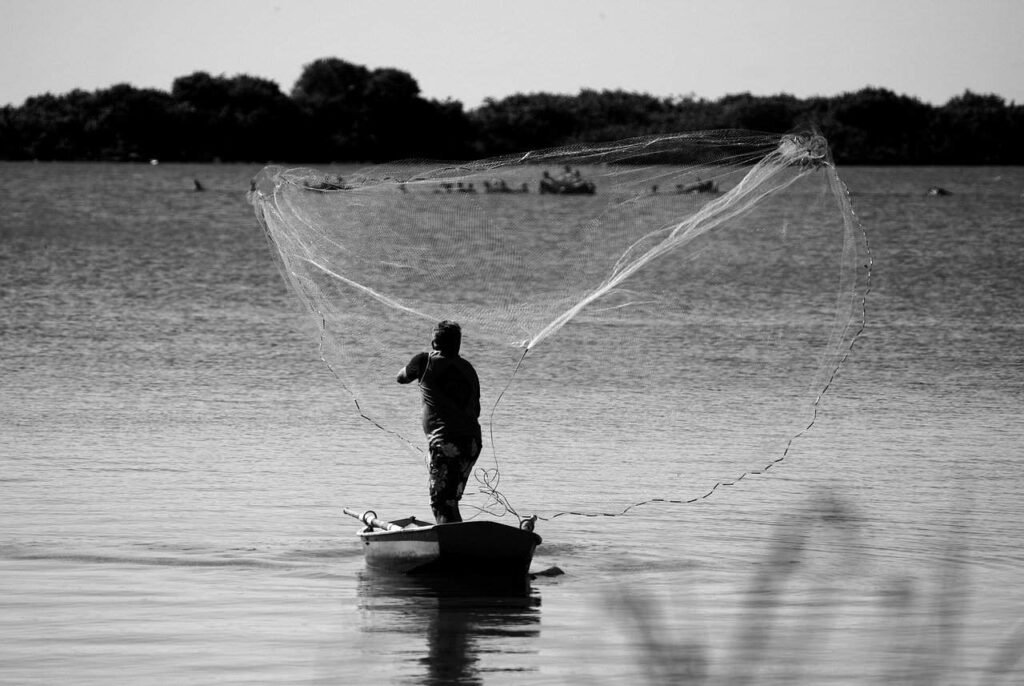
The principles of traditional Fijian fishing can serve as a powerful model for the international community. As global fisheries seek sustainable solutions, these age-old practices provide a framework that is both practical and effective. By adopting Fijian strategies, such as community involvement, protected zones, and respect for natural cycles, global efforts toward sustainable fisheries can be significantly strengthened.
Conclusion: A Holistic Approach to Sustainability

In conclusion, traditional Fijian fishing practices offer invaluable insights into sustainable fisheries management. Their emphasis on community, respect for nature, and balance with the environment provides a compelling alternative to the often unsustainable methods used in modern fisheries. By looking to Fiji’s example, the global community can embrace a more holistic approach to marine conservation, ensuring that the bounty of the seas is preserved for generations to come.