


Canada’s national parks are a treasure trove of natural beauty, offering breathtaking landscapes and an array of wildlife. However, amidst this beauty lies the potential for dangerous animal encounters. Knowing how to handle these situations is crucial for your safety and the well-being of the wildlife. This guide will walk you through practical steps and insights to navigate these encounters intelligently.
The Majesty and Mystery of Canadian Wildlife

Canada is home to a diverse range of wildlife, from the majestic grizzly bear to the elusive lynx. These animals are often the highlight of any visit to the national parks, captivating the hearts of nature enthusiasts. Despite their allure, it’s important to remember that these are wild creatures with instincts and behaviors that can pose risks to humans. Understanding the nature of these animals is the first step in safely enjoying their presence. For instance, while a bear may seem docile from a distance, it can become aggressive if it feels threatened or if food is involved.
Understanding Animal Behavior
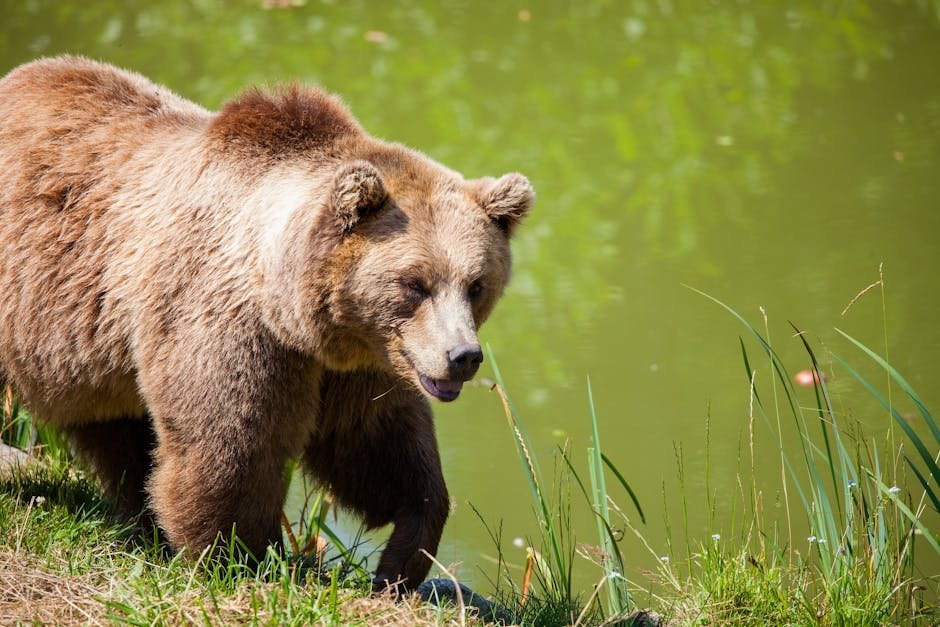
Every animal has its own set of behaviors and triggers. Bears, for instance, are primarily motivated by food and may become aggressive if they sense a threat to their resources. Moose, on the other hand, might charge if they feel cornered. By familiarizing yourself with the typical behaviors of these animals, you can better predict how they might react in various situations. This knowledge is your first line of defense, allowing you to make informed decisions during an encounter.
Preparation is Key: Essential Gear and Knowledge
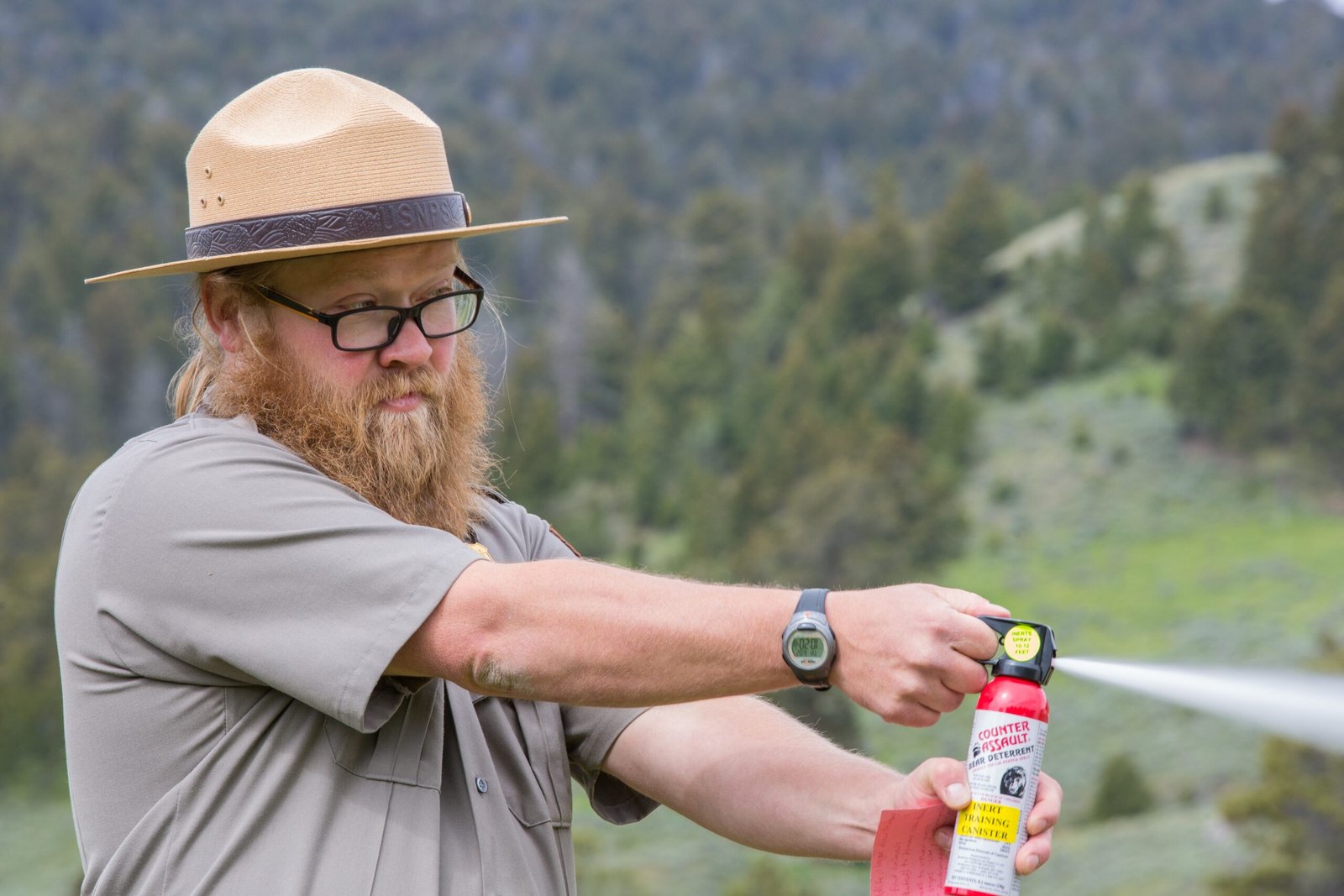
Before setting foot in a national park, equip yourself with essential gear. Bear spray is a must-have, as it can deter a charging bear if used correctly. Additionally, a whistle or noise-making device can help alert animals to your presence, reducing surprise encounters. Educate yourself on the specific wildlife in the area you plan to visit. Each species requires different handling techniques, and having this knowledge can be the difference between a safe experience and a dangerous one.
Making Noise: A Simple Yet Effective Strategy
One of the simplest ways to avoid a dangerous encounter is to make noise as you hike. Conversations, clapping, or using a bell can alert animals to your presence, giving them the opportunity to move away. Animals generally prefer to avoid humans, and making noise can reduce the chances of surprising a bear or moose along a trail. This proactive approach is a testament to the adage, “An ounce of prevention is worth a pound of cure.”
What to Do When You Encounter a Bear
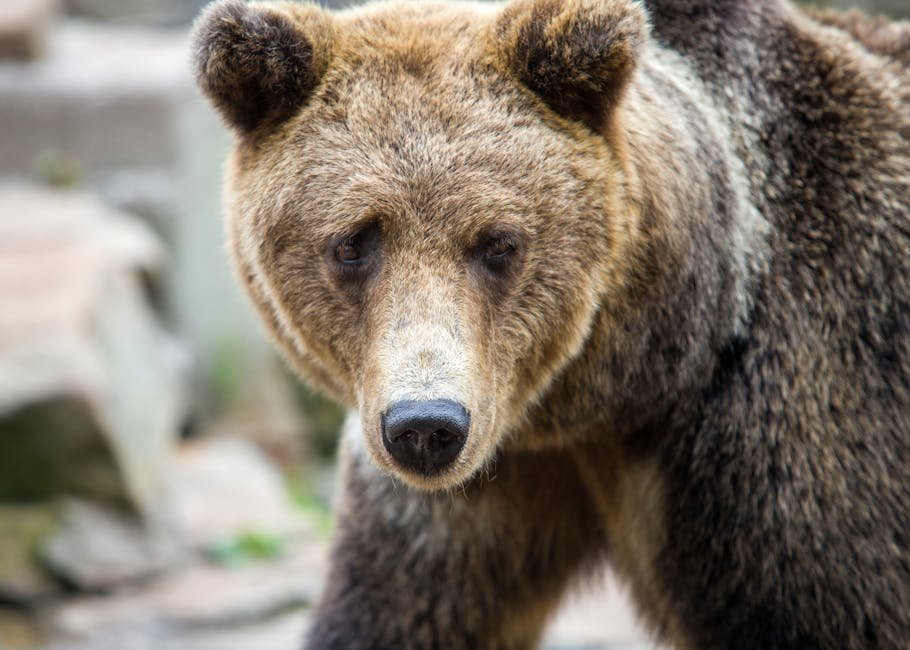
If you find yourself face-to-face with a bear, remain calm. Do not run, as this can trigger the bear’s predatory instincts. Instead, slowly back away while maintaining eye contact. Speak in a calm, firm voice to let the bear know you’re human. If the bear continues to approach, use your bear spray as a deterrent. Remember, your goal is to deescalate the situation and give the bear ample space to retreat.
Handling Moose Encounters
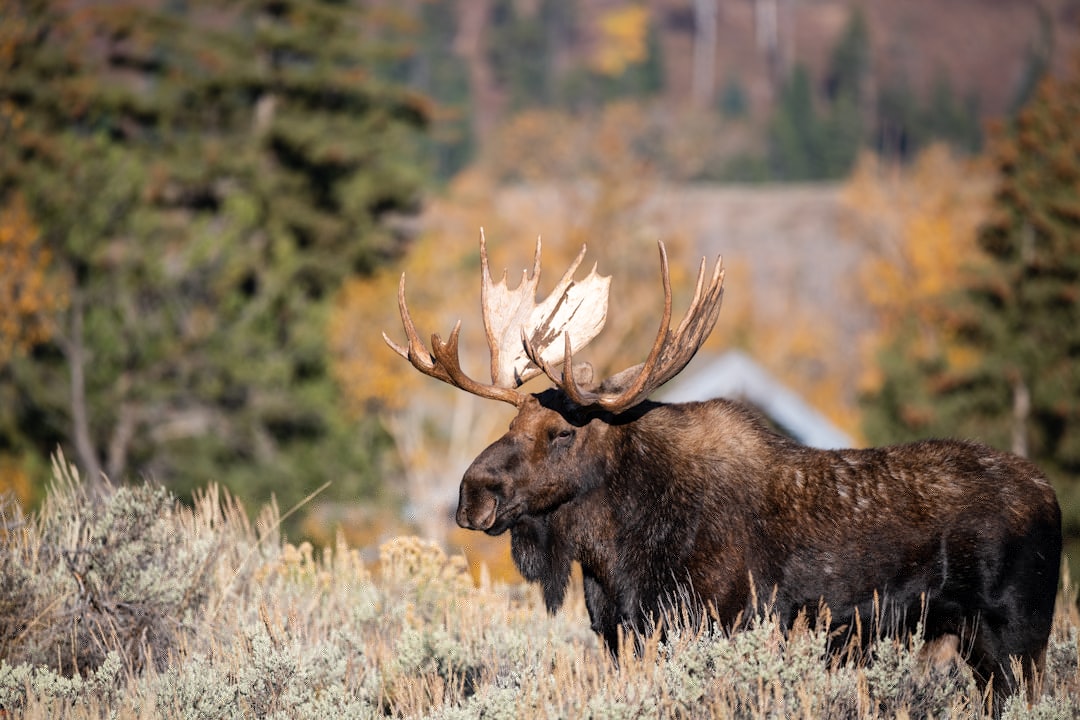
Moose may not seem as intimidating as bears, but they can be just as dangerous. If you encounter a moose, give it plenty of space and avoid making sudden movements. Moose can become aggressive, especially during mating season or if they have calves. Back away slowly and try to put a solid object, like a tree, between you and the moose. This offers a sense of security and a barrier if the moose decides to charge.
Dealing with Wolves and Cougars
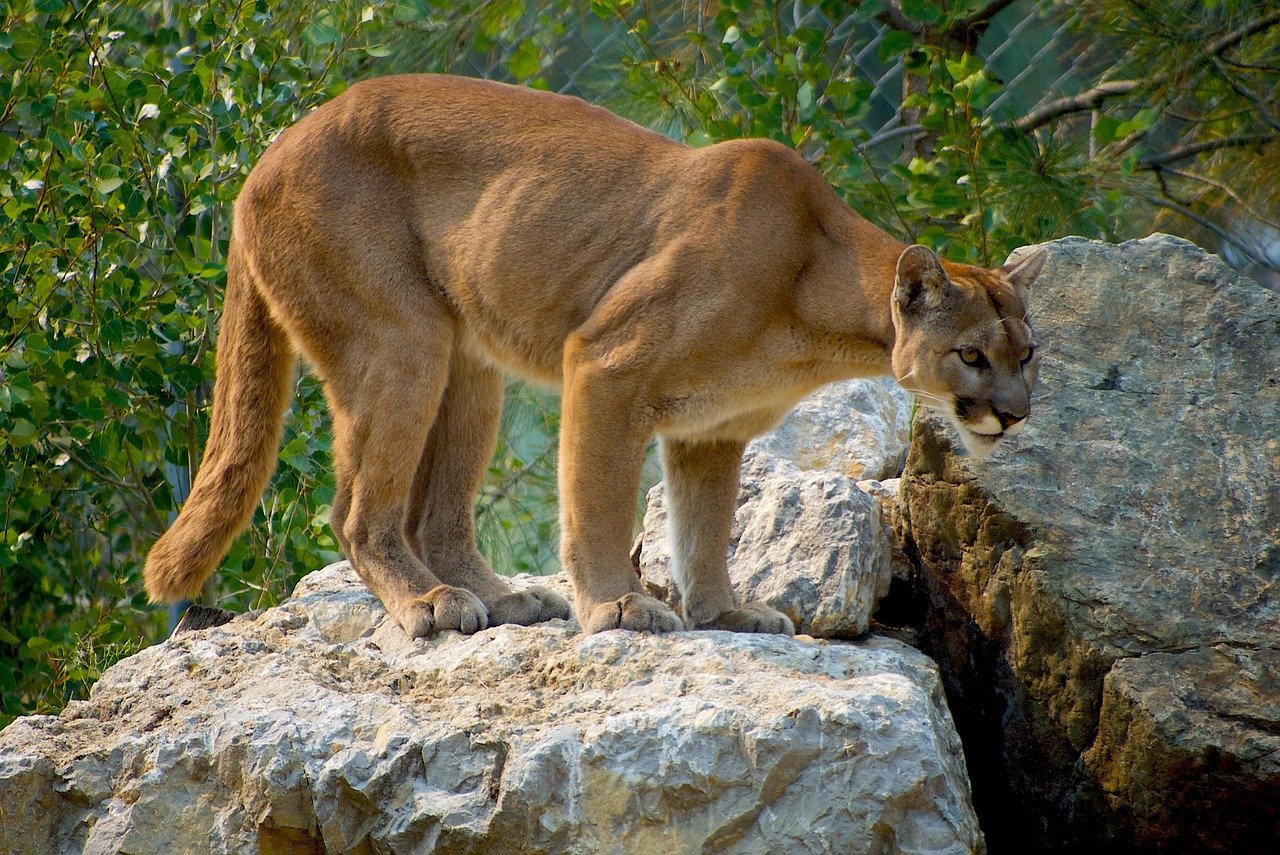
Wolves and cougars are less commonly encountered but can still pose a threat. In the rare event of an encounter, do not run. Instead, stand tall, make yourself appear larger, and make loud noises to scare them off. These animals are more likely to target weak or fleeing prey, so maintaining a confident demeanor is crucial. If attacked, fight back using any available tools or objects.
The Importance of Keeping Your Distance
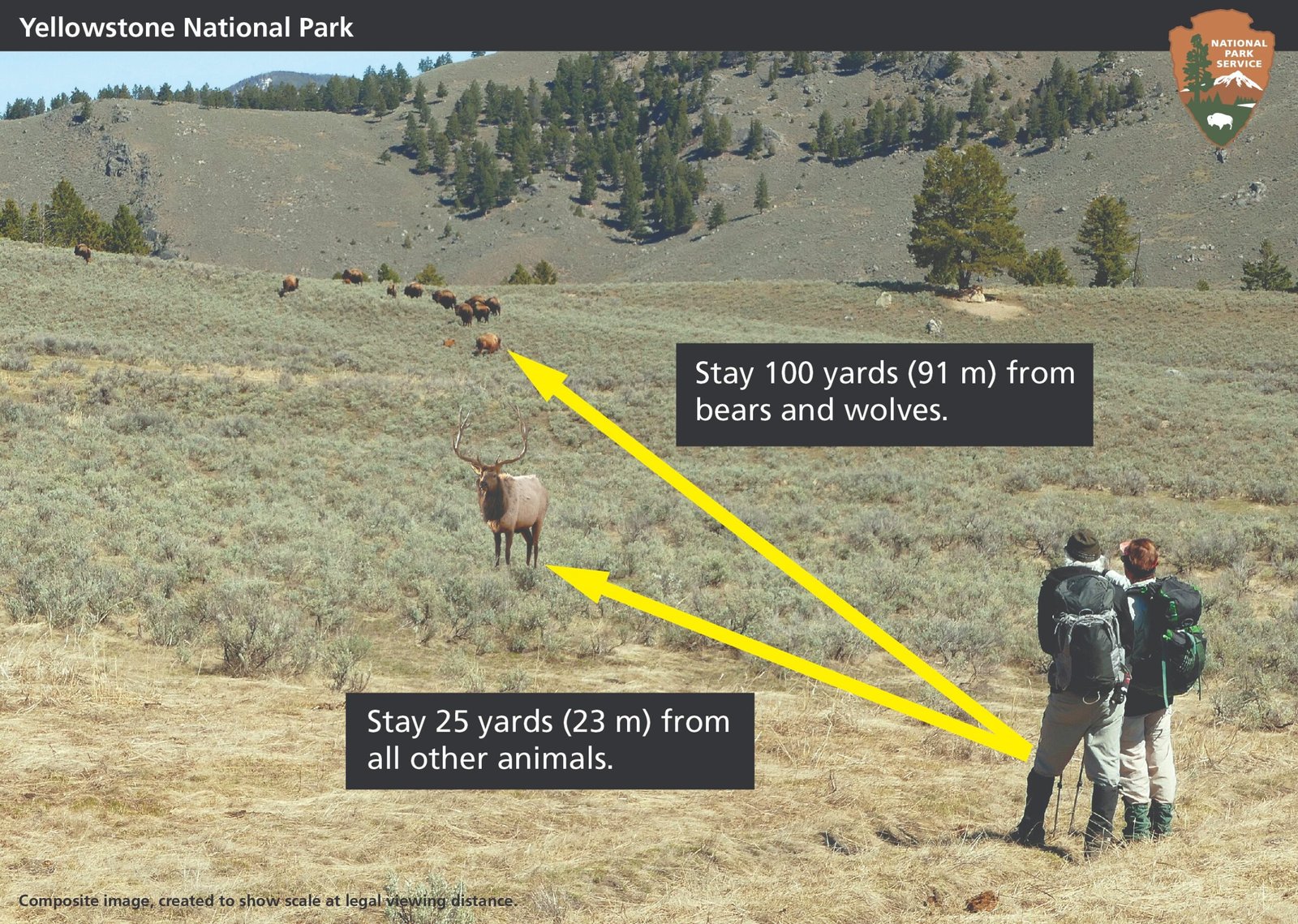
Maintaining a safe distance from wildlife is paramount. Use binoculars or a camera with a zoom lens to admire animals from afar. Approaching too closely can stress animals, leading to defensive behaviors. Respect their space and remember that these parks are their home. By keeping a respectful distance, you contribute to the preservation of these creatures and ensure your own safety.
Food Storage and Waste Management
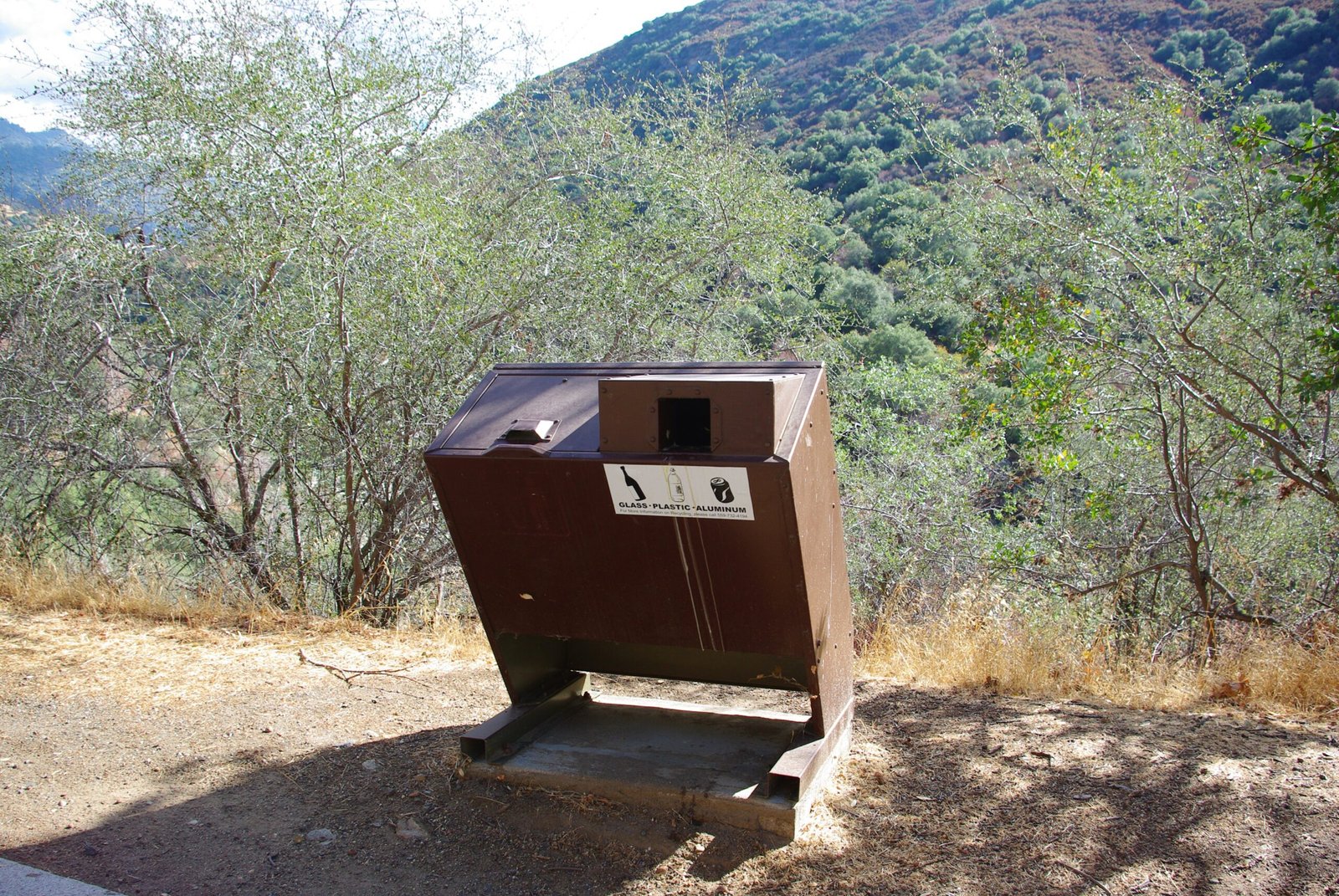
Proper food storage is essential to avoid attracting wildlife to your campsite. Use bear-proof containers and dispose of waste in designated areas. Leaving food out can lure animals, increasing the risk of dangerous encounters. This not only jeopardizes your safety but can also lead to habituated animals that lose their natural fear of humans, posing a long-term threat to both wildlife and visitors.
Educating Yourself and Others

Education is a powerful tool in preventing dangerous animal encounters. Take the time to learn about the wildlife in the area and share this knowledge with fellow park visitors. Many parks offer workshops and informational sessions that can provide valuable insights into animal behavior and safety measures. By fostering a culture of awareness and respect, we can ensure that both humans and animals coexist peacefully in these natural havens.
In conclusion, encountering wildlife in Canada’s national parks is a thrilling experience, but it requires respect and caution. By understanding animal behavior, preparing adequately, and maintaining a safe distance, you can enjoy the beauty of these creatures while ensuring your safety. Let us all strive to be responsible visitors, preserving the majesty of Canada’s wildlife for generations to come.


