
Every second of every day, an invisible force reshapes our planet with the quiet persistence of a master sculptor. This force doesn’t need hammers or chisels—it uses nothing more than H2O molecules dancing between three simple states. Water, in its endless journey from ocean to cloud to river to underground spring, orchestrates the most spectacular geological and biological transformations on Earth. From carving out the Grand Canyon grain by grain to nurturing towering redwood forests that pierce the sky, the water cycle operates as nature’s ultimate architect. What most people see as simple rain or a babbling brook is actually part of an intricate planetary machine that has been reshaping continents, creating ecosystems, and sustaining life for billions of years.
The Hidden Power Behind Mountain Erosion
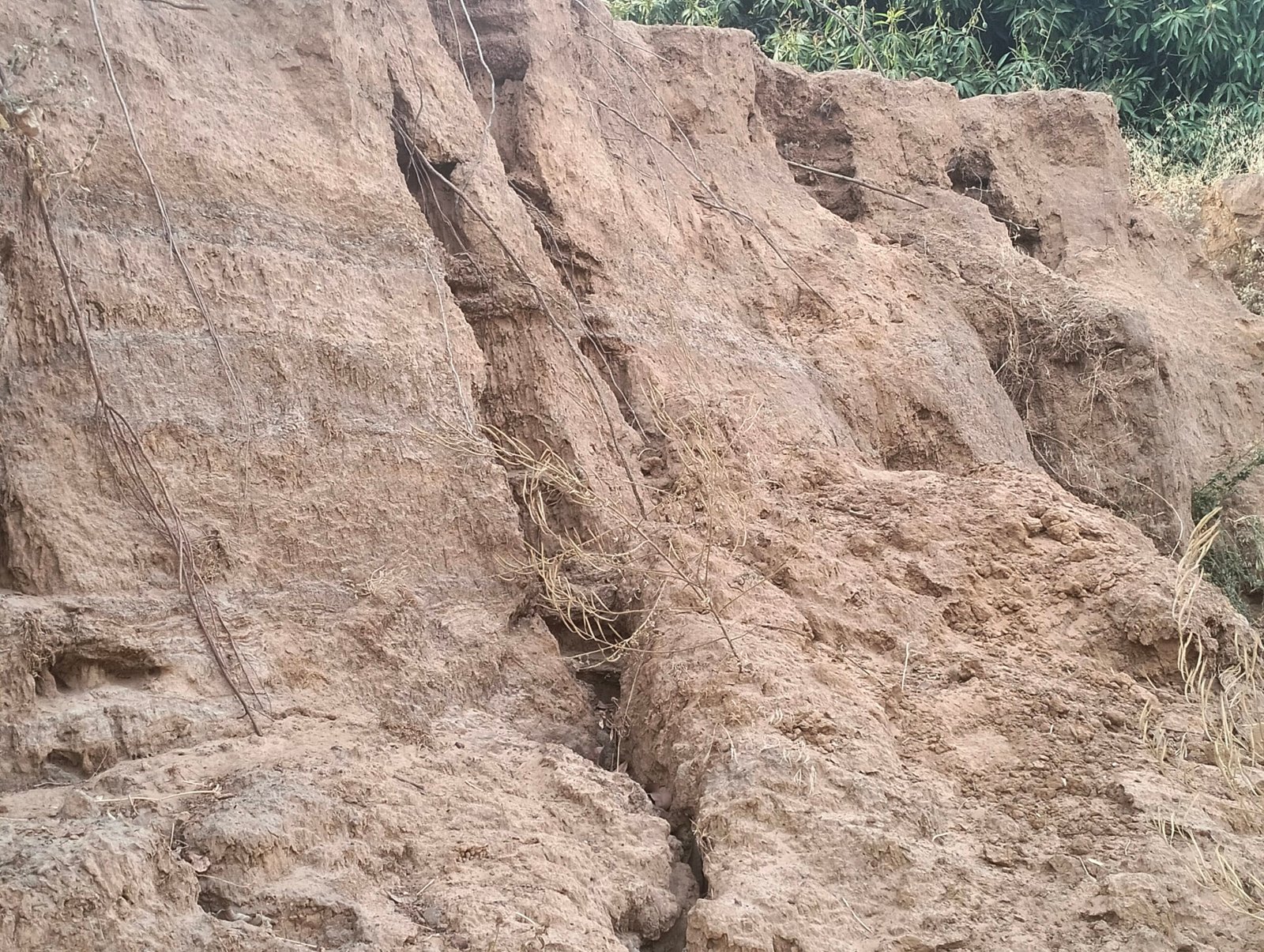
Mountains that appear solid and eternal are actually under constant assault from water’s relentless forces. When raindrops hit granite peaks, they begin a chemical reaction that slowly dissolves the rock’s mineral components. This process, called chemical weathering, transforms mighty mountain faces into tiny particles that eventually travel thousands of miles downstream.
The most dramatic example occurs during freeze-thaw cycles in high-altitude regions. Water seeps into rock cracks during warmer periods, then expands by 9% when it freezes, creating pressure equivalent to several tons per square inch. This expansion can split massive boulders like a slow-motion explosion happening over centuries.
Rivers as Nature’s Conveyor Belts

Every major river system functions as a massive conveyor belt, transporting approximately 15 billion tons of sediment to the oceans annually. The Amazon River alone carries enough sediment each year to build a mountain the size of Mount Fuji. This constant movement of material doesn’t just reshape riverbeds—it literally redistributes entire mountain ranges across continents.
The Colorado River’s journey through the Grand Canyon demonstrates this power perfectly. Over 6 million years, this single waterway has carved through 2 billion years of geological history, exposing rock layers that tell the story of ancient seas, deserts, and mountain ranges. The river removes approximately 500,000 tons of sediment daily, equivalent to hauling away 50,000 dump trucks of material every single day.
Underground Water Networks That Reshape Landscapes

Beneath our feet lies a hidden water world that rivals any surface river system in its landscape-shaping power. Groundwater moves through rock and soil at speeds ranging from inches per year to several feet per day, creating vast underground river networks. These subterranean flows can hollow out entire cave systems, like Kentucky’s Mammoth Cave, which spans over 400 miles of mapped passages.
The most surprising aspect of groundwater erosion is its ability to create sudden landscape collapses called sinkholes. When underground water dissolves limestone bedrock over decades or centuries, the surface layer eventually becomes unsupported and crashes down, sometimes swallowing entire buildings or sections of highway. Florida experiences dozens of these geological surprises each year, reminding us that water’s sculpting work never stops.
How Forests Engineer Their Own Weather

Trees don’t just passively receive rainfall—they actively participate in creating the very weather systems that sustain them. A single large oak tree can transpire up to 40,000 gallons of water annually through its leaves, releasing moisture that rises to form clouds. This process creates a feedback loop where forests literally manufacture their own precipitation.
The Amazon rainforest takes this concept to an extreme level, generating approximately half of its own rainfall through transpiration. Scientists have discovered that air masses passing over the Amazon pick up more moisture than those traveling over oceans, making the forest function as a “green ocean” that pumps water vapor into the atmosphere. When deforestation disrupts this cycle, rainfall patterns can shift dramatically across entire continents.
The Surprising Journey of Cloud Formation

Clouds form through a process that would seem magical if we didn’t understand the science behind it. Water vapor rises from oceans, lakes, and vegetation until it reaches altitudes where temperatures drop below the dew point. At this moment, invisible water vapor condenses around microscopic particles called condensation nuclei—tiny specks of dust, pollen, or salt that serve as cloud seeds.
The most fascinating aspect of cloud formation involves the role of trees and forests in providing these essential condensation nuclei. Forests release organic compounds called volatile organic compounds (VOCs) that can trigger cloud formation even in areas with relatively low humidity. This means that healthy forests don’t just contribute water vapor to the atmosphere—they also provide the chemical triggers that turn that vapor into rainfall.
Ocean Currents as Global Water Highways

Ocean currents function as massive water highways that transport heat, nutrients, and moisture around the globe, directly influencing weather patterns thousands of miles away. The Gulf Stream alone carries 150 times more water than the Amazon River, moving warm tropical water northward and moderating temperatures across Western Europe. Without this oceanic conveyor belt, London would have a climate similar to northern Canada.
These currents also play a crucial role in feeding the water cycle by exposing different water masses to varying temperatures and evaporation rates. When warm surface currents meet cold air masses, they create the perfect conditions for massive evaporation events that can generate weather systems affecting entire continents. The interaction between ocean currents and atmospheric circulation patterns creates the complex dance of global weather that shapes every ecosystem on Earth.
The Role of Wetlands in Water Purification

Wetlands serve as nature’s kidneys, filtering billions of gallons of water annually while simultaneously regulating flood patterns and recharging groundwater supplies. A single acre of wetland can store up to 3 million gallons of water, slowly releasing it during dry periods and absorbing excess during floods. This natural storage system prevents both droughts and floods while maintaining steady water supplies for surrounding ecosystems.
The purification process in wetlands involves complex interactions between plants, bacteria, and sediments that remove pollutants, excess nutrients, and harmful microorganisms. Marsh plants like cattails and bulrushes act as living filters, absorbing heavy metals and breaking down organic pollutants through their root systems. This biological water treatment system often outperforms expensive artificial filtration systems while providing habitat for countless species.
Ice Sheets as Massive Water Reservoirs

The world’s ice sheets and glaciers contain approximately 69% of Earth’s fresh water, making them the planet’s largest water reservoirs. The Antarctic ice sheet alone holds enough water to raise global sea levels by 200 feet if it completely melted. These frozen water stores don’t just sit passively—they actively participate in the global water cycle through sublimation, melting, and ice flow dynamics.
Glacial ice acts as a geological time machine, preserving water that fell as snow thousands of years ago while slowly releasing it back into the water cycle. As glaciers flow downhill, they carve U-shaped valleys, deposit sediments, and create the characteristic landscape features we see in places like Alaska’s Glacier Bay or the Swiss Alps. The timing of glacial melt also regulates river flows in major watersheds, providing steady water supplies to billions of people downstream.
Desert Adaptations to Scarce Water Cycles
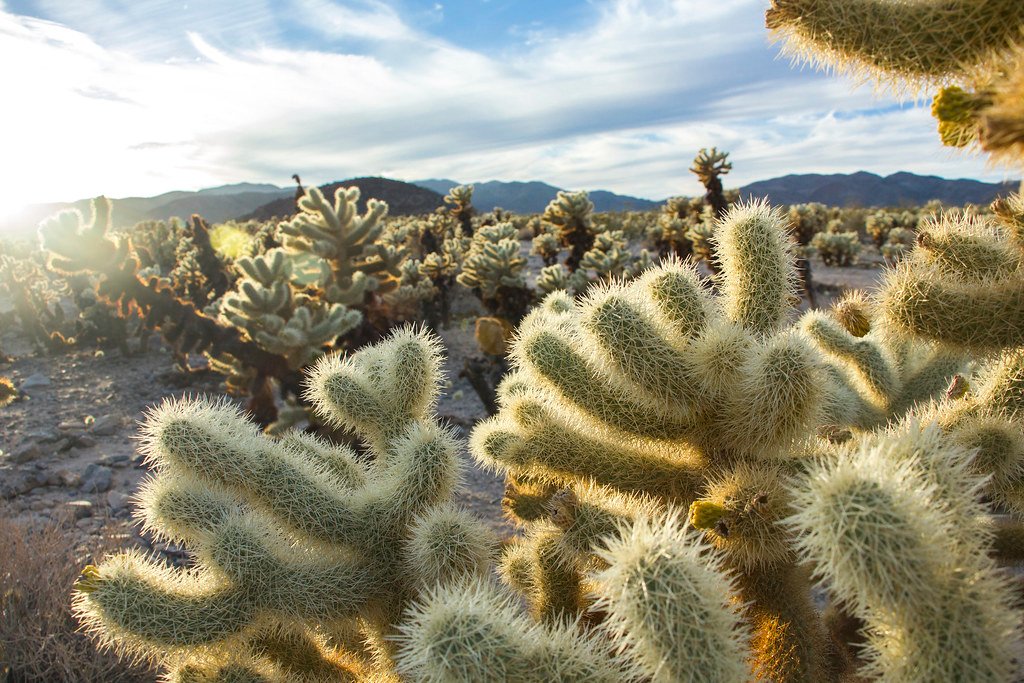
Desert ecosystems demonstrate the water cycle’s power even in its absence, as plants and animals have evolved remarkable adaptations to capture and conserve every precious drop. The saguaro cactus can absorb up to 200 gallons of water during a single rainfall event, expanding its pleated skin like an accordion to store water for years of drought. This ability to capitalize on rare water cycle events allows desert plants to thrive in environments that receive less than 10 inches of annual precipitation.
Desert animals have developed equally impressive water conservation strategies that work in harmony with local water cycles. Kangaroo rats can survive their entire lives without drinking water, extracting moisture from seeds and minimizing water loss through specialized kidneys. Some desert beetles have evolved to harvest water directly from fog, using specially textured wing covers that condense moisture from the air during cool morning hours.
Urban Heat Islands and Disrupted Water Cycles

Cities create their own unique water cycle disruptions through the urban heat island effect, where concrete and asphalt surfaces absorb and radiate heat differently than natural landscapes. Urban areas can be 5-10 degrees warmer than surrounding countryside, which intensifies evaporation rates and alters local precipitation patterns. This temperature difference can actually trigger thunderstorms as hot air rises rapidly from city centers, creating dramatic afternoon downpours.
The replacement of natural surfaces with impermeable materials fundamentally changes how water moves through urban landscapes. Instead of gradually infiltrating soil and recharging groundwater, rainfall runs off quickly into storm drains, creating flash flood risks while reducing groundwater replenishment. Many cities are now implementing green infrastructure solutions like rain gardens and permeable pavements to restore natural water cycle processes in urban environments.
The Connection Between Soil Health and Water Retention

Healthy soil acts as a massive sponge in the water cycle, capable of absorbing and storing tremendous amounts of rainfall while slowly releasing it to plants and groundwater systems. A single teaspoon of healthy soil contains more microorganisms than there are people on Earth, and these microscopic communities create the soil structure that enables efficient water retention. Soil with high organic matter content can hold up to 20 times its weight in water.
Agricultural practices that damage soil structure severely disrupt local water cycles by reducing the land’s ability to absorb and retain precipitation. Compacted soils shed rainfall like concrete, leading to increased erosion, flooding, and drought conditions even in areas with adequate precipitation. Regenerative farming practices that rebuild soil organic matter are essentially restoring the natural water cycle processes that sustain both agriculture and surrounding ecosystems.
Atmospheric Rivers and Extreme Weather Events

Atmospheric rivers represent one of the water cycle’s most dramatic phenomena—narrow corridors of concentrated water vapor that transport as much water as the Amazon River through the sky. These “rivers in the sky” can stretch for thousands of miles and dump enormous amounts of precipitation when they encounter mountain ranges or weather fronts. California receives 30-50% of its annual precipitation from just a few atmospheric river events each year.
The increasing intensity of atmospheric rivers due to climate change demonstrates how the water cycle’s behavior affects everything from flood risks to water supply security. A single strong atmospheric river event can deliver both devastating floods and crucial water supplies, highlighting the double-edged nature of the water cycle’s power. Understanding and predicting these events has become crucial for water management and disaster preparedness in many regions.
Transpiration Networks in Forest Ecosystems

Forest transpiration creates invisible networks of water vapor that connect individual trees across vast landscapes, essentially allowing forests to communicate and share resources through atmospheric moisture exchange. When one area of forest experiences drought stress, increased transpiration from nearby healthy trees can help create localized humidity that benefits the struggling area. This process creates a form of mutual support system where forests collectively manage their water resources.
The timing and intensity of forest transpiration also influences local weather patterns in ways that extend far beyond the forest boundaries. Morning transpiration from forests can trigger afternoon thunderstorms, while seasonal changes in leaf coverage alter regional precipitation patterns. Old-growth forests show particularly sophisticated transpiration patterns, with different tree species coordinating their water release to maximize overall forest health and resilience.
Groundwater Springs and Ecosystem Oases

Natural springs represent magical intersections where underground water cycles surface to create unique ecosystems that often support rare and endemic species. These groundwater emergence points can maintain constant temperatures year-round, creating thermal refugia that allow species to survive climate extremes. Florida’s natural springs maintain 72-degree temperatures regardless of surface weather, supporting manatees during cold snaps and providing cool relief during summer heat waves.
The flow rates and chemical composition of springs reflect the deep underground journeys that water has taken through different rock layers and geological formations. Some spring water has been underground for decades or even centuries, carrying dissolved minerals that create unique water chemistry supporting specialized plant and animal communities. The decline of spring flows due to groundwater pumping often signals broader disruptions to regional water cycles that can affect ecosystems hundreds of miles away.
The Science of Precipitation Patterns

Precipitation patterns reveal the water cycle’s intricate choreography as air masses, temperature gradients, and topographical features interact to create the specific rainfall and snowfall patterns that define regional climates. Mountain ranges create orographic precipitation by forcing air masses upward, cooling them until they release their moisture on windward slopes while creating rain shadows on leeward sides. This process explains why Seattle receives over 150 days of precipitation annually while eastern Washington averages less than 30 days.
The size and shape of precipitation particles tell stories about the atmospheric conditions they encountered during formation. Snowflakes develop their intricate crystalline structures based on temperature and humidity conditions at different altitudes, while raindrop sizes reveal information about cloud dynamics and atmospheric turbulence. Understanding these precipitation signatures helps scientists decode the complex atmospheric processes that drive regional water cycles and predict future changes in water availability.
Seasonal Water Cycle Variations and Wildlife Migration
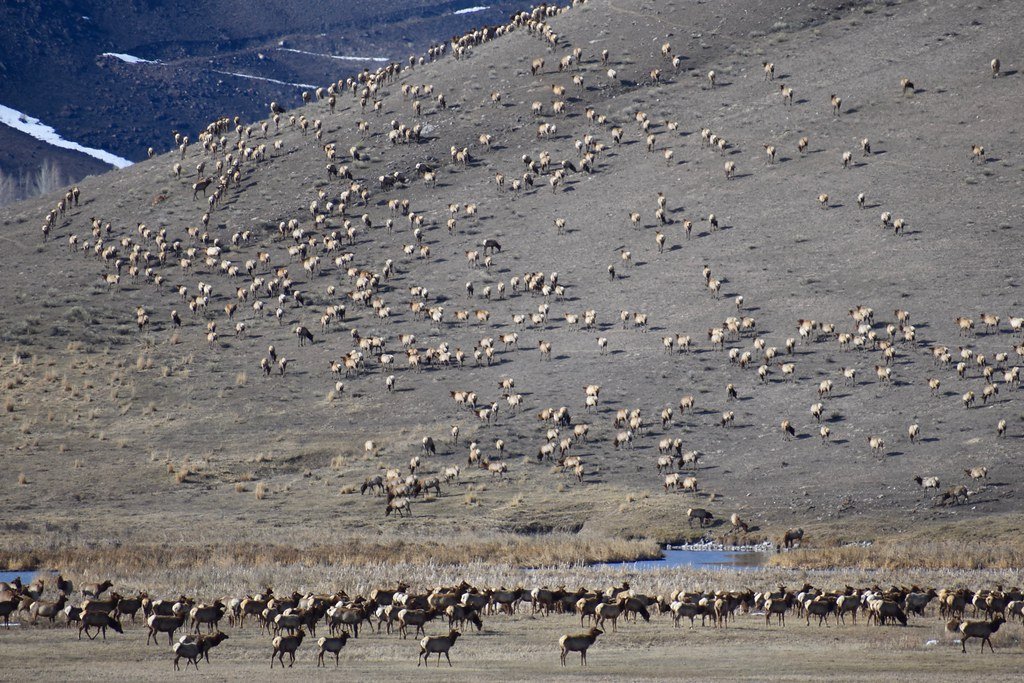
Seasonal changes in the water cycle trigger some of nature’s most spectacular wildlife migrations as animals follow water and food resources across vast landscapes. The timing of snowmelt in mountain regions determines when rivers reach peak flow, which influences salmon spawning runs, bird migration timing, and the availability of riparian vegetation that supports countless species. Disruptions to these seasonal water cycle patterns can throw entire ecosystems out of sync.
Many species have evolved internal biological clocks that anticipate seasonal water cycle changes, allowing them to prepare for migrations or reproductive cycles before environmental conditions actually change. Arctic terns navigate across polar regions by following seasonal ice melt patterns, while desert animals time their reproductive cycles to coincide with brief rainy seasons. Climate change’s impact on seasonal water cycle timing creates mismatches between animal behavior and resource availability that can have cascading effects throughout ecosystems.
Human Engineering of Water Cycles

Human intervention in the water cycle through dams, irrigation systems, and water diversions has created some of the most dramatic landscape transformations in Earth’s history. The Colorado River now rarely reaches the ocean due to upstream diversions, fundamentally altering the ecology of the Colorado River Delta and changing precipitation patterns across the southwestern United States. Large dams trap sediments that would naturally replenish downstream floodplains and coastal areas, leading to land subsidence and coastal erosion hundreds of miles away.
Massive irrigation projects have enabled agriculture in arid regions but have also created new regional water cycles through increased evaporation and transpiration from crops. The Central Valley of California now experiences different humidity and precipitation patterns than existed before large-scale agriculture, demonstrating how human water management decisions can alter regional climates. These engineered water cycles often support human activities while disrupting natural ecosystem processes that depend on historical water availability patterns.
Future Challenges and Adaptations

Climate change is intensifying the water cycle in ways that create both more severe droughts and more extreme precipitation events, challenging ecosystems and human communities to adapt to increasingly unpredictable water availability. Rising temperatures increase evaporation rates while altering precipitation patterns, creating conditions where some regions experience unprecedented flooding while others face severe water shortages. These changes require new approaches to water management that work with natural water cycle processes rather than against them.
Nature-based solutions that restore natural water cycle functions are emerging as crucial strategies for adapting to changing water patterns. Wetland restoration, forest conservation, and sustainable agriculture practices that rebuild soil water retention capacity can help communities become more resilient to both floods and droughts. Understanding and protecting the water cycle’s natural processes may be our best strategy for maintaining stable water supplies and healthy ecosystems in an uncertain climate future.
The water cycle’s influence extends far beyond the simple diagrams we remember from school textbooks. It operates as Earth’s most powerful geological force, biological support system, and climate regulator all rolled into one magnificent process. From the microscopic interactions between soil particles and water molecules to the massive atmospheric rivers that span continents, every component of this system plays a crucial role in maintaining the delicate balance that makes life on Earth possible. As we face increasing environmental challenges, recognizing the water cycle’s central role in shaping our planet becomes more important than ever. What will happen to our world if we continue to disrupt this ancient dance between water, land, and sky?