
In the vast, sweeping landscapes of the American West, where the sun beats mercilessly on the arid deserts, an unusual military experiment once unfolded. The year was 1855, and the U.S. Army was grappling with the challenges of patrolling the newly acquired lands from the Mexican-American War. The solution, as bizarre as it might sound today, was to import camels from the Middle East to serve in a camel cavalry. This peculiar chapter in American history, known as the Camel Corps experiment, was as short-lived as it was ambitious. Despite its potential, the experiment never fully took off, leaving behind tales of intrigue and wonder.
The Vision Behind the Camel Corps
The idea to use camels in the U.S. Army emerged from the mind of Secretary of War Jefferson Davis. He envisioned camels as the perfect solution to the logistical challenges of traversing the vast deserts of the southwest. Davis believed that these hardy animals, renowned for their ability to endure harsh climates and carry heavy loads, would be invaluable in transporting supplies and soldiers across the unforgiving terrain. His enthusiasm was infectious, inspiring Congress to allocate funds for the experiment. With a budget of $30,000, a significant amount at the time, the government embarked on acquiring camels from the Middle East, thus setting the stage for this unprecedented military endeavor.
The Arrival of the Camels

In 1856, the first shipment of camels arrived in Texas, marking the beginning of the U.S. Camel Corps. The camels had been carefully selected from various regions in the Ottoman Empire, each chosen for their strength and adaptability. Upon their arrival, the camels quickly proved their worth. Capable of carrying loads up to 600 pounds and traveling long distances without water, they impressed military officials. Their presence in America was met with a mix of curiosity and skepticism. Locals were fascinated by the exotic creatures, yet some doubted their suitability for military use. Despite this, the camels continued to demonstrate their potential, offering a glimpse of what might have been a revolutionary change in military logistics.
Challenges of Integration
Despite their initial success, integrating camels into the U.S. Army was fraught with challenges. One significant issue was the lack of trained handlers. While camels were common in the Middle East, American soldiers were unfamiliar with their care and training. This lack of expertise led to mishandling and, at times, mistreatment of the animals. Furthermore, the traditional cavalry horses were not fond of their new companions, often becoming startled and unruly in their presence. This created logistical complications, as mixed animal units became difficult to manage. Moreover, the novelty of camels in America meant that there were no established protocols for their use, leading to confusion and inefficiency within the ranks.
The Role of Edward Fitzgerald Beale
Enter Edward Fitzgerald Beale, a man instrumental in the Camel Corps experiment. A naval officer and explorer, Beale was tasked with establishing a wagon road from Fort Defiance in New Mexico to the Colorado River. His journey was to be aided by the camels, and he became one of their most ardent supporters. Beale marveled at the animals’ resilience, noting their ability to travel vast distances with minimal resources. His reports highlighted their strengths, suggesting camels could play a pivotal role in the future of American transportation. However, despite his advocacy, the broader military establishment remained unconvinced, and Beale’s efforts, though notable, ultimately fell short of transforming the experiment into a lasting success.
The Civil War’s Impact

The outbreak of the Civil War in 1861 significantly impacted the Camel Corps experiment. With the nation divided, priorities shifted, and resources were redirected toward the war effort. The camels, once a symbol of innovation, became an afterthought in the chaos of conflict. The southern states, where many of the camels were stationed, seceded from the Union, further complicating the experiment’s continuation. As the war raged on, the camels found themselves caught in a political and logistical quagmire, their potential unrealized amidst the turmoil of a nation at war.
The End of the Experiment
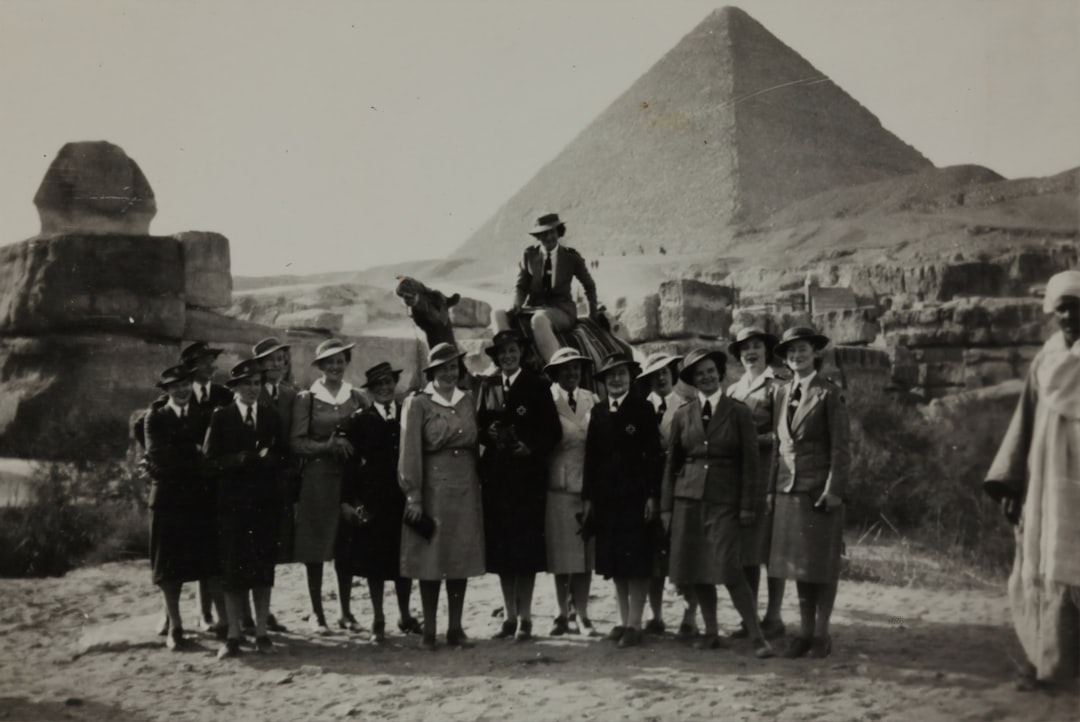
As the Civil War drew to a close, the Camel Corps experiment was all but forgotten. The camels, once heralded as a potential solution to the army’s logistical challenges, were deemed surplus to requirements. Many were auctioned off to private owners or abandoned in the wild, where they roamed the deserts of the southwest. The experiment, though brief, left a lasting impression on those who witnessed it. While the camels never became a staple of the U.S. military, their story remains a fascinating footnote in the annals of American history, a testament to the nation’s spirit of innovation and exploration.
Legacy of the Camel Corps

Though the Camel Corps experiment was short-lived, its legacy endures in the stories and legends that persist to this day. The camels, with their exotic allure, became the subjects of folklore and myth, their presence in the American desert a reminder of a bygone era. Some of the camels’ descendants were reportedly seen roaming the wilds of the southwest well into the 20th century, a testament to their adaptability and resilience. The experiment also served as a lesson in the challenges of introducing new technologies and ideas, highlighting the importance of preparation and understanding when venturing into uncharted territory.
Scientific Insights and Lessons Learned

The Camel Corps experiment offers valuable scientific insights into animal adaptation and military logistics. The camels’ ability to thrive in the harsh desert environment highlighted the potential for utilizing species uniquely suited to specific climates. Their endurance and strength underscored the importance of selecting the right tools for the job, a lesson that resonates across various fields today. Moreover, the experiment demonstrated the challenges of integrating new technologies and ideas, emphasizing the need for thorough planning and understanding. These lessons continue to inform modern military and logistical strategies, illustrating the enduring relevance of this curious chapter in history.
A Fascination That Endures

The story of the U.S. Camel Corps continues to captivate historians, scientists, and enthusiasts alike. Its blend of innovation, adventure, and intrigue offers a unique lens through which to explore America’s past. The experiment serves as a reminder of the nation’s willingness to explore unconventional solutions and push the boundaries of possibility. It also highlights the complexities of adapting to new environments and the challenges of implementing change. As we delve into this fascinating tale, we are reminded of the importance of creativity and resilience in the face of adversity, qualities that remain as relevant today as they were over a century ago.
Enduring Mysteries and Speculations
Even today, the Camel Corps experiment is shrouded in mystery and speculation. The fate of many camels remains unknown, fueling rumors and tales of wild camels roaming the American desert. These stories, while often embellished, capture the imagination, inviting us to ponder what might have been. The experiment’s abrupt end leaves many questions unanswered, sparking curiosity and debate among historians and enthusiasts. As we reflect on this peculiar chapter in history, we are reminded of the enduring allure of the unknown and the endless possibilities that lie beyond the horizon.