As dusk falls over the open ocean, an ancient and breathtaking migration unfolds. Millions of tiny creatures—most no larger than the nail on your pinky finger—begin their nightly ascent from the shadowy depths to the surface waters. This migration is the largest movement of animal life on Earth, yet it occurs out of sight and mostly out of mind. What if these unassuming swimmers, often overlooked and misunderstood, were quietly playing a heroic role in the fight against the world’s greatest environmental crisis: climate change? The truth is both surprising and inspiring. The ocean’s hidden migrators are not just marvels of adaptation—they are unsung guardians of our planet’s carbon balance.
The Great Underwater Commute: What Is the Diel Vertical Migration?
Every evening, as sunlight fades, billions of marine organisms—zooplankton, tiny fish, jellyfish, and squids—rise from the ocean depths to feed near the surface. This phenomenon, called diel vertical migration, is the largest migration on Earth by biomass. Creatures like lanternfish and krill make this journey nightly, traveling hundreds of meters in search of food. The purpose is simple but profound: safety in darkness. By feeding under the cloak of night, these animals evade daytime predators. As dawn breaks, they retreat to the safety of deeper, darker waters, carrying the remains of their nightly feast with them. This daily commute is so immense that it even confounds submarine sonar, creating what sailors once mistook for the ocean floor rising and falling.
The Carbon Express: How Migrators Move Carbon Downward
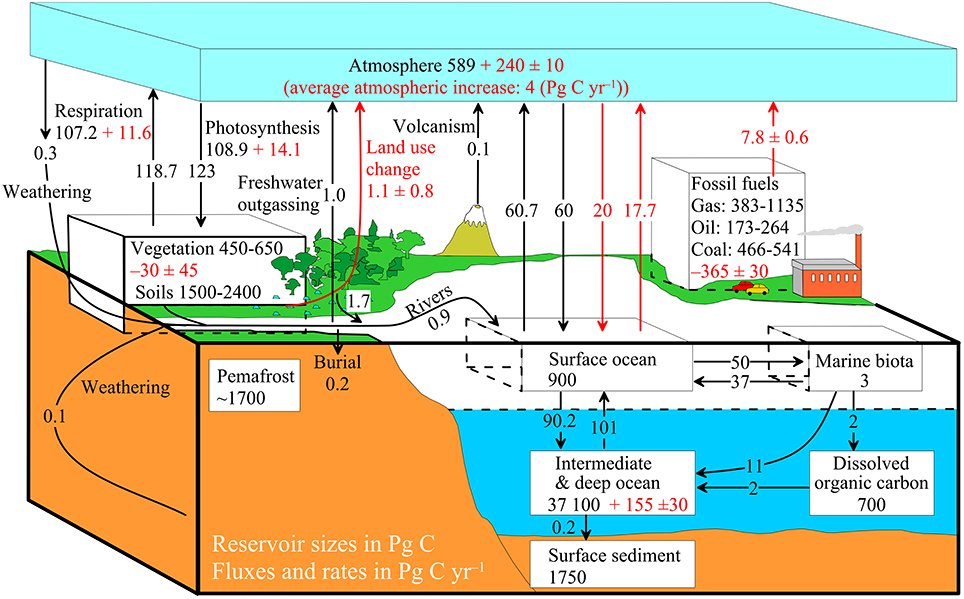
Hidden beneath the surface, these nightly travelers are vital players in the ocean’s “biological pump.” When migrators eat phytoplankton at the surface, they digest the carbon-rich material and transport it back down as they descend each morning. Through their waste—tiny pellets and organic debris—they inject carbon deep into the ocean, far from the atmosphere. This process locks away carbon that would otherwise return to the air as carbon dioxide, a key greenhouse gas. The deeper the carbon goes, the longer it stays out of circulation, sometimes for centuries. Without these migrators, much more carbon would linger at the surface, fueling global warming.
The Unsung Heroes: Who Are the Ocean’s Hidden Migrators?
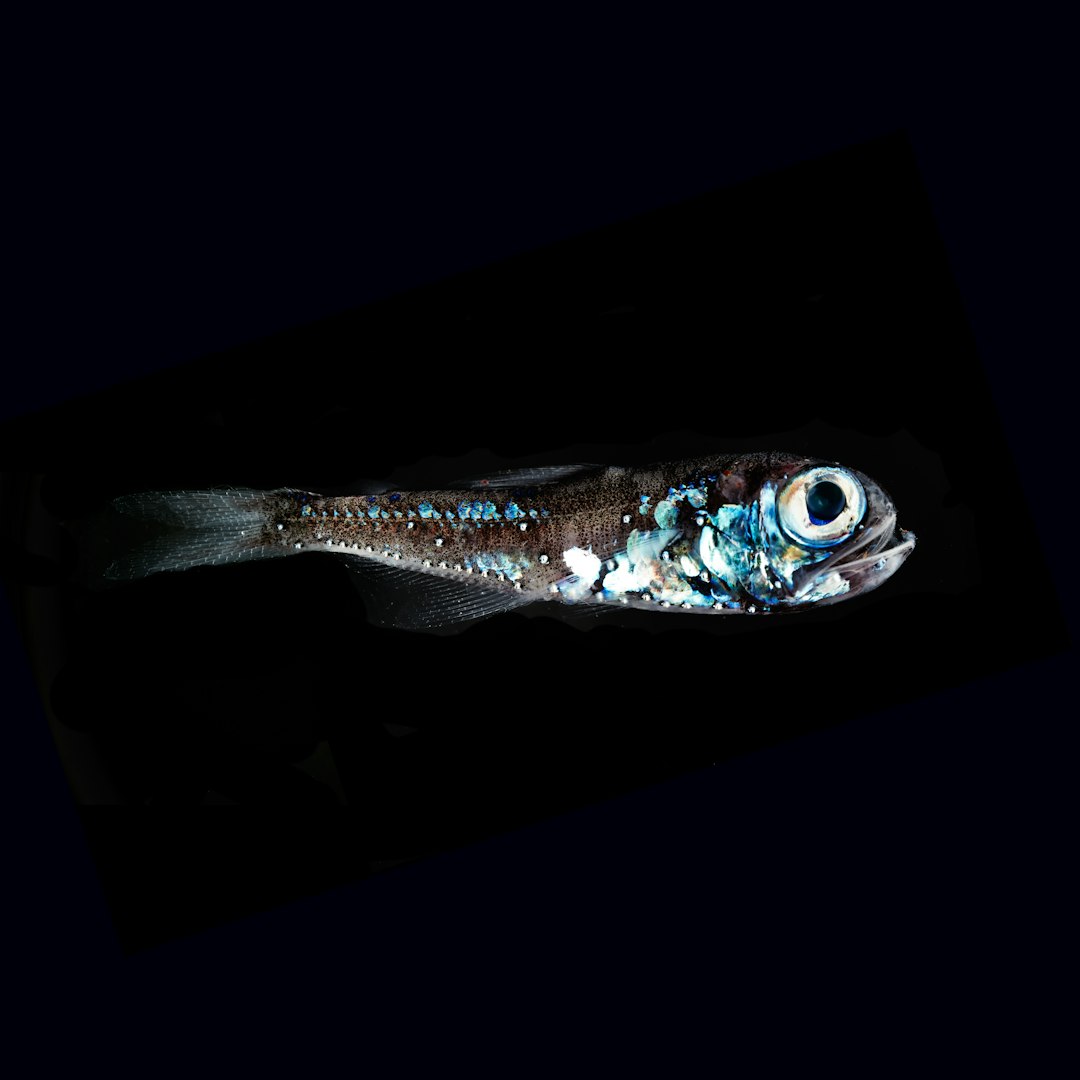
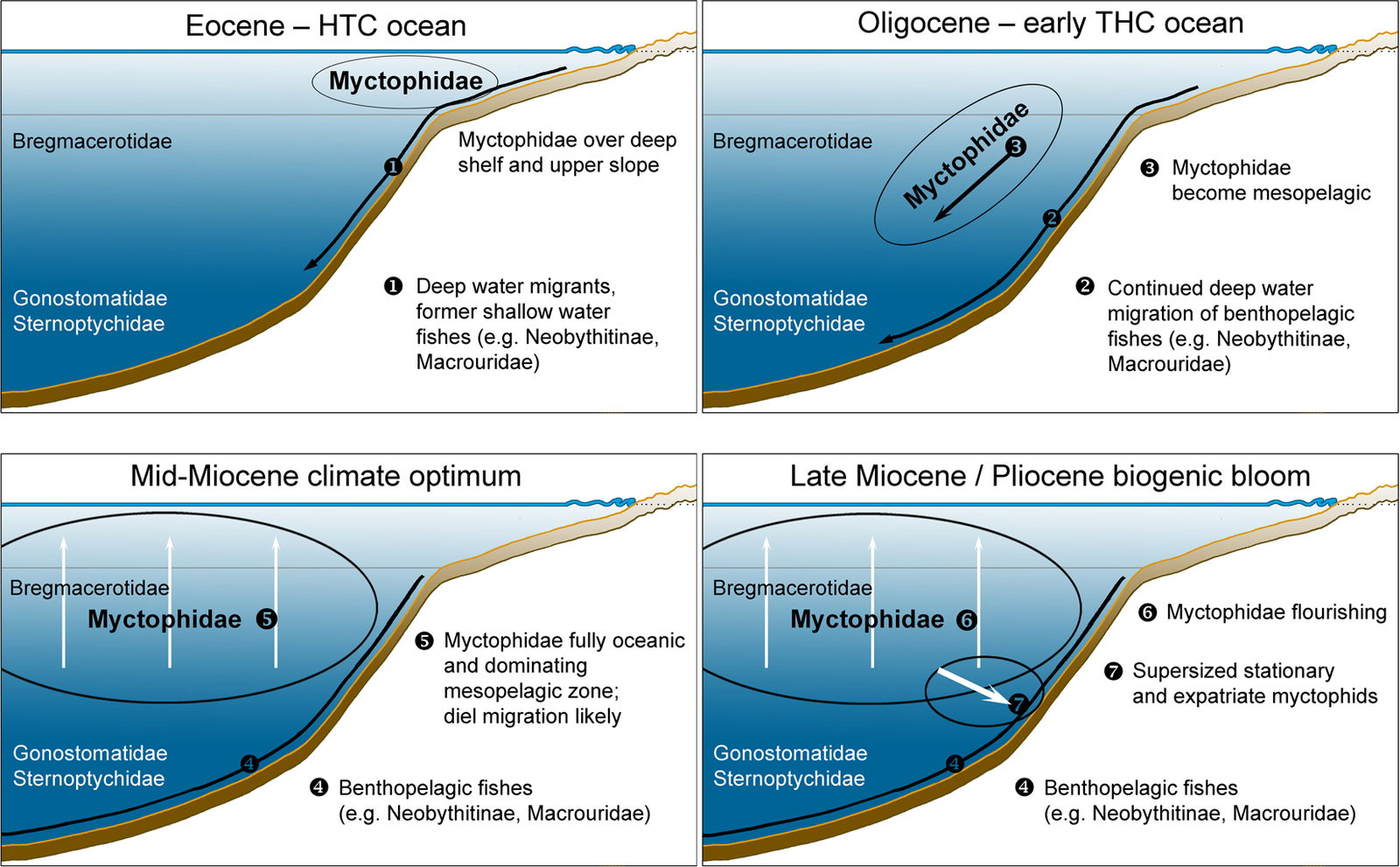
It’s easy to imagine whales or sharks as ocean heroes, but the real champions of carbon transport are often invisible to the naked eye. Lanternfish, bristlemouths, copepods, krill, and countless others are the true workhorses of the nightly migration. Lanternfish alone make up an estimated 65% of all deep-sea fish biomass. These little creatures, glittering with bioluminescent spots, may travel up to 1,000 meters each night. Their collective efforts form a living conveyor belt, constantly cycling nutrients and carbon through the ocean’s vast depths. In the shadows, their quiet work sustains entire food webs and helps balance Earth’s climate.
Nature’s Carbon Sinks: Why Deep-Sea Burial Matters
The fate of carbon in the ocean depends on how deep it is transported. When migrators release waste or die in the deep, much of that carbon becomes trapped by cold, dense water. This is nature’s way of creating a “carbon sink”—a place where carbon can be stored for hundreds or even thousands of years. This deep burial is critical because it slows the carbon’s return to the atmosphere, acting as a natural brake on climate change. Without this mechanism, the planet would heat up much faster, with devastating effects on weather, sea levels, and life around the world.
Phytoplankton: The Ocean’s Carbon-Capturing Powerhouses
The story of the ocean’s hidden migrators cannot be told without mentioning phytoplankton—the tiny plants that float near the sunlit surface. These microscopic marvels absorb massive amounts of carbon dioxide during photosynthesis, much like forests on land. When migrators eat phytoplankton, they help transfer this captured carbon to the depths. Phytoplankton are so important that they are responsible for half of all oxygen we breathe. Their partnership with the migrators forms the foundation of the ocean’s ability to regulate Earth’s climate, blending the worlds of plants and animals in one powerful system.
Bioluminescence: Lighting the Way in the Deep Sea
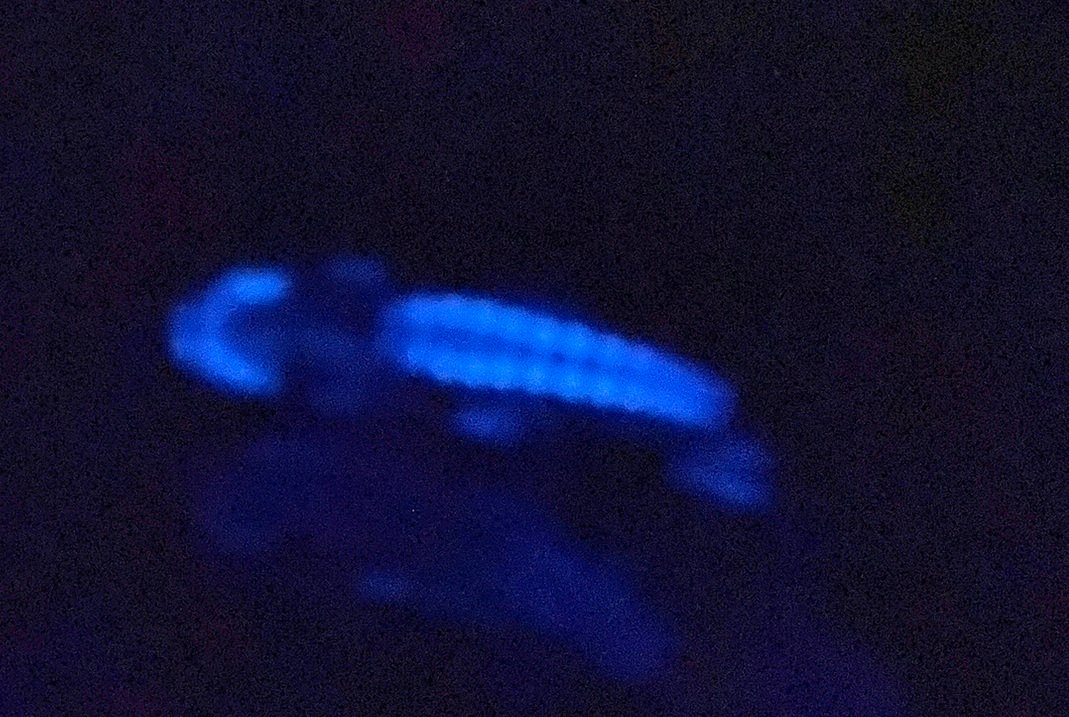
Many of the ocean’s nightly travelers are equipped with their own mysterious LED displays—bioluminescent organs that glow in the dark. These lights serve many functions, from confusing predators to attracting mates. But bioluminescence also plays a subtle role in climate regulation. By gathering in glowing swarms, migrators can influence the behavior of other ocean creatures, altering the flow of nutrients and carbon. Imagine entire clouds of twinkling lanternfish, shaping the fate of carbon with every flicker and flash. The beauty of their lights is more than a spectacle—it’s part of the machinery that keeps our planet livable.
The Human Impact: How Fishing and Pollution Threaten the Cycle
Despite their crucial role, the ocean’s hidden migrators face mounting threats from human activity. Overfishing of key species like krill and lanternfish can disrupt the delicate balance of the migration. Pollution, especially plastics, can harm or kill many of these creatures before they complete their nightly journey. Even noise from ships can interfere with their movement patterns, breaking the chain of carbon transport. These disruptions not only threaten marine biodiversity but also weaken the ocean’s ability to fight climate change. The loss of even a fraction of these migrators could tip the scales in ways we’re only beginning to understand.
Cutting-Edge Science: How Researchers Track Ocean Migrators
Studying the ocean’s hidden migrators is no easy task. Scientists use a mix of sonar, deep-sea robots, and even DNA sampling to uncover the mysteries of the nightly migration. Recent advances in technology now allow researchers to track individual fish and plankton as they move through the water column. These tools have revealed just how massive and coordinated the migration is, and how quickly it can respond to changes in the environment. With each discovery, we learn more about the invisible threads connecting the ocean, the atmosphere, and the fate of our climate.
Nature’s Blueprint: Lessons for Carbon Capture Technology
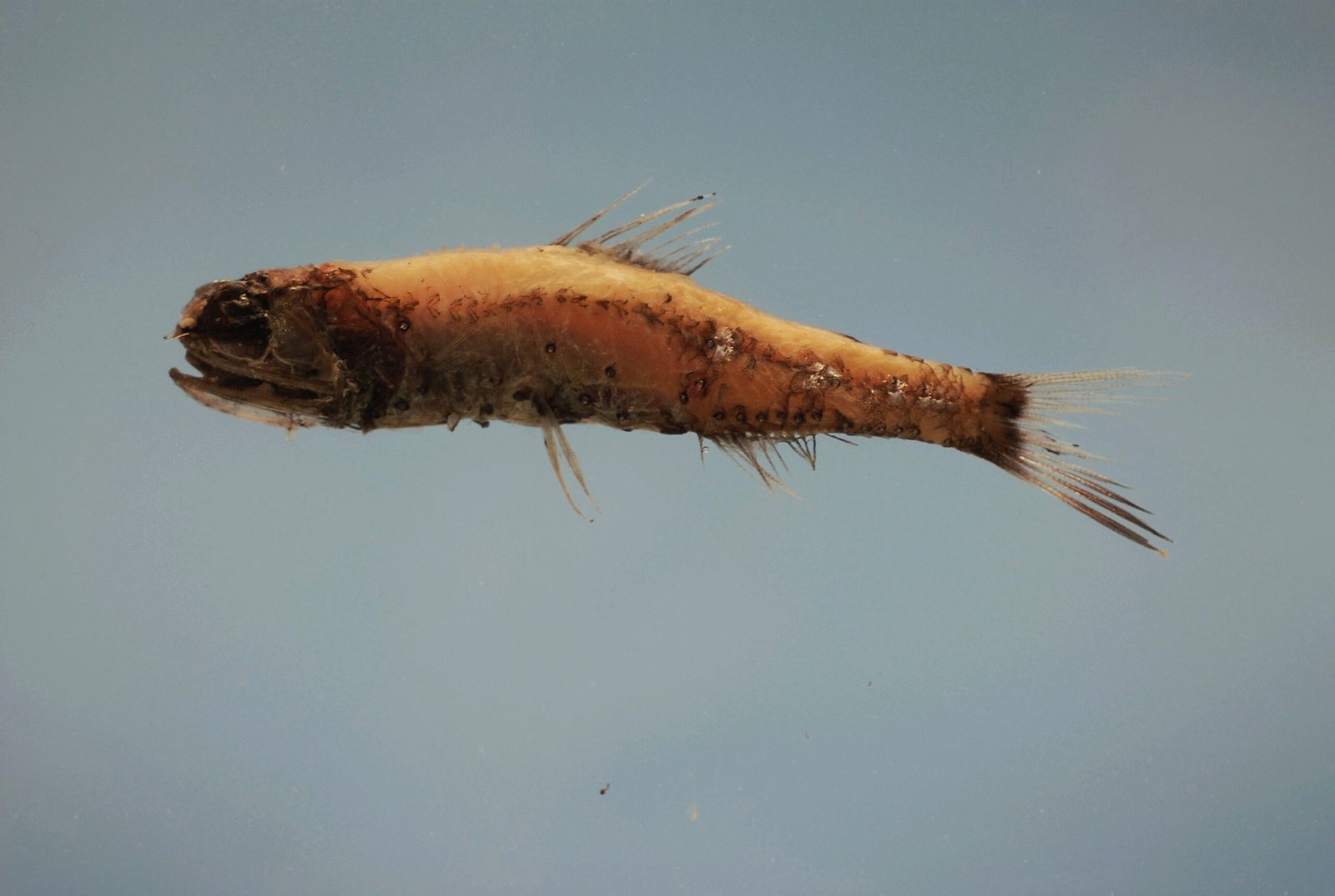
The ocean’s biological pump is a masterclass in natural engineering. Scientists are now looking to this system for inspiration in designing better carbon capture technologies on land. By mimicking how migrators move and sequester carbon, engineers hope to develop new ways to trap and store carbon safely. The lessons hidden in the ocean’s depths could one day help us build machines that fight climate change with the same efficiency as a swarm of lanternfish. Nature’s solutions are often far more elegant—and effective—than anything humans can invent alone.
Protecting the Ocean’s Secret Workforce

Safeguarding the ocean’s hidden migrators is not just about saving strange, small creatures; it’s about protecting the very systems that keep our planet balanced. Marine protected areas, sustainable fishing practices, and pollution controls are all critical steps in ensuring these migrations continue. Every policy and action that helps these animals survive is a direct investment in Earth’s climate future. Their survival is our survival, whether we see them or not.
Why Tiny Creatures Matter in the Climate Fight
It is easy to overlook the smallest players in the vast ocean, but their daily journeys are vital acts of planetary stewardship. The ocean’s hidden migrators prove that even the tiniest organisms can make a world of difference. Their ancient, nightly dance is a reminder that hope for the climate can come from the most unexpected places. Would you have ever guessed that the fate of the planet could depend on the silent, shimmering ballet of creatures most of us will never see?