
Eight kilometers down, where daylight never arrives and the weight of the ocean stacks like a mountain of granite, fish still thrive. Their survival defies everyday intuition, yet new research reveals an elegant playbook written in chemistry, tissue architecture, and evolution’s quiet patience. Scientists are piecing together how proteins stay supple, bones stay light, and bodies keep working when every cell is squeezed by hundreds of atmospheres. The mystery isn’t just how life survives there, but how it has learned to use pressure itself as a design constraint. What emerges is a portrait of creatures that don’t merely endure the abyss – they are built for it.
The Hidden Clues
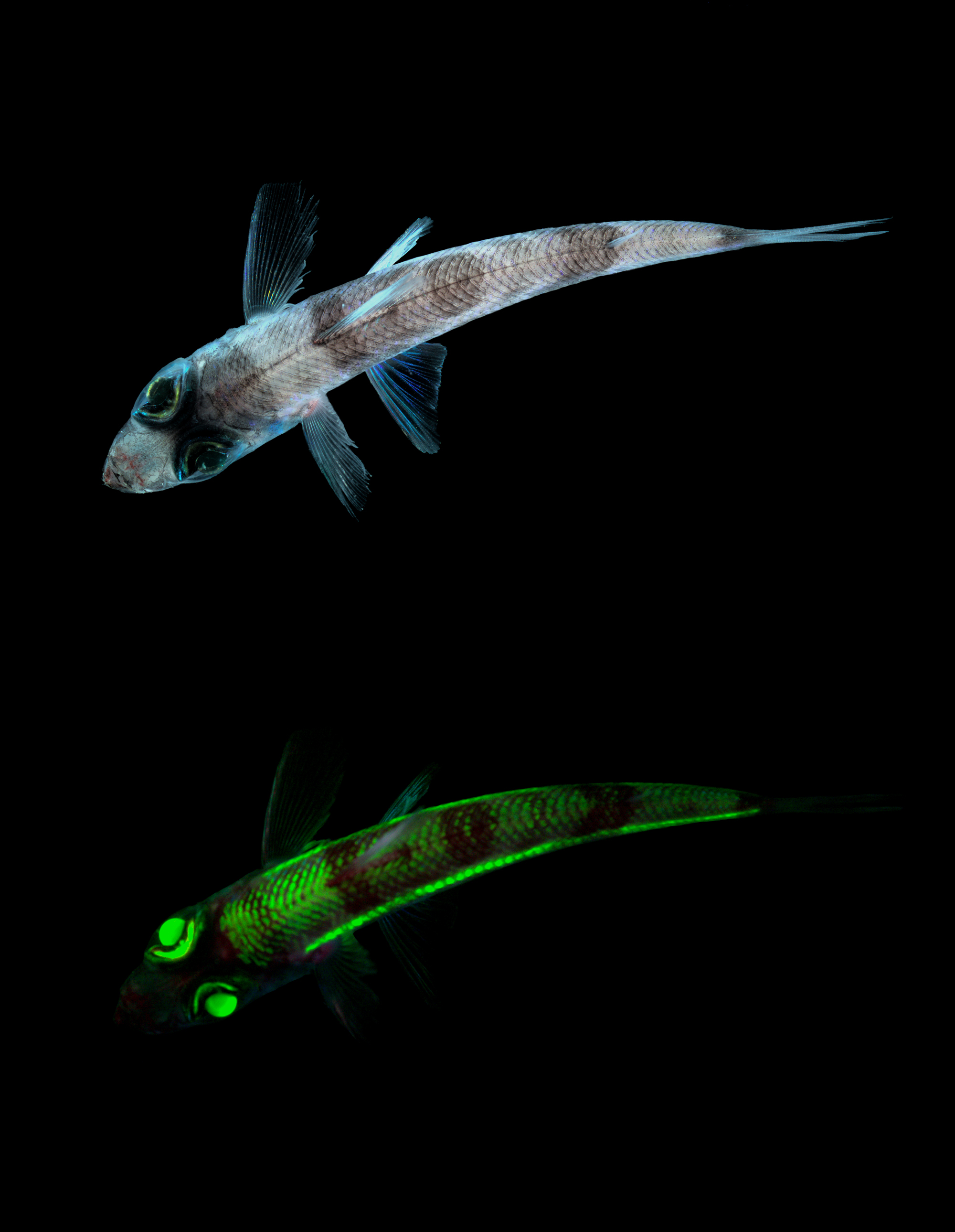
What if pressure didn’t just crush, but sculpted? Deep-sea fish offer that twist, hinting that the same force that would splinter a submarine window can guide biology toward stability and flow. The hadal snailfish, filmed deeper than any other known fish, appears almost translucent and delicate, yet it bustles confidently through trenches where metal creaks and plastics deform. That paradox is the first clue: fragility at a glance, resilience in function. The deeper you look, the more each feature – skin, muscle, enzymes – seems tuned like an instrument to a single note: pressure.
Another clue arrives from an unexpected place: chemistry dissolved in blood and muscle. Certain compounds act like molecular shock absorbers, preventing proteins from folding the wrong way under compression. Cells tweak membranes to remain fluid and breathable when the cold hardens and pressure tightens. Even buoyancy – the simple, stubborn problem of not sinking or floating too fast – gets solved with fat deposits and gel-like tissues instead of gas-filled organs that would collapse. Each clue points to the same headline: flexibility beats brute strength in the abyss.
Proteins Under Pressure
At sea level, many enzymes hum along without help, but at depth they face two threats – being squeezed into poor shapes and losing the water interactions that keep them active. Deep-living fish counter with organic molecules often called piezolytes, the most famous being TMAO, which helps proteins hold their working forms under crushing loads. As depth increases, these stabilizers accumulate, nudging the chemistry toward function rather than failure. The balance is delicate: too little and enzymes stall, too much and cells pay an energetic tax. The trick is a rising gradient with depth, a fine-tuned buffer that matches the environment’s squeeze.
Membranes get similar treatment through homeoviscous adaptation, a mouthful that simply means keeping the cell’s outer skin at a workable softness. Deep-sea species enrich their membranes with unsaturated fats that stay fluid in cold, high-pressure water. Ion channels and pumps still need to open and close, so the membrane can’t become a rigid wall. Some deep fish even show tweaks to vision proteins that remain functional in the dim, blue-shifted light that filters down. Taken together, it’s a chemical choreography designed to keep life moving when movement is hard.
Soft Bodies, Smart Buoyancy
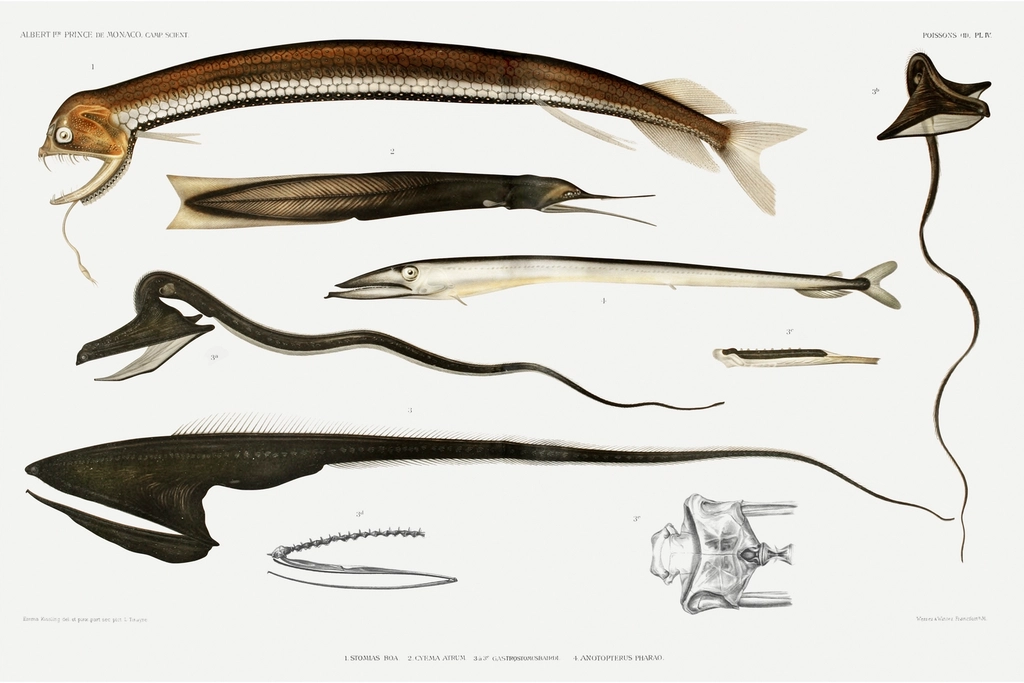
Many abyssal fish forgo gas-filled swim bladders, since any trapped gas would be compressed to near nothing at depth. Instead, they rely on lipid-rich tissues and gelatinous layers under the skin to create gentle lift without fragile bubbles. This soft architecture also cushions organs, spreading force the way a shock-absorber calms a pothole. Muscle fibers are arranged for efficiency rather than sprinting, emphasizing endurance in a world where every movement is costly. Speed isn’t king here; survival is a slow dance with physics.
The result looks almost understated: rounded bodies, open facial structures, and a pale palette that wastes no energy on pigment. Yet form meets function at every turn, from the way fins flex to how the lateral line senses faint vibrations in still water. Even feeding strategies reflect the environment’s scarcity and pressure – the menu is often small crustaceans and marine snow, taken with minimal fuss. Softness, in this case, is not weakness. It’s strategy, perfectly matched to the deep.
Bones That Bend Without Breaking
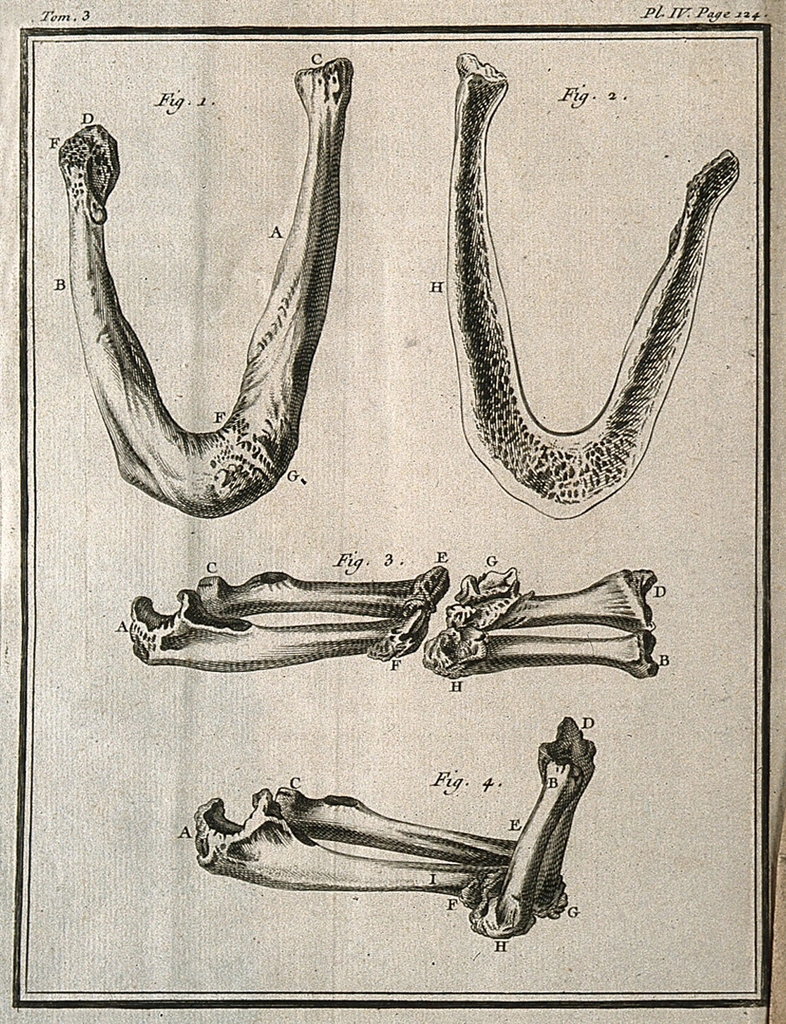
If you picture a heavy, armored skeleton, think again. Deepest-living species often dial down mineralization, leaving bones thinner, more pliant, and less prone to microfractures under load. Skulls show open sutures and reduced calcification, trading helmet-like rigidity for shock dispersion. Vertebrae can be fewer and lighter, and spines subtly curved to distribute stress during slow, efficient swimming. It’s an engineer’s solution: reduce stress concentrators, and you reduce failure.
This lightness pays dividends beyond durability. Less bone means less metabolic cost and more room for buoyant tissues, turning the whole body into a finely balanced system. Cartilage-like components and flexible collagen cross-links help absorb strain the way a well-tuned suspension does on a rocky road. Over evolutionary time, trench habitats select for structures that don’t crack but flex. In a place where hard meets harder, bones learn to bend.
From Ancient Tools to Modern Science
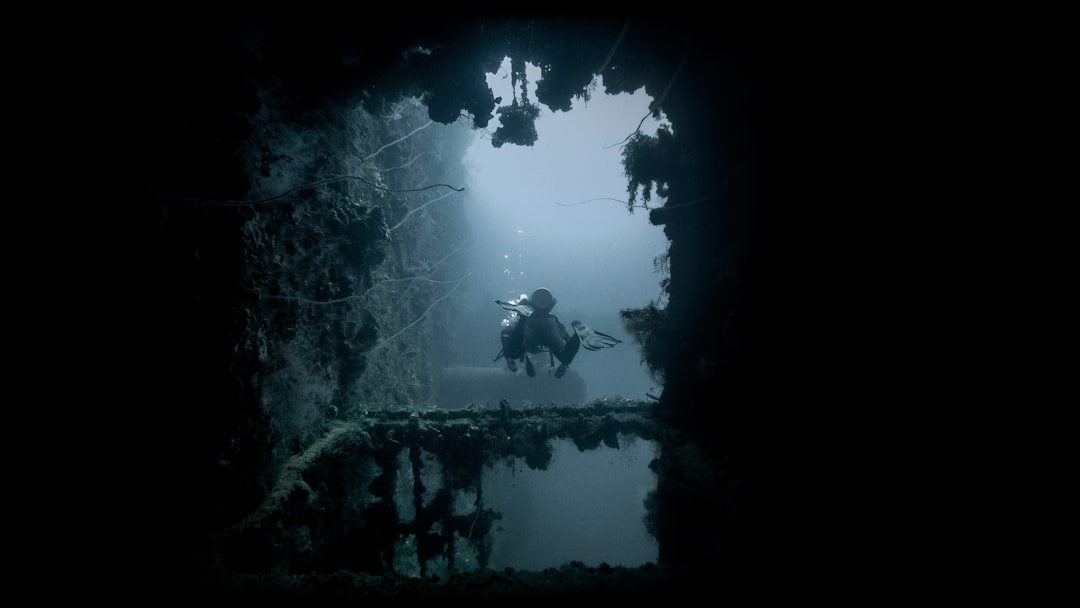
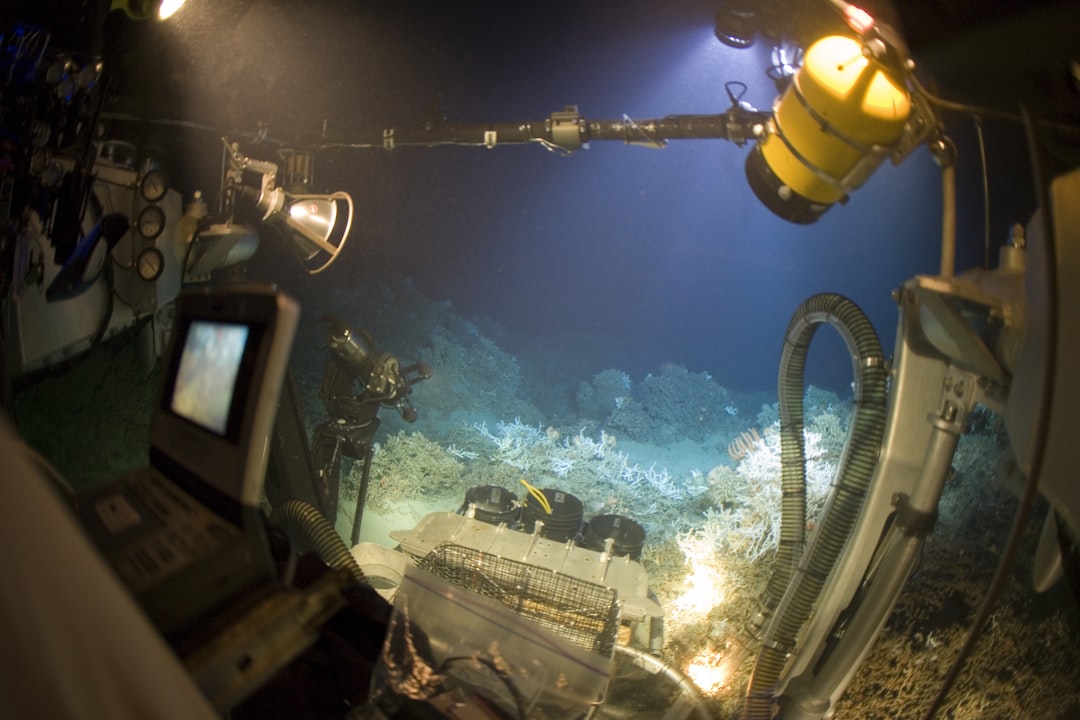
The story of discovery began with dredges, trawls, and patient guesswork, a kind of blindfolded archaeology on the ocean floor. Today it’s guided by fiber-optic tethers, ultra-sensitive cameras, and pressure vessels that can keep fragile fish alive long enough for lab measurements. Pressure-testing rigs now let researchers tune compression like a stereo knob to see when enzymes falter and when piezolytes rescue them. Tissue imaging reveals how gel layers and lipid deposits are distributed, turning silhouettes into blueprints. Bit by bit, the anatomy of survival becomes legible.
International teams have pushed this work forward, dropping landers into trenches from the Pacific’s arcs to the Southern Ocean’s narrow chasms. The deepest fish ever filmed was a juvenile snailfish, a reminder that even early life stages can be adapted to extraordinary conditions. Each new record has forced scientists to update expectations about where the physiological limits lie. I still remember the first time I watched that footage – the fish looked like a soap bubble with a heartbeat, impossibly delicate and plainly at home. That image still challenges how I think about strength.
Why It Matters
Understanding pressure tolerance is more than a biological curiosity; it’s a lesson book for materials science, medicine, and even space exploration. Industrial enzymes used in food processing or pharmaceuticals could be engineered to stay active under mechanical stress, borrowing tricks from deep-sea proteins. Structural designers dream about composites that, like hadal bones, distribute force without catastrophic cracking. The deep ocean also stores immense carbon and nurtures unique food webs, so learning how these systems react to warming and mining isn’t optional. Knowledge here safeguards both biodiversity and planetary function.
Compared with traditional lab models that live near the surface, abyssal species bring a radically different parameter set – extreme pressure, cold, and darkness. That difference lets scientists test hypotheses about protein folding, membrane dynamics, and developmental biology that would be invisible on land. It’s like switching from a gentle hill to an alpine cliff to understand how rope, boots, and lungs really perform. When the environment pushes biology to the edge, the underlying rules stand out in sharper relief. That clarity can ripple far beyond the sea.
The Future Landscape
The next decade will likely bring pressure-stable bioreactors, high-throughput screening of piezolyte analogs, and smarter in situ sensors that ride trench currents for months. Genetic and proteomic studies of hadal fish will refine the map of which amino acid changes keep enzymes humming at depth. Engineers are already eyeing bio-inspired gels for underwater robotics, aiming for soft bodies that glide and squeeze through rugged terrain. Expect better pressure-retaining samplers too, so fragile tissues reach the lab as they are, not as the surface remakes them. Each tool tightens the feedback loop between observation and design.
But the frontier is risky. Seabed mining interests are advancing, and even small disturbances could echo through food-poor ecosystems where recovery is slow. Climate-driven shifts in oxygen and temperature may also redraw the liveable zones, squeezing specialists that have nowhere deeper to go. International governance, long-term monitoring, and transparent data sharing will decide whether curiosity becomes stewardship. The choice we make will determine if the abyss stays a living library – or a cautionary tale we opened too late.
Global Perspectives
Hadal research thrives on collaboration because trenches cross borders and logistics stretch budgets. Nations pool vessel time, swap pressure vessels and cameras, and co-author datasets that would be impossible alone. Indigenous and local knowledge about coastal systems adds context to offshore science, connecting surface change to deep impact. Funding agencies increasingly reward this networked model, recognizing that the abyss demands teamwork. It’s science at world scale for a world-sized question.
Public engagement matters just as much. Open expeditions that share live feeds turn distant trenches into living classrooms, and students who see a snailfish at work rarely forget it. Museum exhibits and hands-on curricula translate protein stability into kitchen-table experiments, making the abstract feel graspable. When more people care about deep habitats, policy gets a backbone. Curiosity becomes a commons, and the trenches gain more eyes to watch over them.
Conclusion
If the abyss fascinates you, start small and practical. Support marine research organizations that publish open data, and favor seafood guides that steer demand away from vulnerable deep habitats. Encourage your local museums and schools to feature deep-ocean lessons, because tomorrow’s engineers may learn their first physics from a snailfish. Advocate for strong environmental reviews of any seafloor extraction proposals, and ask elected officials to back long-term ocean monitoring. Curiosity is powerful, but curiosity plus vigilance changes outcomes.
Most of all, keep the question alive the next time you see a calm lake or a black stretch of sea at night: what other forms of strength are we overlooking, simply because they don’t look hard on the outside?
Suhail Ahmed is a passionate digital professional and nature enthusiast with over 8 years of experience in content strategy, SEO, web development, and digital operations. Alongside his freelance journey, Suhail actively contributes to nature and wildlife platforms like Discover Wildlife, where he channels his curiosity for the planet into engaging, educational storytelling.
With a strong background in managing digital ecosystems — from ecommerce stores and WordPress websites to social media and automation — Suhail merges technical precision with creative insight. His content reflects a rare balance: SEO-friendly yet deeply human, data-informed yet emotionally resonant.
Driven by a love for discovery and storytelling, Suhail believes in using digital platforms to amplify causes that matter — especially those protecting Earth’s biodiversity and inspiring sustainable living. Whether he’s managing online projects or crafting wildlife content, his goal remains the same: to inform, inspire, and leave a positive digital footprint.