
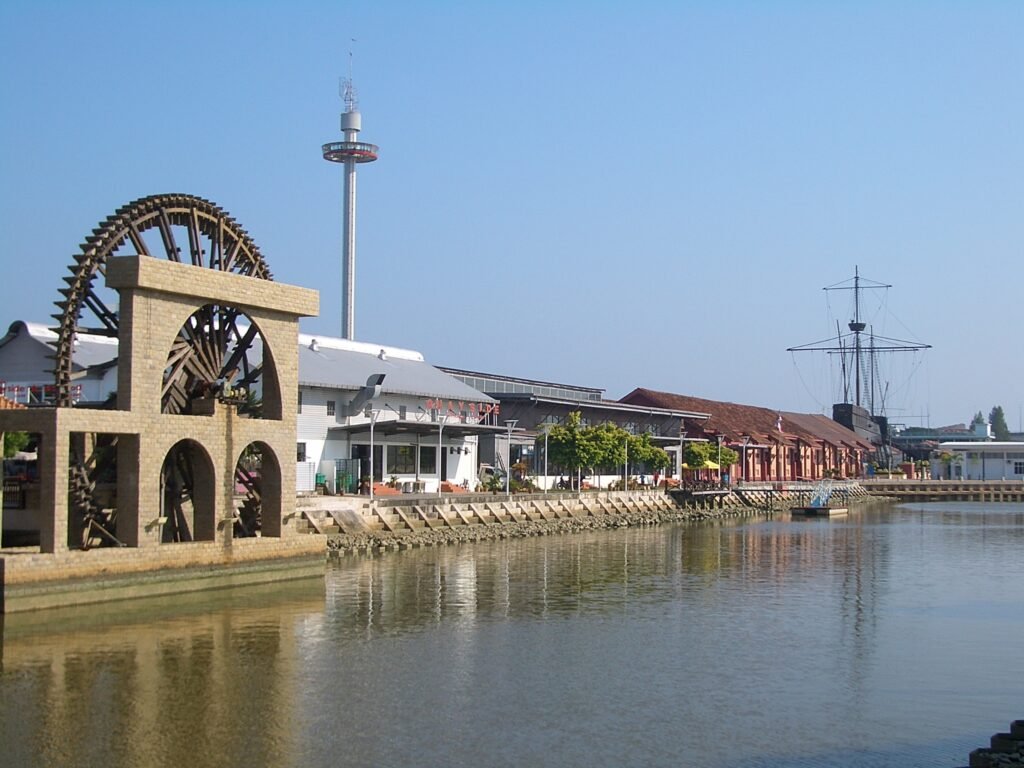

Nestled along the strategic waterways of Southeast Asia, the Malacca Sultanate emerged as a beacon of trade and innovation during the 15th century. The Sultanate’s prowess in commerce was not merely due to its geographical advantage but was significantly bolstered by its advanced understanding of science and navigation. The salt-kissed winds and the rhythmic lull of the waves whispered stories of a civilization that thrived on its ability to merge tradition with scientific acumen. This article delves into the sophisticated scientific methods the Malacca Sultanate employed to conquer the seas and trade lanes, creating a legacy that still resonates today.
The Strategic Location of Malacca
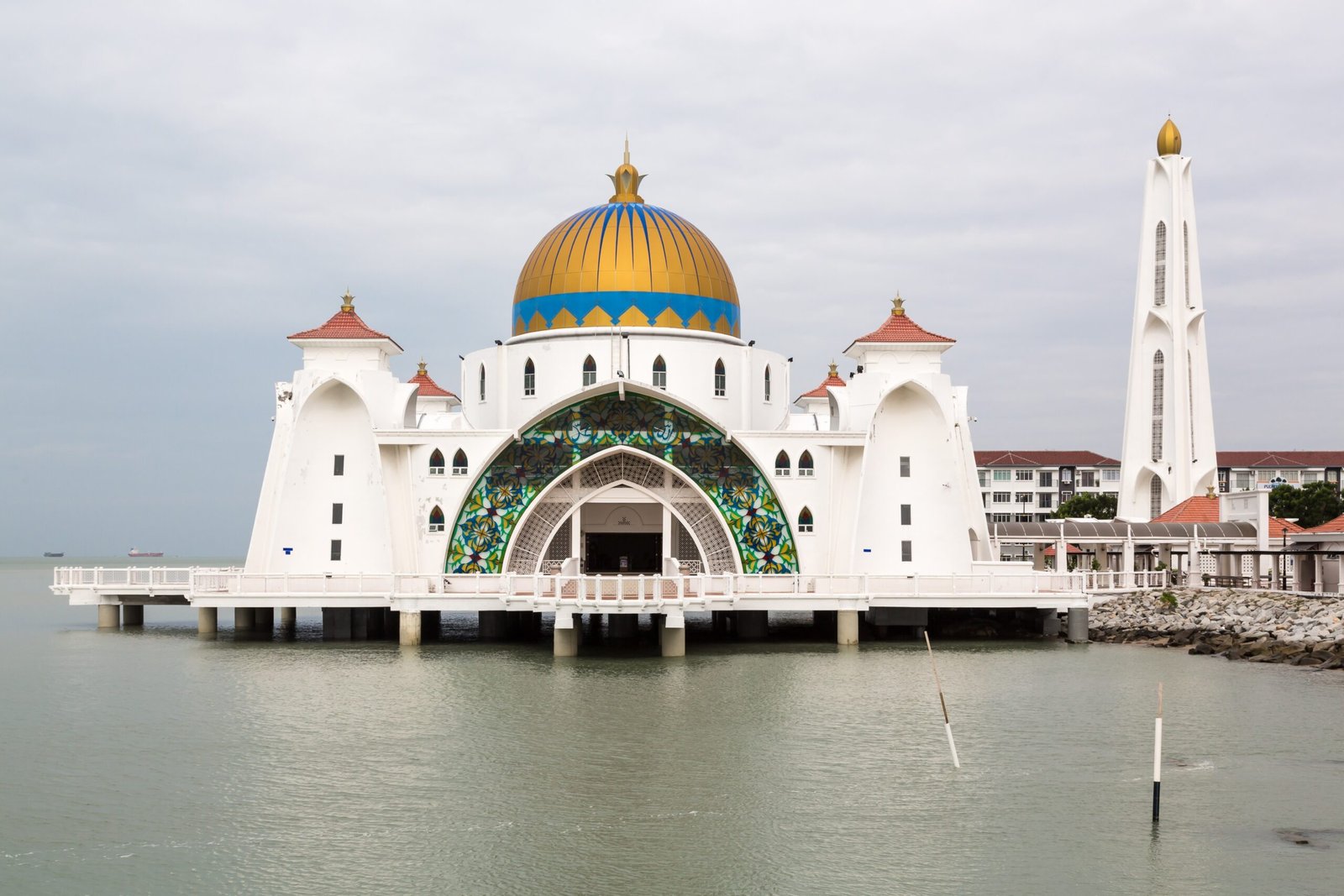
The Malacca Sultanate was strategically located along the Straits of Malacca, which is one of the most crucial maritime routes even today. This location served as a bridge between the Indian Ocean and the South China Sea, drawing traders from across the globe. The Sultanate capitalized on this geographical advantage, transforming Malacca into a bustling hub of commerce. However, the mere location was not enough; it was their understanding of the winds, tides, and ocean currents that truly set them apart. The Sultanate’s leaders understood that while the location opened doors, it was the science that allowed them to step through.
Mastery of Celestial Navigation
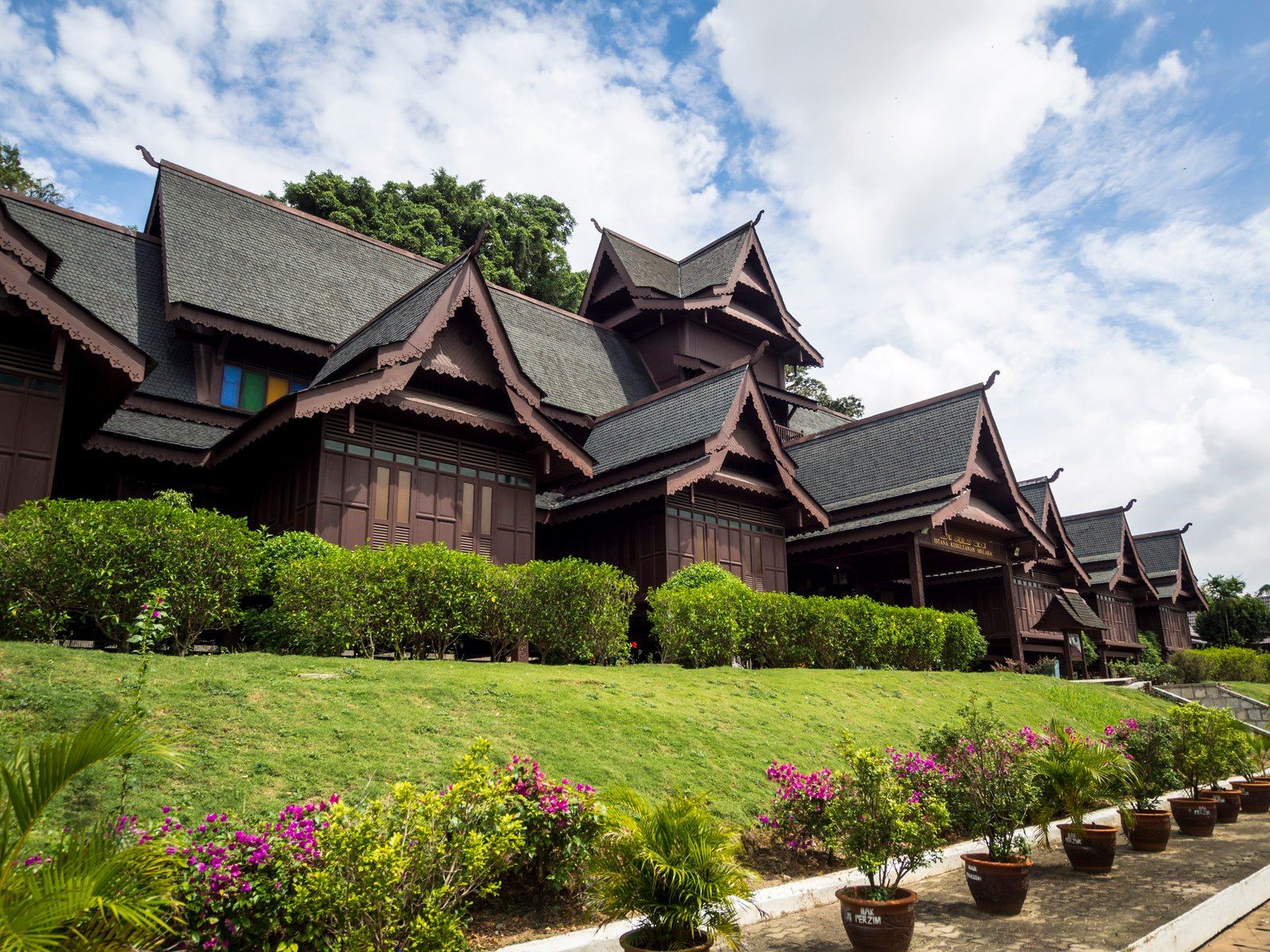
Under the starry canopy of the night sky, the sailors of the Malacca Sultanate honed their skills in celestial navigation. By observing the stars, they could determine their position and direction with remarkable accuracy. The North Star, Polaris, served as a reliable guide for their voyages, while other constellations helped them plot their course across the vast expanse of the sea. This knowledge was passed down through generations, creating a seafaring tradition that thrived on precision and expertise. The ability to navigate using the stars not only facilitated trade but also established Malacca as a center of astronomical learning.
Utilizing the Monsoon Winds
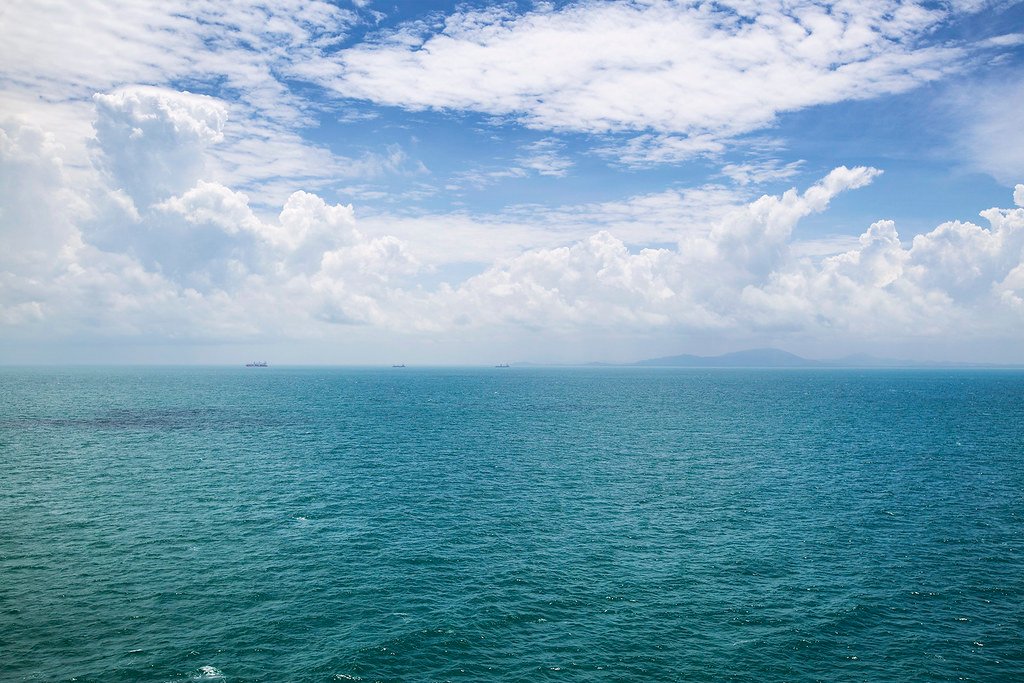
The monsoon winds were both a blessing and a challenge for the seafarers of Malacca. These seasonal winds dictated the timing of voyages and trade routes, and the Sultanate’s sailors were adept at reading these natural cues. They understood the cyclic nature of the monsoons and planned their journeys to harness the power of these winds. By doing so, they could traverse long distances with efficiency, ensuring that goods flowed smoothly between continents. The mastery of monsoon winds was a testament to their deep understanding of meteorological science, allowing them to predict and adapt to the whims of nature.
The Science of Cartography
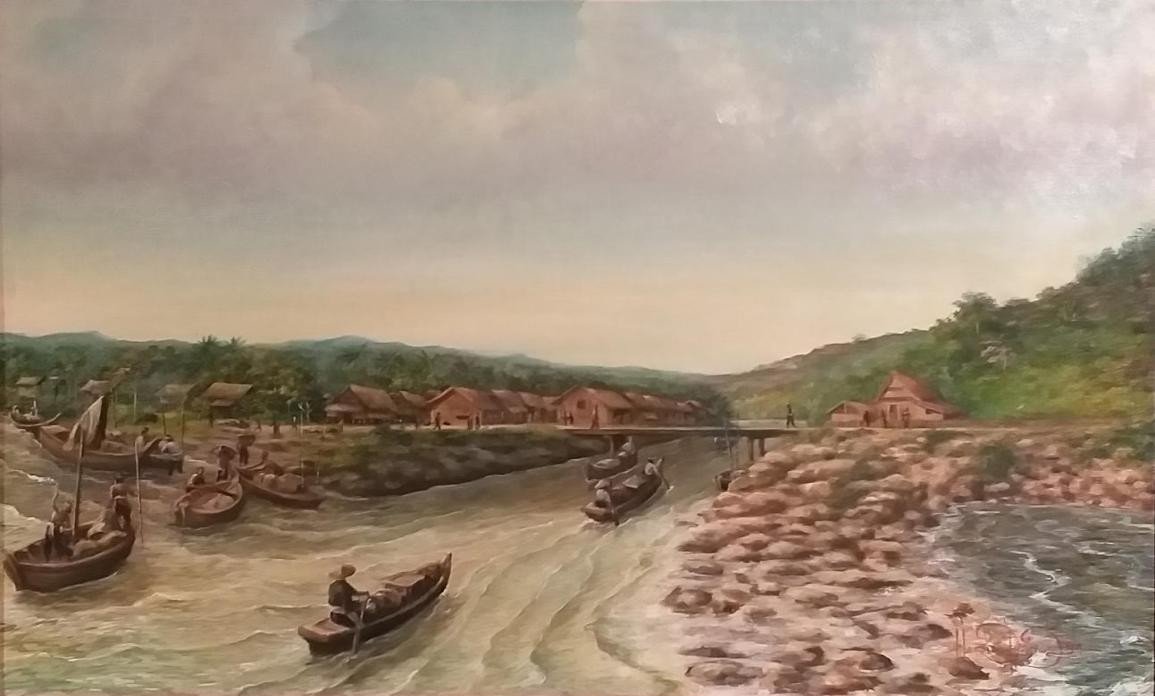
Maps were more than just tools for the Malacca Sultanate; they were works of art that encapsulated their scientific advancements. The cartographers of Malacca combined empirical observation with artistic expression to create detailed and accurate maps. These maps were invaluable for navigation, providing sailors with the information they needed to embark on successful voyages. The Sultanate’s commitment to cartography demonstrated their dedication to blending science with practicality, ensuring that their maritime endeavors were both safe and prosperous. The maps became a symbol of their ingenuity, guiding traders through the complex web of trade routes that connected the ancient world.
Innovative Shipbuilding Techniques
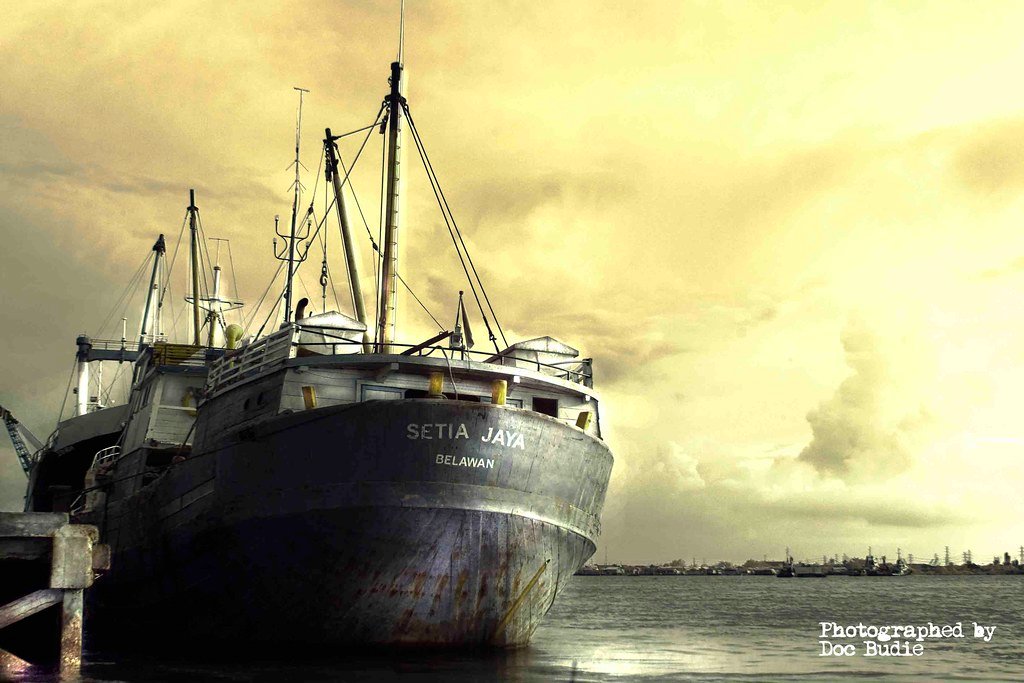
The ships of the Malacca Sultanate were marvels of engineering, designed to withstand the rigors of long voyages while maximizing cargo capacity. The shipbuilders employed advanced techniques, incorporating elements that allowed for greater speed and stability. The use of lightweight yet sturdy materials was a testament to their understanding of physics and material science. These innovations enabled the Sultanate to maintain a competitive edge in the bustling trade networks of the time. The ships were not merely vessels; they were embodiments of the Sultanate’s scientific brilliance, sailing the seas as ambassadors of Malacca’s ingenuity.
Understanding Ocean Currents
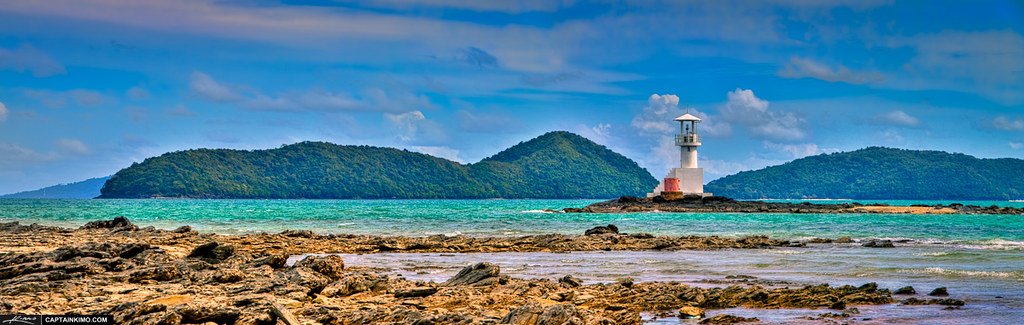
The sailors of Malacca were astute observers of ocean currents, harnessing their power to aid in navigation and trade. By studying the patterns of these currents, they could optimize their routes and conserve energy during long voyages. This understanding allowed them to predict the behavior of the seas, ensuring safe and efficient travel. The knowledge of ocean currents was a crucial component of their maritime strategy, enabling Malacca to maintain its status as a dominant trading power. The Sultanate’s ability to read the ocean’s movements was a reflection of its commitment to scientific exploration and innovation.
Astronomical Observatories and Learning

The Malacca Sultanate was not only a center of trade but also a hub of astronomical learning. The establishment of observatories allowed scholars to study the heavens and refine their understanding of celestial phenomena. These observatories became centers of knowledge, attracting scholars from across the region who were eager to learn from Malacca’s expertise. The Sultanate’s dedication to astronomy was a testament to its belief in the power of science as a tool for progress and enlightenment. The observatories were not just places of study; they were beacons of knowledge that illuminated the path to a brighter future.
Innovative Use of the Compass
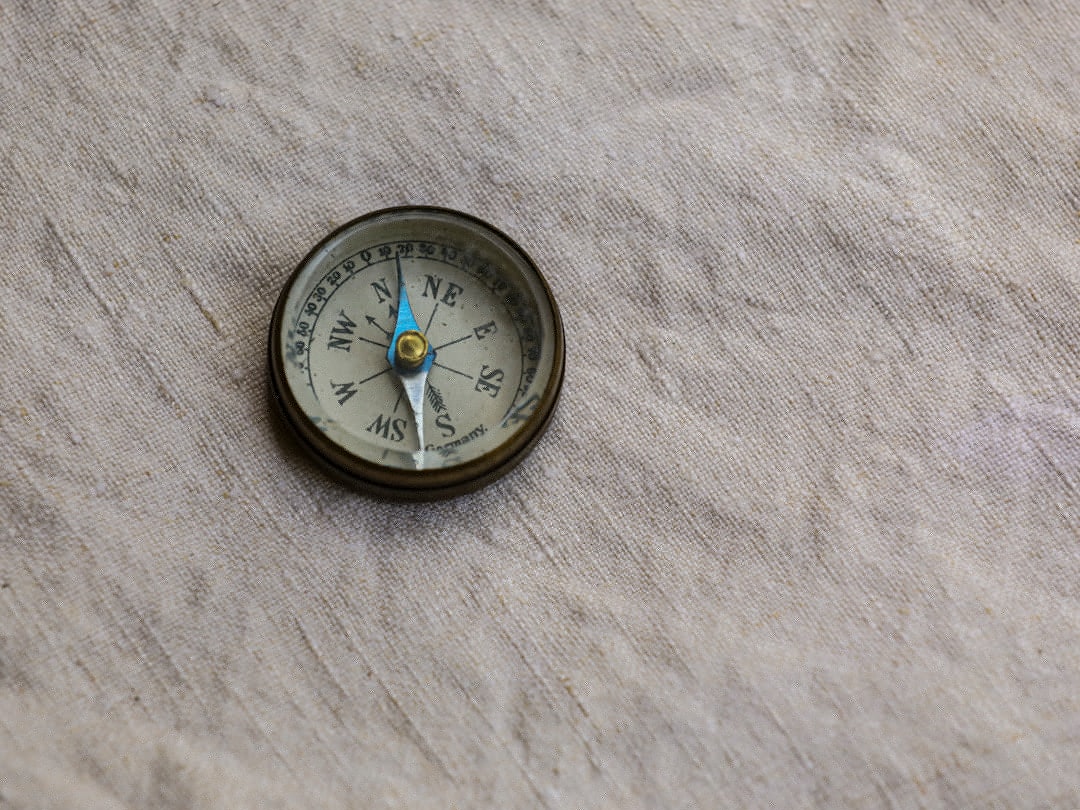
While the compass was already known to many, the Malacca Sultanate’s sailors used it with unmatched precision. This tool became an essential part of their navigational arsenal, allowing them to determine direction regardless of weather conditions. The compass, combined with their knowledge of the stars and winds, enabled them to embark on ambitious voyages with confidence. The Sultanate’s use of the compass was a reflection of their commitment to integrating traditional methods with cutting-edge technology. This fusion of old and new ensured that Malacca remained at the forefront of maritime exploration and trade.
Advancements in Meteorology
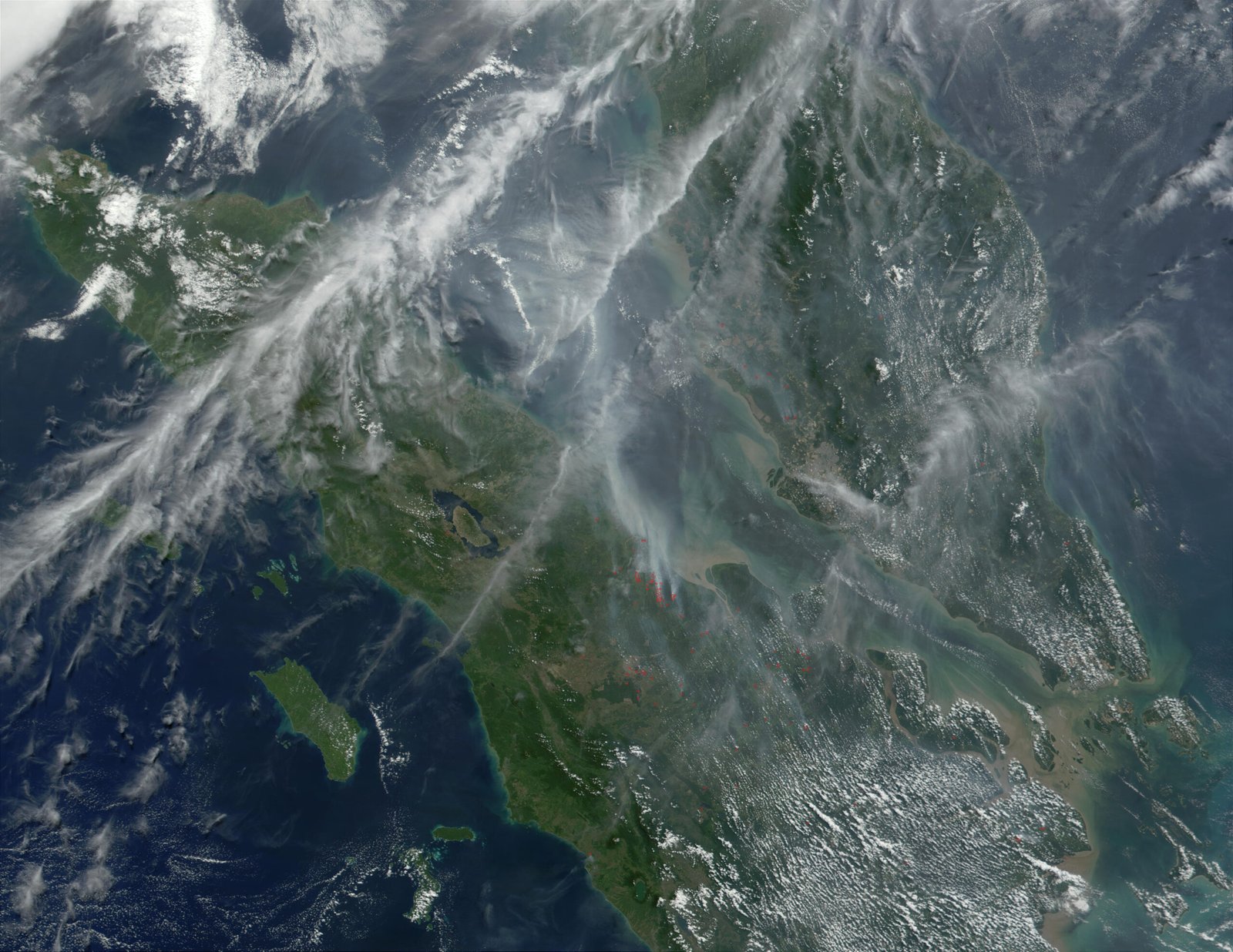
The Malacca Sultanate’s sailors were pioneers in the field of meteorology, keenly observing weather patterns and atmospheric conditions. This knowledge allowed them to predict storms and other natural phenomena, ensuring the safety of their voyages. By understanding the science of weather, they could make informed decisions that minimized risks and maximized opportunities. Their advancements in meteorology were a testament to their dedication to scientific exploration and their desire to harness the power of nature for the betterment of their society. The Sultanate’s meteorological expertise was a cornerstone of its maritime success, allowing it to navigate the seas with unparalleled confidence.
Legacy of the Malacca Sultanate
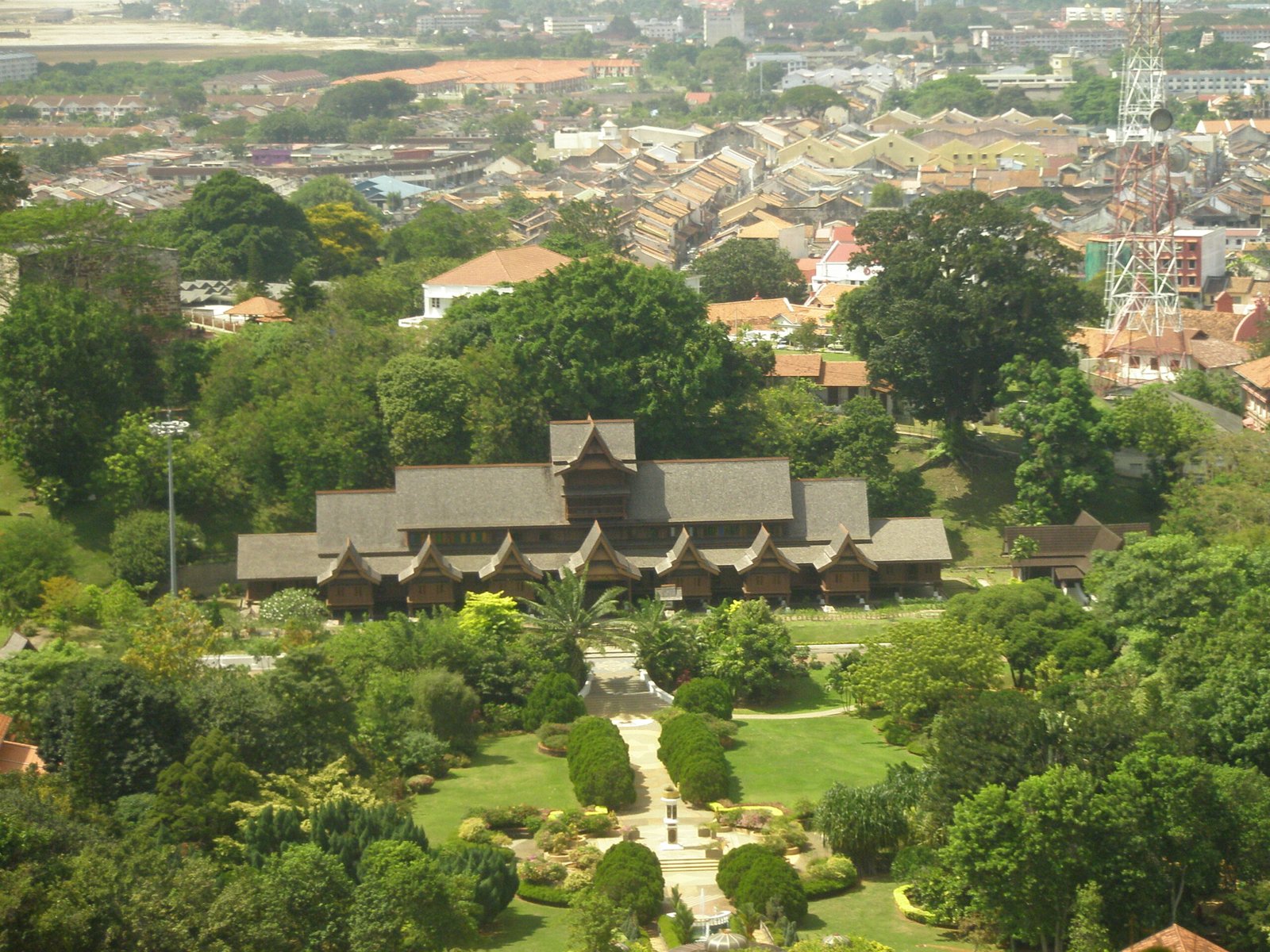
The legacy of the Malacca Sultanate endures, a testament to its remarkable fusion of science and commerce. The Sultanate’s innovative approaches to trade and navigation left an indelible mark on the world, influencing generations of sailors and scholars. The stories of their scientific prowess continue to inspire, reminding us of the power of knowledge and the potential for human achievement. The Malacca Sultanate serves as a beacon of inspiration, a reminder that the pursuit of knowledge can lead to greatness. Their legacy is a testament to the enduring power of science and the boundless possibilities it offers to those who dare to explore.


