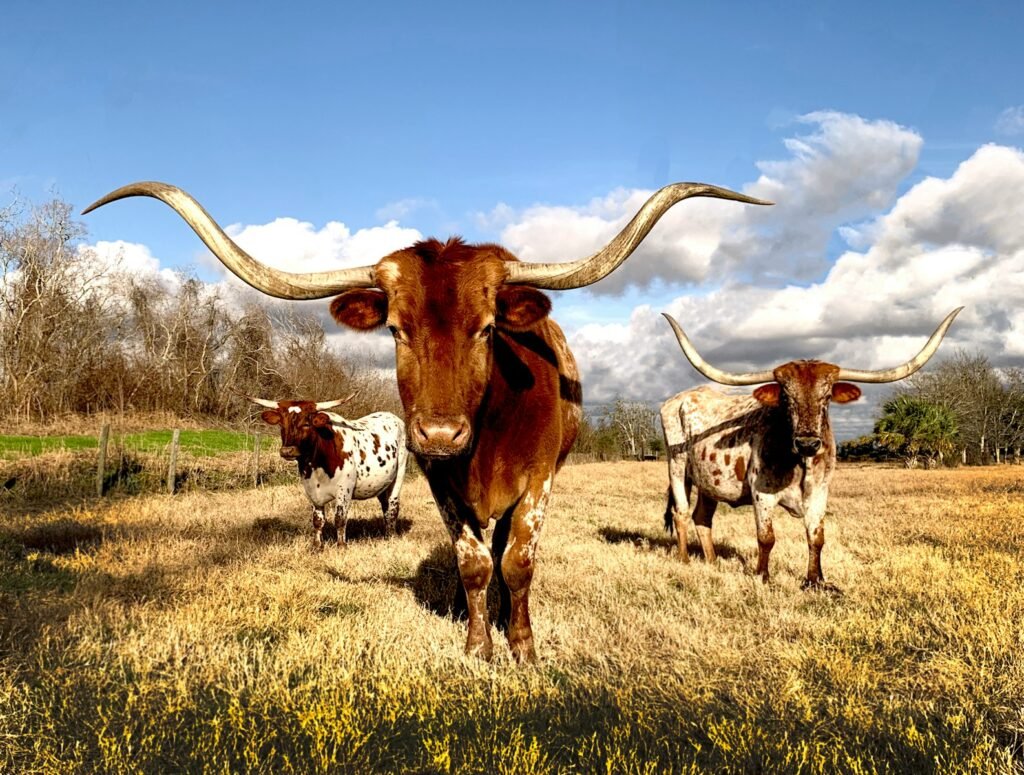

The Texas Longhorn is so tightly stitched into the image of Texas that it can feel like it has always been there, horns cutting across a sunset sky like a living logo. But behind that familiar silhouette is a far stranger story than most roadside postcards or football mascots ever admit. This is an animal shaped by brutal journeys, global genetics, near extinction, and a bold, almost improbable comeback engineered by ranchers and scientists. The question is not just how the Longhorn came to represent Texas, but why this specific animal, with its impossible horns and stubborn resilience, captured the identity of an entire state. As biologists trace its bloodlines and conservationists fight to protect its future, the Longhorn is quietly becoming a case study in how culture, ecology, and evolution collide on the modern landscape.
The Hidden Origins: From Iberian Cattle to a New World Survivor
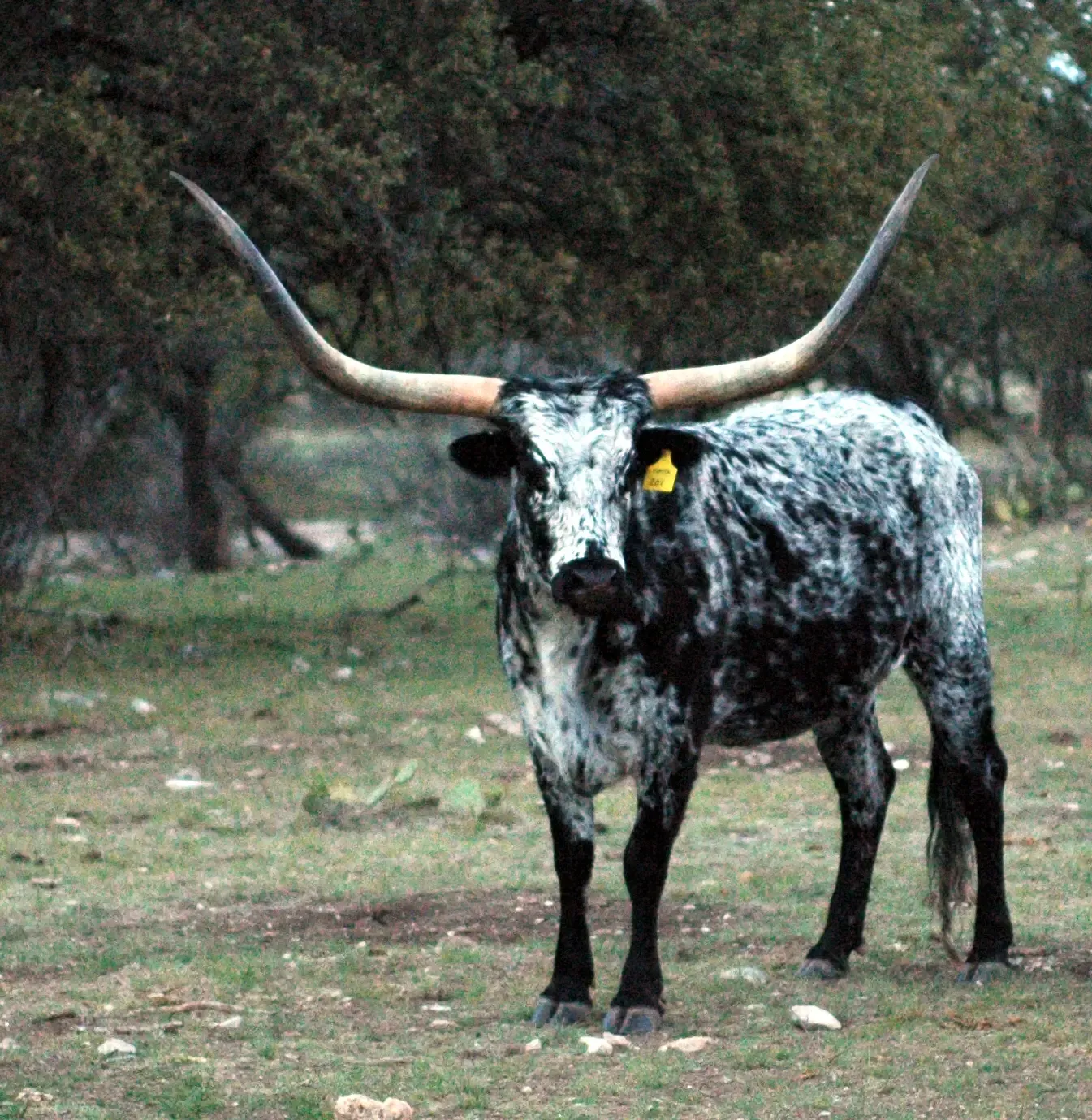
It is tempting to imagine the Texas Longhorn as a purely American creation, but its story starts on ships crossing the Atlantic in the late fifteen hundreds and early sixteen hundreds. Spanish colonists brought hardy Iberian cattle to the Americas, animals bred to survive rough grazing, long drives, and sparse water. Over generations, these cattle went feral in what is now Mexico and the American Southwest, mingling and adapting to heat, parasites, and unpredictable droughts. By the time European settlers and U.S. ranchers encountered them in large numbers, they were no longer simply Spanish cattle – they were something new, leaner and more rugged, shaped by distance and scarcity.
Natural selection did much of the brutal editing that would eventually define the Texas Longhorn. Animals that could walk vast distances to find forage survived; those that could not simply disappeared from the gene pool. Their iconic horns, which can span more than six feet from tip to tip in some individuals, likely offered a mix of protection and thermoregulation, helping them radiate heat in sweltering weather. What emerged on the Southern plains was not a pampered barnyard breed but a roaming survivor, living proof of what happens when domesticated animals are thrown back into the wild and left to rewrite their own rulebook.
Cattle Drives and Myth-Making: How the Longhorn Took Over the Texan Imagination
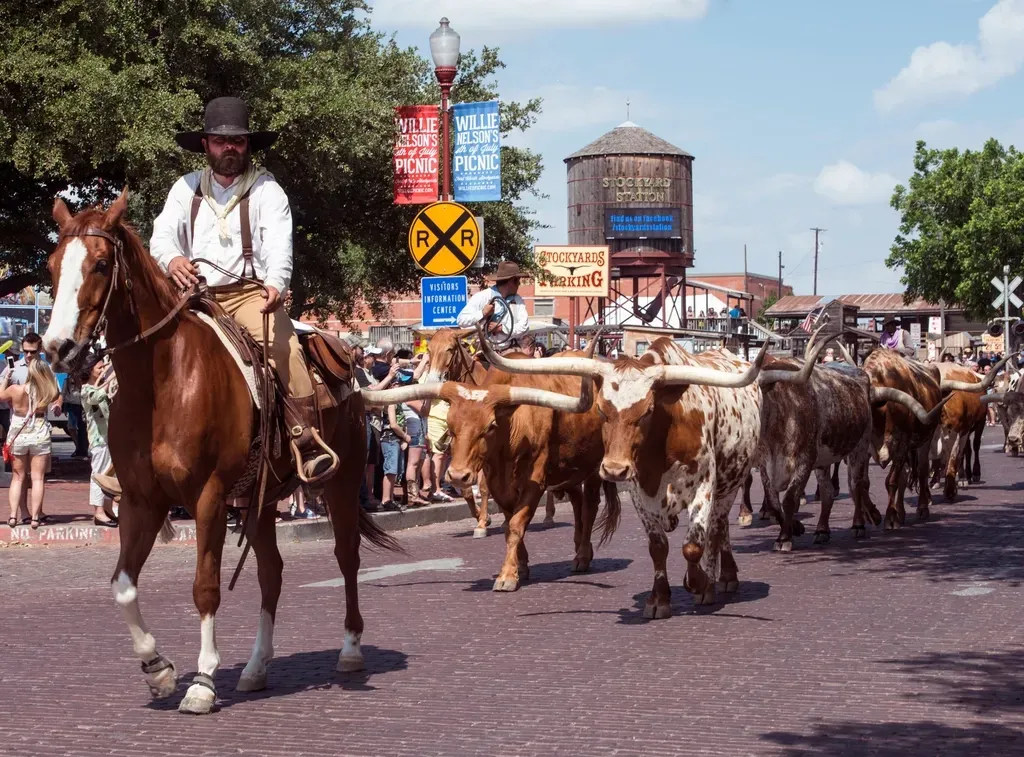
The Longhorn’s journey from anonymous range animal to cultural icon really accelerated after the Civil War. Texas was rich in half-wild cattle but poor in cash, while booming cities and railheads to the north were desperate for beef. The solution was as simple as it was staggering: push millions of Longhorns north along trails like the Chisholm and the Goodnight–Loving, through harsh weather, rustlers, and conflicts with farmers and Native nations. On these cattle drives, the Longhorn proved its worth again and again, walking thousands of miles on hooves that rarely failed, feeding on whatever grass it could find, and shrugging off diseases that felled other breeds.
Those drives did something that science alone never could: they turned the Longhorn into a legend. Cowboys wrote songs and stories about tough herds and tougher steers, and dime novels carried those images far beyond Texas. In the public imagination, the Longhorn became shorthand for grit, danger, and wide-open spaces, even as the reality of range life was far more complicated and often violent. By the early twentieth century, the Longhorn was no longer just a useful animal; it was a symbol of the old West, and especially of Texas, even as its actual numbers on the landscape quietly began to collapse.
Near Extinction on the Open Range: Science Steps into the Story
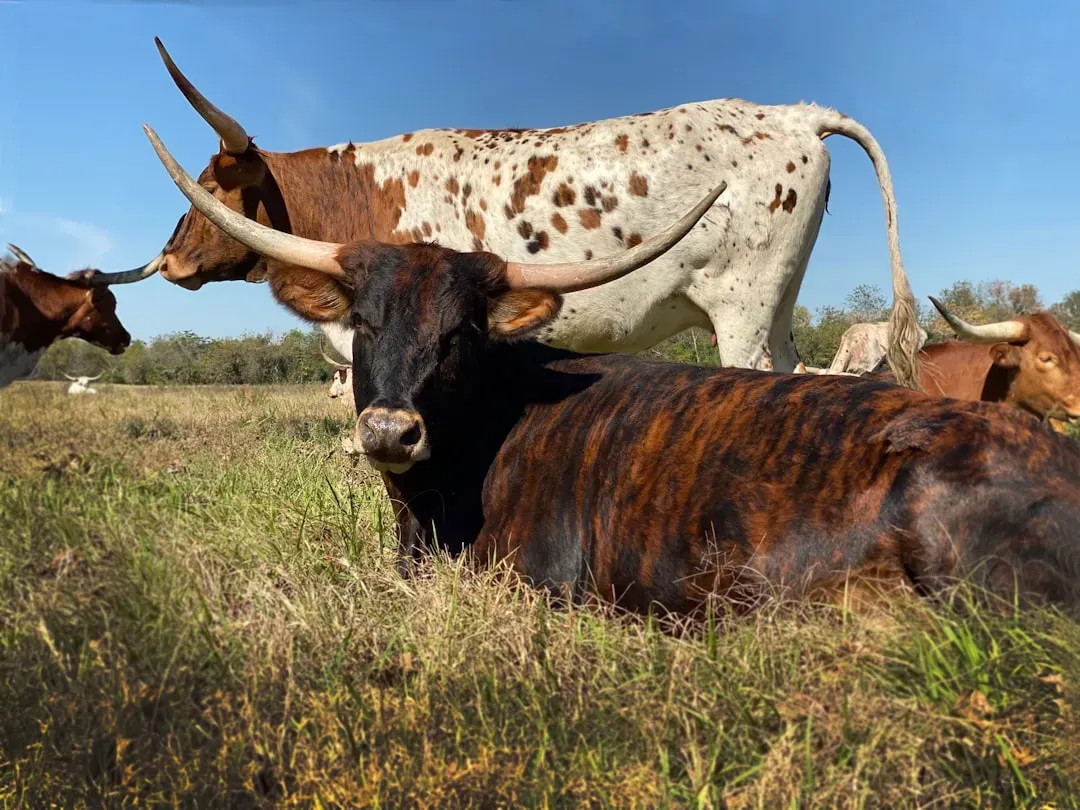
Ironically, the same forces that helped make the Longhorn famous almost erased it from the land. As railroads spread and new breeds like Herefords and Shorthorns were introduced, ranchers shifted toward cattle that fattened more quickly and produced more uniform beef. The rangy, slower-fattening Longhorn, once prized for its toughness, was now seen as outdated. By the early nineteen hundreds, wild and pure Longhorns had dwindled to scattered, neglected pockets, their legendary horns and stories surviving better than their actual genes.
That is when science, rather than nostalgia alone, began to pull the Longhorn back from the brink. In the nineteen twenties, the U.S. Forest Service and the National Park Service helped locate remnant herds of authentic Longhorns, working with ranchers to rebuild breeding populations. These were early conservation genetics projects before the term was widely used, relying on careful selection and record-keeping instead of high-tech DNA tools. The effort was less about preserving a profitable breed and more about saving a living artifact of American and Texan history. Without that scientific and governmental push, the Longhorn might well have faded into memory, replaced on the land by more commercially efficient cattle with less dramatic silhouettes.
The Genetics of an Icon: What Makes a Longhorn a Longhorn?
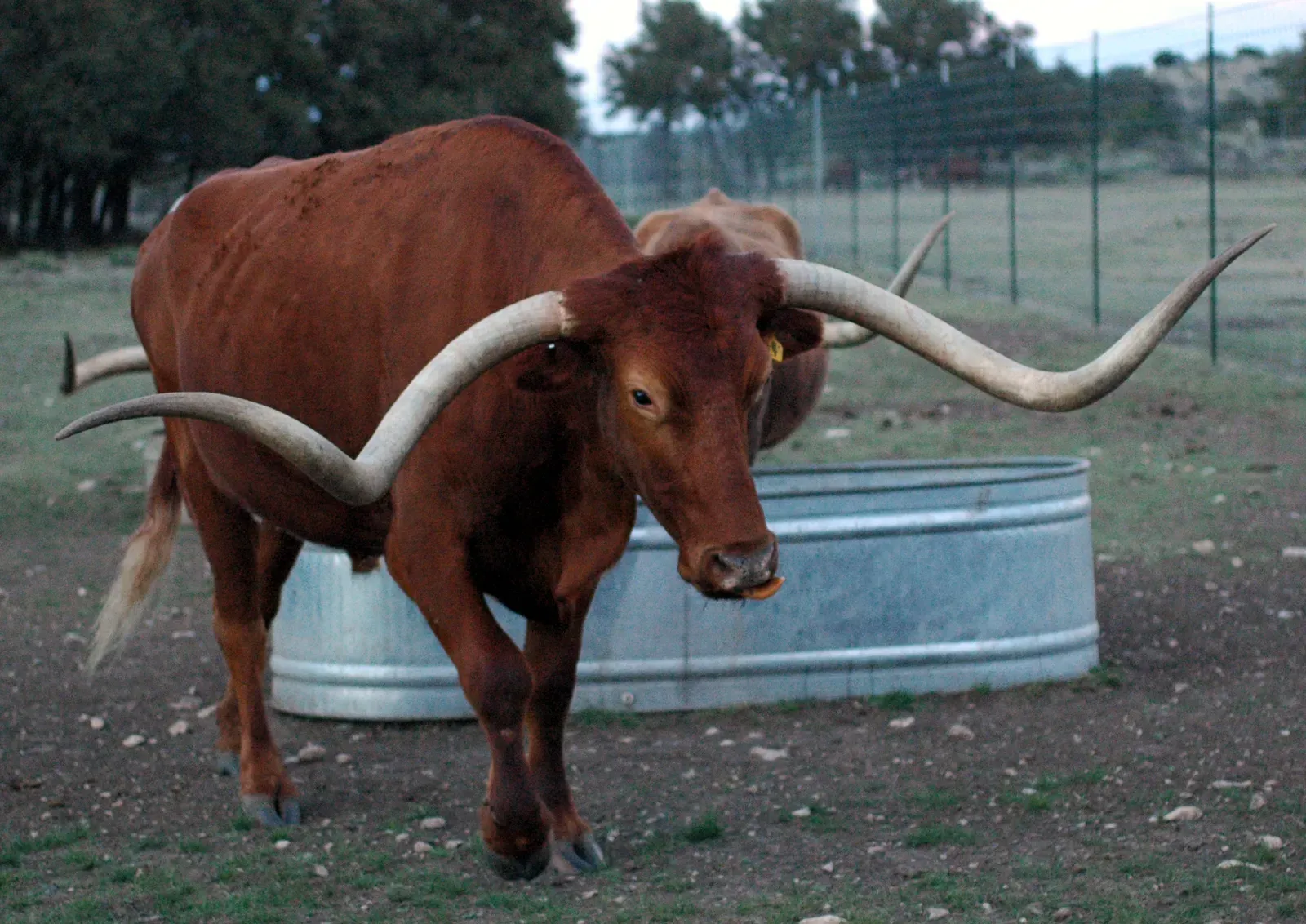
Ask a Texan what defines a Longhorn, and you will probably hear about horns first, attitude second, and color third. Biologists, however, have learned there is much more going on under the hide. Genetic studies over the past few decades suggest that Texas Longhorns carry a blend of ancestry from early Spanish stock, some British cattle, and possibly other European influences that filtered in over centuries. This mash-up of origins helps explain why Longhorns show such wild variation in coat patterns, from solid reds and browns to speckled, mottled, and almost painterly combinations. They are, in a sense, walking archives of global cattle history, stitched together by chance and selection on American soil.
Those same genes that shape horns and color also influence traits that matter deeply to ranchers and ecologists. Longhorns are known for relatively easy calving, strong disease resistance, and an ability to stay in condition on poorer forage than many modern beef breeds. While not the top choice for intensive feedlot systems, they often thrive in rougher, more extensive grazing environments. Their hybrid ancestry and long adaptation to harsh conditions have made them a quiet favorite in some regenerative and low-input agriculture experiments. In an era of climate shocks and shifting weather patterns, the Longhorn’s genetic toolkit is finally getting the scientific respect it has long deserved from people who only saw the horns.
Why It Matters: The Longhorn as a Case Study in Culture and Conservation

On the surface, the Longhorn’s status as the official large mammal of Texas might seem like harmless state pride, but it actually points to a deeper tension in how we value animals. Many species are saved only when we realize they hold economic or ecological power; the Longhorn was rescued in large part because people loved what it represented. That makes it a powerful case study in how cultural symbols can act as a safety net for biodiversity. When people care about a species’ story, they are far more willing to invest time, money, and political will in its survival, even if the immediate financial payoff is unclear.
The Longhorn also forces a rethink of what “wild” and “native” really mean. It is a domesticated animal with roots in another continent that became feral, adapted, and then was brought back under human control again. Yet its presence on Texas landscapes now shapes grasses, fences, tourism, and even university branding. In that way, it tells a modern ecological truth: humans and our animals are not separate from the wild; we are tangled up inside it. Understanding the Longhorn’s journey helps us make better decisions about how to handle other iconic animals, from wild horses to bison, whose futures depend on a similar mix of science, story, and public perception.
From Ranches to Stadiums: How Symbolism Reinforced the Science

It is impossible to talk about the Texas Longhorn without eventually landing in Austin, where a stylized Longhorn head serves as one of the most recognizable college sports symbols in the country. That logo, splashed across helmets, jerseys, and billboards, did more than sell tickets; it cemented the Longhorn as a shorthand for Texas itself on a national stage. The animal leapt from dusty ranch roads onto television screens and around the world, its outline now as familiar as any corporate brand. In a feedback loop, that visibility reinforced the idea that preserving Longhorn herds was not just an agricultural choice but a cultural necessity.
At the same time, real Longhorn herds on ranches, state parks, and private preserves have become living museums of the animal’s past and laboratories for its future. Visitors can stand a few yards from a massive steer, its horns sweeping out like a pair of drawn bows, and feel the scale of the animal in a way no logo can match. Educators use these encounters to spark conversations about rangeland ecology, water use, and climate resilience. For many kids and adults alike, the first time they see a Longhorn up close is the moment the myth turns back into a real, breathing, occasionally snorting animal. That emotional jolt is the same force that keeps the science – and the conservation funding – moving.
The Future Landscape: Climate Pressures, New Technologies, and Global Lessons

Looking ahead, the Longhorn is not just a nostalgic symbol but a potential model for cattle in a hotter, more unpredictable world. As droughts intensify across parts of the American Southwest and beyond, the ability to survive on sparse rangeland without heavy supplemental feed becomes a huge advantage. Researchers are increasingly interested in how Longhorn genetics might contribute to more resilient crossbreeds or low-input ranching systems. Tools like genomic sequencing, precise breeding records, and data-driven grazing management are turning what was once a seat-of-the-pants tradition into a more measured science. In a sense, the Longhorn is moving into a second era of innovation, this time in the lab and on spreadsheets instead of along dusty trails.
There is also a global dimension to this story. Countries wrestling with land degradation and climate stress are watching how hardy cattle breeds are managed in places like Texas. The Longhorn’s blend of toughness and low maintenance makes it a compelling case study for sustainable livestock in semi-arid regions. Its story suggests that saving and valuing heritage breeds is not only about sentiment; it might be part of a serious climate adaptation toolkit. The challenge will be balancing that scientific promise with the need to keep the Longhorn’s identity intact, not just as a set of useful genes, but as a living piece of cultural heritage.
How to Get Involved: From Curiosity to Conservation
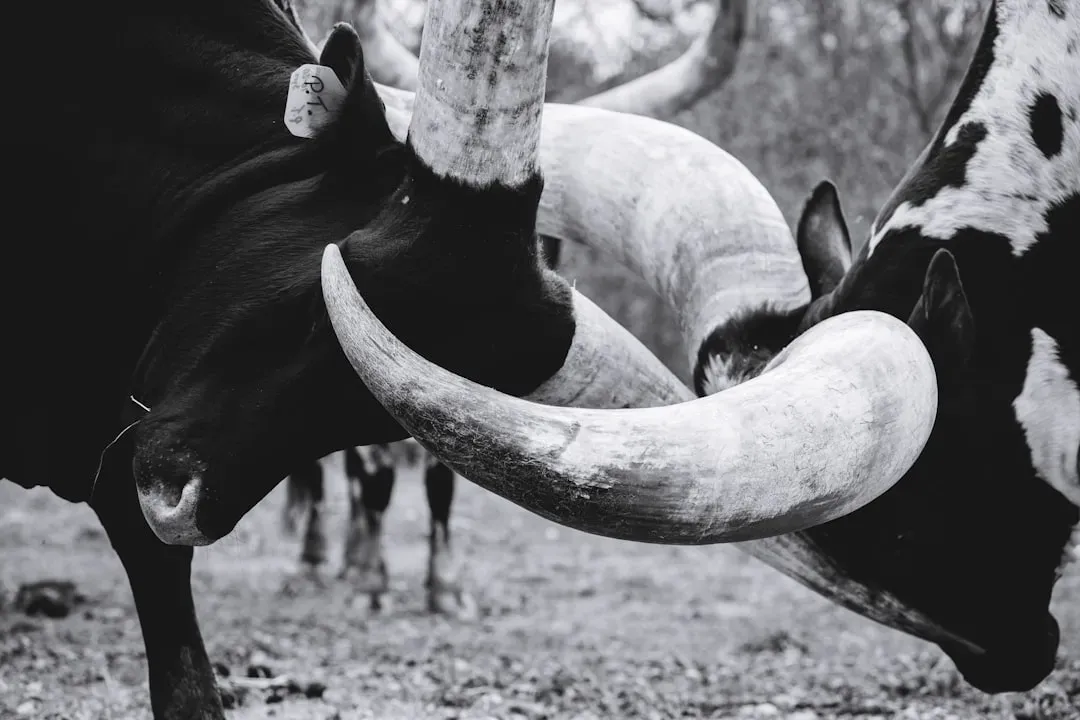
For most people, supporting the future of the Longhorn starts with something deceptively simple: paying attention. Visiting state parks, ranches, or heritage herds that manage Longhorns offers a chance to see the animals in context, grazing, interacting, and shaping the land. Educational programs run by universities, agricultural extensions, and museums often use Longhorns as entry points to talk about genetics, history, and ecosystem health. Even something as small as choosing to learn how beef production interacts with water, soil, and climate turns a casual interest in an iconic animal into a deeper awareness of the systems around it.
There are also more direct ways to lend support. Interested readers can:
- Back conservation-focused or heritage cattle associations that maintain genetically diverse Longhorn herds.
- Support rangeland research and climate-resilient agriculture projects through donations or citizen outreach.
- Encourage schools and local museums to include Texas animal symbols, including the Longhorn, in science and history programming.
Each of these actions, however small, helps keep the Longhorn’s story moving forward instead of freezing it as a nostalgic postcard from a vanished West. The animal that once walked thousands of miles up dusty trails is now walking a different kind of path – through labs, classrooms, and policy debates. Whether it continues to stand as a living emblem of Texas depends, in no small part, on how many people decide that story is worth carrying into the future.
Suhail Ahmed is a passionate digital professional and nature enthusiast with over 8 years of experience in content strategy, SEO, web development, and digital operations. Alongside his freelance journey, Suhail actively contributes to nature and wildlife platforms like Discover Wildlife, where he channels his curiosity for the planet into engaging, educational storytelling.
With a strong background in managing digital ecosystems — from ecommerce stores and WordPress websites to social media and automation — Suhail merges technical precision with creative insight. His content reflects a rare balance: SEO-friendly yet deeply human, data-informed yet emotionally resonant.
Driven by a love for discovery and storytelling, Suhail believes in using digital platforms to amplify causes that matter — especially those protecting Earth’s biodiversity and inspiring sustainable living. Whether he’s managing online projects or crafting wildlife content, his goal remains the same: to inform, inspire, and leave a positive digital footprint.