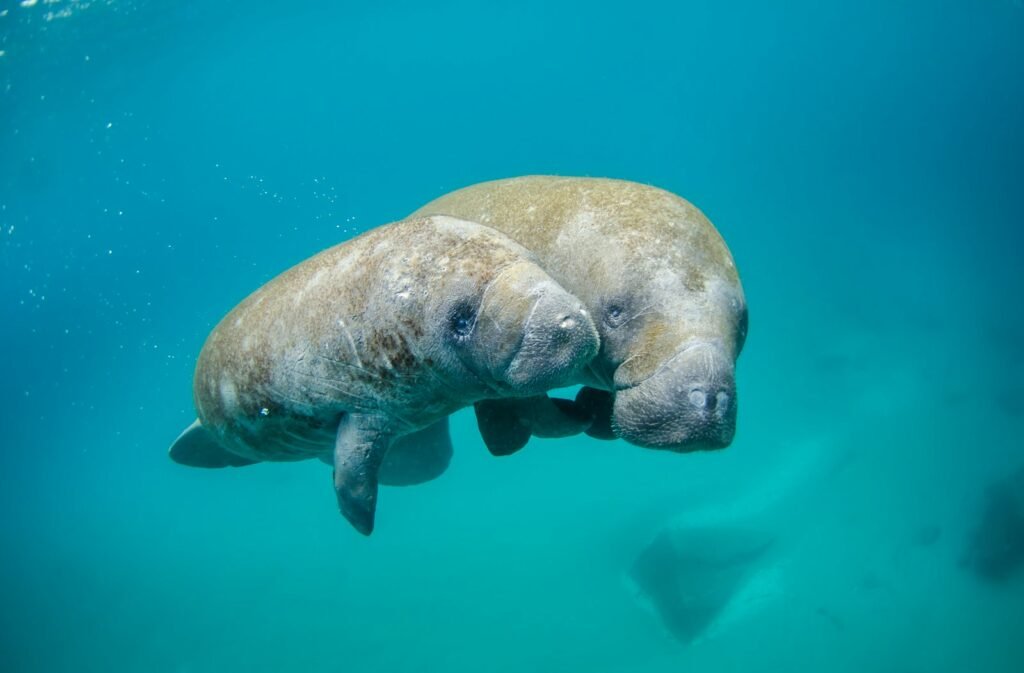

The Florida manatee didn’t ask to be famous. Yet over decades of peril and persistence, this slow‑moving herbivore has come to embody the fragile promise of coastal ecosystems and the power of public action. Once a local curiosity, it is now shorthand for clean water, science‑guided policy, and the messy, hopeful work of recovery. The story includes startling losses, creative triage, and a new regulatory chapter that could reshape protections across the Southeast. What turned a gentle grazer into a conservation icon – and what happens next – matters far beyond Florida’s waterways.
The Hidden Clues

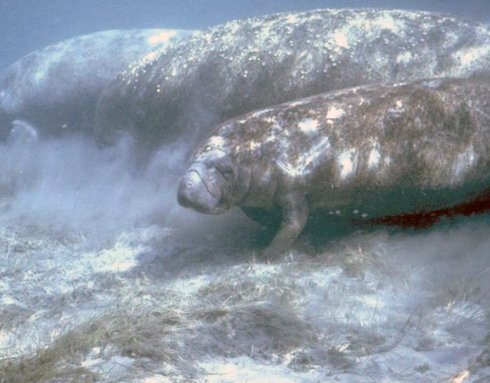
Here’s the unsettling twist: the manatee’s rise as a conservation symbol was propelled by crisis. A starvation‑driven die‑off that began in late 2020 exposed the hidden collapse of seagrass in the Indian River Lagoon, a collapse years in the making due to nutrient pollution and recurring algal blooms. Wildlife authorities ultimately declared an Unusual Mortality Event and later documented that malnutrition tied to habitat change was the driver, pushing losses far above typical annual counts. That forensic conclusion gave the public something concrete to rally around – fix the water, and the sea cows might stand a chance. In a species whose life plays out slowly, evidence became urgency, and a mystery became a mandate.
The line from data to action hasn’t been straight, but it’s been visible. Mortality totals eased after the 2021 peak, yet remained sobering, reminding Floridians that progress can stall when fundamentals – seagrass, clean water, safe passage – aren’t secured. Those numbers made manatees a barometer for coastal health that anyone could read, no PhD required.
From Grassroots to Ground Truth

The public face of manatee conservation coalesced in the early 1980s, when a new nonprofit galvanized support, made the animals relatable, and turned education into a movement. What started as celebrity‑boosted awareness matured into policy pushes, license plates that fund research, and steady citizen pressure on agencies to post slow‑speed zones and curb pollution. That people‑powered origin matters because it set expectations: decisions should track science, and setbacks should be explained. The approach helped normalize rescue networks that haul in emaciated animals, rehabilitate them, and return them to the wild. It also turned routine tools – like clear signage or a hotline – into lifelines.
Today, the “ground truth” comes from a tight loop of field biologists, veterinarians, and communities who report sightings, respond to strandings, and connect observations to policy. In other words, the manatee story has always been a two‑way street between kitchen‑table advocacy and hard data.
Turning Points

Three decisions reframed the stakes. First, the federal declaration and subsequent closure of the Unusual Mortality Event made clear the die‑off’s cause and timeline, anchoring debates in evidence rather than hunches. Second, regulators in September 2024 proposed the largest update to manatee critical habitat since the 1970s, mapping out roughly about two million acres in Florida that reflect what the animals actually need now, not what they used decades ago. Third, in January 2025 the government proposed splitting the West Indian manatee into its two subspecies for ESA listing, with the Florida manatee proposed as threatened under a protective 4(d) rule and the Antillean manatee proposed as endangered. Each move shifts where money flows, which projects get greenlit, and how agencies must weigh risks.
None of this is abstract. Comment periods, public hearings, and rulemaking calendars now shape the habitat map and the rulebook that boaters, utilities, and developers must follow. This is the machinery of recovery, and manatees are in it for the long haul.
Why It Matters

The manatee stands in for the whole estuary. When seagrass thins, these grazers lose calories; when warm‑water refuges falter, they shiver; when boat traffic spikes, they scar. Unlike charismatic apex predators that can bounce back from a few lean years, manatees live slowly and reproduce slowly, so a bad winter or two can echo for a decade. That makes them a highly sensitive indicator species for water quality, aquatic vegetation, and safe corridors. It also makes their recovery a stress test for how we manage shared coastlines under climate pressure.
Consider the short list of takeaways that cut through the noise: – The vast majority of manatee calories come from submerged vegetation; when seagrass vanishes, so does margin for cold snaps. – Approximately 20-25% of recent recorded deaths involve human causes like vessel strikes or water control structures, avoidable with better design and behavior. – Habitat designations and 4(d) rules are not paperwork – they set the legal floor that keeps the next crisis from spiraling.
Global Perspectives
Florida’s subspecies shares its lineage with the Antillean manatee, spread across the northern Caribbean and down to Brazil, where threats tilt toward poaching, entanglement, and fragmented populations. The 2025 federal proposal recognizes that split reality by treating the subspecies separately, aligning protections with on‑the‑ground risks rather than a one‑size‑fits‑all label. That clarity syncs U.S. policy with regional conservation in Puerto Rico and the wider Caribbean, where habitat distances, genetics, and enforcement vary sharply. It also underlines a broader sirenian theme: gentle grazers survive only when shallow coasts are healthy – and those coasts are where people live, dredge, and build. In that tension lies the manatee’s outsized symbolic power.
Symbols travel. The Florida experience – public vigilance, habitat mapping, targeted rescue, and durable rules – now informs how agencies and NGOs think about similar herbivores globally, even as local realities differ. The icon opens doors; the policies keep them open.
The Human Thread

Every winter, cold snaps push manatees to warm‑water refuges, some natural, others the outflows of power plants, a quirk of industrial design that became biological tradition. Crowds gather at viewing centers to witness their breathy huddles, a scene equal parts charming and unsettling because those warm pipelines won’t run forever. Meanwhile, human choices on the water carry daily consequences: speed, vigilance, and how we design locks and floodgates can mean life or death. Florida’s 2024 totals and early‑2025 county tallies reflect progress from the worst years, yet they still highlight hot spots where boats, gates, and narrow channels overlap with manatee routes. The animal’s scars, often cross‑hatched, are a ledger of our habits.
I felt that ledger up close the first time I kayaked a spring run at dawn and a barnacled back surfaced beside me, silent as a slow balloon. It’s hard to meet that gaze and then shrug at a no‑wake sign or a leaky septic field. Symbols become personal in a hurry.
The Future Landscape

The next decade will hinge on whether Florida can trade risky dependence on power‑plant outfalls for reliable natural springs and thermal basins. Biologists are already ranking refuge quality, modeling how long animals linger at different sites, and racing to reopen or enhance spring runs buried in sediment. Habitat rules proposed in 2024 would codify what refuges and forage actually matter, while the 2025 listing proposal, if finalized, would modernize legal protections for each subspecies. Tech will help – GPS tags, machine‑learning photo ID, and drones can spot problems faster – but none of it substitutes for clean water and functioning springs. Recovery won’t be flashy; it’ll be a patient rebuild of the basics.
There’s also a climate clock. As utilities retire aging plants and winters grow more erratic, managers will need to stage transitions so learned behaviors aren’t a trap. Think of it as rewiring a city while the lights stay on.
How You Can Help

Icons invite action, and manatees offer plenty of practical on‑ramps. Slow down in posted zones, especially in known aggregation areas, and give resting animals room; vigilance at the helm is the cheapest conservation tool we’ve got. Report injured, orphaned, or stranded manatees to state hotlines so trained responders can move quickly. Support local seagrass and springs projects – plantings, stormwater retrofits, septic‑to‑sewer conversions – that cut nutrient loads at the source. If you’re a shoreline homeowner, think native plant buffers and low‑impact lighting; if you’re a policymaker, think enforcement budgets and data‑driven zoning. Little choices scale when a whole coast makes them.
And keep paying attention. The manatee became a symbol because people refused to look away when the water turned cloudy and the numbers spiked. That same stubborn attention is what will carry them through the next hard winter. Did you expect a sea cow to teach us that?
Suhail Ahmed is a passionate digital professional and nature enthusiast with over 8 years of experience in content strategy, SEO, web development, and digital operations. Alongside his freelance journey, Suhail actively contributes to nature and wildlife platforms like Discover Wildlife, where he channels his curiosity for the planet into engaging, educational storytelling.
With a strong background in managing digital ecosystems — from ecommerce stores and WordPress websites to social media and automation — Suhail merges technical precision with creative insight. His content reflects a rare balance: SEO-friendly yet deeply human, data-informed yet emotionally resonant.
Driven by a love for discovery and storytelling, Suhail believes in using digital platforms to amplify causes that matter — especially those protecting Earth’s biodiversity and inspiring sustainable living. Whether he’s managing online projects or crafting wildlife content, his goal remains the same: to inform, inspire, and leave a positive digital footprint.