The fashion industry, renowned for its creativity and influence, plays an undeniable role in shaping trends and lifestyles worldwide. However, beneath its glamorous facade lies a pressing environmental issue: ocean pollution. As the industry rapidly grows, its environmental footprint expands, leaving a significant mark on our oceans. This article explores how fashion contributes to ocean pollution, shedding light on an often-overlooked consequence of our clothing choices.
The Impact of Textile Manufacturing

Textile manufacturing is at the heart of the fashion industry, but it comes with a cost to our oceans. The process involves the use of harsh chemicals and dyes, which are often discharged into waterways. These pollutants eventually find their way into oceans, disrupting marine ecosystems and posing a threat to aquatic life. Notably, the dyeing process alone accounts for nearly 20% of industrial water pollution.
Microplastics from Synthetic Fibers

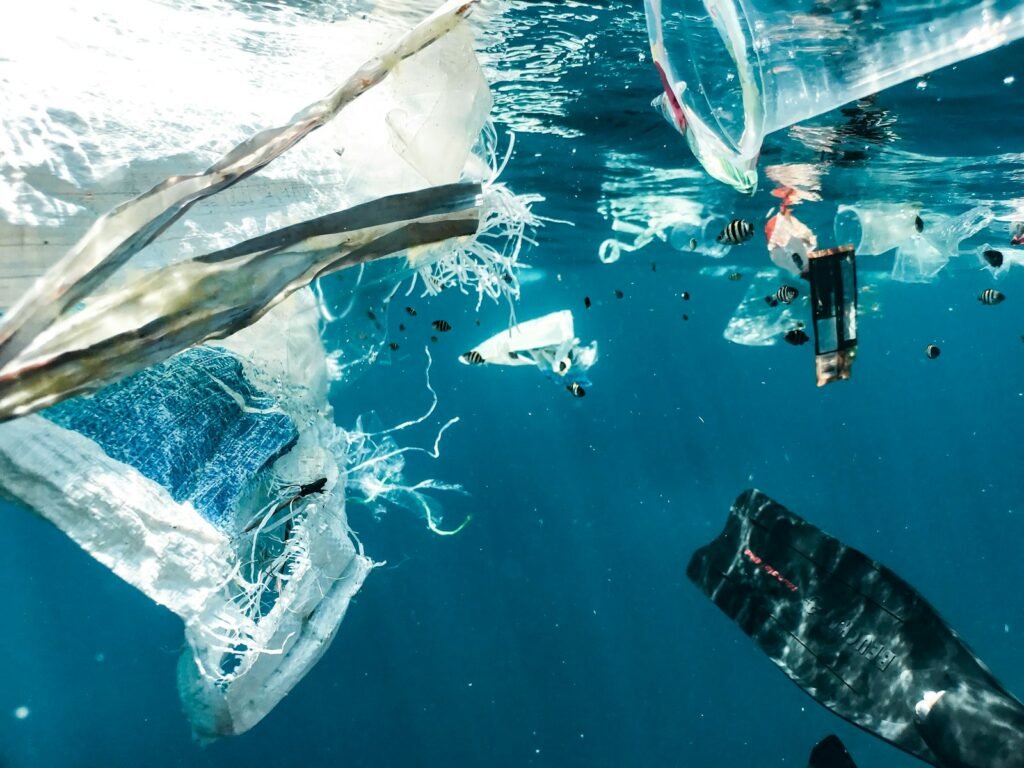
Synthetic fibers, such as polyester, nylon, and acrylic, are prevalent in modern fashion due to their durability and affordability. However, these materials shed microplastics – tiny plastic fragments that permeate our waterways. When clothing made from synthetic fibers is washed, microplastics are released and enter the ocean, where they are ingested by marine organisms, ultimately contaminating the food chain.
Waste from Fast Fashion
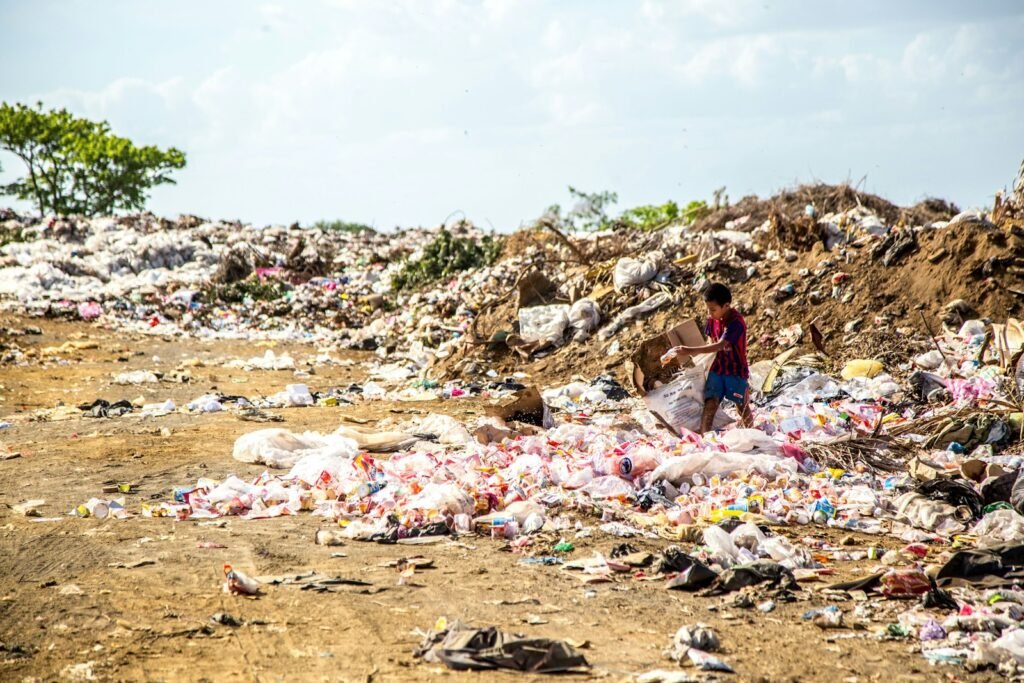
The fast fashion model promotes rapid production and consumption cycles, leading to excessive waste. As trends change swiftly, vast quantities of unsold clothing are discarded. Much of this waste ends up in landfills, where chemicals and synthetic materials leach into soil and water systems, eventually reaching oceans. The sheer volume of discarded clothing is overwhelming, contributing to pollution on a massive scale.
Pollution from Shipping and Distribution

The global nature of the fashion industry involves extensive shipping and distribution networks, which cover vast distances over water. The fuel used by cargo ships contains high levels of sulfur and other pollutants, contributing to marine pollution. Additionally, accidental spills during transportation add to the problem, devastating aquatic habitats and affecting the livelihoods of communities that depend on them.
Water Usage and Shortages
The fashion industry is a major consumer of water, with a significant portion of this resource used in textile dyeing and treatment. This heavy water usage strains local water supplies, leading to shortages and impacting the availability of clean, fresh water. Such scarcity propels the exploitation of alternative water sources, often resulting in further contamination and degradation of marine environments.
The Role of Cotton Production

Cotton, a staple in the fashion industry, demands extensive water and pesticide usage. Runoff containing these chemicals is a common byproduct, which eventually flows into oceanic ecosystems. Pesticides harm marine life and disrupt ecological balance, while excessive water use in cotton farming exacerbates water stress and scarcity in many regions critical to ocean health.
Efforts Toward Sustainable Fashion

Amidst these challenges, some fashion companies are adopting sustainable practices to mitigate environmental damage. Innovations like eco-friendly materials, water-efficient processes, and ethical sourcing aim to reduce the industry’s oceanic impact. Consumers, too, play a part by choosing sustainable brands and adopting mindful purchasing habits, driving the shift toward a more environmentally friendly fashion landscape.
The Importance of Consumer Awareness

Raising awareness about the environmental impact of fashion is crucial in driving change. Informed consumers can advocate for sustainable practices and make conscious buying decisions. Educational initiatives and campaigns by environmental organizations help shine a light on the industry’s contribution to ocean pollution, empowering individuals to be agents of change in reducing the fashion footprint.
Policy and Regulatory Interventions

Governments and international bodies play a crucial role in addressing fashion-related ocean pollution. Implementing stricter regulations on waste disposal, emissions, and resource use can significantly mitigate the industry’s environmental impact. Policies promoting transparent supply chains and incentivizing sustainable practices can further bolster efforts to protect our oceans from fashion-induced pollution.
Conclusion

The fashion industry’s impact on ocean pollution is profound but not insurmountable. A collective effort from brands, consumers, and policymakers is imperative to address these challenges and steer the industry toward a more sustainable future. By understanding the link between fashion and ocean health, we can work together to safeguard our planet’s precious marine ecosystems for generations to come.