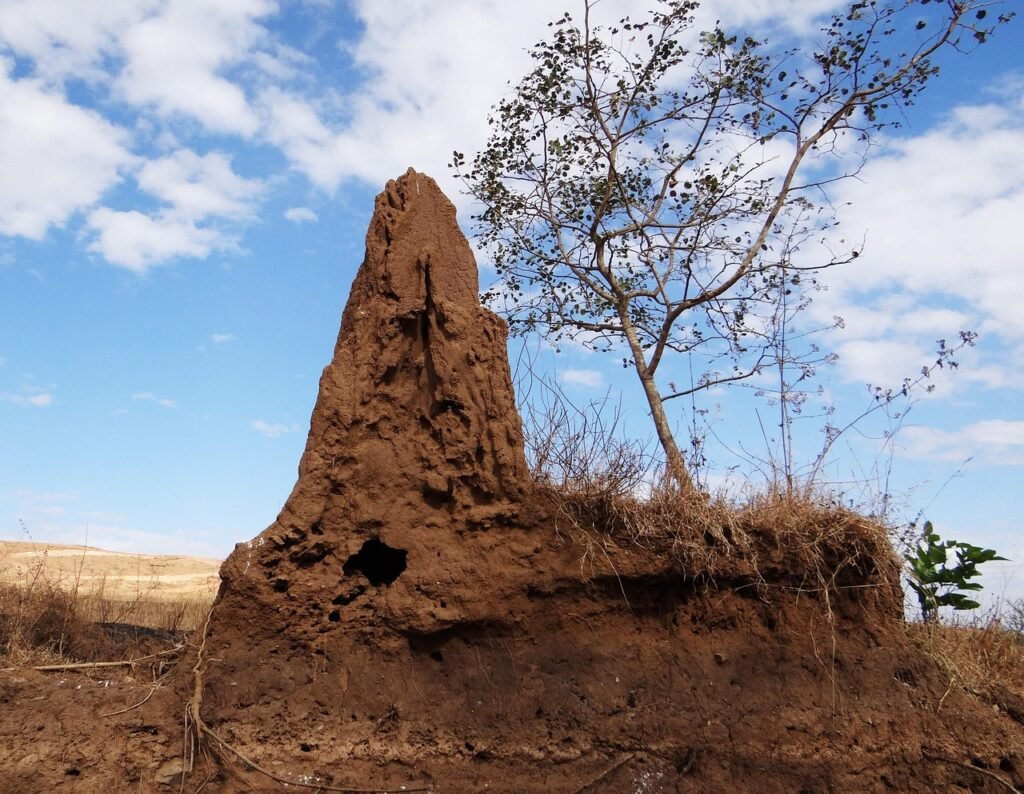

Have you ever wondered how a tiny insect can shape the vast expanse of a rainforest? Imagine a world where the architects aren’t humans but insects, creating towering structures that influence their environment in surprising ways. Termites, often seen merely as pests, play a pivotal role in engineering the rainforest’s microclimates. These industrious creatures construct mounds that not only serve as their homes but also as climate regulators, impacting the entire ecosystem. Delving into this fascinating world reveals the intricate connections between these small insects and the vast rainforest, showcasing nature’s incredible ingenuity.
The Unsung Architects of the Rainforest
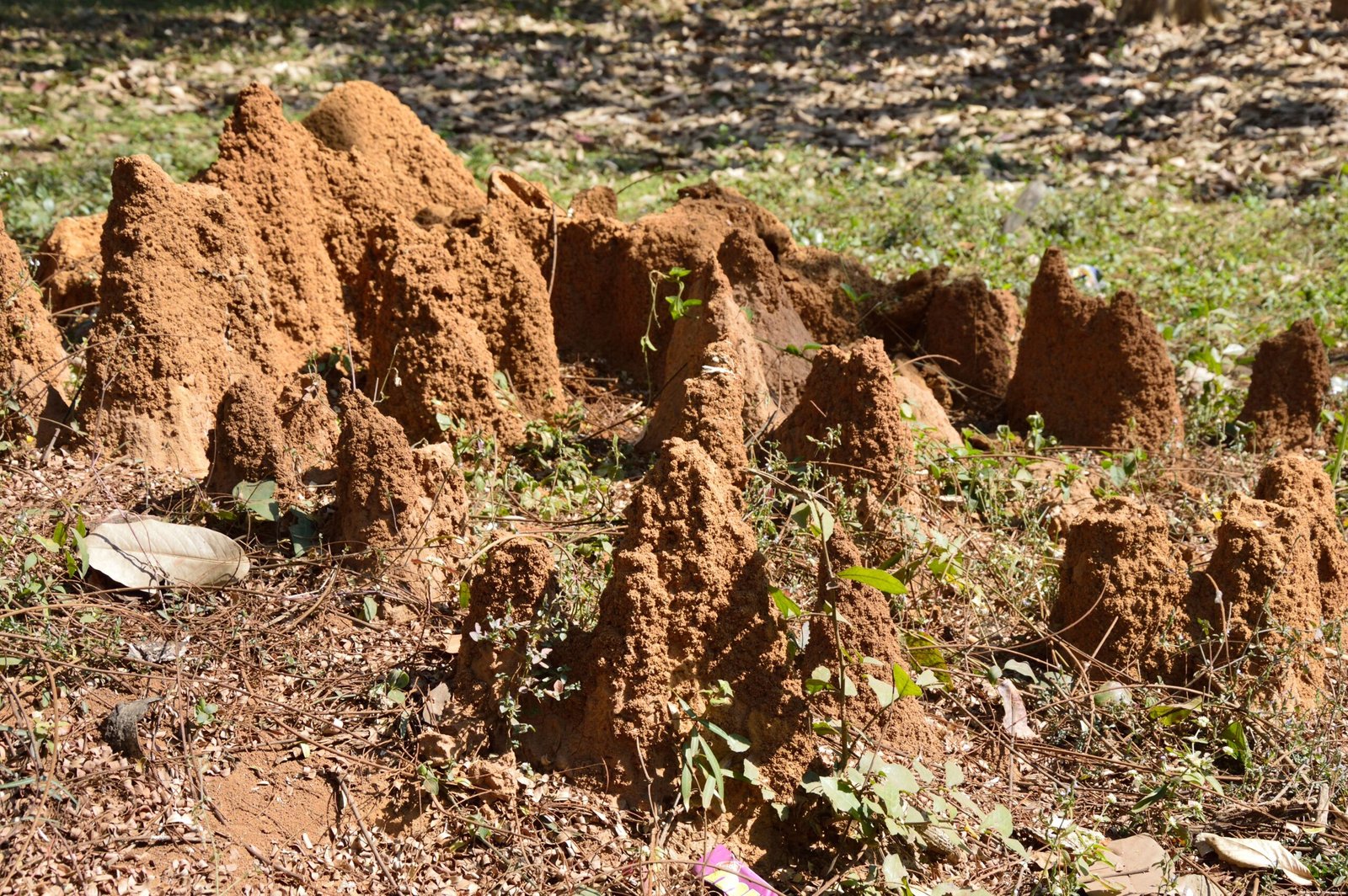
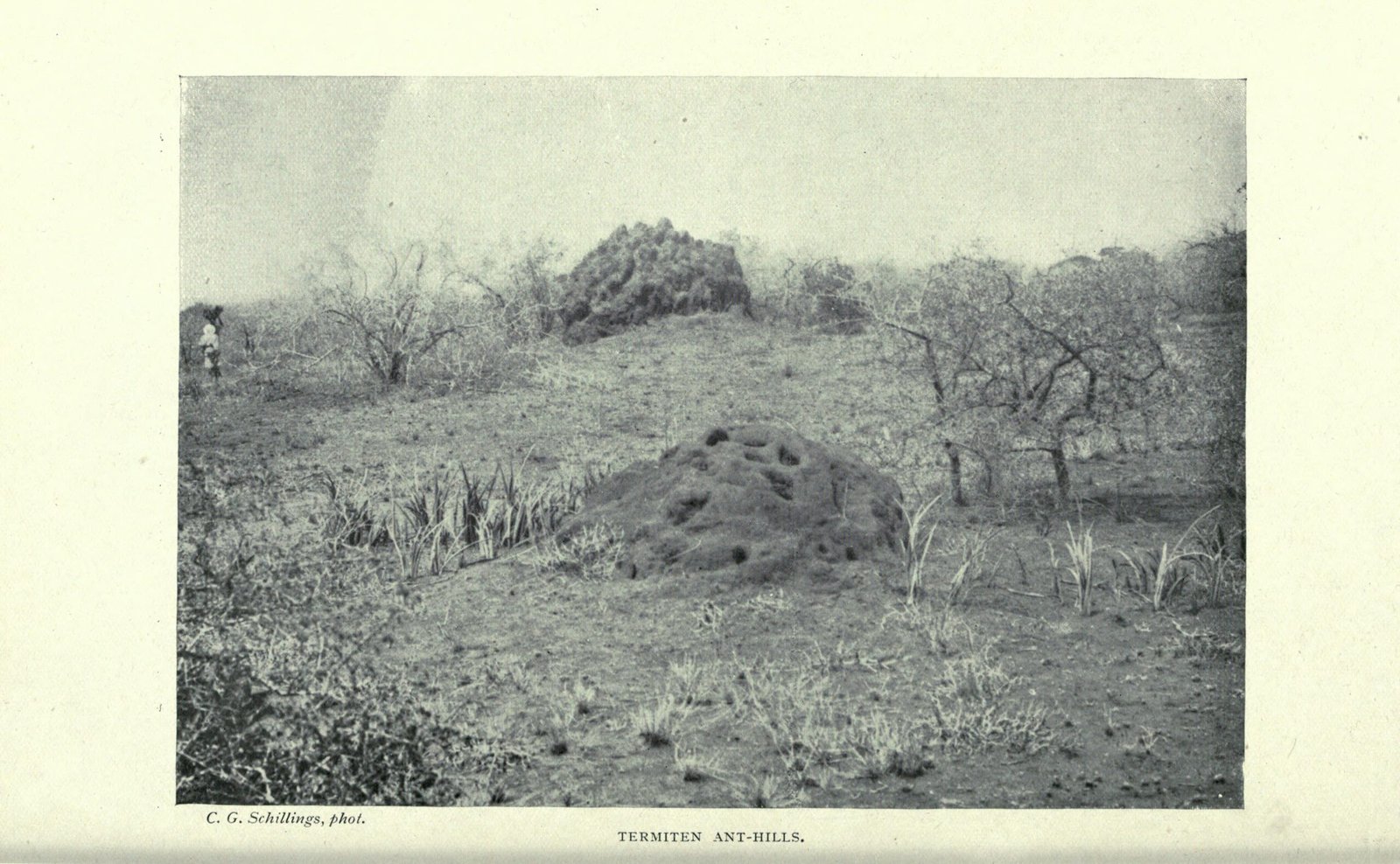
Termites might not be the first creature that comes to mind when you think of architects. However, their ability to construct complex mounds is nothing short of remarkable. These mounds, often towering up to several meters, are built with precision and purpose. Made from a mixture of soil, saliva, and feces, they are surprisingly durable and weather-resistant. This makes them not just homes, but fortresses against the harsh elements of nature. The intricate design of these mounds provides ventilation, temperature regulation, and protection from predators, showcasing the termites’ engineering prowess.
Creating Microclimates: A Hidden Power
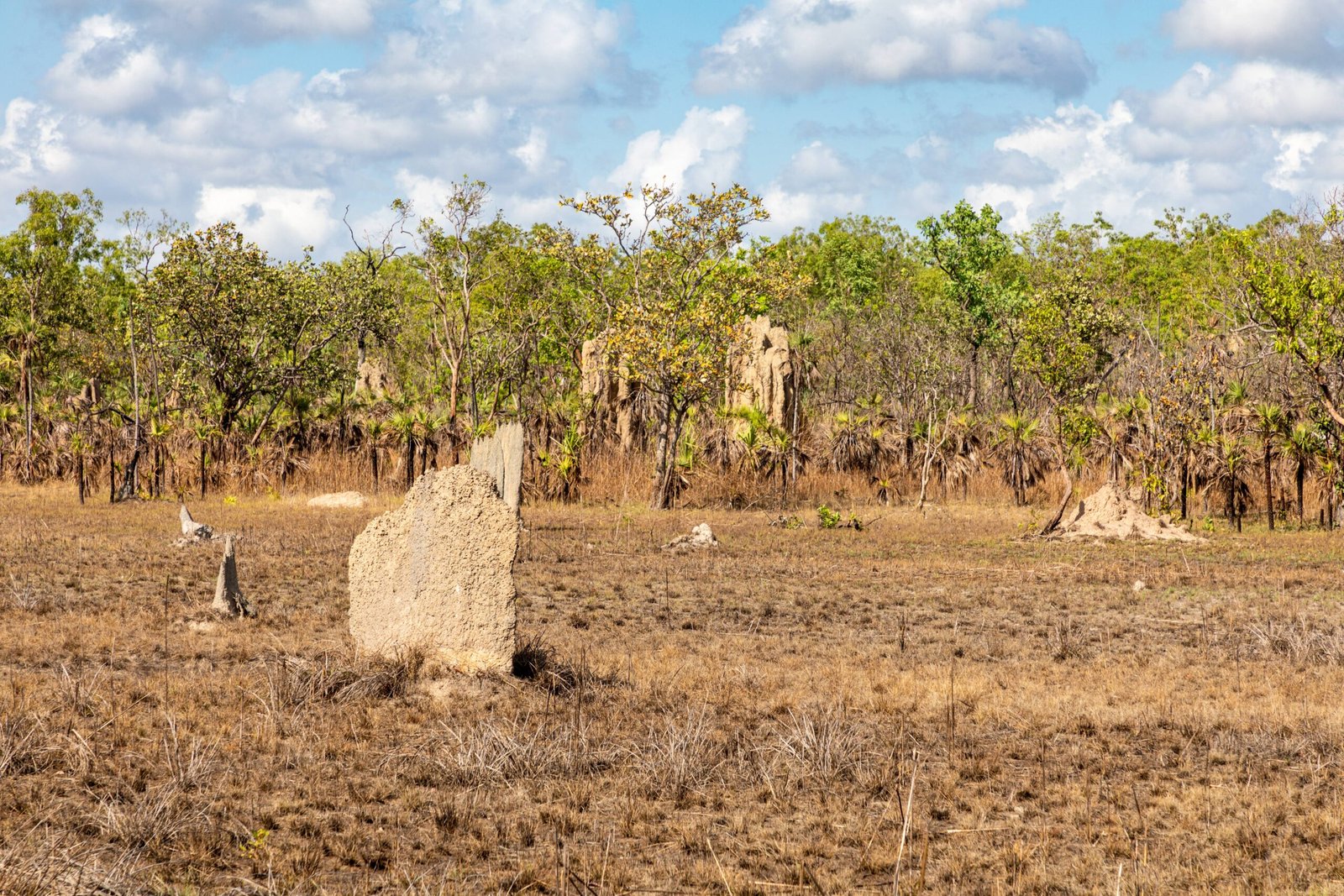
Termite mounds are more than just impressive structures; they are vital in creating microclimates within the rainforest. These mounds can significantly alter the temperature, humidity, and even the soil composition around them. By doing so, they create unique environments that can support a diverse range of plant and animal life. This ability to modify their surroundings allows termites to thrive in various conditions, from arid savannas to lush rainforests. The microclimates they create can be likened to a small oasis, providing essential resources to the creatures that live in their shadow.
Termite Mounds: Nature’s Air Conditioners
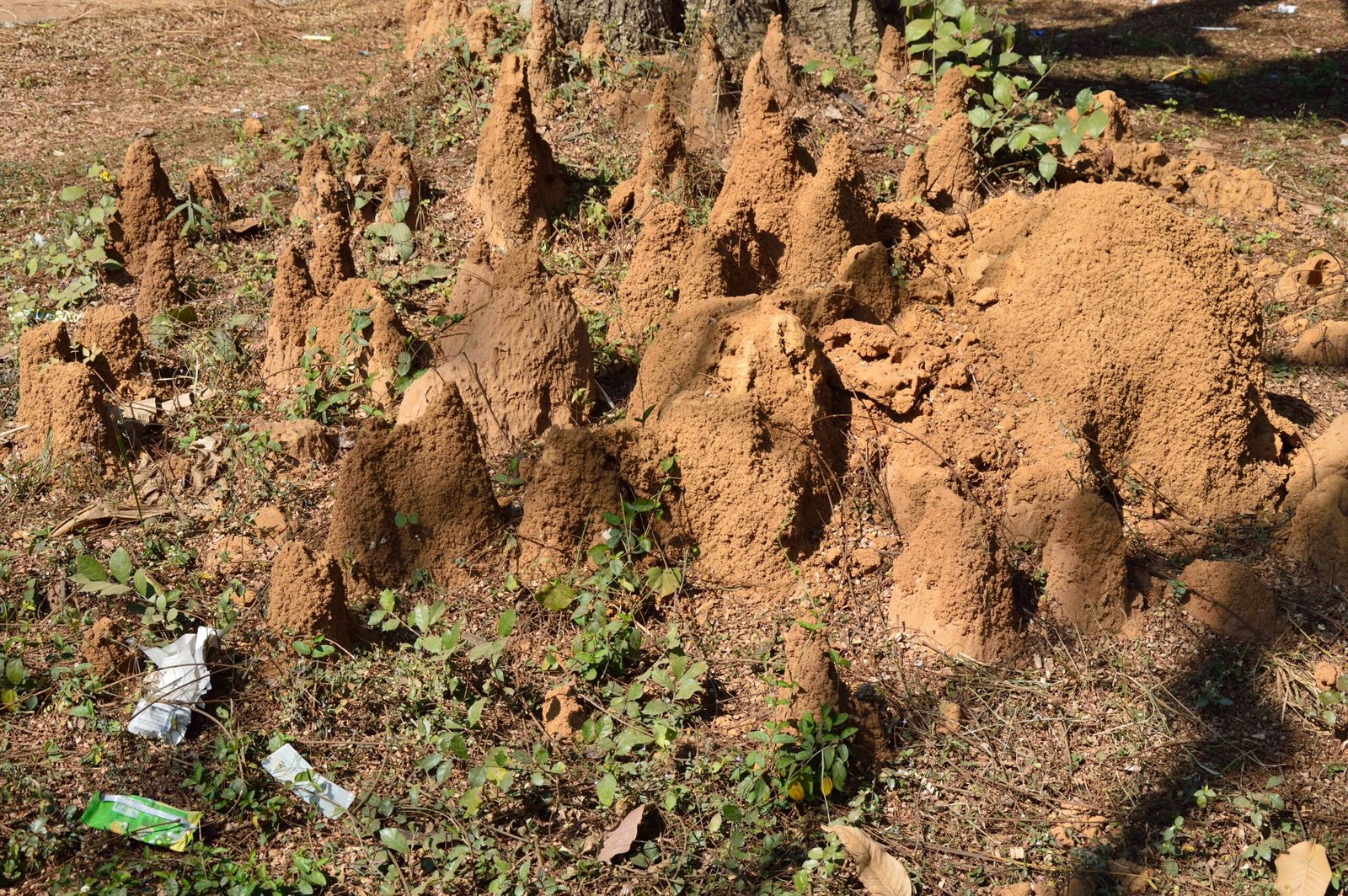
One of the most fascinating aspects of termite mounds is their natural air conditioning system. The mounds are designed with a network of tunnels and vents that facilitate airflow. This system helps regulate the internal temperature, keeping it stable despite external fluctuations. This natural ventilation is crucial for the survival of the termite colony, as it prevents overheating and maintains the right humidity levels. It’s a testament to the termites’ ability to harness natural processes for their benefit, showcasing nature’s ingenuity.
The Role of Termites in Soil Fertility
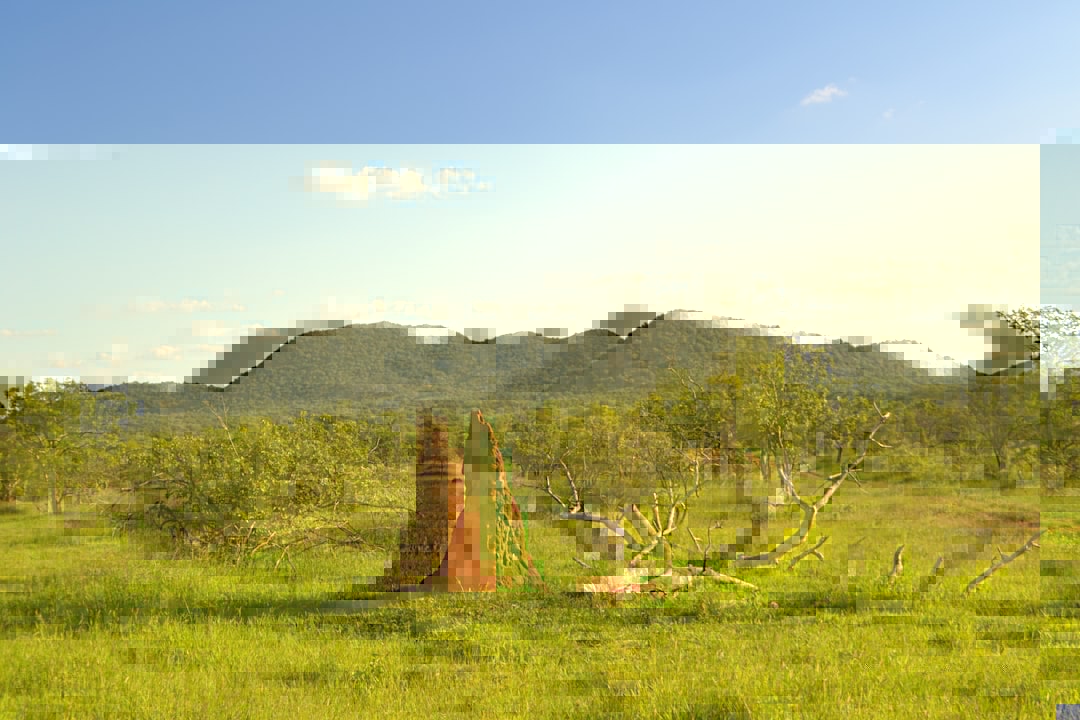
Termites play a crucial role in enhancing soil fertility, which is vital for the health of the rainforest. As they build their mounds, they mix organic material with the soil, enriching it with nutrients. This process not only improves soil structure but also boosts its ability to retain water. The enriched soil supports a diverse array of plant life, contributing to the overall biodiversity of the rainforest. By acting as natural recyclers, termites help sustain the delicate balance of the ecosystem, highlighting their importance beyond mere mound building.
Termite Mounds and Water Management
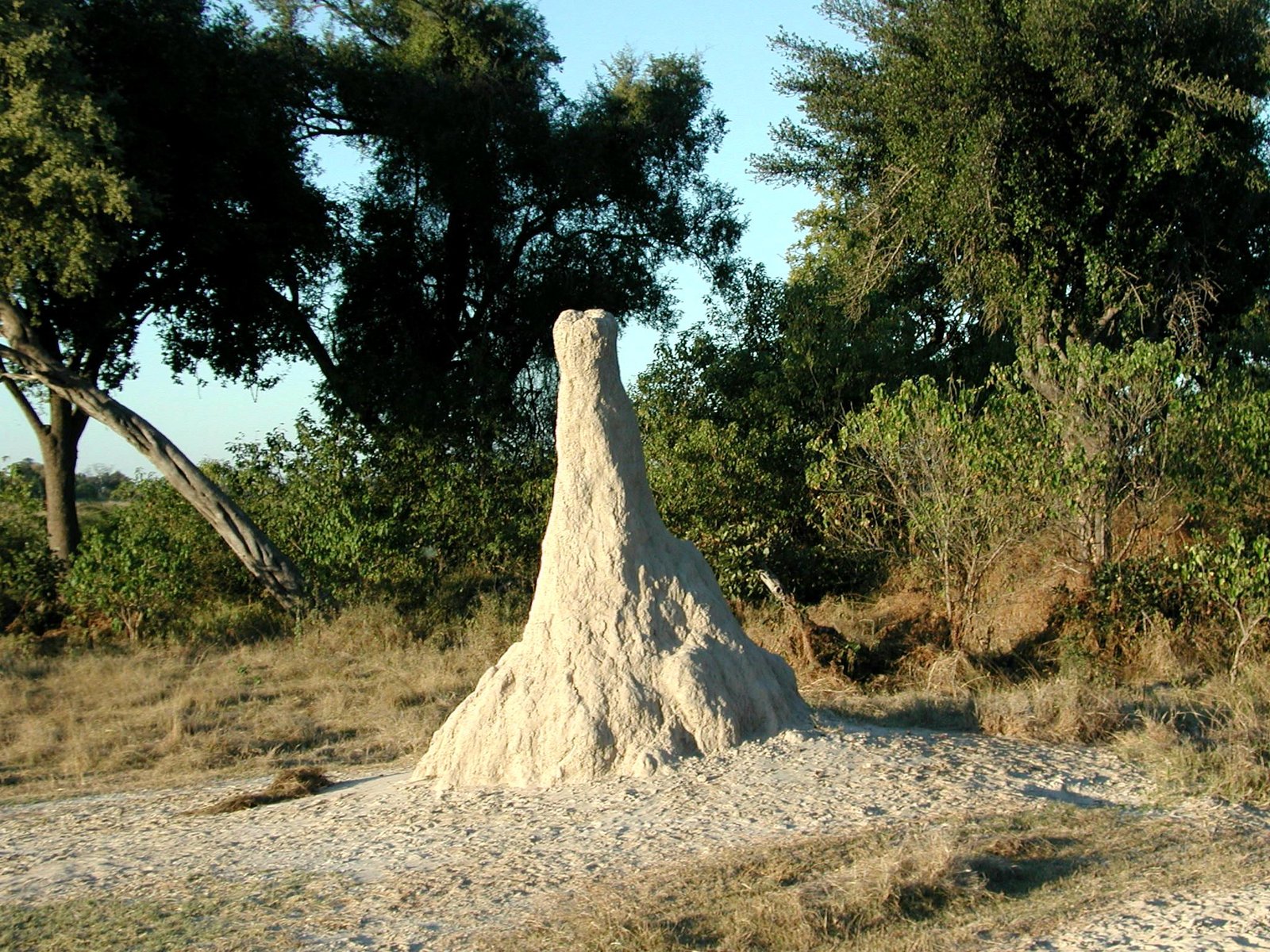
In addition to their role in soil fertility, termite mounds are instrumental in water management within the rainforest. The mounds’ structure allows them to absorb and store water, acting as natural reservoirs during dry spells. This ability to retain moisture is crucial in areas where water can be scarce. By regulating water availability, termite mounds help maintain the health and vitality of the surrounding vegetation. This water management system is yet another example of how termites contribute to the resilience of the rainforest ecosystem.
Influencing Plant Growth and Diversity
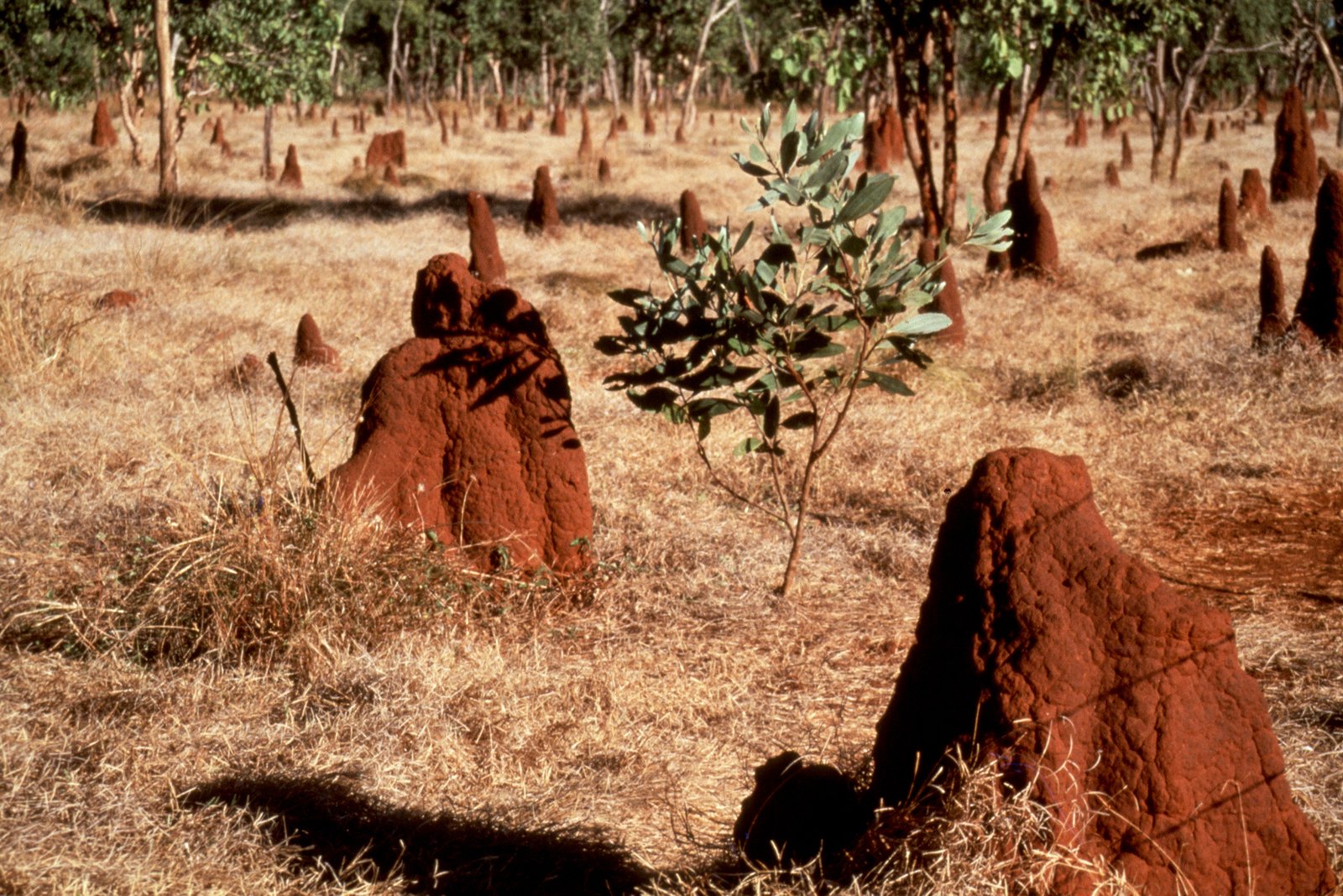
The impact of termite mounds on plant growth and diversity is profound. The nutrient-rich soil around the mounds supports a wide variety of plant species, some of which are found nowhere else in the rainforest. These plants, in turn, provide food and habitat for numerous animal species, creating a thriving ecosystem. The presence of termite mounds can lead to an increase in plant diversity, as they create favorable conditions for different species to coexist. This interplay between termites, plants, and animals illustrates the interconnectedness of the rainforest ecosystem.
Impact on Carbon Cycling and Climate Change
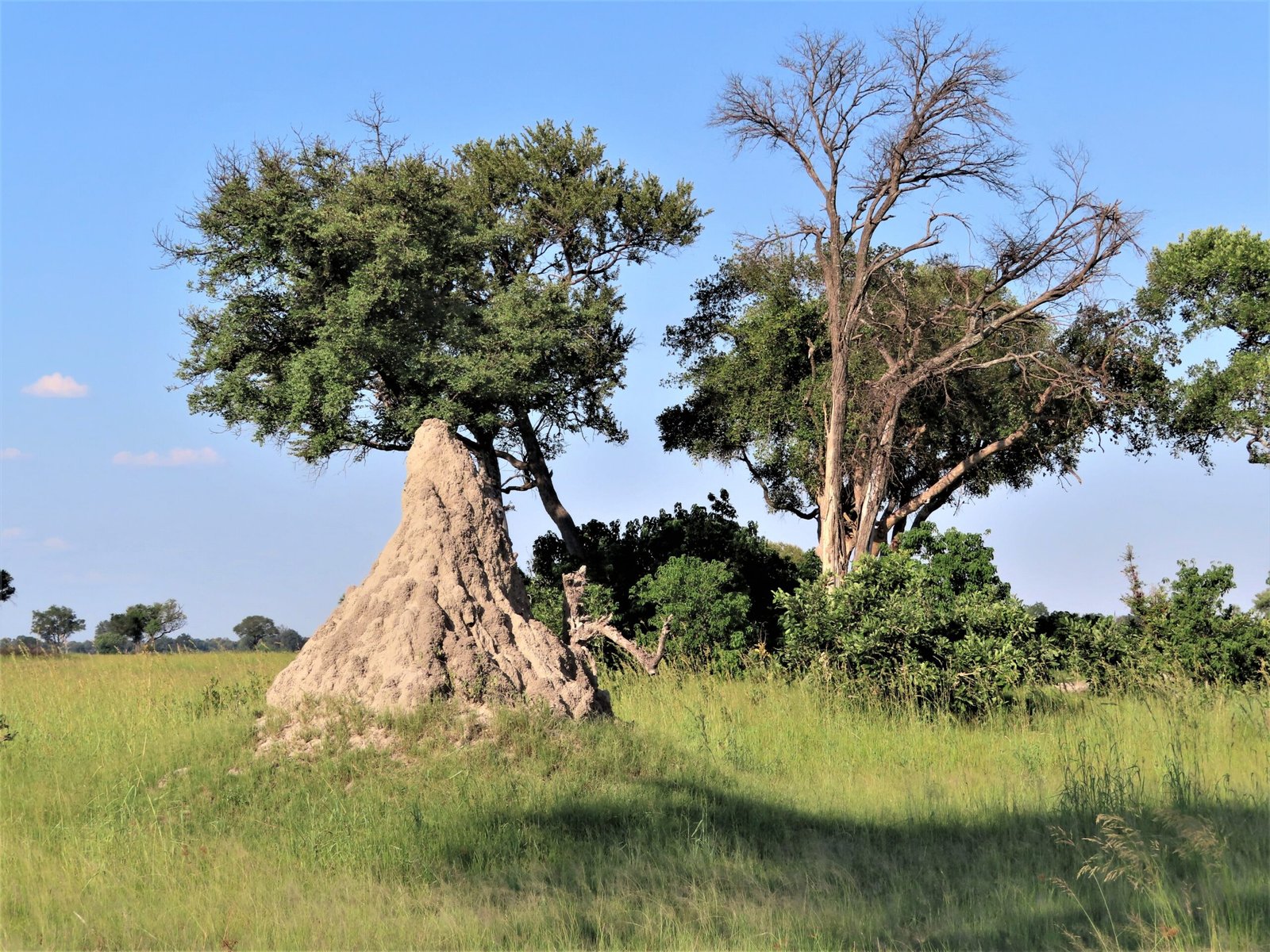
Termites also play a role in carbon cycling, which has implications for climate change. As they break down organic material, they release carbon dioxide into the atmosphere. However, the enhanced plant growth around termite mounds can offset this by absorbing carbon dioxide through photosynthesis. This delicate balance between carbon release and absorption highlights the complex role termites play in the global carbon cycle. Understanding this relationship is crucial as we seek to mitigate the impacts of climate change and preserve the health of our planet’s ecosystems.
Termites and Biodiversity: A Symbiotic Relationship
The relationship between termites and biodiversity is a symbiotic one. The mounds provide habitat and resources for numerous species, from insects to mammals. In return, these species contribute to the health and maintenance of the mounds. For example, some animals help aerate the soil, while others aid in seed dispersal, promoting plant growth around the mounds. This mutualistic relationship underscores the importance of termites in maintaining the biodiversity of the rainforest, showcasing the intricate web of life that thrives in these environments.
The Future of Termite Research
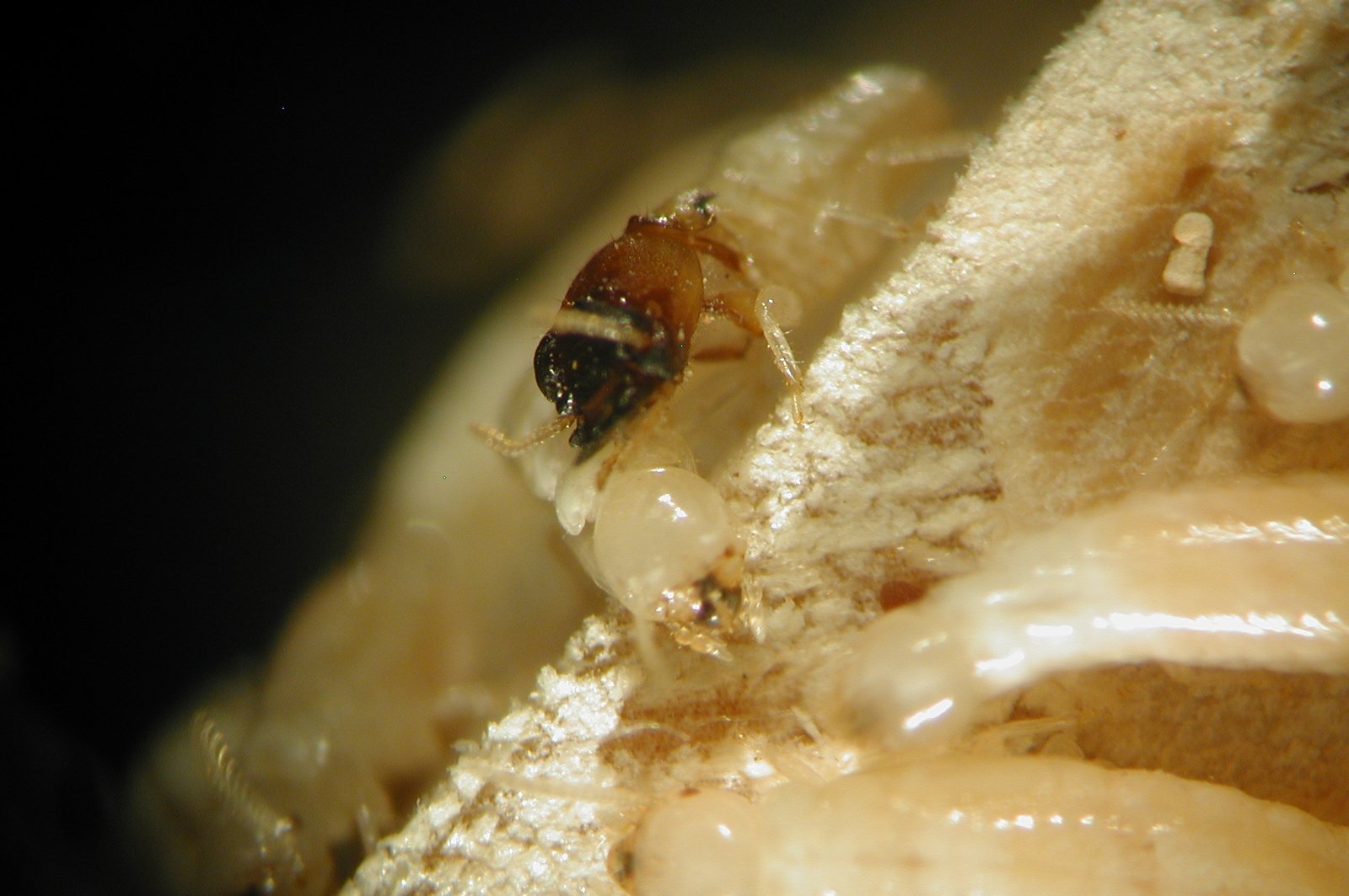
As our understanding of termite mounds and their impact on the rainforest grows, so does the potential for new research. Scientists are exploring how these natural structures can inspire sustainable building practices and climate adaptation strategies. By studying termite mounds, we can learn valuable lessons about resource management, energy efficiency, and resilience in the face of environmental challenges. The future of termite research holds promise for both ecological conservation and technological innovation, bridging the gap between nature and human ingenuity.
A Call to Appreciate Nature’s Engineers
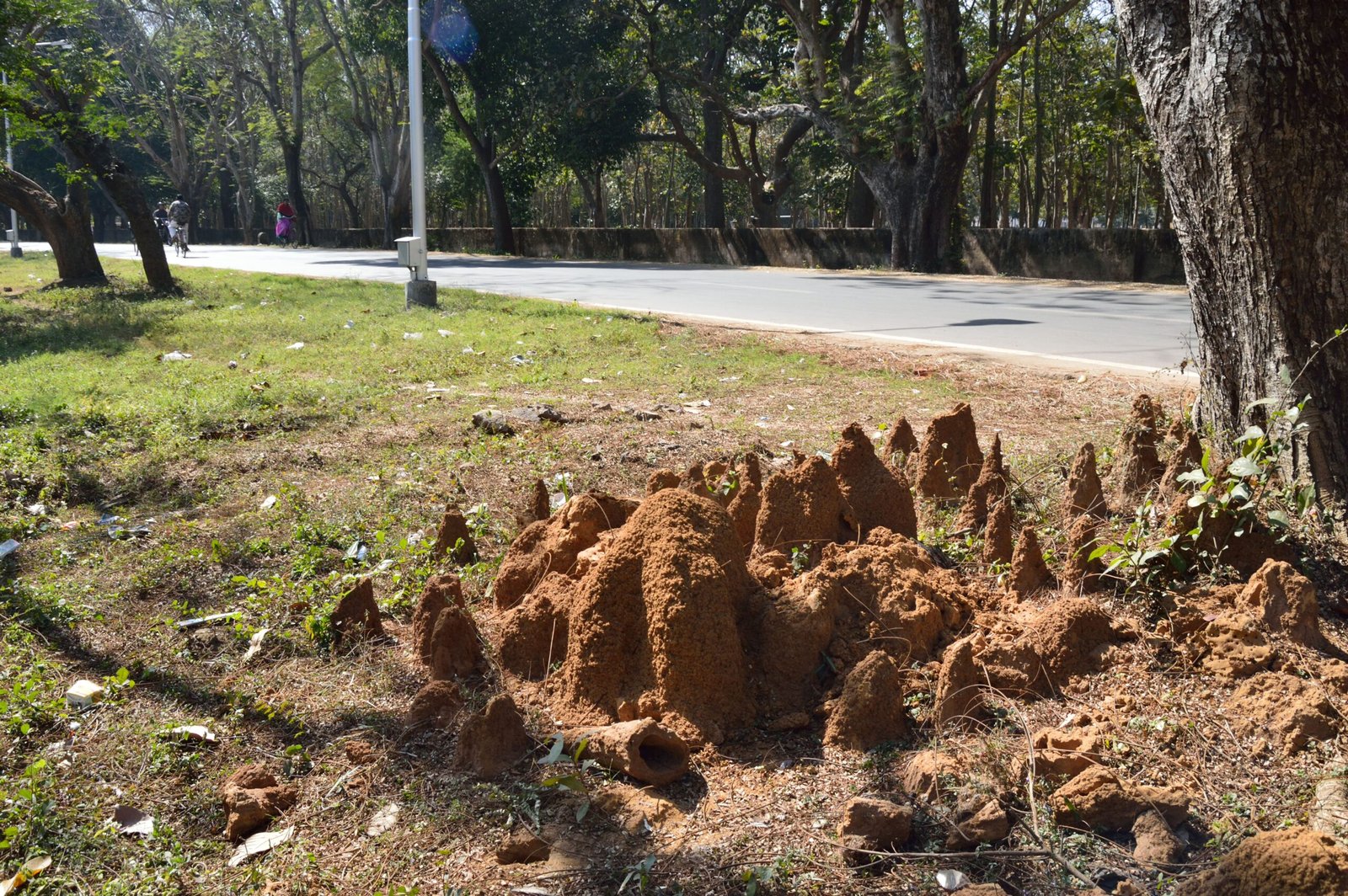
In conclusion, termite mounds are more than just homes for insects; they are vital components of the rainforest ecosystem. By engineering microclimates, enhancing soil fertility, and supporting biodiversity, termites play a crucial role in maintaining the health and resilience of their environment. As we continue to uncover the secrets of these remarkable structures, let us appreciate the ingenuity of nature’s engineers and the lessons they can teach us. The next time you encounter a termite mound, consider the complex world it supports and the profound impact it has on the rainforest.