
Picture this: you’re standing in your backyard on a clear night, pointing a telescope toward a distant star. What you’re seeing isn’t happening right now – it’s ancient history unfolding before your eyes. That light left its stellar home years, decades, or even centuries ago, carrying with it the story of what that star looked like in the past. This isn’t science fiction; it’s the incredible reality of how telescopes work as time machines, allowing us to peer into the cosmic past with every observation we make.
The Speed of Light: Our Cosmic Speed Limit

Nothing in the universe travels faster than light, and this fundamental law of physics is what makes time travel through telescopes possible. Light moves at approximately 186,282 miles per second, which seems incredibly fast until you consider the vast distances in space. When we look at the nearest star beyond our Sun, Proxima Centauri, we’re seeing it as it was about 4.2 years ago because that’s how long its light took to reach us.
Think of it like watching a lightning strike from far away – you see the flash before hearing the thunder because light travels much faster than sound. In space, this delay becomes much more dramatic. The light from distant galaxies has been traveling through the void for billions of years, carrying information about what those galaxies looked like when the universe was young.
The Light-Year: Measuring Distance and Time
A light-year isn’t a unit of time – it’s a measure of distance that perfectly illustrates our cosmic time machine. One light-year equals about 5.88 trillion miles, the distance light travels in one Earth year. When astronomers say a galaxy is 10 billion light-years away, they mean we’re seeing it as it existed 10 billion years ago.
This concept transforms every astronomical observation into a historical record. The Andromeda Galaxy, our nearest large galactic neighbor, appears to us as it was 2.5 million years ago. That means we’re seeing Andromeda from a time when early human ancestors were just learning to use stone tools on Earth.
Peering Into the Early Universe
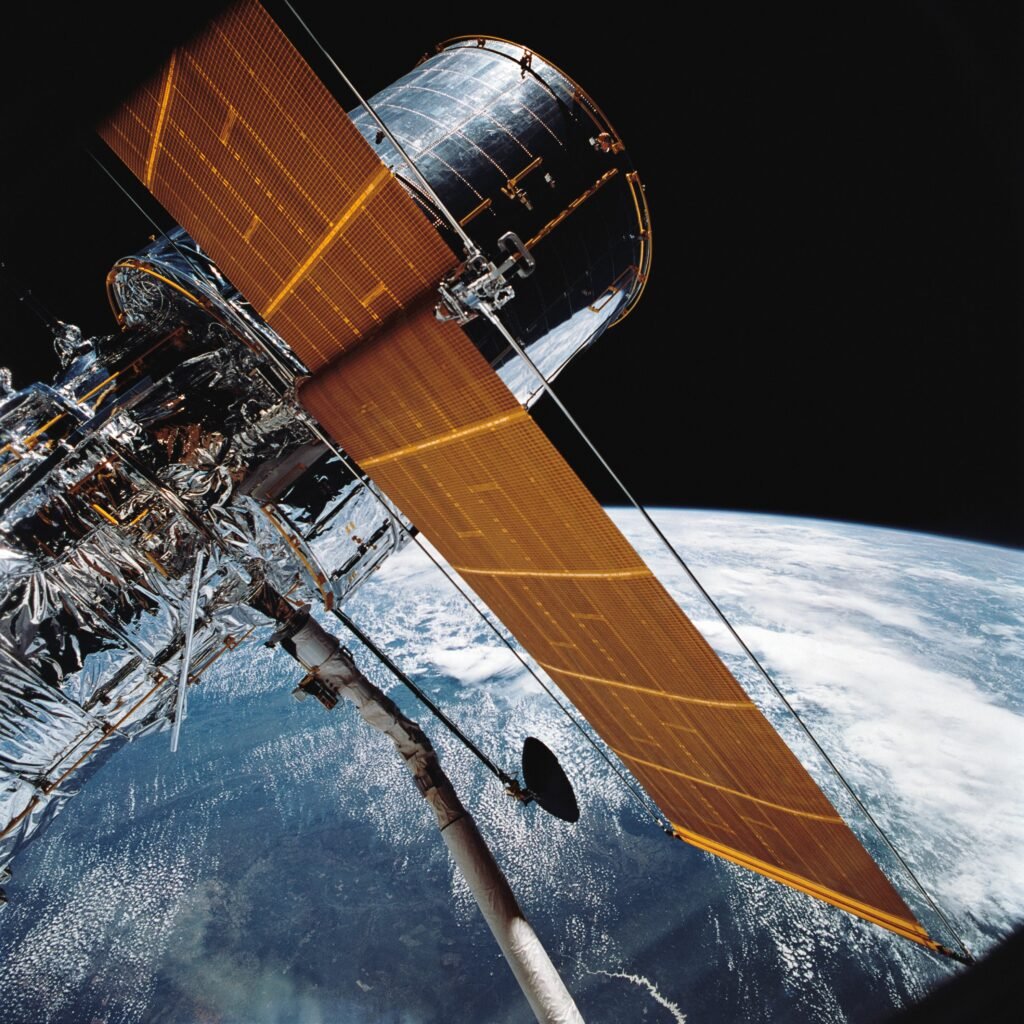
The most powerful telescopes act as the ultimate time machines, showing us the universe when it was just a fraction of its current age. The James Webb Space Telescope can observe galaxies that formed when the universe was only a few hundred million years old. These ancient galaxies appear as they were over 13 billion years ago, shortly after the cosmic dark ages ended.
What we see in these distant observations challenges our understanding of how quickly galaxies formed and evolved. Some of these early galaxies are surprisingly large and well-developed, suggesting that cosmic evolution happened faster than previously thought. It’s like finding a fully grown oak tree in what you expected to be a field of saplings.
The Cosmic Microwave Background: The Universe’s Baby Picture
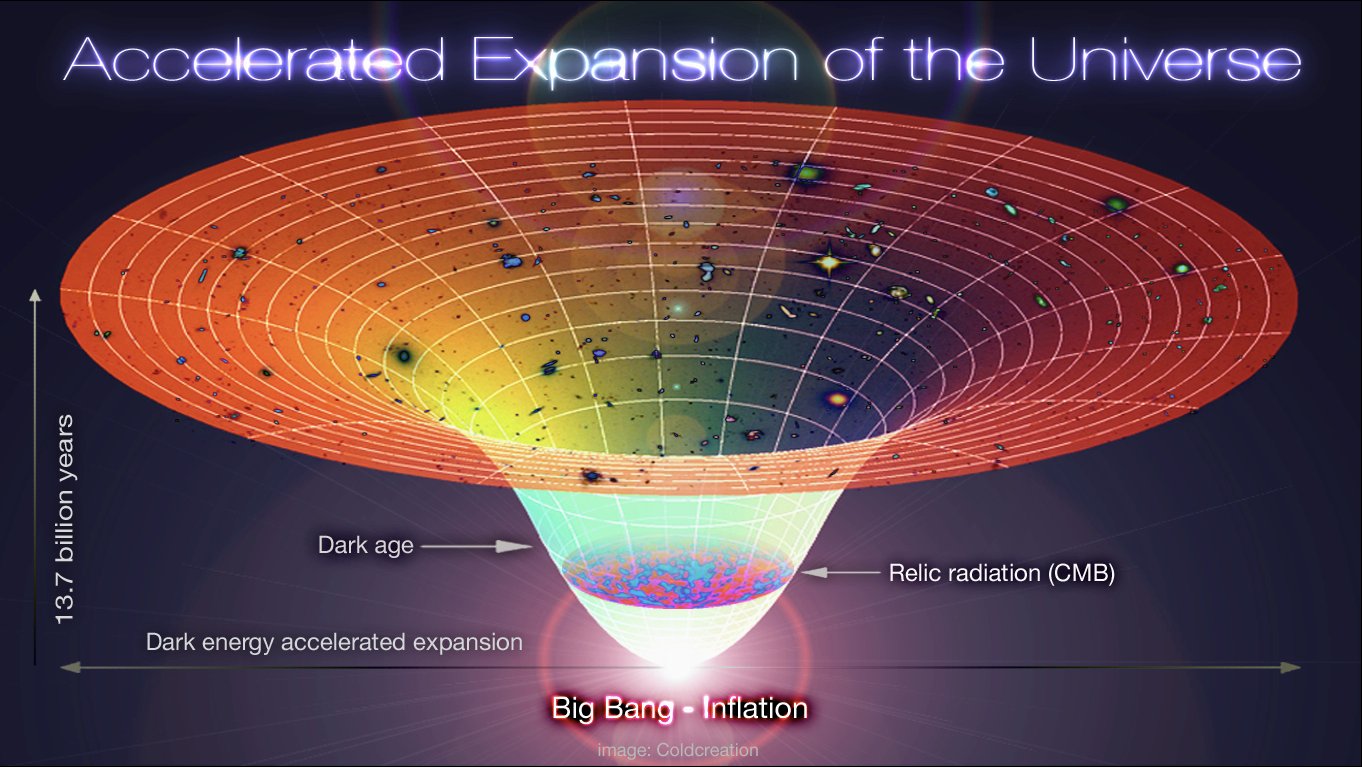
The most distant thing we can observe isn’t a galaxy or star – it’s the cosmic microwave background radiation, often called the universe’s baby picture. This faint glow represents the moment when the universe first became transparent to light, about 380,000 years after the Big Bang. Special telescopes designed to detect this radiation show us the universe when it was just a hot, dense soup of particles beginning to cool.
This ancient light has been stretched by the expansion of the universe, shifting from visible light to microwave radiation. When we map this background radiation, we’re essentially seeing the seeds that would eventually grow into the galaxies and galaxy clusters we observe today.
Stellar Archaeology: Reading the Past in Starlight

Every star tells a story through its light, and telescopes are our tools for reading these cosmic biographies. When we analyze the spectrum of light from distant stars, we can determine their age, composition, and life stage. Some stars we observe today are among the oldest in the universe, formed when it contained almost no heavy elements.
These ancient stars act as fossil records, preserving information about the early universe’s chemical composition. They’re like living time capsules, having burned steadily for billions of years while carrying the signature of primordial gas clouds from which they formed. By studying these stellar veterans, we learn about the conditions that existed when the first stars ignited.
Supernovae: Cosmic Lighthouses Across Time
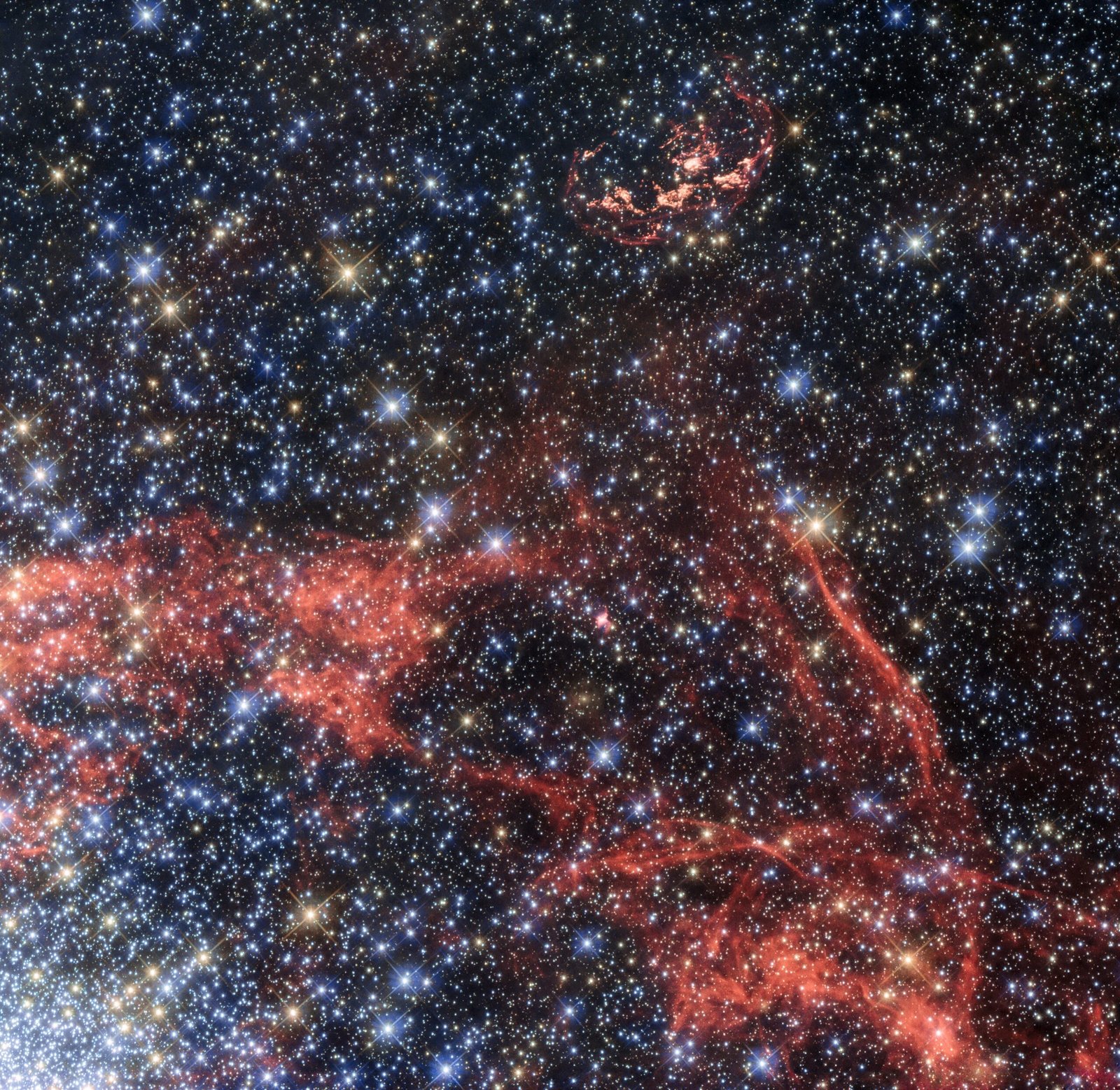
Supernovae are among the most dramatic events we can observe in our cosmic time machine. These stellar explosions are so bright they can outshine entire galaxies for weeks or months. When we spot a supernova in a distant galaxy, we’re witnessing the death of a star that occurred millions or billions of years ago.
Different types of supernovae serve as “standard candles” for measuring cosmic distances and understanding the universe’s expansion. Type Ia supernovae, in particular, have helped astronomers discover that the universe’s expansion is accelerating. These cosmic explosions from the past provide crucial clues about dark energy and the ultimate fate of our universe.
Galaxy Evolution Through Cosmic Time
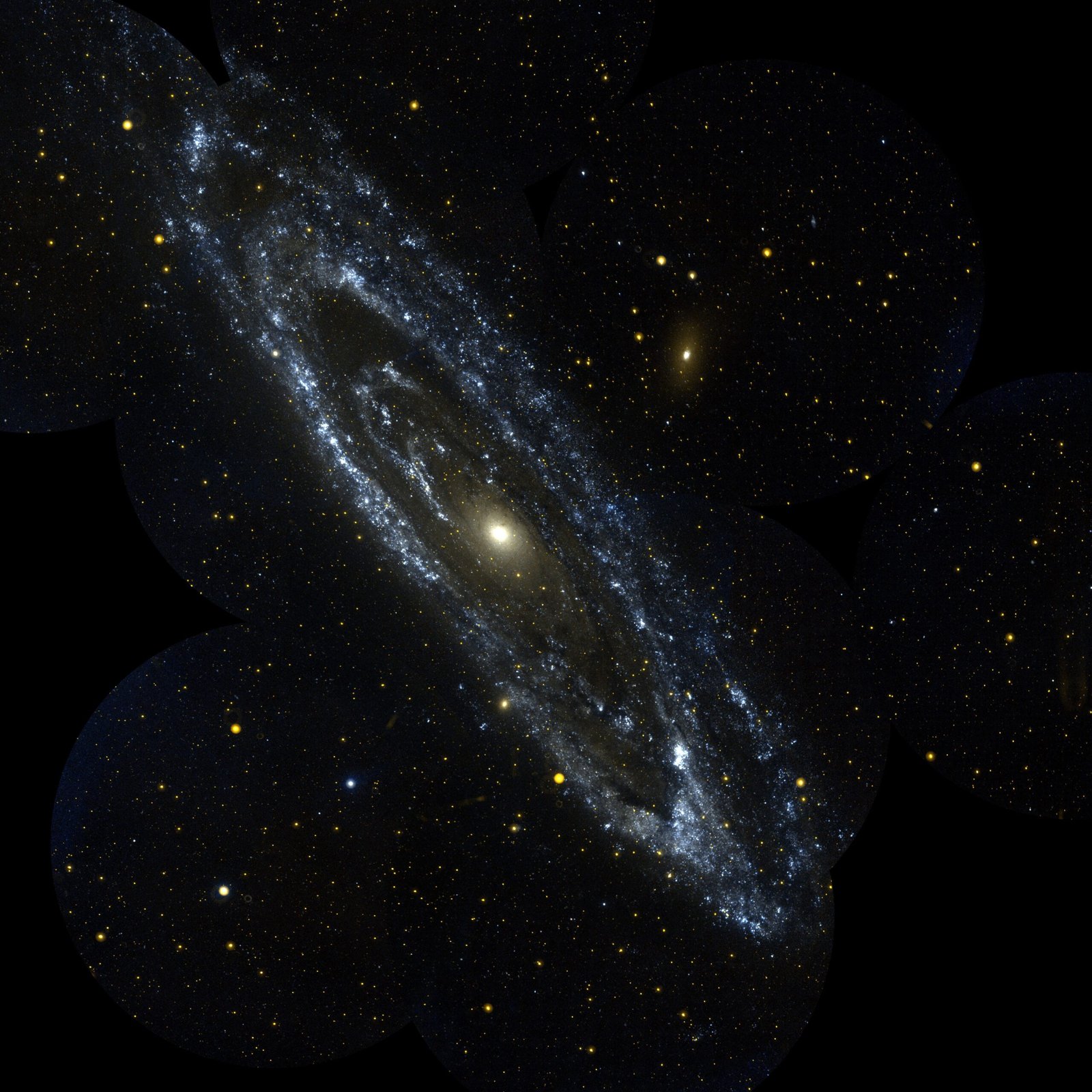
Telescopes reveal how galaxies have changed over billions of years by showing us examples at different cosmic epochs. Distant galaxies often appear smaller, more irregular, and bluer than nearby ones, indicating they were actively forming stars at a rapid pace. It’s like comparing baby photos to adult portraits – the same person, but at different life stages.
The Hubble Space Telescope’s deep field images show this cosmic evolution in stunning detail. In a single photograph, we can see galaxies at various distances and therefore various ages, creating a timeline of galactic development. Some appear as they were just a billion years after the Big Bang, while others show more recent cosmic history.
The Expanding Universe and Redshift
The expansion of the universe provides another layer to our cosmic time machine. As space itself expands, it stretches the wavelengths of light traveling through it, causing distant objects to appear redder than they actually are. This redshift effect is more pronounced for more distant objects, giving us a way to measure both distance and lookback time.
Edwin Hubble’s discovery of this expansion revolutionized our understanding of the universe’s history. By measuring redshift, astronomers can calculate how long ago the light we’re seeing left its source. The most distant galaxies show such extreme redshift that their ultraviolet light appears to us as infrared radiation.
Exoplanet Discoveries: Worlds from the Past
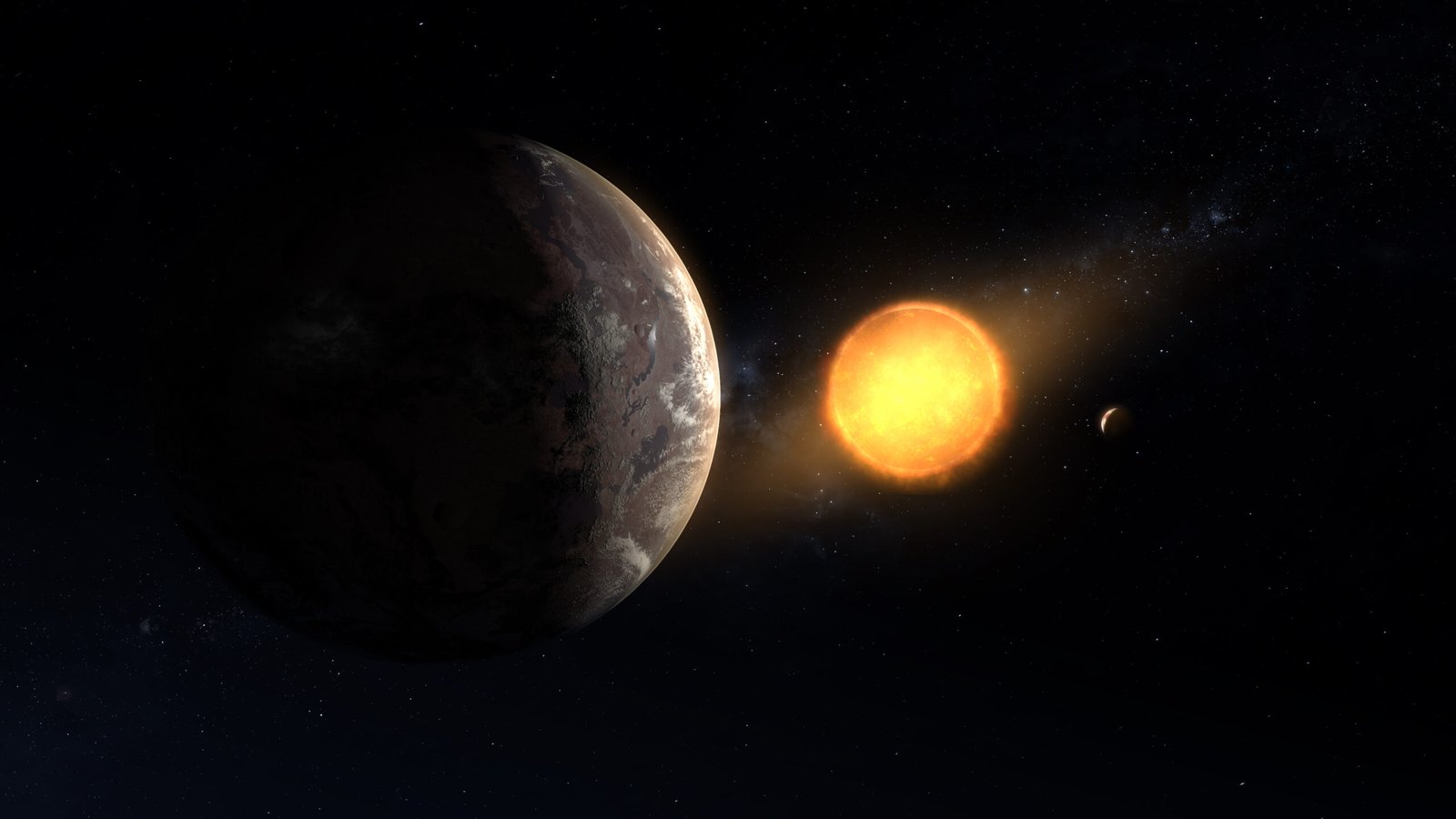
When we discover exoplanets around distant stars, we’re not just finding new worlds – we’re glimpsing planetary systems as they existed in the past. A planet orbiting a star 100 light-years away appears to us as it was a century ago. This temporal displacement adds a fascinating dimension to our search for life beyond Earth.
The light we analyze to detect these distant worlds and study their atmospheres carries information from decades or centuries ago. If we detected signs of life on a planet 50 light-years away, we’d be seeing evidence of life as it existed when our grandparents were young. It’s a humbling reminder of our place in the cosmic timeline.
The Limits of Looking Back
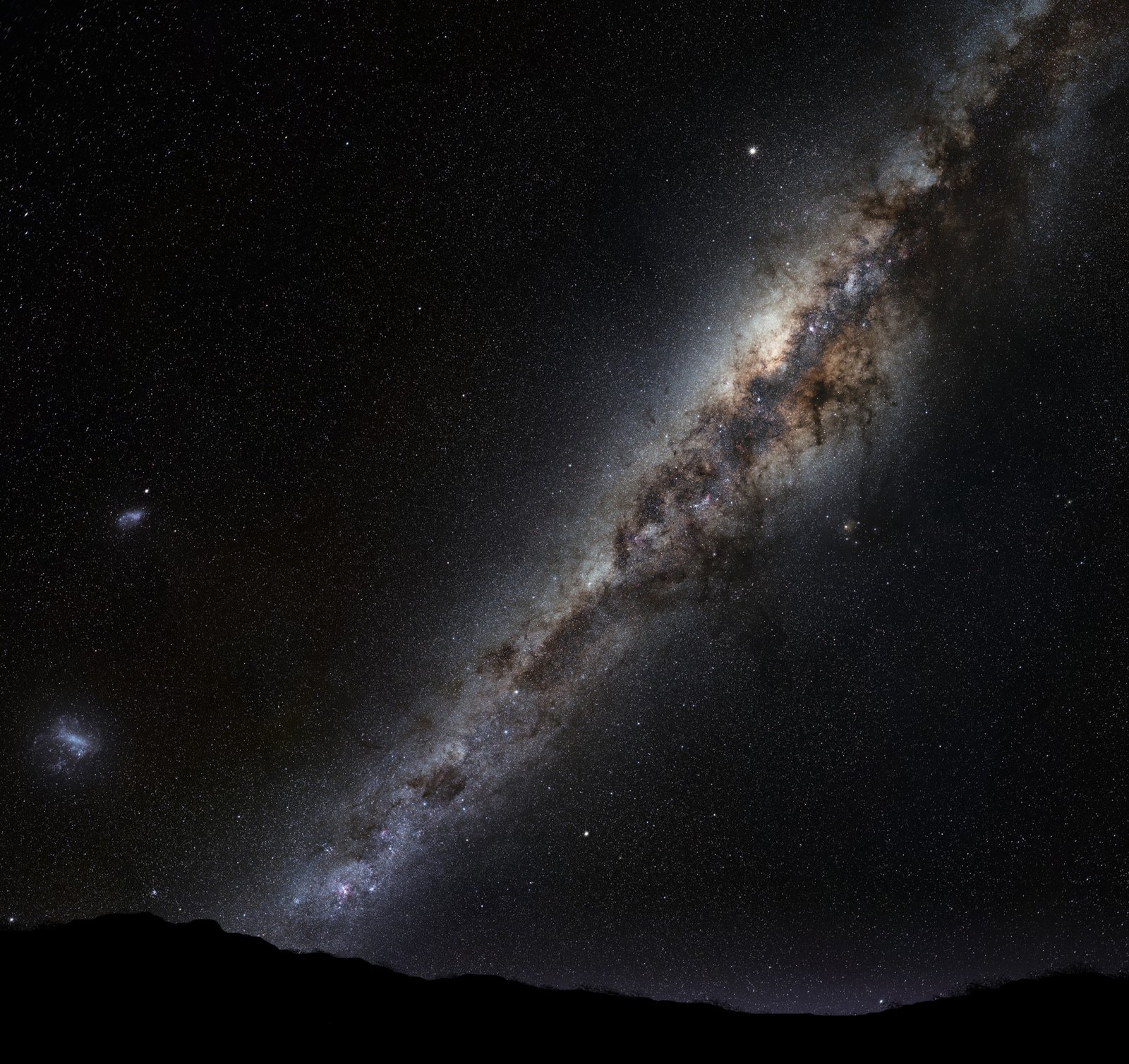
Our cosmic time machine has boundaries that define the observable universe. We can only see as far back as the cosmic microwave background because the universe was opaque to light before that time. This creates a cosmic horizon beyond which we cannot observe, no matter how powerful our telescopes become.
The observable universe has a radius of about 46.5 billion light-years, but this doesn’t mean we can see 46.5 billion years into the past. Due to the universe’s expansion, the most distant objects we can observe are about 13.8 billion years old – essentially the age of the universe itself. This cosmic horizon represents the ultimate limit of our time machine.
Gravitational Lensing: Nature’s Time Magnifier
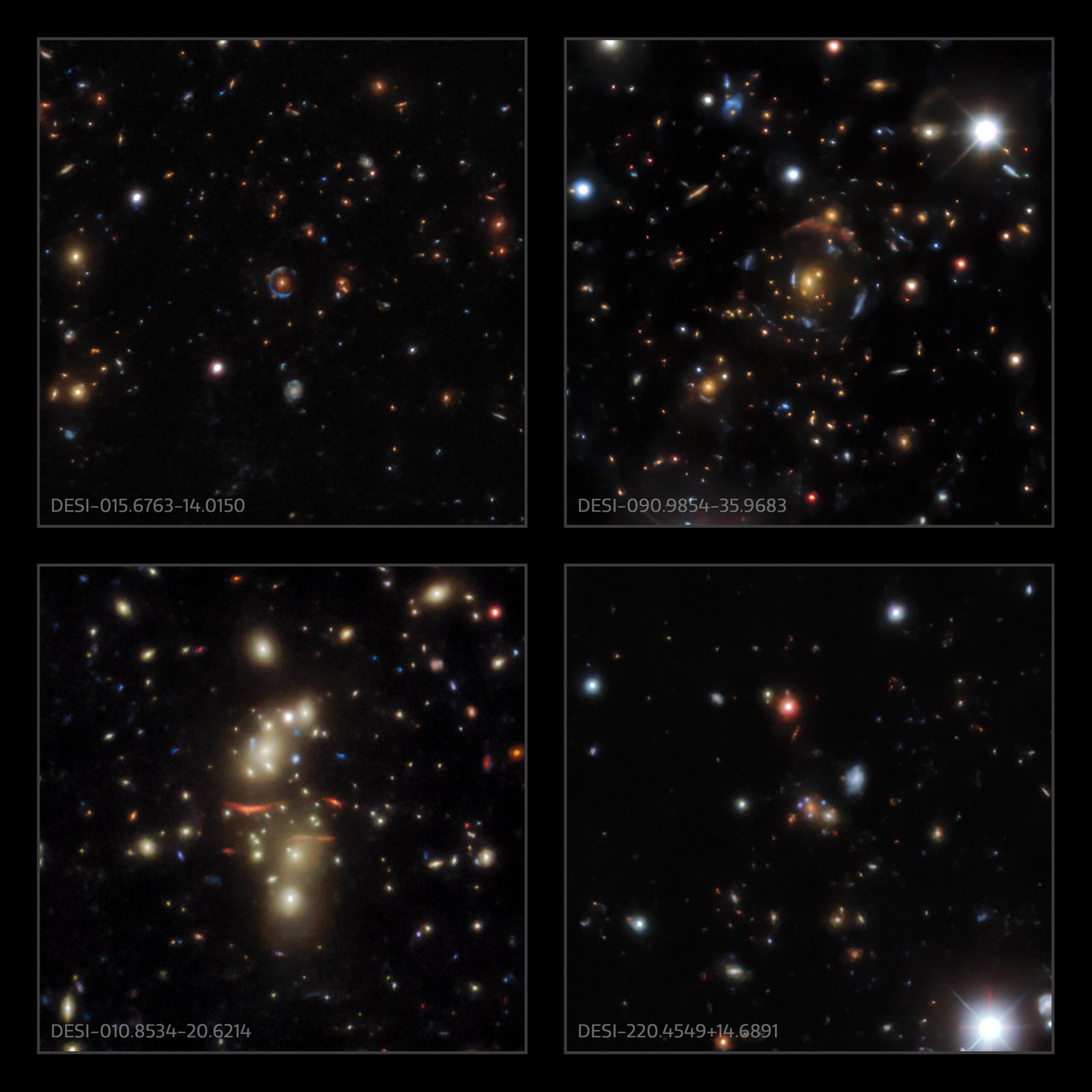
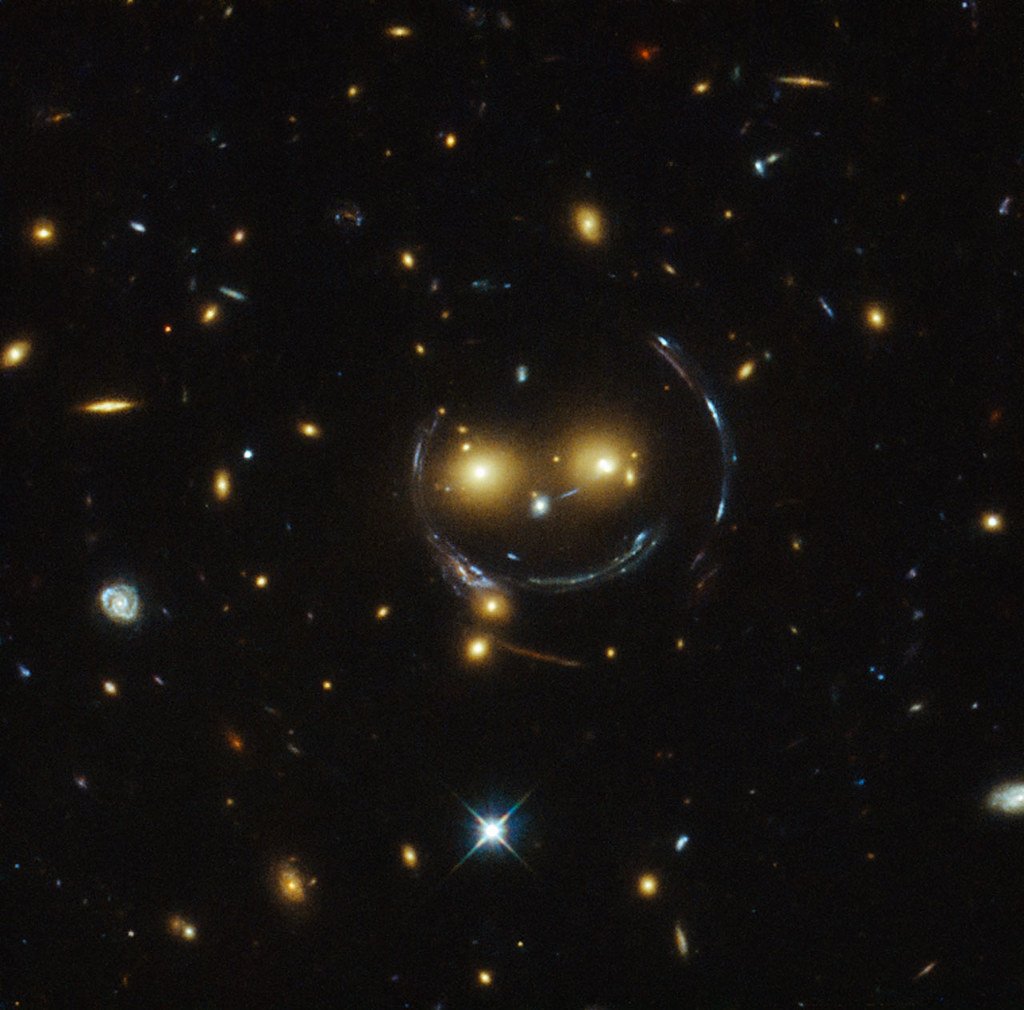
Sometimes the universe provides its own magnifying glass through gravitational lensing. Massive objects like galaxy clusters can bend and focus light from more distant objects, allowing us to see even further back in time. This effect acts like a cosmic telescope, amplifying light from the early universe that would otherwise be too faint to detect.
The Einstein ring and arc phenomena create multiple images of the same distant object, sometimes showing it at different points in its history. These gravitational lenses have revealed some of the most distant galaxies ever observed, pushing our time machine’s capabilities to their limits. It’s as if the universe is helping us peer deeper into its own past.
Radio Telescopes: Listening to the Past
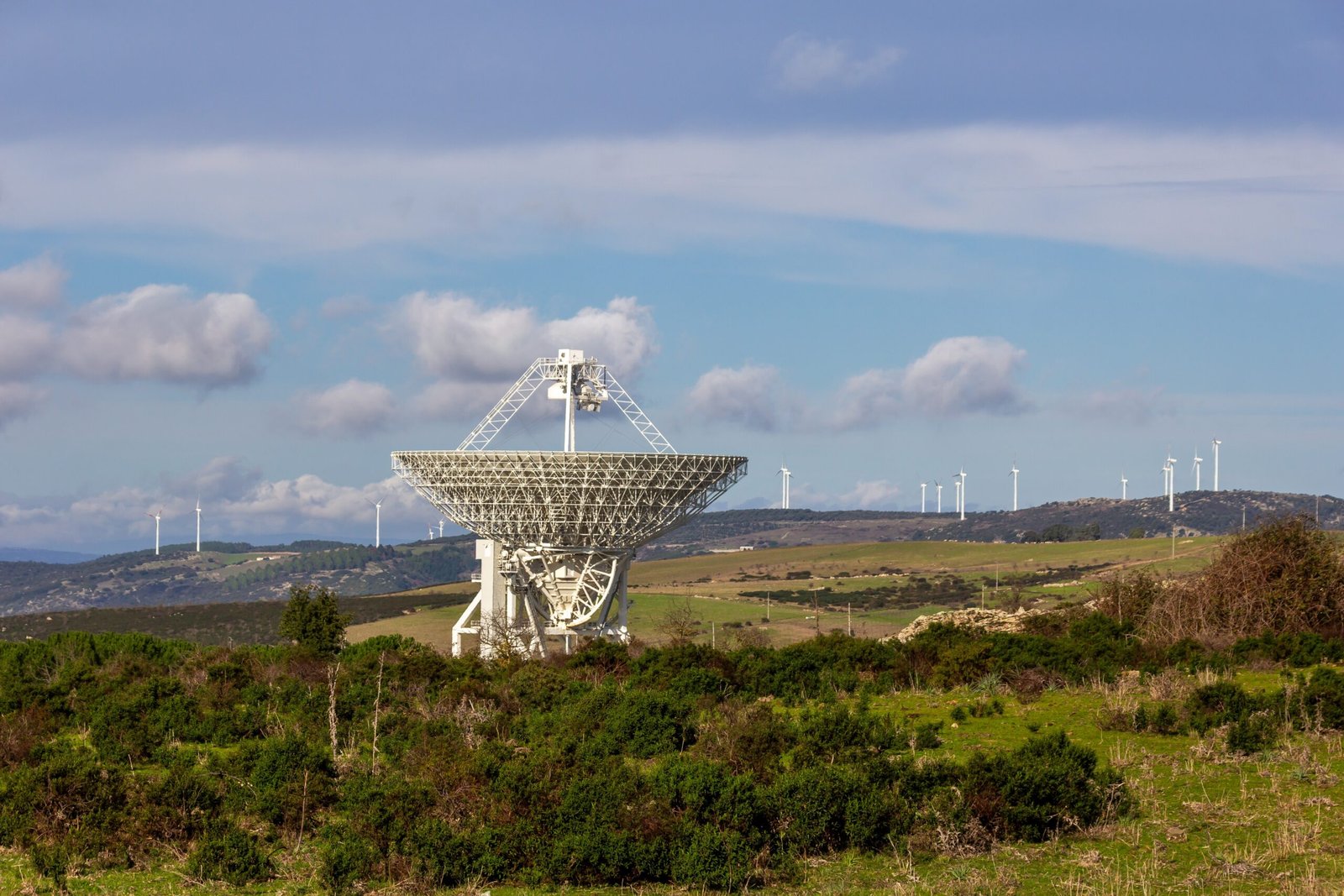
Radio telescopes add another dimension to our cosmic time machine by detecting radio waves from distant objects. These waves, like visible light, carry information from the past, but they can penetrate dust clouds that block optical observations. Radio astronomy has revealed phenomena like pulsars and quasars, expanding our understanding of cosmic history.
The famous “Wow! Signal” detected in 1977 came from a direction 120 light-years away, meaning if it was artificial, it represented a civilization as it existed during the early 1900s. Radio telescopes scanning for extraterrestrial intelligence are essentially listening for messages from the past, adding a profound dimension to our search for cosmic companions.
Infrared Astronomy: Seeing Through Cosmic Dust
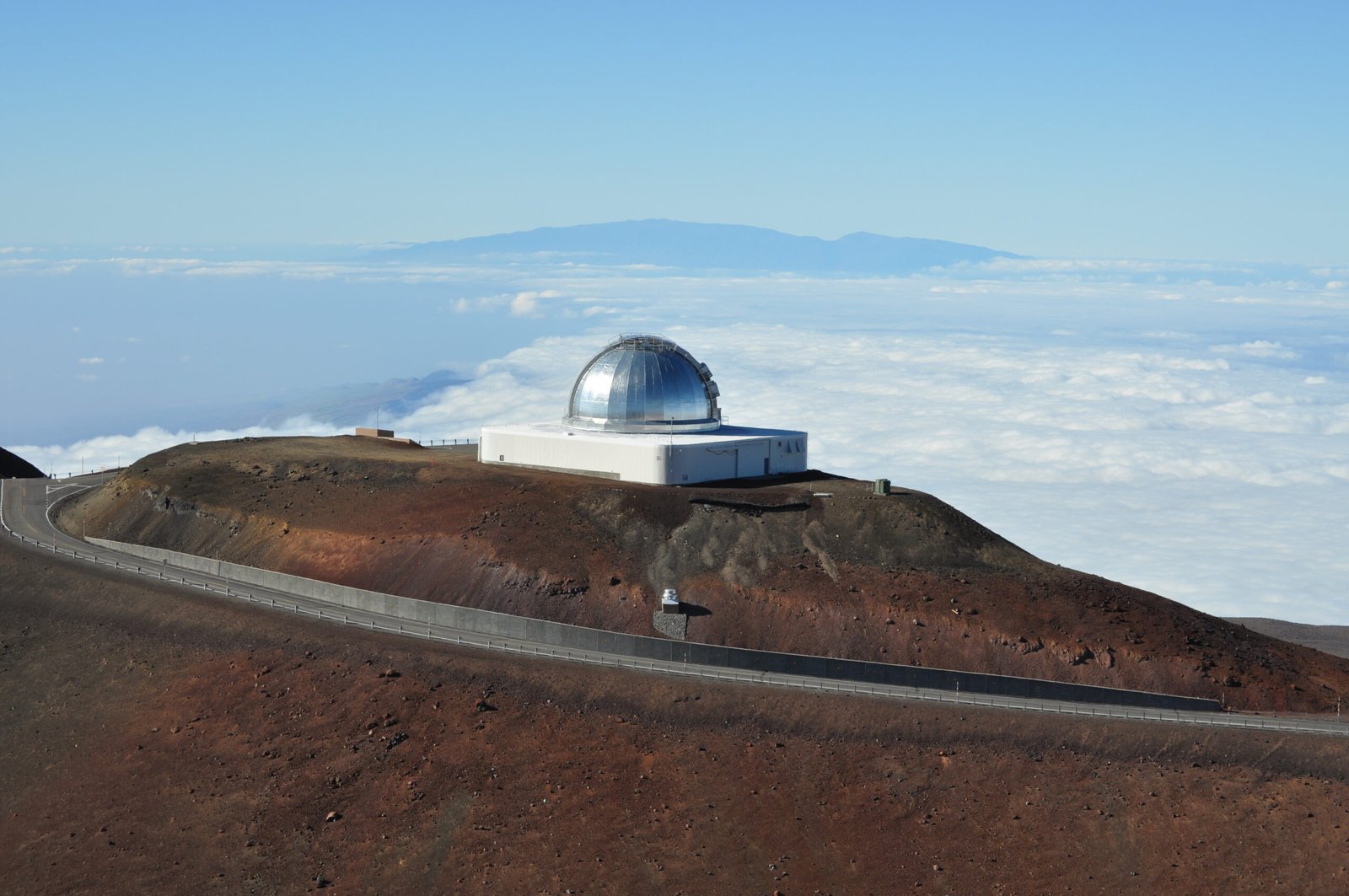
Infrared telescopes like the James Webb Space Telescope can peer through cosmic dust clouds that obscure visible light, revealing star formation regions and distant galaxies invisible to optical telescopes. This capability extends our time machine’s reach, showing us star birth in galaxies as they appeared billions of years ago.
The infrared light from these distant star-forming regions has been redshifted from visible wavelengths, making infrared detection crucial for studying the early universe. These observations reveal how the first stars and galaxies formed, providing insights into cosmic dawn that would be impossible to obtain through visible light alone.
Time Dilation and Relativistic Effects
Einstein’s theory of relativity adds another layer of complexity to our cosmic time machine. Objects moving at high speeds or in strong gravitational fields experience time differently than we do on Earth. This means that some cosmic events we observe may have unfolded at different rates than we perceive.
For extremely distant objects, these relativistic effects become significant, causing what astronomers call “time dilation.” Events that took millions of years to unfold in the distant past may appear to us as if they happened over longer periods. This effect becomes more pronounced for objects at extreme distances, where the universe’s expansion approaches significant fractions of the speed of light.
The Future of Looking Back
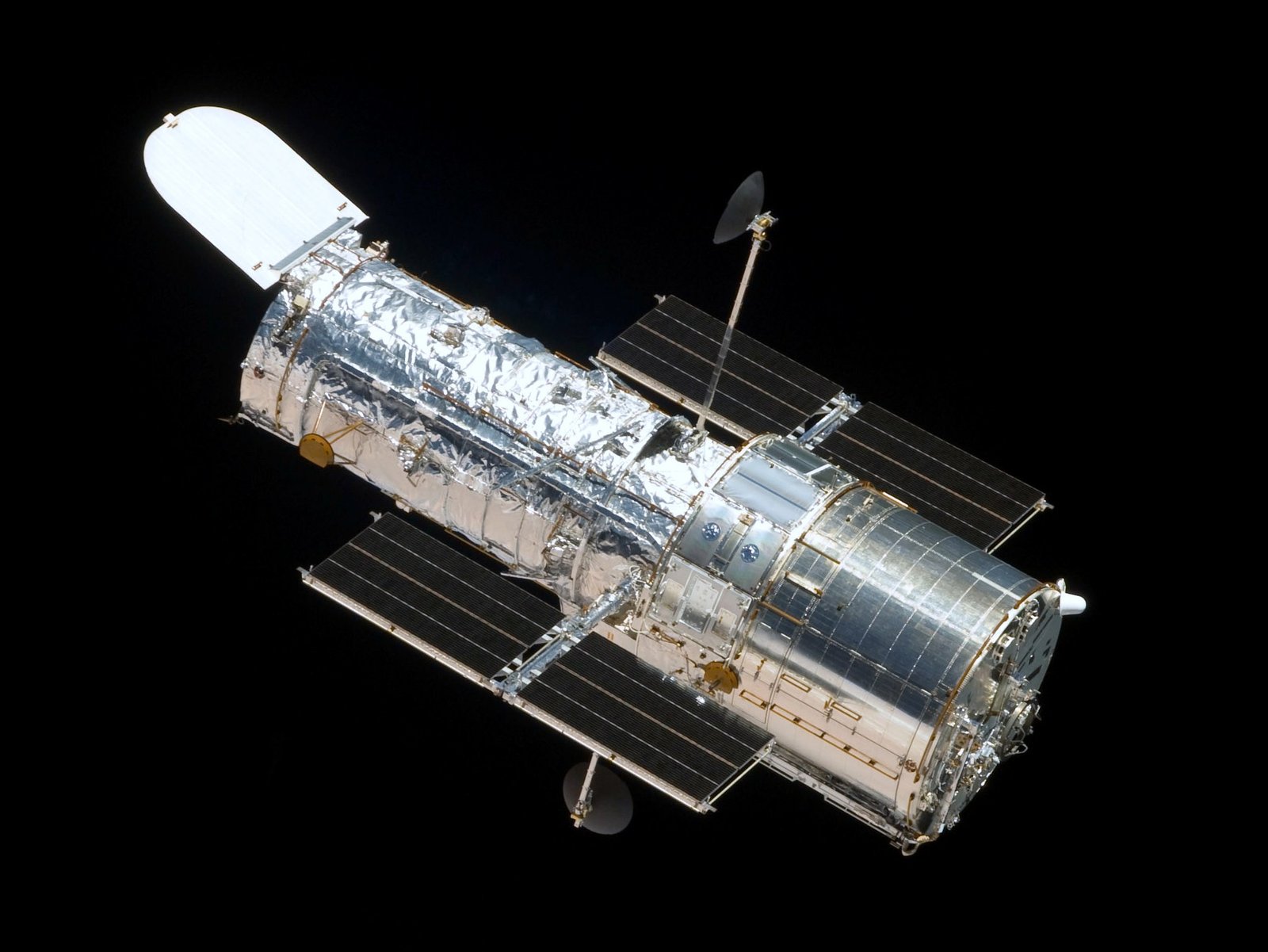
Next-generation telescopes promise to push our time machine even further into the past. Projects like the Extremely Large Telescope and space-based observatories will detect fainter, more distant objects than ever before. These instruments may show us the very first stars and galaxies, filling in gaps in our cosmic history.
Advanced techniques like interferometry and adaptive optics will sharpen our view of the distant universe, revealing details impossible to see with current technology. We may soon observe the formation of the first black holes and witness the epoch when the universe transitioned from darkness to light. Each technological advance extends our reach further back in time.
Personal Connection to Cosmic Time
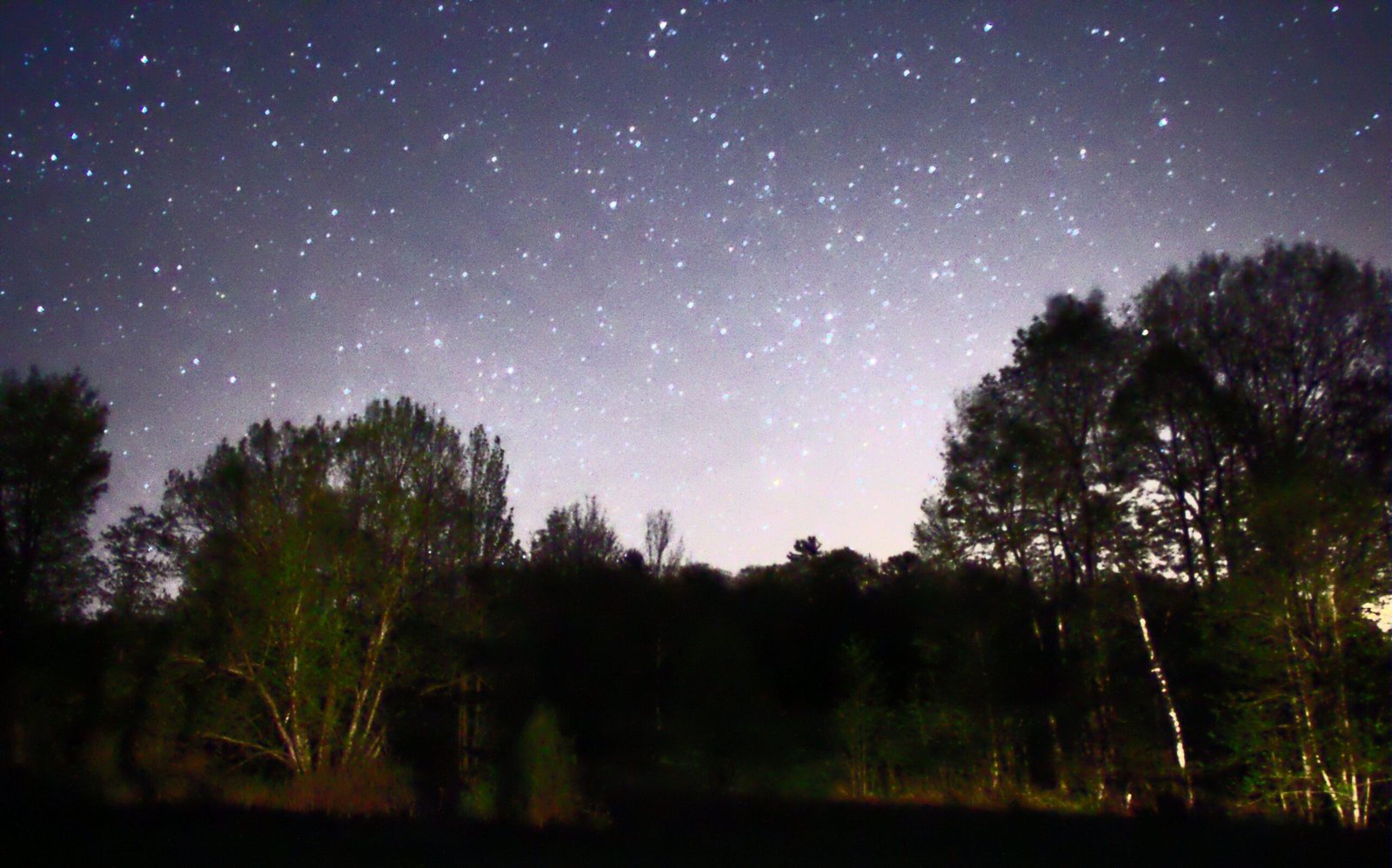
Every time you look up at the night sky, you’re participating in this cosmic time travel. The stars you see with your naked eye range from relatively nearby Vega at 25 light-years away to distant Deneb at over 1,400 light-years. Your eyes are naturally equipped time machines, showing you the galaxy as it existed across different epochs.
This perspective transforms stargazing from a simple hobby into a profound connection with cosmic history. When you spot the Orion Nebula through binoculars, you’re seeing star formation as it occurred 1,300 years ago. That light began its journey when the Tang Dynasty ruled China and Charlemagne was consolidating power in Europe.
The Ultimate Cosmic Library
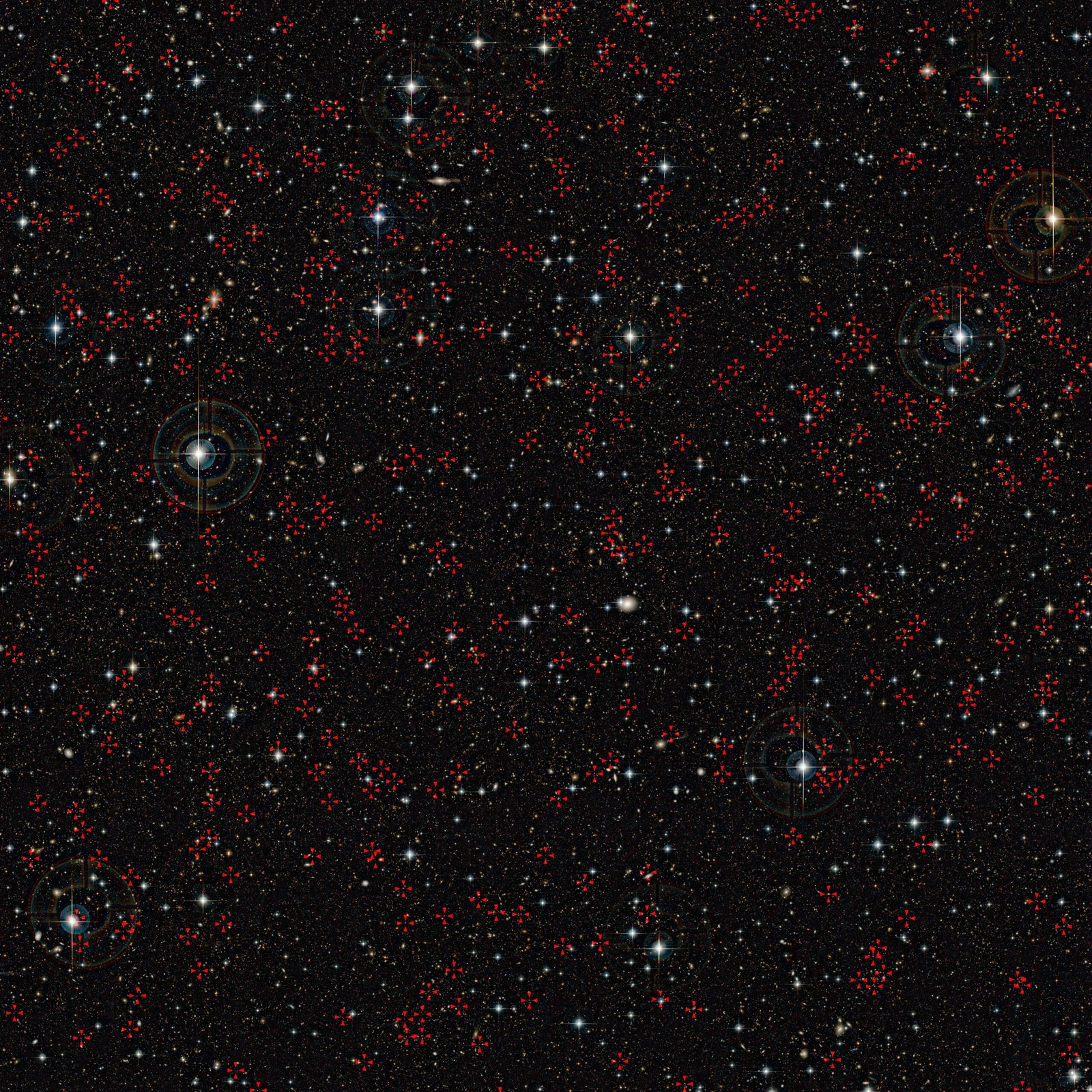
Telescopes function as more than instruments – they’re our means of accessing the universe’s ultimate library, where every photon carries information from the past. This cosmic archive contains the complete history of stars, galaxies, and the universe itself, written in the language of light across billions of years.
The data collected by these time machines will outlive the civilizations that built them, preserving cosmic history for future generations. Each observation adds another page to our understanding of how the universe evolved from its primordial state to the complex cosmos we observe today. Through telescopes, we become cosmic archaeologists, piecing together the grand story of everything that exists.
The next time you see a telescope pointed toward the heavens, remember that it’s not just looking at space – it’s looking back through time itself. Every photon it captures is a messenger from the past, carrying news of distant worlds and ancient events across the cosmic void. In this way, telescopes transform us all into time travelers, exploring the universe’s history one light-year at a time. What secrets from the cosmic past will tomorrow’s observations reveal?