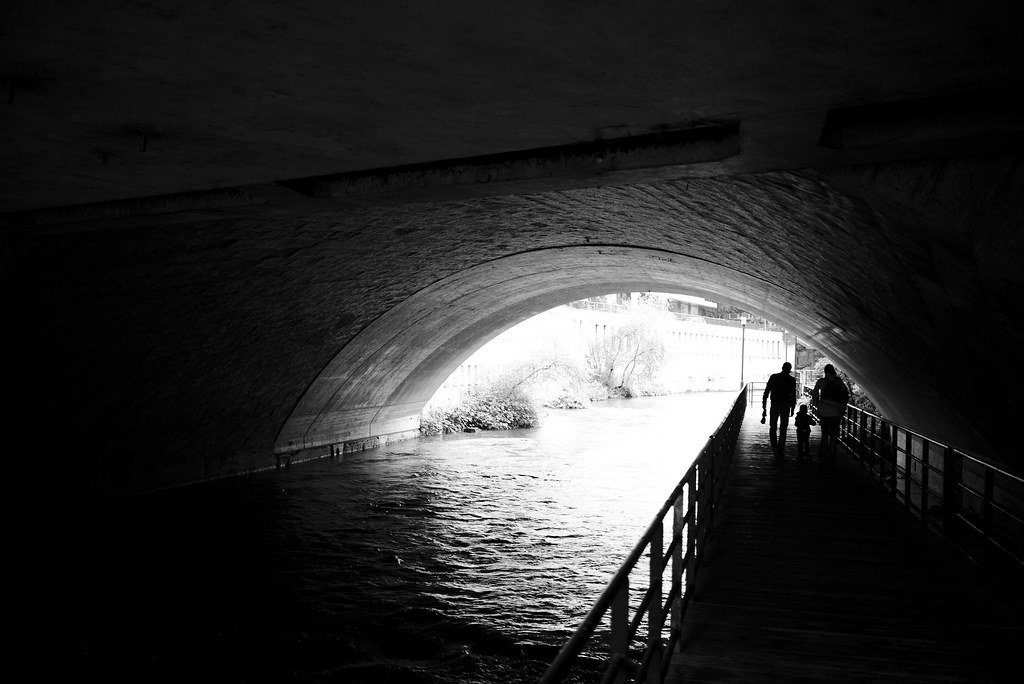

Europe is facing a pressing water scarcity challenge, driven by climate change, population growth, and industrial demands. Amidst this crisis, an unexpected solution is bubbling beneath Switzerland’s picturesque landscapes. The country’s underground rivers, hidden from view but brimming with potential, could offer a lifeline not just for Switzerland but for the entire continent. This article delves into how these subterranean networks could be harnessed to address Europe’s growing water shortages.
The Hidden Rivers of Switzerland

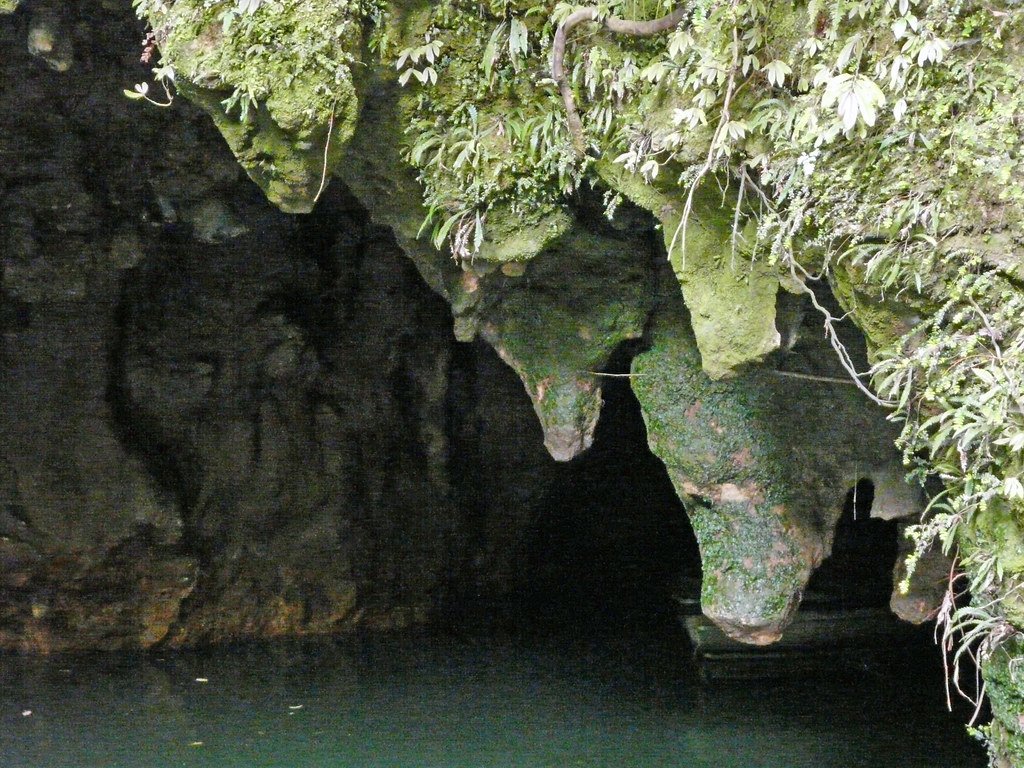
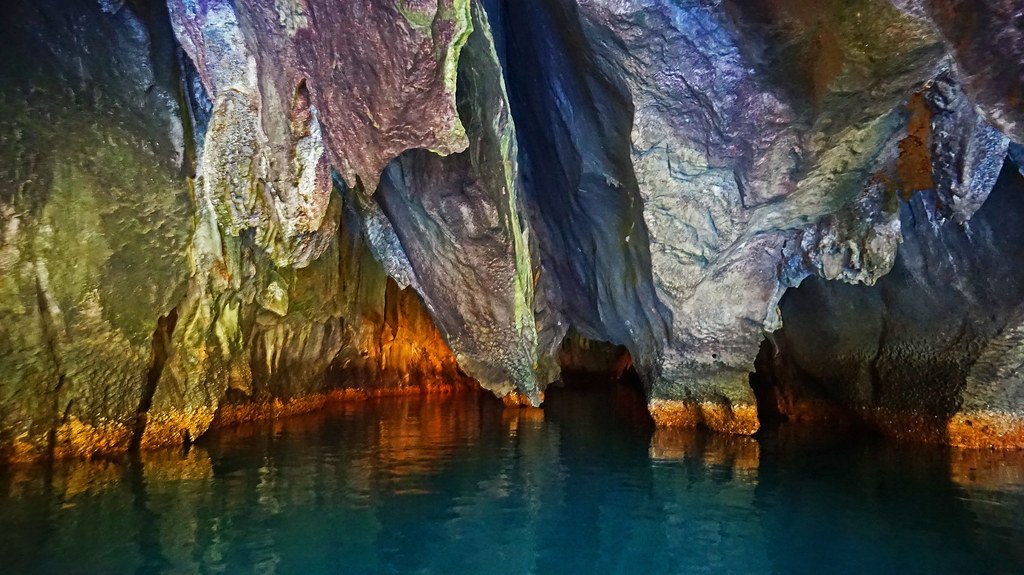
Beneath Switzerland’s stunning mountains and valleys lies an extensive network of underground rivers. These rivers are natural waterways that flow beneath the surface, often within limestone formations known as karst systems. These hidden rivers remain largely unknown to the general public yet represent a crucial part of the country’s hydrological system.
A Climate-Resilient Water Source
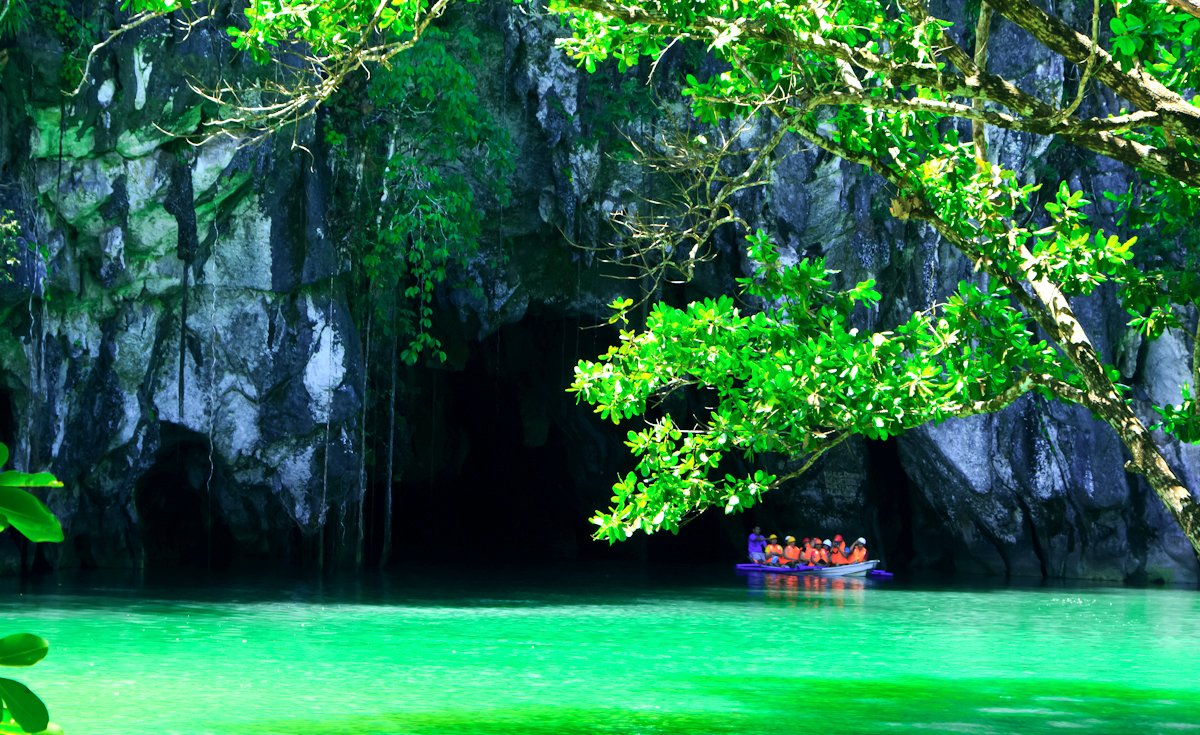
Unlike surface water sources, underground rivers are less susceptible to evaporation and contamination, making them a reliable water source even in changing climates. As Europe grapples with more frequent droughts and increasing temperatures, these subterranean aquifers could provide a consistent supply of fresh water.
Hydropower Potential
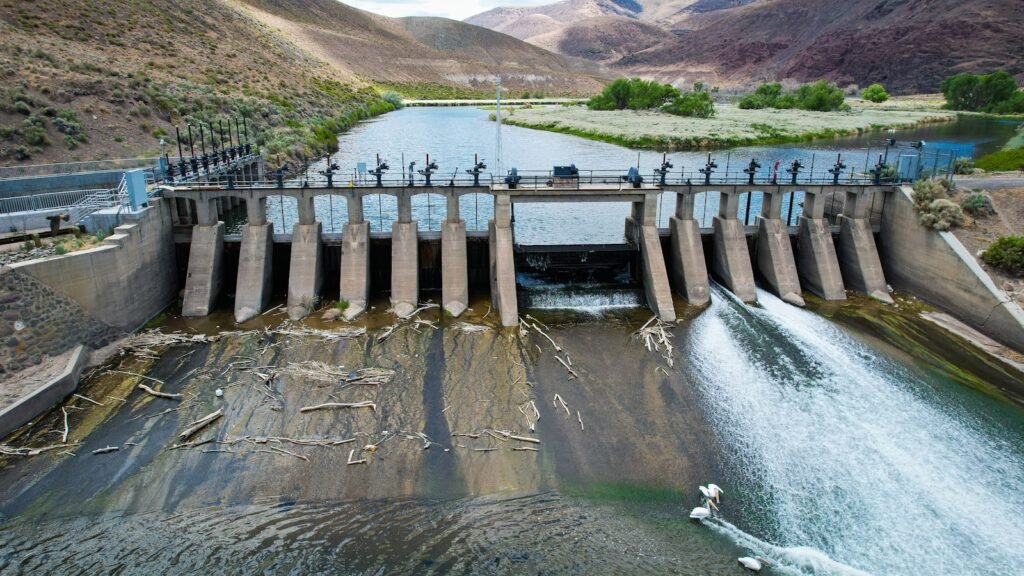
In addition to offering potable water, these underground rivers could be used to generate hydropower. By harnessing the flow of these rivers, Switzerland could not only meet its energy needs sustainably but also export renewable energy to neighboring countries, contributing to a greener Europe.
Innovative Engineering Solutions

To access and utilize these underground rivers, new engineering solutions are being developed. Advanced drilling technologies and sustainable infrastructure designs are enabling scientists and engineers to tap into these subterranean resources without disrupting the delicate ecological balance.
Cross-Border Collaboration

Switzerland’s underground rivers do not adhere to national borders, flowing beneath various European regions. This transboundary nature necessitates cross-border collaborations and policies to ensure equitable distribution and management of these water resources.
Environmental Impact and Sustainability

While tapping into underground rivers presents a promising solution to water scarcity, it must be balanced with ecological preservation. Researchers are studying the potential impacts on local ecosystems to ensure that this new water source is developed sustainably.
Leveraging Technology and Research

Ongoing research is crucial to unlocking the full potential of these underground rivers. With advancements in mapping technology, hydrogeologists can explore and characterize these complex systems, ensuring that they can be used efficiently and responsibly.
Addressing Europe’s Water Inequities
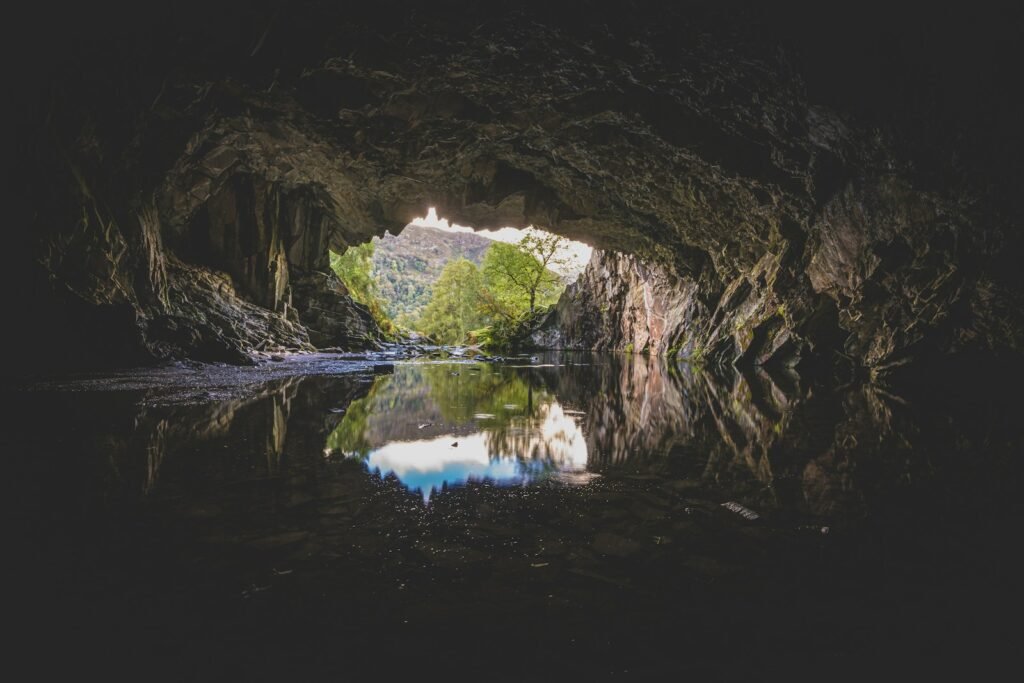
The availability of water varies widely across Europe, with southern regions experiencing acute shortages. Utilizing Switzerland’s underground rivers could help address these disparities by providing a new source of clean water to areas in dire need.
Economic Benefits
Beyond environmental and social impacts, developing these water resources could have significant economic benefits. Investing in infrastructure and technology to access underground rivers could stimulate job creation and promote economic growth in water-scarce regions.
A Model for Global Water Management
Switzerland’s exploration of its underground rivers could serve as a model for other countries facing similar challenges. By demonstrating effective technology deployment and cross-border water management, Switzerland could lead the way in global water resource strategies.
Public Awareness and Education

Public awareness campaigns are necessary to inform citizens about the potential and importance of underground rivers. Educating the public and policymakers alike can foster support for initiatives to develop and protect these valuable resources.
Strengthening Water Governance

Effective governance frameworks will be crucial to managing the development and distribution of water from underground rivers. Establishing clear policies and regulatory frameworks will ensure sustainable and equitable use that benefits all stakeholders.
Conclusion: A Blueprint for Sustainable Water Solutions

Harnessing Switzerland’s underground rivers offers a promising and innovative solution to Europe’s water crisis. By leveraging advanced technology, fostering international collaboration, and ensuring sustainable practices, these hidden water sources could play a pivotal role in addressing the continent’s growing water scarcity. As Switzerland leads the charge, it offers a hopeful glimpse into how innovative, cooperative efforts can overcome the world’s environmental challenges, setting a precedent for sustainable water management globally.