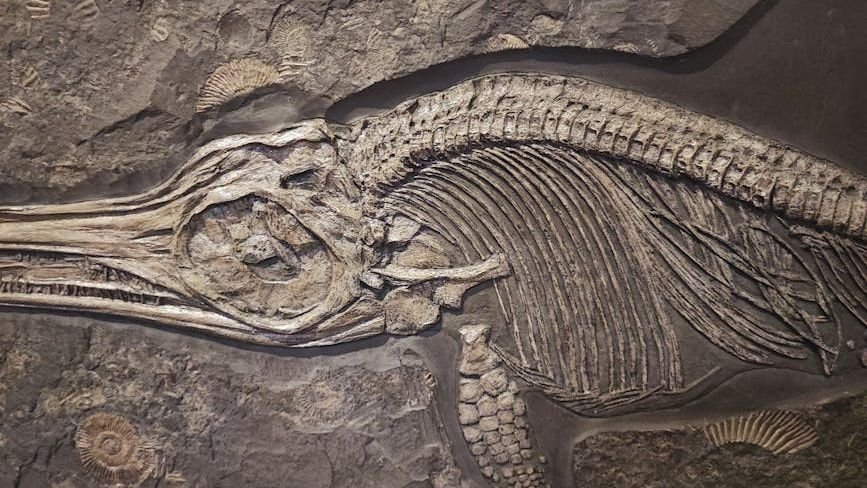
Have you ever wondered what the world would be like if dinosaurs still roamed the earth? Many of us have imagined these majestic creatures, but what if I told you that recent discoveries about fossil feathers are reshaping our understanding of their intelligence and behavior? It’s a captivating revelation that challenges our long-held perceptions and paints a vivid picture of these ancient giants as more than just lumbering beasts. Let’s delve into this exciting world where feathers are more than just remnants of the past; they’re keys to unlocking the secrets of dinosaur minds.
The Surprising Discovery of Dinosaur Feathers

When we think of dinosaurs, we often imagine scaly, reptilian giants. However, the discovery of fossilized feathers has turned this image on its head. Paleontologists have found evidence that many dinosaurs, including the fearsome Velociraptor, had feathers. These feathers were not just for decoration; they played a crucial role in the dinosaur’s life. This discovery is akin to finding a hidden chapter in a beloved book, revealing details that change the entire story. Feathers suggest that dinosaurs were more bird-like than previously thought, hinting at a level of intelligence and adaptability that we are only beginning to understand.
Feathers as Indicators of Social Behavior

Feathers on dinosaurs weren’t just for show; they served multiple purposes, including social interaction. Much like birds today, dinosaurs likely used their feathers for communication and mating displays. Imagine a dinosaur fluffing its feathers to attract a mate or assert dominance, much like a peacock showing off its plumage. This behavior indicates a level of social complexity that challenges the stereotype of dinosaurs as solitary hunters. By studying these feather patterns, scientists gain insights into the social structures and interactions that may have existed millions of years ago.
Thermoregulation and Survival

Feathers are excellent insulators, and their presence on dinosaurs suggests that they played a vital role in thermoregulation. In the ever-changing climate of the prehistoric world, maintaining body temperature was crucial for survival. Feathers allowed dinosaurs to adapt to various environments, from the sweltering heat of the Jurassic period to the chilly climes of the Cretaceous. This adaptability points to a level of intelligence where dinosaurs could survive and thrive in diverse conditions, showcasing their ability to evolve and innovate.
The Aerodynamic Advantage

While not all feathered dinosaurs could fly, feathers provided an aerodynamic advantage. Some species, like the Archaeopteryx, used their feathers to glide short distances, escaping predators or hunting prey. This ability to navigate the skies, even in a limited capacity, suggests a strategic use of resources and an understanding of their environment. It’s a testament to the cunning and intelligence that these creatures possessed, challenging the notion of dinosaurs as mere brutes.
Feather Pigmentation and Communication

Recent studies have revealed that dinosaur feathers were not just monochrome; they were vibrant and colorful. The pigmentation in these feathers indicates a complex system of communication, where colors conveyed messages to other dinosaurs. This use of color for signaling is a behavior seen in many intelligent species today, such as parrots and chameleons. It suggests that dinosaurs had the cognitive ability to use visual cues for social interaction, further highlighting their intelligence.
The Evolutionary Link to Birds

The presence of feathers in dinosaurs strengthens the evolutionary link between these ancient creatures and modern birds. It’s a fascinating connection that underscores the continuity of life on Earth. By studying fossil feathers, scientists can trace the lineage of birds back to their dinosaur ancestors, revealing the gradual evolution of traits that we see in birds today. This evolutionary perspective provides a deeper understanding of how intelligence and behavior have developed over millions of years.
Reconstructing Dinosaur Behavior Through Feathers

Fossil feathers are not just relics of the past; they are windows into the lives of dinosaurs. By examining the structure and distribution of these feathers, scientists can reconstruct how these creatures lived, hunted, and interacted. It’s like piecing together a complex puzzle, where each feather provides a clue to the broader picture. This reconstruction offers a glimpse into the daily lives of dinosaurs, revealing behaviors that were once shrouded in mystery.
Implications for Understanding Dinosaur Intelligence

The study of fossil feathers has profound implications for understanding dinosaur intelligence. These creatures were not mindless predators; they exhibited behaviors that required problem-solving and social interaction. The presence of feathers suggests that dinosaurs had the cognitive abilities to adapt, communicate, and thrive in their environments. This newfound understanding challenges the traditional view of dinosaurs as simple creatures, opening the door to a more nuanced perspective of their intelligence.
The Role of Technology in Fossil Feather Research
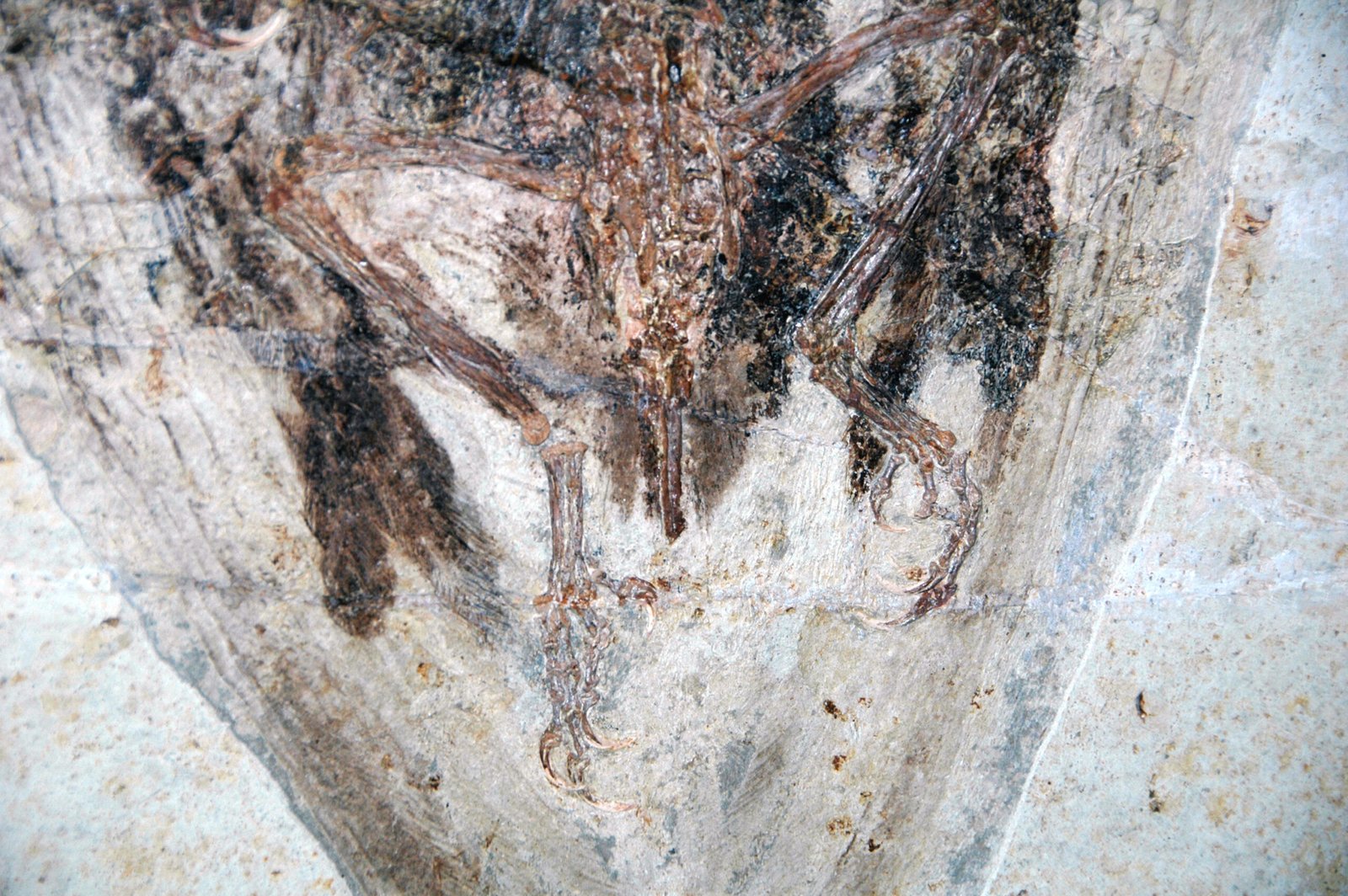
Advancements in technology have revolutionized the study of fossil feathers. Techniques such as scanning electron microscopy and chemical analysis allow scientists to examine feathers at a molecular level. These technologies reveal details about feather composition, pigmentation, and structure that were previously inaccessible. By leveraging these tools, researchers can uncover new insights into dinosaur behavior and intelligence, pushing the boundaries of what we know about these ancient creatures.
The Future of Dinosaur Research

As we continue to study fossil feathers, the future of dinosaur research looks promising. Each discovery adds a new layer to our understanding, painting a richer picture of these fascinating creatures. The study of feathers not only enhances our knowledge of dinosaurs but also inspires a sense of wonder and curiosity about the natural world. It’s a reminder that there is still so much to learn, and that the past holds the key to unlocking the mysteries of life on Earth.