The Doñana National Park in Spain, a UNESCO World Heritage site and one of Europe’s most treasured ecological gems, is currently grappling with an unprecedented water crisis that threatens its rich biodiversity and delicate ecosystems. This situation has arisen from a combination of factors, including climate change, illegal water extraction, and agricultural pressures. In this article, we will delve deeply into the roots of this crisis, its impact on the environment, and potential solutions.
Understanding Doñana National Park
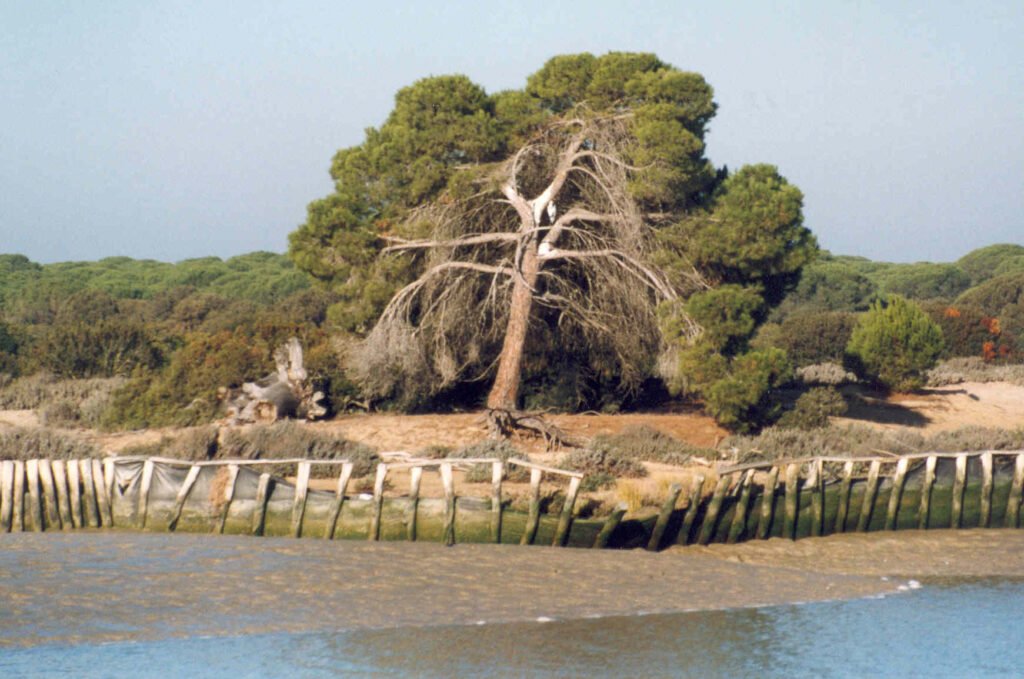
Doñana National Park is located in Andalusia, Spain, and is renowned for its wetlands, diverse habitats, and unique flora and fauna. It spans over 540 square kilometers and serves as a critical stopover for migratory birds traveling between Europe and Africa. Among its vast array of wildlife, the park is home to the endangered Iberian lynx and the Spanish imperial eagle.
The Role of Water in Doñana

Water is the lifeline of Doñana National Park, sustaining its marshes, lagoons, and forests. The park’s wetlands are fed by the Guadalquivir River and rainfall, creating a rich environment that supports a wide array of plant and animal species. These water systems are especially crucial for breeding birds and provide habitat for many aquatic species.
Emergence of the Water Crisis

The water crisis in Doñana has emerged from a complex interplay of factors. Initially, the reduction of river inflows due to infrastructural changes, such as damming upstream, began to affect the park’s water levels. Subsequently, illegal wells and irrigation for intensive agriculture, particularly strawberry farming, have diverted significant amounts of water from the park, exacerbating the scarcity.
Climate Change: A Compounding Factor

Climate change further aggravates the situation by altering rainfall patterns and increasing temperatures, leading to prolonged droughts in the region. These changes reduce the natural replenishment of the park’s water systems, putting additional pressure on the already dwindling water resources.
Effects on Biodiversity
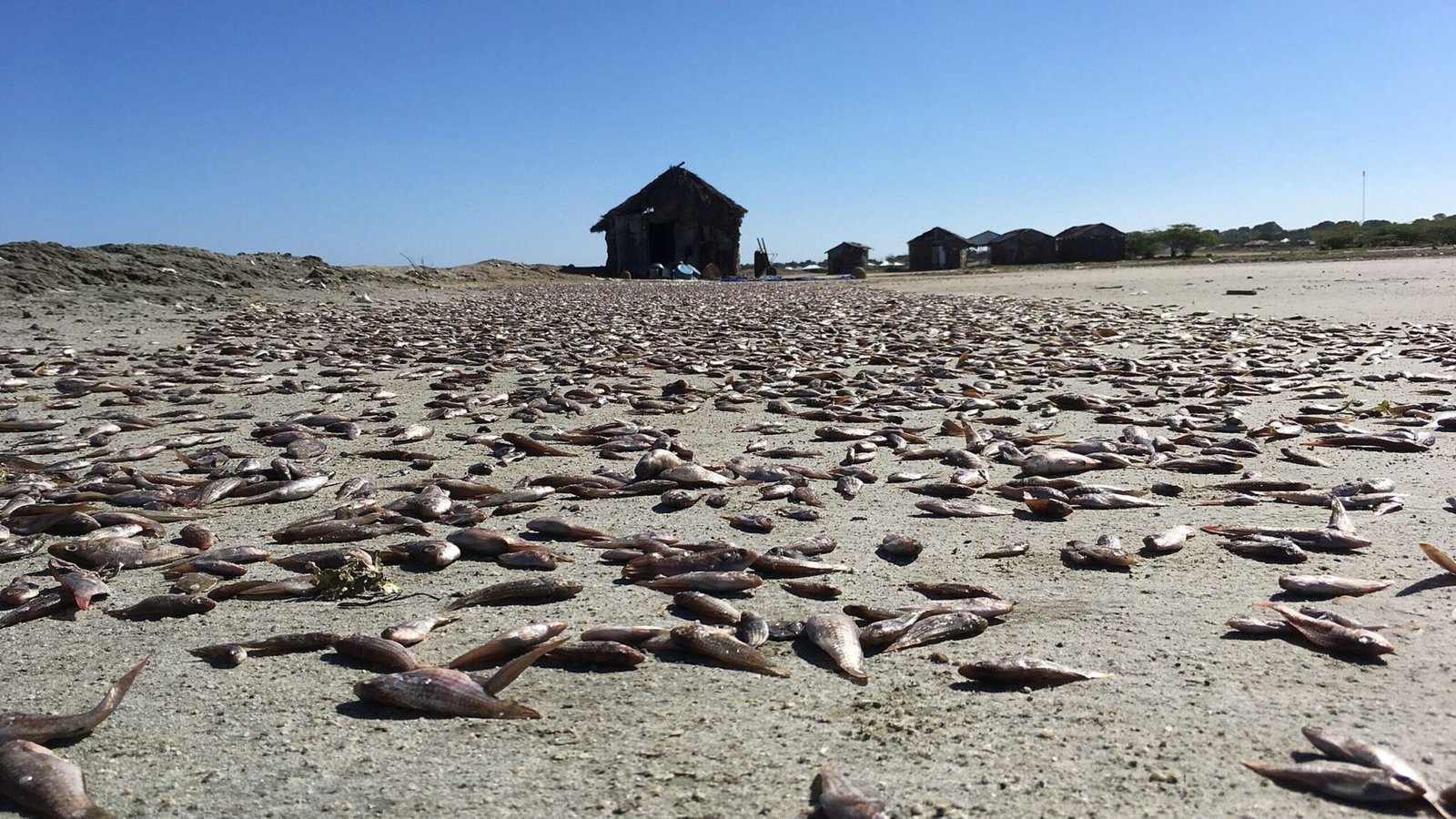
The water shortage in Doñana poses severe threats to its biodiversity. As water bodies shrink, habitats for many species are lost, leading to dwindling populations of birds, fish, and other wildlife. The Iberian lynx, the world’s most endangered feline, also faces increased risk as its habitat diminishes.
Impact on Local Communities and Agriculture
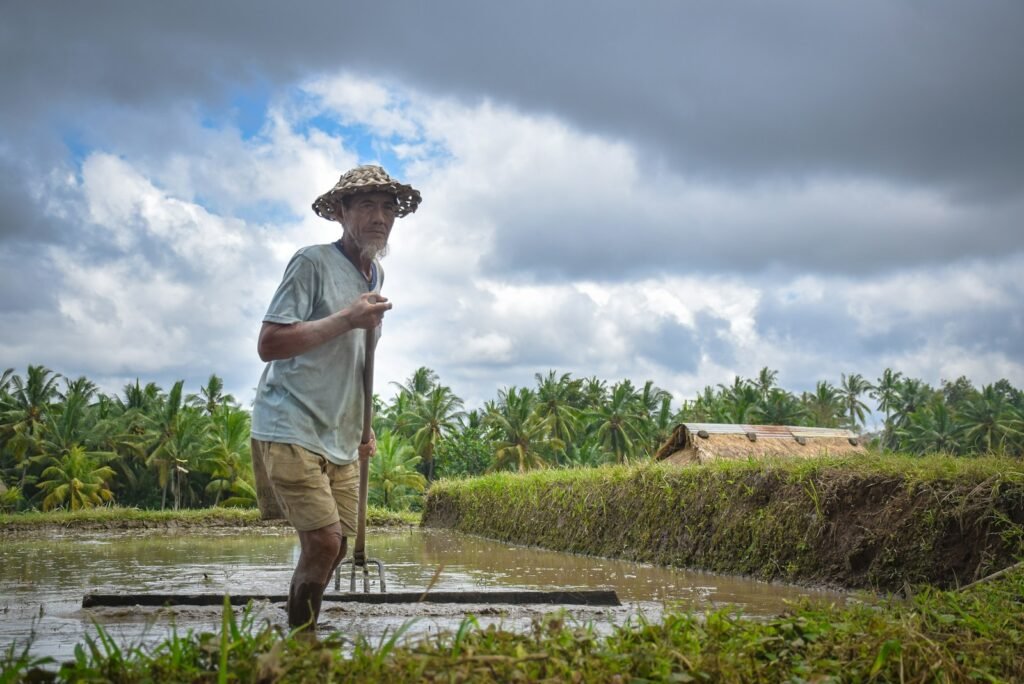
Beyond environmental concerns, local communities and farmers are also affected by the water crisis. Agriculture, particularly the cultivation of strawberries, tomatoes, and rice, depends heavily on irrigation. As water becomes scarce, conflicts over its allocation arise, affecting livelihoods and food production.
Conservation Efforts
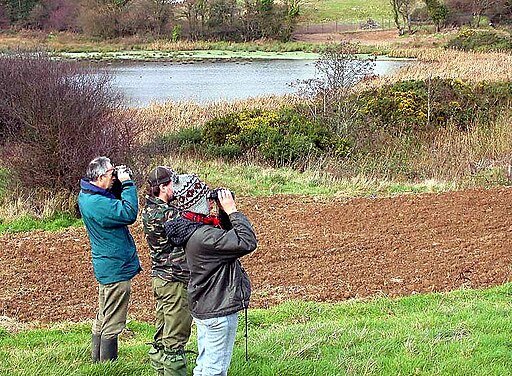
Efforts are underway to address the water crisis in Doñana. The Spanish government, along with conservation organizations, is working to close illegal wells and promote sustainable water management practices. Additionally, environmental groups are advocating for increased protection of the park’s natural resources.
International Attention and Support

The plight of Doñana has attracted international attention, drawing support and expertise from global conservation entities. Collaborative efforts aim to find innovative solutions that balance ecological preservation with human needs.
The Importance of Sustainable Practices

Implementing sustainable agricultural practices is critical to reducing water consumption. Techniques such as drip irrigation, crop rotation, and the use of drought-resistant plant varieties can help mitigate the impact on Doñana’s ecosystems while supporting agricultural productivity.
The Role of Policy and Legislation
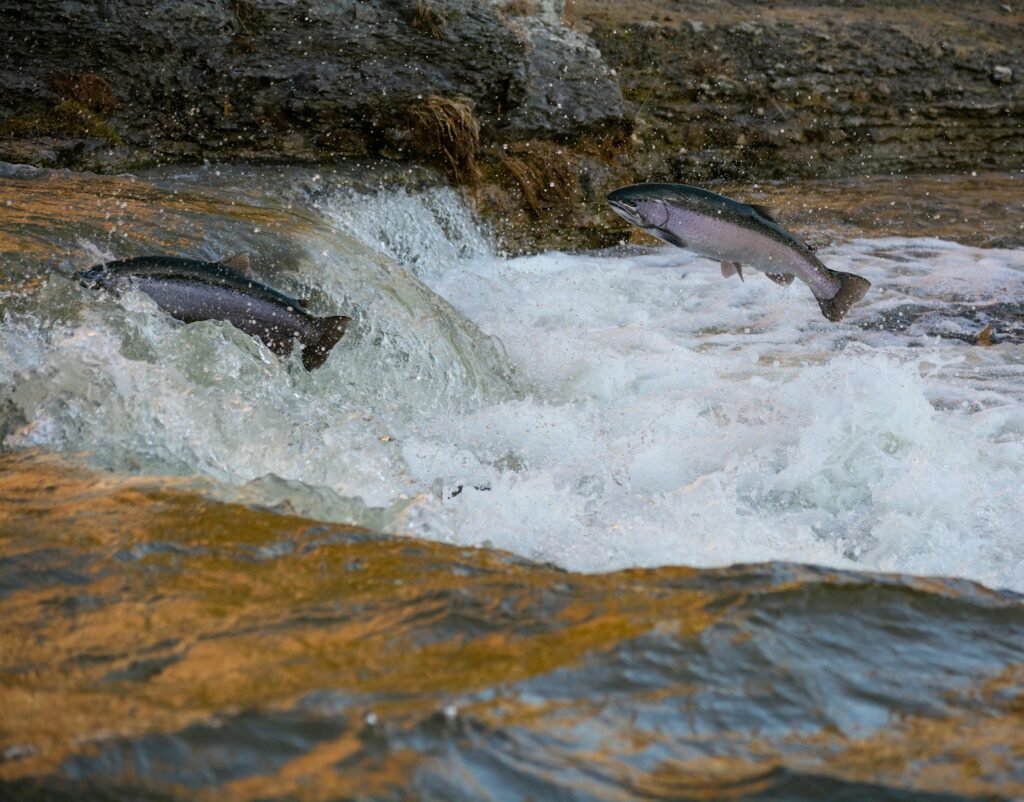
Robust policy and legislative measures are essential to safeguarding Doñana. Enforcing laws against illegal water extraction and setting strict limits on water use are vital steps in ensuring the long-term sustainability of the park’s resources.
Future Prospects for Doñana
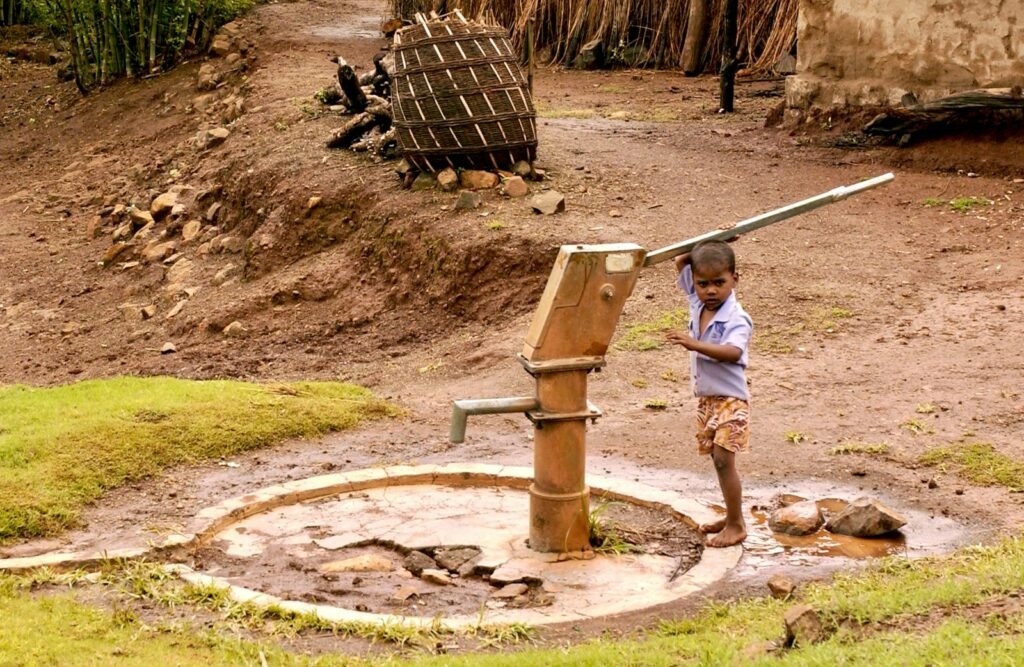
While the challenges are significant, the future of Doñana National Park hinges on collective action and commitment to conservation. With continued efforts and strategic interventions, there is hope for restoring and preserving this invaluable ecological treasure for generations to come.
Conclusion
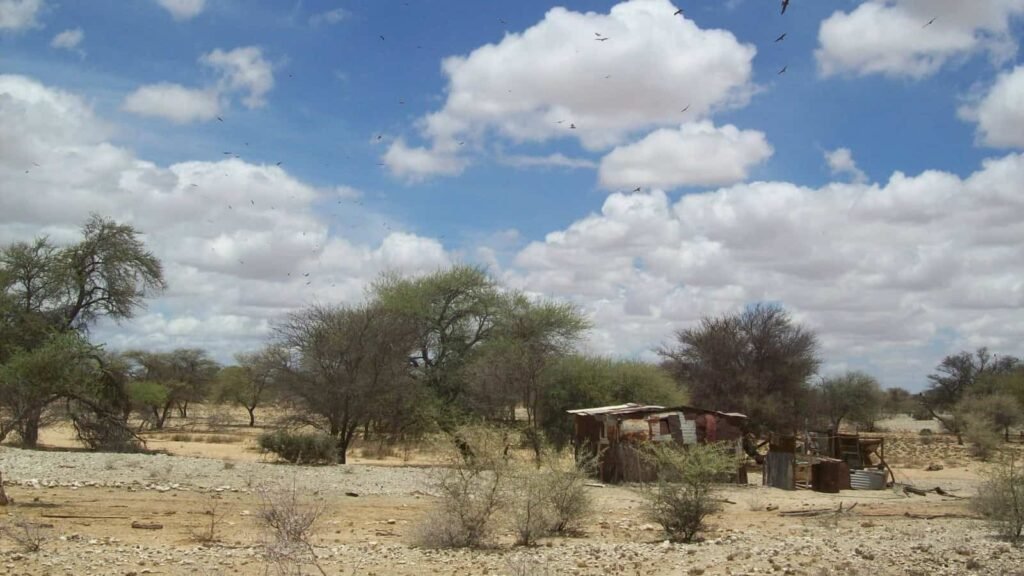
The water crisis facing Spain’s Doñana National Park is a multifaceted issue that threatens its biodiversity and ecological integrity. Understanding the underlying causes is crucial for developing effective solutions. Through a combination of sustainable practices, policy enforcement, and international collaboration, it is possible to mitigate the crisis and protect Doñana’s rich and diverse ecosystems. The park stands as a vital symbol of natural beauty and ecological importance; preserving it should be a global priority.