
Imagine a creature so clever, so astonishingly resourceful, that it can steal the very essence of another organism and make it its own. This isn’t a tale from science fiction—it’s the true story of sea slugs, those delicate, colorful wonders of the ocean, who have defied nature’s rules by borrowing genes and powers from the plants they eat. Yes, you read that right: some sea slugs have figured out how to turn themselves into living solar panels, blending the lines between animal and plant in a way that feels almost magical. If you thought the ocean was full of surprises, prepare to have your mind blown.
The Ocean’s Dazzling Masters of Disguise
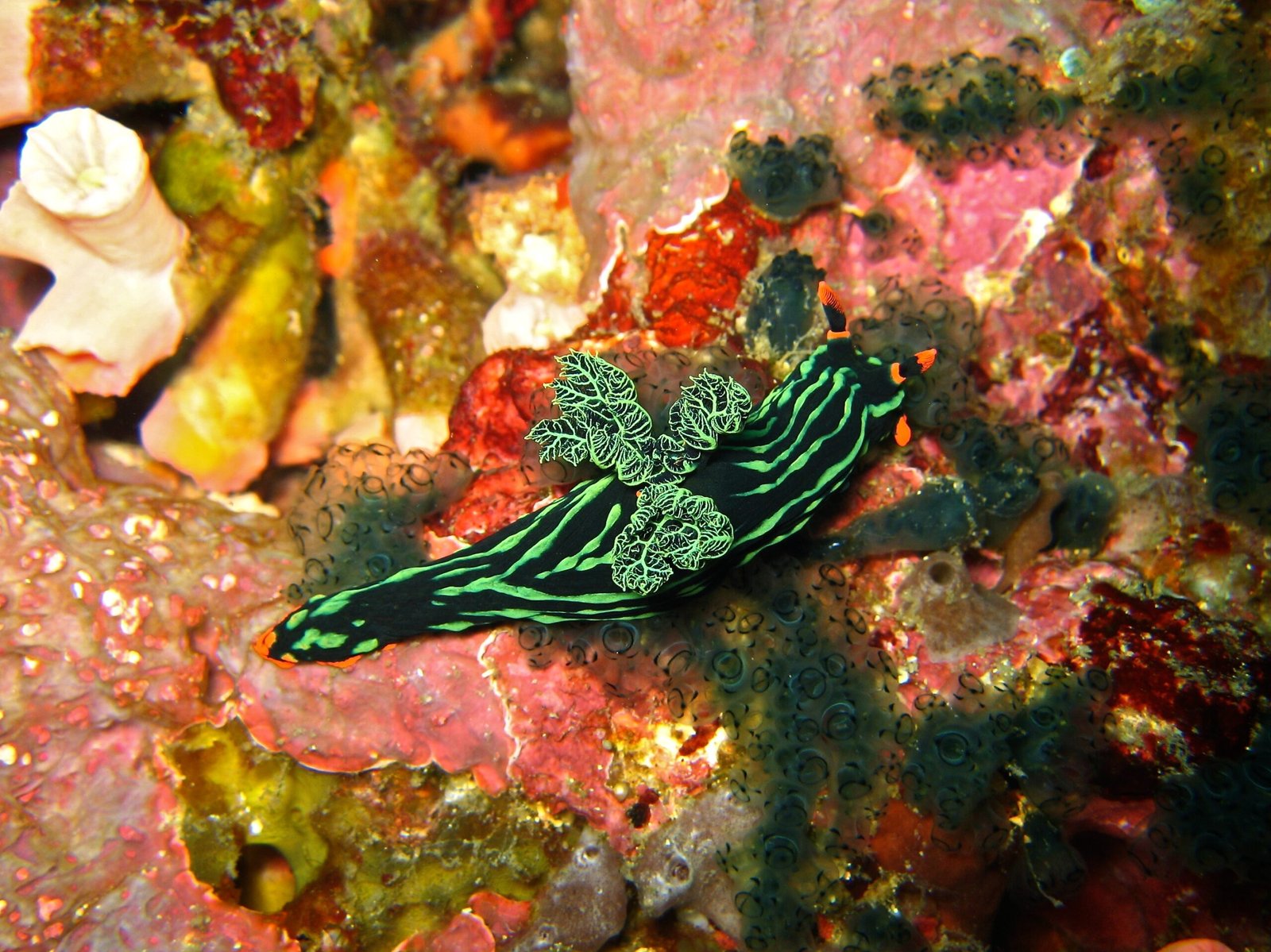
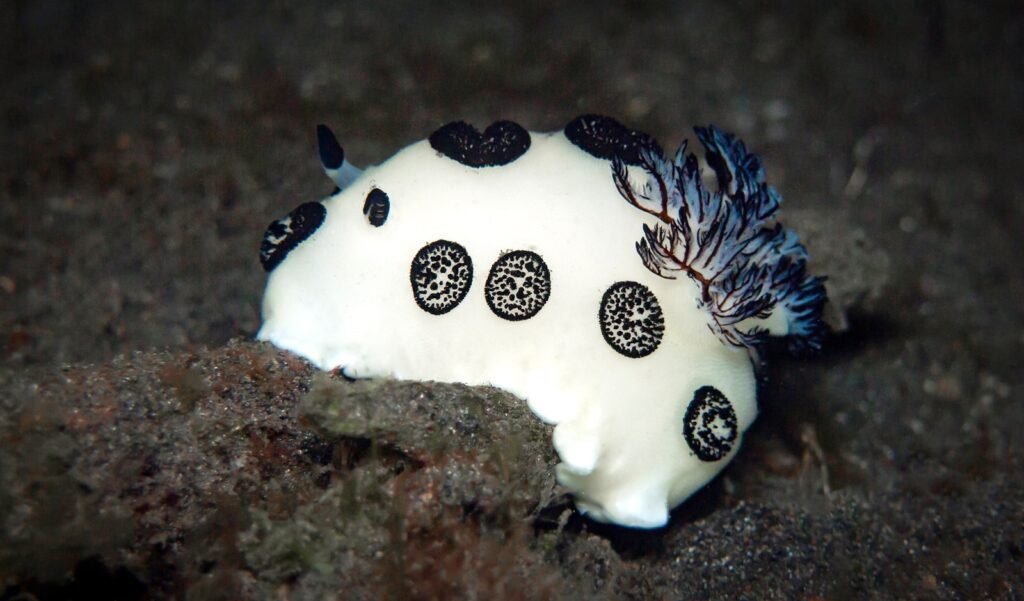
Sea slugs, or sacoglossan mollusks, are some of the most spectacularly colorful animals you’ll ever find underwater. Their vibrant patterns aren’t just for show—they often mimic the seaweed and algae they feed on, making them masters of camouflage. But their tricks go far beyond blending in. Some sea slugs have developed astonishing ways to borrow more than just the appearance of their food. They take in the very machinery that powers the plants’ lives, blurring the line between eating and becoming.
A Green Twist: Animals That Photosynthesize
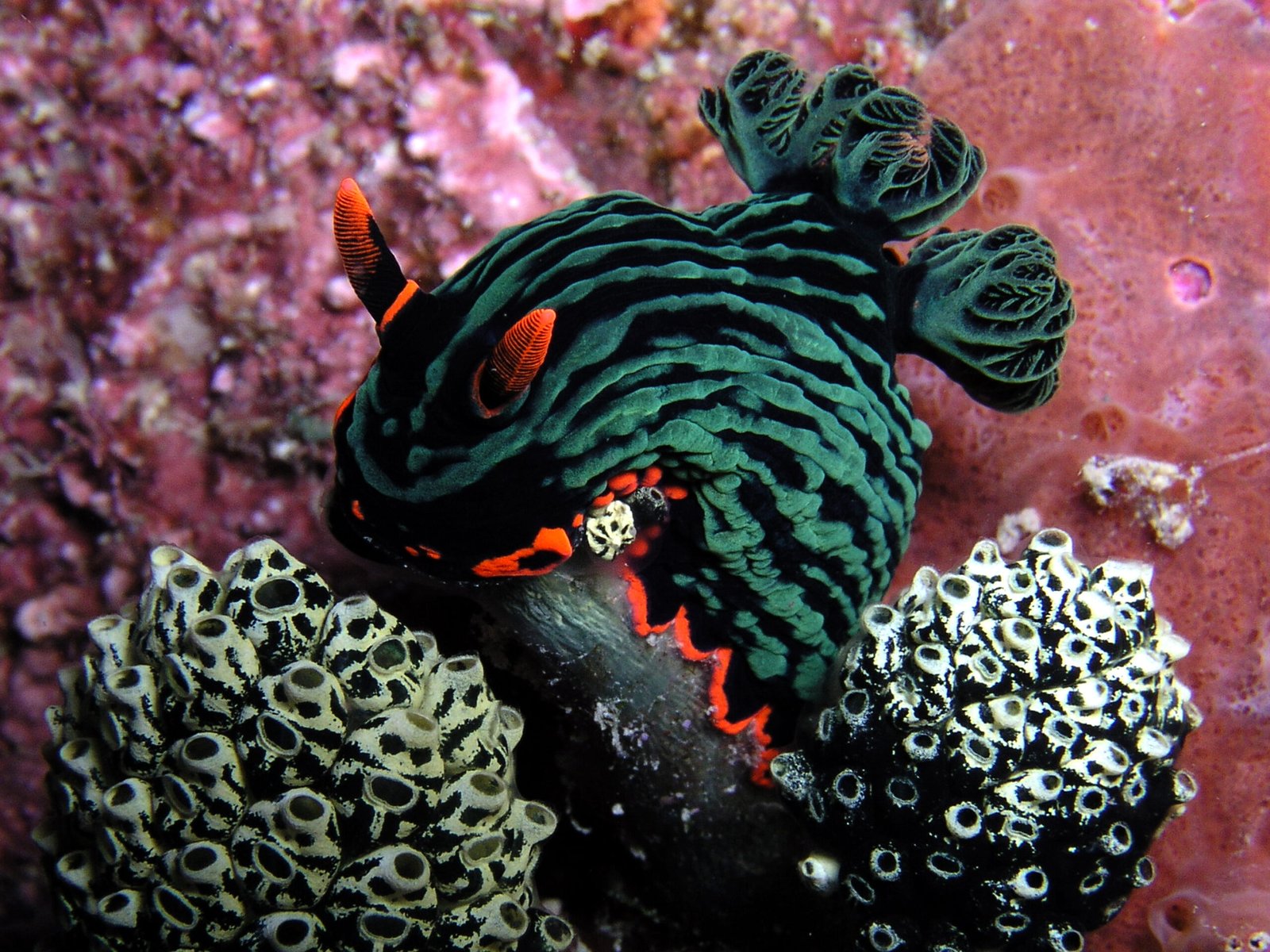
It sounds like a fairy tale, but there are sea slugs that can photosynthesize just like plants. The species Elysia chlorotica is the poster child for this phenomenon. After munching on green algae, these slugs incorporate the algae’s chloroplasts—the tiny solar panels inside plant cells—into their own bodies. With sunlight and some clever biochemistry, these slugs can survive for months by turning sunlight into energy, just like a houseplant basking on a windowsill.
What Are Chloroplasts, Anyway?
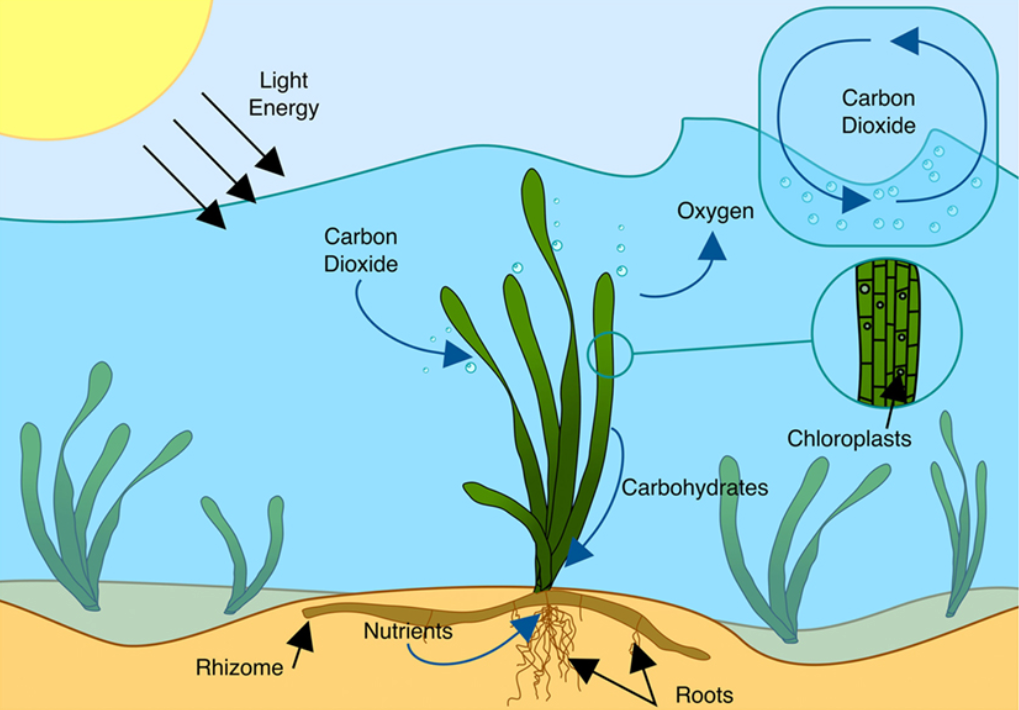
Chloroplasts are microscopic powerhouses found in the cells of plants and algae. Their main job? Capturing sunlight and transforming it into chemical energy through the process of photosynthesis. For most animals, eating a plant just means digesting it for fuel. But some sea slugs have evolved to hang onto these chloroplasts, keeping them alive and functioning inside their own cells. It’s as if you ate spinach and started growing your own leafy solar panels.
Kleptoplasty: The Art of Cellular Theft
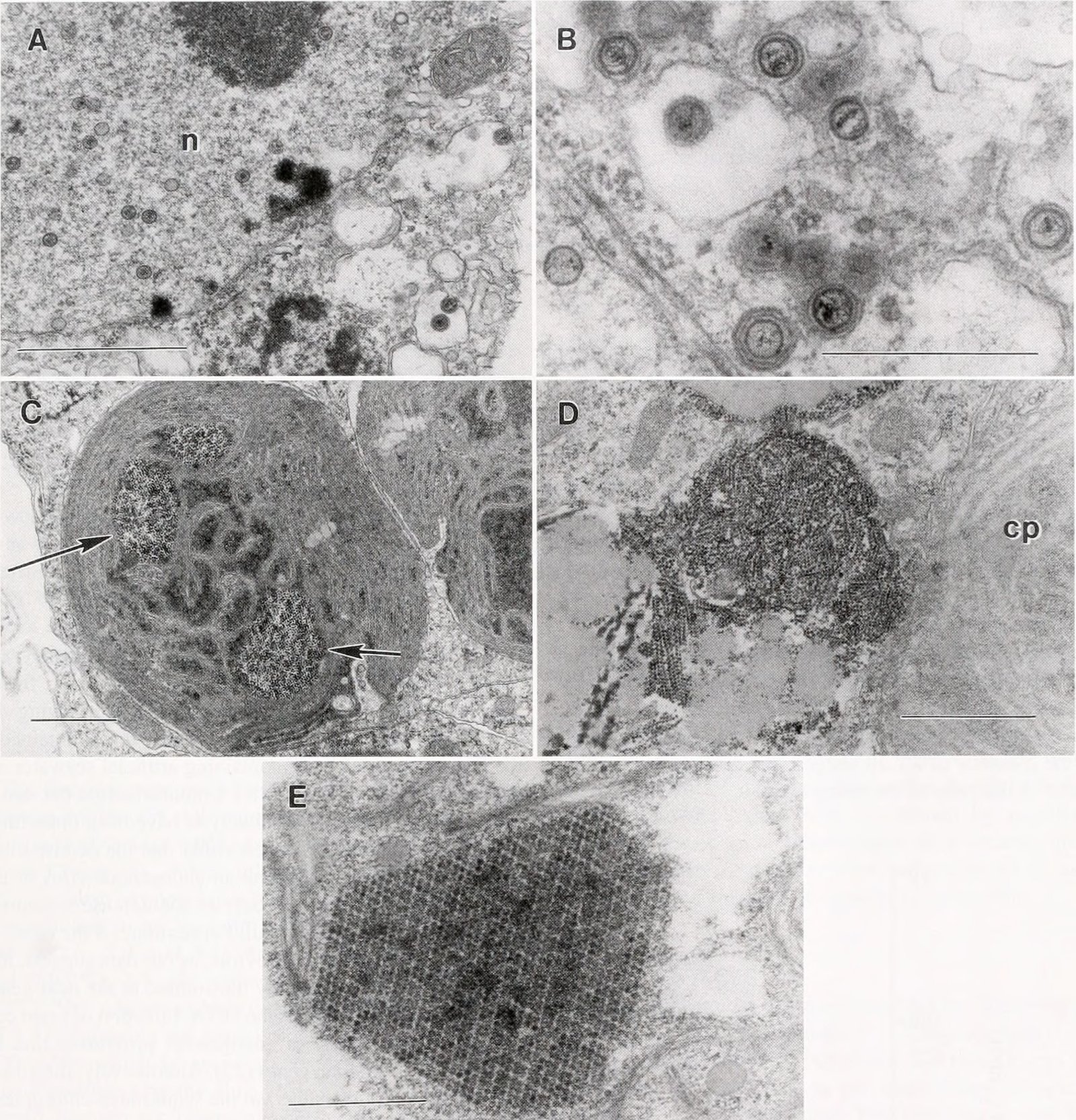
Scientists have a name for the sea slug’s unique trick: kleptoplasty. The word comes from the Greek “kleptes,” meaning thief, and “plastos,” meaning formed. In this biological heist, sea slugs don’t just digest their food—they extract the chloroplasts from algae and stash them in their own tissues. These stolen organelles can keep working for weeks or even months, providing the slug with free energy straight from the sun.
Gene Borrowing: Fact or Fiction?
For years, researchers debated whether sea slugs simply borrowed chloroplasts or if they actually incorporated algal genes into their own DNA. Recent studies have revealed a mind-boggling twist: certain sea slug species seem to have acquired genes from algae, allowing them to maintain the chloroplasts for longer periods. This gene transfer, called horizontal gene transfer, is rare in animals and shakes up our understanding of evolution and inheritance.
The Science Behind Horizontal Gene Transfer
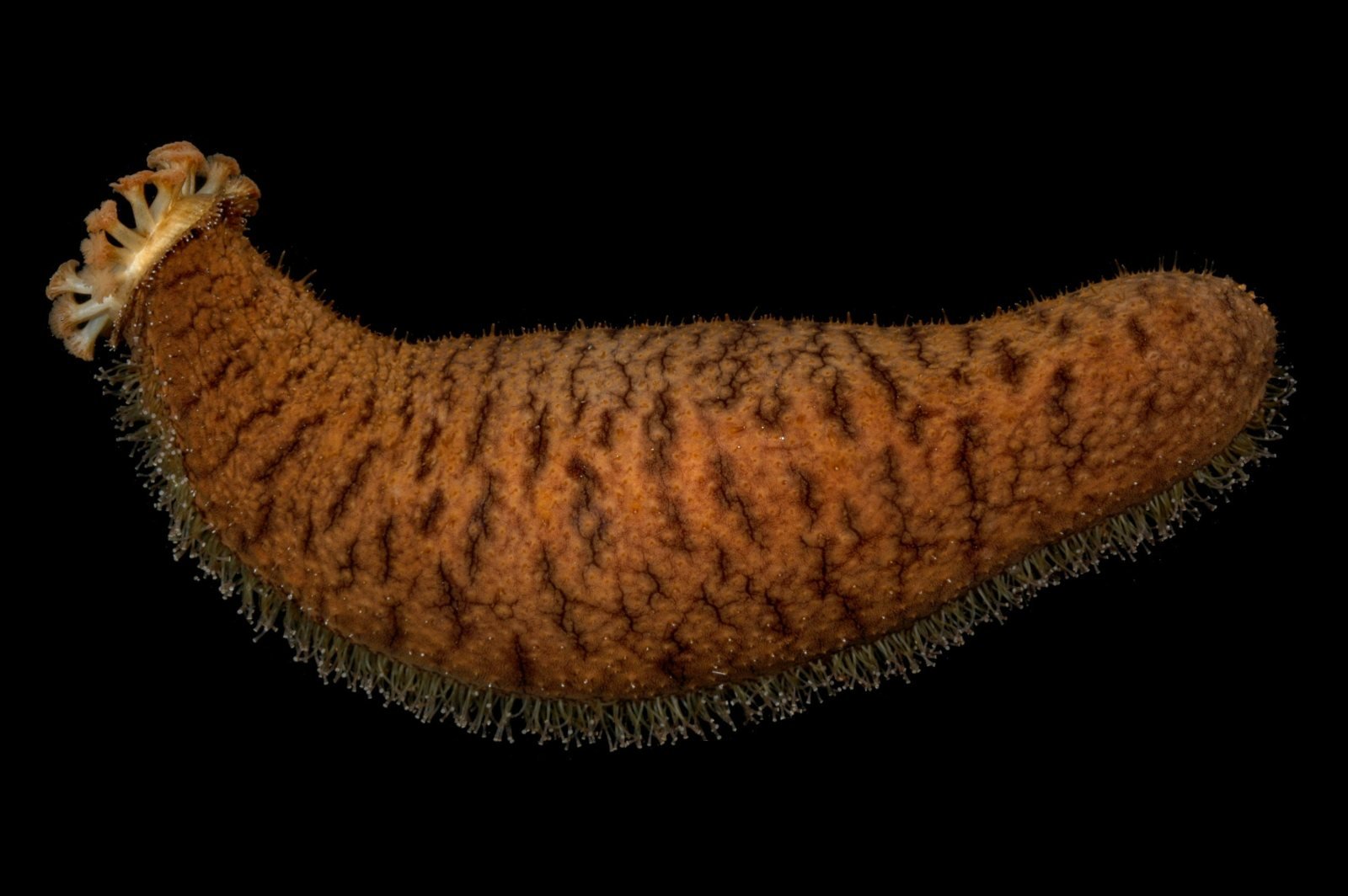
Normally, animals inherit genes from their parents, passing DNA down like a family heirloom. But horizontal gene transfer is different—it’s like picking up a new recipe from your neighbor and teaching it to your kids. In the case of sea slugs, some of the genes that help keep the chloroplasts alive appear to have jumped from the algae into the slug’s genome. It’s a move straight out of a science fiction plot, but it’s happening in the wild today.
Living Solar Panels: How Slugs Use Sunlight
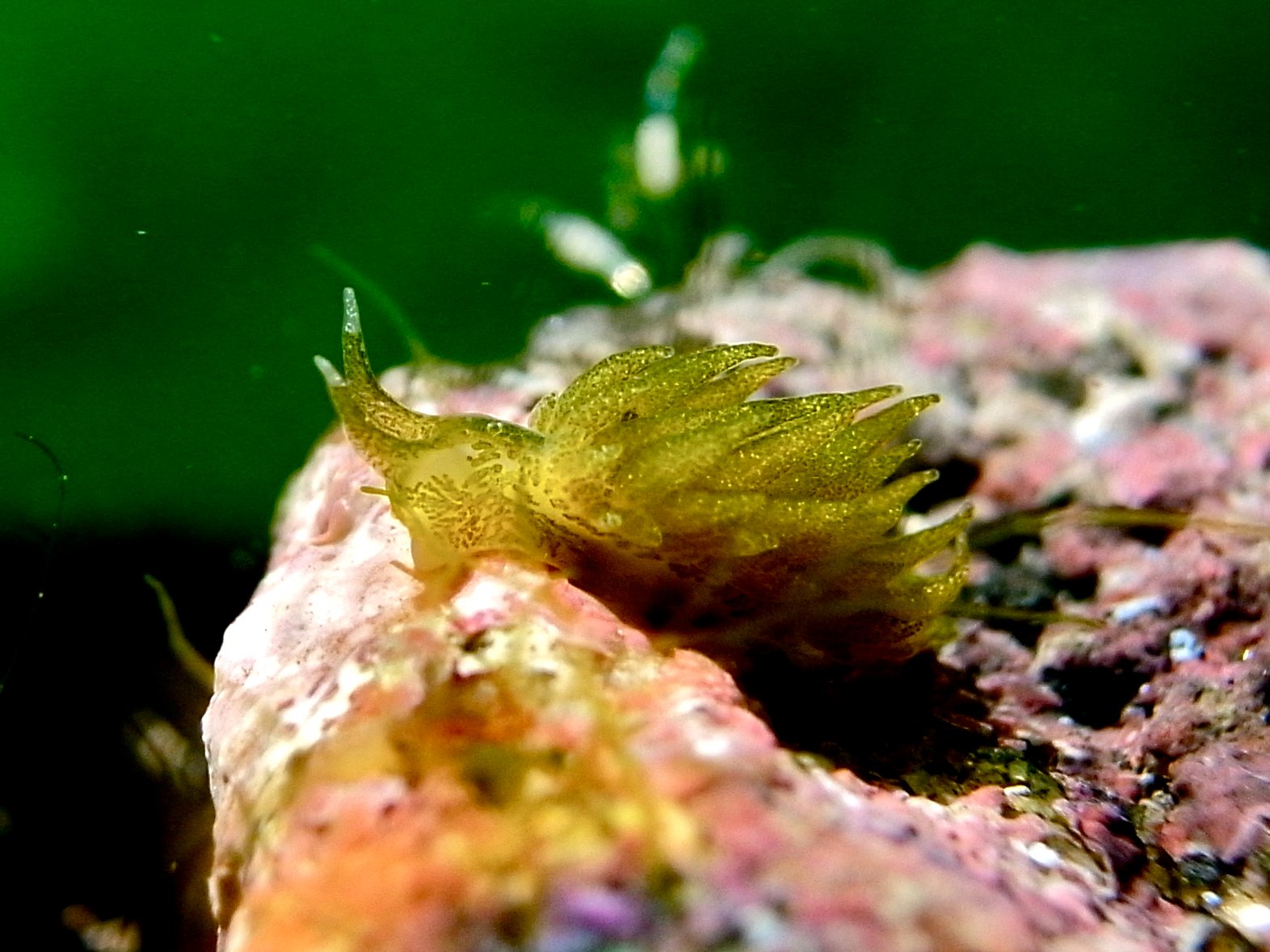
Once the chloroplasts are safely tucked away inside the slug’s cells, the real magic happens. With the right genes in place, these “solar-powered” slugs can photosynthesize, using sunlight to fuel their bodies. This remarkable adaptation allows them to survive for months without eating, drawing energy straight from the sun like an underwater garden come to life.
Why Don’t All Animals Do This?
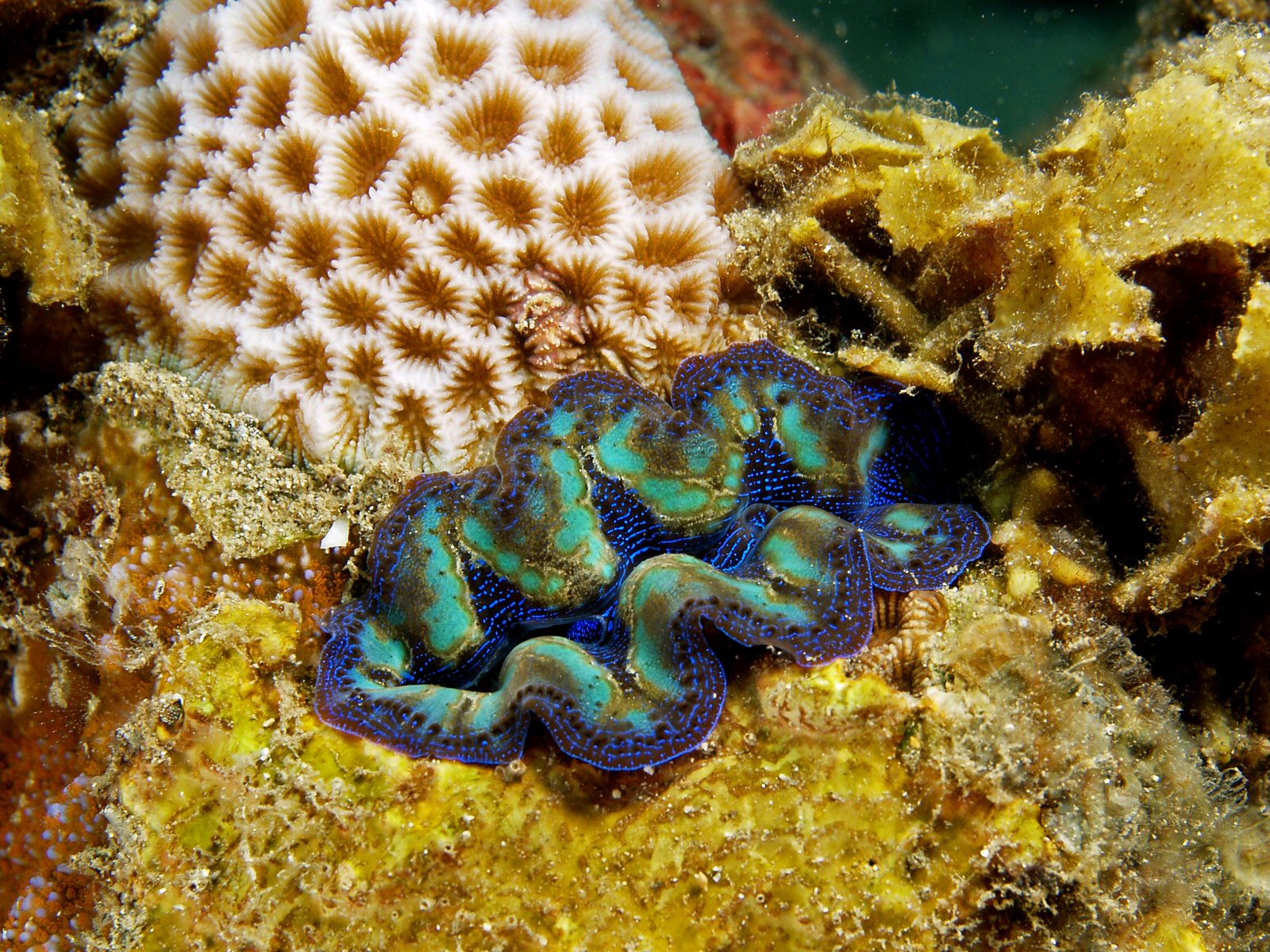
It’s tempting to wonder why more animals haven’t evolved this trick. The truth is, maintaining and operating chloroplasts is incredibly complex. Most animal cells lack the supporting genes and machinery to keep chloroplasts running. Sea slugs are the rare exception, combining the right diet, behavior, and a bit of evolutionary luck to pull off this incredible feat.
The Role of Diet: Not All Algae Are Equal
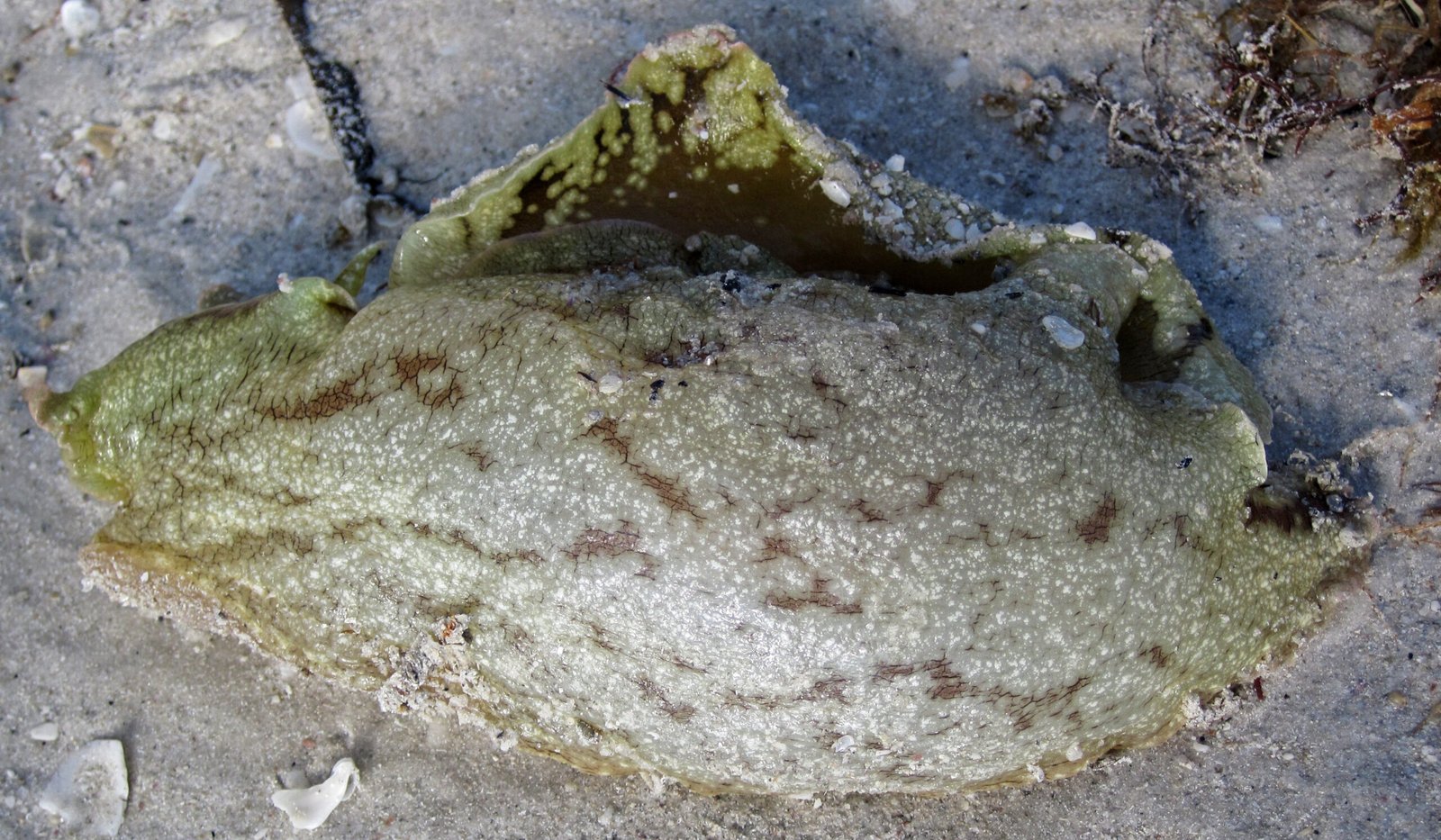
Not every kind of algae will do the trick. Sea slugs are picky eaters, selecting specific algae that have the right kind of chloroplasts. Some species feed exclusively on certain types of green algae to maximize their photosynthetic powers. Their diet shapes their abilities, and the relationship between slugs and algae is a delicate dance honed by millions of years of evolution.
Adaptation and Survival in a Changing World
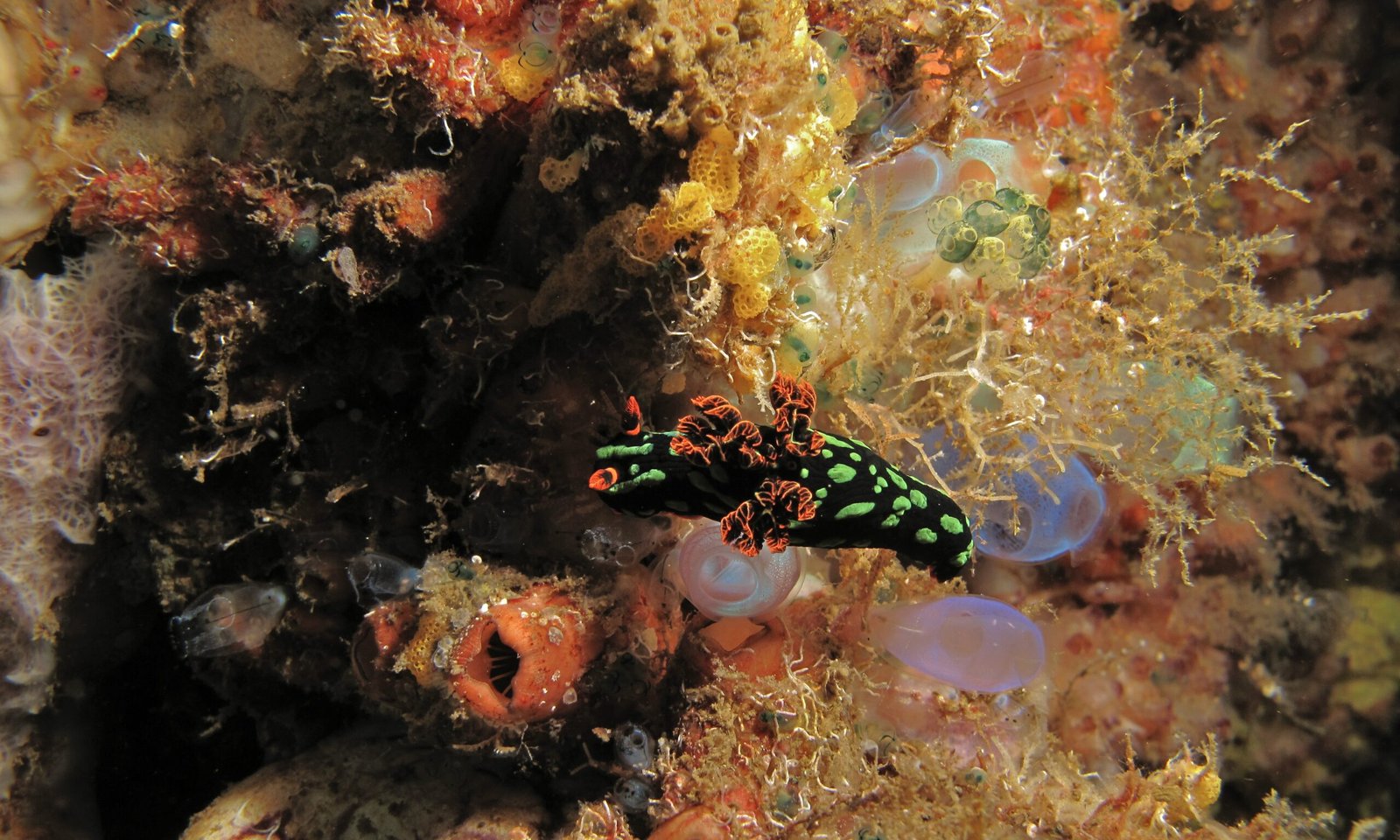
Borrowing genes and chloroplasts isn’t just a neat party trick—it’s a survival strategy. In times when food is scarce, being able to photosynthesize gives sea slugs a crucial edge over their competitors. It’s a powerful reminder of how creative evolution can be, especially in the unpredictable world of the ocean.
Other Examples of Gene Borrowing in Nature
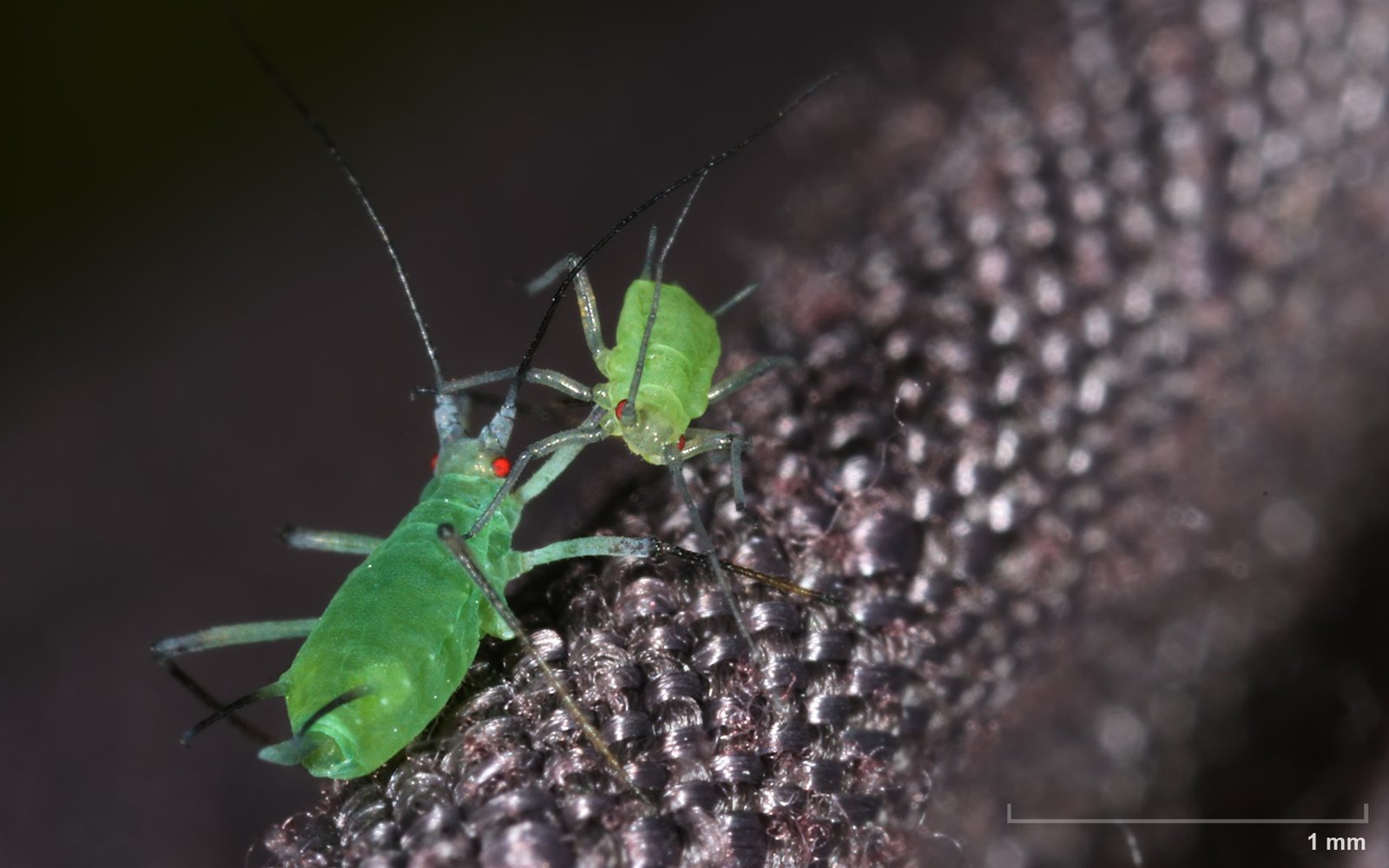
While sea slugs are the headline act, they aren’t alone in the world of gene borrowing. Other creatures, like some aphids and fungi, have also been caught in the act of horizontal gene transfer. These examples reveal that evolution doesn’t always play by the rules—and sometimes, the fastest way to adapt is to borrow from your neighbors.
The Impact on Evolutionary Theory
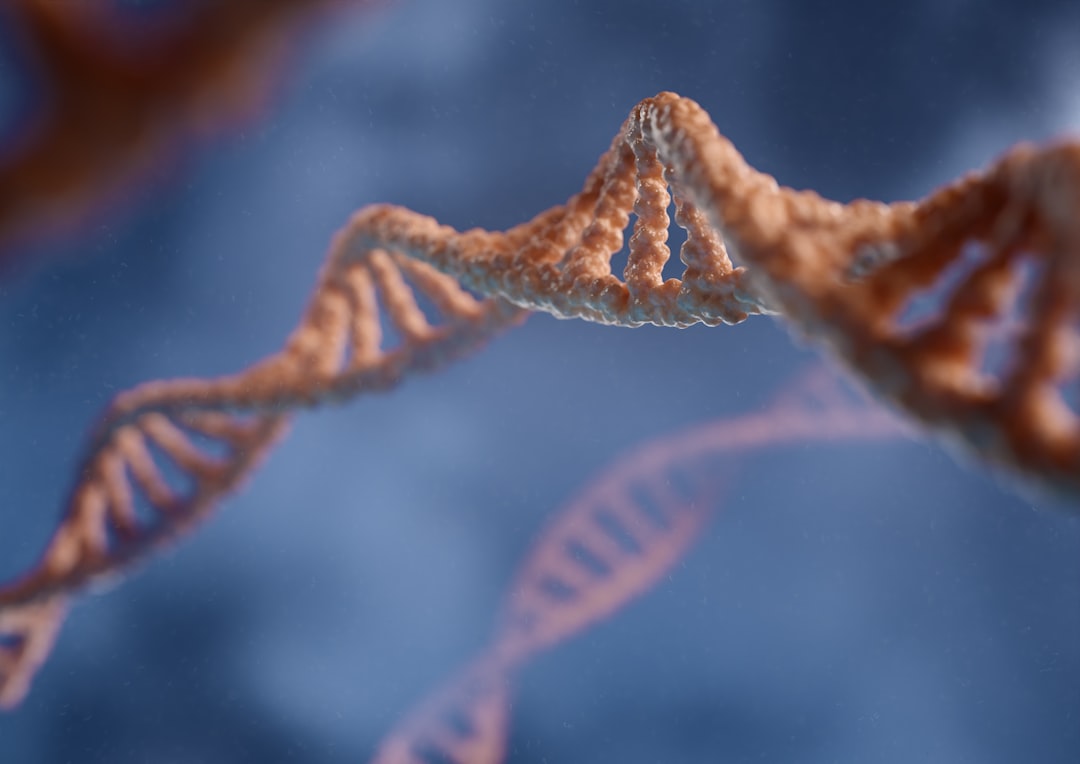
The discovery of gene borrowing in sea slugs has forced scientists to rethink some of the bedrock principles of evolution. If genes can hop between wildly different species, the tree of life starts to look more like a tangled web. It challenges our definitions of what it means to be a plant, an animal, or something in between.
Challenges in Studying Sea Slugs
Researching these elusive creatures isn’t easy. Sea slugs are often tiny, fragile, and hard to keep alive in the lab. Their habitats are sometimes remote or difficult to access, making fieldwork a challenge. Despite these hurdles, scientists continue to unlock new secrets about their biology, driven by curiosity and a sense of wonder at nature’s ingenuity.
The Beauty of Symbiosis
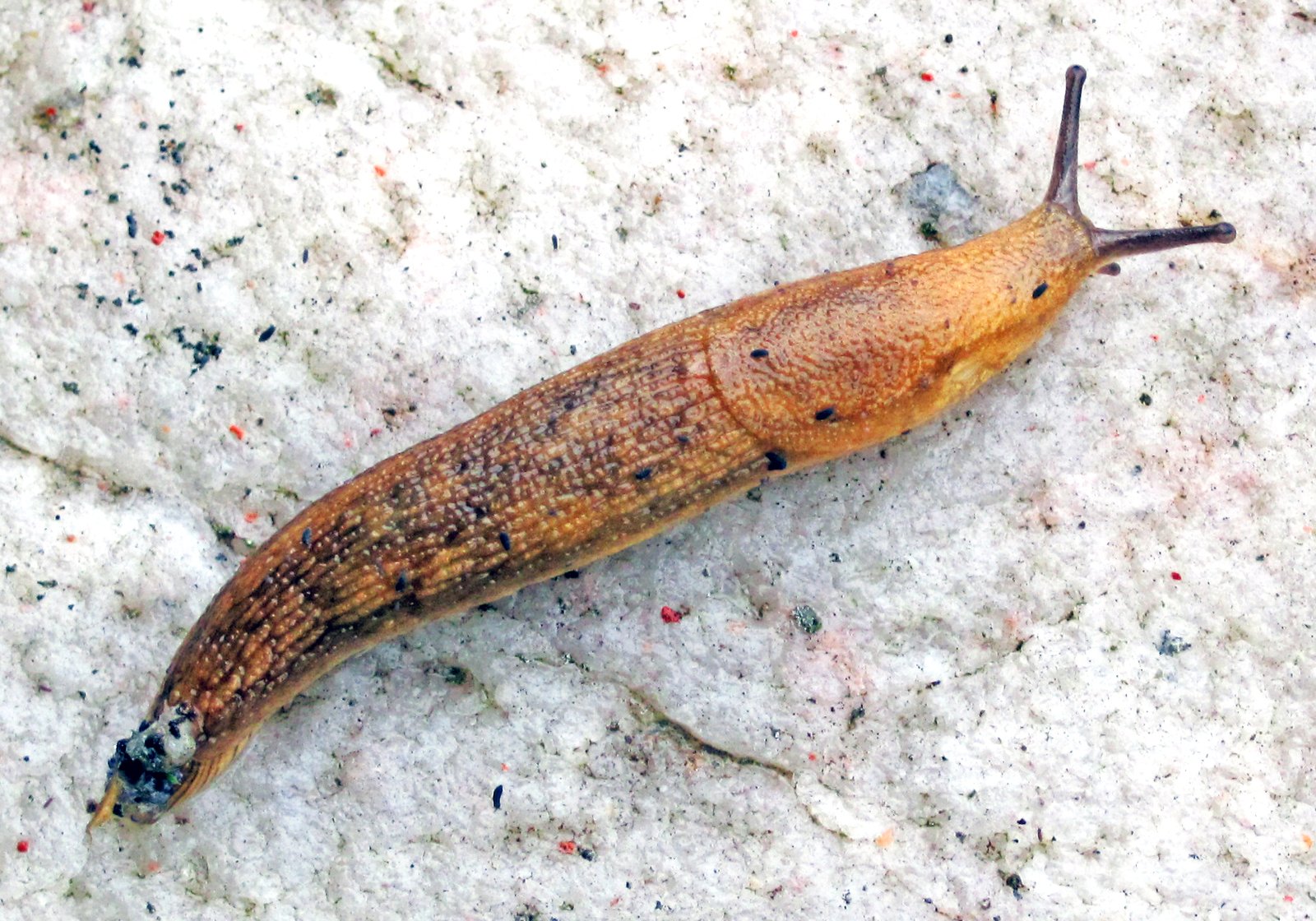
The relationship between sea slugs and algae is a powerful example of symbiosis—different organisms working together for mutual benefit. While the algae provide energy, sea slugs offer a safe haven for the chloroplasts. This partnership is a testament to the creative solutions life can invent under pressure.
Potential Applications in Human Science
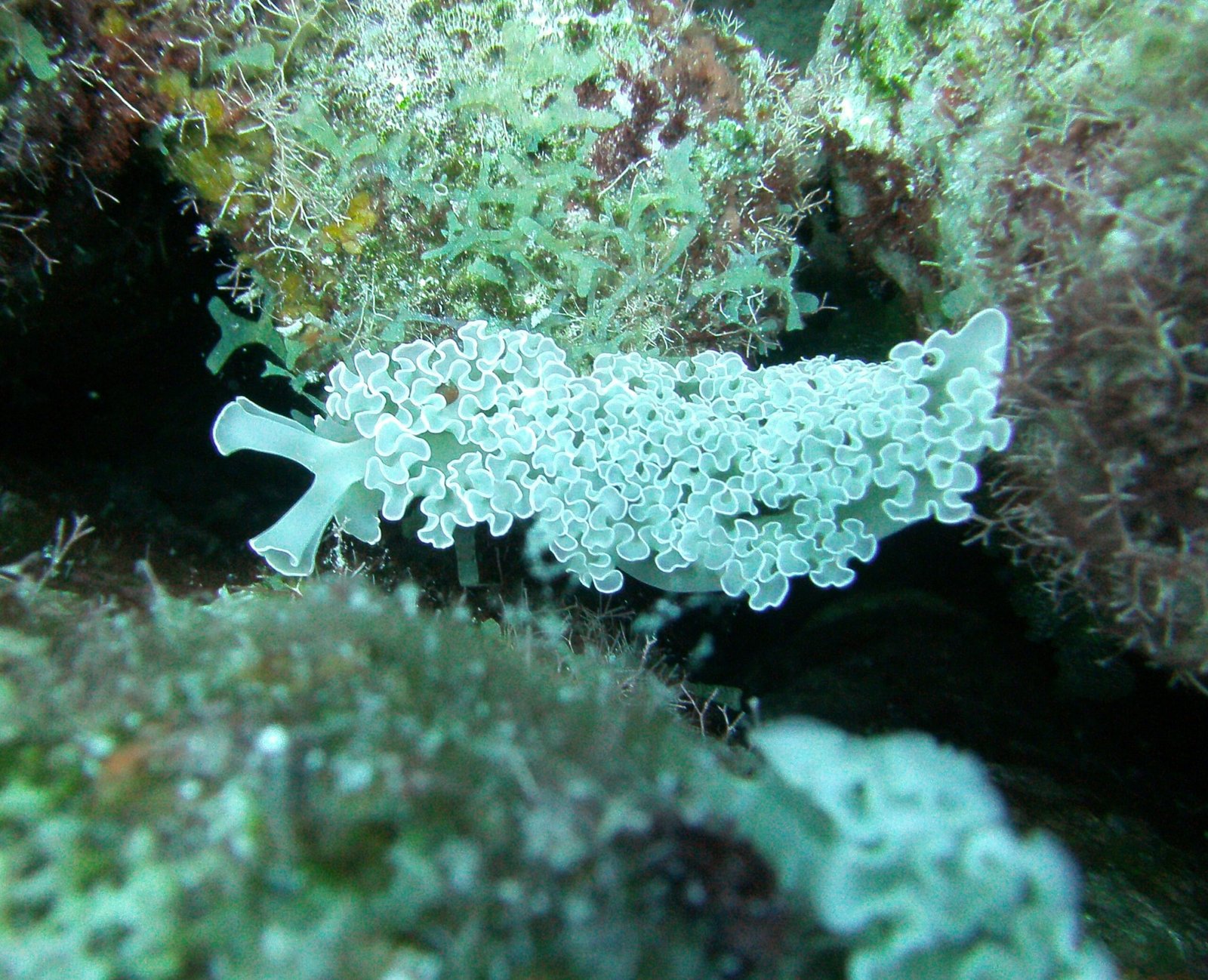
Understanding how sea slugs borrow genes and photosynthetic powers could have surprising applications for humans. Researchers are exploring whether similar techniques could one day help us improve solar energy, develop new medicines, or even engineer crops that are more resilient. The humble sea slug might hold clues to a greener future.
What Sea Slugs Teach Us About Boundaries
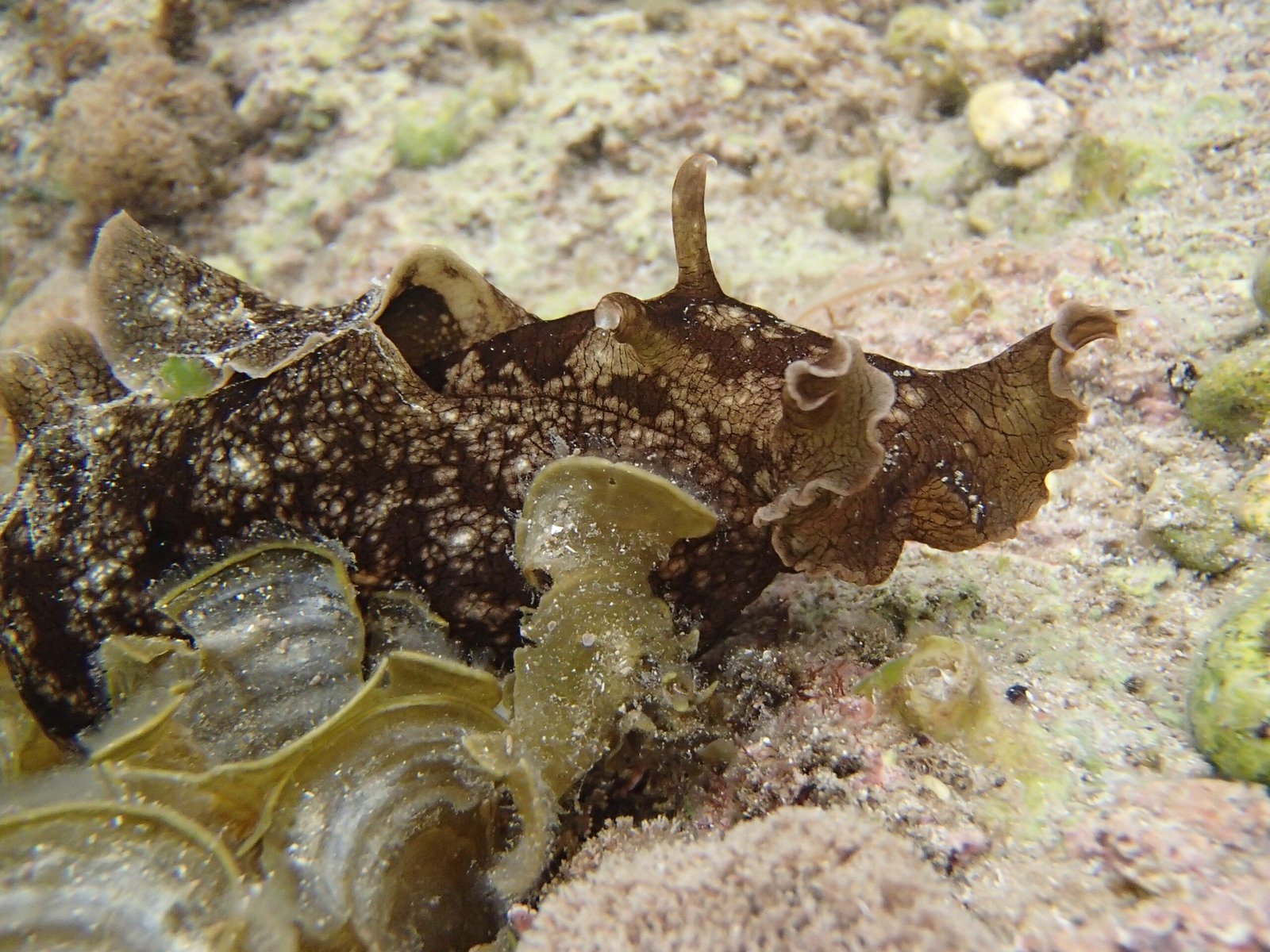
Sea slugs shatter our expectations about where the boundaries between plant and animal truly lie. By borrowing genes and powers from their food, they show that nature isn’t limited by the categories we invent. Their story encourages us to look beyond the obvious and embrace the unexpected.
The Ongoing Mystery: How Far Can This Go?
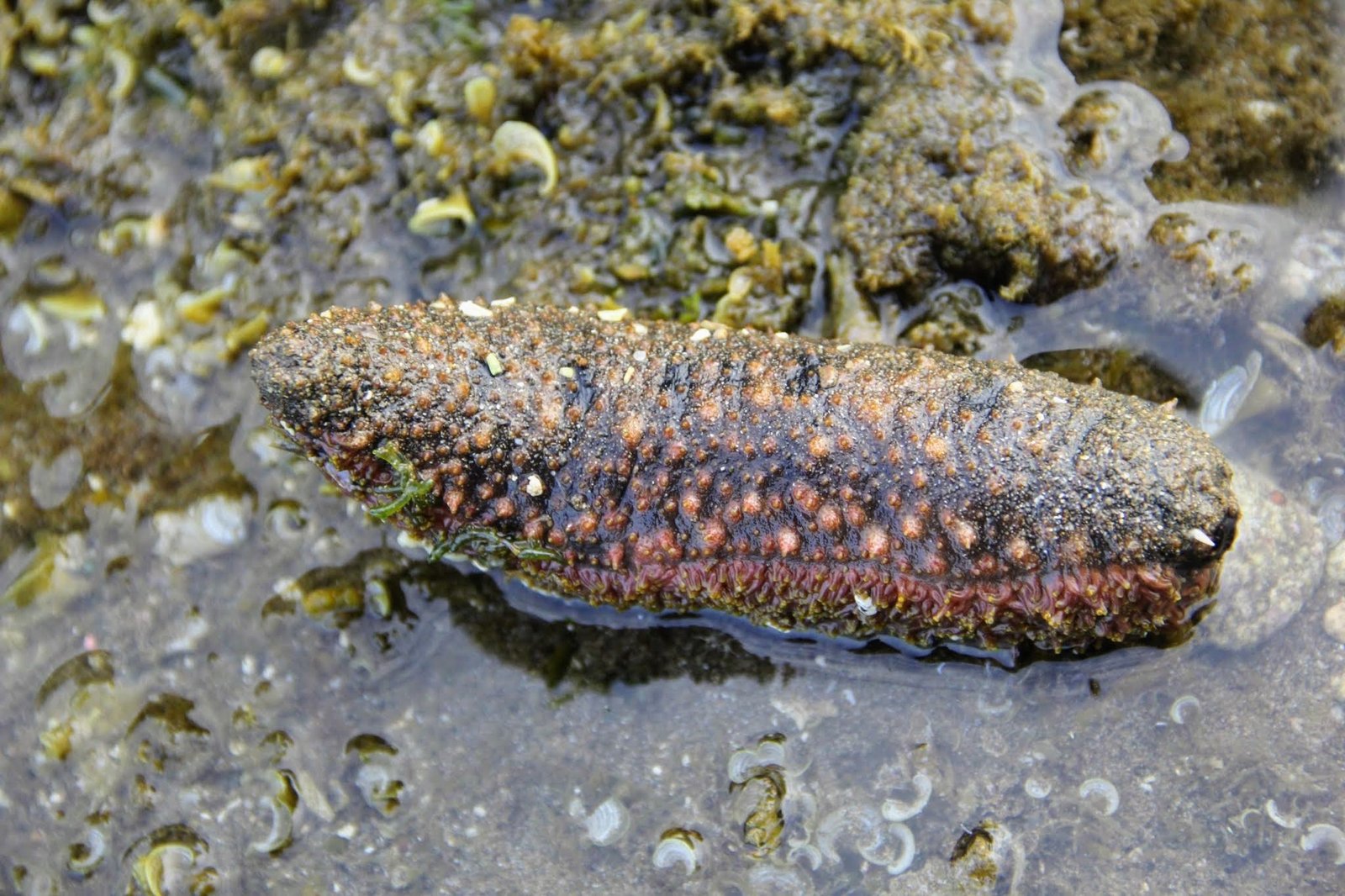
Despite decades of research, many questions remain. How many genes have slugs borrowed? Could other animals be doing the same thing in secret? Each discovery leads to new mysteries, making sea slugs a never-ending source of scientific fascination.
Why We Should Care About Sea Slugs
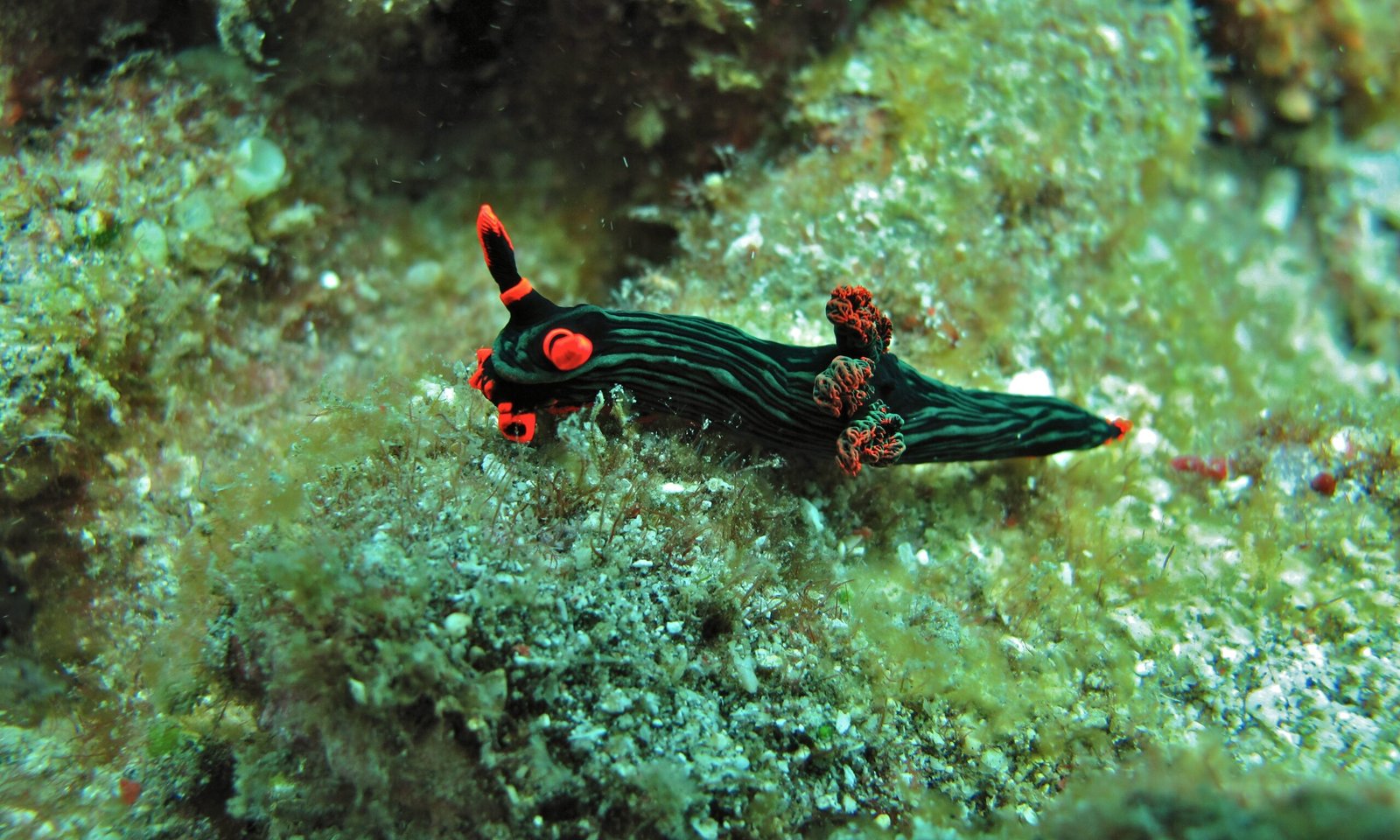
It’s easy to overlook small, squishy creatures at the bottom of the sea. But the story of gene-borrowing sea slugs is a reminder that every organism, no matter how humble, can hold the key to extraordinary biological innovations. Their survival strategies might even inspire solutions to some of humanity’s biggest challenges.
Inspiring Awe and Curiosity
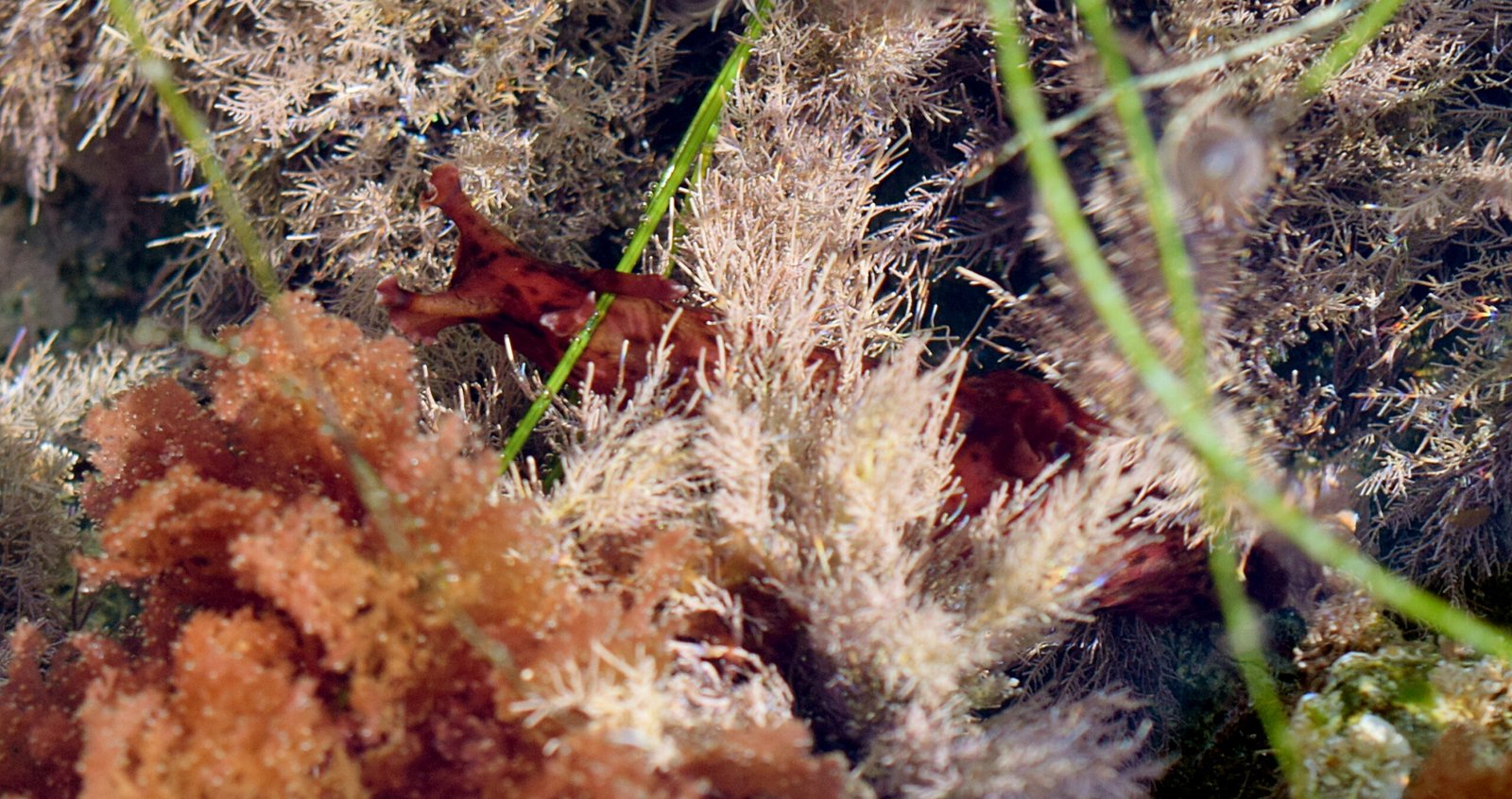
There’s something deeply inspiring about the sea slug’s ability to blur the lines between animal and plant. It sparks our sense of wonder and reminds us that nature is far more inventive and strange than we often imagine. These creatures invite us to ask bold questions and celebrate the unexpected corners of the natural world.
A World Full of Surprises
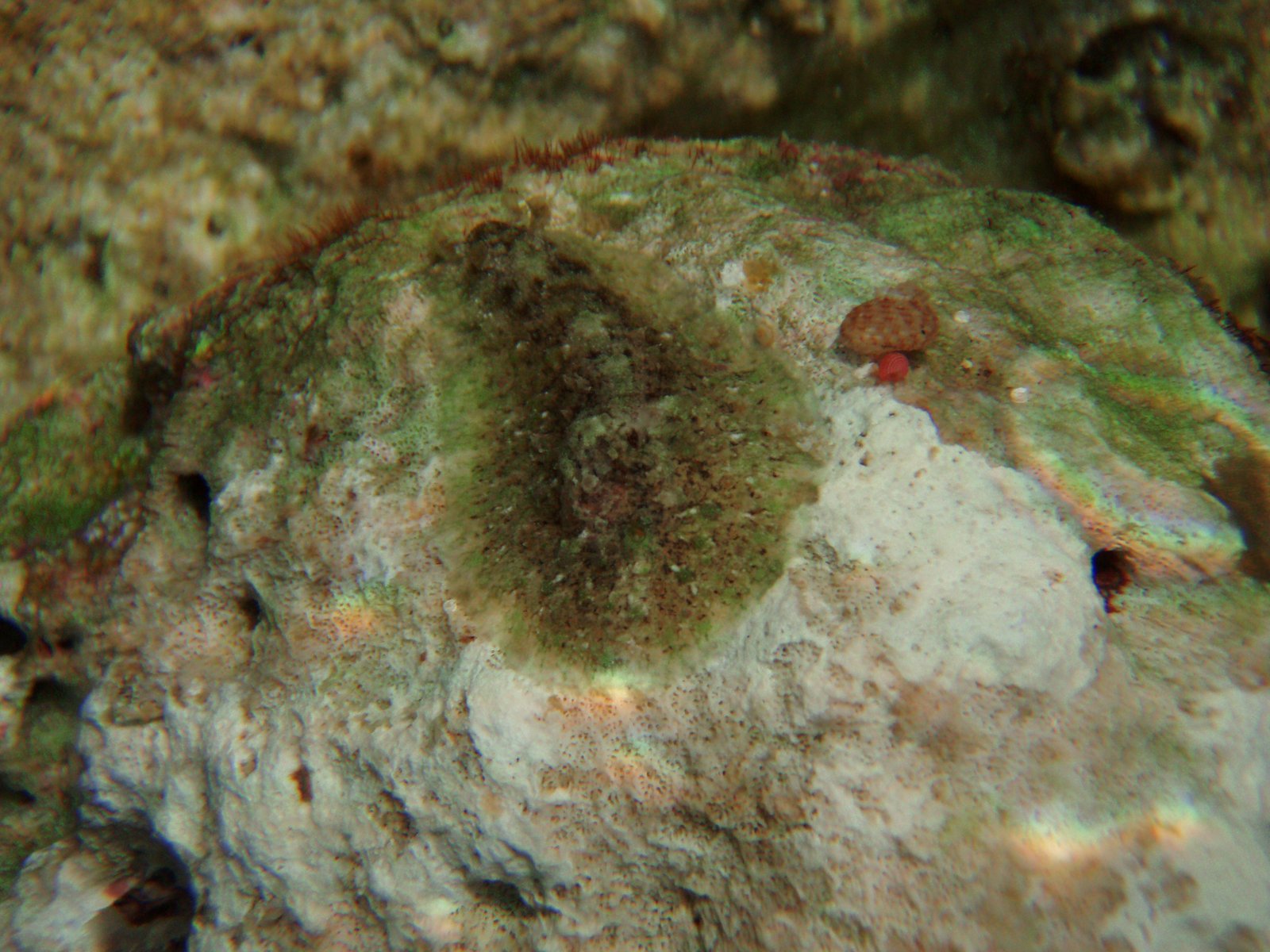
The next time you gaze at the ocean, picture the hidden dramas playing out below the waves. Sea slugs, with their borrowed genes and sun-powered lives, are living proof that the boundaries of possibility are always shifting. Nature’s creativity knows no limits—so what other secrets might be waiting out there, just beyond our sight?