
Puffins are truly captivating creatures, with their colorful beaks and endearing waddle. Yet, beneath their charming exterior lies a world of fascinating behaviors and survival tactics that few are aware of. As we celebrate Puffin Day, let’s delve into the intriguing life of these seabirds, starting with their unique nesting habits and other peculiar behaviors. Have you ever wondered how these birds manage to thrive in harsh environments and what makes them so special? Let’s uncover the secrets of the puffin world.
The Art of Underground Nesting
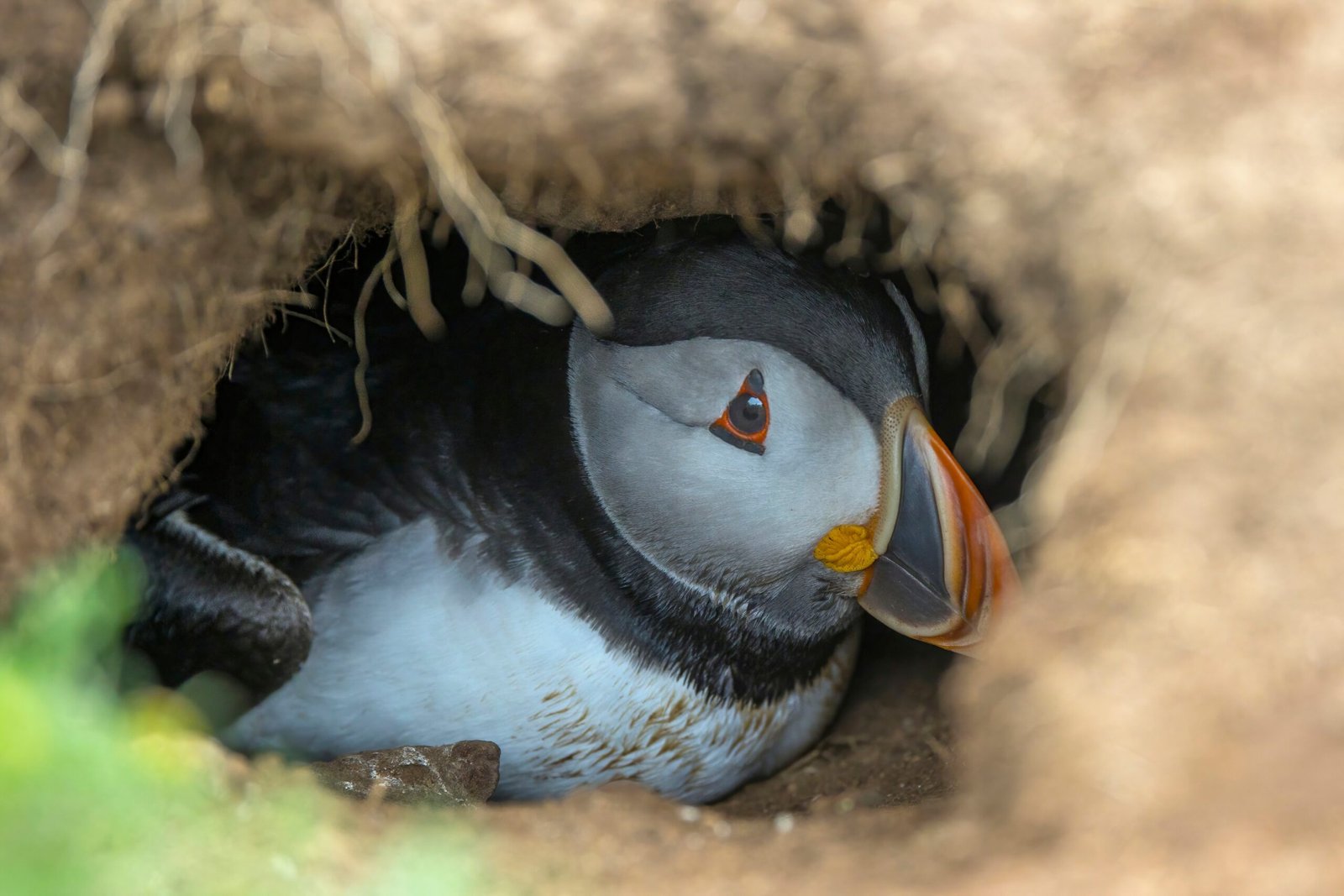
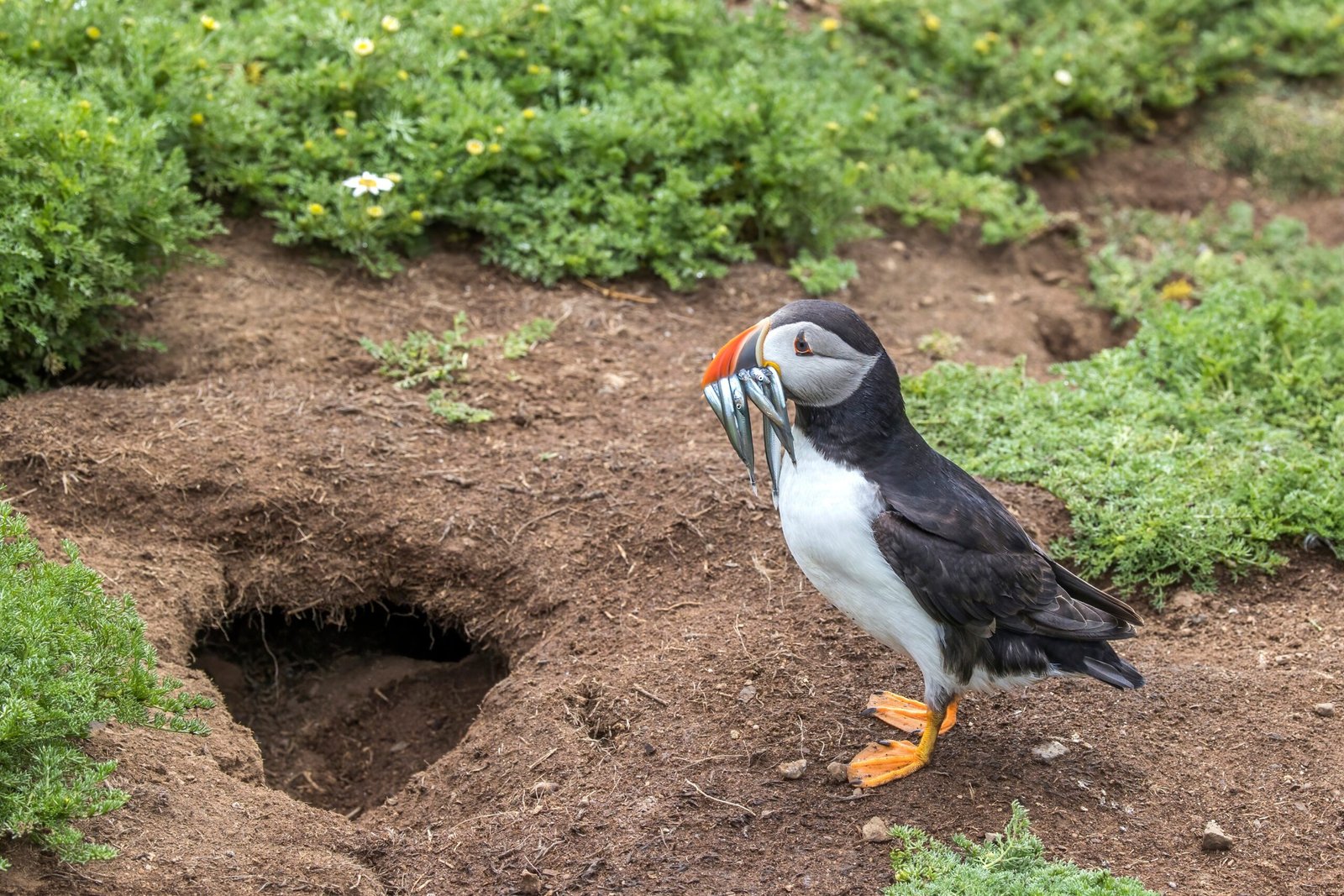
Puffins are known for their quirky habit of digging underground nests. Unlike many birds that build their nests in trees or cliffs, puffins prefer the safety and insulation of burrows. These burrows can be as long as three feet and are often dug into the soft earth of cliffsides. This behavior not only protects their eggs from predators but also shields them from the harsh weather conditions found in their coastal habitats. Imagine a tiny bird with a brightly colored beak, tirelessly working away like a miniature excavator, creating a safe haven for its young. It’s a testament to their adaptability and resourcefulness.
The Colorful Beak: A Tool for Survival
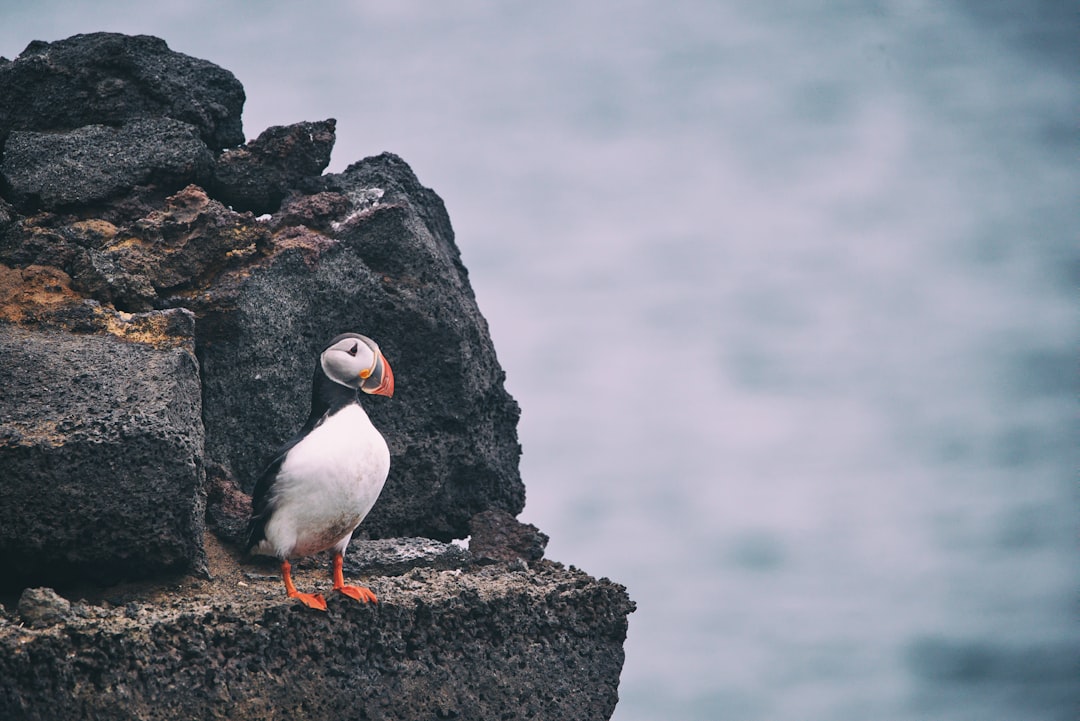
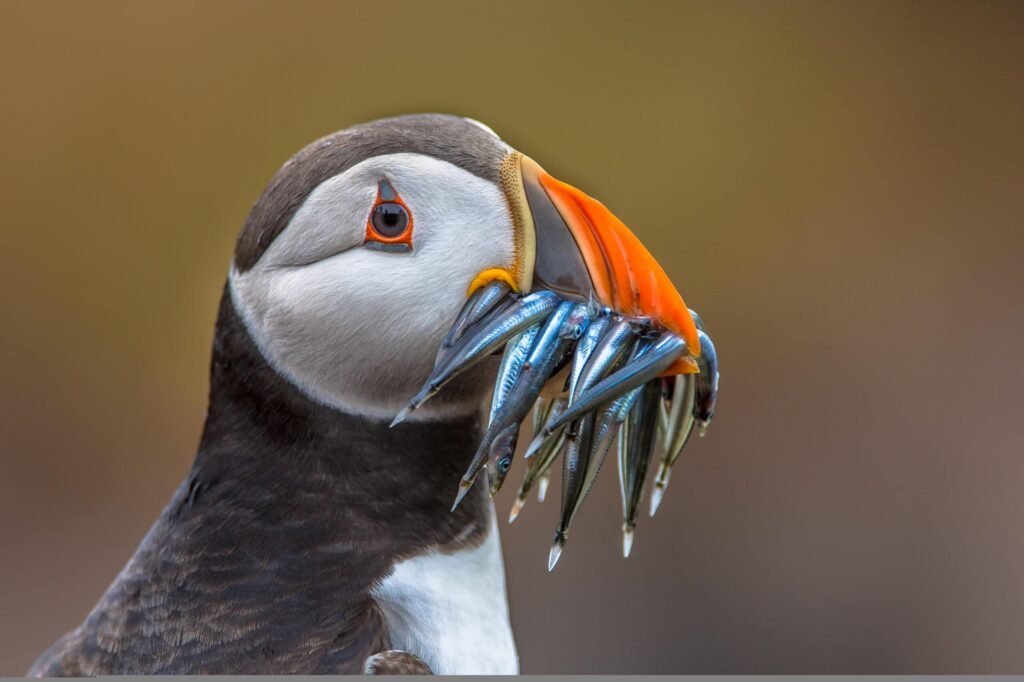
The puffin’s beak is not just for show; it’s a vital tool for survival. During the breeding season, their beaks become more vibrant, serving as a signal to potential mates. This colorful display is akin to a peacock’s tail, drawing attention and showcasing their health and vitality. Additionally, their beaks are perfectly adapted for catching and holding multiple fish at a time. A puffin can carry several small fish crosswise in its beak thanks to a unique hinge that allows the upper and lower parts to remain open while the fish are secured by the tongue. This efficiency in feeding is crucial for supporting their young during the breeding season.
Social Creatures with Complex Communities
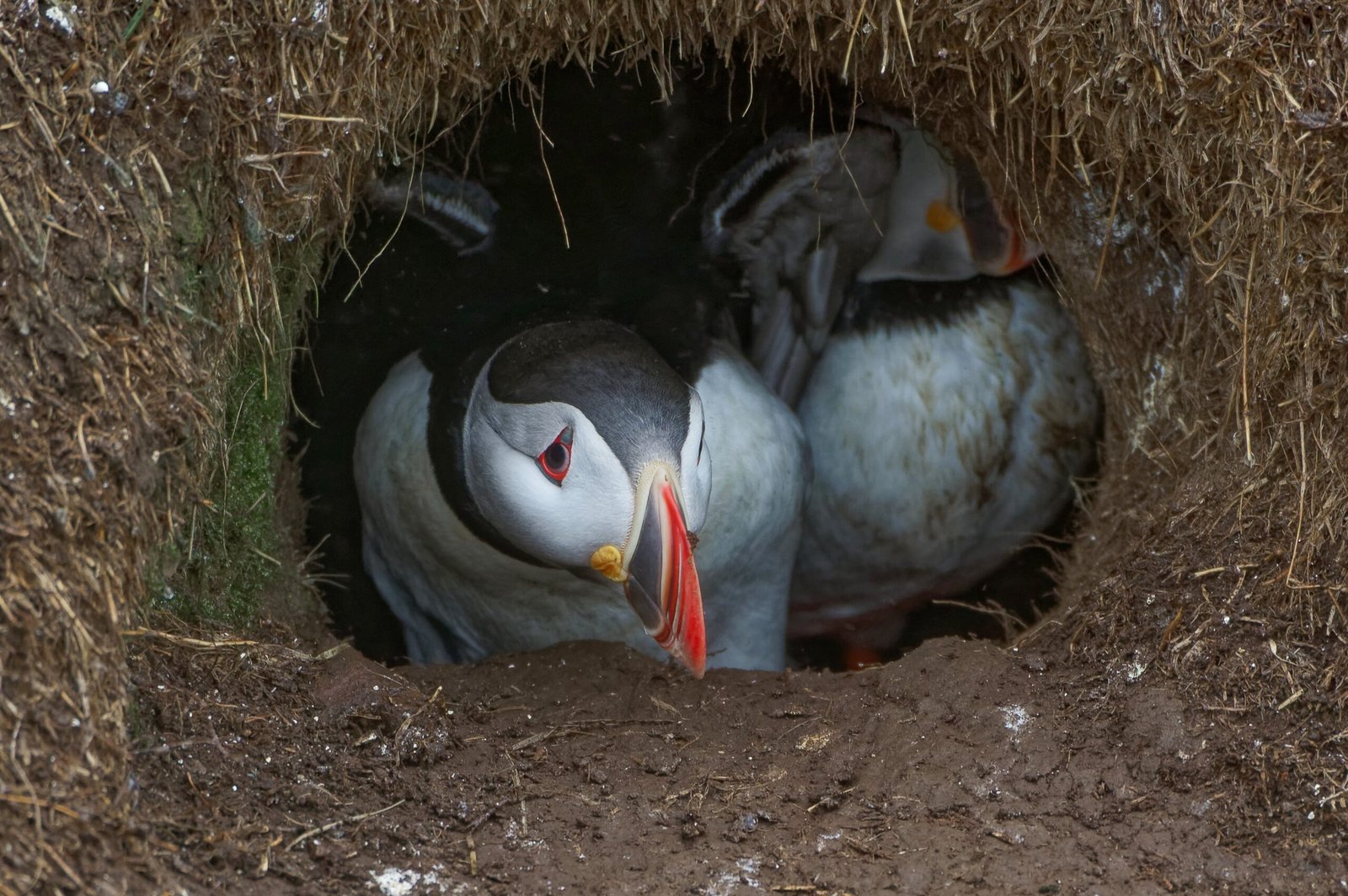
Puffins are highly social birds, often found in large colonies. These colonies can number in the thousands, creating a bustling community where birds interact and communicate. Within these colonies, puffins establish strong pair bonds, often mating for life. Their social structure is complex, with various calls and postures used to convey messages, from attracting a mate to warding off rivals. Observing a puffin colony is like watching a vibrant city come to life, each bird playing its role in the community’s harmony.
The Great Migration: A Journey Across Oceans
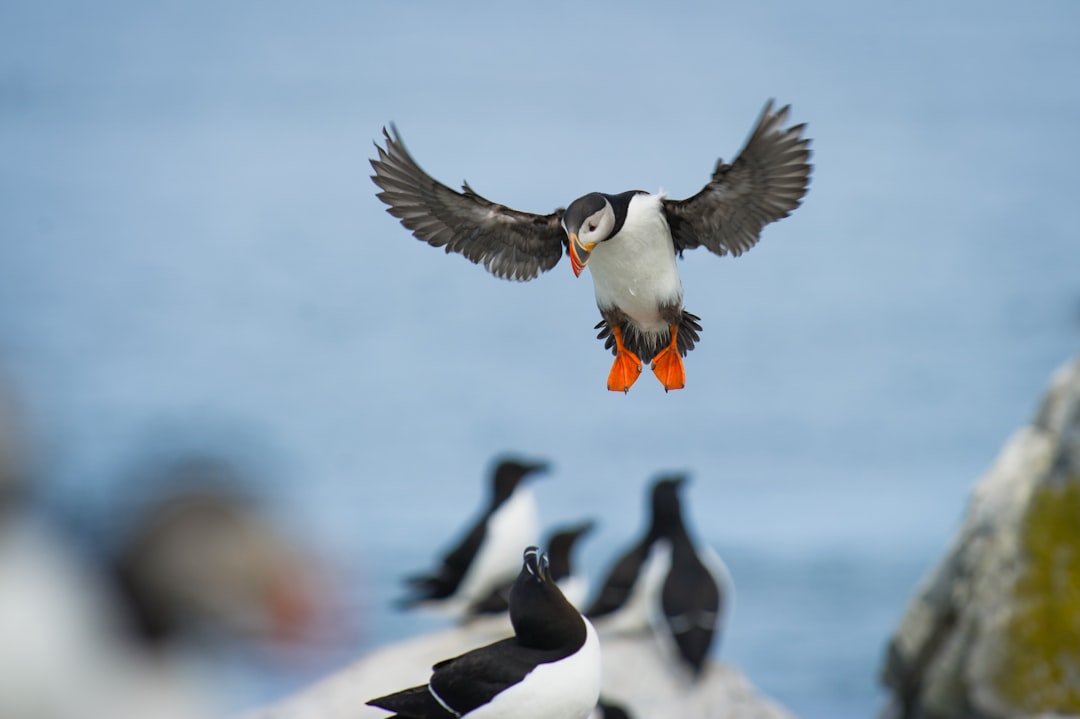
Every year, puffins embark on an incredible journey, migrating long distances across the ocean. This migration is a critical part of their life cycle, as they travel to find food and suitable breeding grounds. Puffins are excellent swimmers, using their wings to propel themselves underwater in search of fish. Their migration routes can span thousands of miles, showcasing their endurance and navigational skills. It’s a remarkable feat for such small birds, emphasizing their resilience and the importance of oceanic ecosystems to their survival.
Parenting: Dedicated and Diligent
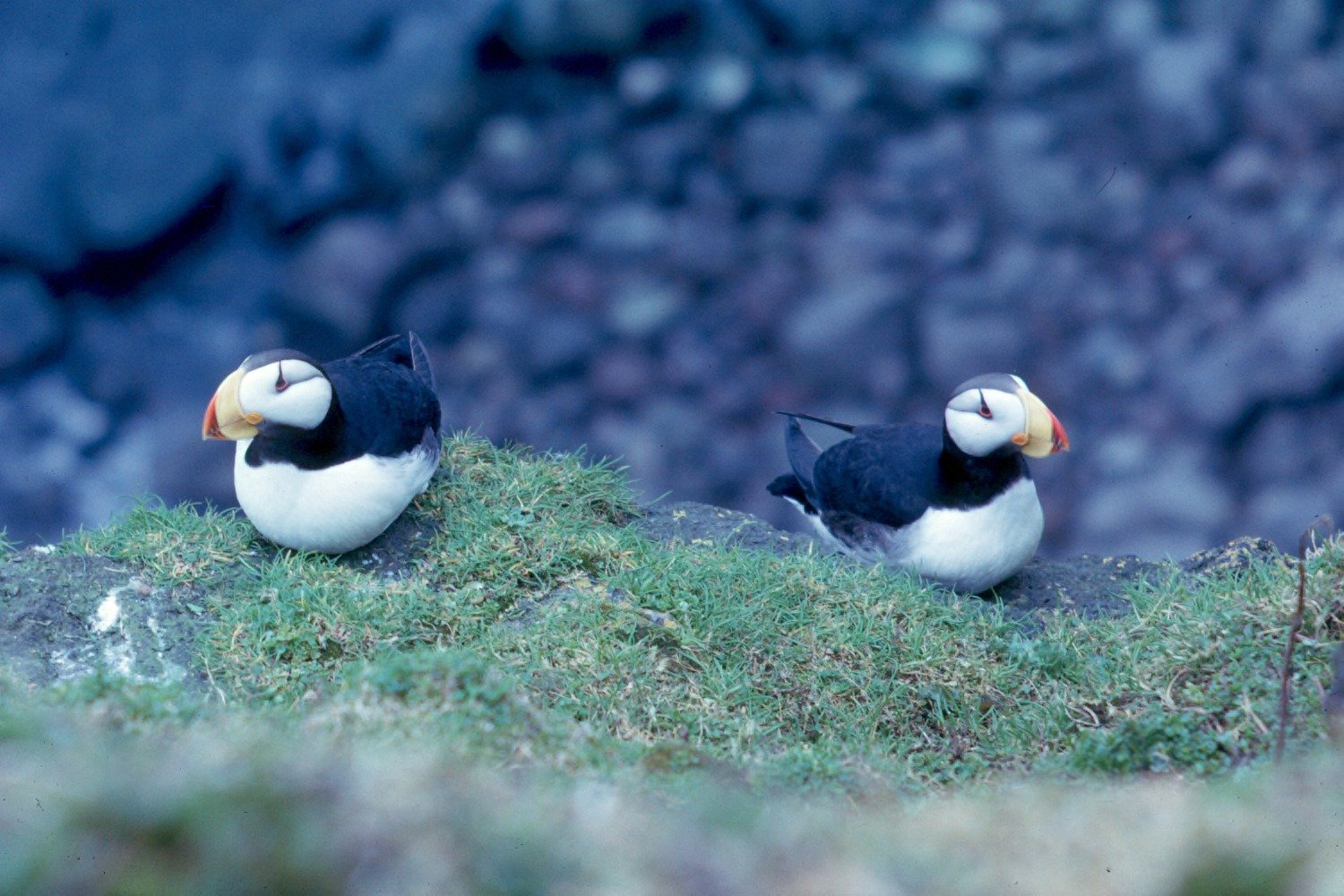
Puffin parents are dedicated caregivers, taking turns incubating their single egg and later feeding their chick. This shared responsibility ensures that the chick receives constant warmth and nourishment. The parents’ commitment is unwavering, with each taking shifts to hunt for fish while the other stays behind to protect the nest. The chick, known as a puffling, remains in the burrow until it’s ready to fledge, relying entirely on its parents for sustenance. This nurturing behavior highlights the strong familial bonds within the puffin community.
Communication: A Language All Their Own
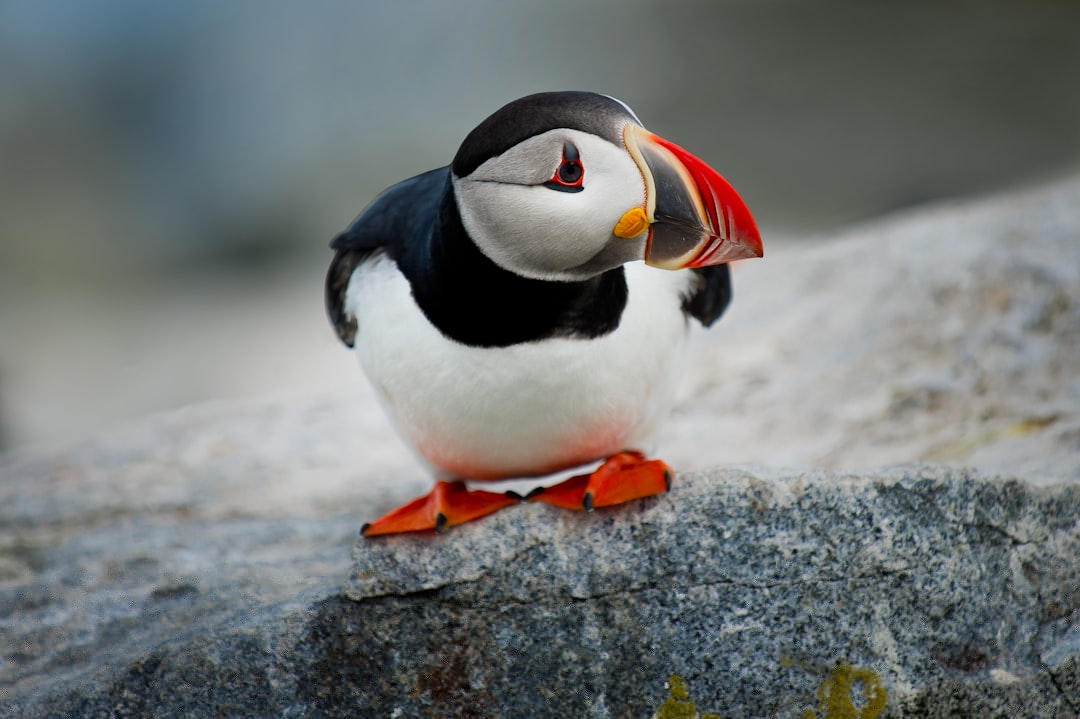
Puffins have a distinctive way of communicating, using a variety of vocalizations and body language. Their calls can range from soft coos to loud squawks, each serving a specific purpose. These sounds help maintain social bonds and coordinate activities within the colony. Additionally, puffins use their posture and beak movements to convey messages, such as displaying aggression or affection. Understanding puffin communication is like deciphering a unique language, offering insights into their social dynamics and interactions.
Adapting to a Changing World
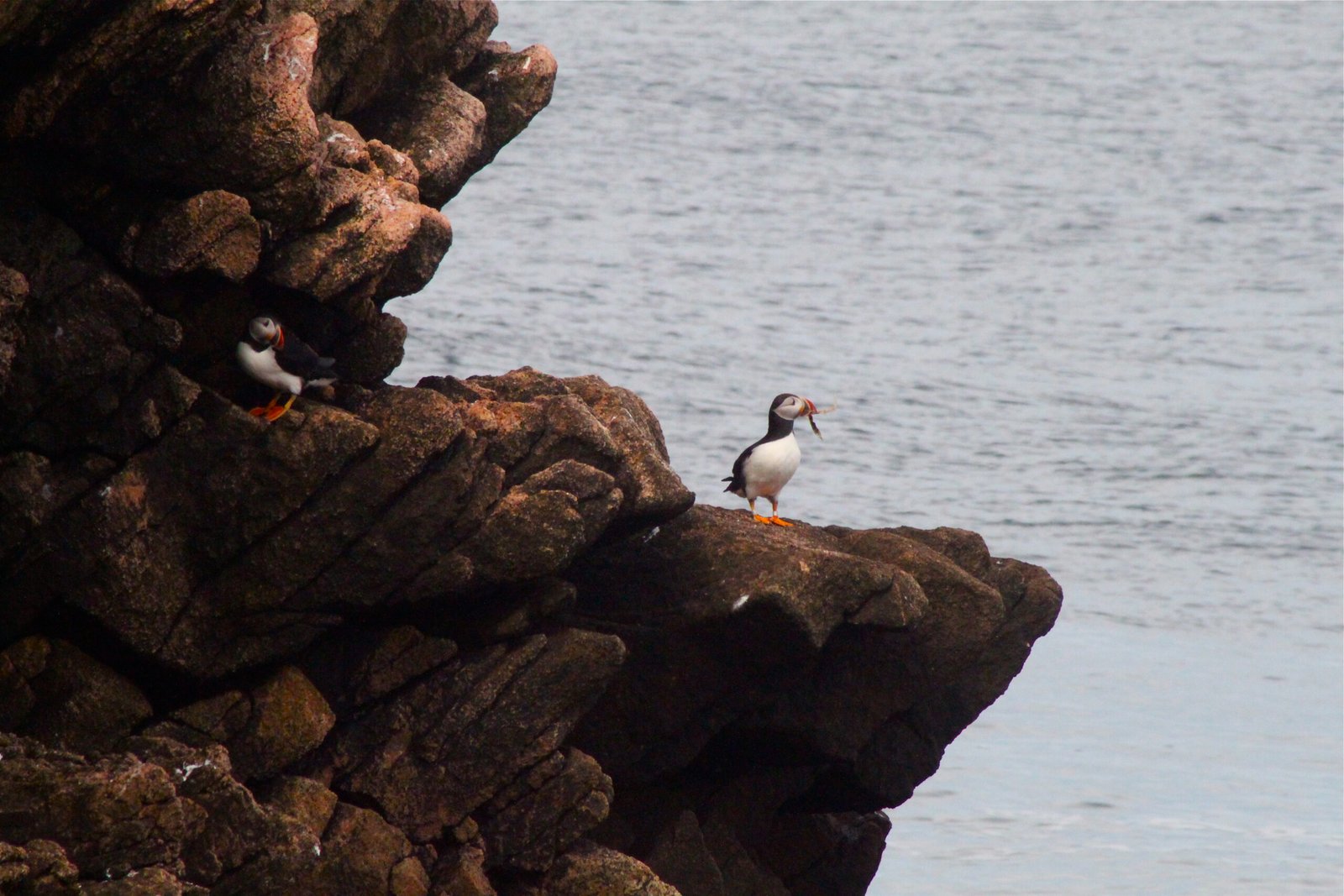
In recent years, puffins have faced numerous challenges due to climate change and human activities. Changes in sea temperatures and fish populations have impacted their food sources, leading to declines in some puffin populations. Despite these challenges, puffins have shown remarkable adaptability, altering their feeding and breeding behaviors to cope with the changing environment. Conservation efforts are underway to protect these iconic birds, emphasizing the importance of preserving their habitats and ensuring their survival for future generations.
The Role of Puffins in Ecosystems
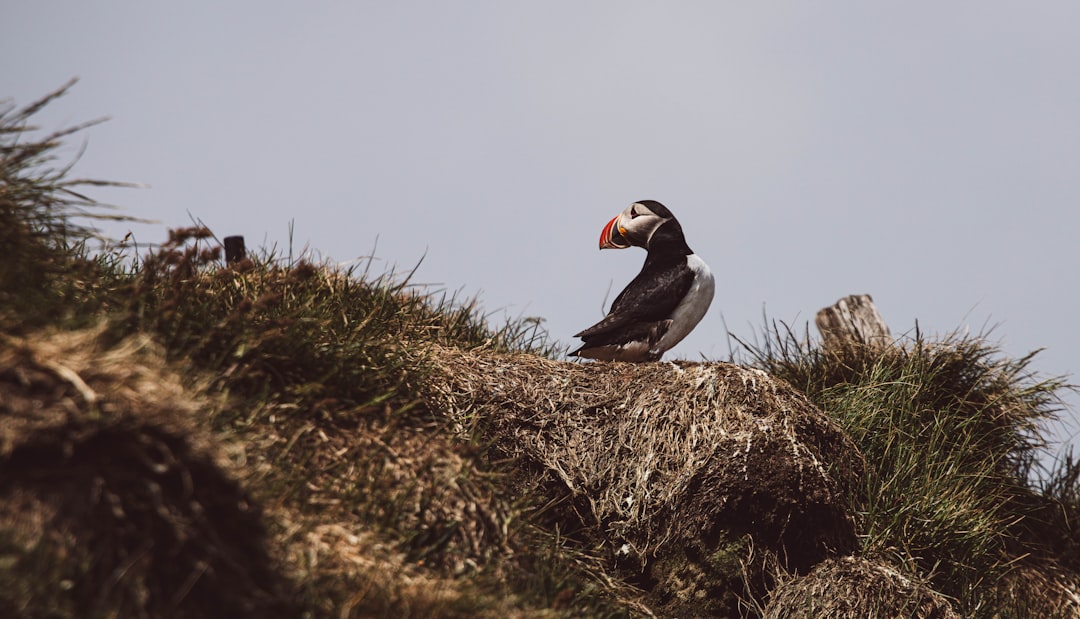
Puffins play a crucial role in their ecosystems, acting as indicators of ocean health. As top predators in the marine food chain, their presence reflects the abundance and diversity of fish populations. Puffins also contribute to nutrient cycling, as their guano enriches the soil in their nesting areas, supporting plant growth and other wildlife. By understanding the role of puffins in their ecosystems, we can better appreciate the interconnectedness of marine life and the importance of conservation efforts.
Celebrating Puffin Day: A Call to Action
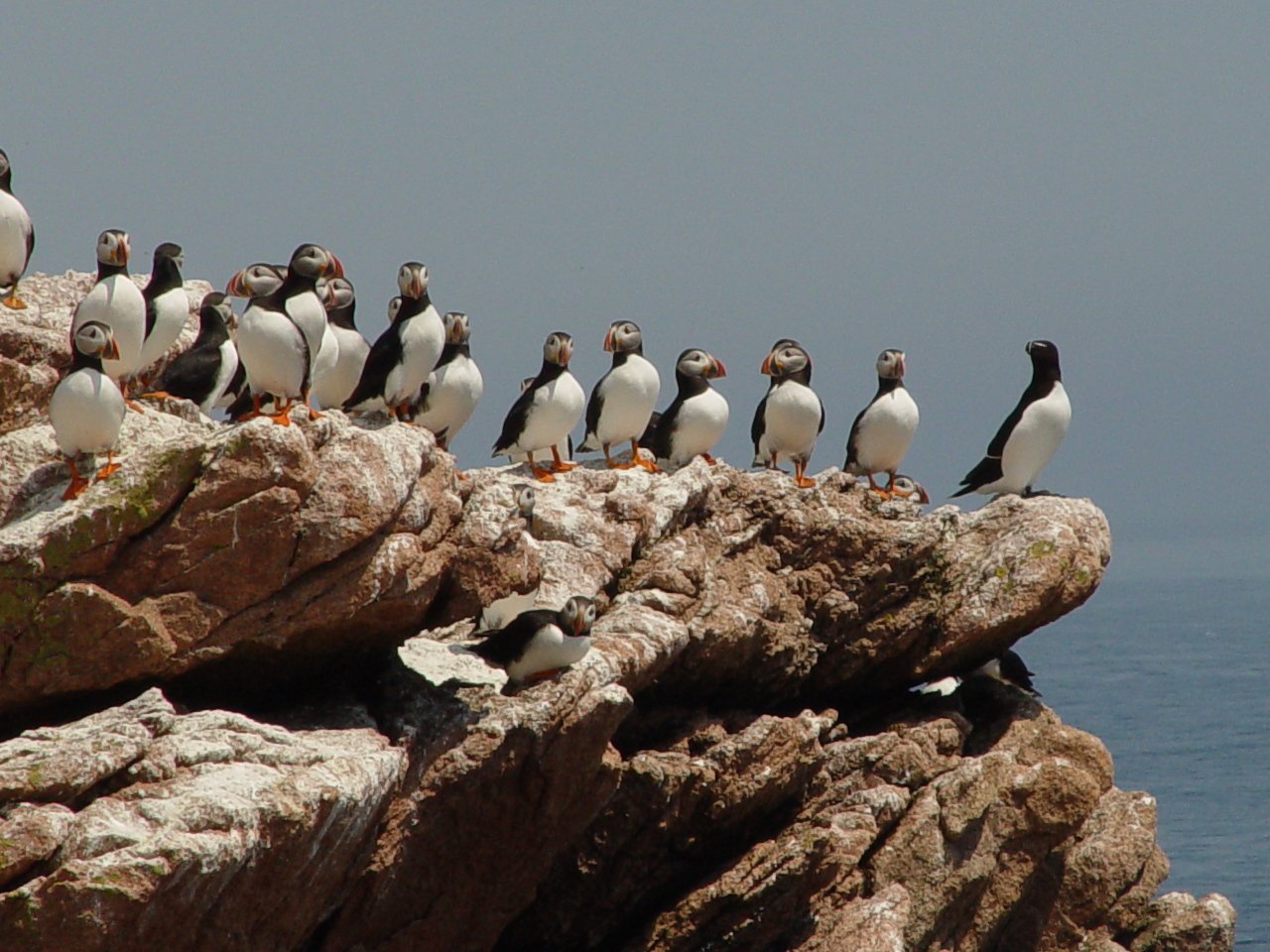
Puffin Day is more than just a celebration of these charming birds; it’s an opportunity to raise awareness about their conservation needs. By learning about puffins and their unique behaviors, we can inspire efforts to protect their habitats and ensure their survival. Whether through supporting conservation organizations or participating in citizen science projects, there are many ways to make a difference. As we celebrate Puffin Day, let’s commit to preserving the wonder of these remarkable birds for generations to come.
Final Thoughts: The Magic of Puffins
Puffins are extraordinary creatures, embodying resilience, adaptability, and beauty. Their unique behaviors and captivating presence remind us of the wonders of the natural world. As we reflect on the lives of puffins, we are inspired to protect and cherish the diverse ecosystems they inhabit. What other surprises might these enigmatic birds hold, waiting to be discovered by curious minds and adventurous spirits?