Imagine a creature that looks like it was assembled from spare parts of different animals. The platypus, native to eastern Australia, is one such marvelous anomaly of nature. This fascinating animal defies the conventional characteristics we associate with mammals. With a beak reminiscent of a duck, webbed feet like an otter, and a tail resembling a beaver’s, the platypus challenges our understanding of what it means to be a mammal. While it may seem like an animal pulled straight from a child’s imagination, the platypus is very much real and continues to intrigue scientists and enthusiasts alike.
A Mammal that Lays Eggs

One of the most bewildering features of the platypus is its reproductive method. Unlike most mammals, which give birth to live young, the female platypus lays eggs. This trait places them in the monotreme category, a rare group of egg-laying mammals. The platypus lays one to three eggs at a time, incubating them by curling around them. This method is similar to that of birds and reptiles, making it a unique bridge between these classes. The young platypuses, once hatched, are fed with milk, a classic mammalian trait, but without nipples. Instead, the milk is secreted through openings in the mother’s skin, providing nourishment in a way that further sets them apart from typical mammals.
Electrolocation: A Sixth Sense
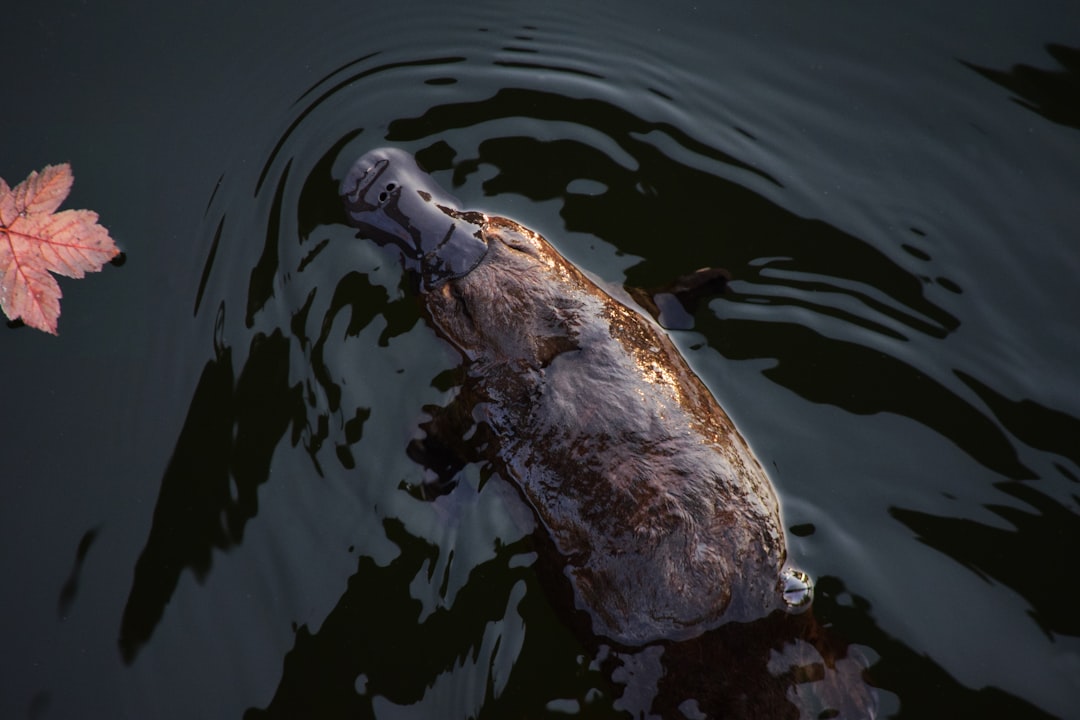
The platypus possesses an extraordinary ability known as electrolocation. This allows them to detect electric fields generated by the muscle movements of their prey. Their bill is equipped with specialized receptors that pick up these signals, enabling them to hunt efficiently underwater. This capability is akin to having a sixth sense, allowing the platypus to locate food even in the darkest, murkiest waters. This unique adaptation is not found in most mammals, making the platypus a subject of great interest for researchers studying sensory evolution.
A Unique Bill, Not Just for Show

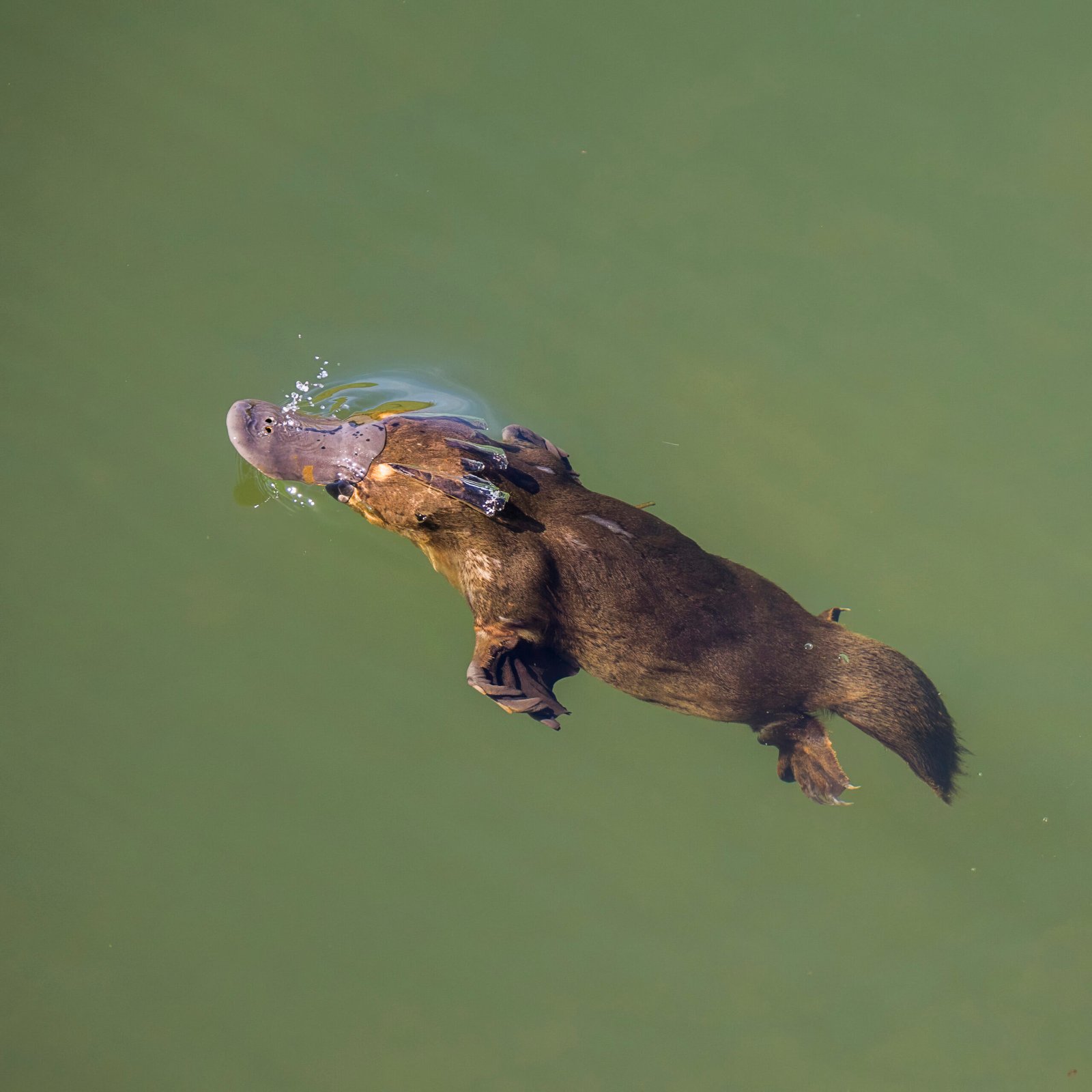
At first glance, the platypus’ bill might remind you of a duck’s, but it’s much more than a quirky feature. The bill is a sophisticated tool that helps the platypus navigate and forage for food. It is soft and pliable, unlike the hard bill of a bird, and is packed with sensors that detect pressure changes and movements in the water. This highly sensitive organ allows the platypus to detect prey such as insects, larvae, and shellfish buried in the riverbed, making it a specialized tool for survival.
Webbed Feet and Their Multifunctional Role

The platypus’ webbed feet are another feature that distinguishes it from other mammals. These feet are perfectly suited for swimming, allowing the platypus to glide through the water with ease. The webbing can retract on land, exposing sharp claws that are used for digging burrows and walking. This dual functionality is reminiscent of a Swiss Army knife, providing the platypus with the versatility needed for both its aquatic and terrestrial habitats. The adaptability of their feet highlights the platypus’ ability to thrive in diverse environments.
Venomous Spurs: A Surprising Defense Mechanism

While most mammals rely on teeth or claws for defense, the male platypus is equipped with venomous spurs on its hind legs. These spurs deliver a painful toxin that can deter predators and competitors. Although not lethal to humans, the venom can cause severe pain and swelling, akin to a wasp sting. This unusual defense mechanism is a rarity among mammals, showcasing yet another way the platypus defies standard classifications. The presence of venom in a mammal is a reminder of the platypus’ ancient lineage and the diverse evolutionary paths life can take.
Fossils Tell a Story of Evolutionary Wonders

Fossil records indicate that the platypus lineage dates back millions of years. These records reveal that ancestral platypuses once had teeth, unlike the modern species which have keratinized pads for grinding food. This evolutionary shift showcases the adaptability and resilience of platypuses as they evolved to suit changing environments. The study of these fossils provides valuable insights into how the platypus has maintained its distinctive characteristics while adapting to new ecological niches over time.
The Platypus Genome: A Genetic Puzzle
The platypus genome is a complex tapestry of traits from different animal classes. It contains elements common to birds, reptiles, and mammals, making it a fascinating subject for genetic research. Scientists have discovered that the platypus shares genes with reptiles for egg-laying, yet also possesses mammalian genes for lactation. This genetic mosaic highlights the platypus’ position as a living link in the evolutionary chain, offering clues about the development of mammals and their divergence from other vertebrates.
Conservation: Preserving a Living Relic

Despite its resilience, the platypus faces threats from habitat destruction, climate change, and pollution. Conservation efforts are crucial to preserving this extraordinary creature, which is as much a part of Australia’s natural heritage as the koala or kangaroo. By protecting their natural habitats and monitoring populations, conservationists aim to ensure that future generations can continue to marvel at the platypus’ unique traits. Awareness and education about the platypus’ ecological role can help garner support for these efforts.
A Symbol of Nature’s Creativity
The platypus stands as a testament to nature’s boundless creativity and the diversity of life on Earth. Its unusual features and behaviors challenge our understanding of biological norms, prompting us to reconsider the boundaries of what is possible in the animal kingdom. The platypus encourages us to remain curious and open-minded, as it embodies the idea that even in nature, there is always more to discover and learn. As we continue to study this enigmatic creature, it reminds us of the wonders that await in the natural world.