Walk through a quiet forest and you’re surrounded by conversations you can’t hear, signals sliding through the soil like whispered news. The storytellers are fungi, threading microscopic fibers through roots to connect shrubs, grasses, and towering trees. For decades, ecologists suspected this hidden web existed; now, careful experiments and new imaging tools are revealing how it shapes the lives of plants. The mystery isn’t whether these networks exist, but how far their influence reaches and what that means for ecosystems strained by heat, drought, and disturbance. What we’re learning is both humbling and electrifying: plant communities are less like isolated competitors and more like neighborhoods with back-alley shortcuts and shared resources.
The Hidden Clues
What if the quietest conversations on Earth happen beneath your feet? In greenhouse and field experiments, plants linked by mycorrhizal fungi often respond quicker to threats, switching on defense genes when their neighbors are attacked by insects or pathogens. Researchers track these changes with molecular markers and stable isotopes, finding telltale signatures that suggest information and nutrients can move through fungal threads. It’s not mind reading, but it is a kind of early-warning system that buys time in the slow-motion drama of plant life.
I still remember kneeling beside a patch of beans in a research plot and hearing nothing but wind while the data screamed that something was happening underground. When a few leaves were clipped to mimic herbivory, nearby plants connected by fungi ramped up chemical defenses even before they were touched.
From Ancient Tools to Modern Science
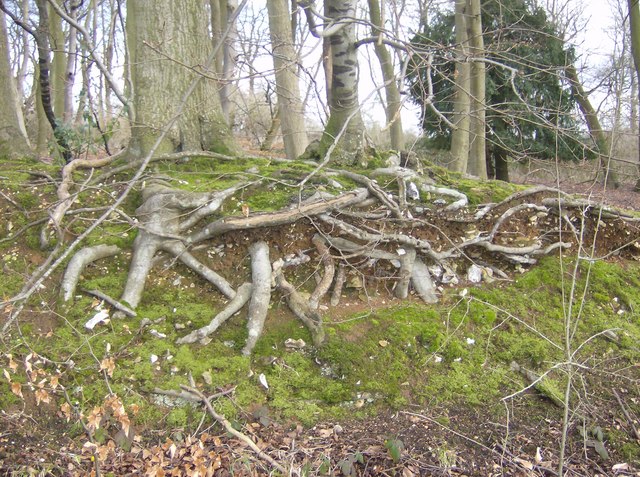
Fungi and plants have been partners since ancient landscapes were more rock than soil, and their alliance likely helped plants colonize land. The bargain is straightforward: fungi trade mineral nutrients and water for the sugars plants make from sunlight. Early botanists saw swollen root tips and strange tree–root interfaces and wondered; now we watch exchanges play out with tracers like carbon-13 and nitrogen-15. Those tracers travel into fungal hyphae and reappear in neighboring roots, revealing pathways that no shovel could map.
Modern lab work layers on genetic clues, tracking which plant and fungal genes switch on when networks form or when stress strikes. Imaging advances, from confocal microscopy to non-destructive soil scanning, are beginning to sketch the architecture of these underground highways. The picture is messy and beautiful: overlapping routes, detours, and junctions that shift with seasons, soil texture, and the cast of species in the room.
Inside the Network: The Fungal Highways
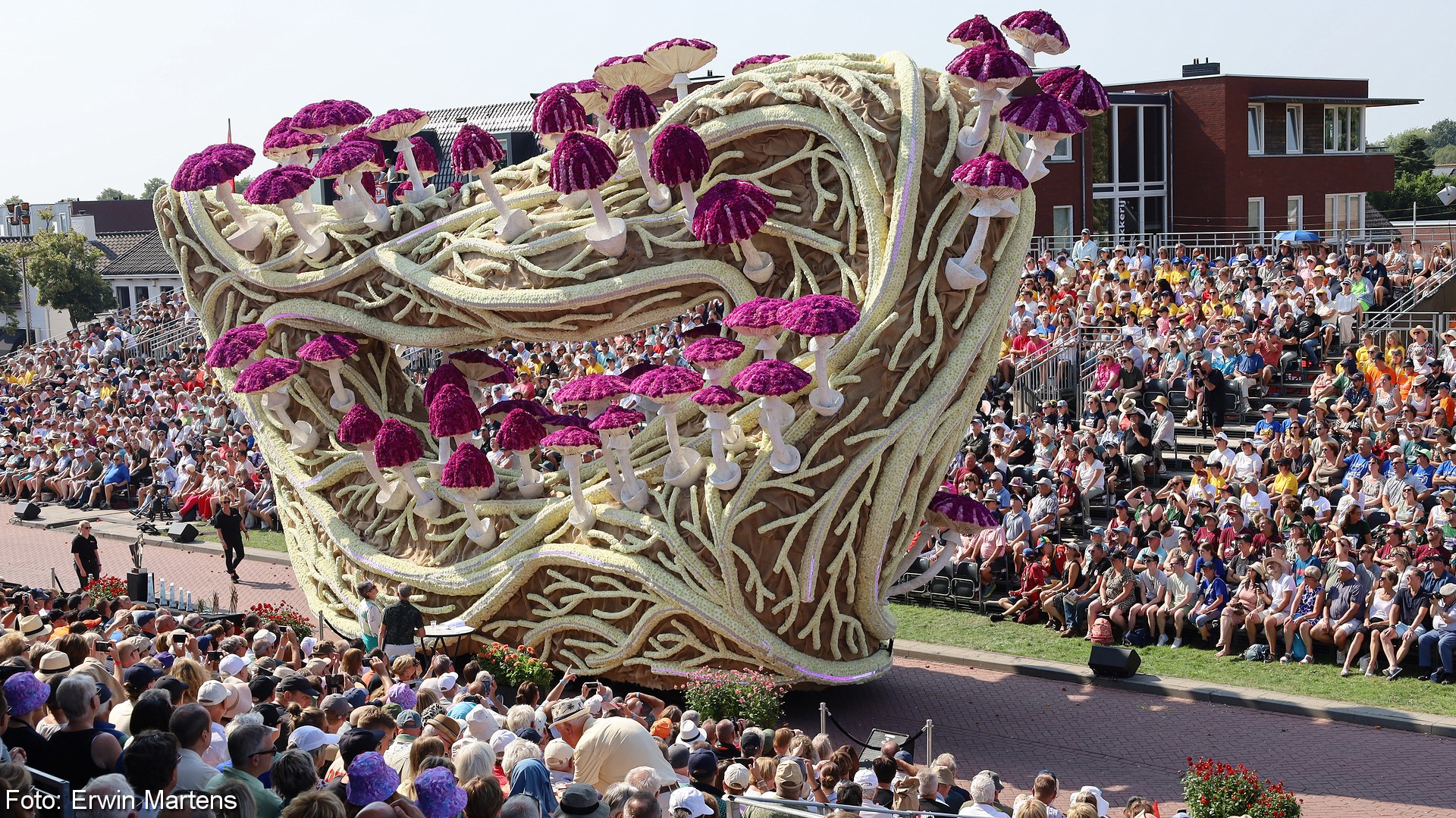
At the core are hyphae – filaments far thinner than a human hair – bundled into mycelial strands that lace between soil particles and root cells. Different guilds of fungi build different interfaces: arbuscular fungi form tiny tree-like structures inside root cells, while ectomycorrhizal fungi wrap around roots and weave a living sheath through surrounding soil. Either way, the contact zone becomes a trading post where sugars, phosphorus, nitrogen, and signaling molecules pass hands. It’s less a single superhighway and more a web of neighborhood streets.
Because the threads are alive, they respond to supply and demand. When a plant is thirsty or starved for phosphorus, the fungal network can shift traffic toward it, sometimes at the expense of a neighbor that’s doing fine.
Signals and Subsidies: What Plants Share
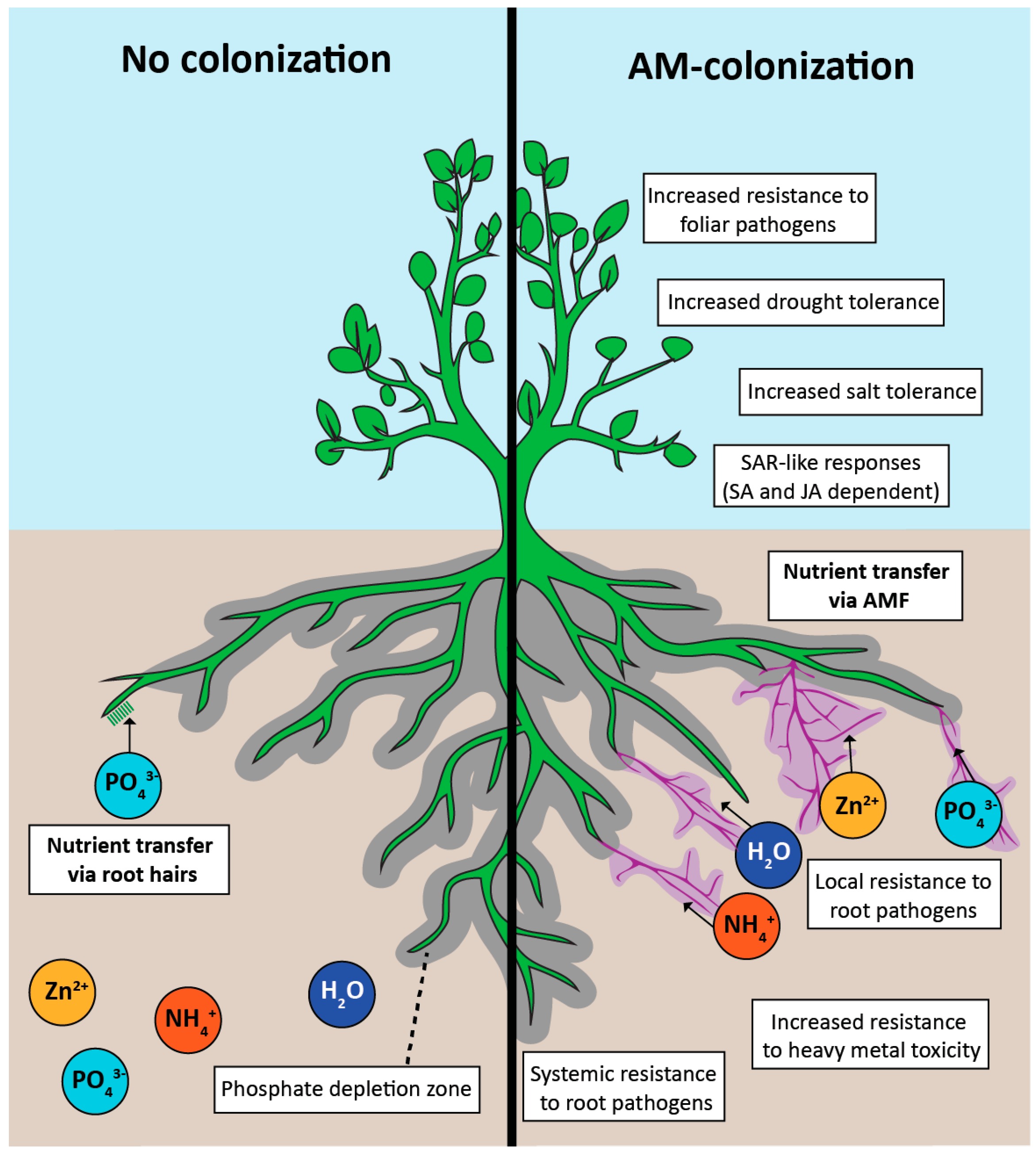
Not everything that moves is a message; some is rent. Many plants funnel a portion of their sugars into fungal partners, and in return the fungi deliver mineral nutrients scavenged from otherwise unreachable soil. Experiments suggest that defensive signals can travel through the same routes, priming leaves to produce bitter compounds and making plants less attractive to chewing insects. There are also reports of carbon moving from one plant to another through shared fungi, especially under shade or stress, though the scale of that transfer in real forests remains debated.
What’s clear is that these networks can reshuffle the balance between neighbors. Seedlings in the understory sometimes gain a lifeline from established trees via common fungal partners, improving survival during those first precarious seasons. In other contexts, the network acts like a referee, smoothing out boom-and-bust swings in nutrient supply across a patch of ground.
Why It Matters
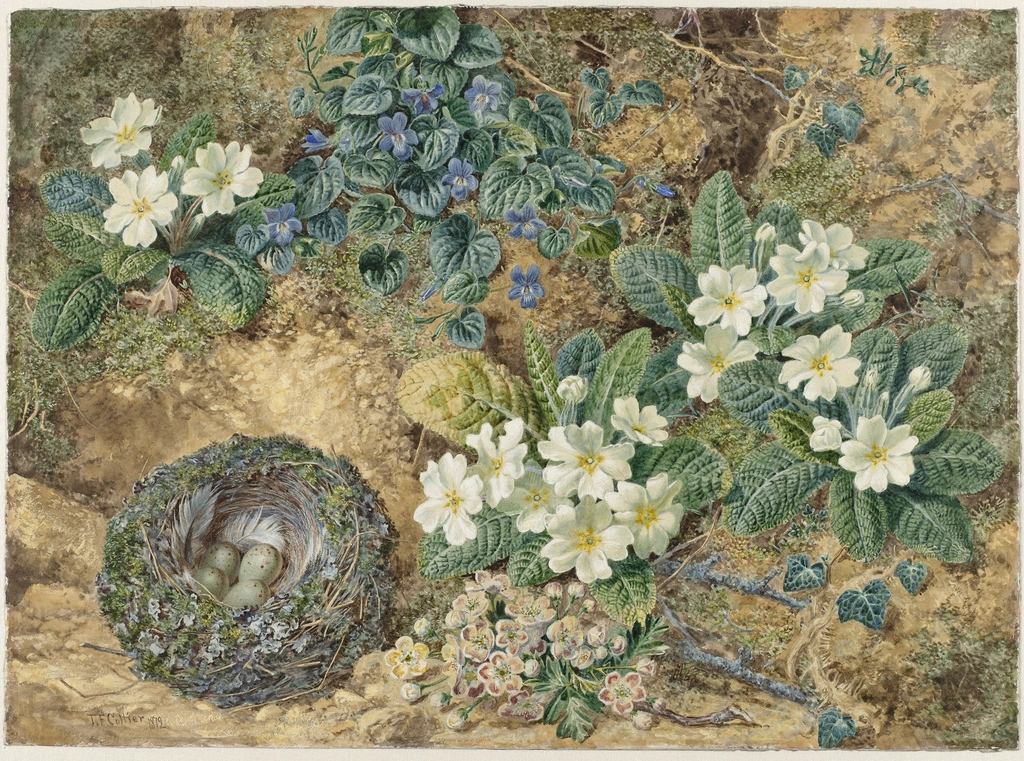
For agriculture, forestry, and restoration, mycorrhizal networks could be the quiet infrastructure that turns fragile plantings into resilient communities. Traditional approaches lean hard on fertilizer and irrigation, which can boost yields but often at the cost of compacted soils and lost biodiversity. Networks offer a complementary route: improve soil life, and the system becomes better at self-regulating water and nutrients. That doesn’t mean magic yields overnight; it means fewer brittle edges when weather whiplashes between flood and drought.
On a warming planet, those softer edges matter. Fields and forests that retain their underground connections tend to bounce back faster after heat waves, pest outbreaks, or disturbance, saving time, money, and habitat.
Global Perspectives
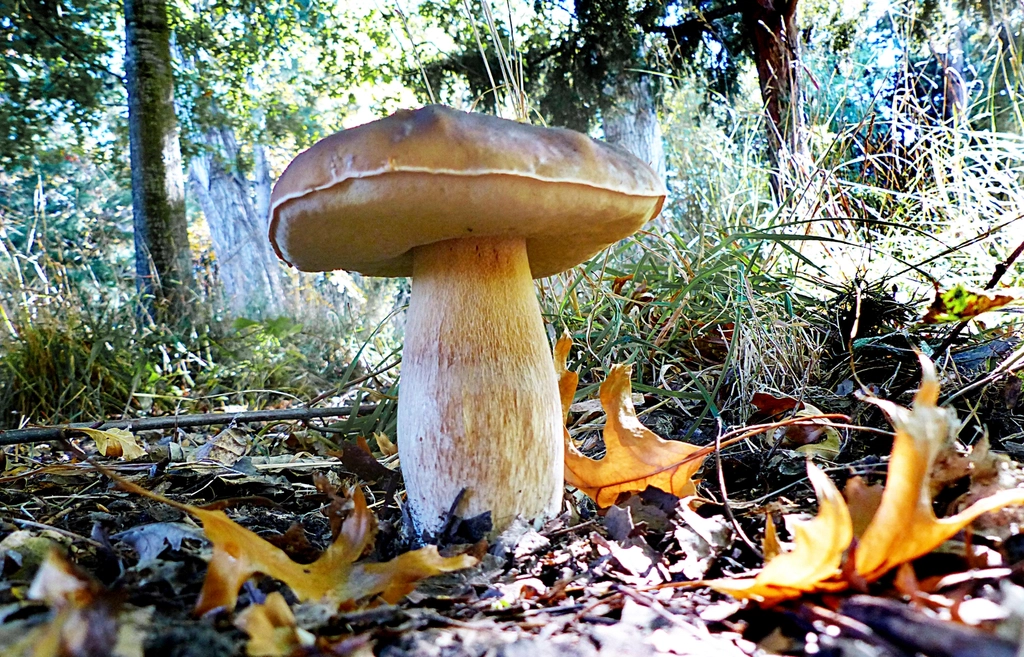
These partnerships are not a temperate-forest quirk. From prairie grasses to tropical trees, most land plants form mycorrhizas, though the cast of fungal species shifts from biome to biome. In boreal forests, ectomycorrhizal networks stitch together conifers across thin soils, while in grasslands, arbuscular fungi help roots reach precious water as weather patterns seesaw. In deserts, the tiniest gains in water-holding soil structure can be the difference between a seedling and a sunburnt memory.
Human land use changes the story. Tillage and repeated soil disturbance can shred fungal threads, while mixed-species plantings and reduced chemical inputs tend to rebuild them. Urban planners are even starting to treat soil as living infrastructure, recognizing that parks and street trees do better when their fungal partnerships are intact.
The Future Landscape
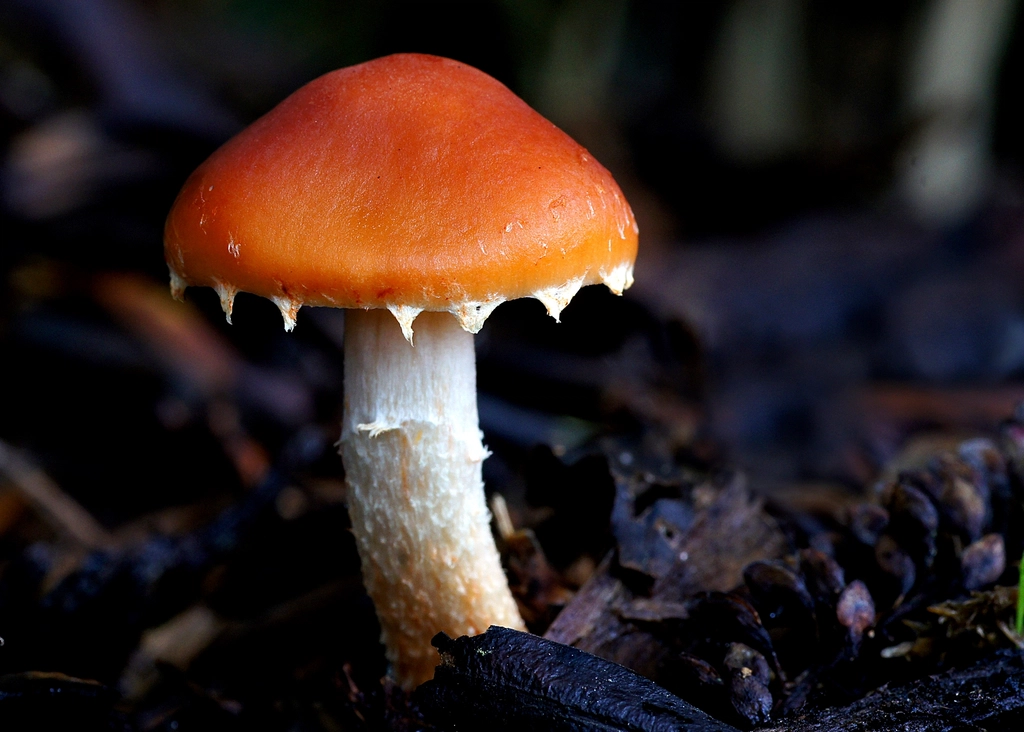
Next-generation tools are poised to turn hunches into maps. Environmental DNA and RNA sequencing can now identify thousands of fungal players in a pinch of soil, while network models are learning to predict how those communities respond to heat, pollution, and invasive species. Researchers are testing whether certain fungal consortia consistently boost drought tolerance or disease resistance, a potential boon for climate-smart agriculture. There’s interest, too, in breeding or selecting crop varieties that form more efficient partnerships without sacrificing yield.
With promise comes caution. Moving fungi around the globe risks unleashing unwanted passengers, and overly tidy stories can outrun the data. The coming decade will hinge on field trials that track whole ecosystems across seasons, not just snapshots in pots and trays.
The Hidden Trade-Offs and Open Debates
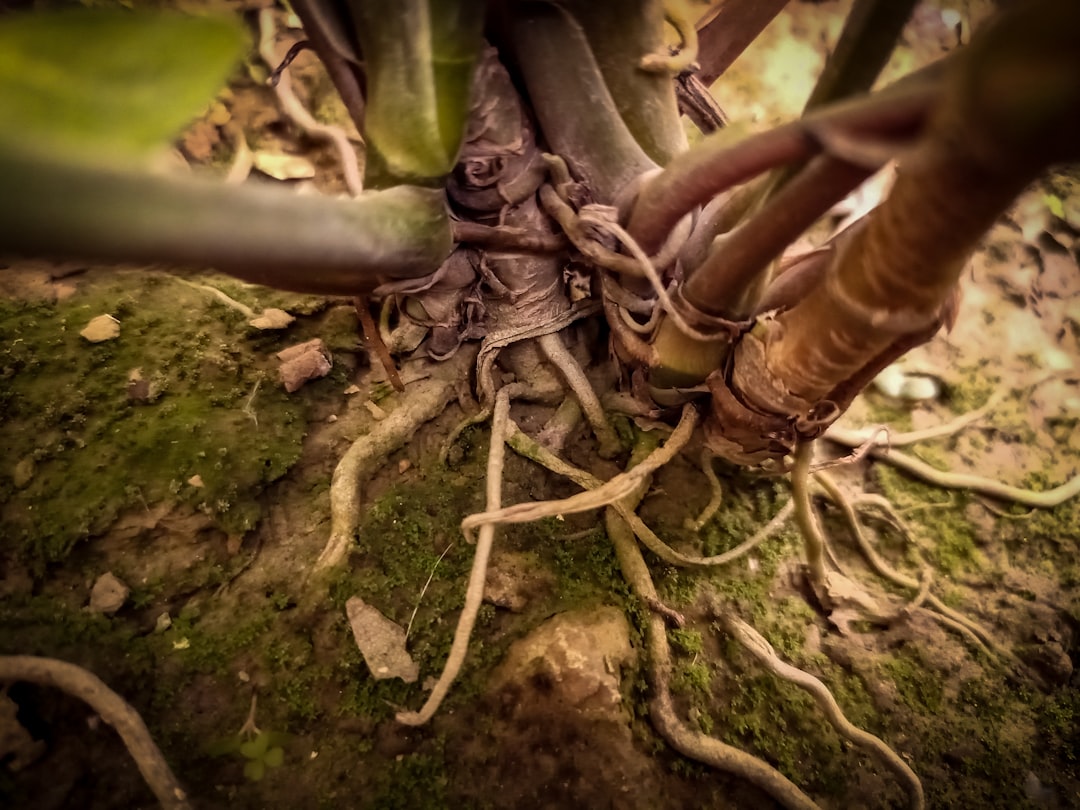
No matter how enchanting the “wood wide web” metaphor, scientists are clear that it’s not a single, universal internet with equal access. Connections are patchy, often species-specific, and shaped by soil chemistry and weather, which means the rules can flip from one site to the next. Some studies find strong resource transfers; others find negligible movement once natural complexity is restored. That tension isn’t a failure – it’s the sign of a field getting sharper.
Expect a shift from yes-or-no questions to how-much, when, and for whom. As datasets expand, the story will likely look less like a fairy tale and more like a city map, complete with dead ends, toll roads, and backstreets that matter most during emergencies.
Conclusion
You don’t need a lab to support the underground. If you garden, minimize deep tilling, keep living roots in the soil year-round, and choose diverse plantings that welcome fungal partners. If you manage land, consider reduced-disturbance practices, protect patches of older vegetation that anchor networks, and favor mixed-species designs that share risk. For the rest of us, supporting conservation of intact forests and funding long-term ecological research is a practical way to keep this quiet infrastructure working.
I carry a pocket lens on hikes now, not to eavesdrop but to remember that complexity thrives where we let it. The next time you tread a trail or water a backyard bed, picture the threads you can’t see, stitching small lives into a more resilient whole – because the health of those threads may one day steady ours. What will you do, today, to keep the conversation going?
Suhail Ahmed is a passionate digital professional and nature enthusiast with over 8 years of experience in content strategy, SEO, web development, and digital operations. Alongside his freelance journey, Suhail actively contributes to nature and wildlife platforms like Discover Wildlife, where he channels his curiosity for the planet into engaging, educational storytelling.
With a strong background in managing digital ecosystems — from ecommerce stores and WordPress websites to social media and automation — Suhail merges technical precision with creative insight. His content reflects a rare balance: SEO-friendly yet deeply human, data-informed yet emotionally resonant.
Driven by a love for discovery and storytelling, Suhail believes in using digital platforms to amplify causes that matter — especially those protecting Earth’s biodiversity and inspiring sustainable living. Whether he’s managing online projects or crafting wildlife content, his goal remains the same: to inform, inspire, and leave a positive digital footprint.