
A steaming cup of tea might seem ordinary, but it hides a story as powerful as any in human history. Imagine a single leaf, plucked from a bush in a misty mountain, sparking revolutions, inspiring poetry, and shaping entire empires. On International Tea Day, we’re not just celebrating a beverage—we’re honoring a green marvel that has woven itself through the fabric of civilization, science, and daily life. The tale of tea is a story of chemistry and culture, botany and belief, conquest and comfort. Let’s journey together into the heart of how plants like tea have changed the world in ways both subtle and seismic, leaving echoes in our minds and in our genes.
The Birth of Tea: Nature’s Gift to Humanity

Long before tea became a global commodity, it thrived quietly in the wild forests of China and northern India. Camellia sinensis, the plant that gives us all true tea, evolved remarkable defenses against insects—tiny caffeine molecules that also happened to energize human drinkers. Ancient people noticed the invigorating effect of chewing tea leaves, long before brewing became an art. Over centuries, these humble shrubs shaped entire landscapes, as people began cultivating tea in terraced fields, transforming hillsides into lush, green waves. The story of tea’s birth is really the story of how humans learned to harness a plant’s natural chemistry, turning a forest secret into civilization’s favorite cup.
Tea and the Rise of Empires
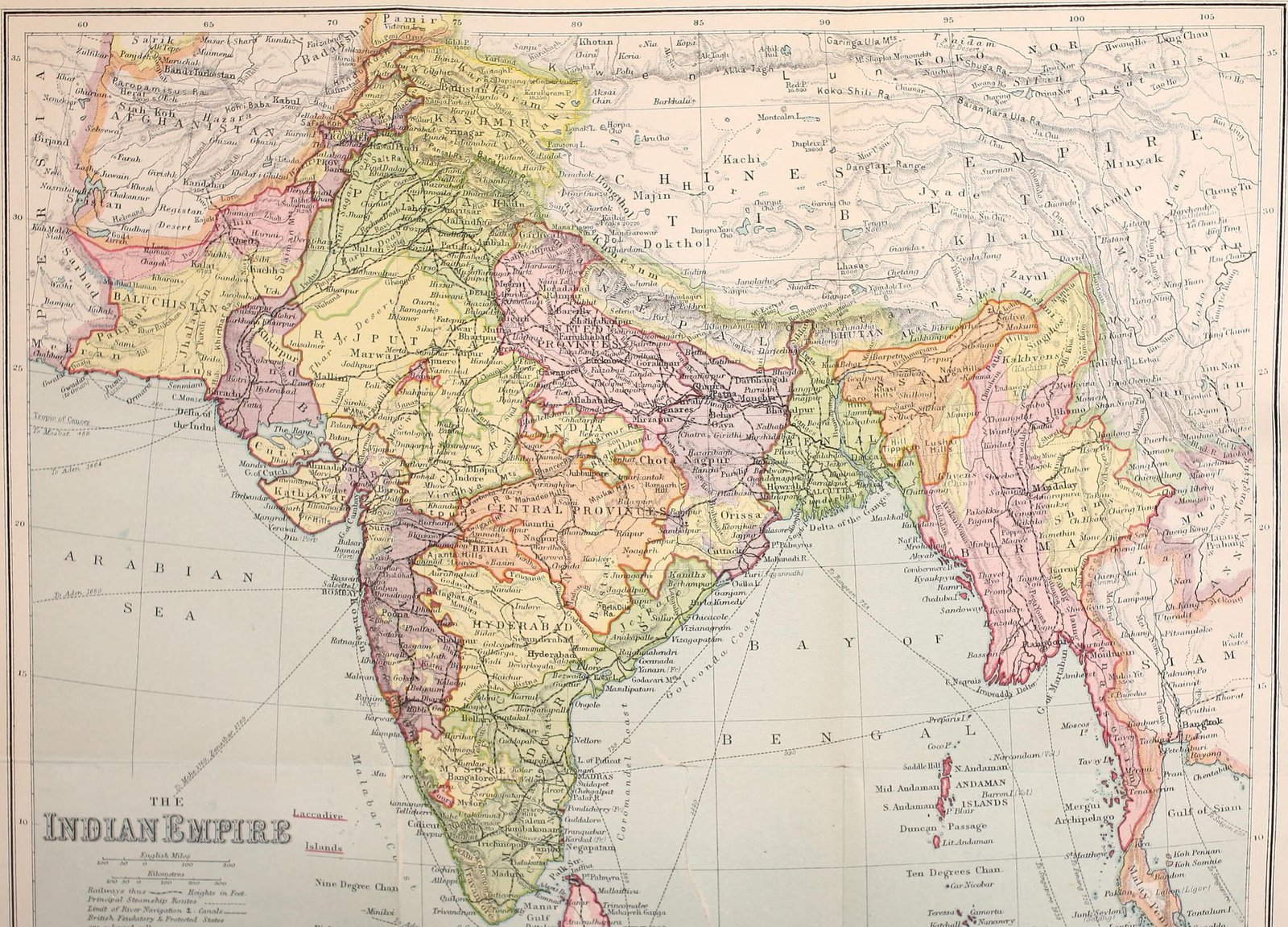
Tea didn’t just quench thirst—it built empires. In China, tea became a symbol of sophistication and spiritual wisdom, fueling the Tang and Song dynasties. The British Empire staked its fortune on tea, weaving it into colonial trade routes that spanned the globe. The demand for tea drove the Opium Wars, changing the fate of nations. Tea’s journey from leaf to empire is a breathtaking example of how a single plant can change the flow of history, turning distant lands and diverse peoples into a global web of commerce and conflict.
A Leaf That Launched a Thousand Ships

The desire for tea set ships sailing across stormy seas and treacherous straits. The famous “tea clippers” raced from China to London, their sails filled with the hope of a fresh harvest fetching top dollar. These dramatic maritime adventures weren’t just about speed—they were about survival, profit, and national pride. The story of tea clippers is a story of innovation and risk, of how a humble plant could spark technological advances and inspire daring feats on the open ocean.
The Science of Steeping: Chemistry in Your Cup

When you pour hot water over tea leaves, you’re not just making a drink—you’re triggering a cascade of chemical reactions. Polyphenols, amino acids, and volatile oils swirl together, creating the taste and aroma we love. The caffeine wakes us up, while L-theanine gently soothes the mind—a unique combination found almost nowhere else in nature. Scientists have studied tea’s antioxidants, linking them to health benefits like reduced risk of heart disease and improved brain function. Every cup is a miniature chemistry lab, proof of the plant’s remarkable power to nourish both body and mind.
Tea Ceremonies: Rituals of Connection

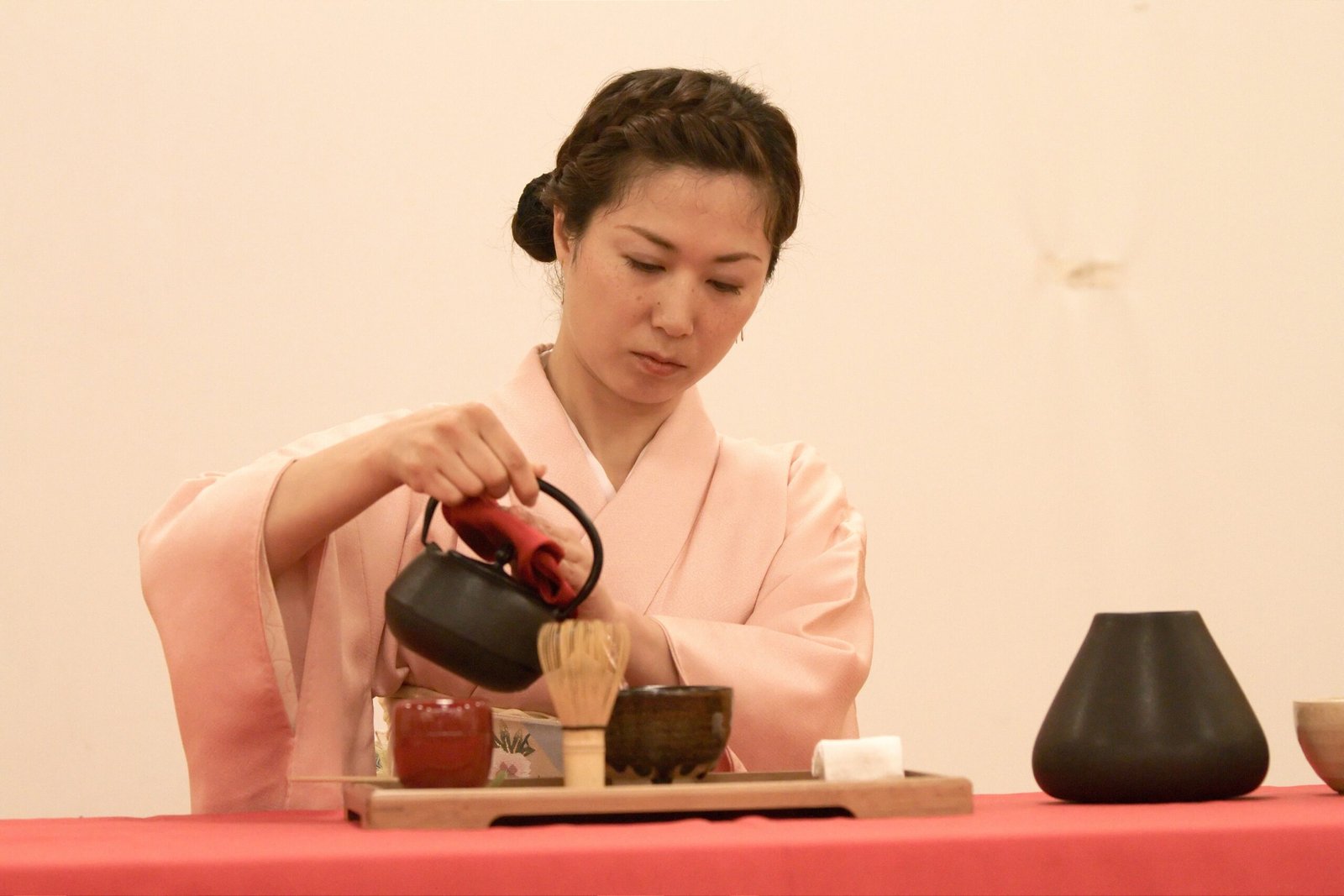
Across Asia, tea became more than a drink—it became a ritual. In Japan’s serene tea ceremonies, every gesture is a meditation, a celebration of beauty and mindfulness. In China, gongfu tea masters pour with lightning precision, honoring both guest and leaf. Even in Britain, the ritual of afternoon tea is a social glue, a pause in the day for conversation and reflection. These ceremonies remind us that tea is about more than molecules—it’s about connection, respect, and the art of being present.
Plants as Medicine: Healing Powers of Tea

For centuries, healers have turned to plants like tea for their medicinal properties. Traditional Chinese medicine prized green tea for its “cooling” effect and its ability to clear toxins. Modern science has confirmed many of these uses: tea’s catechins exhibit antiviral, antibacterial, and anti-inflammatory effects. Herbal teas—from chamomile to peppermint—have soothed sore throats and upset stomachs for generations. The power of plants to heal, comfort, and restore is a testament to nature’s pharmacy, hidden in every cup.
Tea and the Spark of Revolution

Few plants have sparked as much political drama as tea. The Boston Tea Party, when American colonists dumped British tea into the harbor, lit the fuse of revolution. This act of defiance was about more than taxes—it was about freedom, identity, and the right to self-determination. Tea became a symbol of protest, a rallying cry for those seeking change. History shows that sometimes, the smallest things—a handful of tea leaves—can tip the scales of power.
The Global Spread: From East to West

Tea’s journey from Asia to the world is a tapestry of trade, adaptation, and innovation. Portuguese and Dutch traders carried it to Europe, where it quickly became a status symbol among the elite. The British sweetened it with sugar and milk, creating new traditions that persist today. In Russia, samovars kept tea warm through icy winters, while in Morocco, mint tea became a symbol of hospitality. Each culture made tea its own, blending local flavors and customs into a shared global story.
Plant Genetics: The Secret Life of Tea

Beneath the surface, tea plants are genetic marvels. Scientists have mapped the tea genome, revealing how centuries of selective breeding created varieties suited to different climates and tastes. Wild tea relatives hold secrets to disease resistance and drought tolerance, offering hope for the future as climate change threatens crops. The study of tea’s DNA is unlocking new possibilities for flavor, health, and sustainability, proving that plants are ever-evolving partners in human progress.
The Social Bond: Tea as Community Builder

Tea brings people together like little else. In bustling Indian chai stalls, strangers become friends over spicy, sweet masala chai. In Britain, the question “Fancy a cuppa?” is an invitation to connect. Even in digital times, virtual tea parties and online tea tastings create a sense of belonging. Tea is more than a drink—it’s a bridge between generations, cultures, and hearts.
Ecology and Sustainability: Growing Tea Responsibly
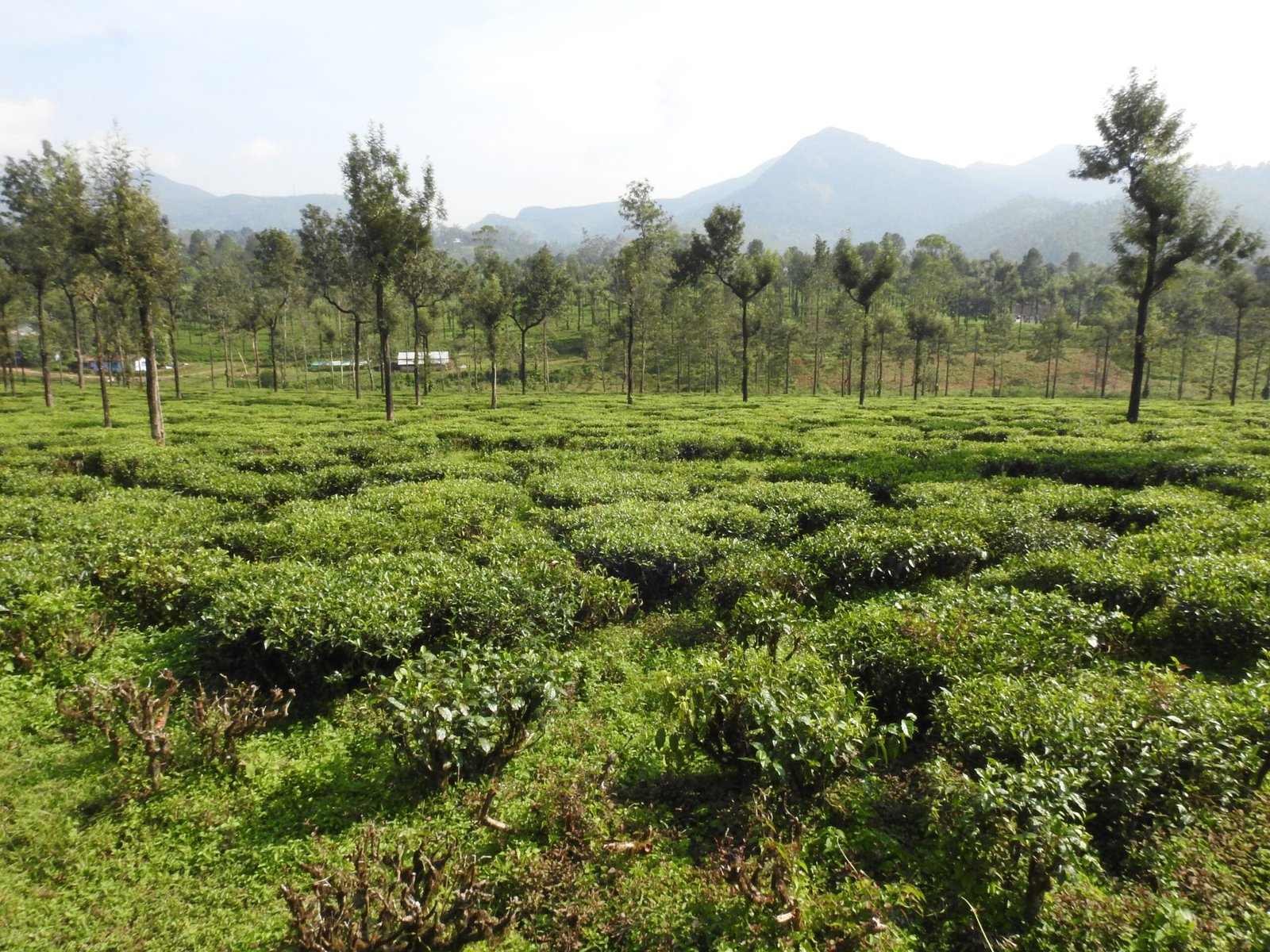
Tea cultivation shapes entire ecosystems. Traditional tea gardens support diverse wildlife, from birds to butterflies. However, large-scale farming can threaten forests and soil health. The rise of organic and fair-trade tea is helping to protect both people and planet. Scientists and farmers are working together to develop more sustainable practices, ensuring that future generations can enjoy tea without harming the earth.
Caffeine and Consciousness: How Plants Changed Our Brains

Plants like tea didn’t just shape history—they changed our biology. Caffeine, the world’s favorite stimulant, sharpens our focus and lifts our spirits. Scientists have found that caffeine blocks adenosine receptors in the brain, warding off drowsiness and boosting alertness. This chemical edge helped ancient scholars, warriors, and workers alike push through fatigue and unlock new ideas. In a way, tea wired itself into our consciousness, becoming a silent partner in human achievement.
The Art and Science of Blending
Blending tea is a craft that balances science with creativity. Master blenders mix different leaves, herbs, and flowers to craft unique flavors and aromas. Their work is part chemistry, part art, and part intuition. Each blend tells a story, reflecting the terroir, tradition, and vision of its maker. This tradition echoes the broader human journey with plants: a constant dance of discovery and invention.
Tea and the Environment: Guardians of Biodiversity
Tea gardens can be sanctuaries for biodiversity. Shade-grown tea supports rare plants and animals, creating mini-ecosystems that buffer against climate change. Some tea estates are pioneering agroforestry, interplanting tea with native trees to restore degraded land. By choosing sustainably grown tea, consumers can help protect these green havens and support a more balanced relationship with nature.
Innovation Brews: From Science Labs to Teacups

Modern science is pushing tea into new frontiers. Researchers are developing climate-resilient tea plants, experimenting with fermentation for new flavors, and even exploring the use of tea compounds in pharmaceuticals. Novel brewing technologies, like cold-brewing and nitro-tea, are changing the way we experience this ancient drink. These innovations show that tea is not just a relic of the past—it’s a living laboratory for the future.
Tea and Mindfulness: Finding Calm in a Cup
In a world that often feels rushed and noisy, tea offers a moment of peace. The act of brewing, pouring, and sipping can be a form of mindfulness, grounding us in the present. Researchers have found that tea rituals can reduce stress and promote well-being. Drinking tea becomes a gentle reminder to slow down, breathe, and reconnect with ourselves and the world around us.
Cultural Exchange: Tea as a Symbol of Peace

Tea has often been used as a gesture of diplomacy and friendship. From the Japanese tea ceremony offered to honored guests, to the tradition of sharing tea in Middle Eastern bazaars, this humble plant has helped bridge divides and foster understanding. Even during tense moments in history, the sharing of tea has opened doors and softened hearts, making it a quiet ambassador of peace.
Tea in the Digital Age: A New Revolution

Today, tea is thriving in the digital world. Social media has sparked global tea communities, where aficionados share brewing tips and rare finds. Online shops offer teas from remote gardens to customers around the globe. Virtual tastings and livestreamed ceremonies have brought ancient traditions into modern life, proving that tea’s power to unite and inspire is stronger than ever.
Personal Reflections: The Magic of a Simple Leaf
For many, a cup of tea is more than just a drink—it’s a memory, a comfort, a daily ritual. I remember rainy afternoons when the scent of jasmine tea seemed to wrap the house in warmth, or late-night study sessions fueled by strong black brews. Each cup tells a story unique to the drinker, yet connected to a lineage stretching back thousands of years. Tea is a magic trick of nature and nurture, science and soul—a humble leaf that has changed the world, one sip at a time.